

Kifune shrine in winter: A snowy escape near Kyoto
If you are visiting Japan in winter and want to see something truly different, Kifune Shrine is worth the detour. Hidden in the mountains north of Kyoto, this quiet shrine becomes especially striking when snow covers the stone path and lanterns. It feels calm, remote, and far removed from the city.

Why visit Kifune shrine in winter
In winter, Kifune Shrine takes on a very different atmosphere. Snow softens the landscape and brings silence to the forest. The red lanterns along the path stand out against the white ground, creating one of Kyoto’s most recognizable winter scenes.
Crowds are much smaller than in other seasons. This makes the visit slower and more peaceful, especially in the early morning. Winter also offers a different perspective on Japan, one focused on stillness rather than seasonal crowds.
How to plan your visit
What to wear
Dress warmly. Layers, gloves, and a hat are important. Non slip shoes are strongly recommended, as the stone steps can be icy after snowfall.
How to get there
From central Kyoto, take the Eizan Railway to Kibuneguchi Station. From there, you can walk about 30 minutes along the road or take a short local bus closer to the shrine.
Best time to visit
Early morning offers soft light and very few visitors. Late afternoon can also be beautiful when the light reflects on the snow and lanterns.
Combine your visit with nearby spots
After visiting the shrine, many travelers like to continue toward Kurama Onsen. A hot bath after walking in the snow is a good way to end the day.
If there is no snow, the area is still pleasant, but fresh snowfall makes the experience much more memorable.
Why include Kifune shrine in a winter Kyoto itinerary
Kifune Shrine shows a quieter and more contemplative side of Kyoto. It works well if you want to balance temples in the city with a short mountain escape.
If you want help fitting Kifune Shrine into a winter itinerary without overloading your days, my guides are built to keep planning simple while leaving space to enjoy places like this.

Plan Your Japan Trip More Easily
If you're going to Japan you're probably facing :
Too much information
How to organize
Don’t know where to go
Train system feels confusing
Afraid of missing places
Planning a trip to Japan usually breaks at the same point: you save a lot of places, but don’t know how to turn them into a realistic route. Cities are large, distances are not intuitive, and it’s hard to know what actually fits in one day.
This guide was created to solve that. It helps you understand how places connect, how many days make sense per area, and how to build an itinerary that flows.
With the interactive map, you can explore curated spots across Japan, follow ready-made itineraries and day trips, mix my routes with your own, and adapt everything to your pac
I created my Japan Travel Guide to help you organize your trip in a clear, realistic way.
Details on what you'll have
Best of both world : touristy & off the beaten path places
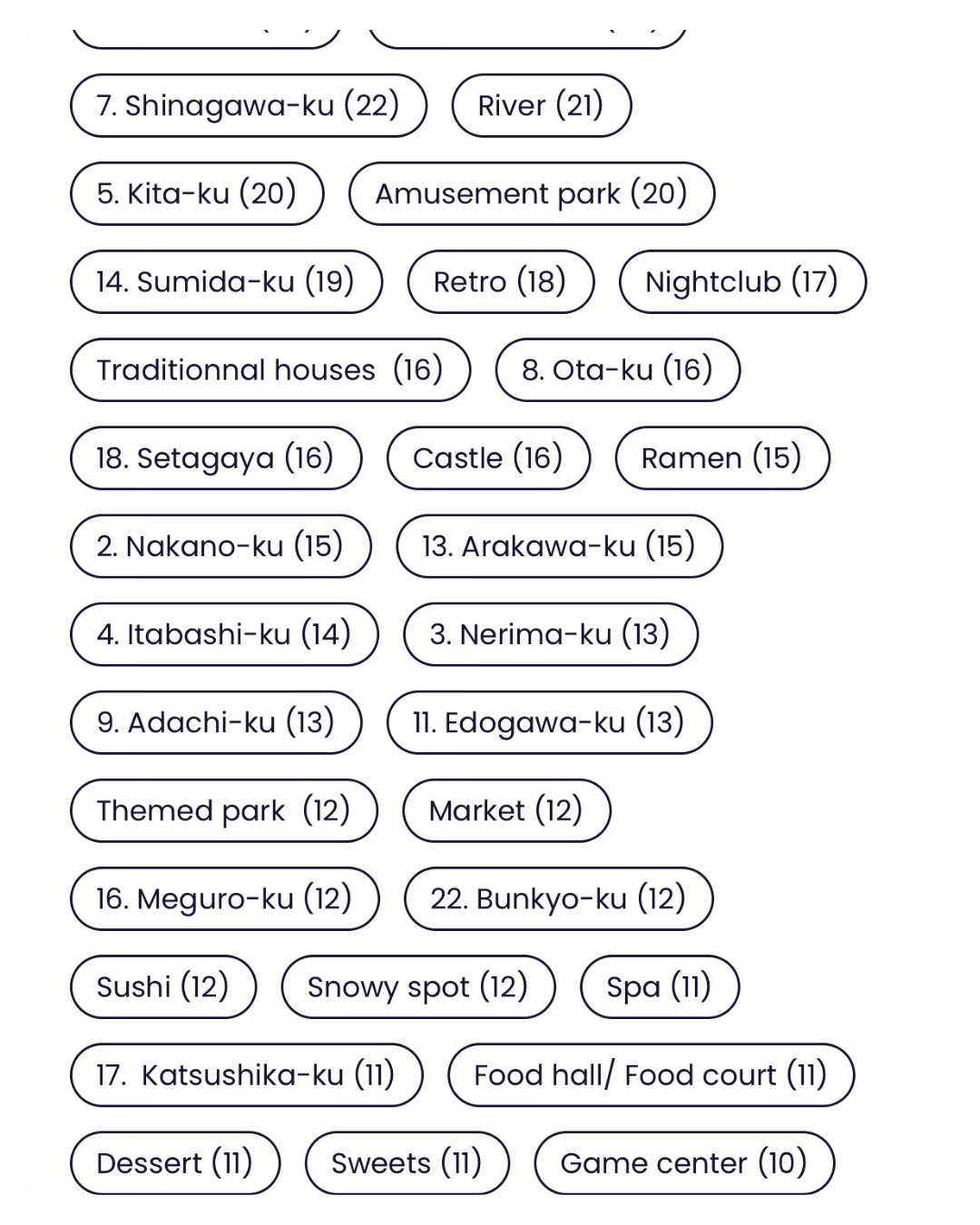
+ 1000 things to do, filterable by category & tags
Lifetime access to my itinerary and all future updates.
10 to 30 days curated itineraries, fully customizable
Kanto (Tokyo & surroundings) Day by Day customizable Itinerary (10 to 15 days)
Kansai (Osaka, Kyoto, Nara...) Day by day Itinerary customizable (13 to 15 days)
Tokyo Guide by Neighborhood (23 special ward)
15+ additional day trips detailed for exploring nearby destinations from Tokyo, Osaka, Kyoto.
Interactive map with all key spots marked & filterable by category & tags
Benefit from in-depth practical advice (navigation, accomodation, restaurants, cultural experiences)
PDF & Excel sheets (with less updates than online version)

What it looks like on the app :




If you prefer something fully tailored, I also offer a 100% custom travel planning service.
I design a day-by-day itinerary based on your dates, interests, budget, travel pace, and priorities. You simply follow the plan and enjoy your trip.
And if you like flexible, editable itineraries, you can also find my ready-made itineraries on Holicay.
They’re ideal if you want a solid base you can customize with your travel companions.

Hi, I’m Marie, the creator behind @tabimawari.
I lived in Kyoto, learned Japanese, and keep returning to explore Japan beyond the obvious.
Planning a trip to Japan usually breaks at the same point: you save a lot of places, but don’t know how to turn them into a realistic route. Cities are large, distances are not intuitive, and it’s hard to know what actually fits in one day.
This guide was created to solve that. It helps you understand how places connect, how many days make sense per area, and how to build an itinerary that flows.
With the interactive map, you can explore curated spots across Japan, follow ready-made itineraries and day trips, mix my routes with your own, and adapt everything to your pace.

MY SOCIALS


MY NEWSLETTER
Japan Monthly by Tabimawari : Subscribe to get a monthly email packed with inspiration, local tips, and events happening across Japan straight from someone who’s lived and traveled a lot.

Look for the best accommodations in Japan :

Explore Japan with Local Guides
Marie creator behind @Tabimawari
Hi, I’m Marie.
French islander from Reunion island, Japan lover, and travel planner behind Tabimawari.
I spent a year living in Kyoto, learning Japanese and falling in love with the culture. Since then, I’ve kept going back, exploring every corner from Tokyo to the tiniest hidden towns.
I created these guides after spending months planning, testing, and fine-tuning every detail so you don’t have to. Inside, you’ll find:
✅ Interactive maps
✅ Step-by-step directions
✅ Local spots + travel tips
✅ Offline use
Each guide is made with care, based on real-life travel, not generic blog advice.
This is what I wish I had on my first trip to Japan and now it’s yours.
MY SOCIALS
MY NEWSLETTER
Plan your Japan trip without
the overwhelm
Follow me
Newsletter
Japan Monthly : Subscribe to get a monthly email packed with inspiration, local tips, and events happening across Japan straight from someone who’s lived and traveled a lot.