

Unconventional 18-Day Japan Itinerary: Osaka, Shikoku & Kyushu Road Trip
Every trip starts the same way for me… with a long journey from Réunion Island. This time, I stopped in Bangkok for less than 24 hours before flying to Osaka. Here’s exactly how it went, with real costs and what I’d actually recommend.
Quick note : I shared every step, every place and every experience so you can plan yours too. If you want not only access to all my locations, itineraries, cafés and maps, but you want also to customize it for you own trip, everything is inside my Japan template on Holicay and my full guide on Rexby.
Day 1 – Réunion → Thailand
I left Réunion Island on August 27 and landed in Bangkok on the 28th.
We had one full day before flying to Japan, so even if we were tired, we decided to use it.
Hotel: The Cottage Suvarnabhumi
Close to the airport (around 40 min from city center)
→ €24.17 per person
Taxis (airport → hotel → city → back)
→ €15 + €15 + €17 total
→ €11.75 per perso
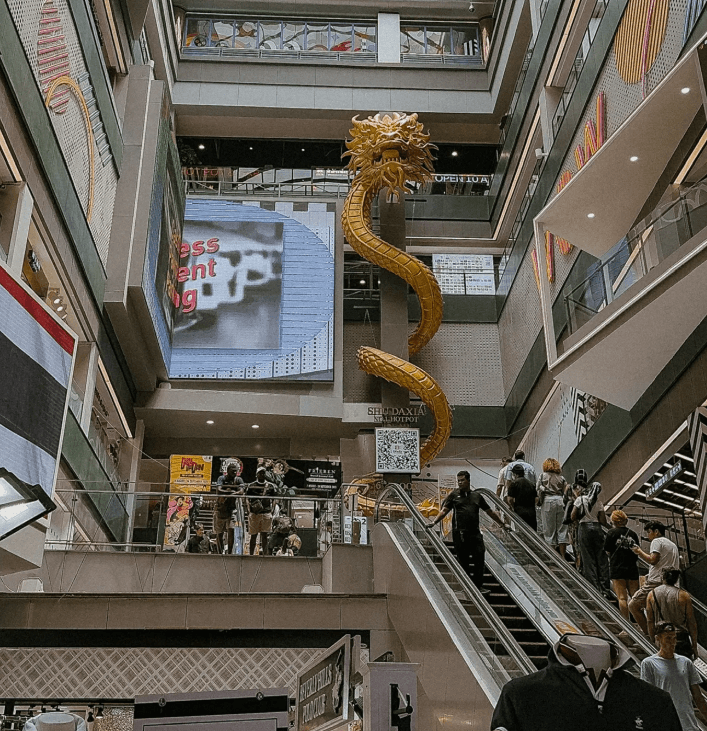
One Day in Bangkok
Here’s what we managed to do in less than 24 hours:
• MBK Center – shopping + lunch
• Central World – stopped at AAPE and a few other stores
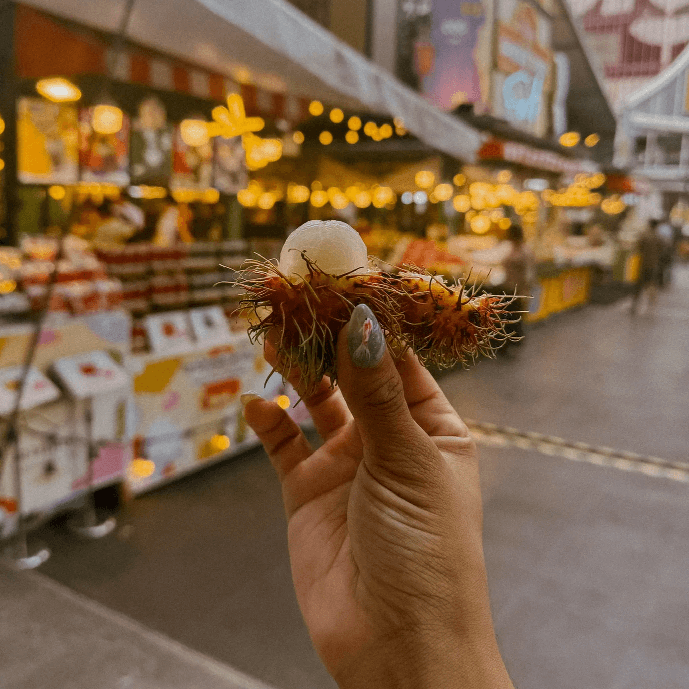
• Dessert at Paris Mikki (very good, would go again)
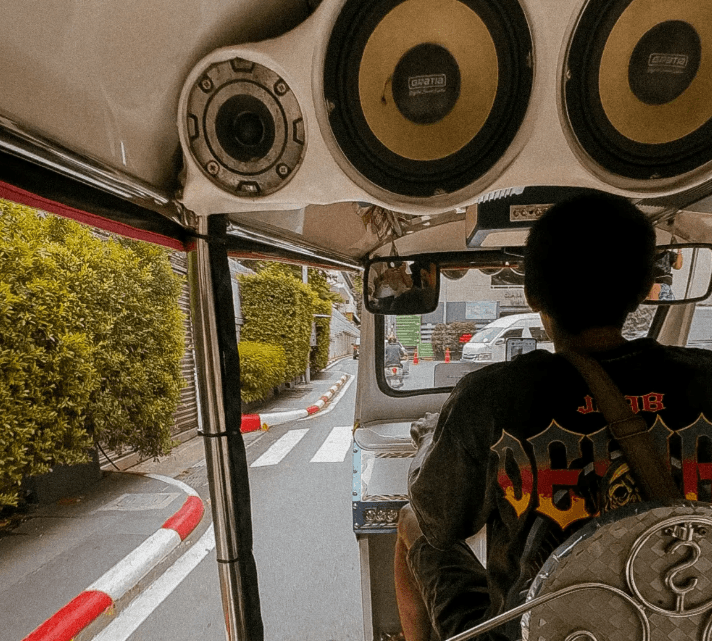
• Tuk tuk between malls and to the temple (fun, but not cheaper than taxis)
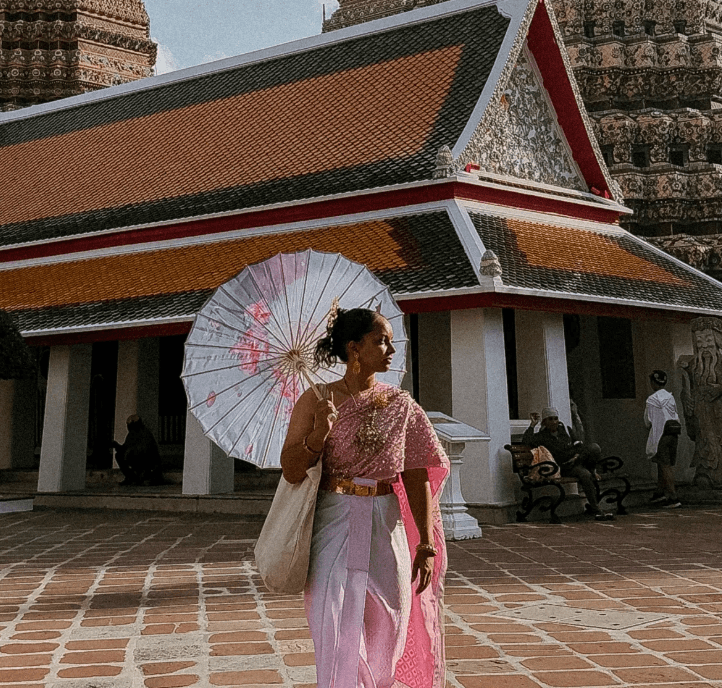
• Thai costume rental in Bow Thian – €30 per person
• Wat Pho (Temple of the Reclining Buddha) – €7.87 per person
We rented the Thai costume just 5 minutes from Wat Pho. Very easy, very smooth process.
Total for Bangkok: €85.79 per person
Honestly? For a 1-day stop, it was intense but worth it.
Day 2 – Arriving in Japan
Taxi to Don Mueang Airport (DMK)
→ €5 per person
Flight: Bangkok (DMK) → Osaka (KIX)
→ €125 per person
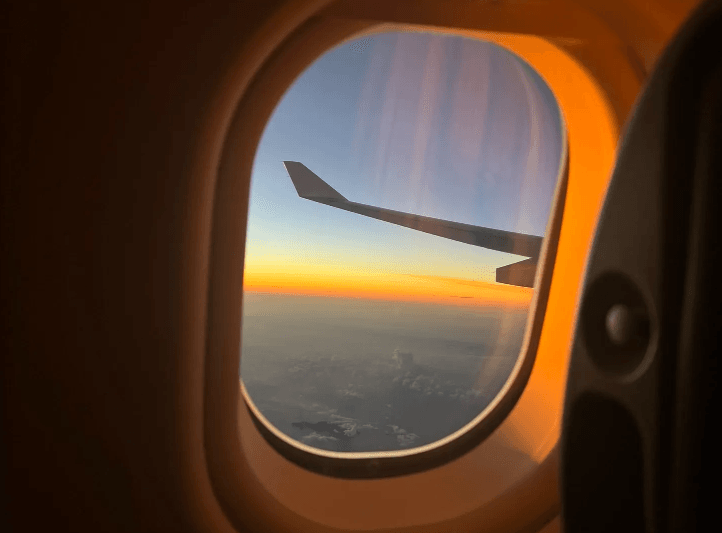
From Kansai Airport (KIX) to our Airbnb in Osaka:
We took the Nankai Railway Rapid + one transfer.
→ Around 1 hour total
→ 1200¥ per person (around €7)
Tip: You can choose local, rapid or Haruka depending on where you’re staying. Always check Google Maps. It’ll give you the fastest and easiest option.
We landed around 9PM, so we ate directly at Kansai Airport.
Dinner at Genki Shouten (Tasty Street area)
→ around 1200¥
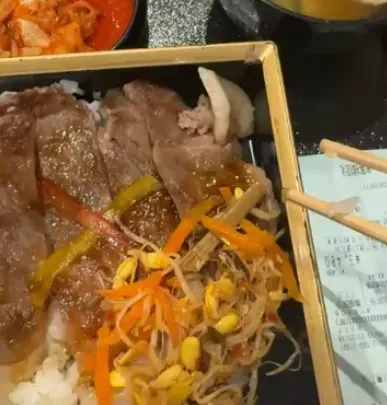
Very convenient if you arrive late and don’t want to drag yourself into the city hungry.
Our Airbnb in Osaka : Blue bear
3-floor house with a rooftop.
Perfect for 3 nights.
→ 9988.5¥ per person
→ 59531¥ total
Area: Tenjinbashi
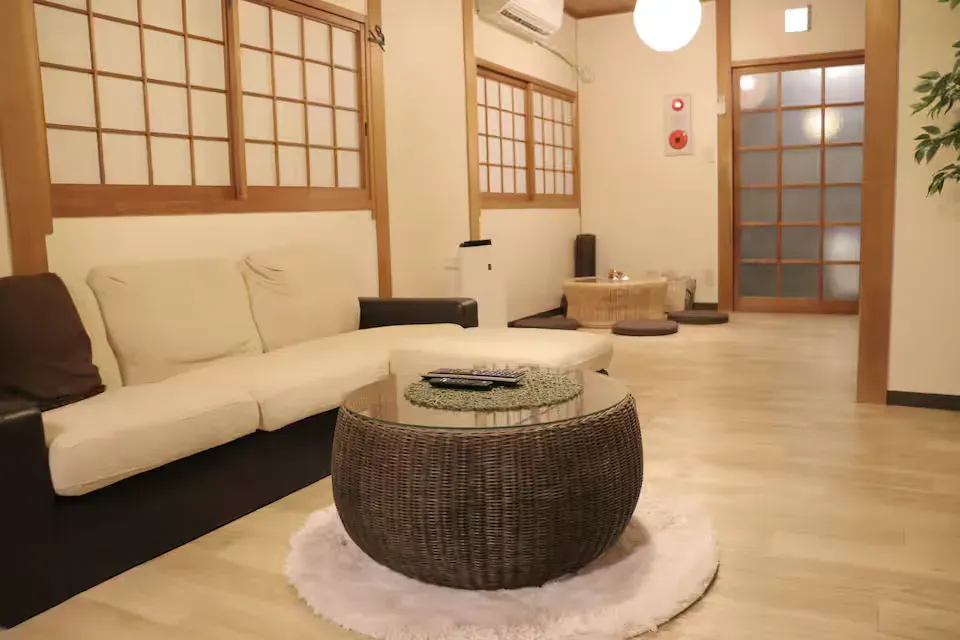
I love this area.
Lots of restaurants, long shopping streets, good atmosphere, easy to move around.
Day 3 – First Real Day in Japan
Since we had limited time around Osaka, I booked a day trip to explore three places in Kyoto Prefecture that I hadn’t seen before:
• Ine
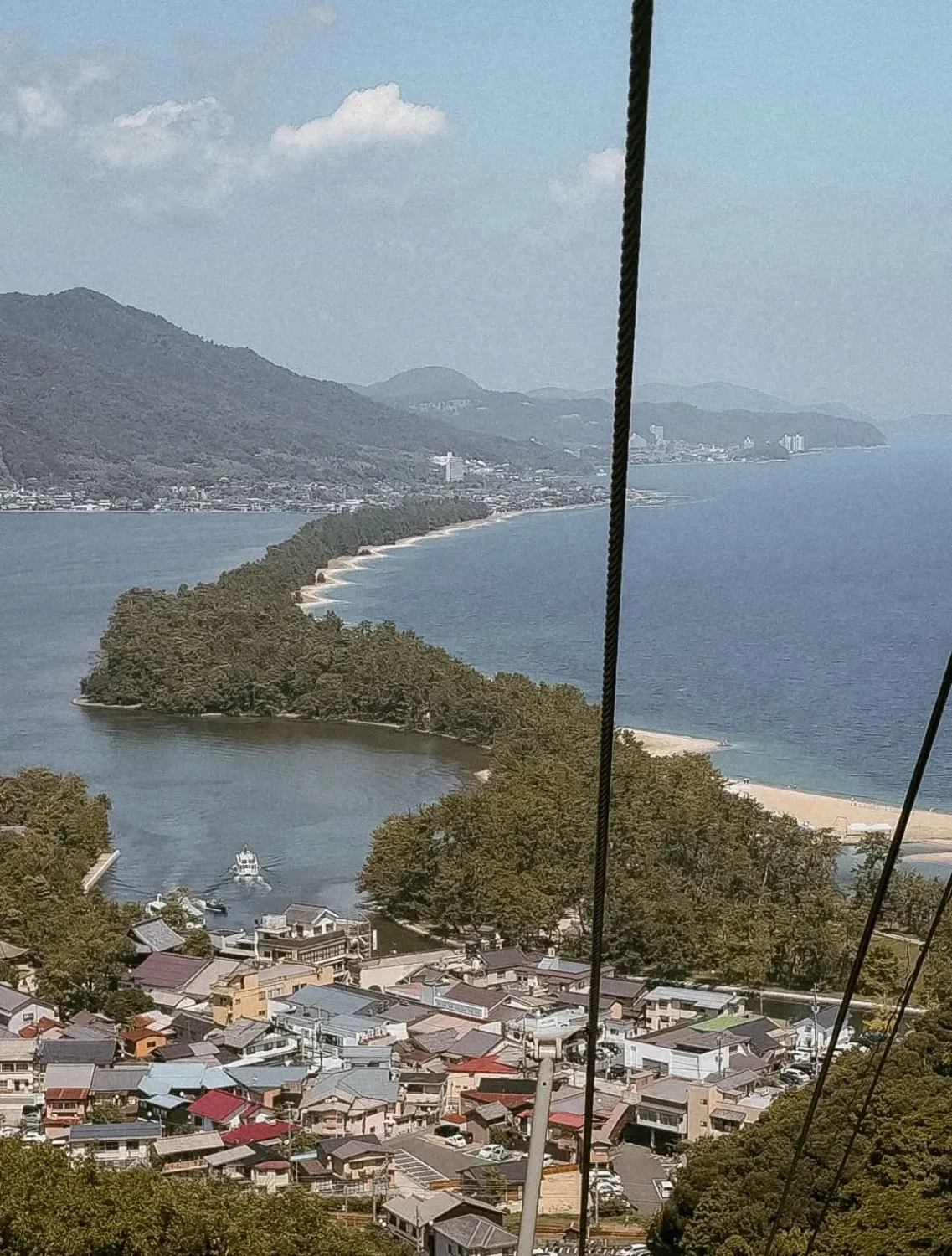
• Amanohashidate
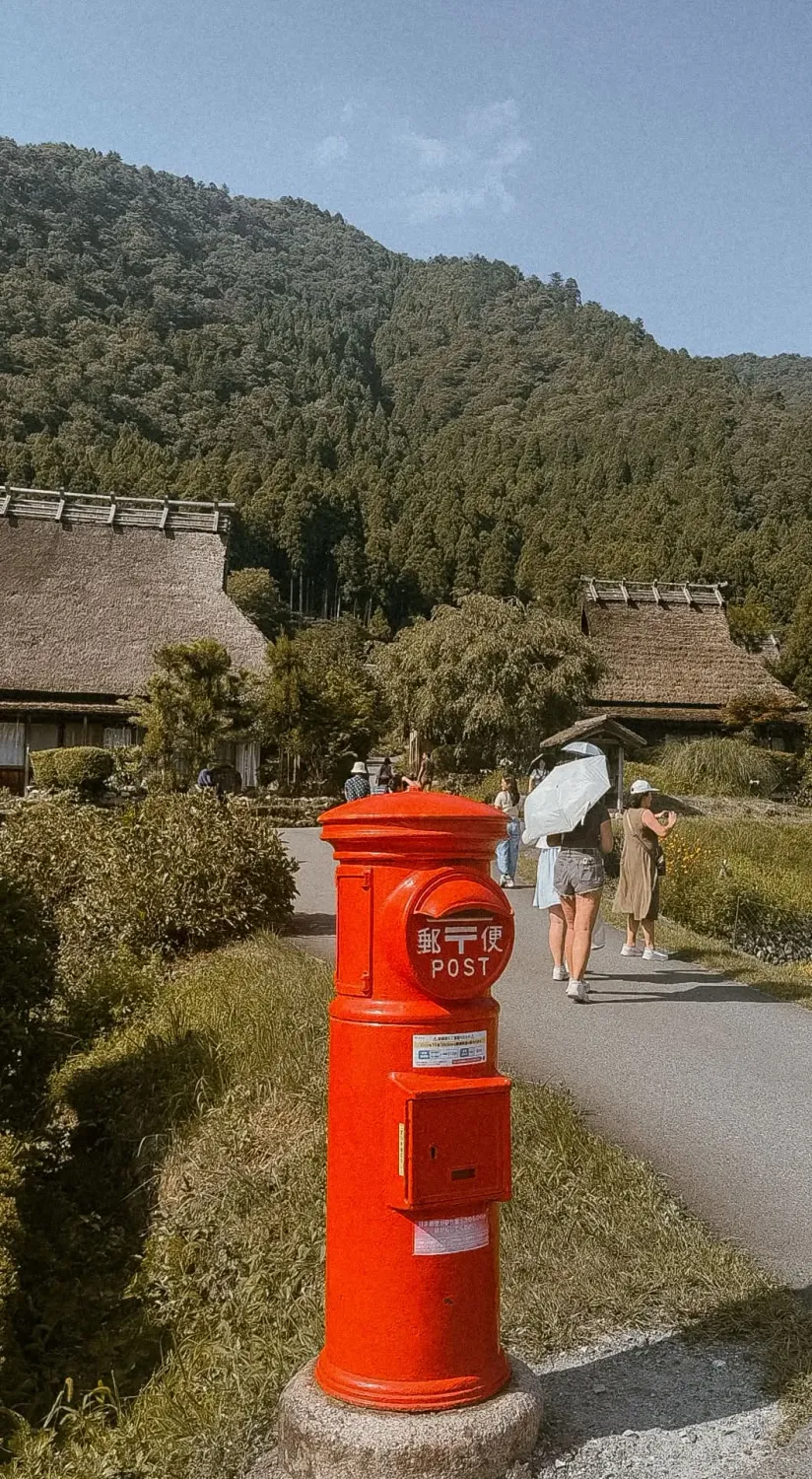
• Miyama
Tour via GetYourGuide
→ 11,200¥
→ Around 4h30 of transfers in total
Would I recommend doing all three in one day?
Honestly, it’s tiring and you lose quite a bit of time in transport… but it was worth it.
The tour itself was really good and we had a great day overall. That said, I would recommend limiting this kind of experience to one or two during your trip, because there’s a lot of transportation time involved (about 2h30 at the start and 2h30 at the end)
Ine → We had about 1 hour there plus a short cruise. It was enough since the town is small and we mainly wanted to see the landscape, but you don’t really get time to explore in depth.
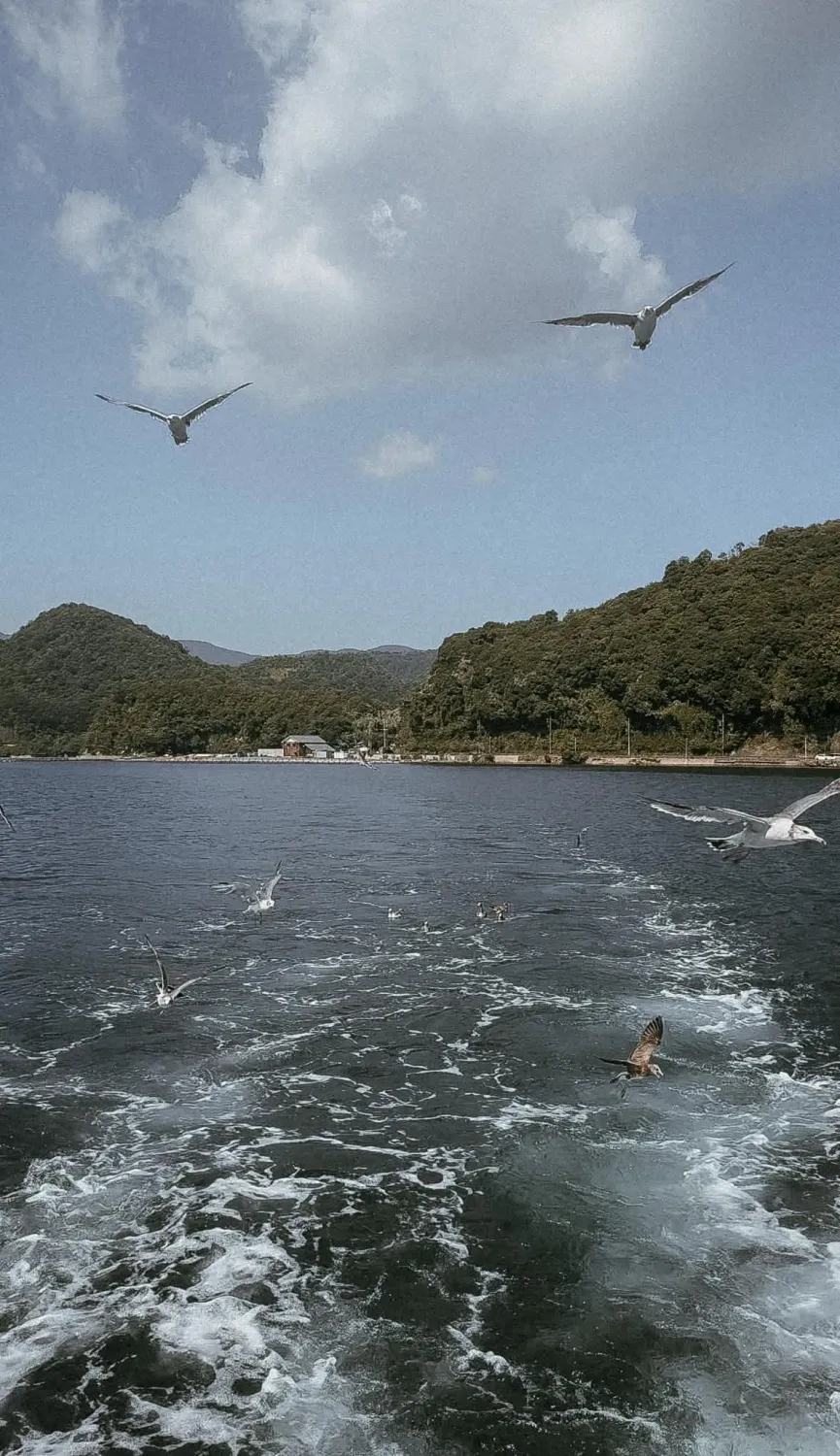
Amanohashidate → This is where you get the most time (around 2–3 hours). It goes by quickly once you factor in going up for the views, walking through the small street, and visiting the temple. Two of my friends went to the beach instead of the temple. They had about 30 minutes, which is fine, but overall it’s not the most relaxed stop.
Miyama → The last stop, with only about 40 minutes. Enough to grab a coffee or an ice cream and stroll through the village.
Sennichimae Doguyasuji Shopping Street
We ended the day around Namba, near the bus stop, and wandered through the shops around Sennichimae Shopping Street until around 6–7pm.
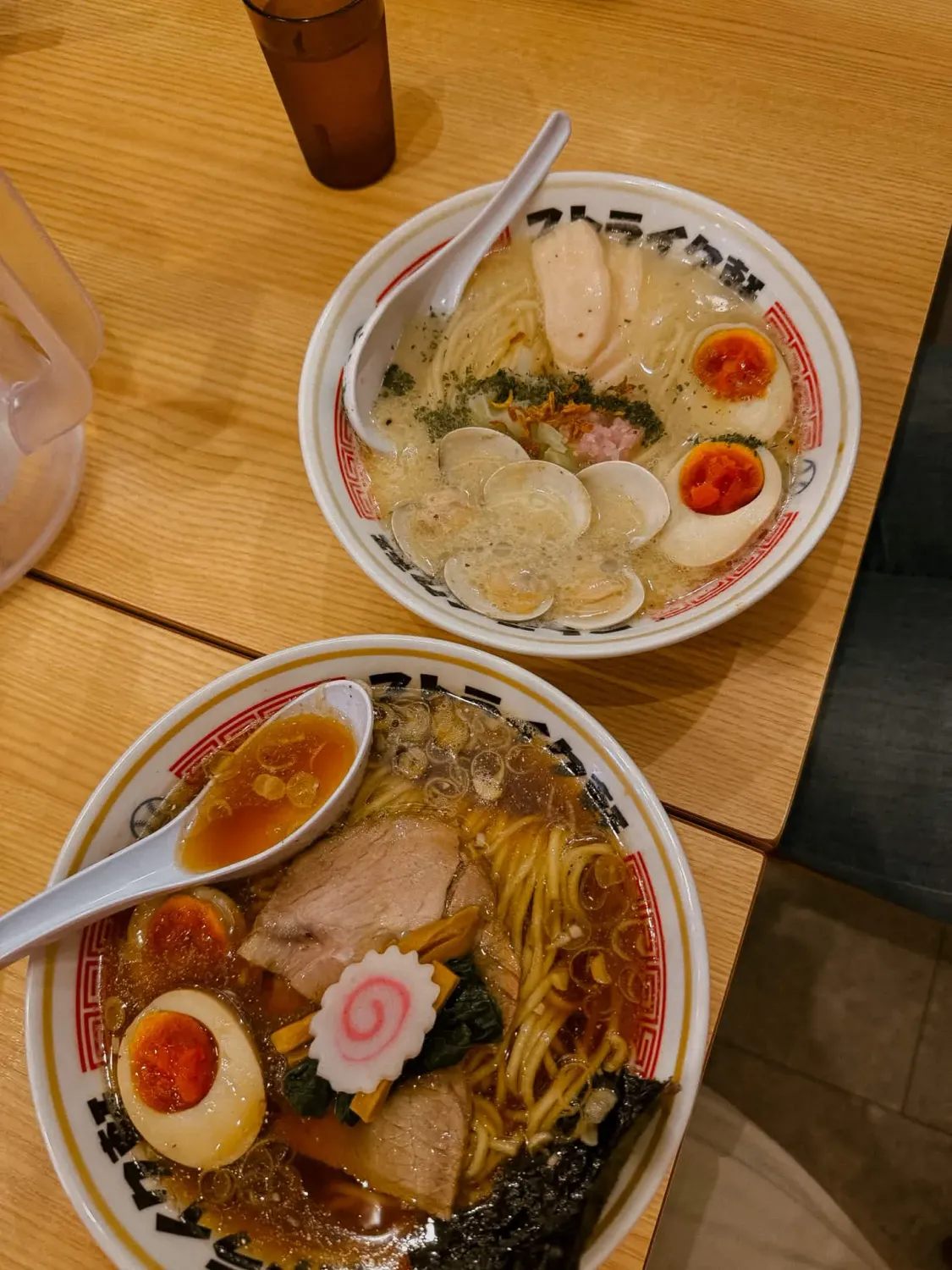
Strike Ken
We had ramen at Strike Ramen and it was really good. I absolutely loved the atmosphere and the vibe of these streets. There are plenty of restaurants around, so it’s a great area to explore.
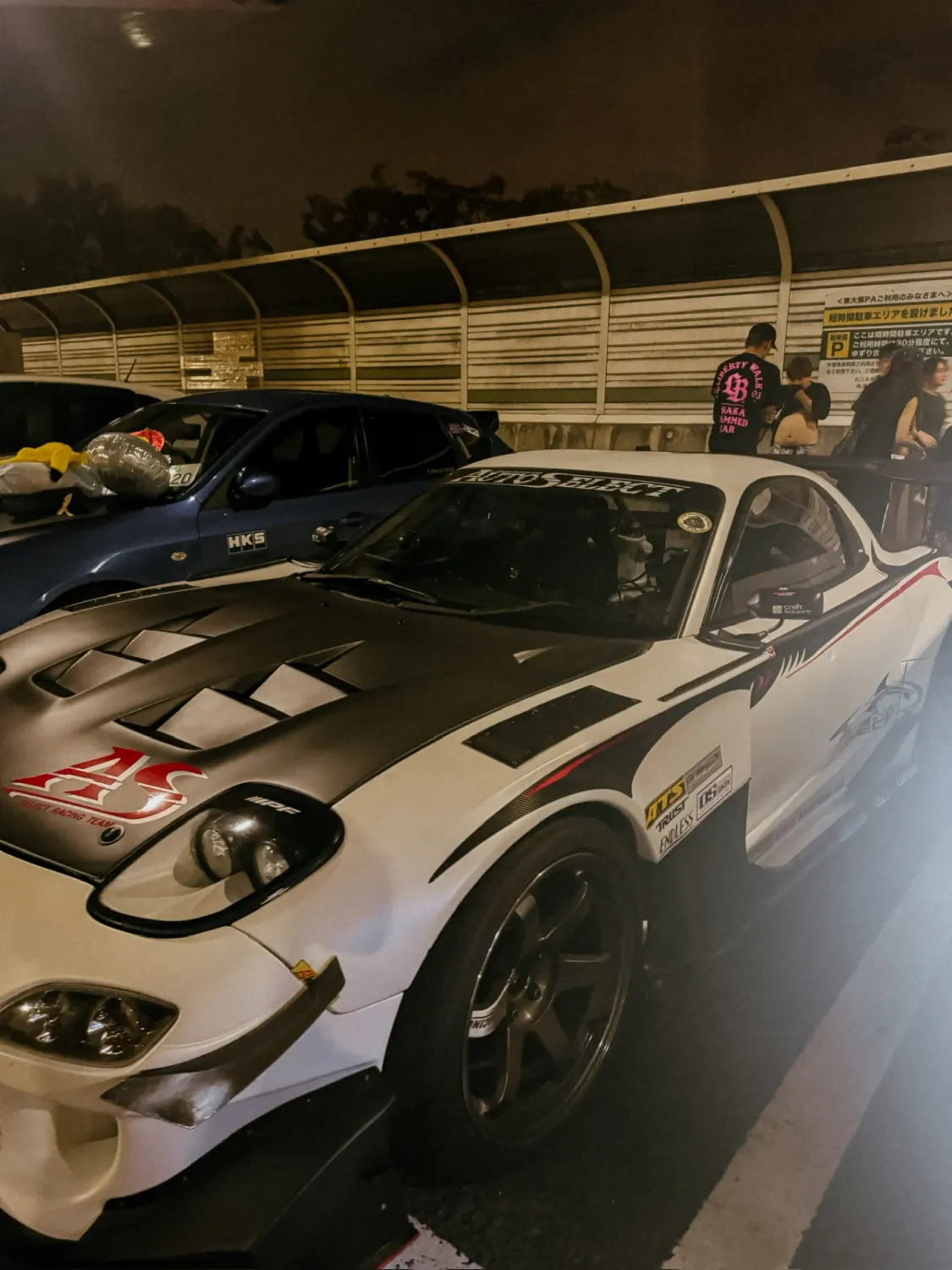
OSAKA CAR CULTURE TOUR
This was our biggest day. Honestly, you could plan it differently, but we really wanted to dive into Osaka’s car culture. That’s why I contacted @gozoomexport on Instagram for a tour, and it was honestly the best decision ever. We had such a great night talking with him. He knows Osaka’s car scene by heart. If you want this kind of experience, he’s the person to contact. Just make sure to book well in advance. I booked at the beginning of July for the end of August.
Day 4 – Osaka
We started the day in Nakazakichō.
It’s one of the most charming districts in Osaka. Narrow alleys, old wooden houses, small vintage shops, tiny cafés. It feels completely different from the neon chaos of Namba.
We had breakfast at Taiyou no Tou Café.
Cute spot, very cozy, good way to start the day slowly.
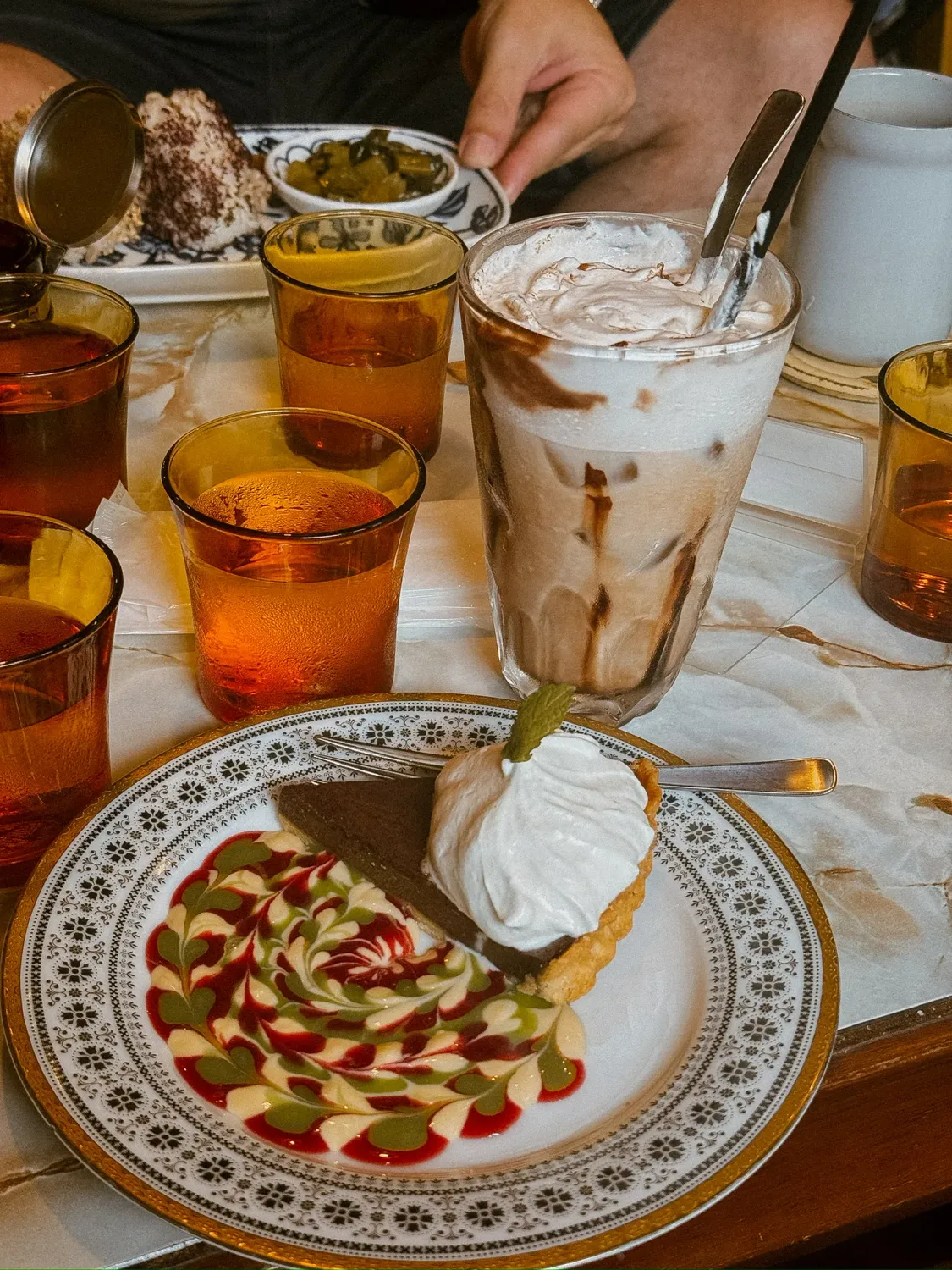
We went to HEP FIVE, the famous shopping mall in Umeda with its iconic red Ferris wheel on the roof. Inside, you’ll find plenty of fashion stores, restaurants, and entertainment spots but the highlight is definitely riding the Ferris wheel for amazing views of Osaka. (We didn’t do it)
SHINSAIBASHI SUJI - DOTONBORI
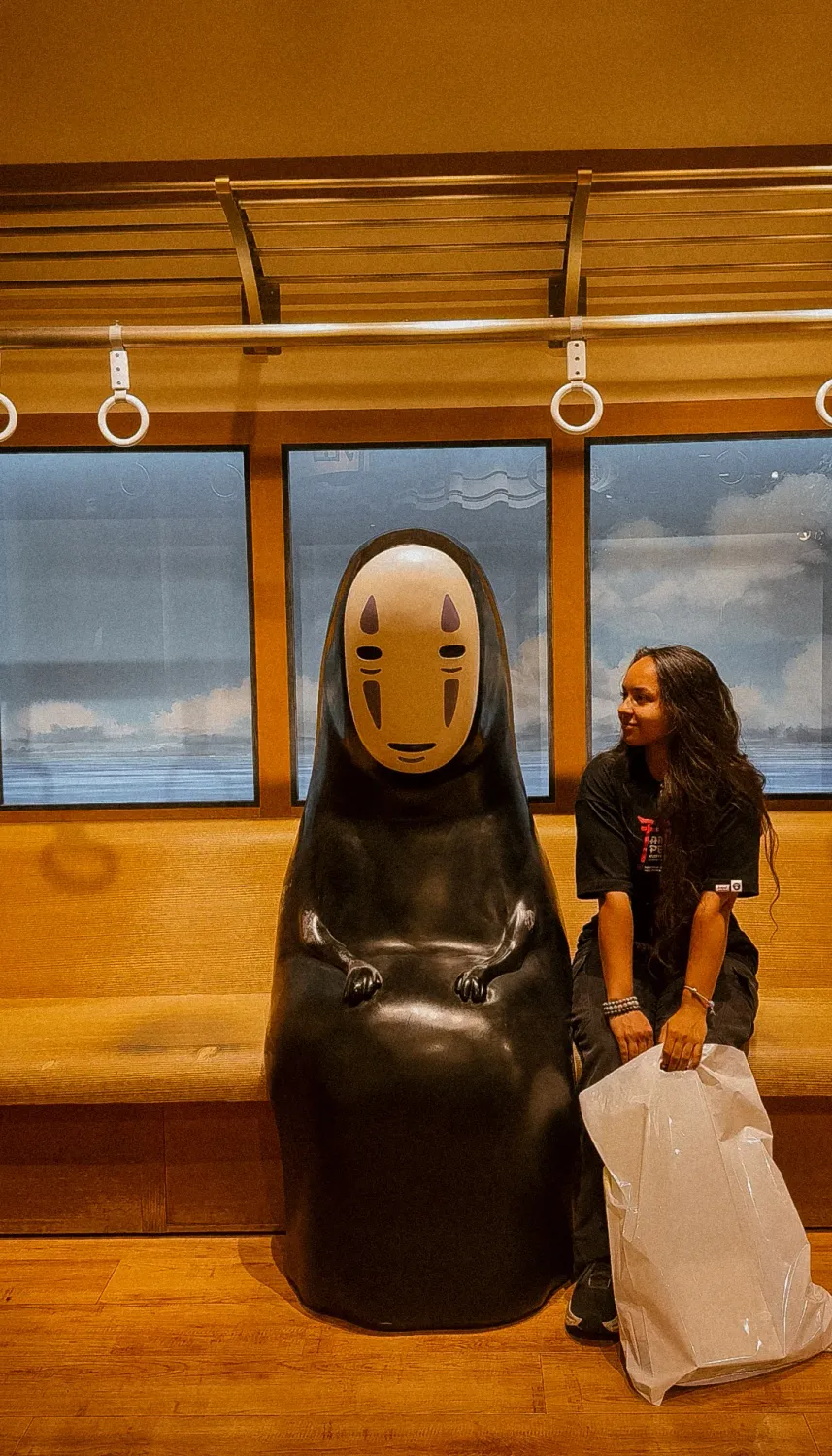
After that, we went to do some shopping too in Parco Shinsaibashi (Mofusand, Ghibli store)
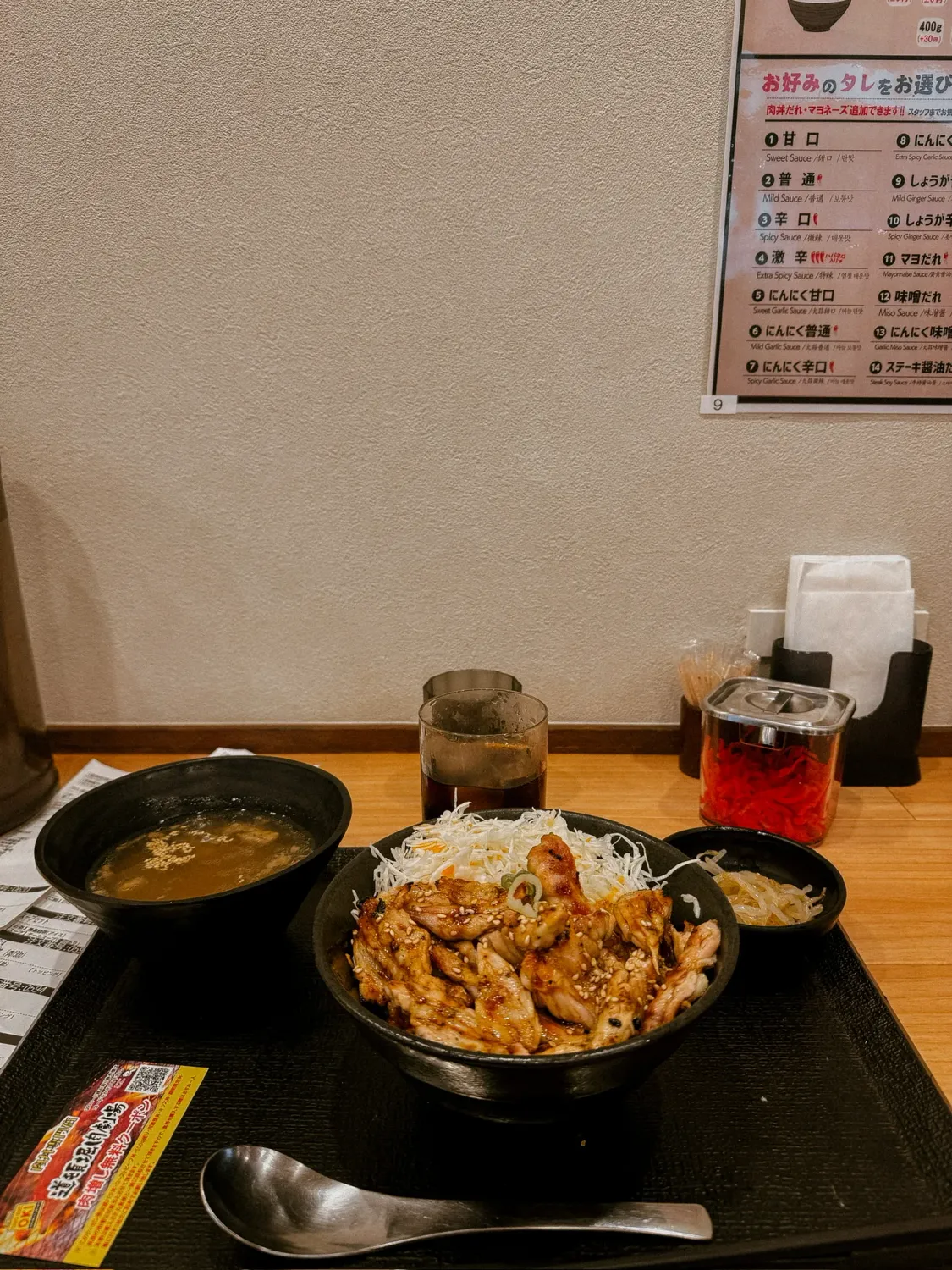
We had lunch around too, near Dotonbori (so we could explore around there after lunch). This is one of my favorite restaurant, especially the chicken neck, seseri (せせり).
We also went to :
Aape store : I love Aape & have many shirts. Love some design especially limited edition or Japan special edition.
Object store : To customize souvenirs
#FROSAKA : I love their design !! Bit expensive but qualilty (imo)
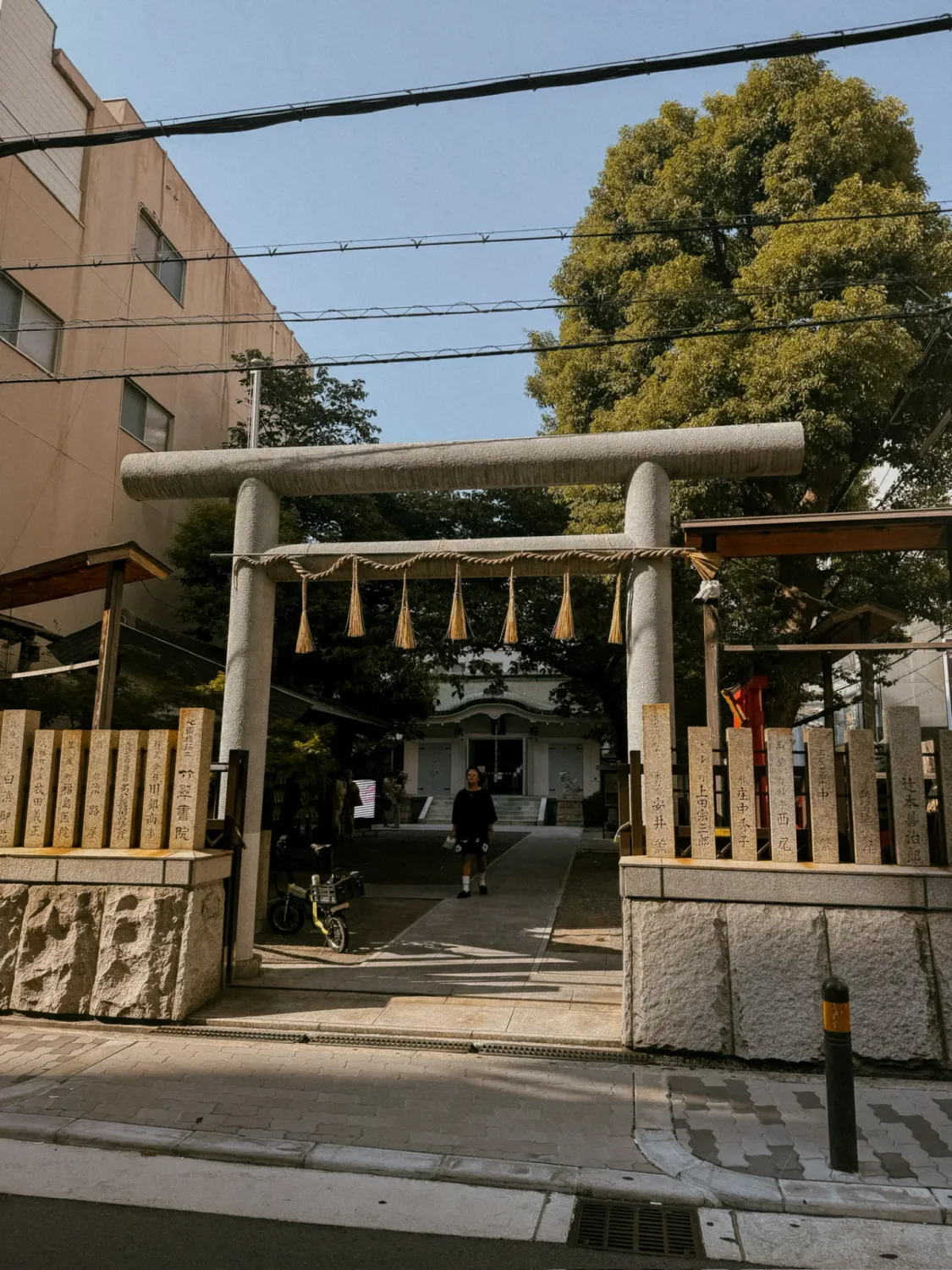
Mitsugu Shrine (Mitsuhachimangū)
We randomly stumbled upon this shrine in front of Object Store.
It’s a small local Shinto shrine, not touristy at all. Very calm.
And honestly, those are my favorite moments in Japan. When you find something by accident and it feels more special because you didn’t plan it.
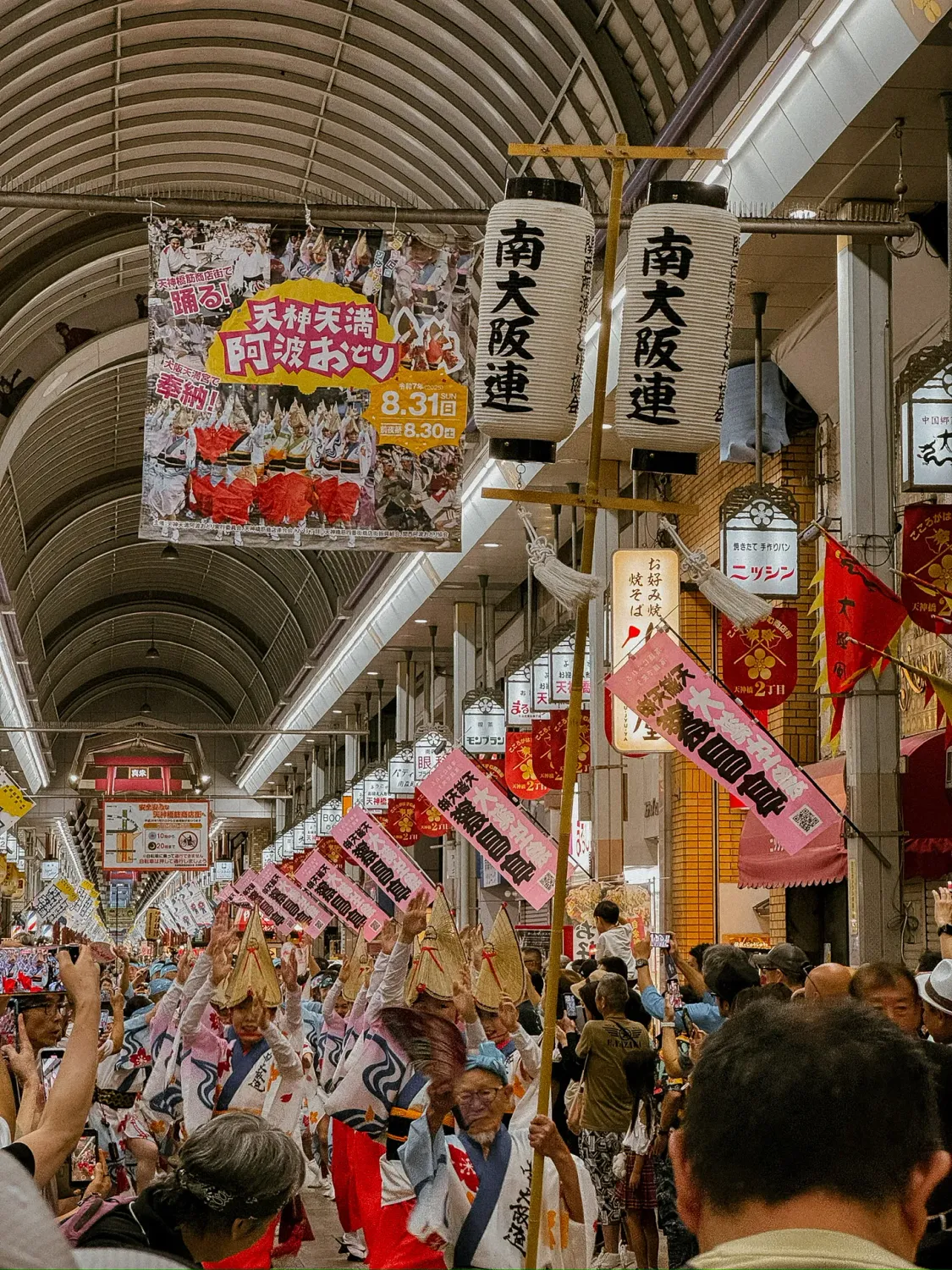
It’s a lot of back and forth, but Around 5 PM we moved toward the Tenjin area (near Osaka Tenmangū Shrine) because it was the day of the Tenjin Tenma Awa Odori. This is a spin-off / regional version of the famous Awa Odori dance festival, held in the streets of the Tenjinbashisuji area and near Tenmangu Shrine
It brings the energy and style of the Tokushima festival into Osaka: dancers dressed in traditional costumes, rhythmic steps, chanting, music, and parade lines called ren.
The Awa Odori (阿波おどり) is one of Japan’s most famous and lively dance festivals. It happens in Tokushima Prefecture, typically from August 12 to 15 during the Obon season. The name “Awa” refers to an old name for Tokushima (in feudal times), and “odori” means dance.
Round 1 Sennichimae – Spo-Cha
Then we went to Round 1 Sennichimae.
It’s an enormous game center with multiple floors. But the highlight is Spo-Cha.
Spo-Cha is basically an all-you-can-play activity zone. You pay for a time slot (1–3 hours or even all night) and you can try everything inside.
It’s like a giant playground for adults. Honestly such a fun way to spend a few hours if you want something different from temples and shopping.
Kura Sushi
We ended the day at Kura Sushi, the famous conveyor belt sushi chain.
Affordable, quick, and always fun.
The best part?
For every 5 plates you insert into the slot, you get a chance to win a small gachapon prize.
It’s silly.
But it makes the whole dinner more fun.
Day 6 – Tokushima
For our second day in Tokushima, we drove to Udatsu no Machinami.
We arrived around 10 AM.
It takes about 45 minutes to 1 hour by car. I’ve seen that it’s possible by public transport, but honestly… having a car makes everything much easier in this area.
Udatsu no Machinami
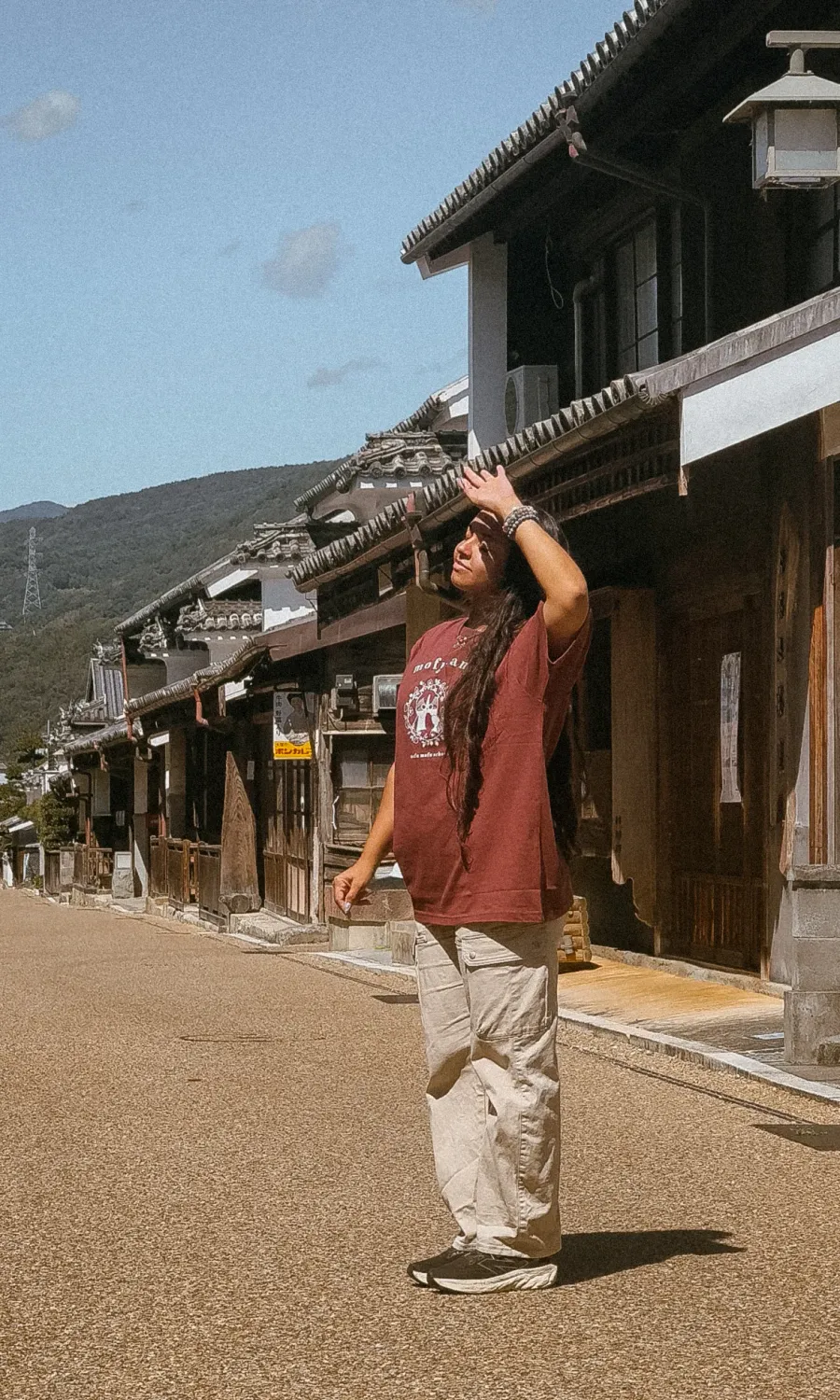
Udatsu no Machinami is a historic merchant street in Wakimachi.
It’s known for its traditional Edo-period houses with “udatsu”, those small roof-edge walls originally built to prevent fires. Later, they became a symbol of wealth.
The whole area is designated as an Important Preservation District for Groups of Historic Buildings.
Why is it famous?
During the Edo period, Wakimachi became rich thanks to Awa indigo dyeing. Indigo was a big business here, and you can still feel that history walking through the street.
Old merchant houses.
White walls.
Tiled roofs.
Warehouses turned into small museums and craft shops.
It’s quiet. Not crowded. Very different from Kyoto.
I really liked the atmosphere.
A special encounter
During my visit I met Fumiko, an elderly lady who runs a small shop and lives in a 200-year-old house. She is also a volunteer guide there. She invited us for tea and we spoke for about 20 to 30 minutes. She told us stories about her home and the town’s history. Her kindness and hospitality left a deep impression on me. I will never forget this encounter.
Lunch Stop + Temple Visit
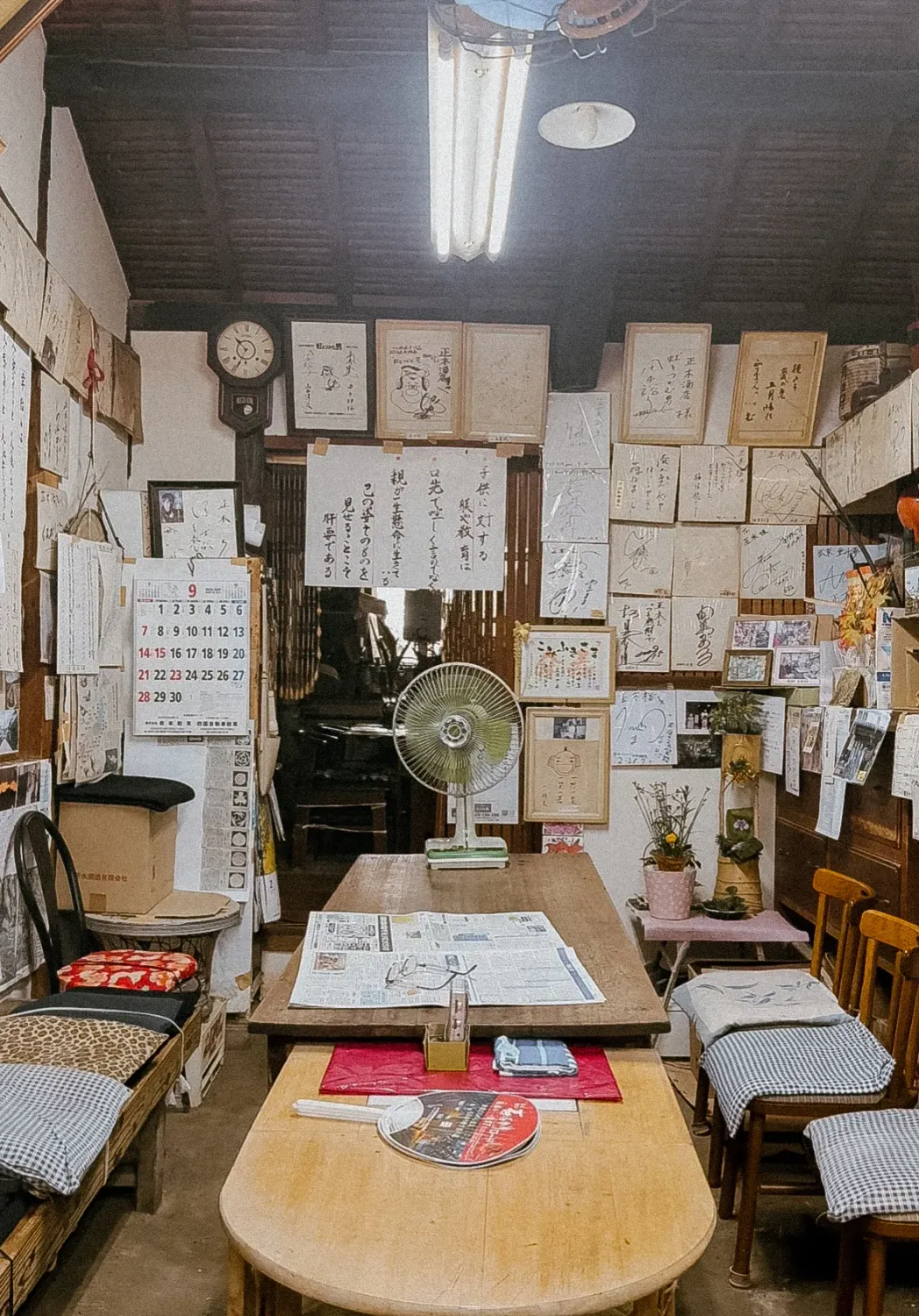
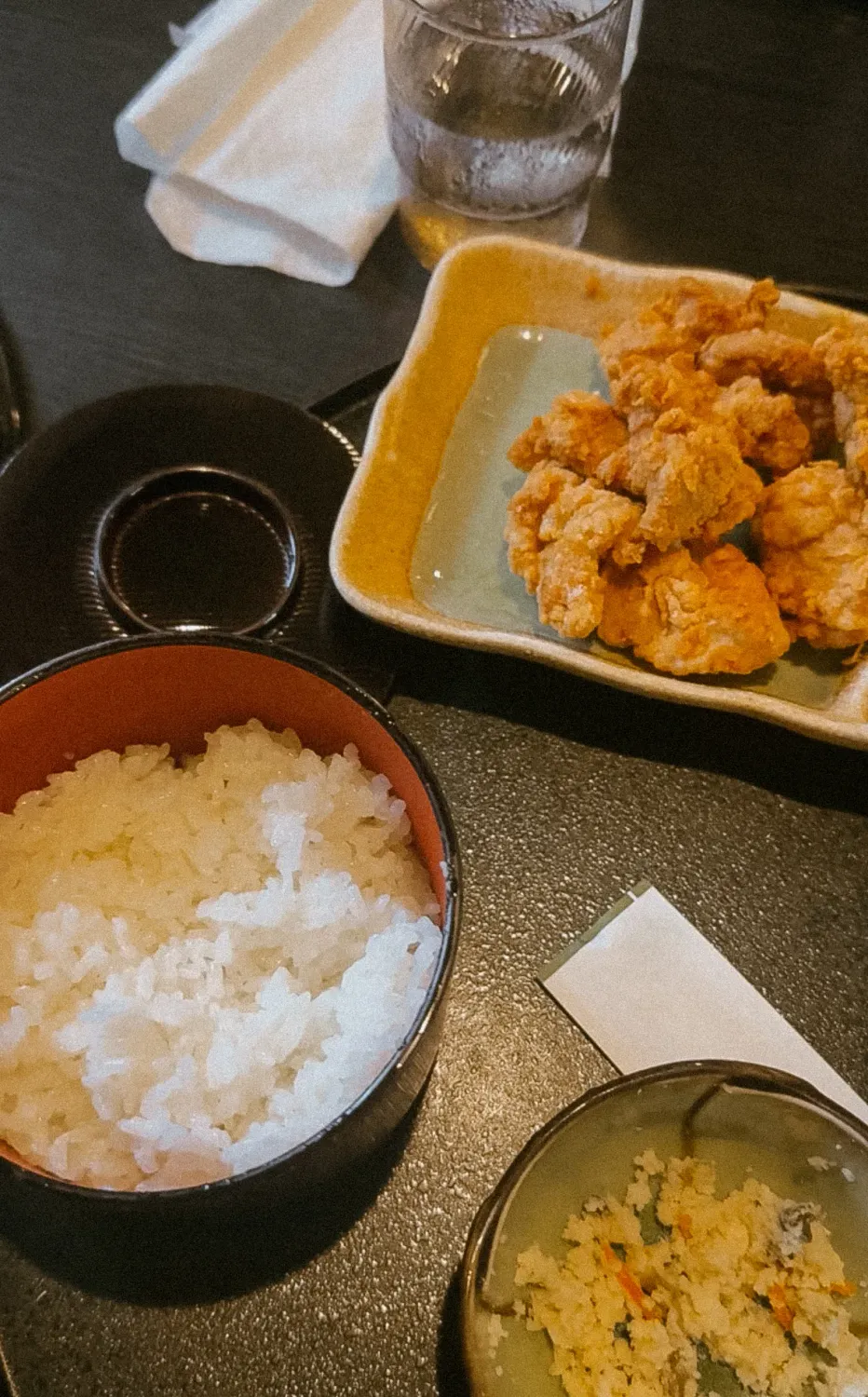
On the way back, we stopped at a shokudō-style restaurant called Musashi.
Simple, local, really good meal.
Right next to it was Kōfukuji Temple, so we made a quick stop there before driving back to Tokushima.
Those small unplanned temple visits are always my favorite.
Back to Tokushima – Round 1
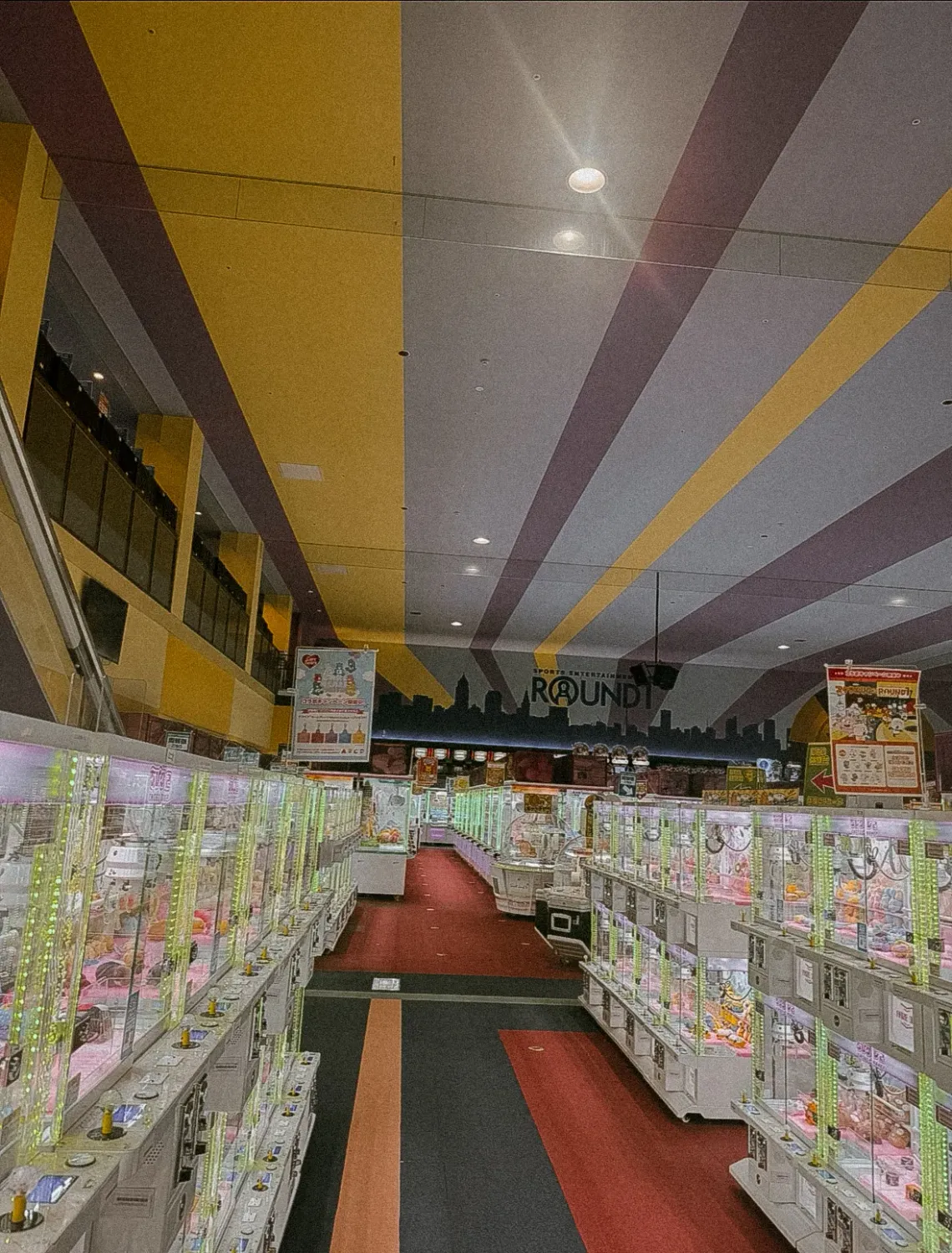
We returned to Tokushima and stopped at Round 1 before heading to my host family’s house.
It’s not the biggest or best Round 1 I’ve seen, but you still have some games. If you’re traveling with friends, it’s an easy and fun evening option.
Hyotan Jima Night Cruise
At 6 PM, we went on the Hyotan Jima cruise.
It’s a short boat ride around Tokushima’s rivers.
And honestly… I didn’t expect much.
But it was beautiful.
Seeing the city from the water at night, with the reflections and calm atmosphere, was such a nice surprise.
Dinner at Gusto
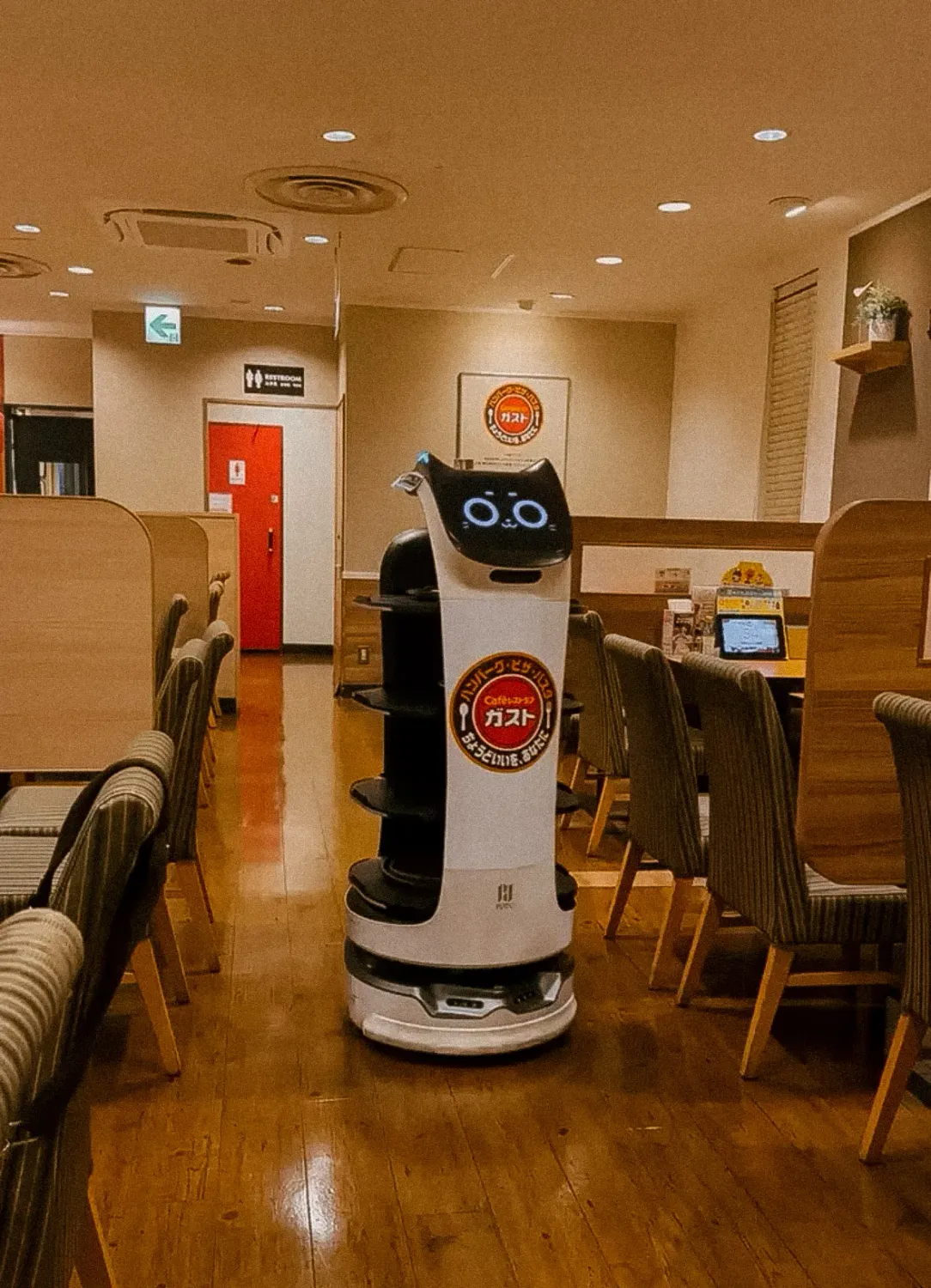
We ended the day at Gusto.
It’s a classic Japanese family restaurant chain. You can find everything on the menu: Japanese dishes, Western food, desserts, drinks.
Family restaurants in Japan are super casual, open long hours, and perfect when everyone wants something different.
Day 7 – Tokushima to Takamatsu
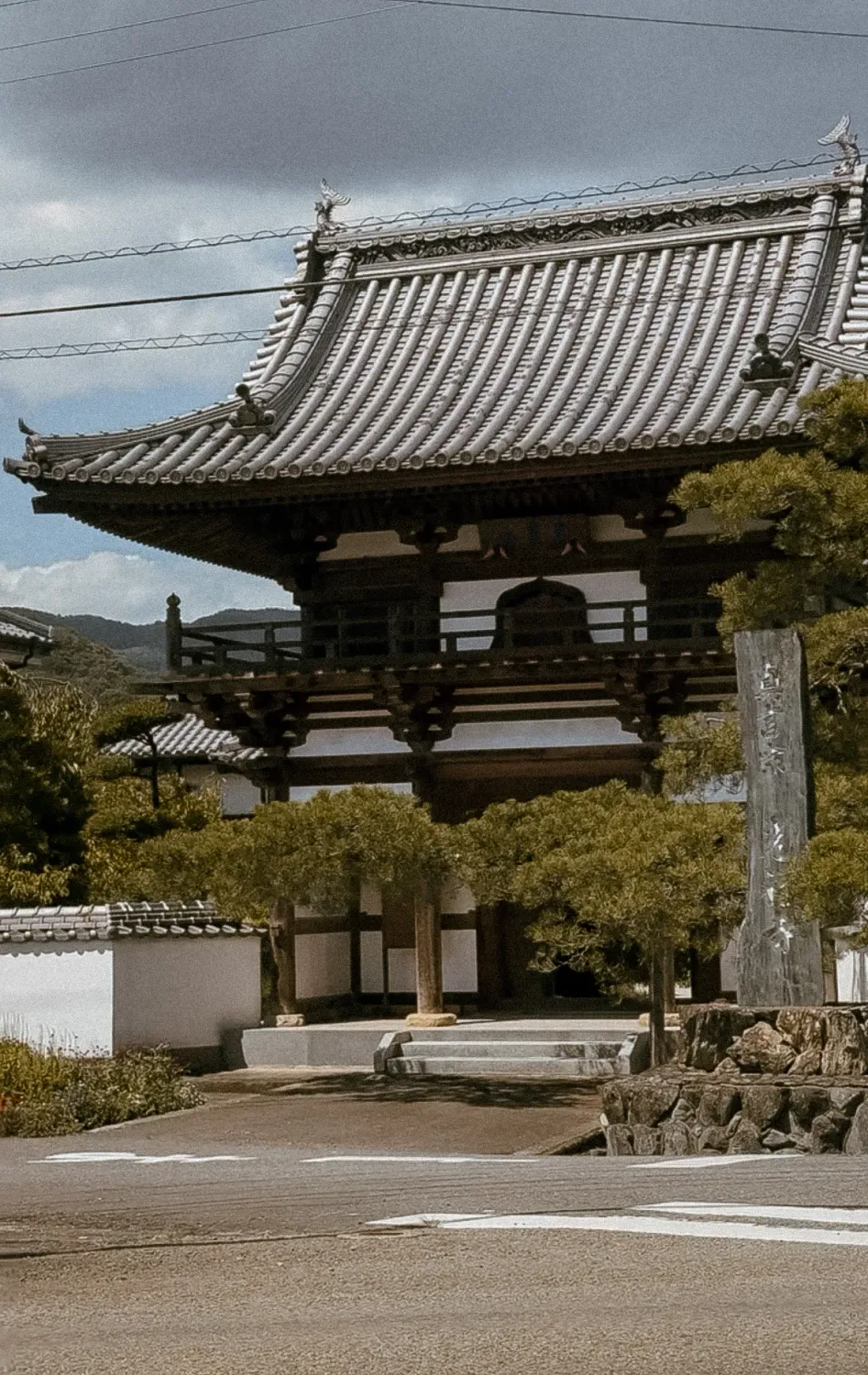
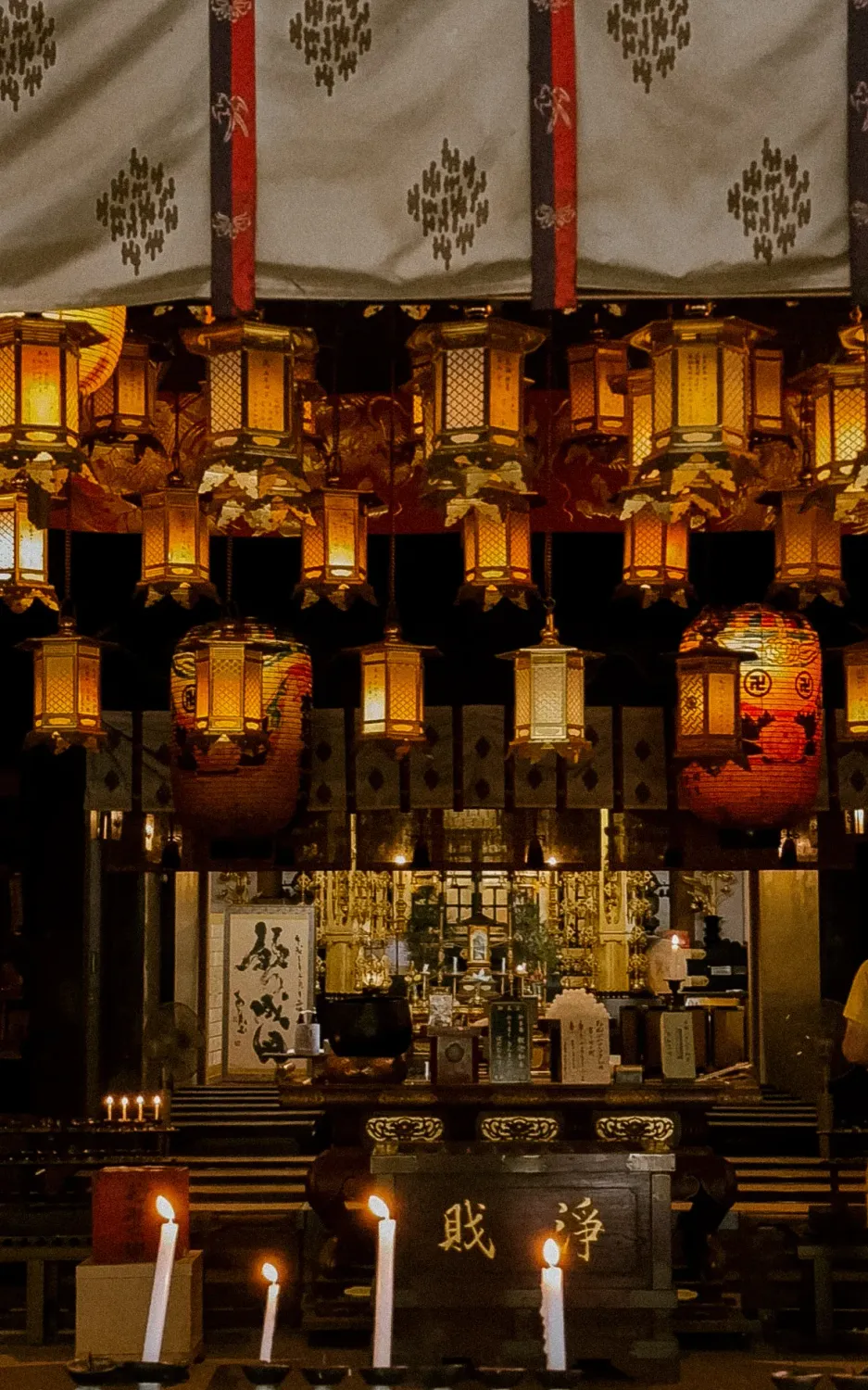
We started the morning at Temple No. 1 of the Shikoku 88 Temple Pilgrimage: Ryōzenji.
This is the official starting point of one of Japan’s most famous spiritual journeys.
The Shikoku pilgrimage connects 88 Buddhist temples across the island. It’s linked to Kūkai (Kōbō Daishi), founder of Shingon Buddhism. Some people walk the full 1,200 km route. Others drive or take buses. People do it for reflection, prayer, health, luck, guidance.
At each temple, pilgrims collect a stamp called a goshuin. Some carry special books or scrolls to gather all 88.
Being at Temple No. 1 felt symbolic. Even if we weren’t doing the full pilgrimage, it was powerful to stand where it begins.
Driving to Takamatsu
We left Tokushima and drove toward Takamatsu, with a few stops along the way.
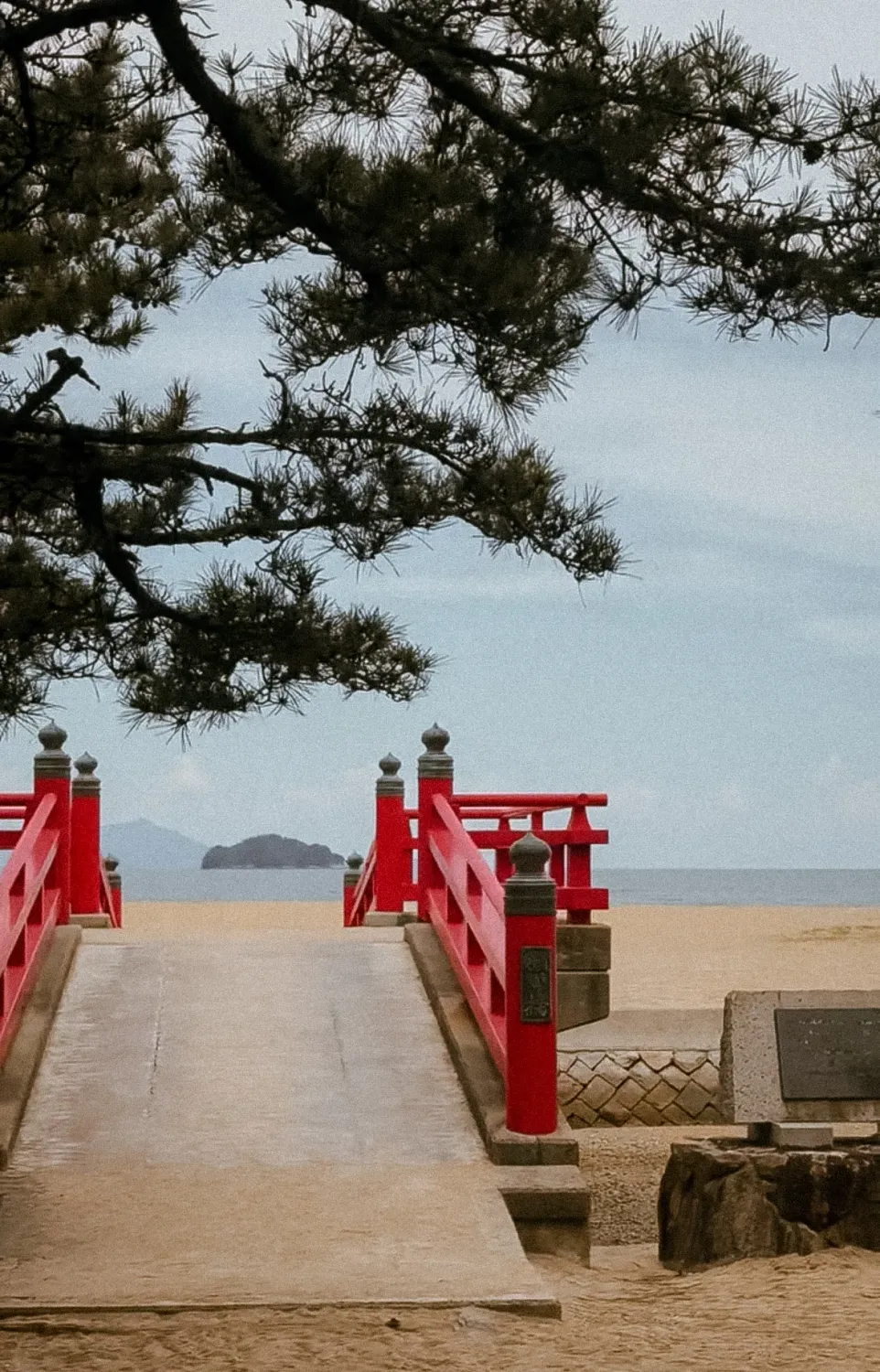
Furusato no Umi Beach – Sanuki
We stopped at Furusato no Umi Beach.
It wasn’t peak summer weather, a bit cloudy, but still hot. The water temperature was perfect. And we had the beach completely to ourselves.
The beach itself is simple. But the surroundings are beautiful.
There’s a park with very old trees and even a small shrine right next to the sand. It feels calm and very local.
Facilities are basic but practical:
Toilets
Changing areas
A small kiosk with seating
Some reviews mention jellyfish during certain seasons. I didn’t see any, but it’s something to check if you plan to swim.
It was a really nice unexpected stop.
Kokomo Shido – Sanuki
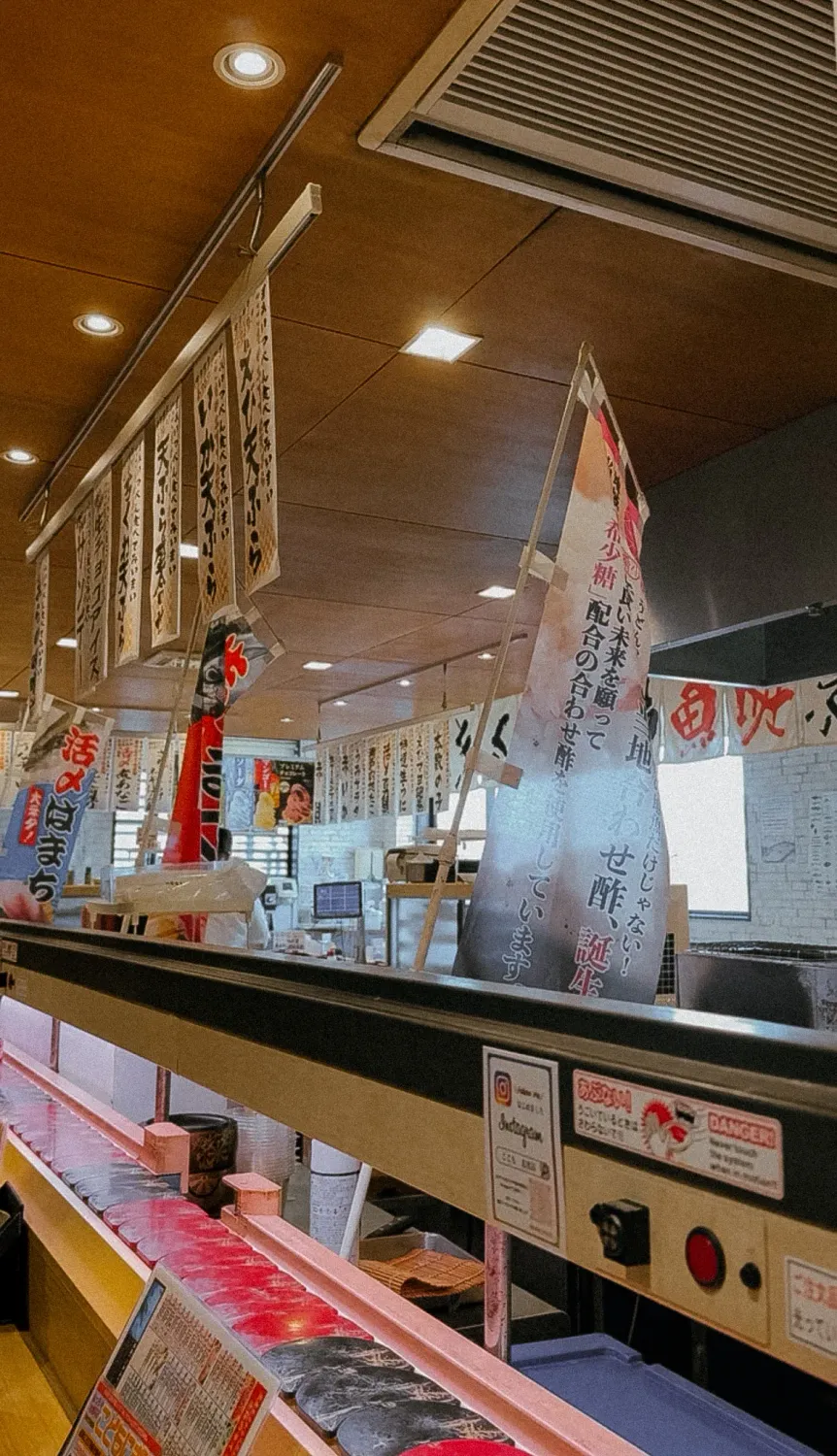
To get closer to Takamatsu, we stopped at a restaurant called Kokomo Shido. It was a sushi restaurants.
We ate very well. And a lot.
No regrets.
Ritsurin Garden – Takamatsu
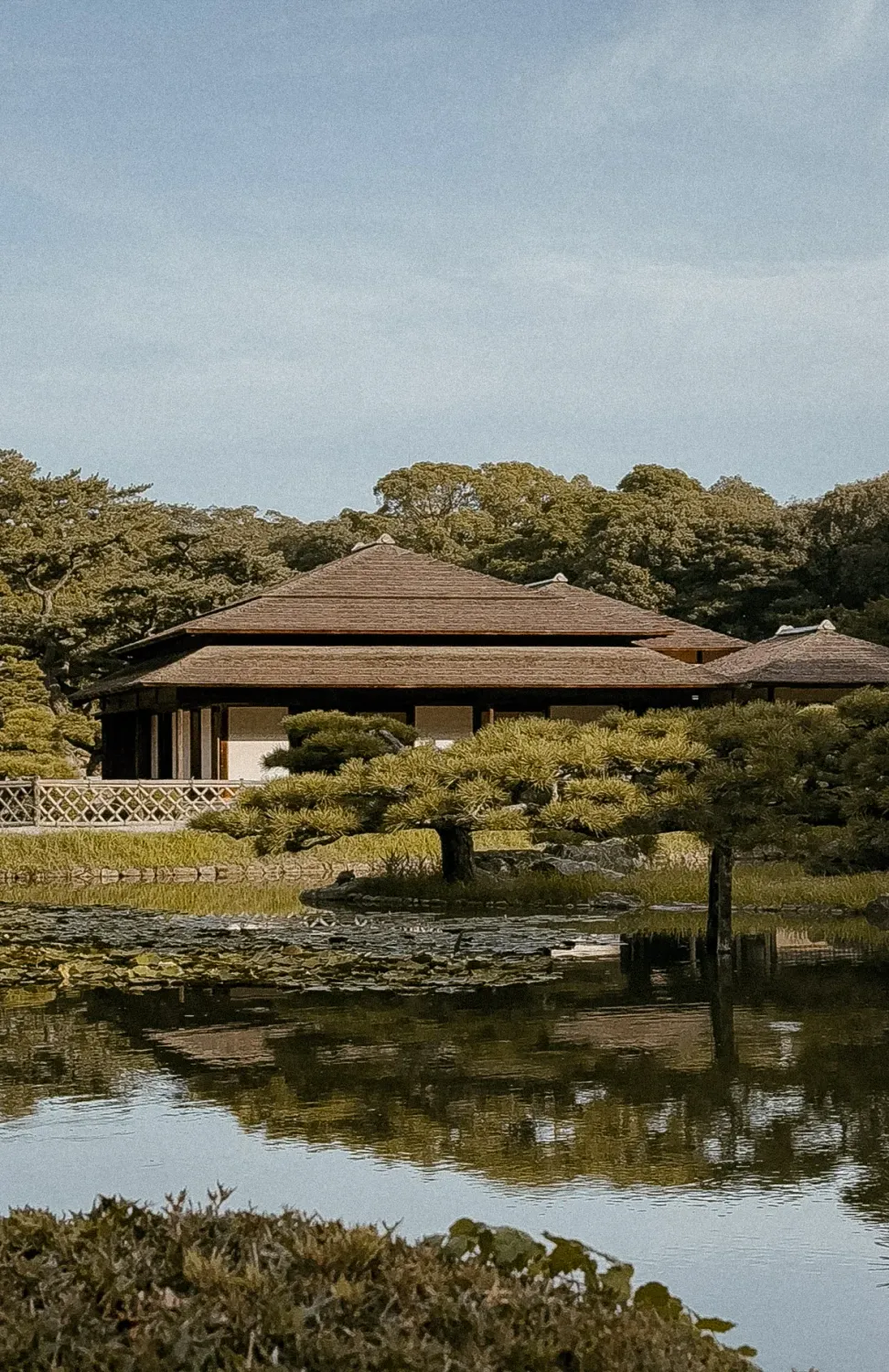
Next stop: Ritsurin Garden.
One of the most famous traditional gardens in Japan. It dates back to the Edo period and is designated as a Special Place of Scenic Beauty.
It’s huge.
Ponds. Bridges. Carefully shaped pine trees. Mt. Shiun in the background.
We spent around 2 hours walking through it, and honestly you could stay even longer. There are small shops, cafés, ice cream stands, and even stamp spots inside.
It’s one of those places where you just slow down and take it in.
Definitely worth the time.
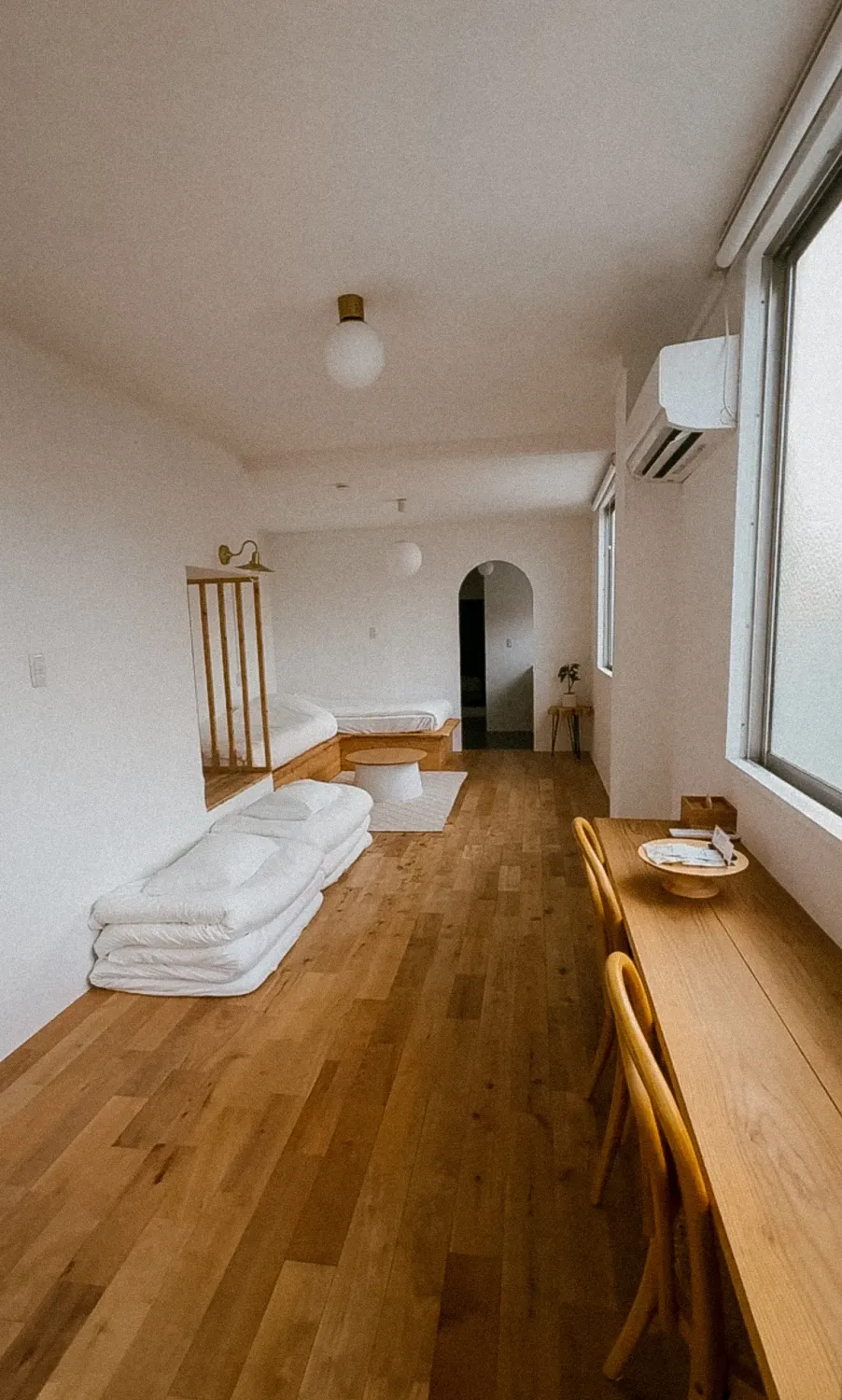
Our Airbnb in Takamatsu : HOHO
We checked in for 2 nights and 3 days.
Cost: €502 for 6 people.
The place was cute and aesthetic. Very well located, only 5 minutes from Takamatsu Station.
Downside: a bit lacking in equipment, and the tatami weren’t super comfortable.
But overall, still a good stay.
Returning the Car
At the end of the day, we returned our rental car.
Highway tolls for 3 days: 7,700 yen.
Having a car in Shikoku made everything much easier. Especially for beaches and smaller towns.
Takamatsu Hyogomachi Shopping Street
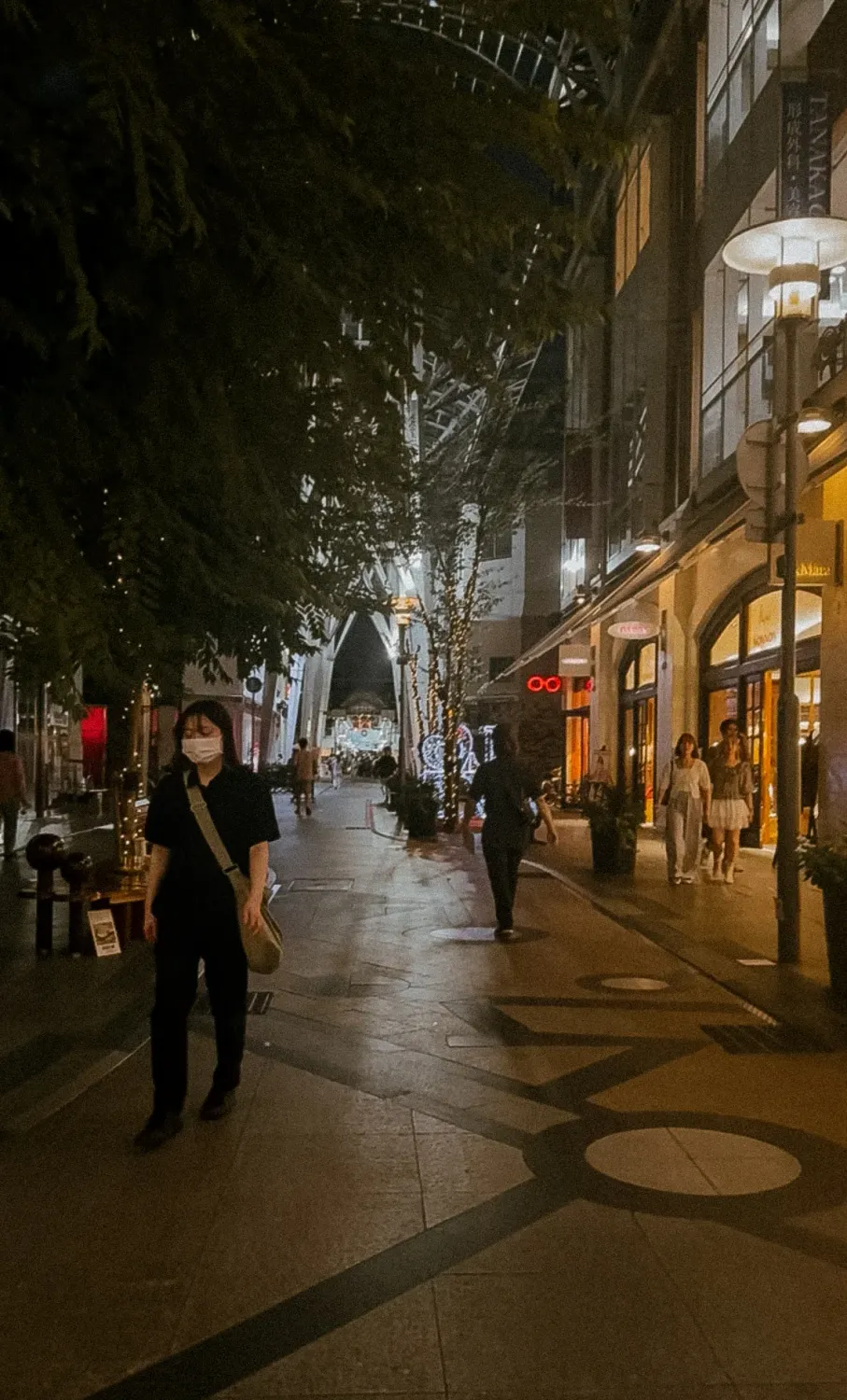
We ended the day around Takamatsu Hyogomachi Shopping Street.
And it’s big. It connects to multiple other covered shopping arcades, so you can walk for a long time without even realizing it.
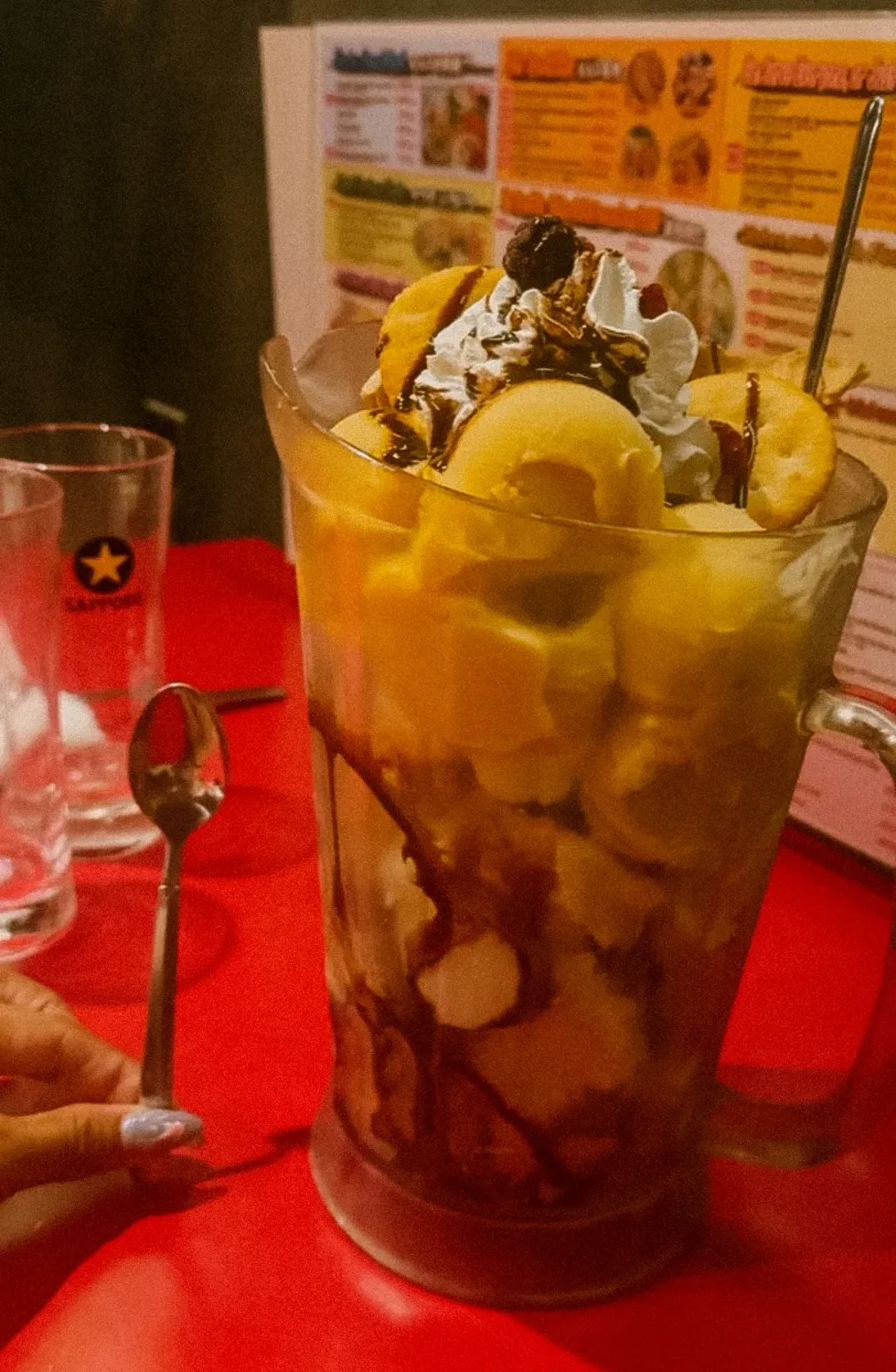
For dinner, we went to an izakaya called En. Ate really well again.
And then… dessert happened.
I didn’t really read the menu properly and ordered the “Extra Large Parfait”.
It came in a literal pitcher.
Huge. VERY HUGE AHA. But iconic.
Day 8 – Shōdoshima
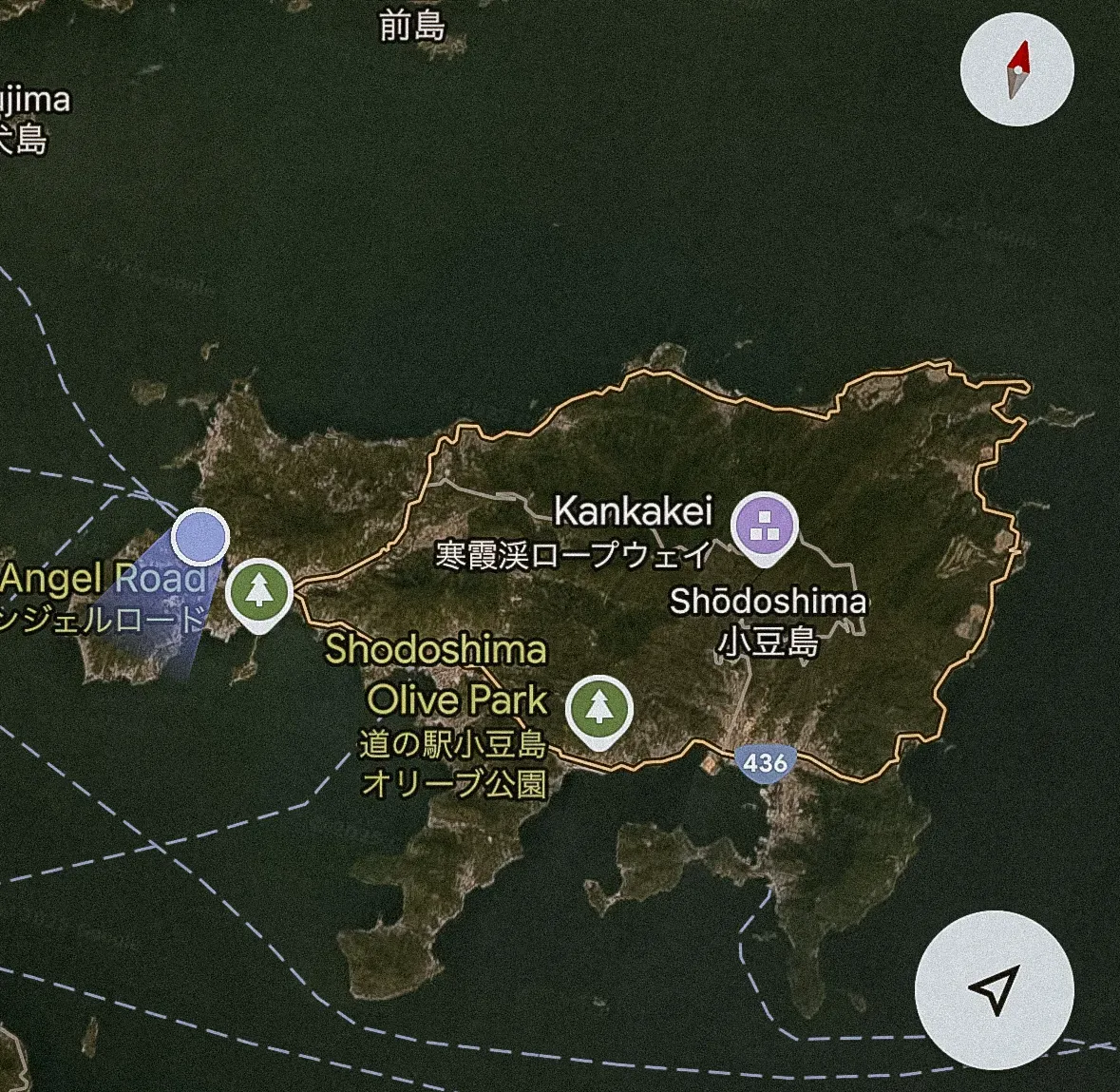
This island is part of the Seto Inland Sea. It’s known for olive trees, soy sauce, somen noodles and coastal views.
We took a ferry from Takamatsu Port.
About 30 minutes.
We left around 9 AM and arrived around 9:30.
Renting a car
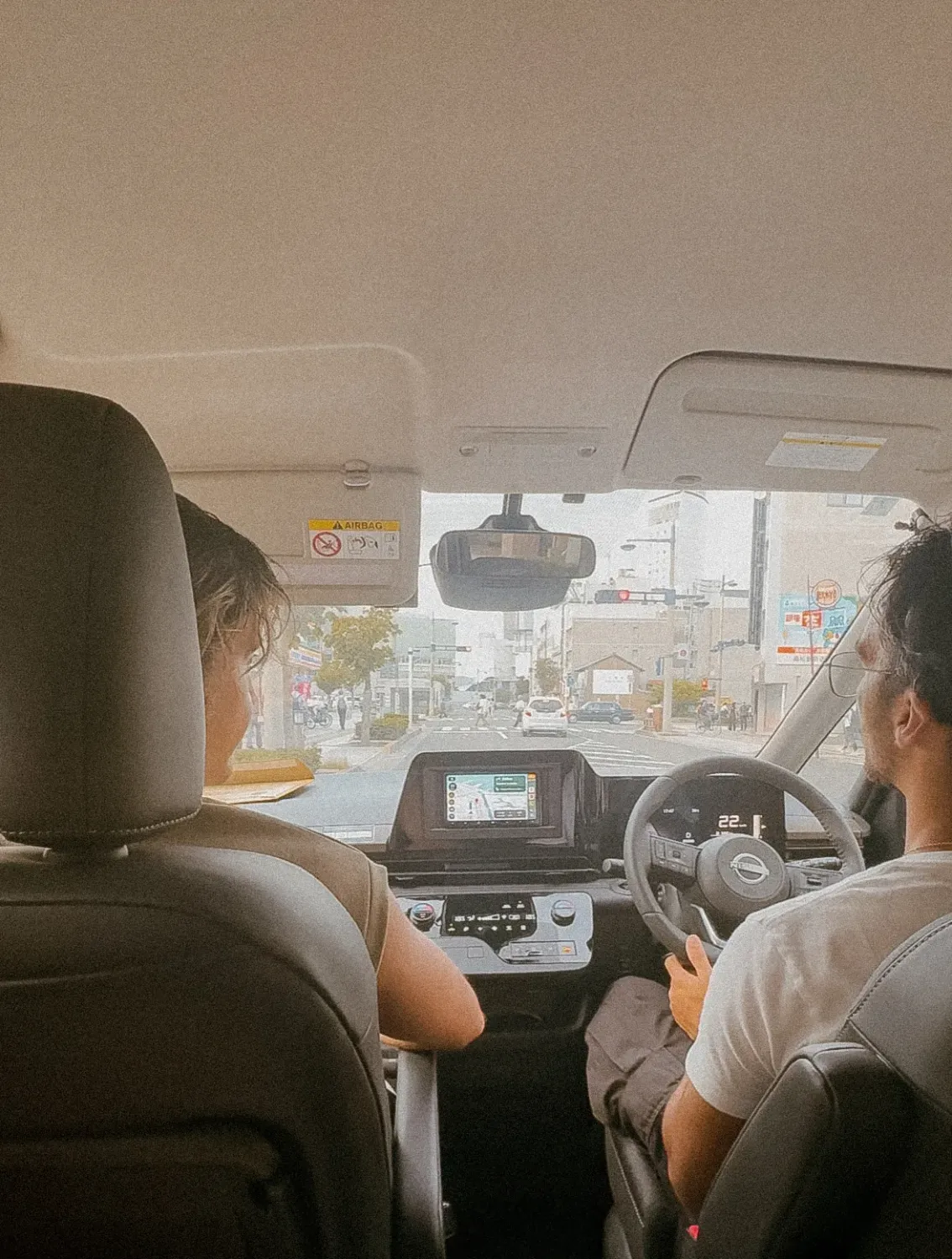
I didn’t book a car in advance. I just went to a rental place near the ferry port.
Most cars were already reserved, but they still had some left. Since we were 6 people and most cars only fit 4 passengers, we rented 2 cars.
It cost €80 total for both cars, so €40 per car.
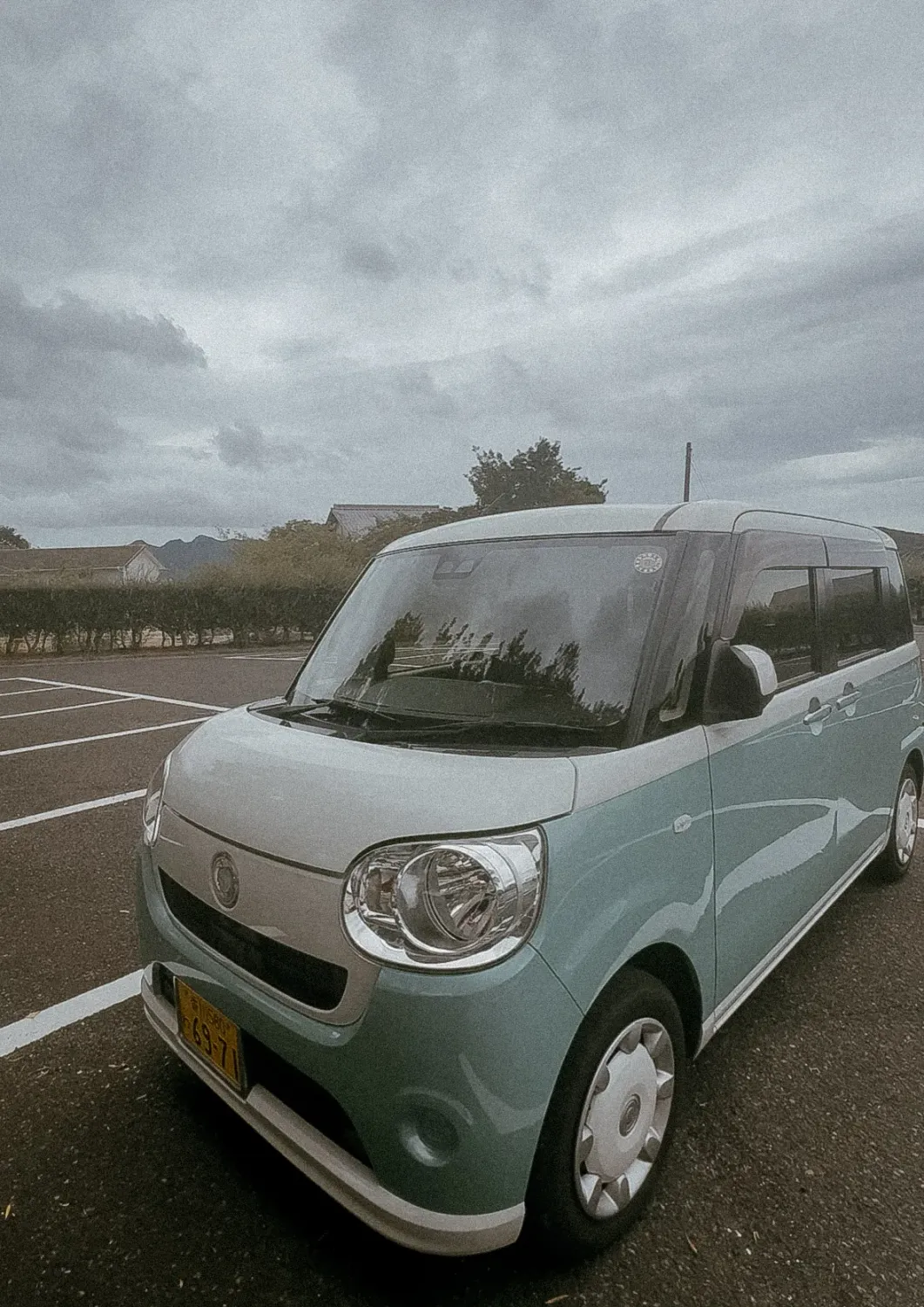
Mine was a small Daihatsu. Very cute, I loved it.
There are several rental places at the port. You can also take a tour bus around the island, but having a car is much easier.
Senmaida Rice Fields
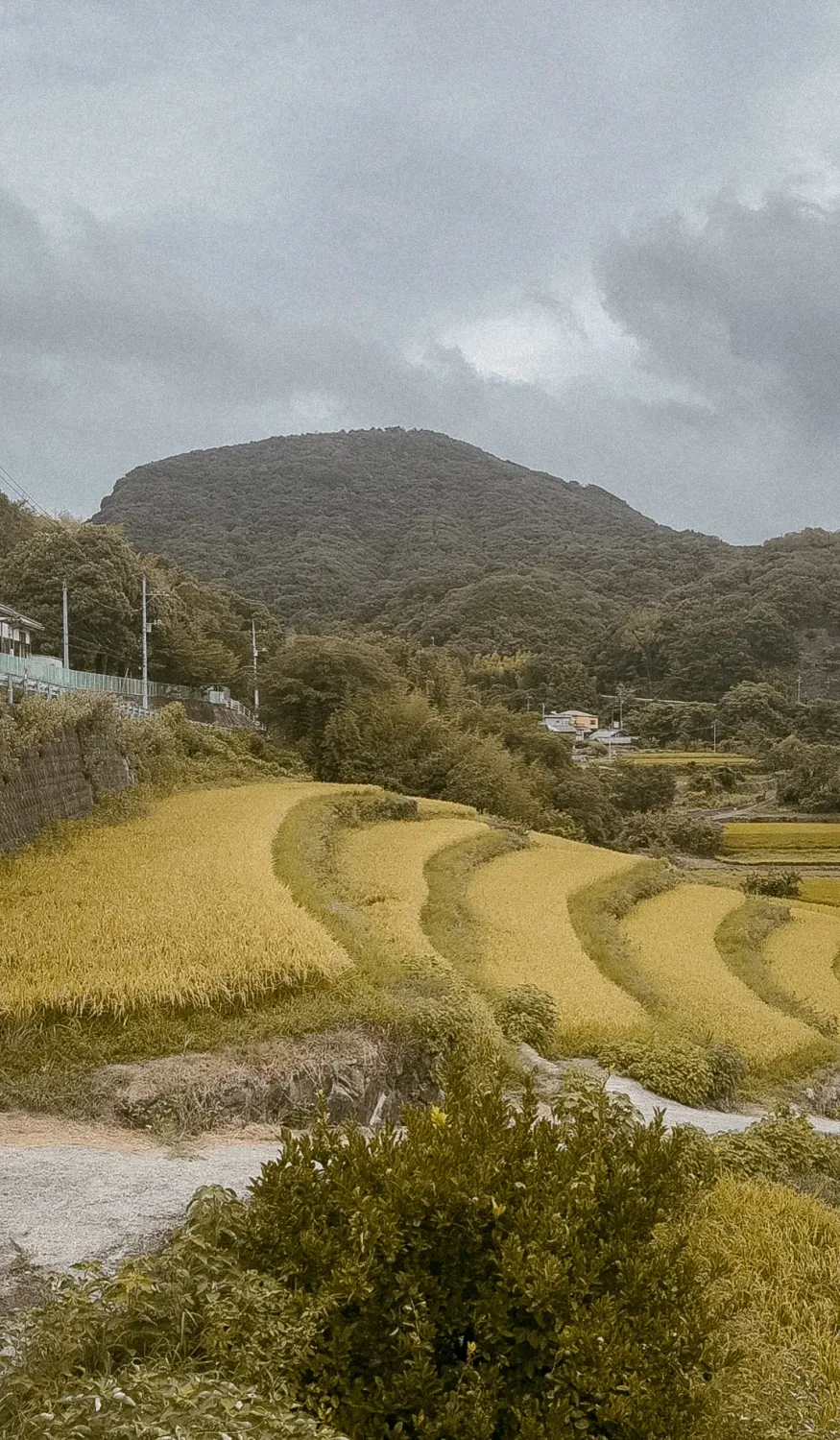
I always wanted to see the Senmaida rice fields.
“Senmaida” means “a thousand rice paddies”. They are terraced fields built on the slope of the mountain.
We stayed around 30–40 minutes to enjoy the view. There was also what looked like an abandoned temple nearby.
This stop was important for me because it was my mother’s dream to see this place.
Olive Park
Shōdoshima is called the “Olive Island” because the first successful olive cultivation in Japan started here in 1908.
Today, olives are everywhere on the island.
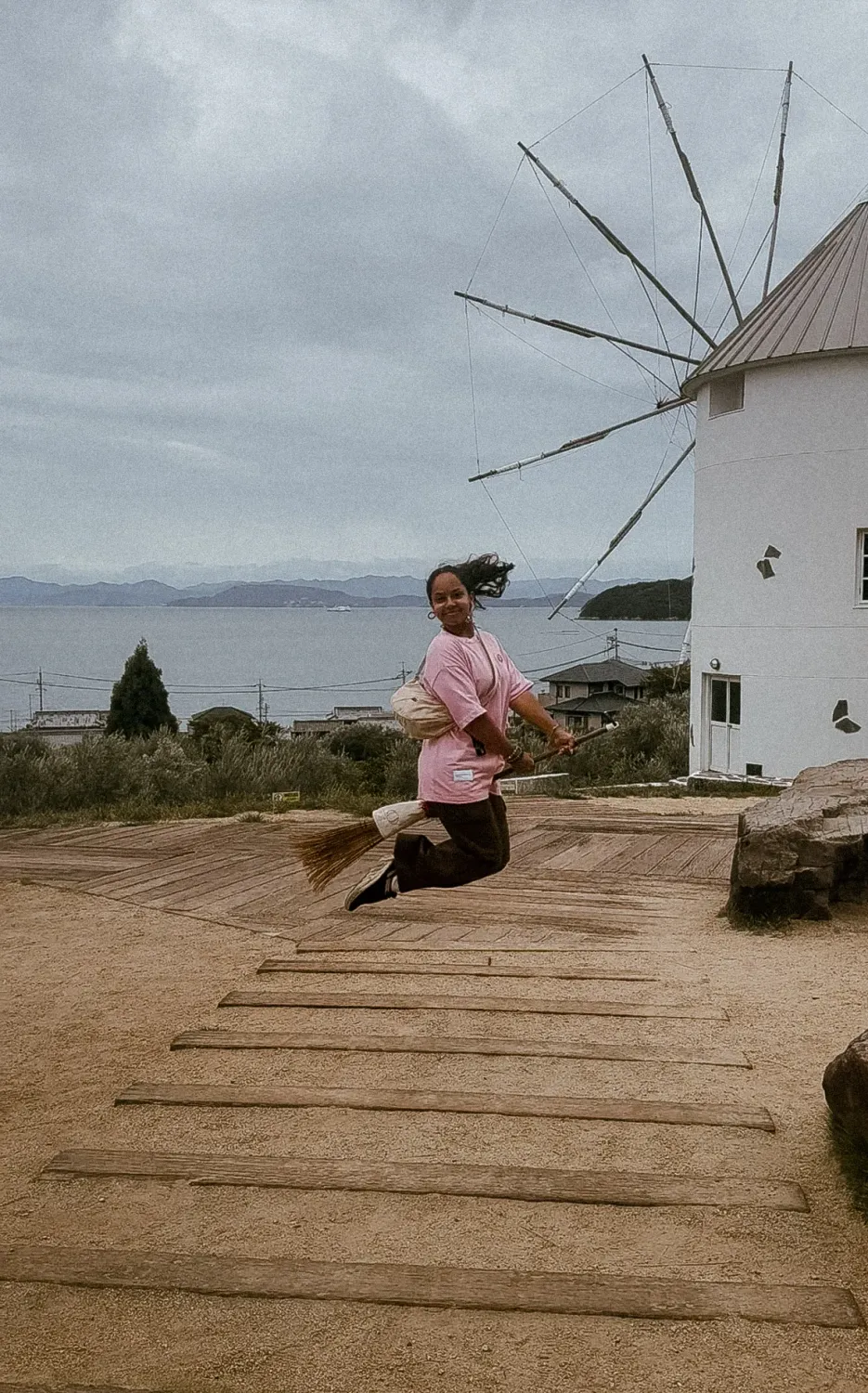
Olive Park is one of the main landmarks. It also inspired parts of the Studio Ghibli movie Kiki’s Delivery Service. You can borrow a broom and take a photo like Kiki flying.
Of course, I did it.
There’s also a big souvenir shop with olive products and local items.
Lunch – Yuuzan Shōdoshima
You can find a restaurant guide at the ferry port.
We ate at a small place about 10 minutes from Olive Park called Yuuzan Shōdoshima.
They serve bento, curry, katsudon, katsu and other dishes.
It was cozy, the staff were friendly and the food was good.
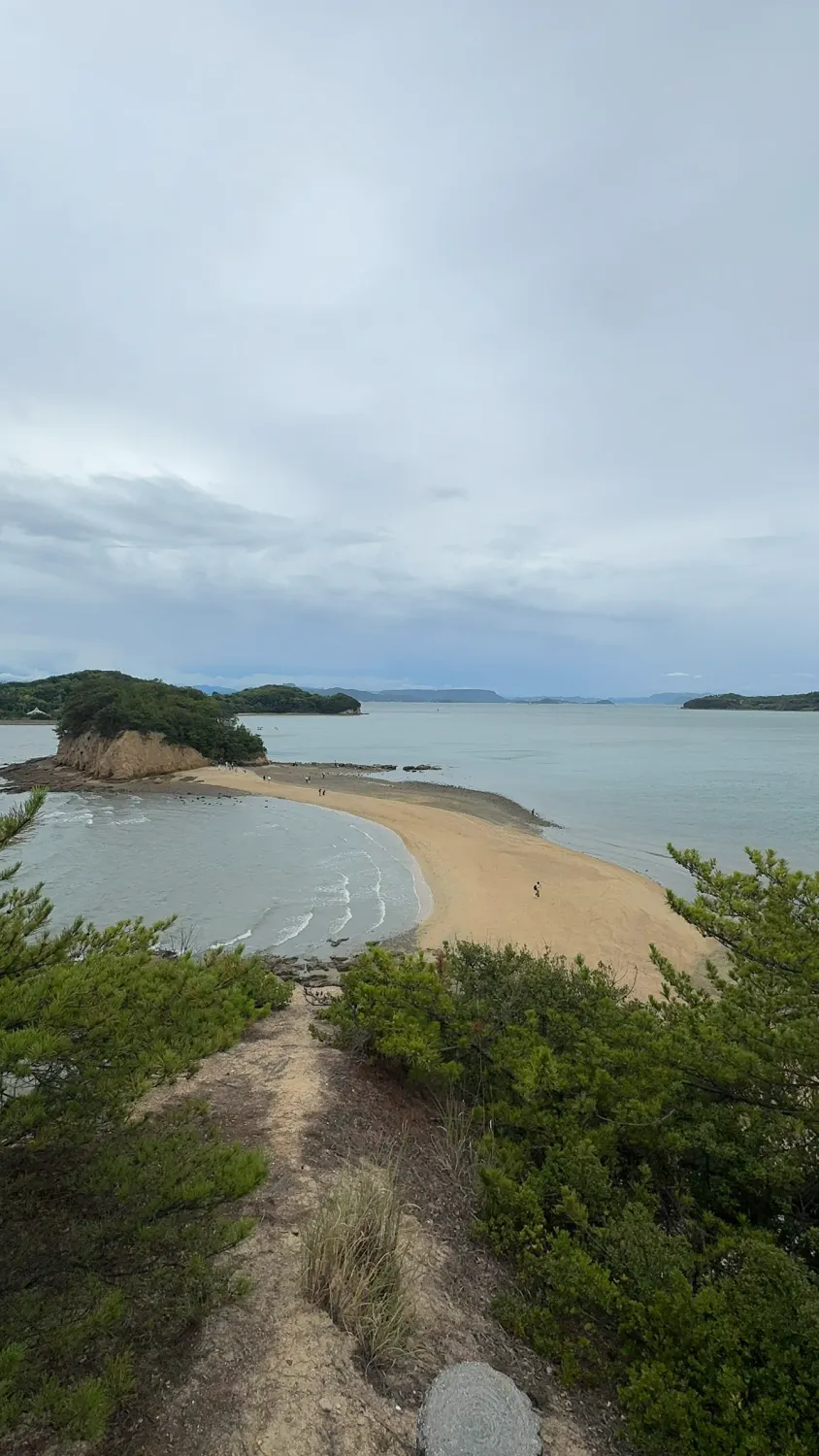
Angel Road
Angel Road is a sandbar that appears at low tide and connects four small islands.
You can walk across it twice a day depending on the tide.
There’s a small Ebisu shrine nearby and a short staircase that leads to a viewpoint with a nice view over the coast.
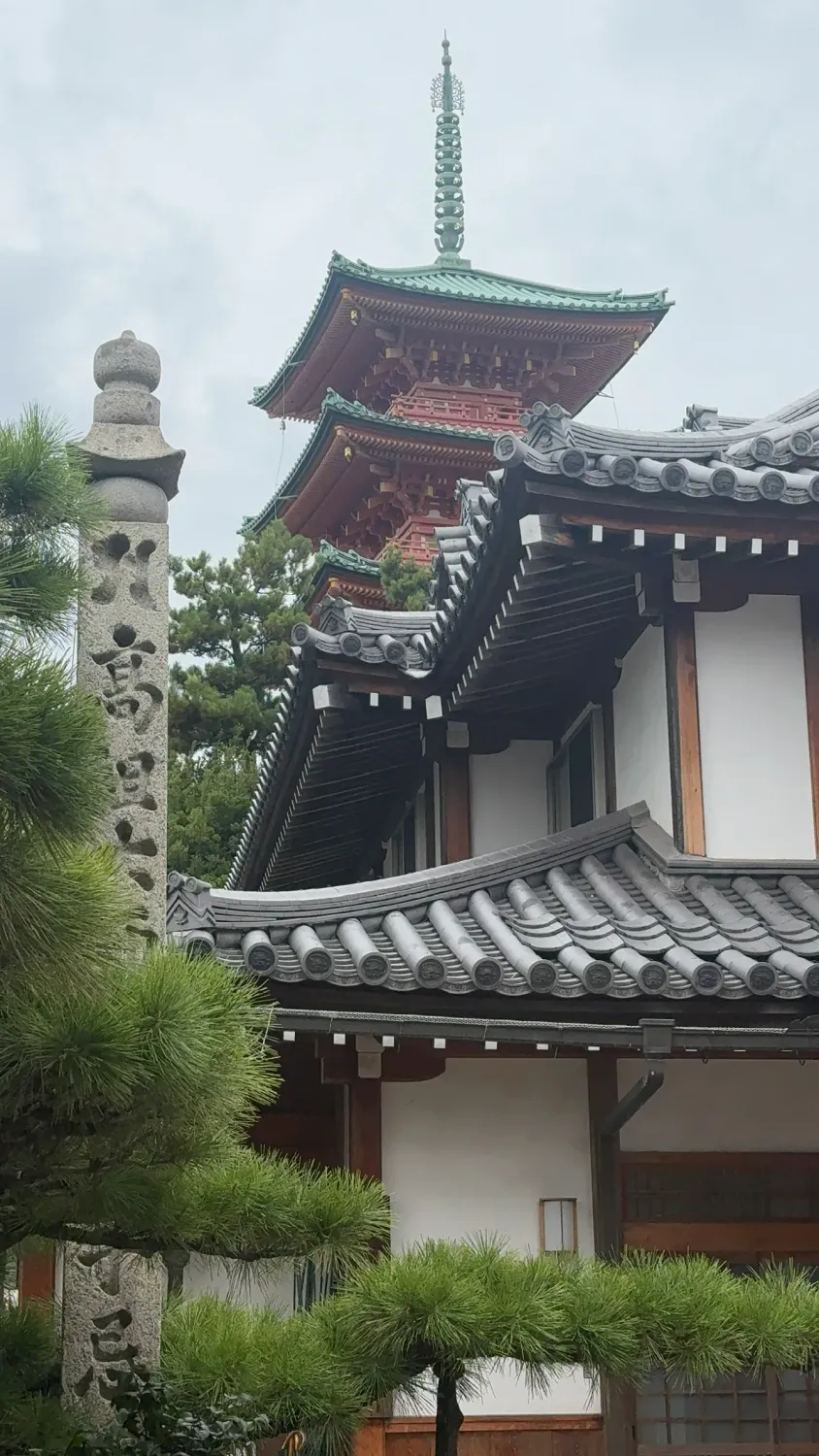
From the viewpoint, I saw a temple.
The temple stop : Saiko-ji
It was already past 3 PM and our ferry was at 3:50 PM.
We decided to go there quickly as our last stop.
The temple was empty. I wanted a goshuin but no one was there.
Still, the view from the top was nice.
Back to Takamatsu
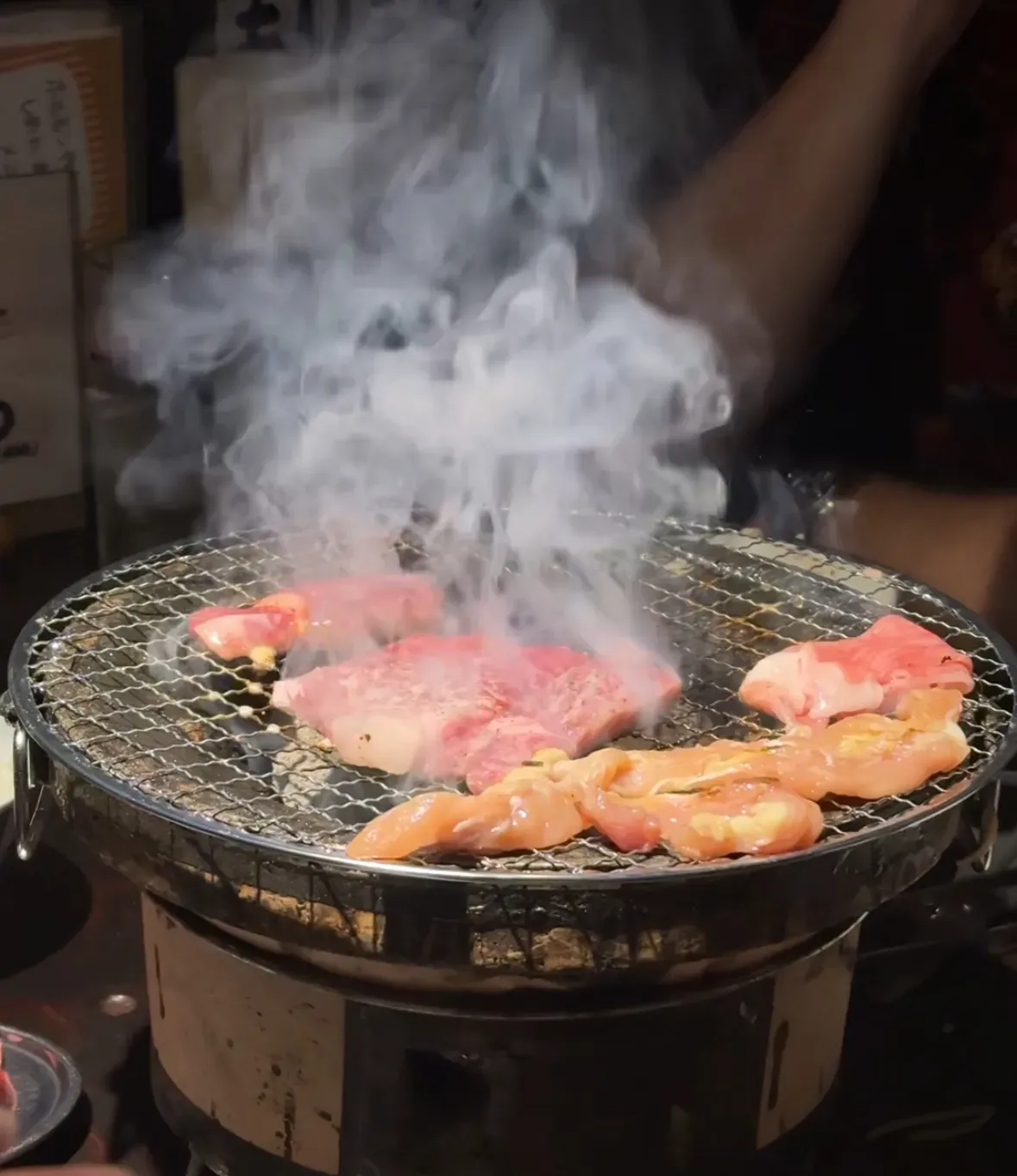
We ended the day at Horumon Yamato, a yakiniku restaurant where you grill your own meat. We had Wagyu A5, beef and chicken.
The atmosphere was nice and the staff were friendly. The boys had sake together.
Day 9 – Takamatsu to Okayama
This morning we left Takamatsu early.
We took the train around 8:15 AM.
Train line: Yosan Line (Rapid)
Departure: 08:22 – Platform 5
Arrival: 09:19
→ Around 30 + 26 minutes
→ Cost: approx. 1700¥
We arrived in Okayama around 9:30 AM.
First stop: drop our luggage at the hotel.
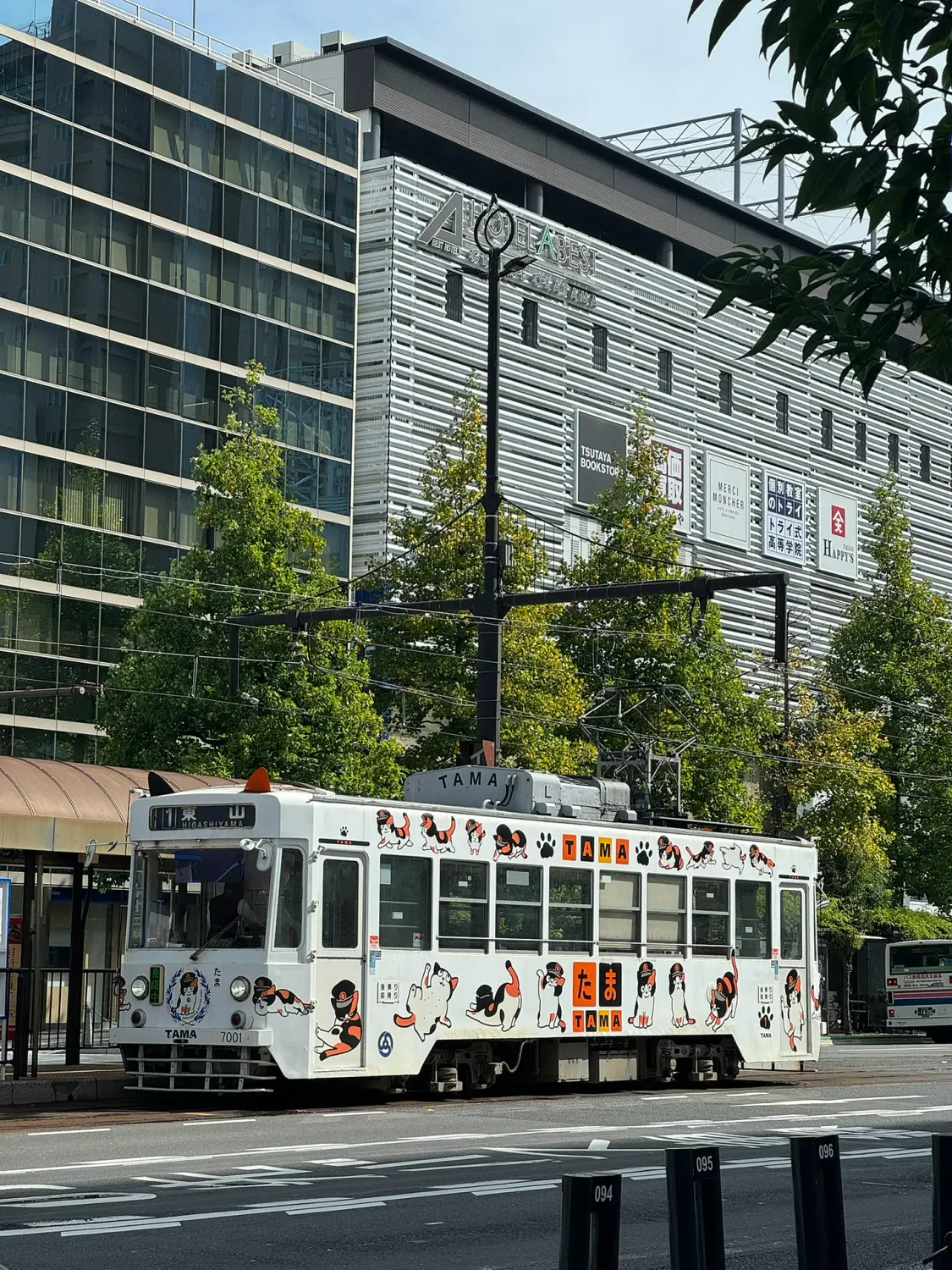
Then we headed straight to our main destination of the day: Kurashiki Bikan Historical Quarter.
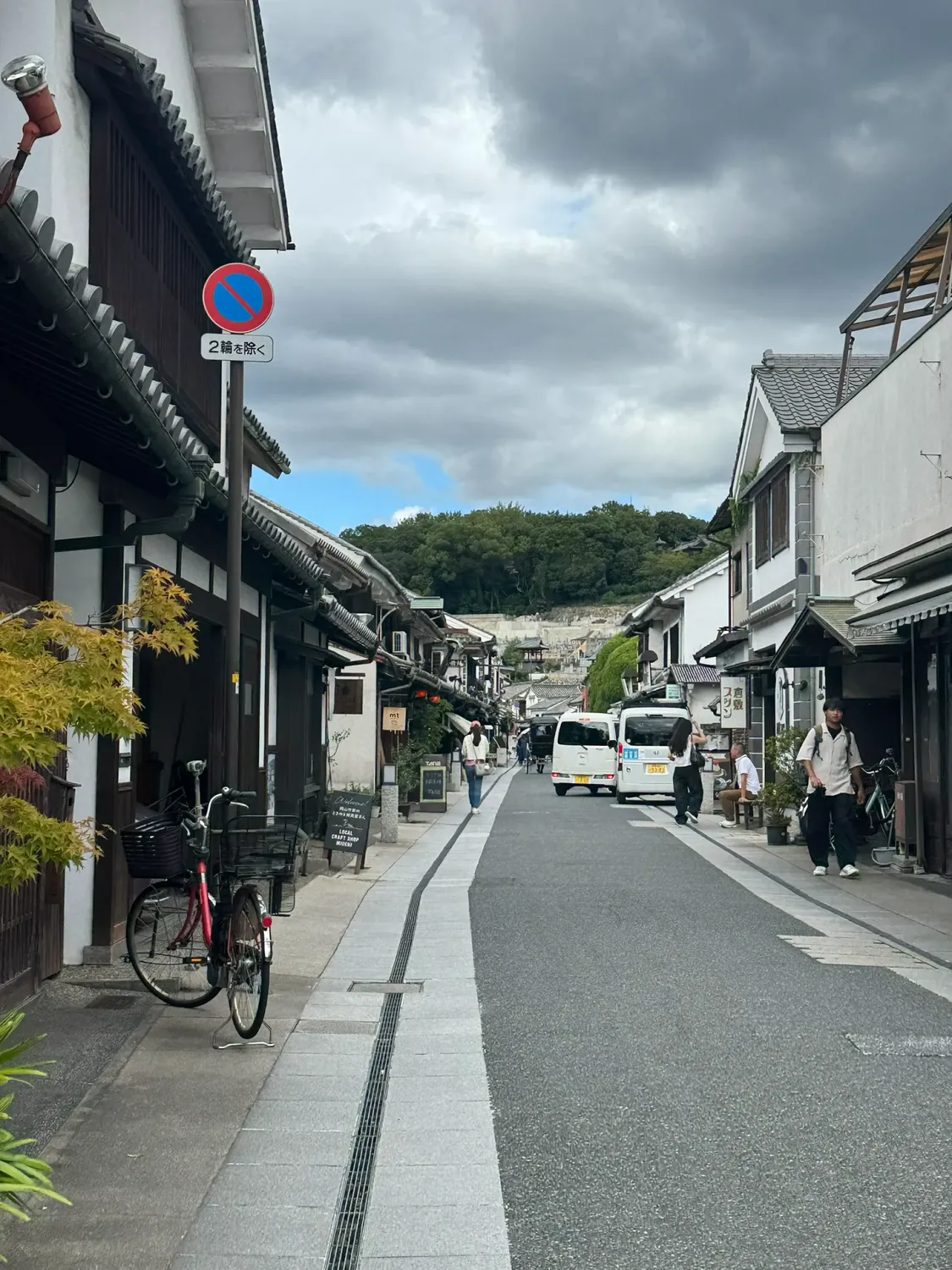
Okayama → Kurashiki
We took a local train around 10 AM.
Train cost: around 300¥.
From Kurashiki Station, you need to walk about 10 to 15 minutes to reach the Bikan Historical Quarter.
We arrived around 10:30 AM and took time to walk around, visit artisan shops and do some souvenir shopping.
Kimono Experience
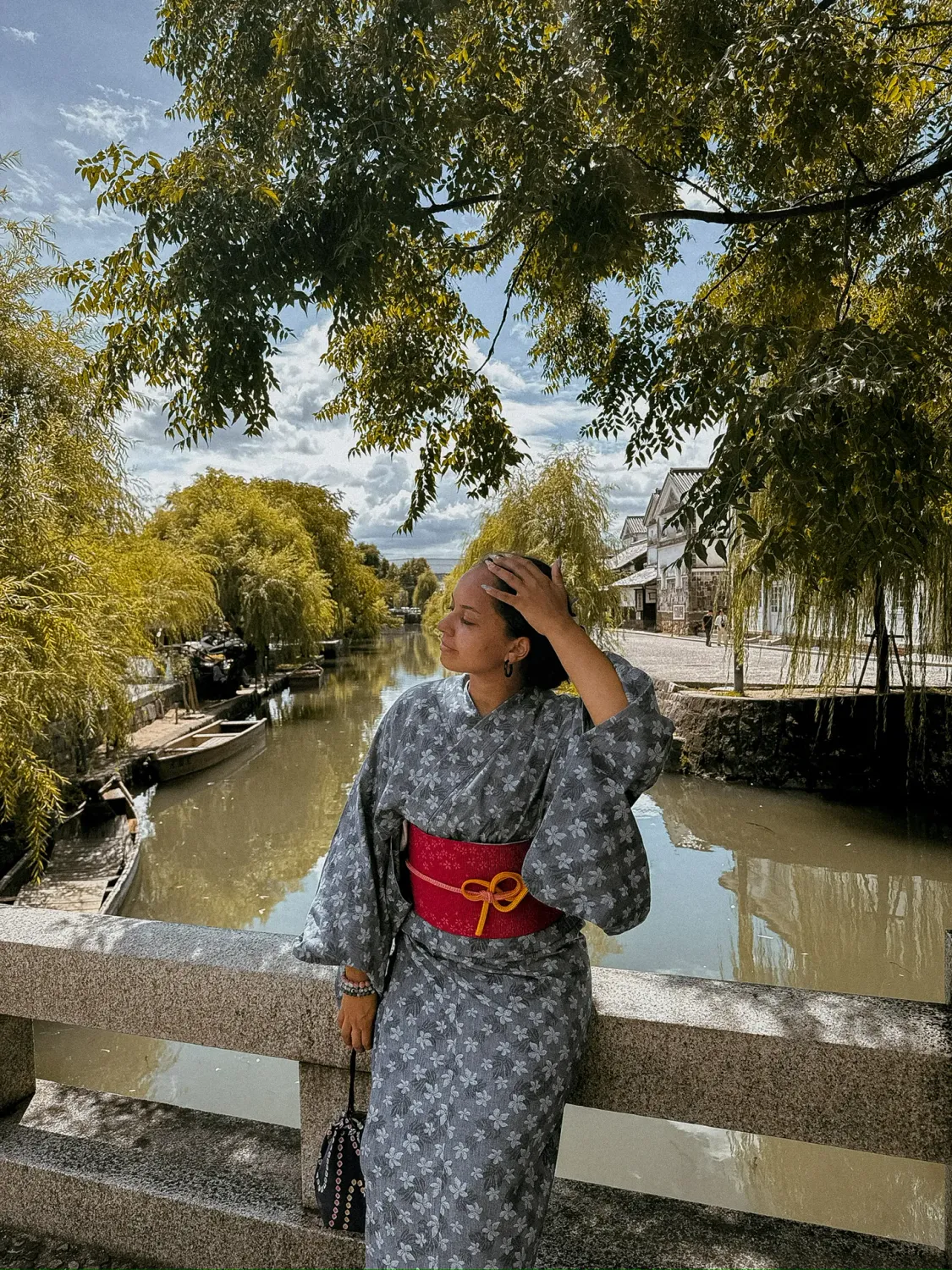
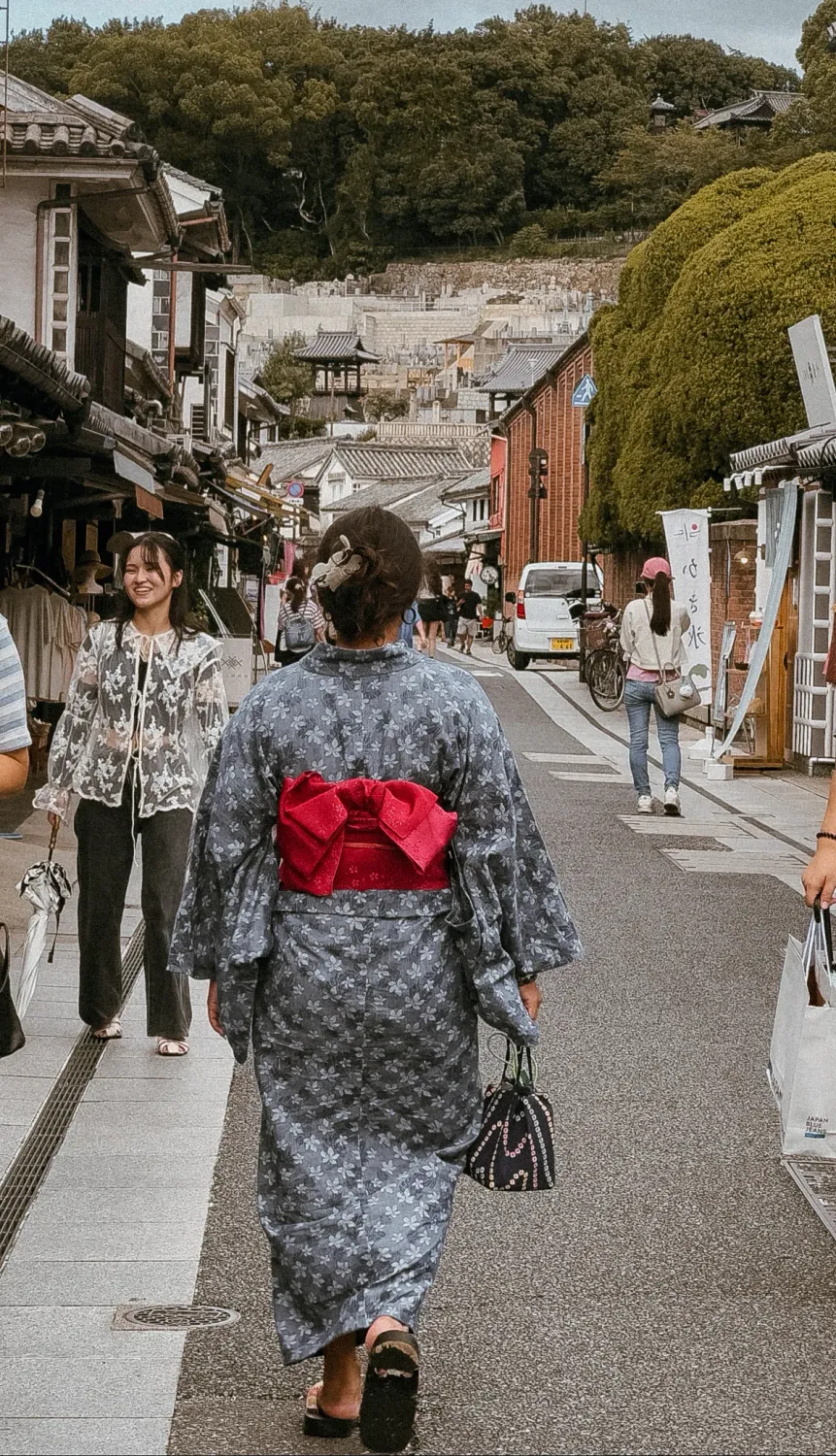
We decided to wear kimono and rented one at Kimono Komachi in Kurashiki.
Mine cost around 7500¥ and I chose a denim kimono.
Kurashiki is famous for denim. The Kojima district is considered the birthplace of Japanese jeans. After World War II, American jeans became popular in Japan and Kurashiki developed its own high-quality denim industry. Today it’s known worldwide for “Made in Japan” craftsmanship.
So wearing a denim kimono there felt very fitting.
Ebisuya Rickshaw Experience
We also did a rickshaw ride with Ebisuya.
Honestly one of my best experiences.
The staff were very kind and they explain the history of Kurashiki while riding through the streets.
Cost: 5000¥
You get a discount if you’re wearing a kimono.
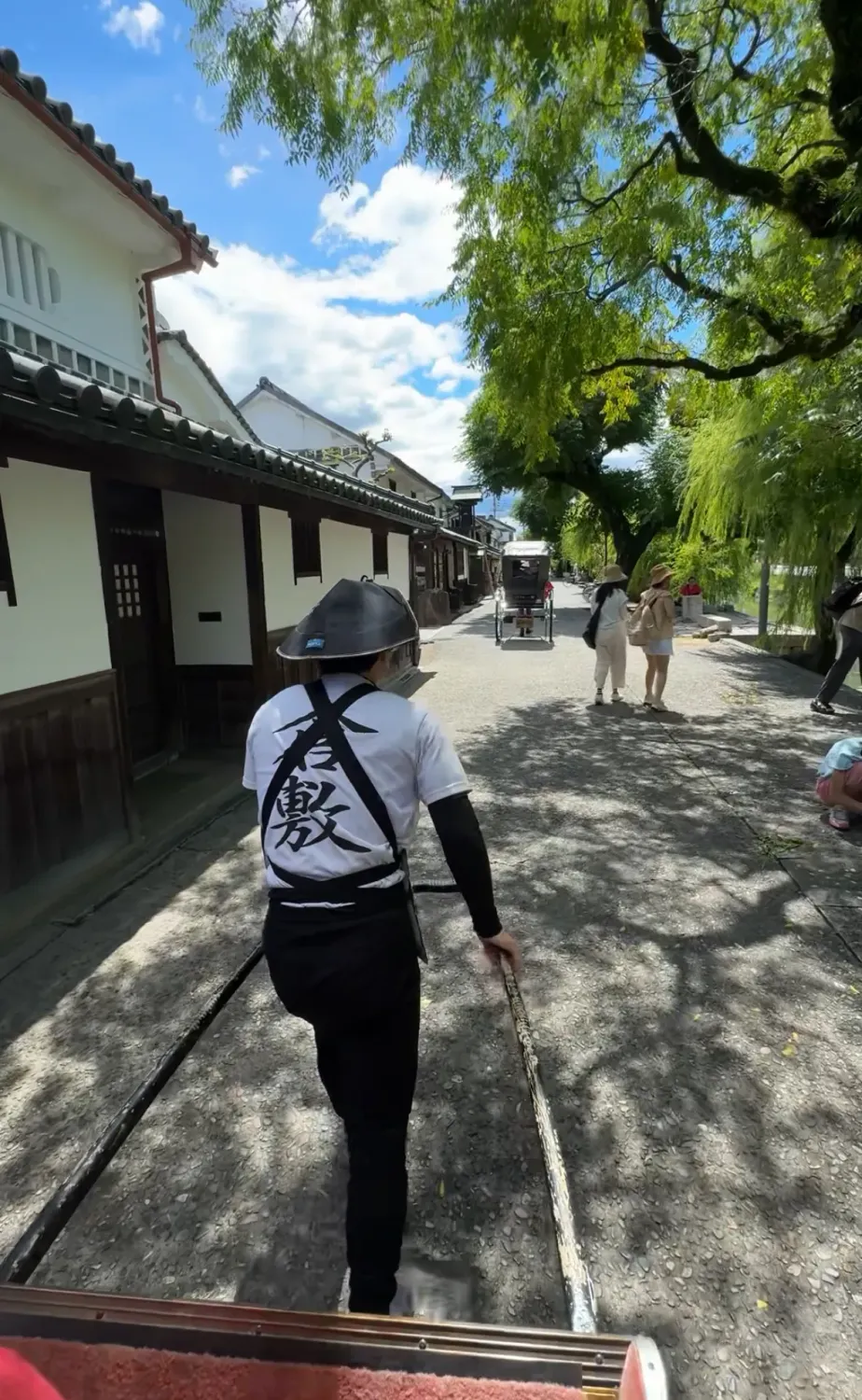
Kurashiki has a long history as a merchant town. During the Edo period, it was controlled by the shogunate and became an important rice distribution center. The name “Kurashiki” means “town of storehouses”, and many of those white-walled kura buildings still remain today.
That’s what gives the area its atmosphere.
Lunch – Cafe Rest Gallery Anzu
It was already time for lunch, so we went to Cafe Rest Gallery Anzu.
They have tatami seating and regular tables.
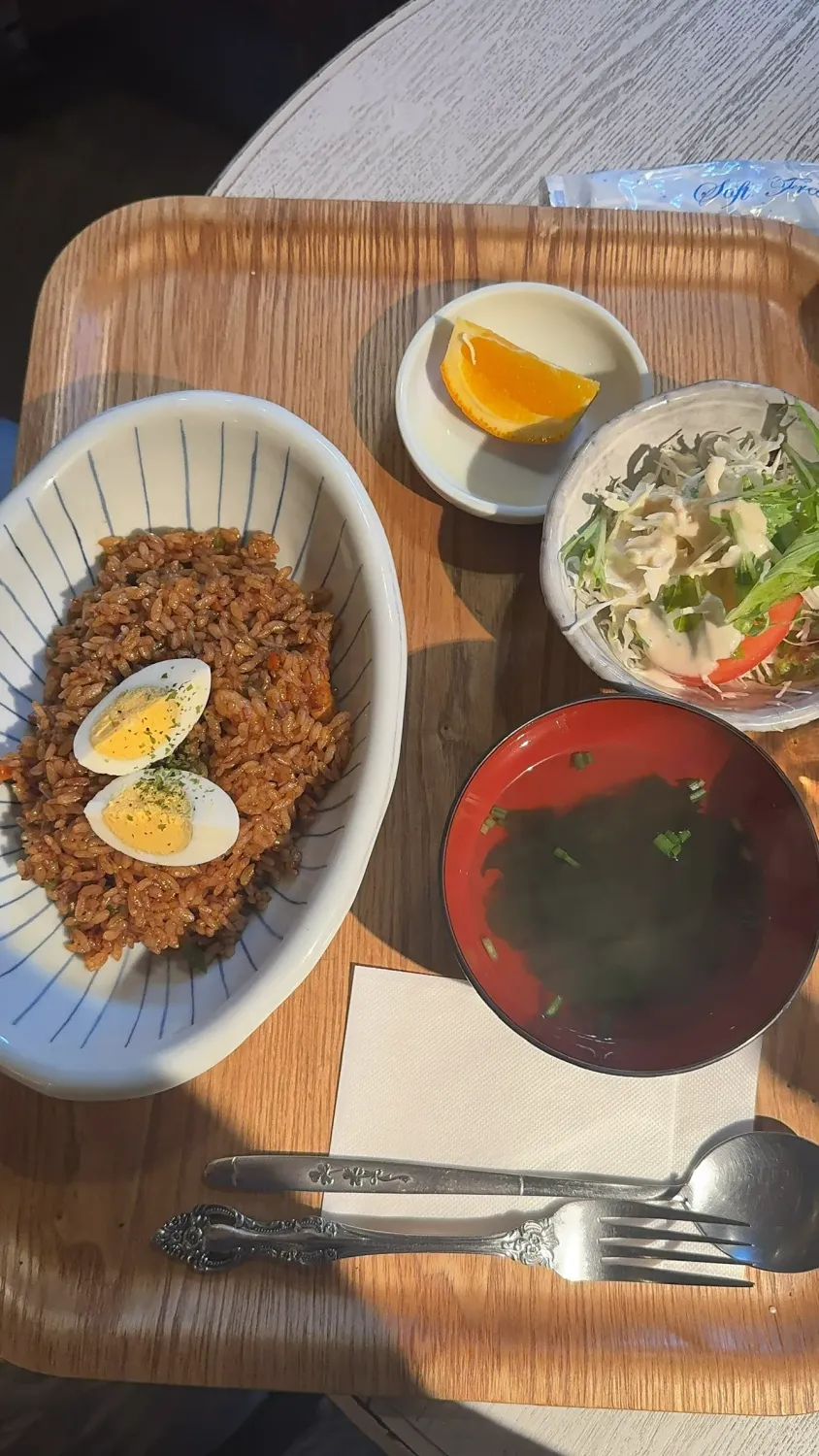
I had fried rice.
It was really good.
Price: 1900¥.
After lunch, we explored Denim Street and the shops we didn’t have time to see earlier.
Denim ice cream, denim souvenirs and lots of unique products linked to Kurashiki’s identity.
Then it was time to return the kimono and head back to Okayama.
Okayama – Korakuen Garden & Castle
In Okayama, I really wanted to visit Korakuen Garden and see Okayama Castle.
We arrived around 16:50, so we had about one hour.
Garden entrance: 410¥.
Korakuen is one of Japan’s Three Great Gardens. It was created in the 17th century by the Ikeda family.
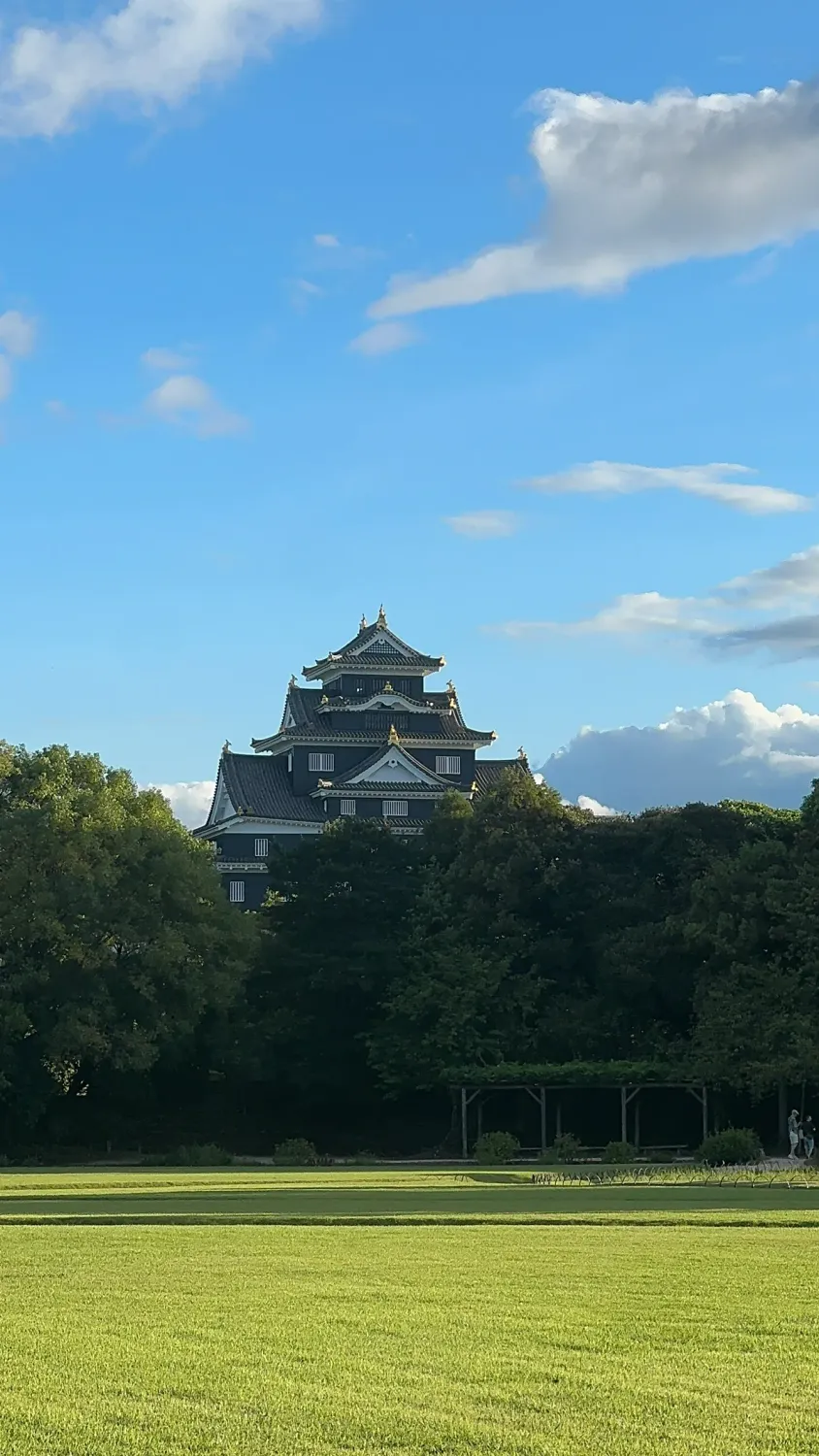
From the garden, you can see Okayama Castle. You can also cross a pedestrian bridge for a nice view of the castle across the river.
Okayama Castle is known as “Crow Castle” because of its black exterior.
We didn’t go inside, only outside.
Dinner
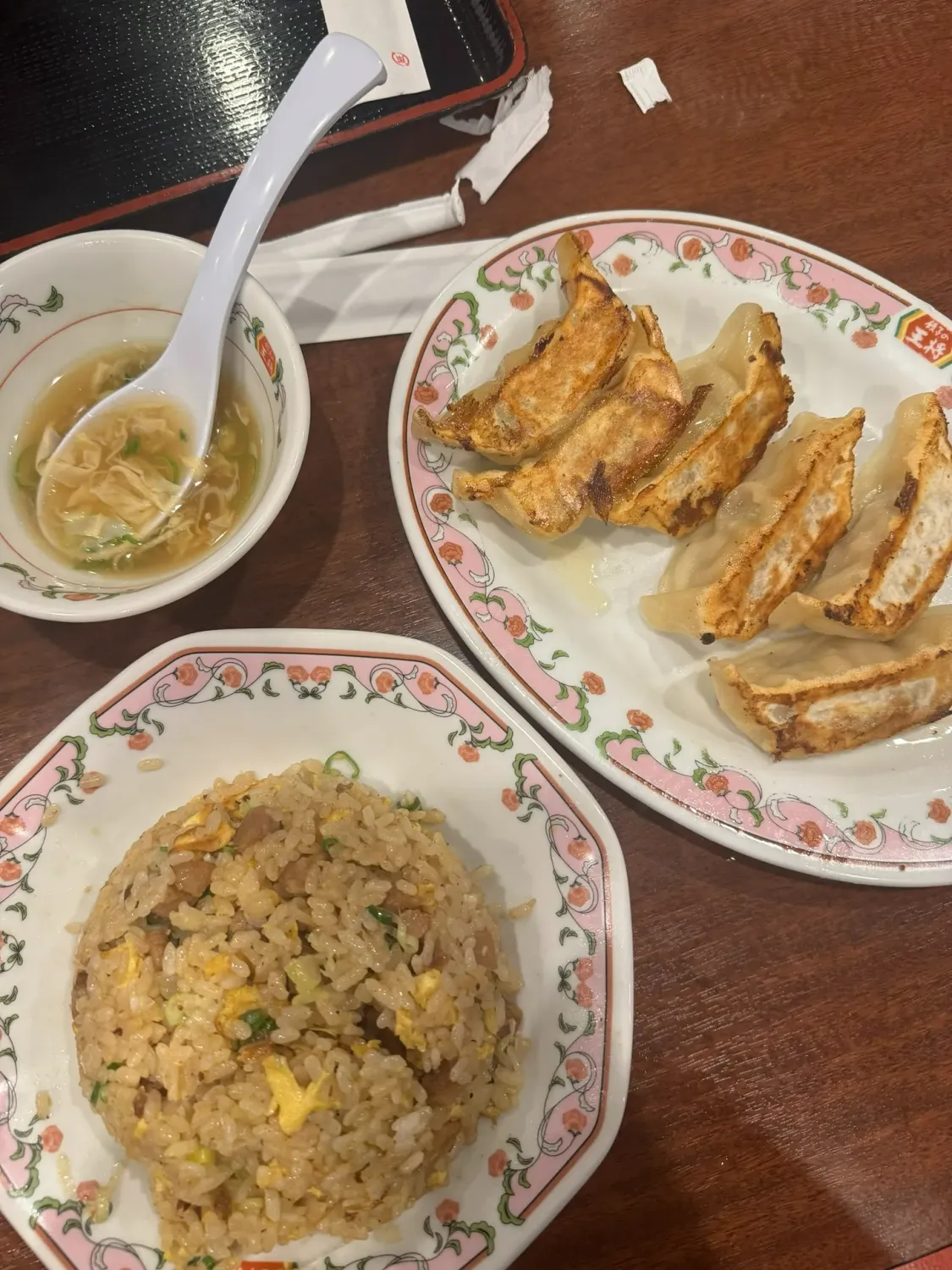
We had dinner at Gyoza Ohsho.
It’s a popular Japanese chain known for cheap and tasty gyoza and Chinese-style dishes.
I had fried rice and gyoza.
Simple and good.
Total: 919¥.
Hotel : GRAND BASE Okayama Ekimae
Regular Japanese business hotel.
7215¥.
Nothing special. I didn’t take photos or videos.
Day 10 – Okayama to Beppu
One of the reasons we stopped in Okayama was to avoid doing Takamatsu → Beppu in one single stretch. It would have been too long and tiring.
Our route:
Okayama → Kokura → Beppu.
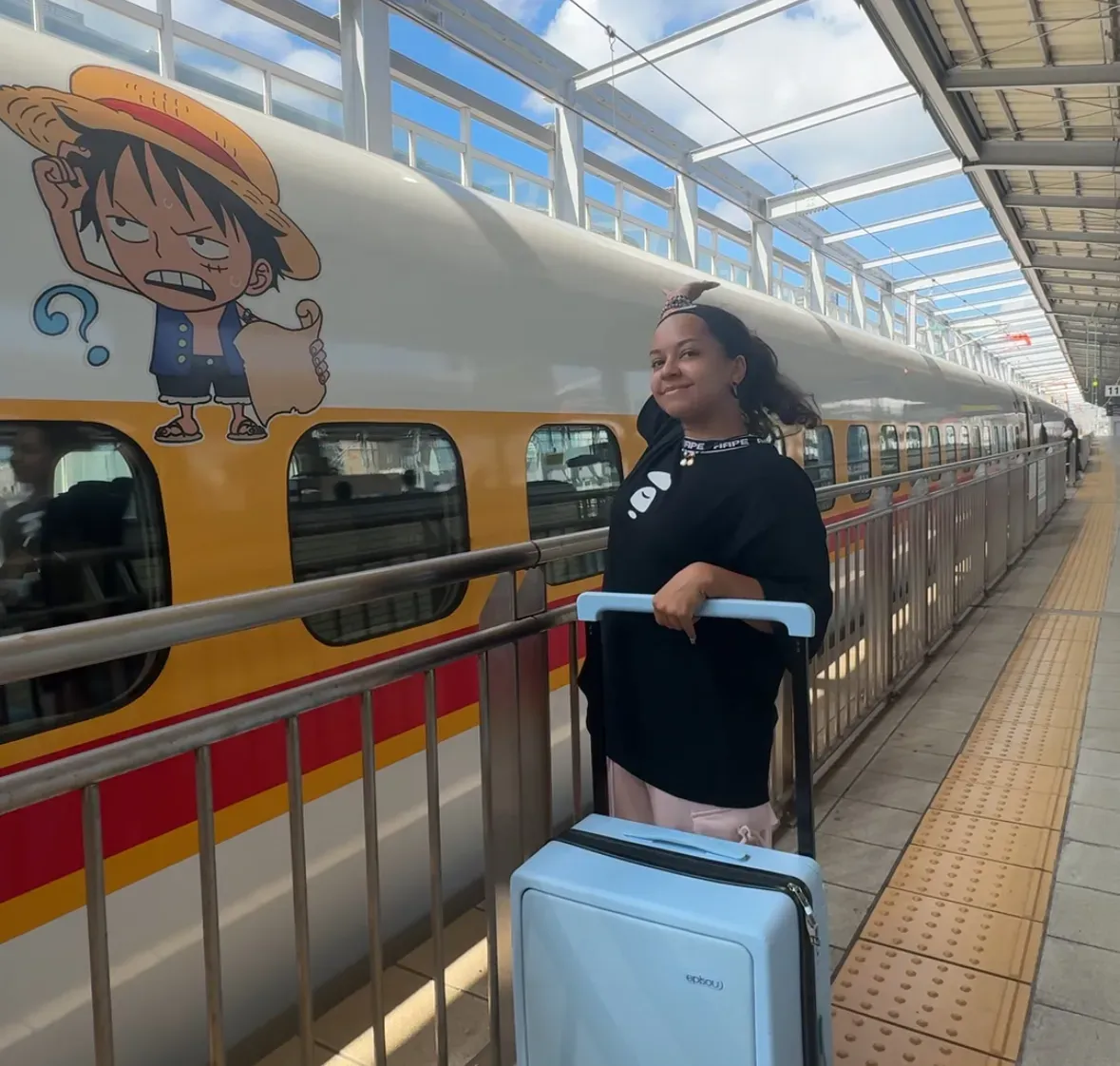
One Piece Shinkansen
Okayama → Kokura
2 hours on the One Piece Shinkansen
11,530¥
Kokura → Beppu
1h30 on the Sonic Limited Express
3,600¥
We left at 7:19 and arrived at our Beppu hotel around 11:30.
I really wanted to ride the One Piece Shinkansen, so I booked my ticket one month in advance.
For regular shinkansen, you usually don’t need to book early. But this one is special and seats are limited, so I didn’t want to risk missing it.
I booked through the JR West reservation website.
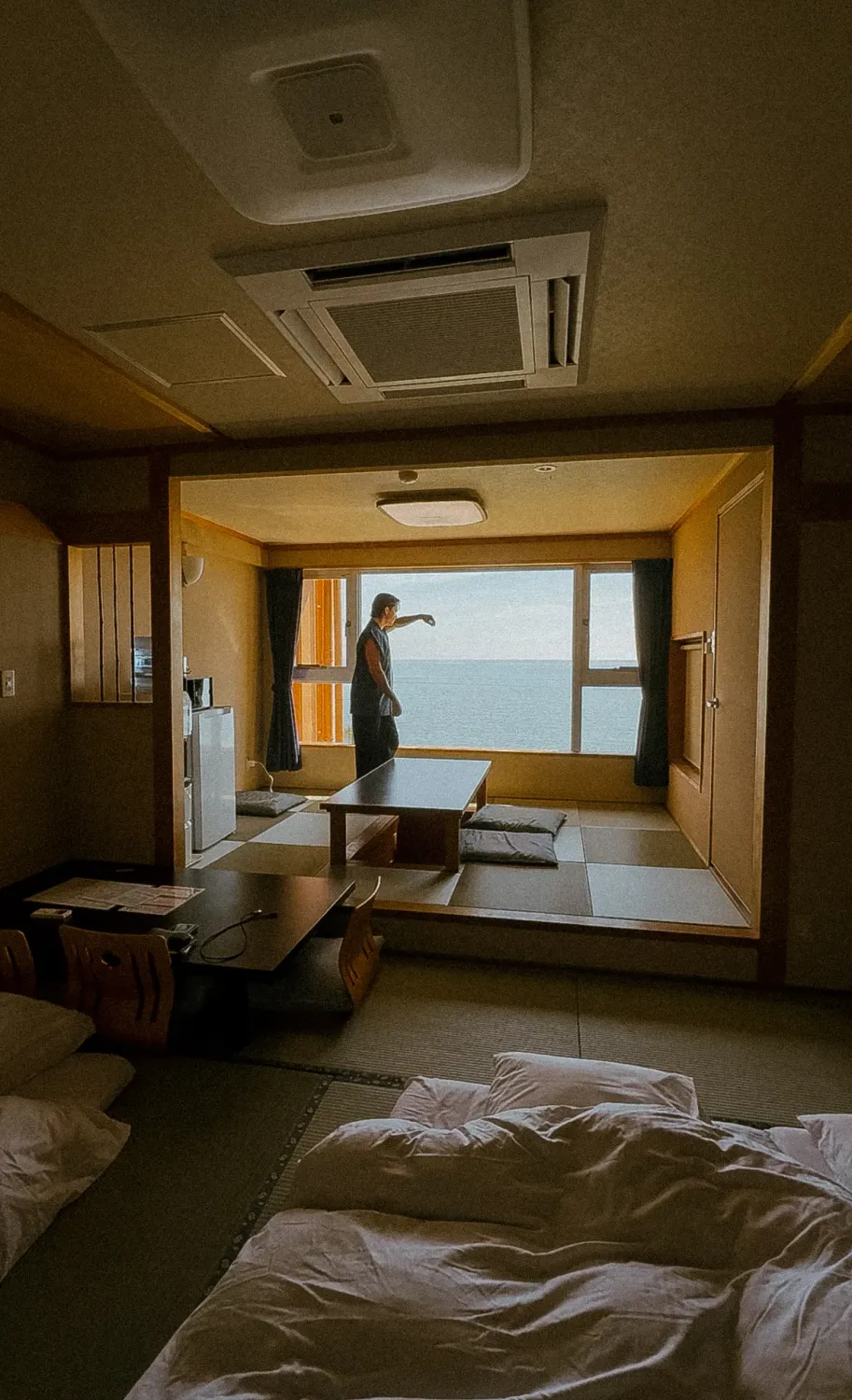
Hotel in Beppu : Umino Hotel
Our hotel was Umino Hotel Hajime.
Probably the best hotel of the trip.
Check-in was from 3 PM, so we dropped our luggage and went out.
Cost:
82,800¥ total
13,800¥ per person
We had two rooms:
– One tatami room with futons
– One modern Japanese room with half tatami and real beds
Lunch – Toyotsune Honten
It was already past 12, so we ate near the hotel.
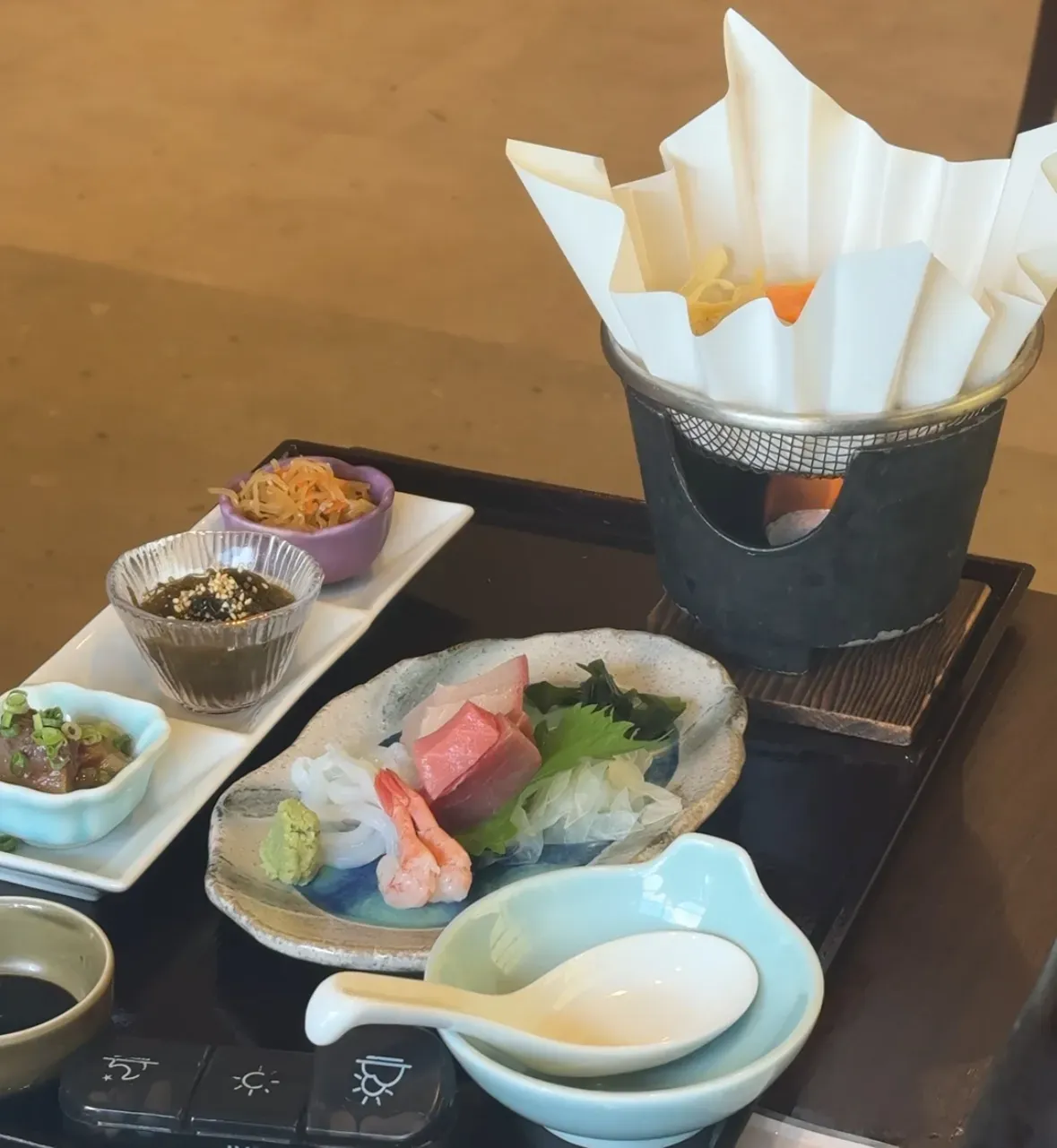
We went to Toyotsune Honten, a well-known local restaurant.
Our meal was really good. Cost 1890¥.
Beppu Hells (Jigoku Meguri)
I planned the whole afternoon for the Jigoku Meguri.
We took the 13:10 bus to the hot spring sites.
You can buy a pass for all seven “Hells” for 2,200¥.
These hot springs are too hot for bathing, but you go to see them. Boiling water, mud pools, strong colors, steam everywhere.
Here’s what we visited:
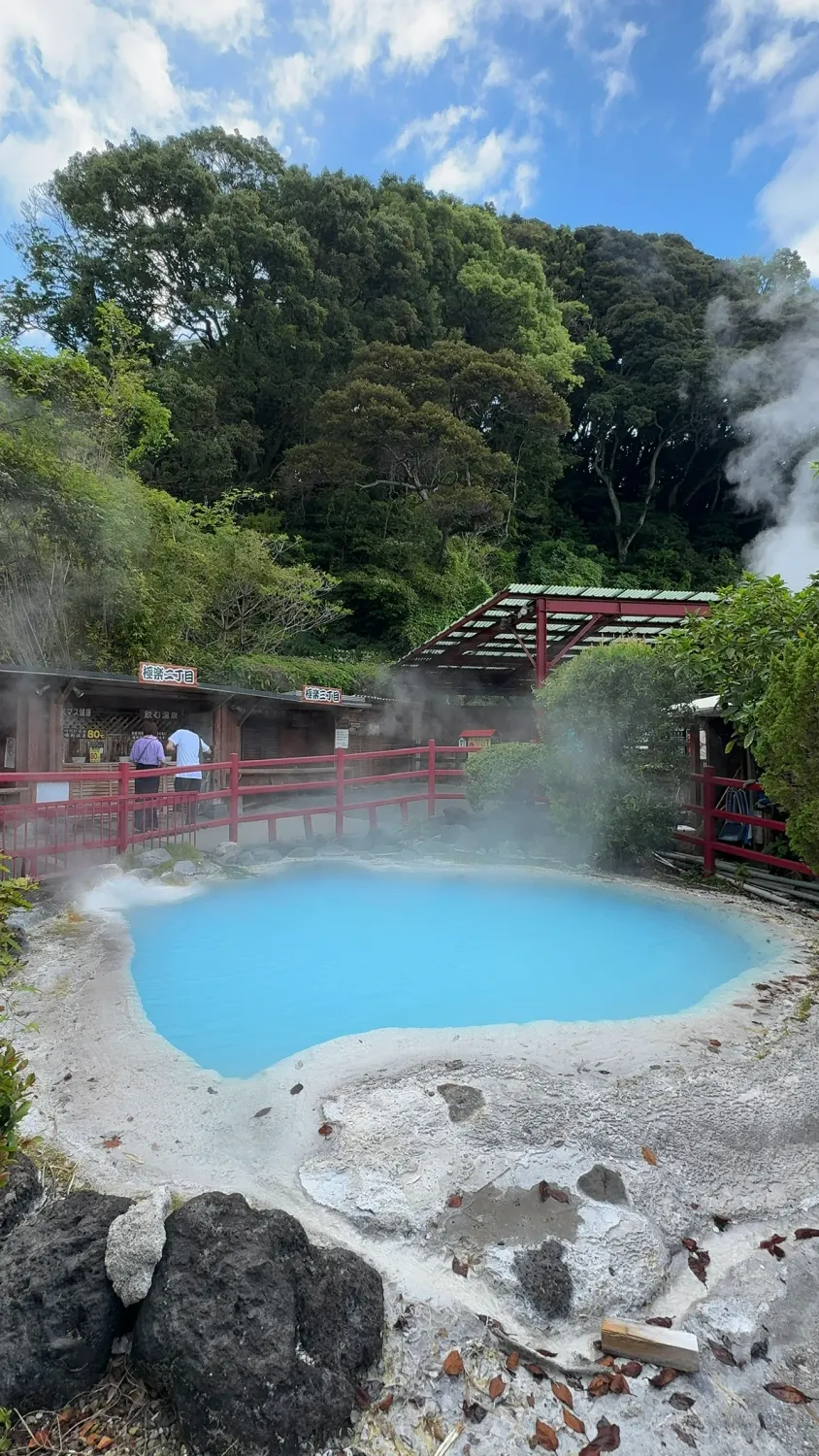
Umi Jigoku – Sea Hell
The most famous one. A huge cobalt-blue hot spring. The water is around 98°C.
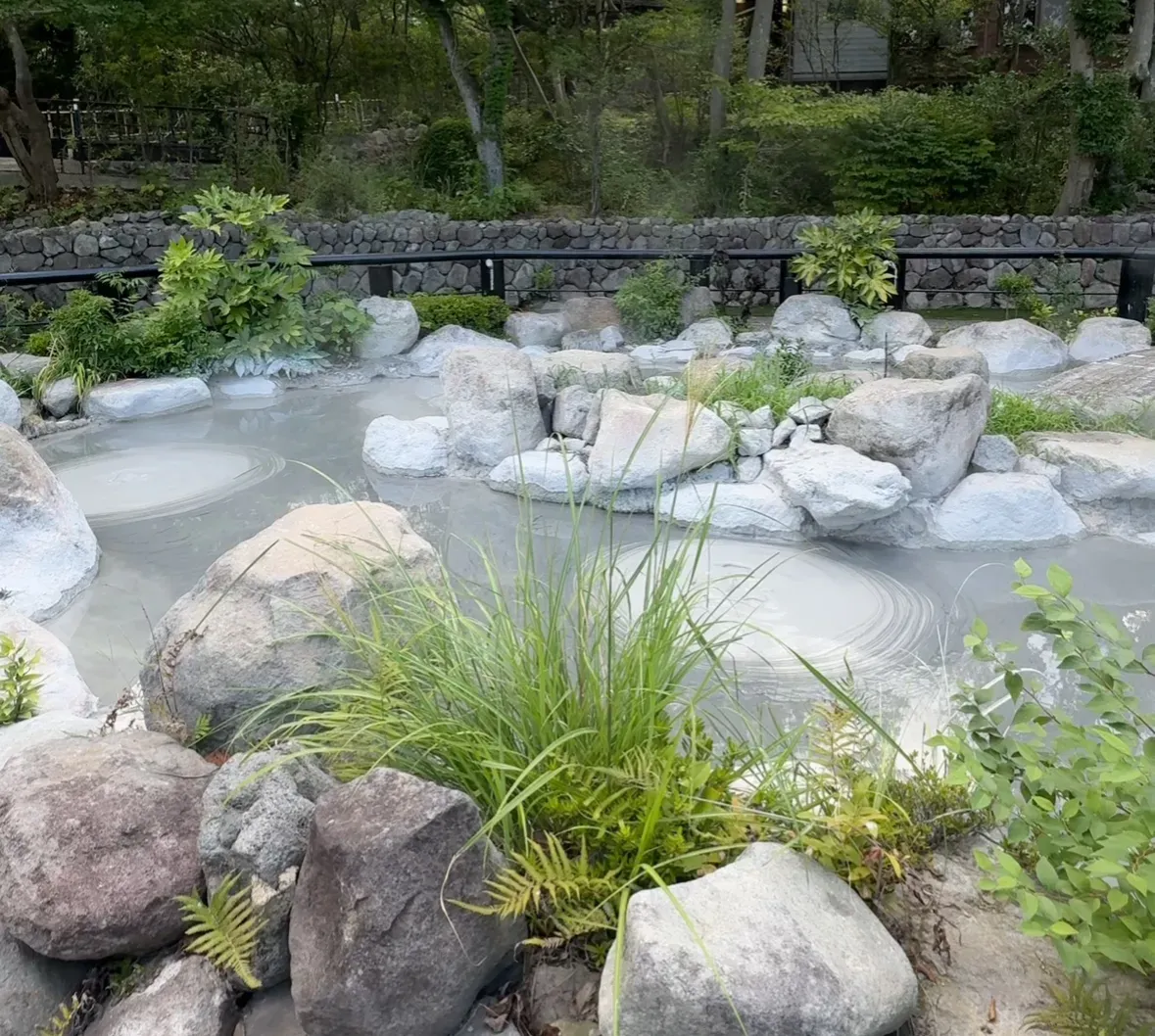
Oniishibozu Jigoku – Shaven Head Hell
Grey bubbling mud pools. The bubbles look like shaved monk heads.
Kamado Jigoku – Cooking Pot Hell
Several pools with different colors and steam. Decorated with demon statues
Oniyama Jigoku – Crocodile Hell
Over 70 crocodiles are kept here using the heat from the hot spring.
Honestly, I didn’t like it. The conditions didn’t feel good and I wouldn’t recommend supporting it.
Shiraike Jigoku – White Pond Hell
Milky white water surrounded by a small garden.
There’s also a small aquarium. I didn’t like that either. The fish didn’t look well kept, and the hell itself isn’t the most impressive.
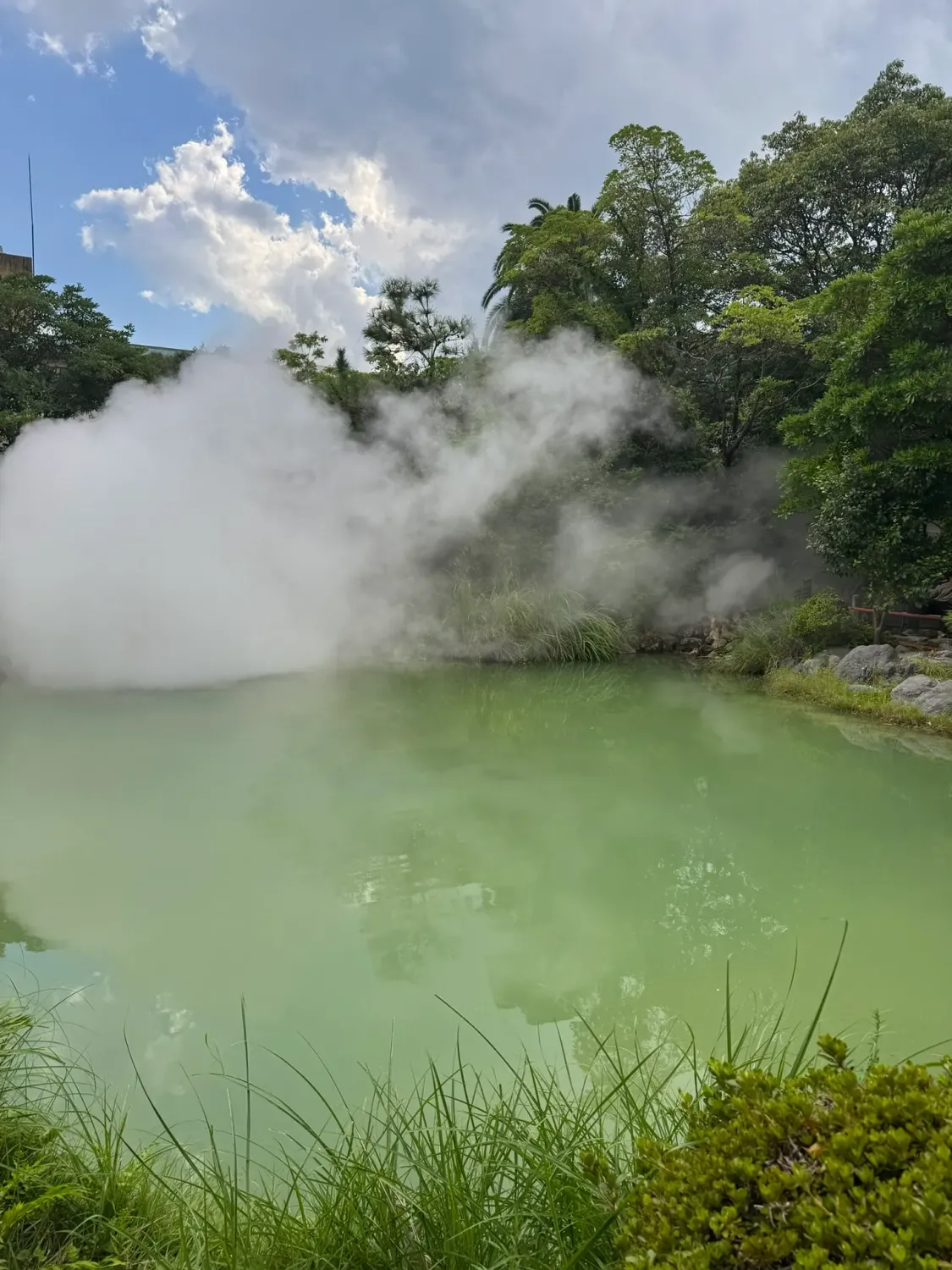
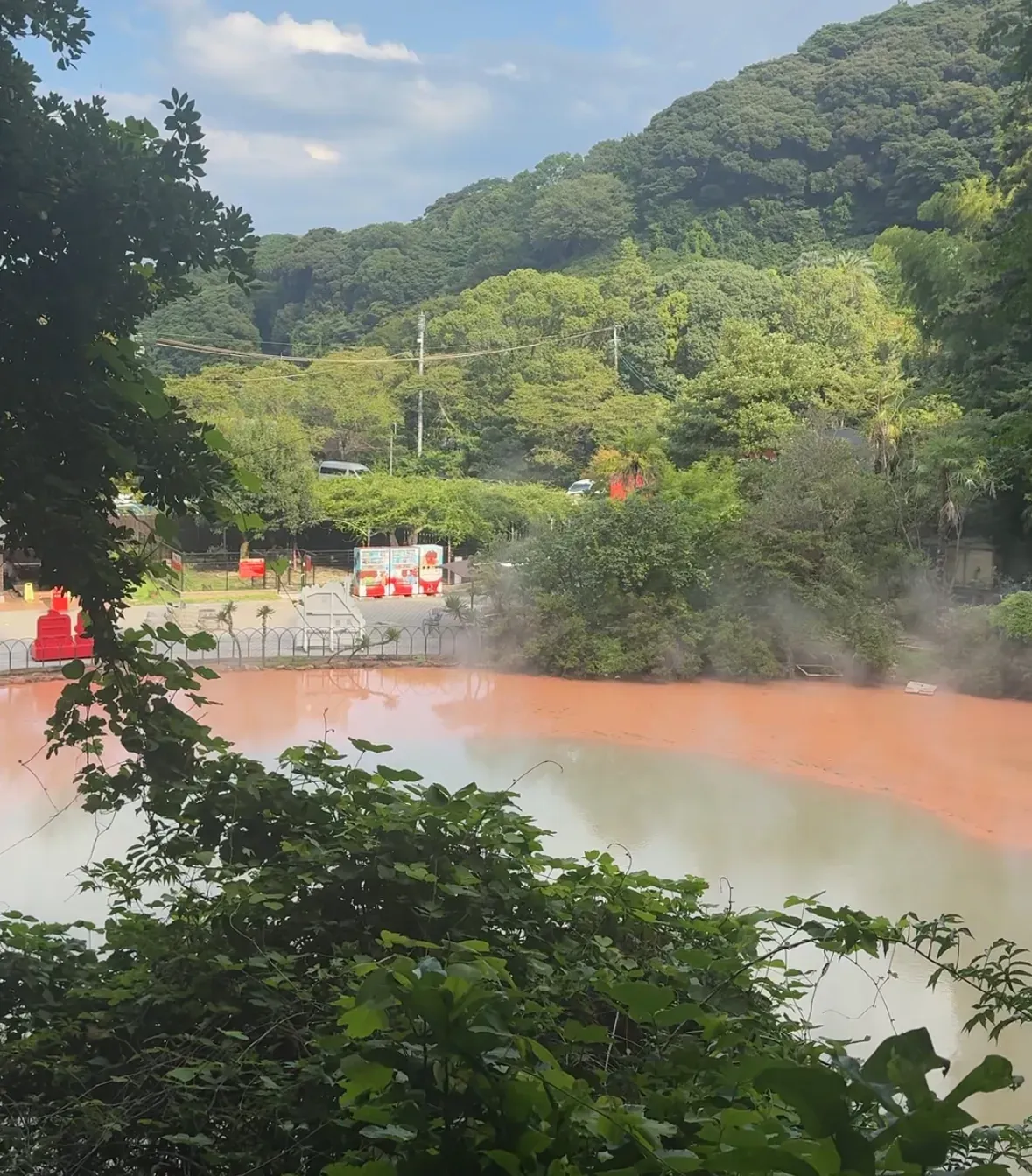
Chinoike Jigoku – Blood Pond Hell
Red water because of iron oxide and minerals. It’s considered Japan’s oldest natural hell.
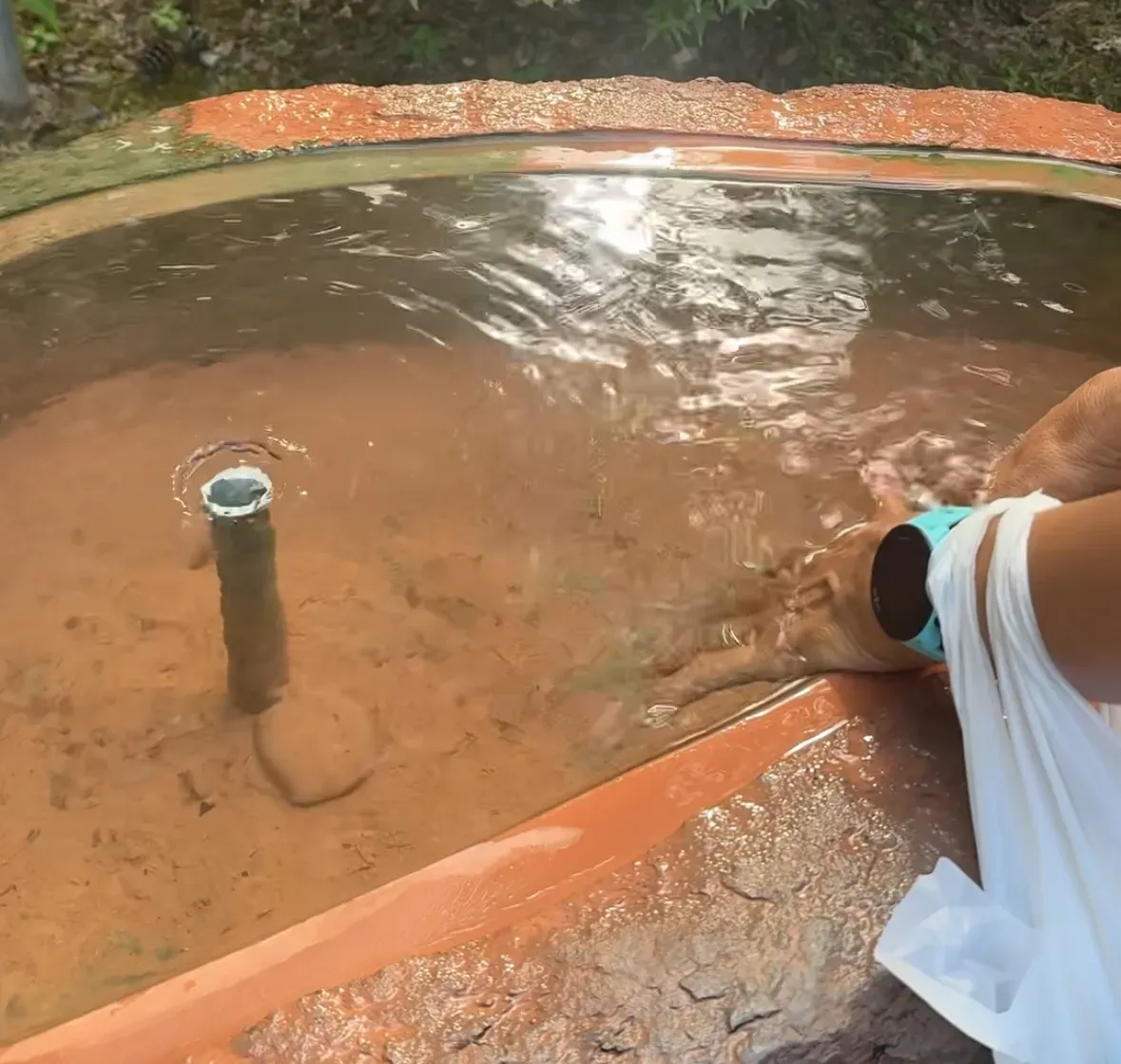
There’s an hand bath at the entrance, and foot bath inside. Many of the hells have foot bath but not all of them !
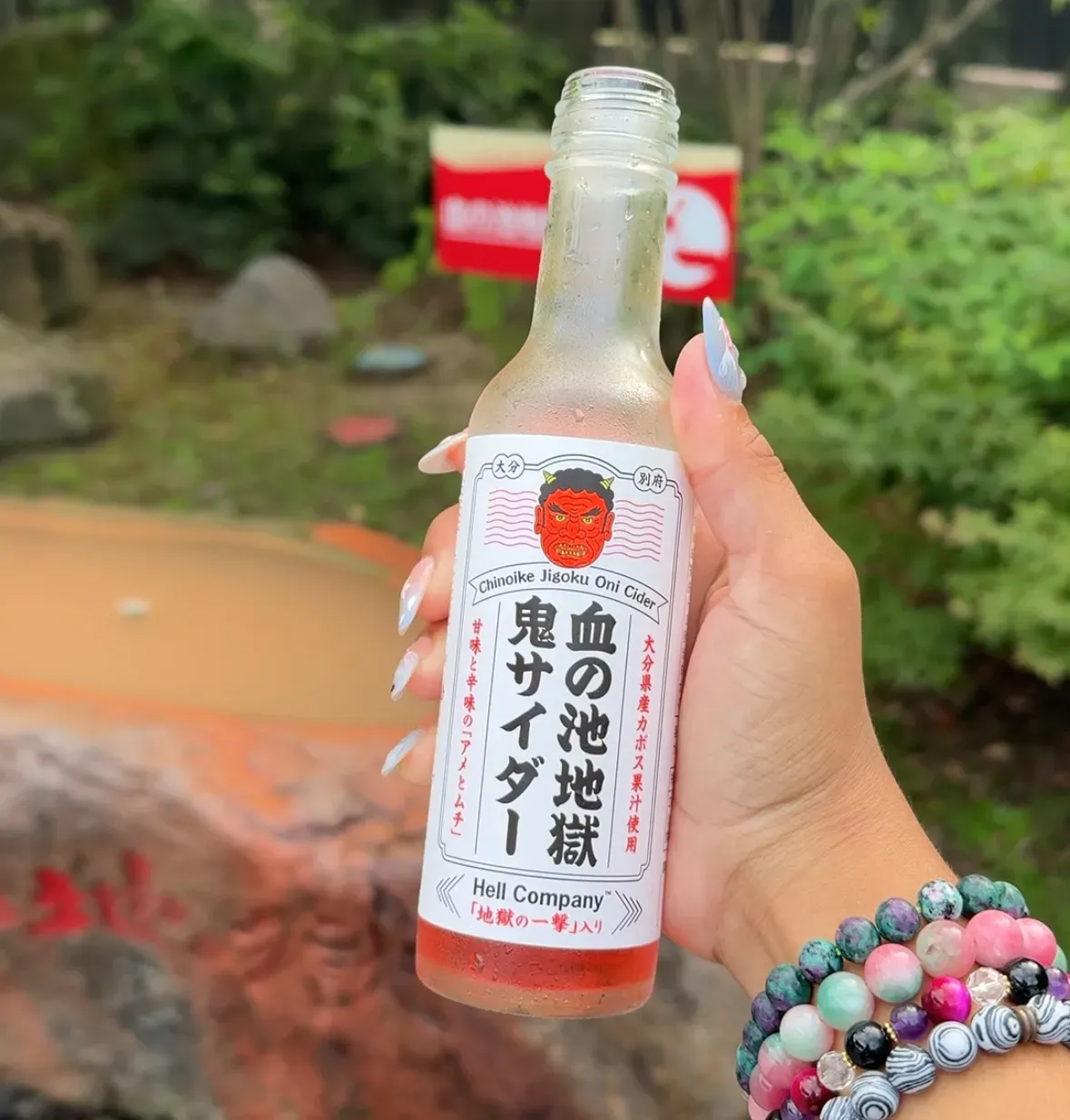
You can taste drinks and food like this :
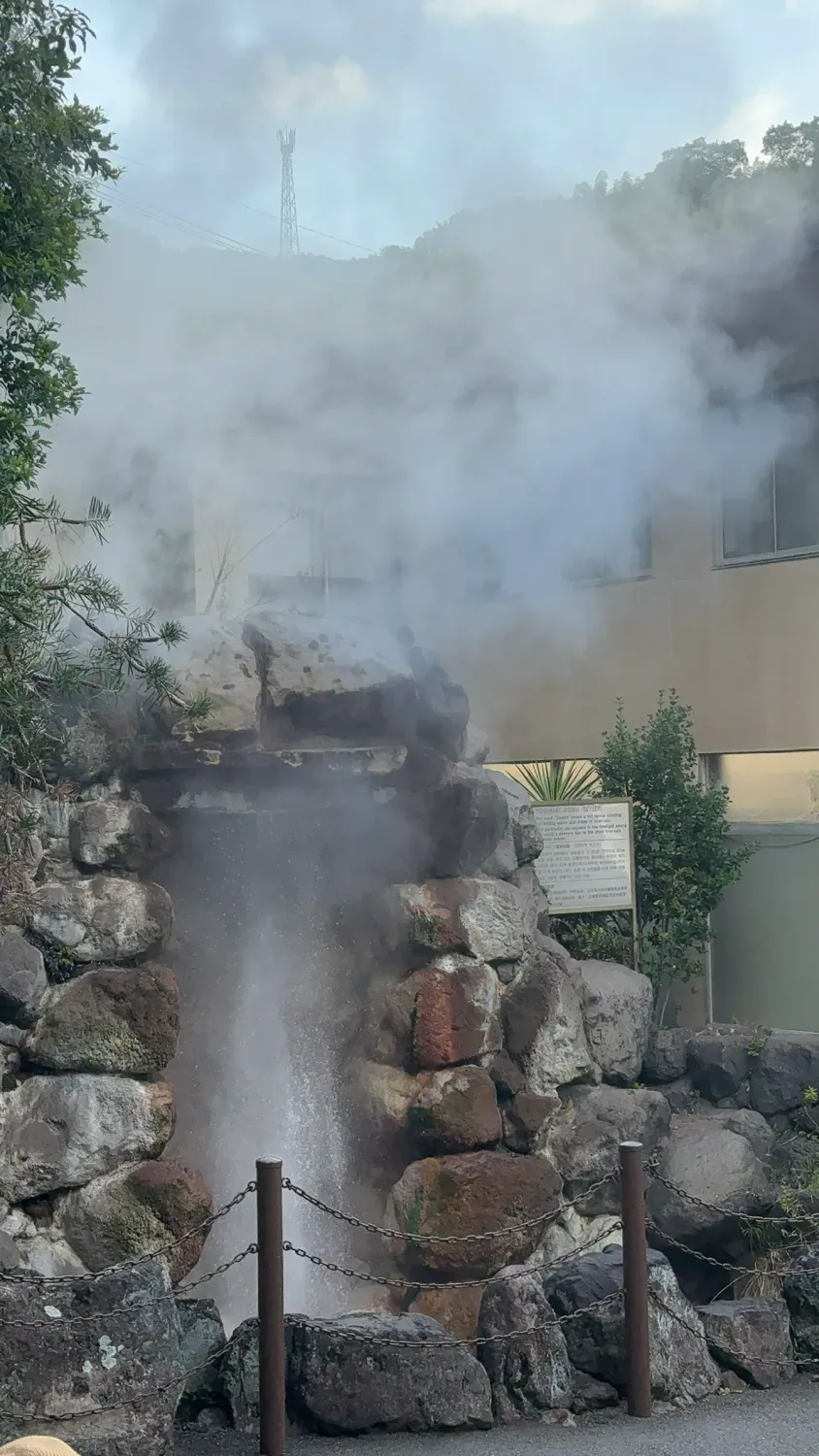
Tatsumaki Jigoku – Spout Hell
A geyser that erupts every 30–40 minutes. We caught the last eruption before closing.
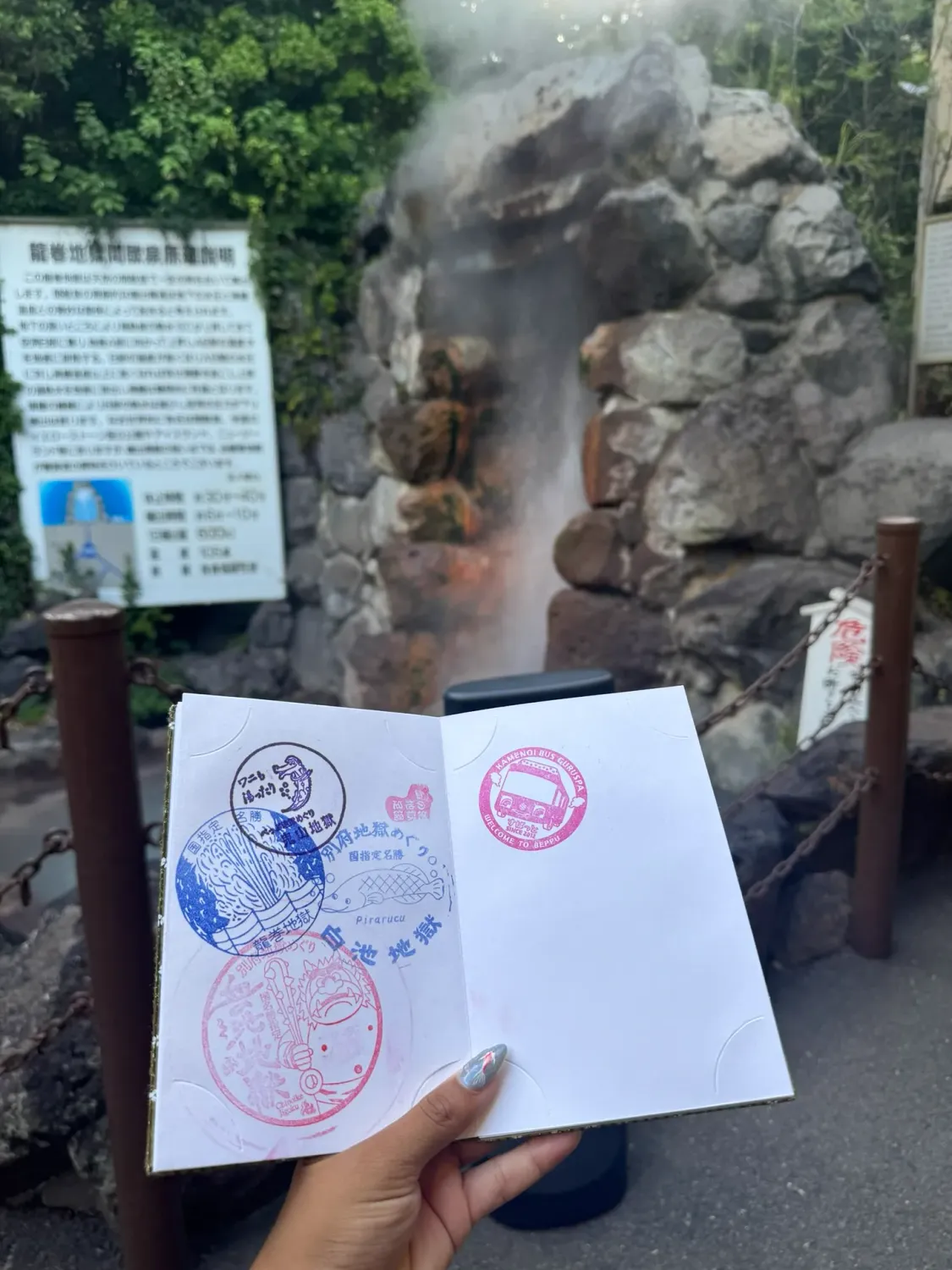
You can get stamps in each of the hells :
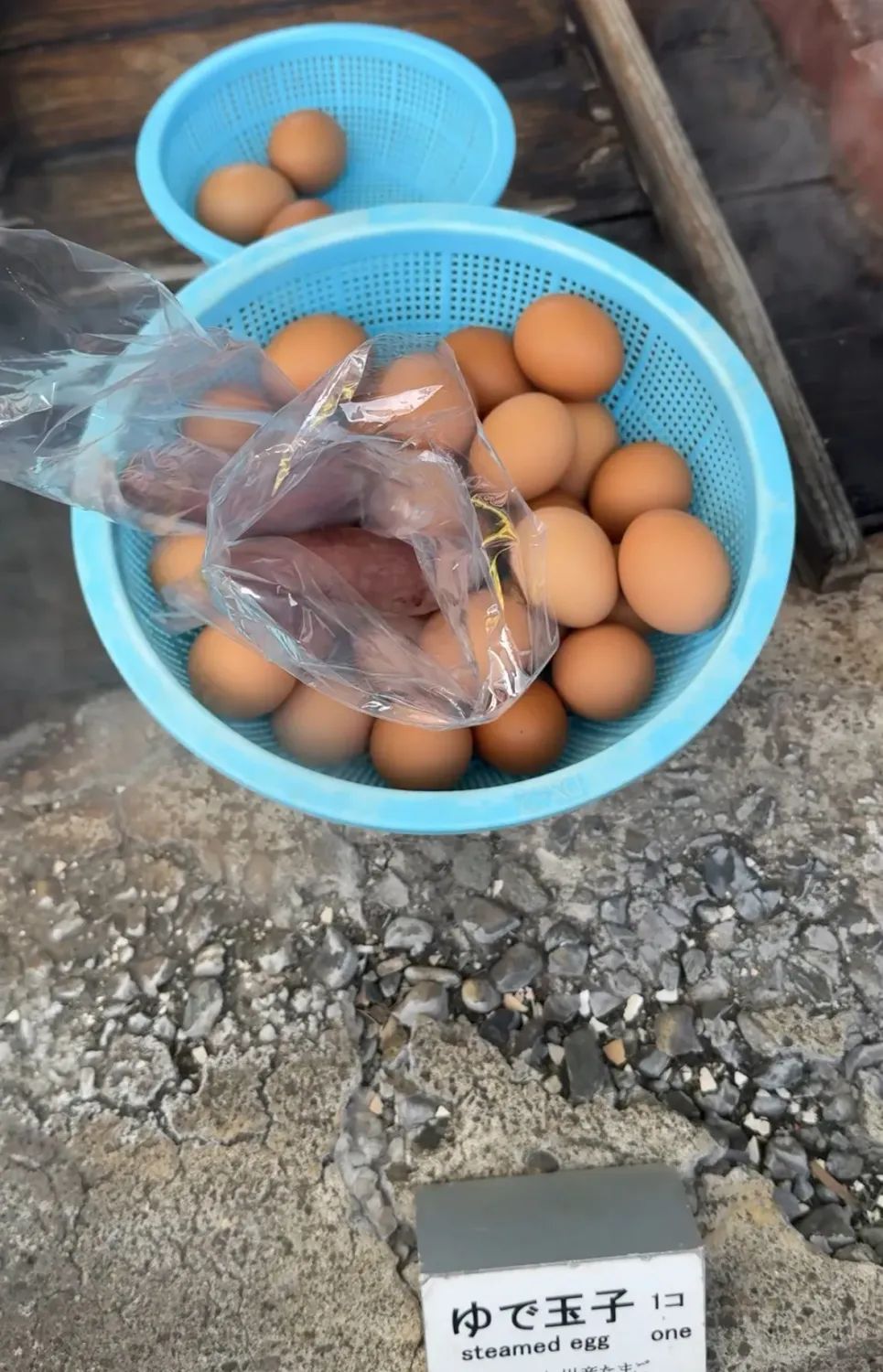
You can also find food cooked with onsen steam, like eggs, sweet potatoes or pudding.
Some sites also have foot baths.
Onsen Time
After the Jigoku tour, we took a taxi back to the hotel.
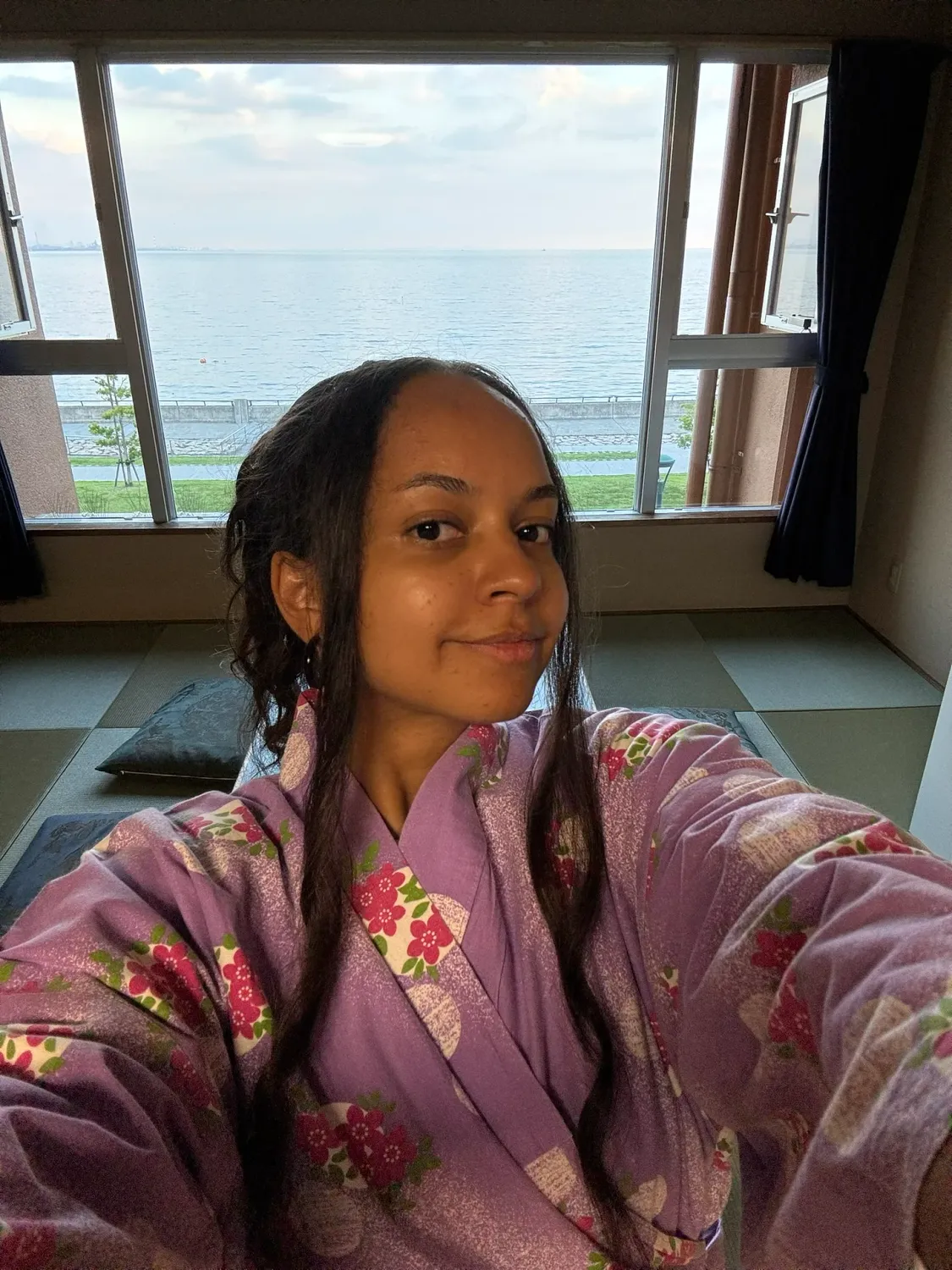
We changed into yukata and tried:
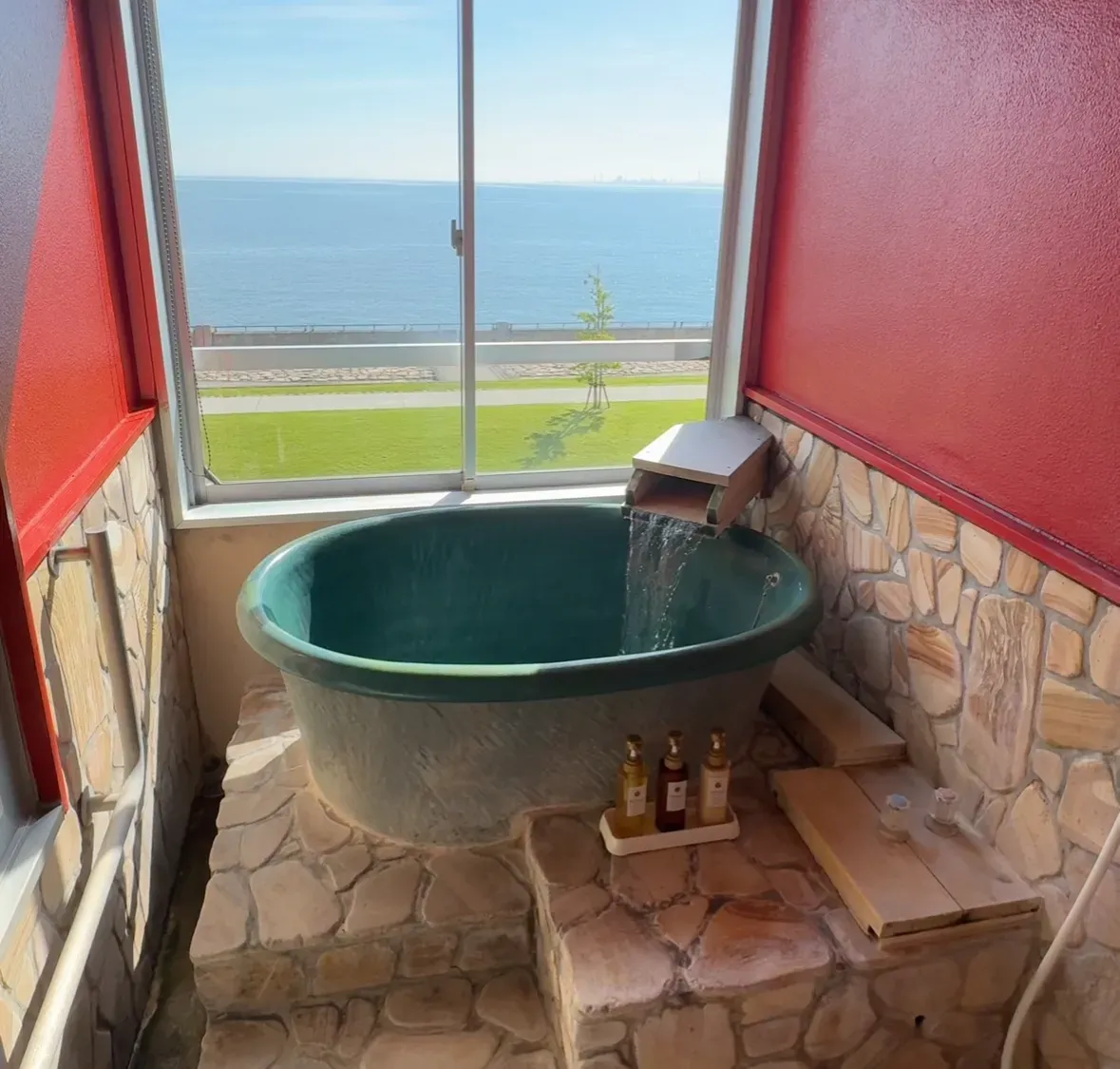
– The private room onsen
– The rooftop onsen overlooking the sea
No photos or videos of course.
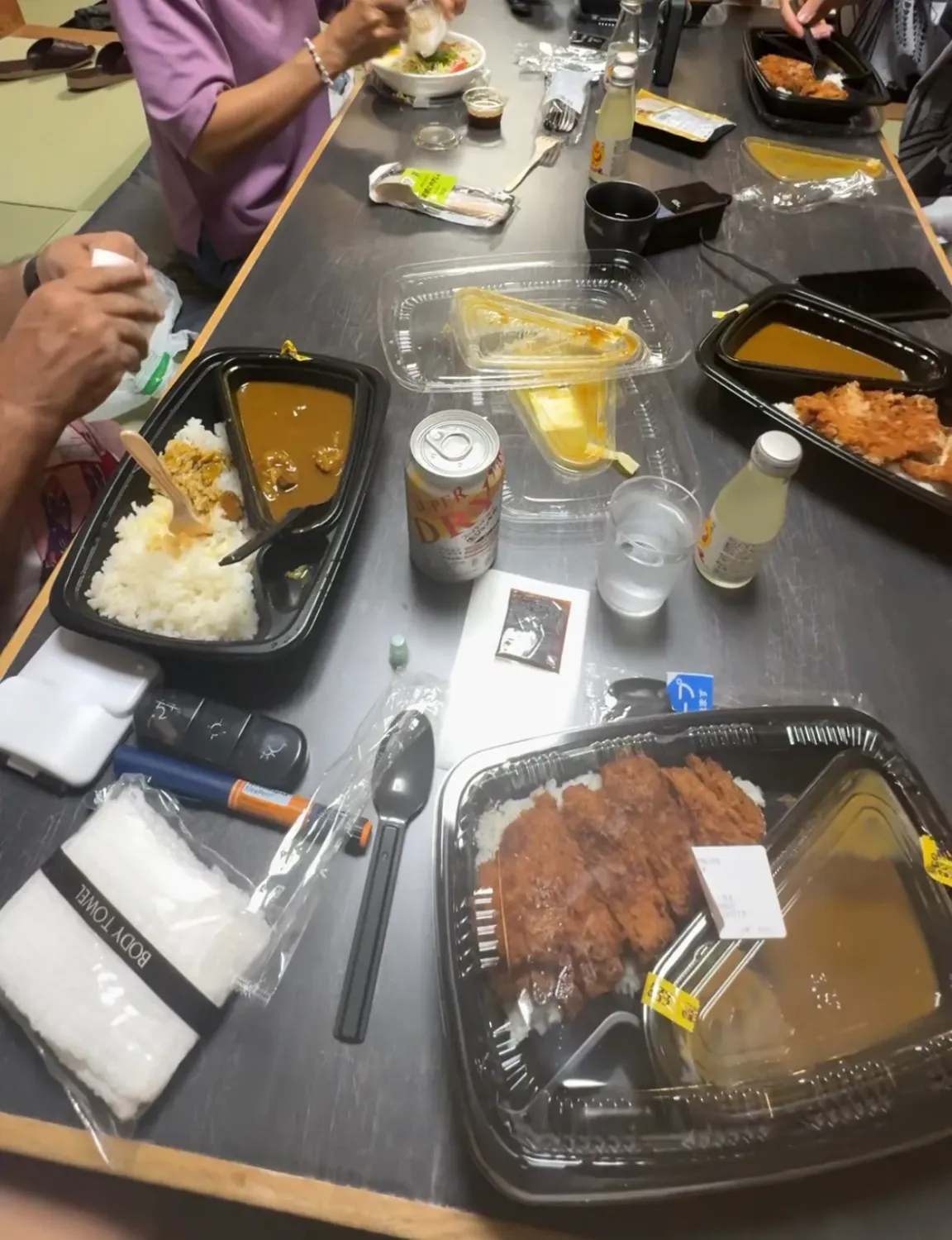
Dinner in the Room
We ordered Coco Curry delivery and ate in our room for 1892¥. We went to 7/11 after that to grab an ice cream & mango mango smoothie.
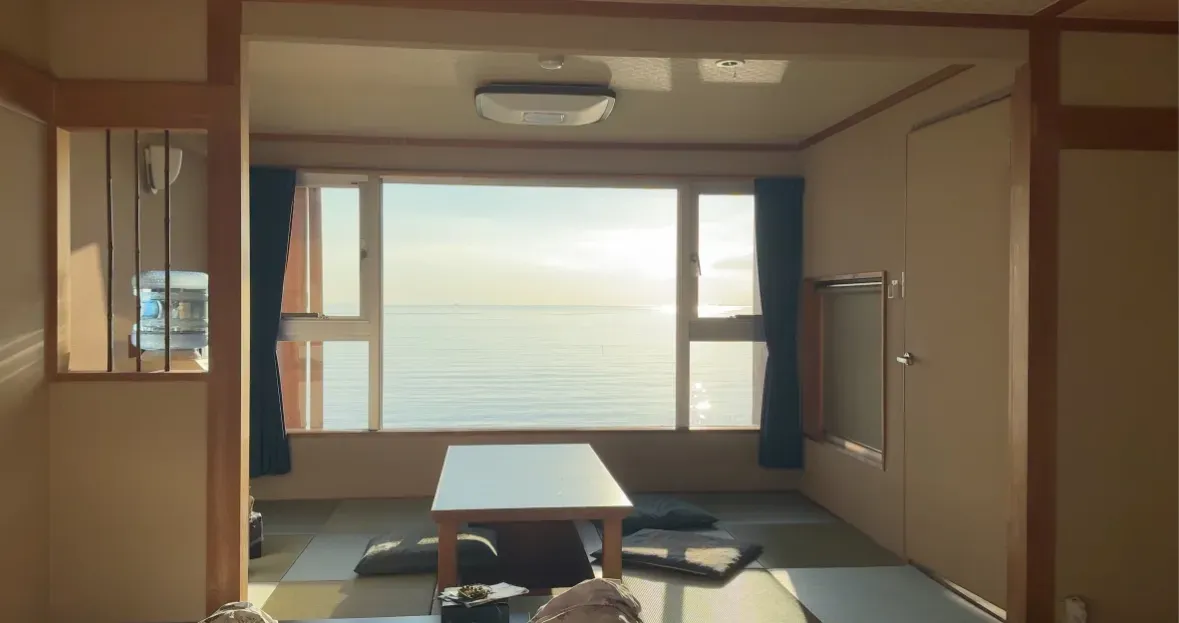
Sunrise in Beppu
Beppu is also nice for sunrise.
It was already around 8 AM when I woke up, but the view over the sea was still beautiful.
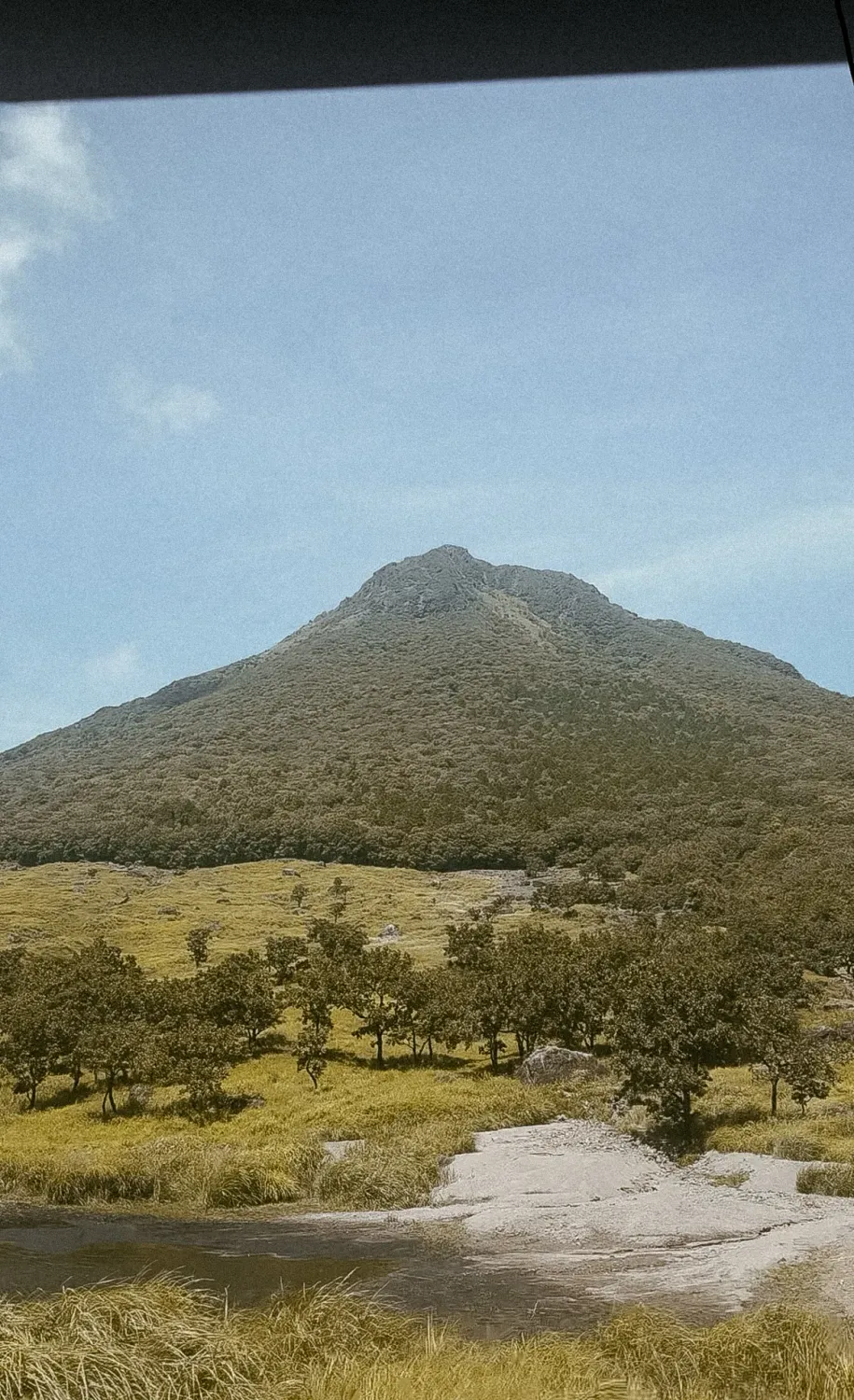
Day 11 – Beppu to Yufuin
We left Beppu in the morning to go to Yufuin.
The bus ride takes about one hour and costs 1,100¥ per person. The bus station was very close to our hotel, so we took the 11 AM bus and arrived around noon.
First thing we did at Yufuin Station was drop off our luggage. There’s a shop right in front of the station where you can leave your bags.
Cost: 500¥ per luggage.
Very convenient.
Lunch – Tabimusubi
We went straight to find lunch.
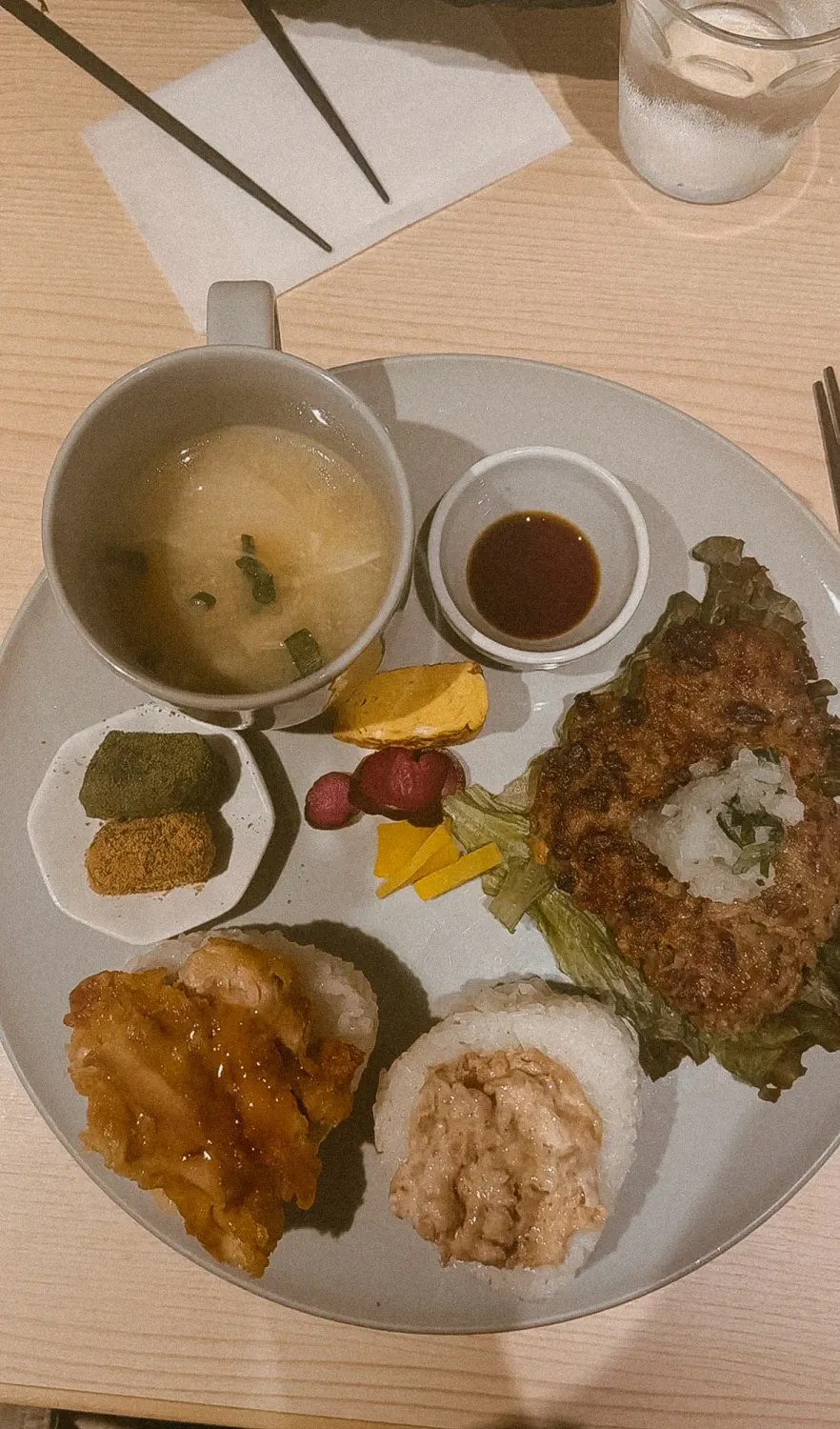
We ate at Tabimusubi, an onigiri shop and restaurant.
The onigiri were huge, the staff was kind and the place was really cute.
We paid around 2,450¥.
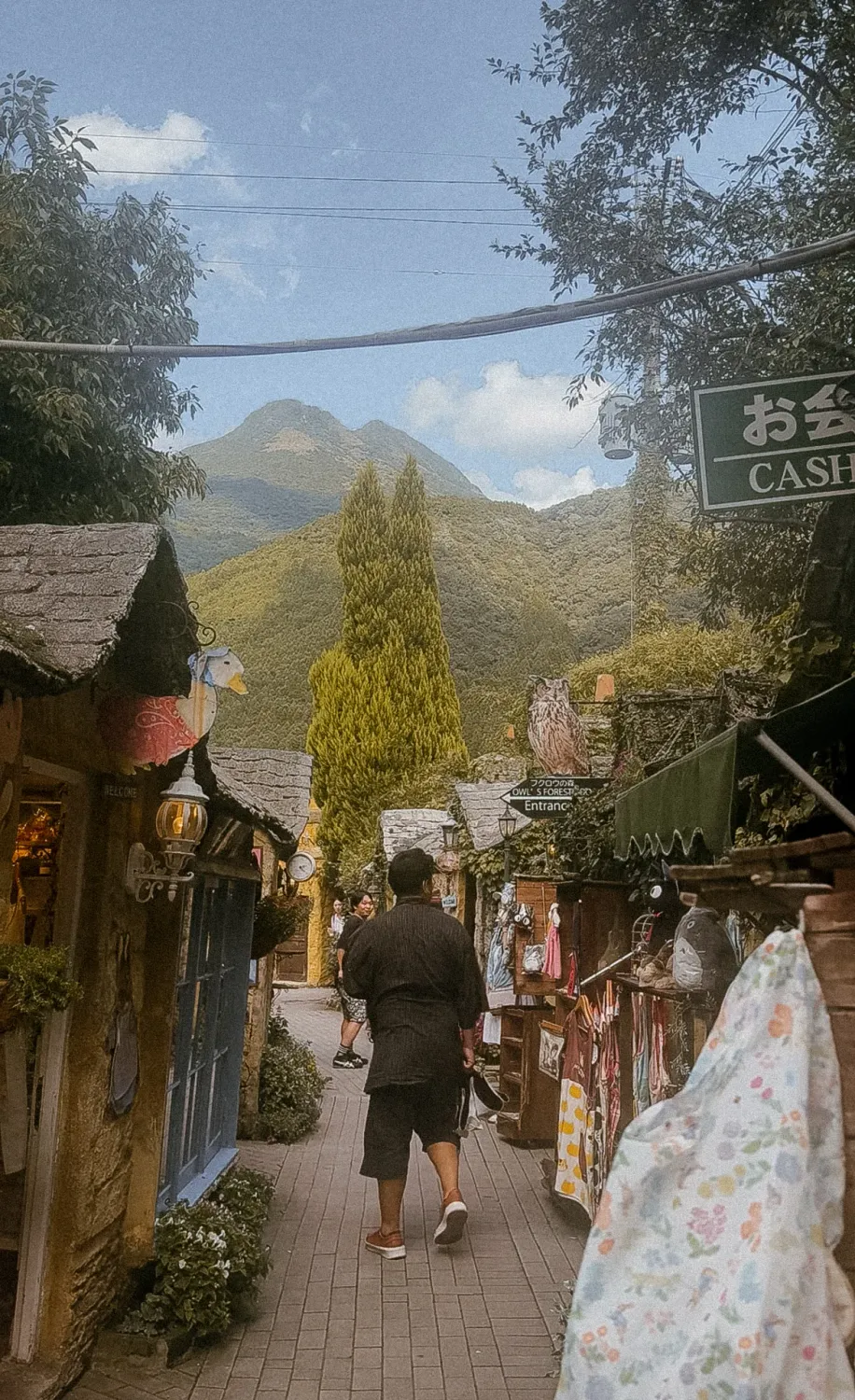
Yufuin no Mori & Yunotsubo Street
Since our Airbnb check-in was only at 4 PM, we didn’t want to lose time.
We took the city bus to Yufuin no Mori and the main shopping street. You can walk there in about 20 minutes, but we preferred taking the bus and walking back later.
Yufuin no Mori, also called Heidi Village, was more crowded than I expected. Still, it didn’t feel overwhelming. It was lively and full of small shops and photo spots.
The only big downside for me was the animal area. There were squirrels, goats and rabbits in cages, and it felt too small for them, especially the squirrels.
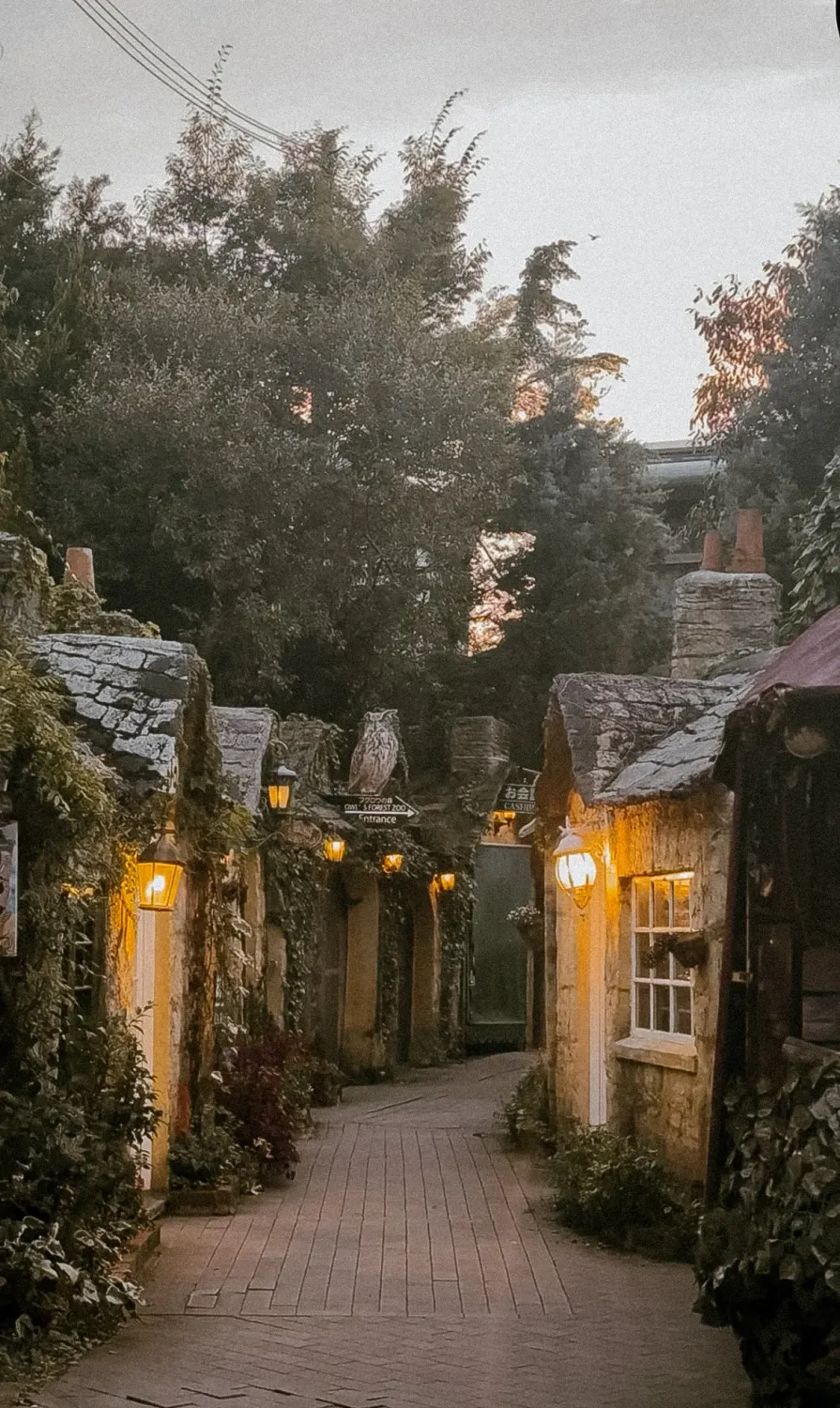
There’s also an Owl Forest. These kinds of places in Japan can be problematic because owls are often tied down as attractions. It didn’t feel right to me.
Gallery Alice Tea Rooms
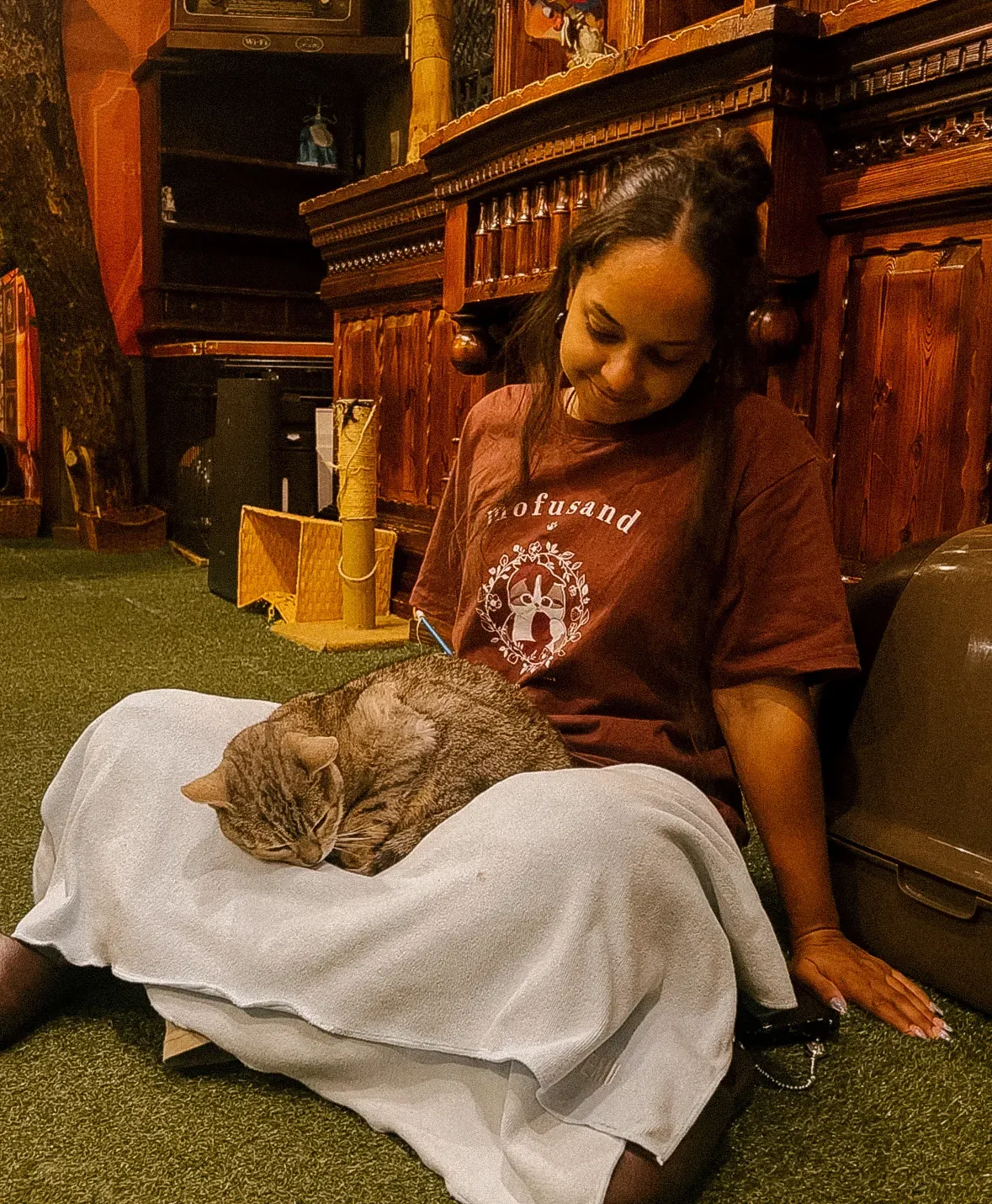
Instead, I tried Gallery Alice Tea Rooms, a Bengal cat café that felt more ethical.
The space looked big enough, there were around 10 cats, and the staff clearly cared about them.
Price: 900¥ for 30 minutes including a drink.
Each cat had a name from Alice in Wonderland, and the staff knew all their personalities.
One of the cats was 15 or 16 years old. She came to sit on me for a while. It was really sweet.
Airbnb – Yufuin no Sora
We checked in around 5 PM.
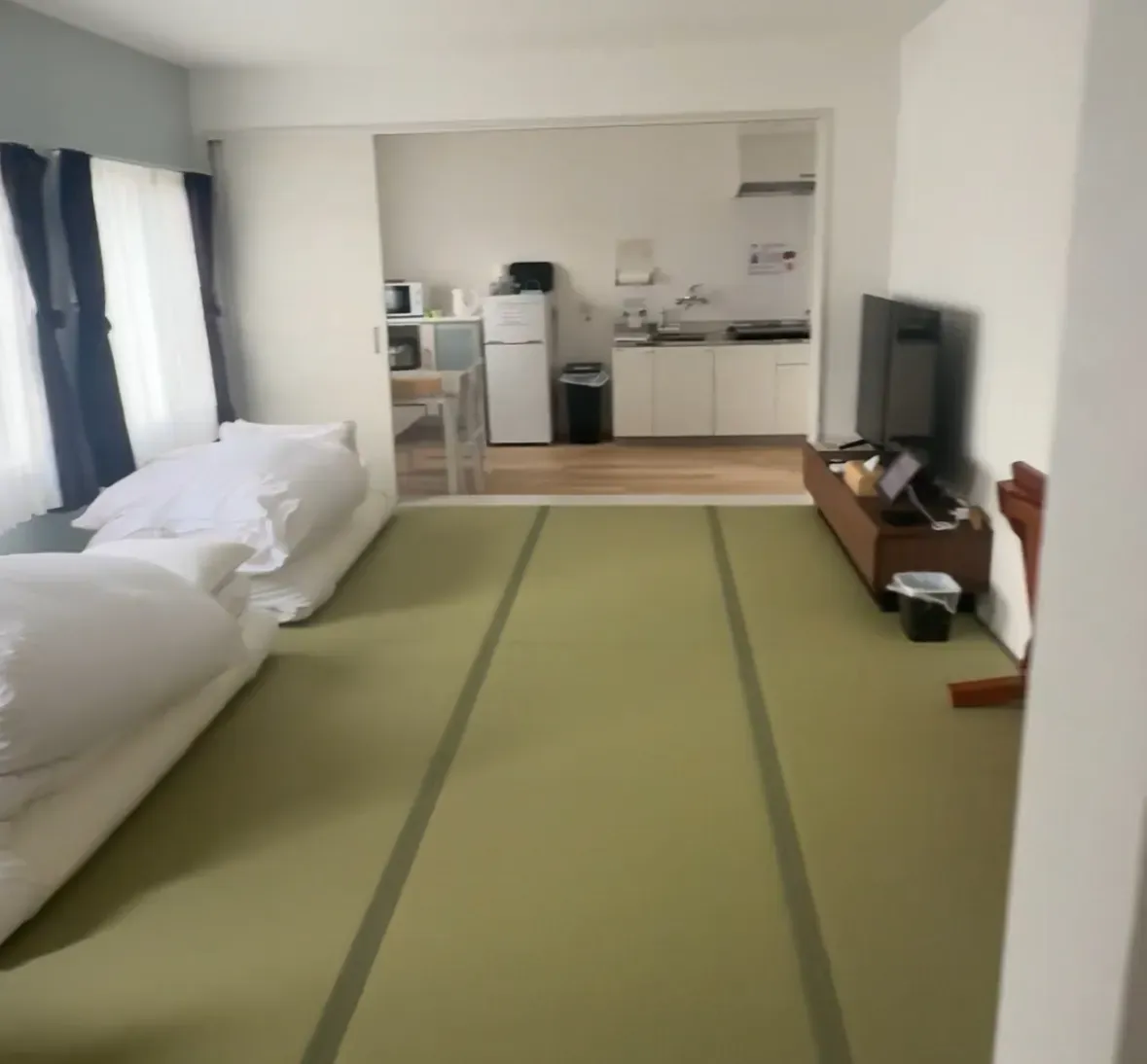
The place was called Yufuin no Sora.
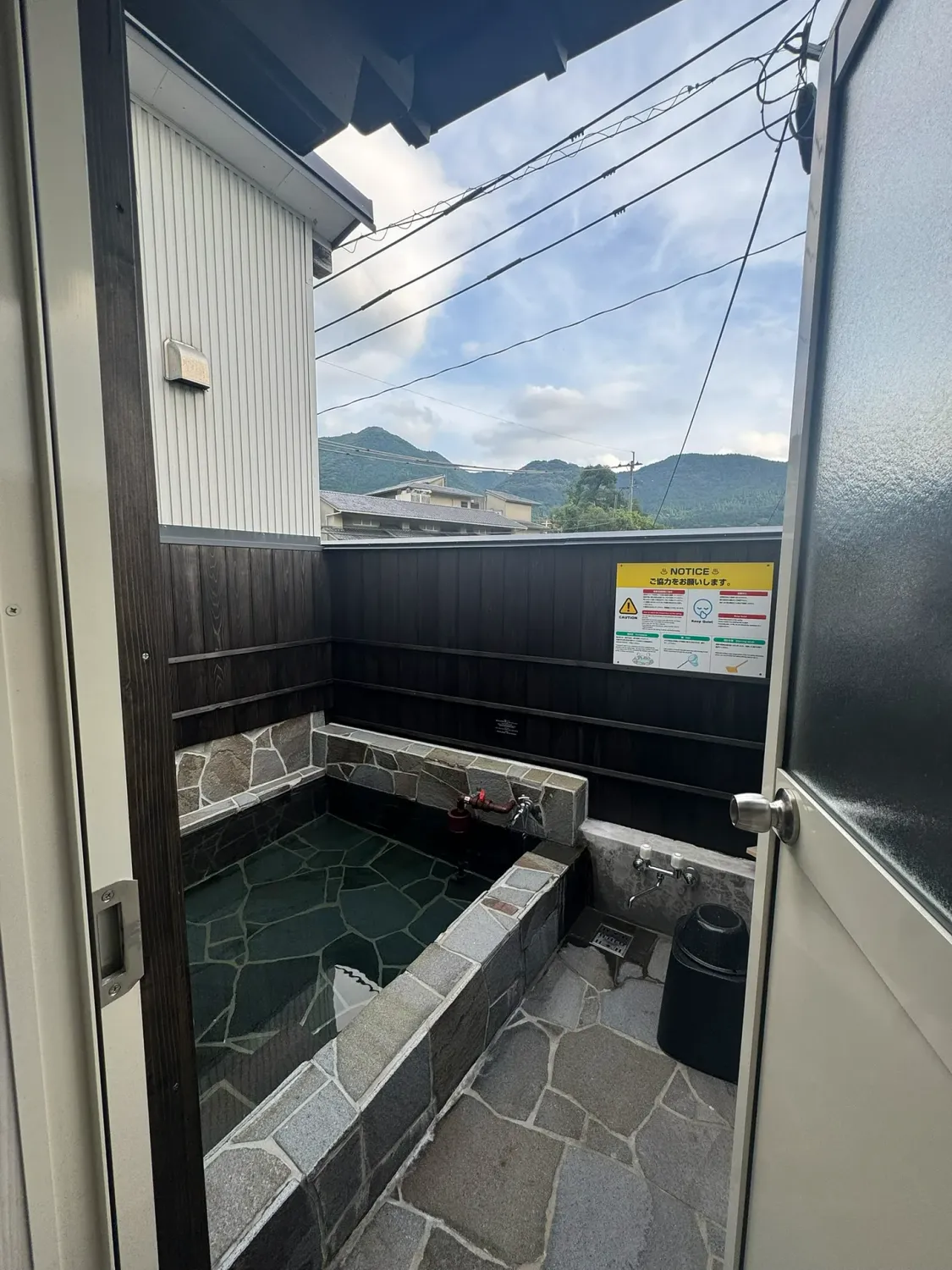
It had futons and beds, and most importantly, a private onsen. The water comes from a natural hot spring source.
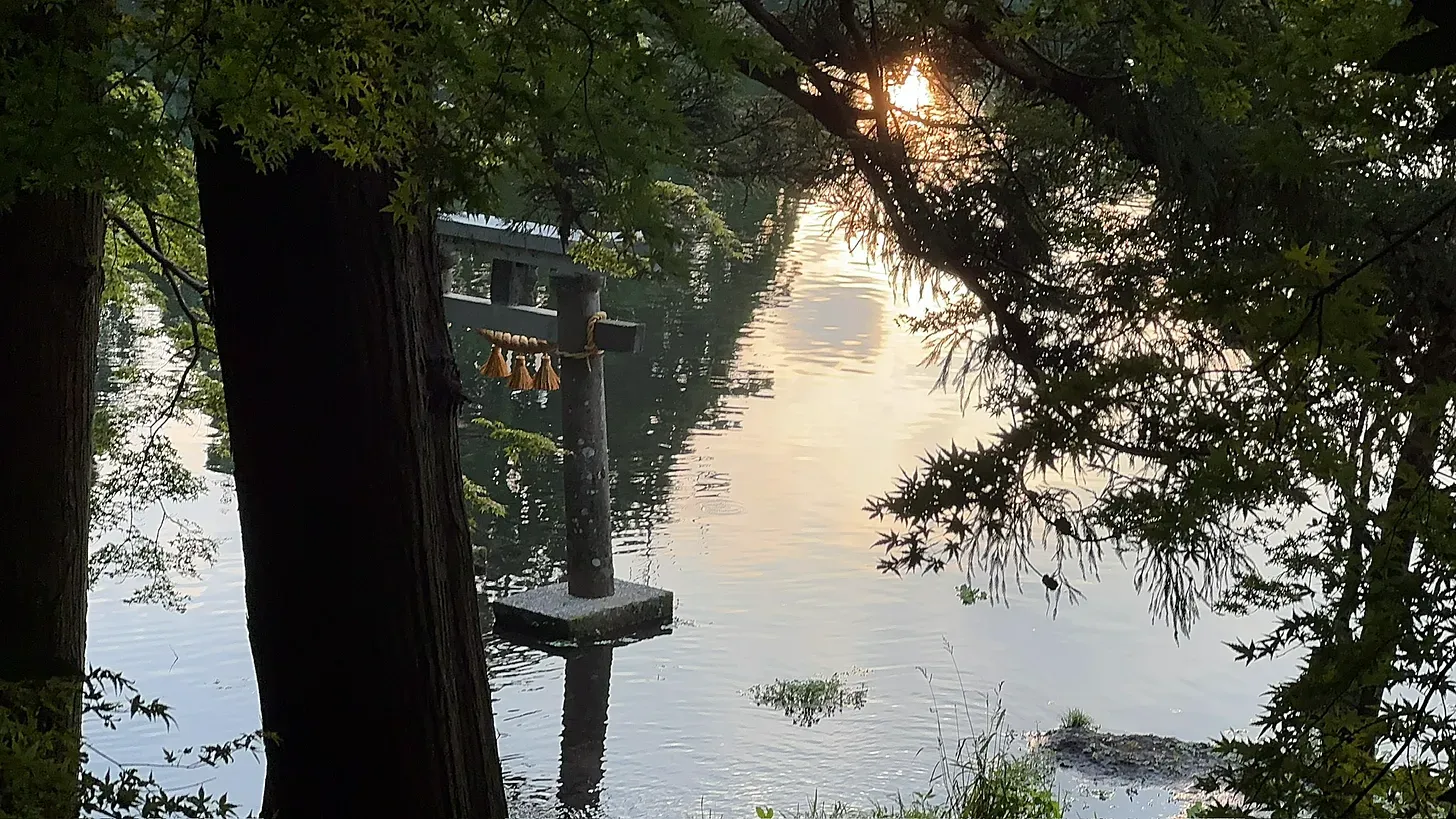
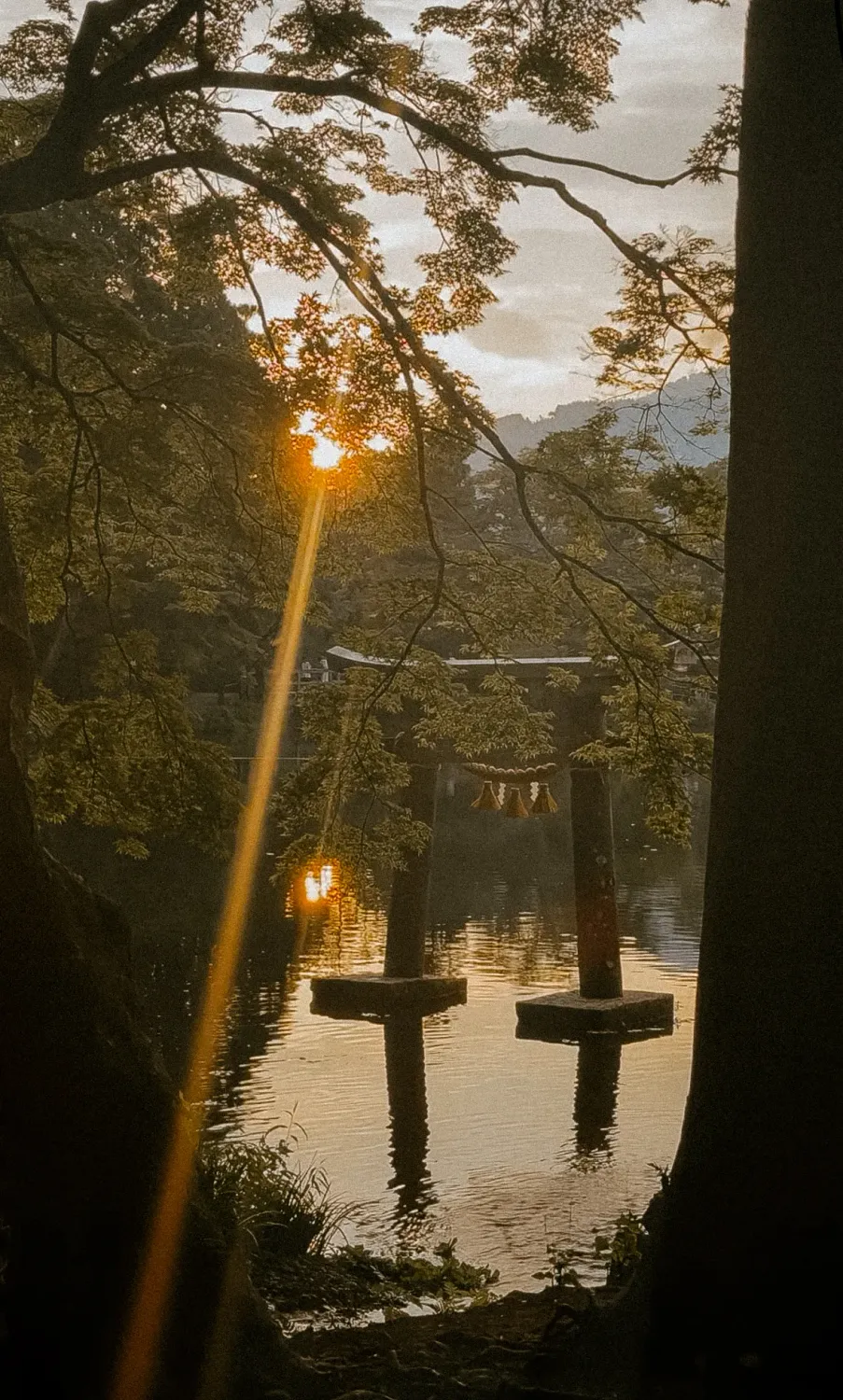
Sunset at Lake Kinrin
After resting, we went to Lake Kinrin and Tenso Shrine for sunset.
The light was beautiful and the area felt calm.
When we walked back to the Airbnb, the streets were almost empty. It felt completely different from earlier in the day.
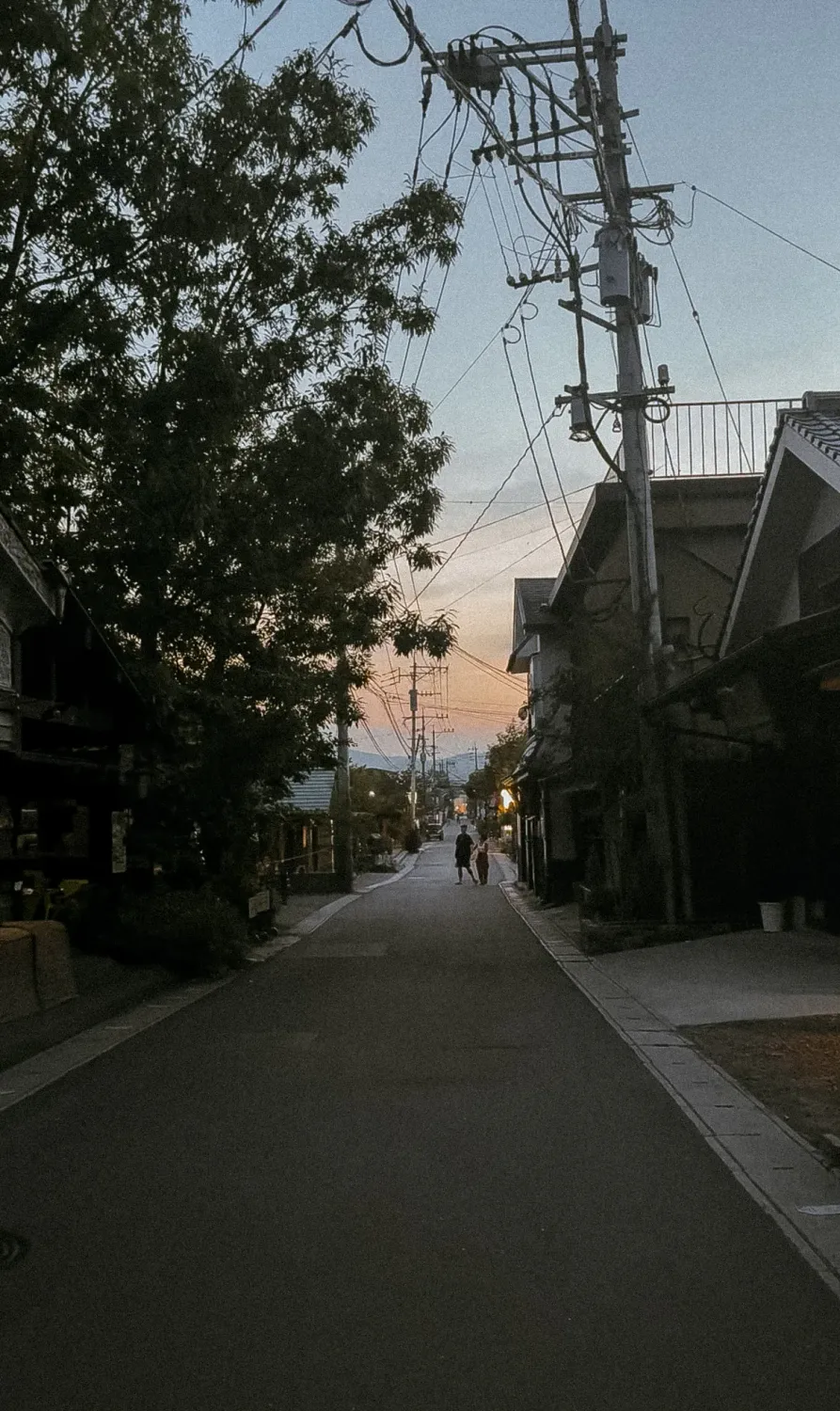
Dinner
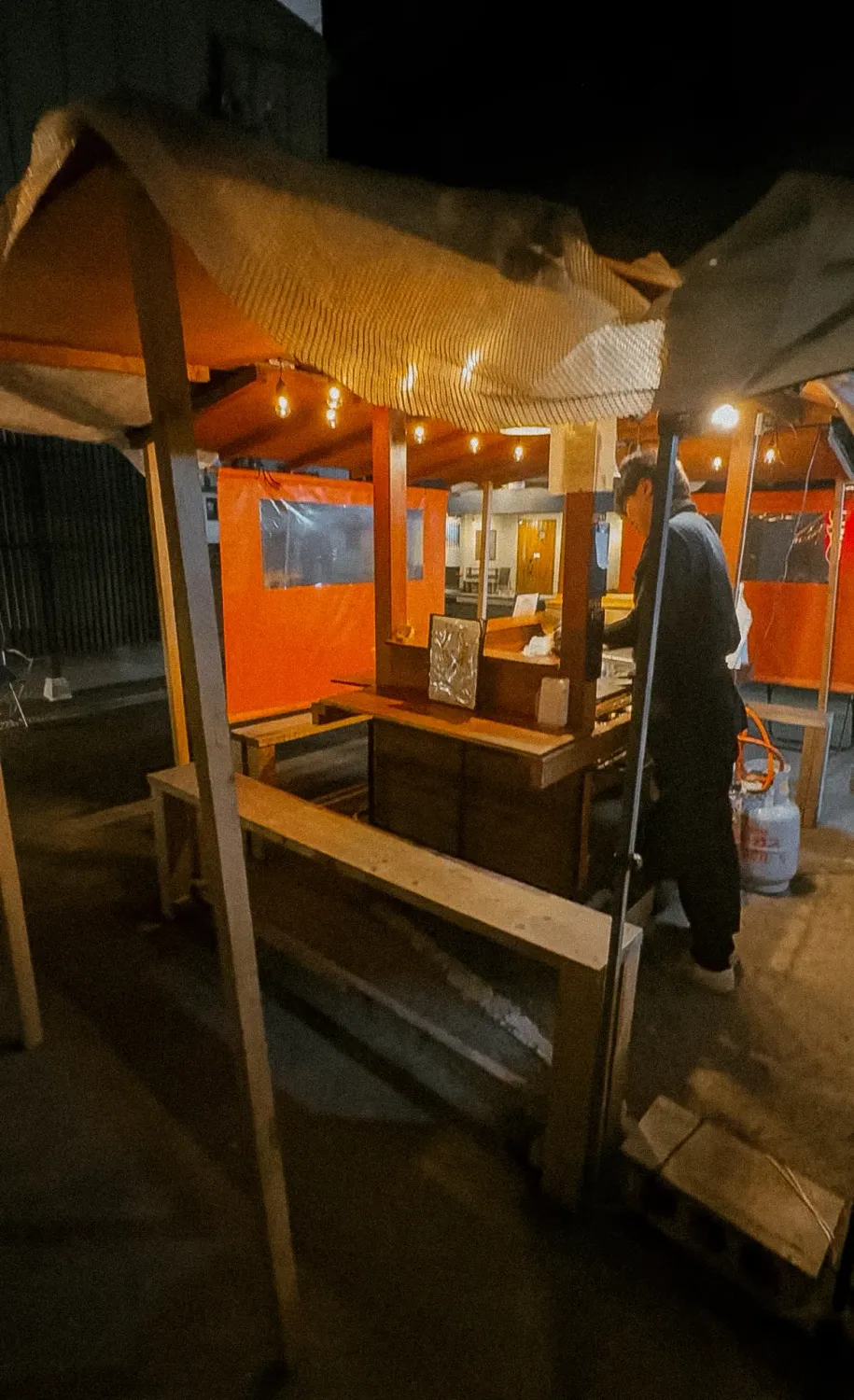
Around 7 PM, we looked for dinner. Many restaurants close early.
We ended up in a small food hall serving okonomiyaki and yakisoba.
Simple and good.
Around 900¥.
Private Onsen
After dinner, we enjoyed our private onsen at the Airbnb.
That was the end of the day.
Day 12 – Yufuin to Fukuoka
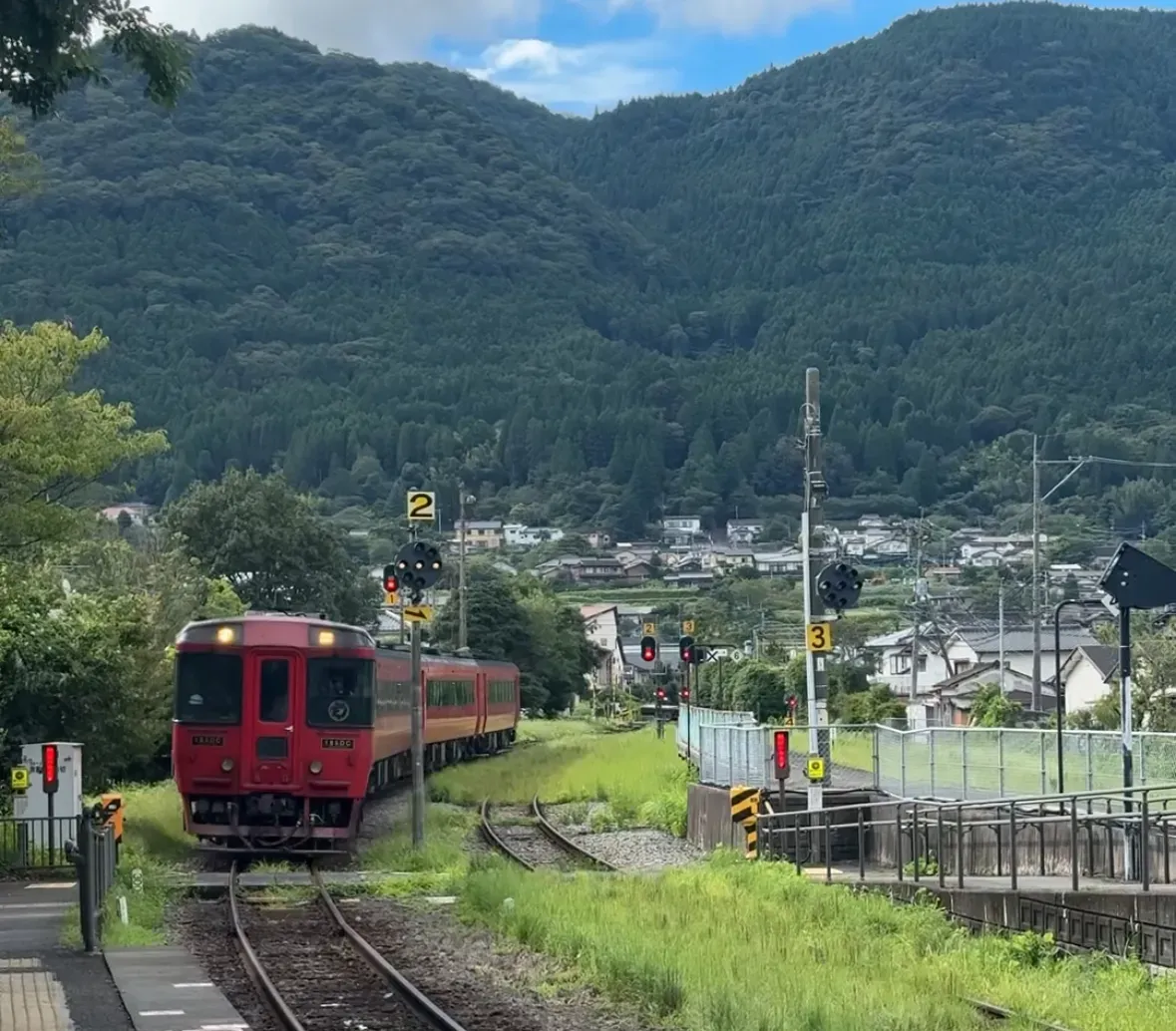
We took the 9 AM train to Fukuoka.
Yufu 2 Limited Express to Hakata
Around 2 hours for 5,630¥ per person
We arrived at Hakata Station around 11:30 AM.
Lunch – Hakata Ramen Street
We decided to eat right away so we could use the whole afternoon to explore.
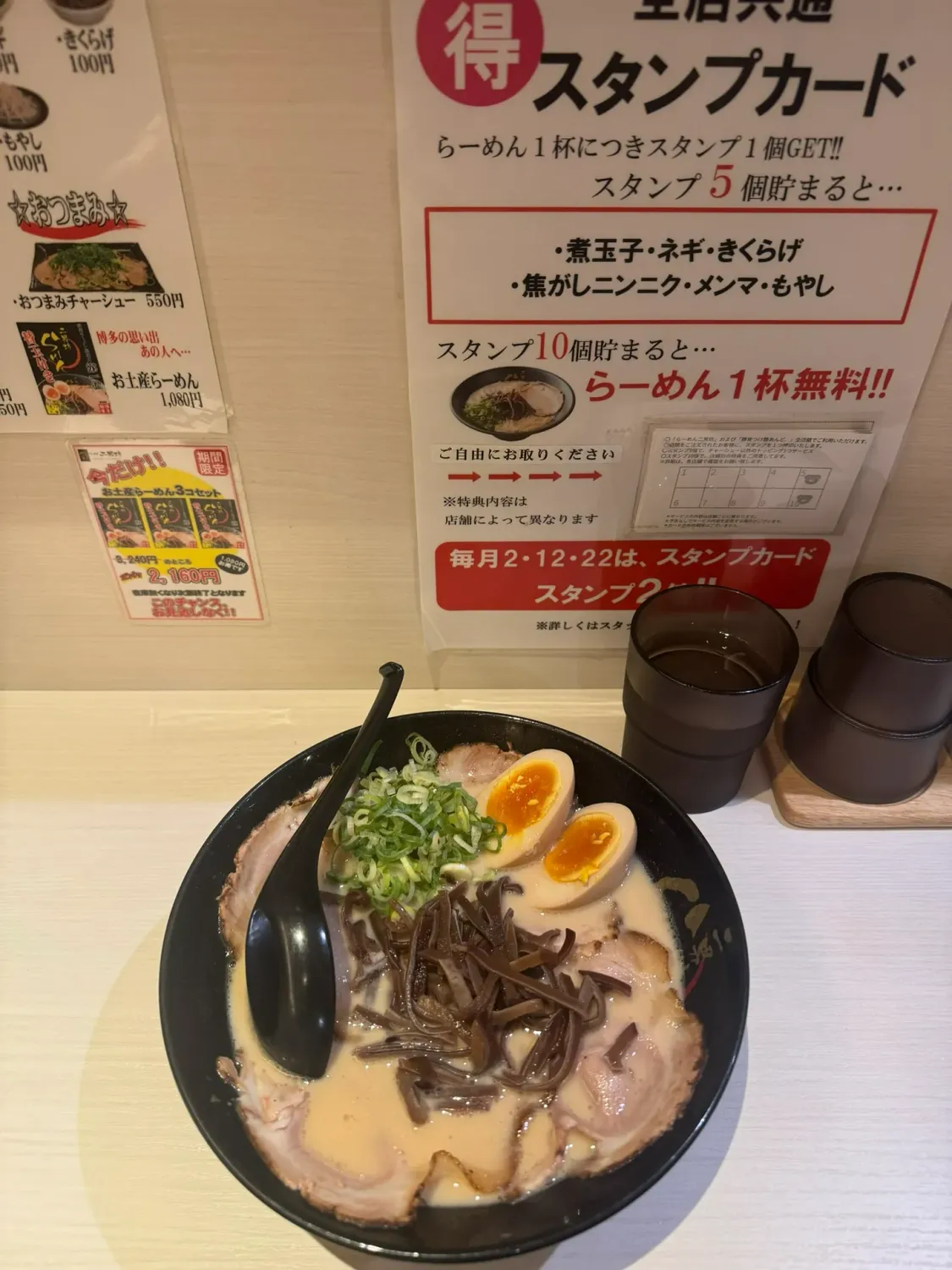
We went to Ramen Street inside Hakata Station. It was crowded, which I expected. We were six people and I honestly thought we wouldn’t find seats.
We ended up at Ramen Jinambo.
It wasn’t the best ramen I’ve had, but still a solid Hakata-style bowl. You order from a machine first, which is very common in Japan.
Around 1,450¥.
Random Police Band Performance
Outside Hakata Station, while looking for a taxi, we stumbled upon a performance by the Fukuoka Prefectural Police Band.
It was a Safety & Security Concert with music and dancers.
Completely random, but fun to see.
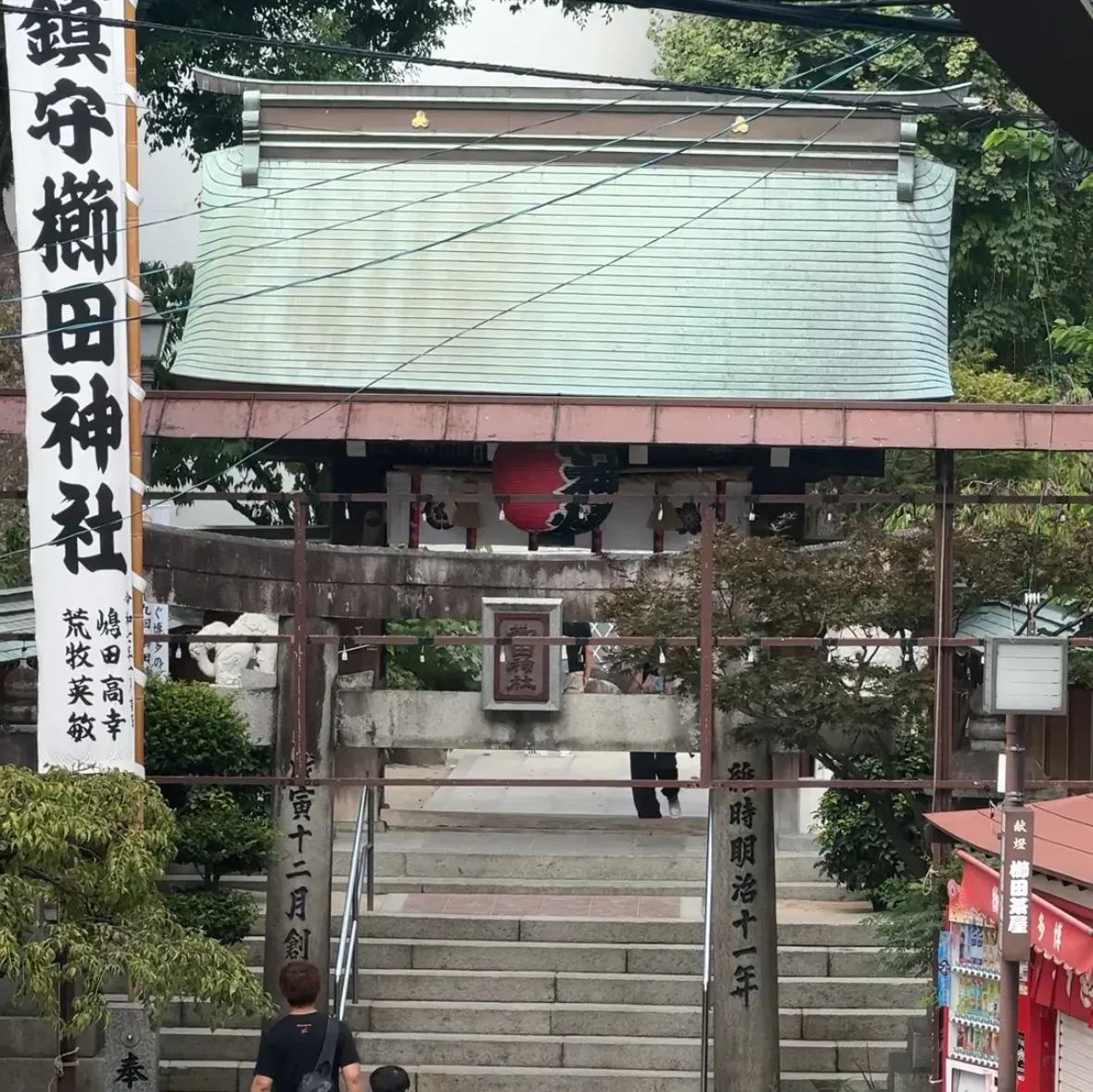
Kushida Shrine
Our Airbnb check-in was at 3 PM, but we could leave our luggage from 12 PM, which helped a lot.
Once the bags were dropped off, we went straight to Kushida Shrine.
It’s one of Fukuoka’s oldest and most important shrines. It plays a central role in the Hakata Gion Yamakasa Festival every summer.
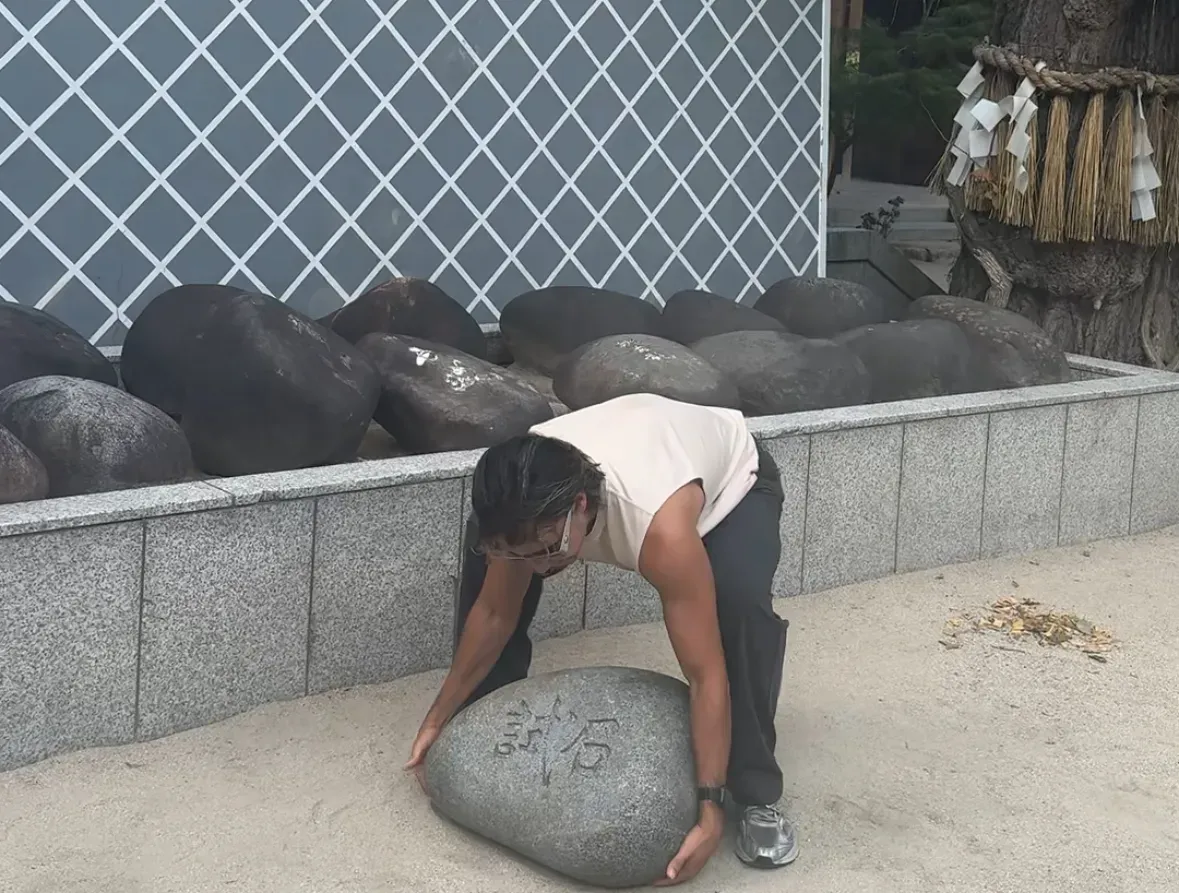
We also saw the Chikara Ishi, the heavy “strength stones” once dedicated by sumo wrestlers. My boyfriend tried lifting one. It’s heavier than it looks.
Coffee Break – UOVO
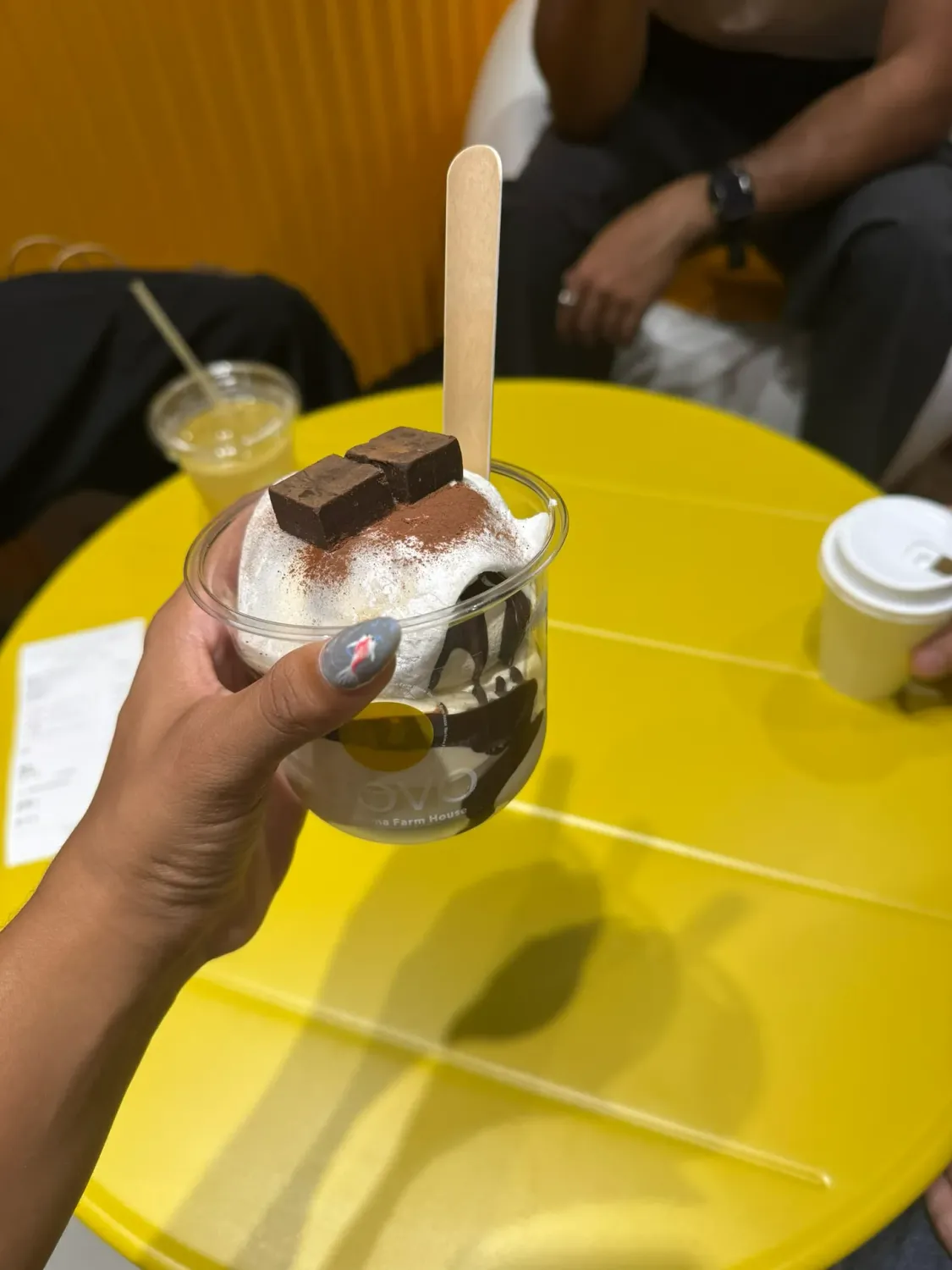
After all that walking, we stopped at UOVO for coffee and ice cream.
I ordered a parfait for 880¥.
We also stayed to watch the Canal City Water Show. I wasn’t expecting much, but it was actually really nice.
Airbnb : link here
We went back around 4 PM to properly check in.
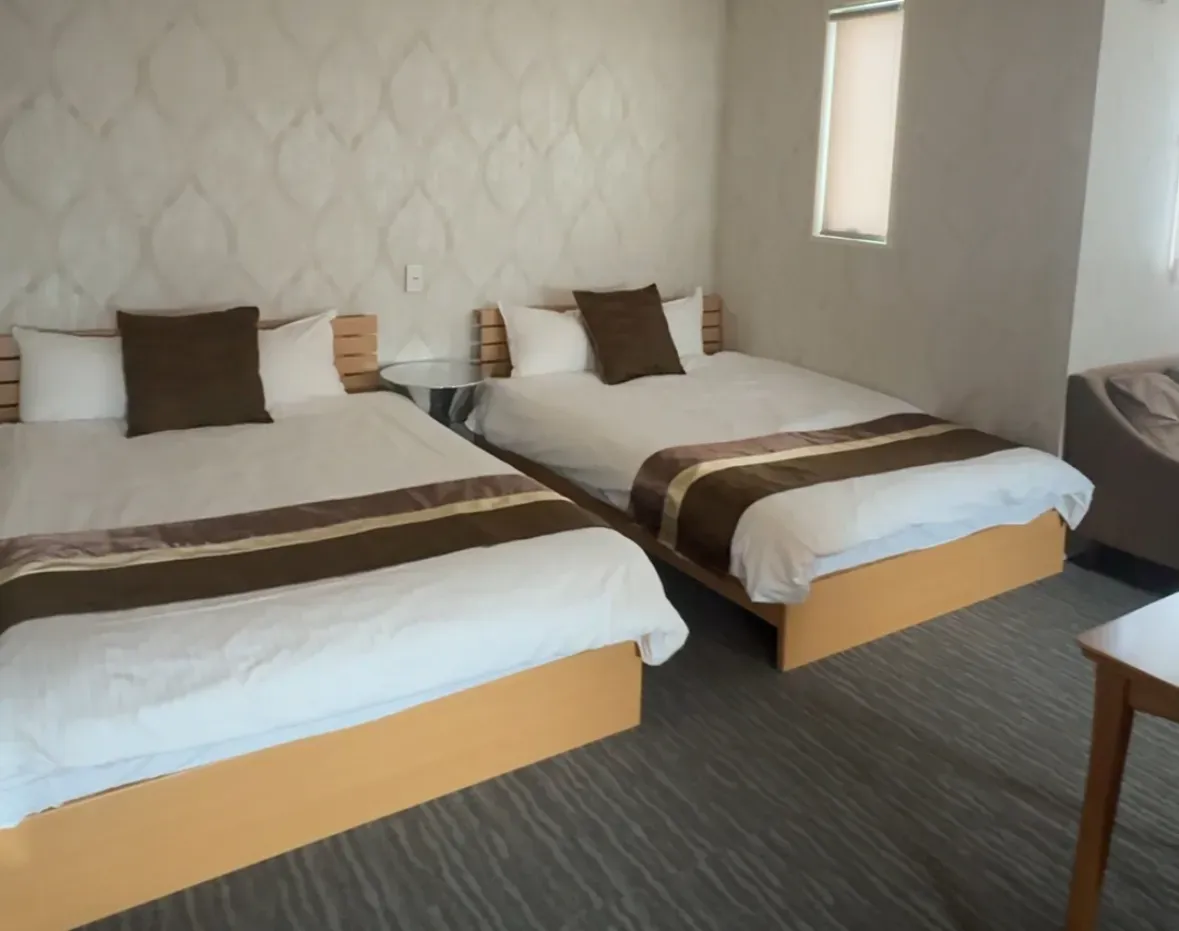
To be honest, I was a bit disappointed. That’s partly my fault for not checking everything carefully. (I mean I could have seen the review and photos, but to be honest we didn’t had many choices too…)
The house itself was fine, but there were almost no kitchen tools (let’s say nothing to be honest). No plates, not even chopsticks. Just a few glasses.
There wasn’t even a proper sink in the kitchen area. The “kitchen sink” was actually the bathroom sink, which felt a strange & a bit dirty to be honest.
We weren’t planning to cook, so it wasn’t a big problem. But for a house listing, it was surprising.
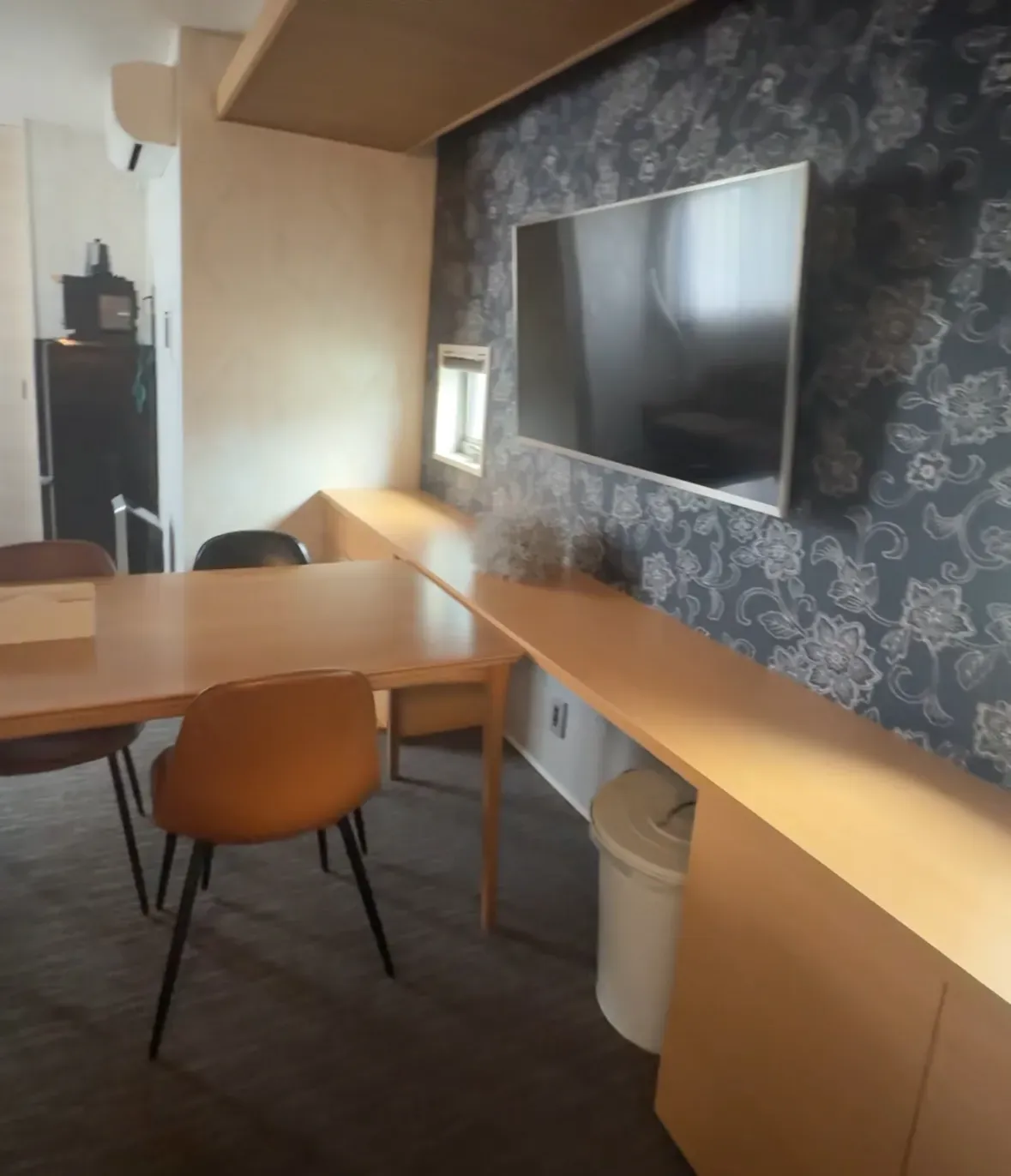
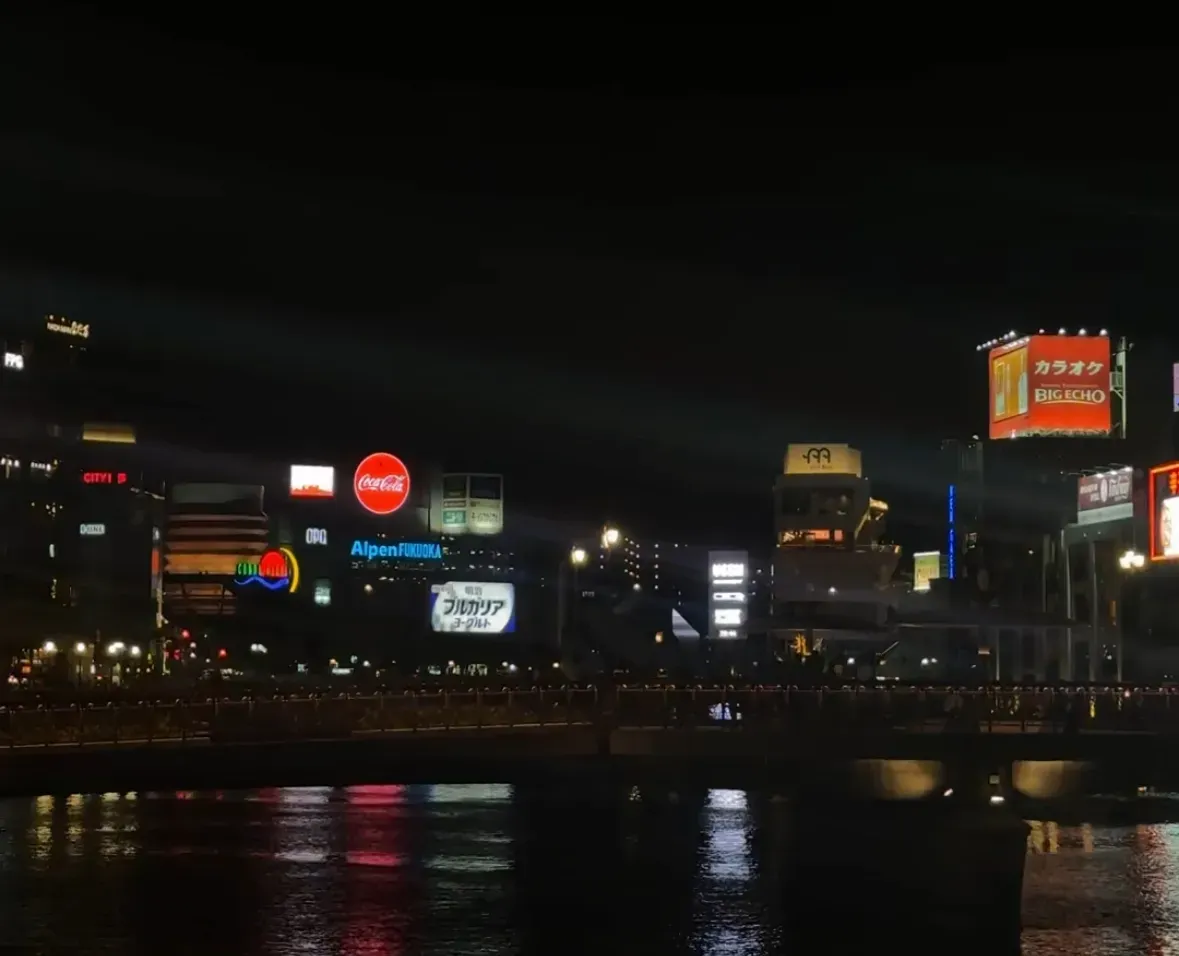
Nakasu at Night
Around 6 PM, we went back out to explore Nakasu.
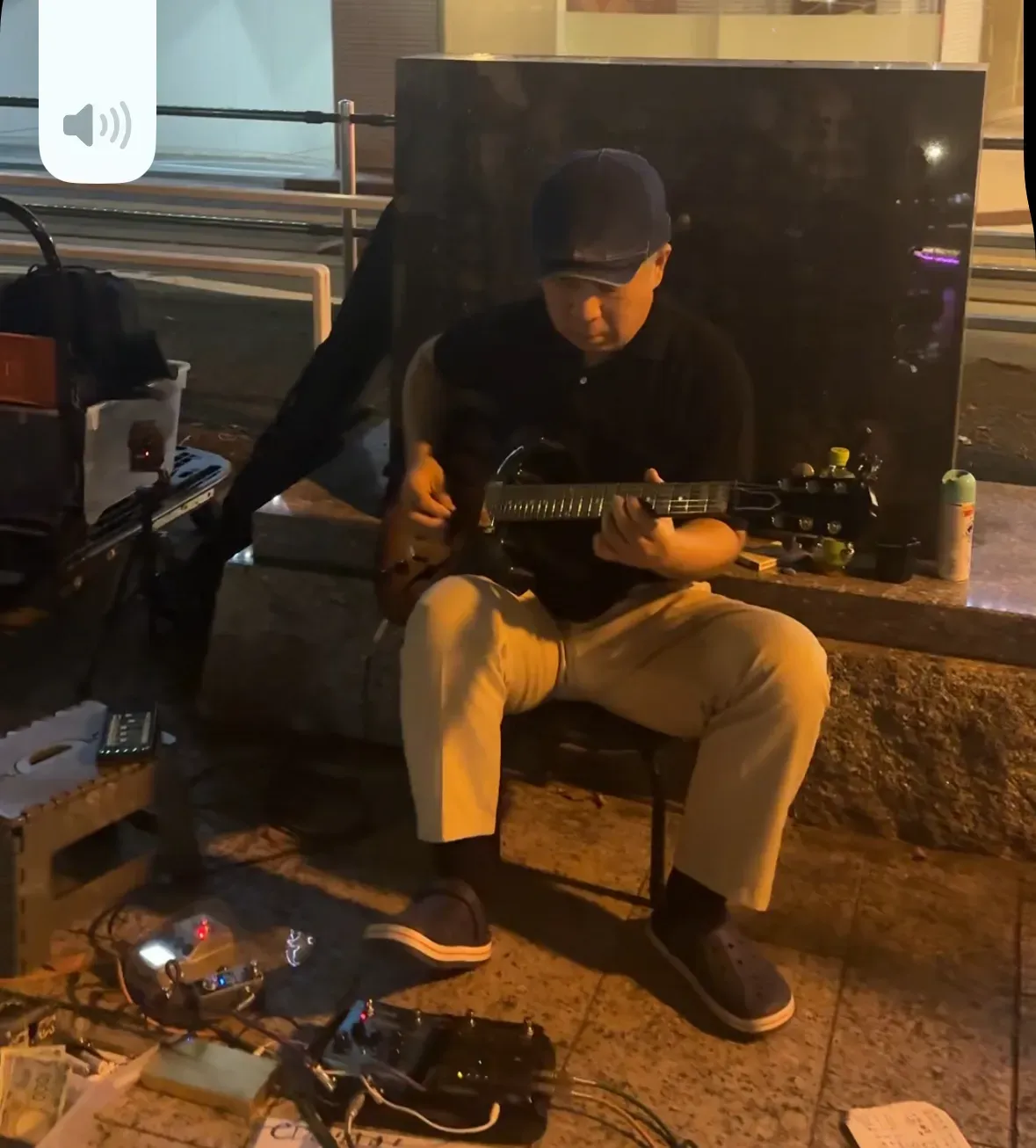
We saw a man playing guitar in the street. He played “Champs Élysées” and even One Piece. We stopped to listen.
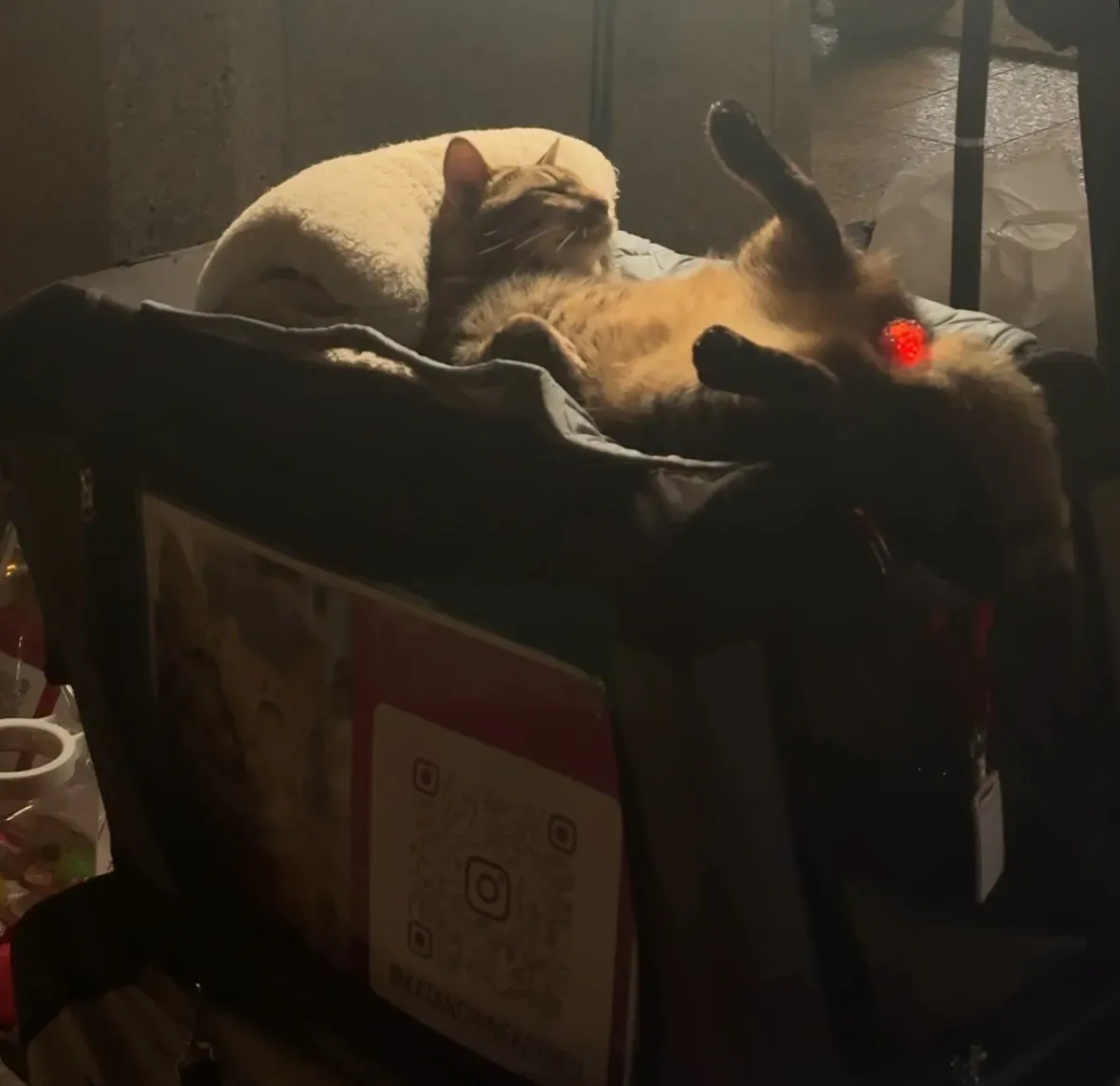
Then we saw another man playing music with his cat. Of course we stayed for a bit.
We walked to the famous Nakasu yatai food stalls. The atmosphere was really good. Crowded, lively, lots of smells and people.
I wanted to eat there, but since we were six and it was packed, we chose a nearby restaurant instead. After dinner, we walked back to the Airbnb and passed by Kushida Shrine again at night.
Completely different mood. I really like shrines at night.
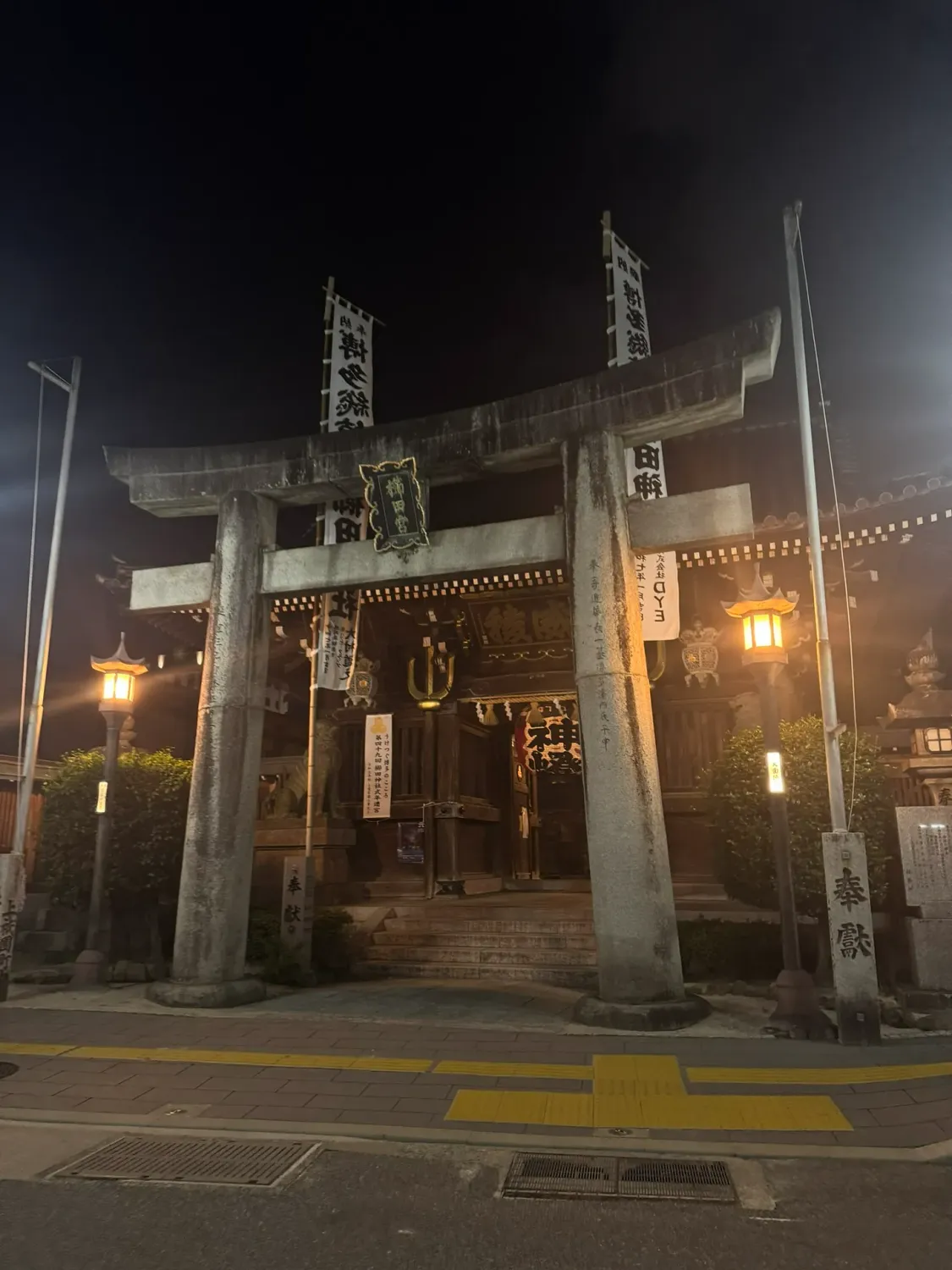
Day 13 – Ainoshima & Miyajidake Shrine
We decided to rent a car for two days to explore places that are harder to reach by train or bus.
We picked it up around 9:30 AM and by 10 AM we were already driving toward our first stop: Ainoshima, also known as Cat Island.
Ainoshima – Cat Island
To get there, you drive to Shingu Port and take a ferry.
The ride takes about 20 minutes, but departures are limited. Usually 5 to 6 ferries per day in each direction, so you need to plan ahead.
We took the 11 AM ferry and planned to return with the 1:20 PM one.
Ticket: 490¥ one way.
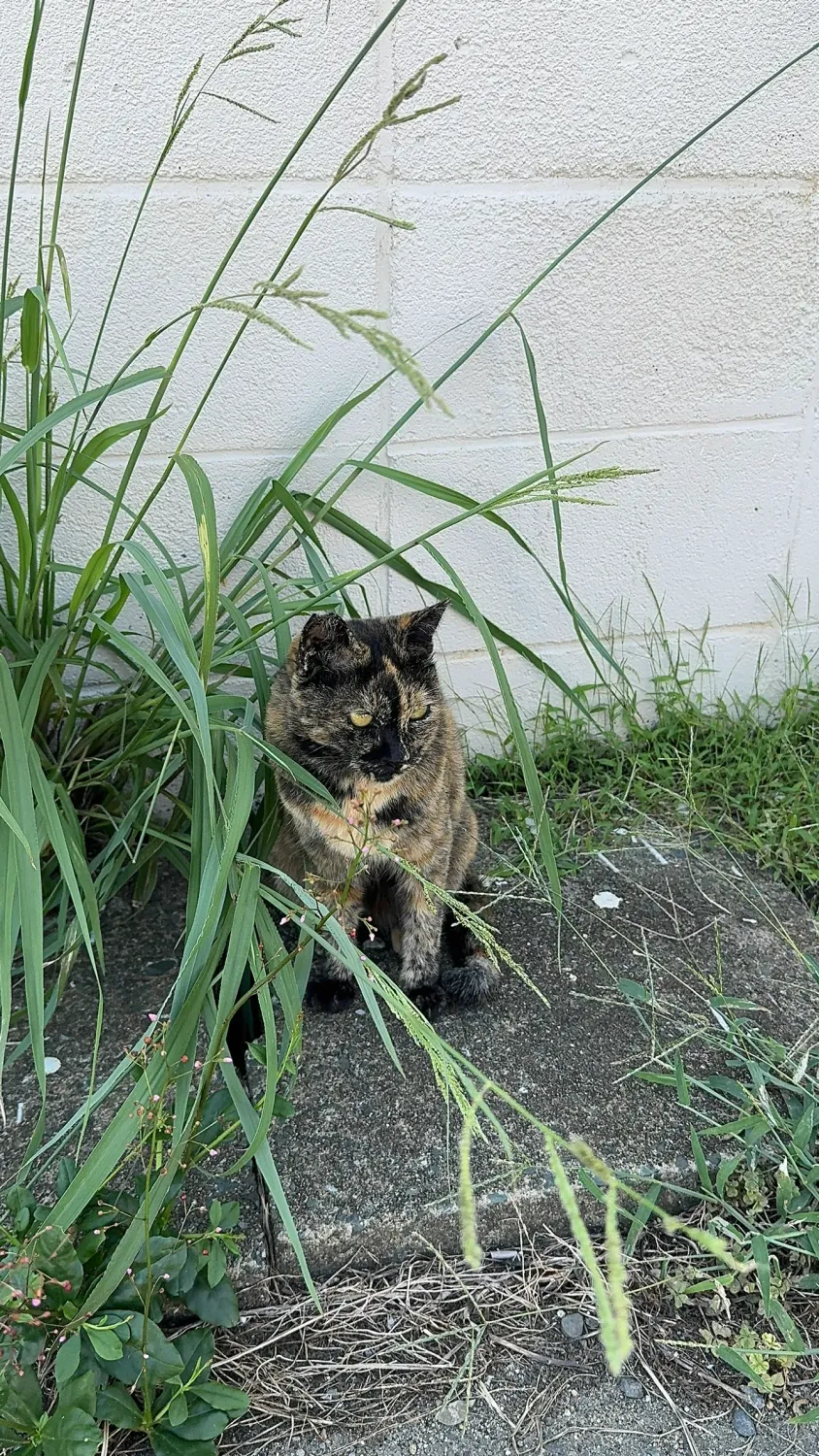
We arrived around 11:30 AM and immediately saw cats everywhere.
Before getting distracted, we ate lunch first.
Ainoshima is small, about 1.25 km², with a few hundred residents and many friendly stray cats living around the port and village.
Lunch – Ainoshima Hamburger
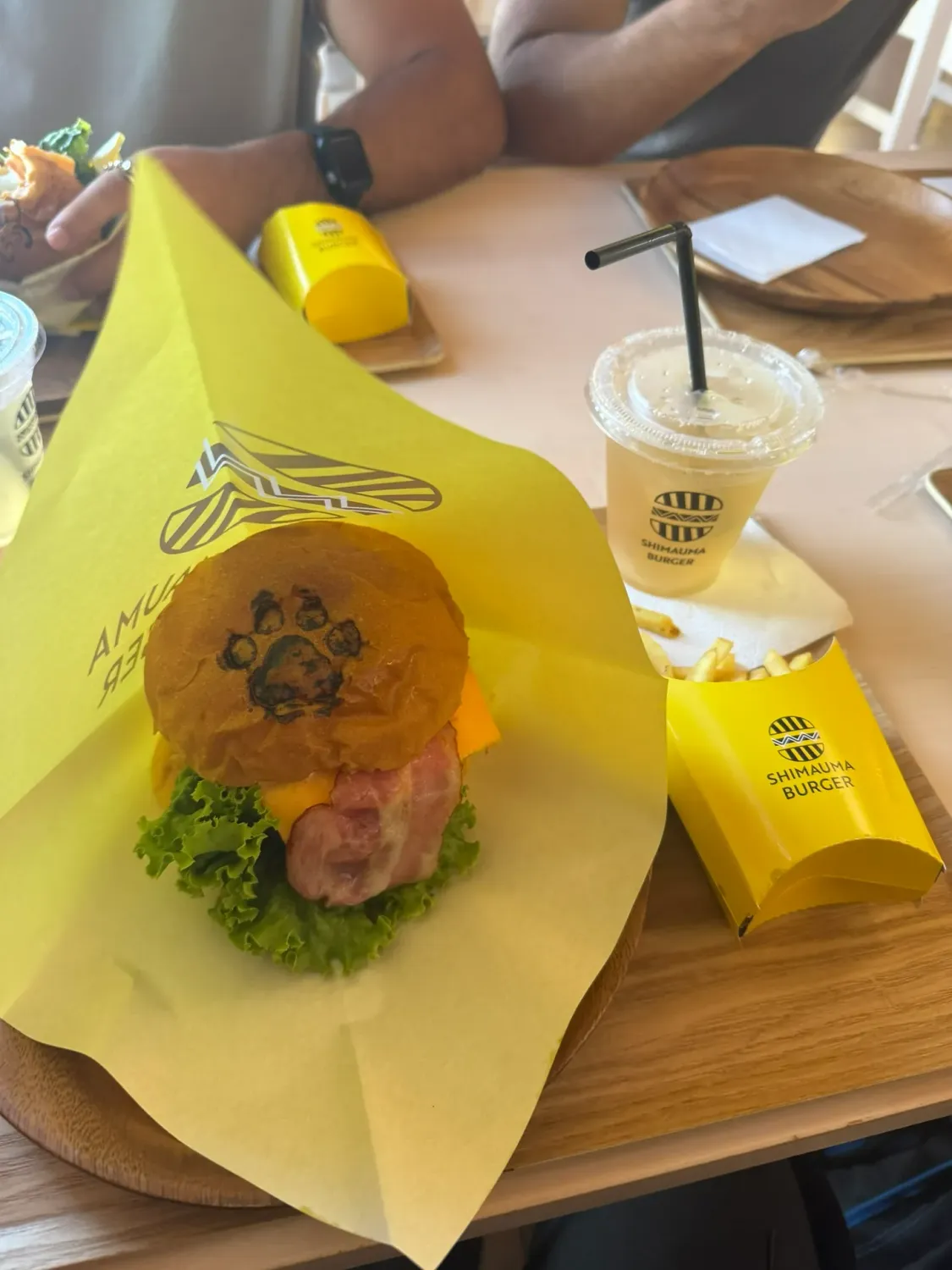
We ate at Ainoshima Hamburger.
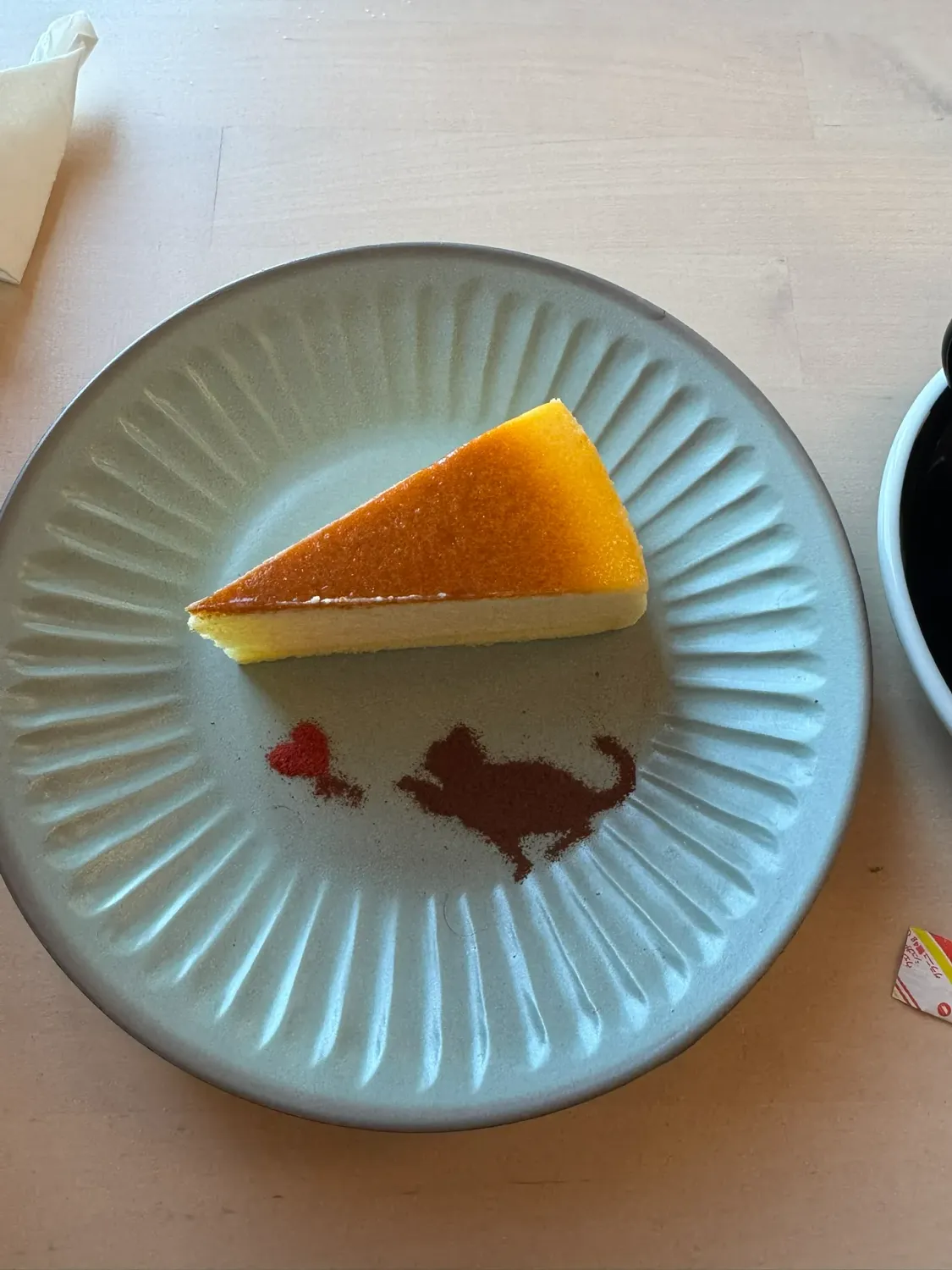
The burger was really good and came with a small dessert.
Around 1900¥ for the set.
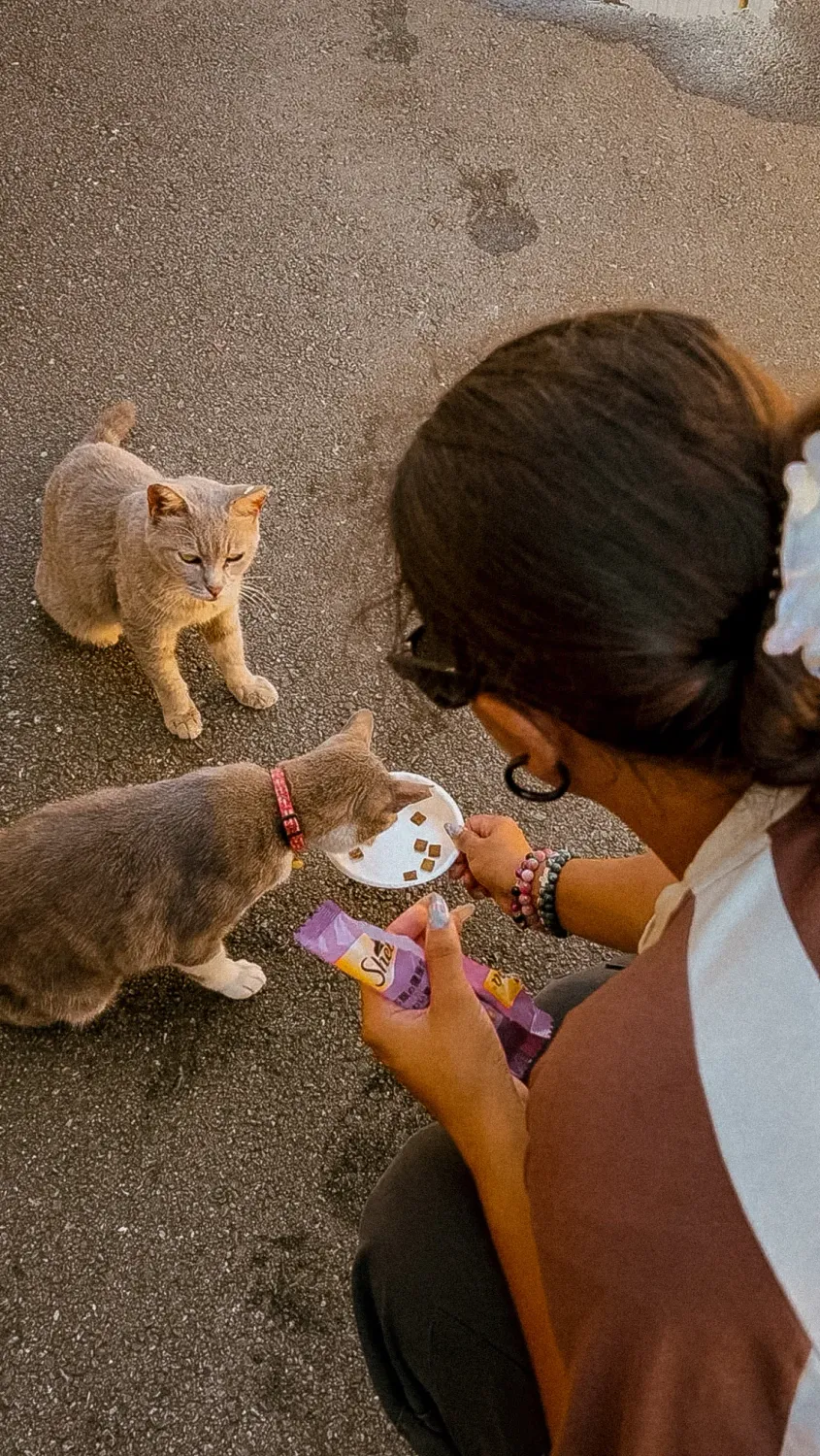
After lunch, we bought cat treats at the restaurant.
About 200¥.
Then we spent time walking around, petting cats and taking photos.
The island feels quiet and local. Just sea breeze, fishing boats and cats everywhere.
We took the 1:20 PM ferry back and arrived at Shingu Port around 2 PM.
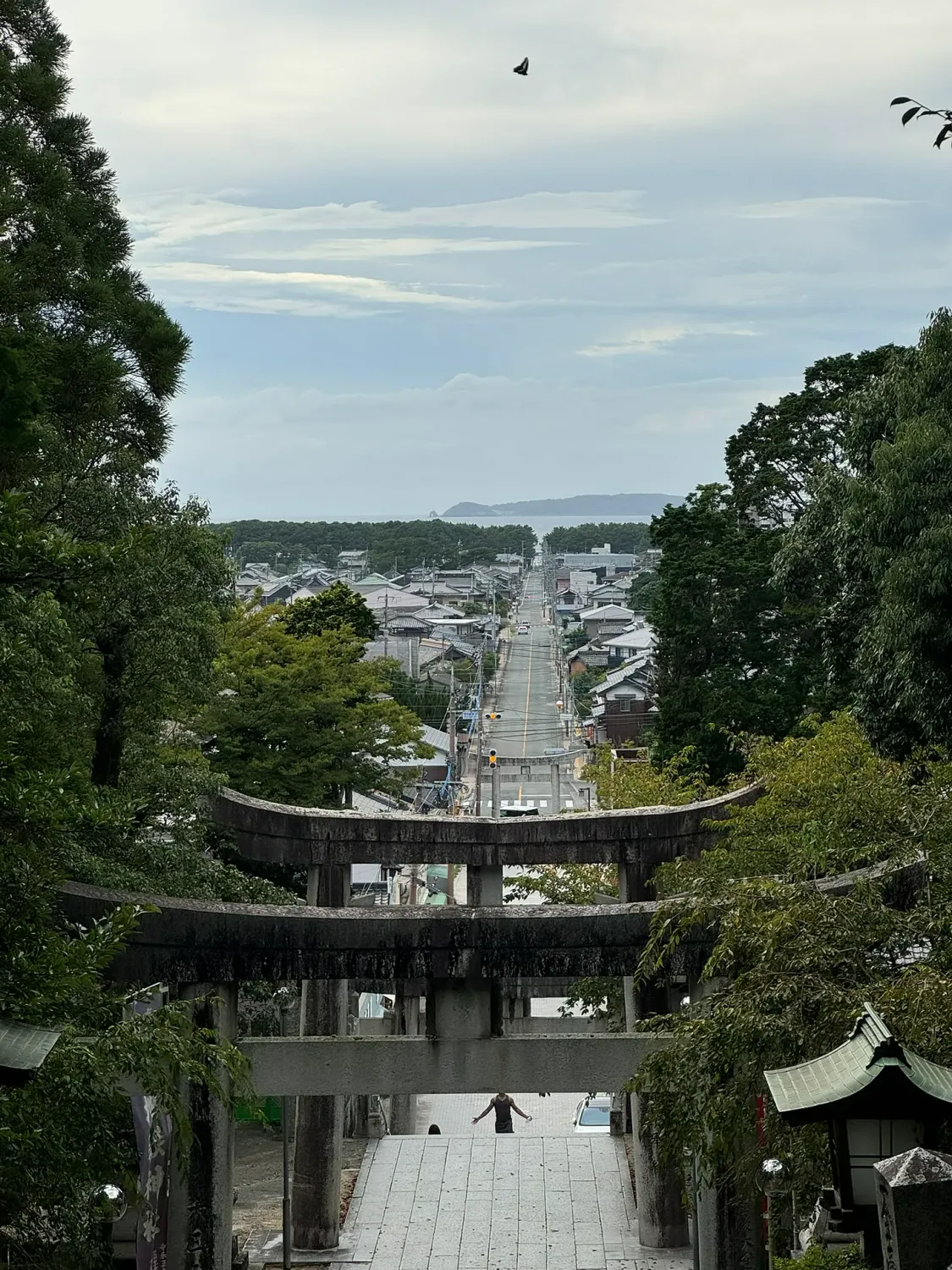
Miyajidake Shrine
Next stop: Miyajidake Shrine.
I had seen that long straight path leading to the sea so many times online. I really wanted to see it in person.
And honestly, it was worth it.
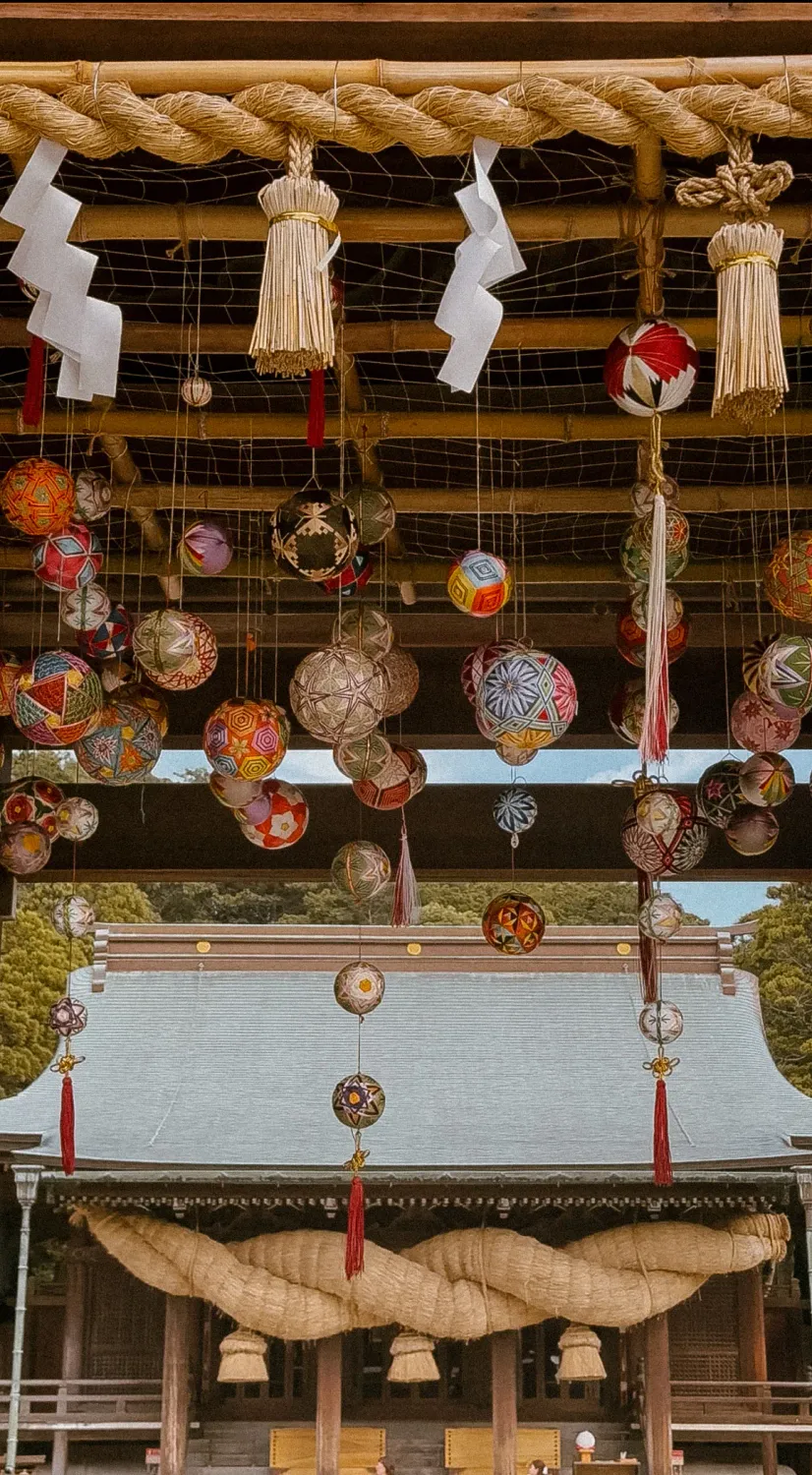
Most people go for the famous view, but the site is much bigger than I expected.
You can explore:
• The main shrine
• Smaller sub-shrines
• A corridor of red torii gates
• Quiet areas around the complex
We stayed about 1.5 hours walking around.
I also got a goshuin there.
TeamLab Forest Fukuoka
After that, we drove back to Fukuoka to rest a bit at the Airbnb.
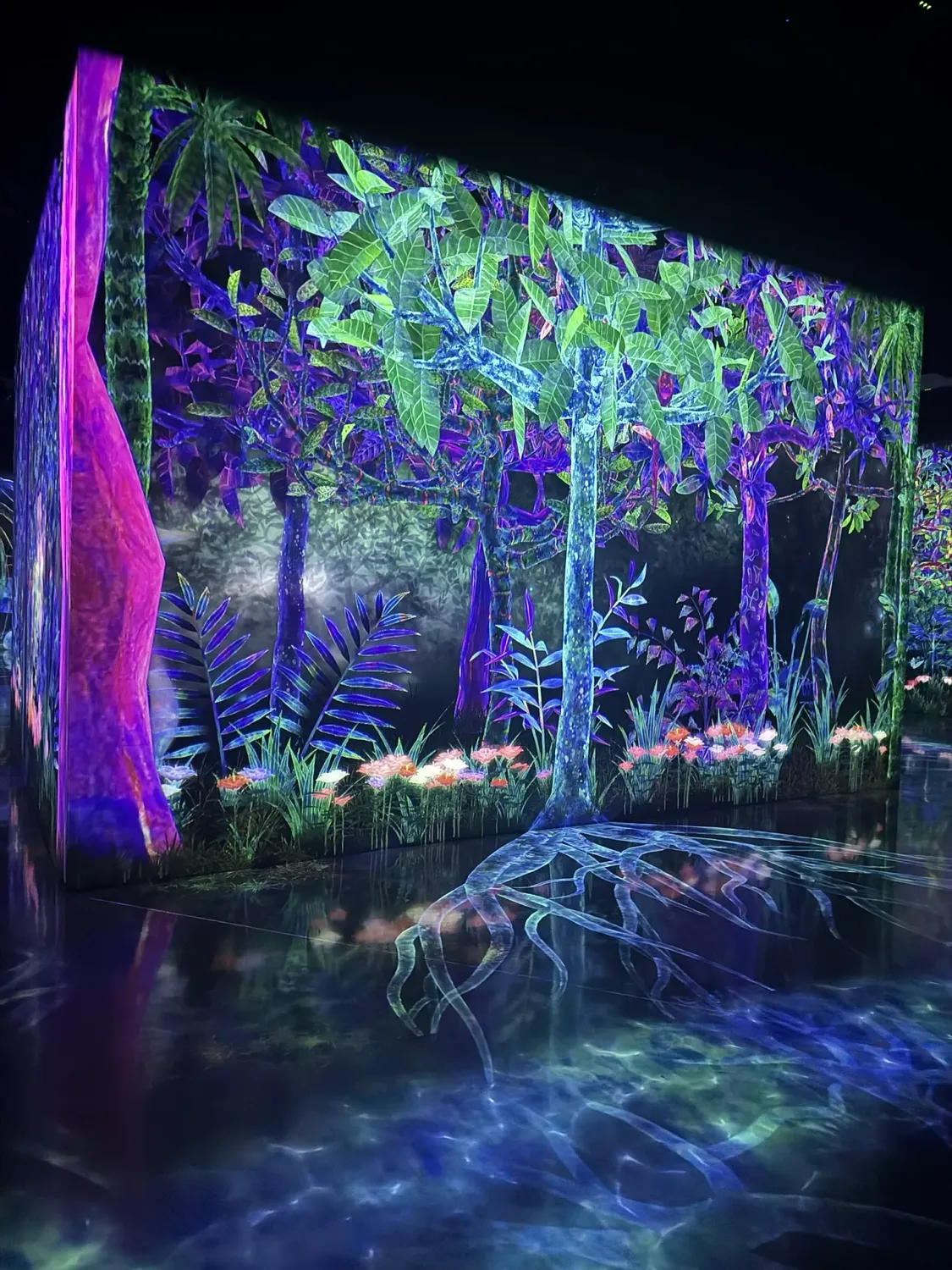
Later, we picked up my parents and went to teamLab Forest Fukuoka.
2400¥.
It’s interactive and fun.
I liked:
• The mushroom forest
• The animal catching zone
• The drawing area where your sketch appears on the walls
But if you’ve already visited teamLab Planets or Borderless in Tokyo, this one feels smaller.
It’s located inside E.ZO Fukuoka, which also has:
• VR experiences
• A rooftop zipline
• Baseball simulators
• A rooftop observatory
MARK IS Fukuoka Momochi
We finished the day at MARK IS Fukuoka Momochi Mall.
Walked around the shops and had dinner at the food court.
Around 900¥.
Then we went back to the Airbnb.
Day 14 – Itoshima Day Trip
We left for Itoshima around 9 AM.
The weather wasn’t great at first. It started raining just as we were leaving, and since it was our last day with the car, we couldn’t really change plans.
Luckily, the rain slowly stopped. By the time we arrived, the sky started clearing. About ten minutes later, the weather completely changed.
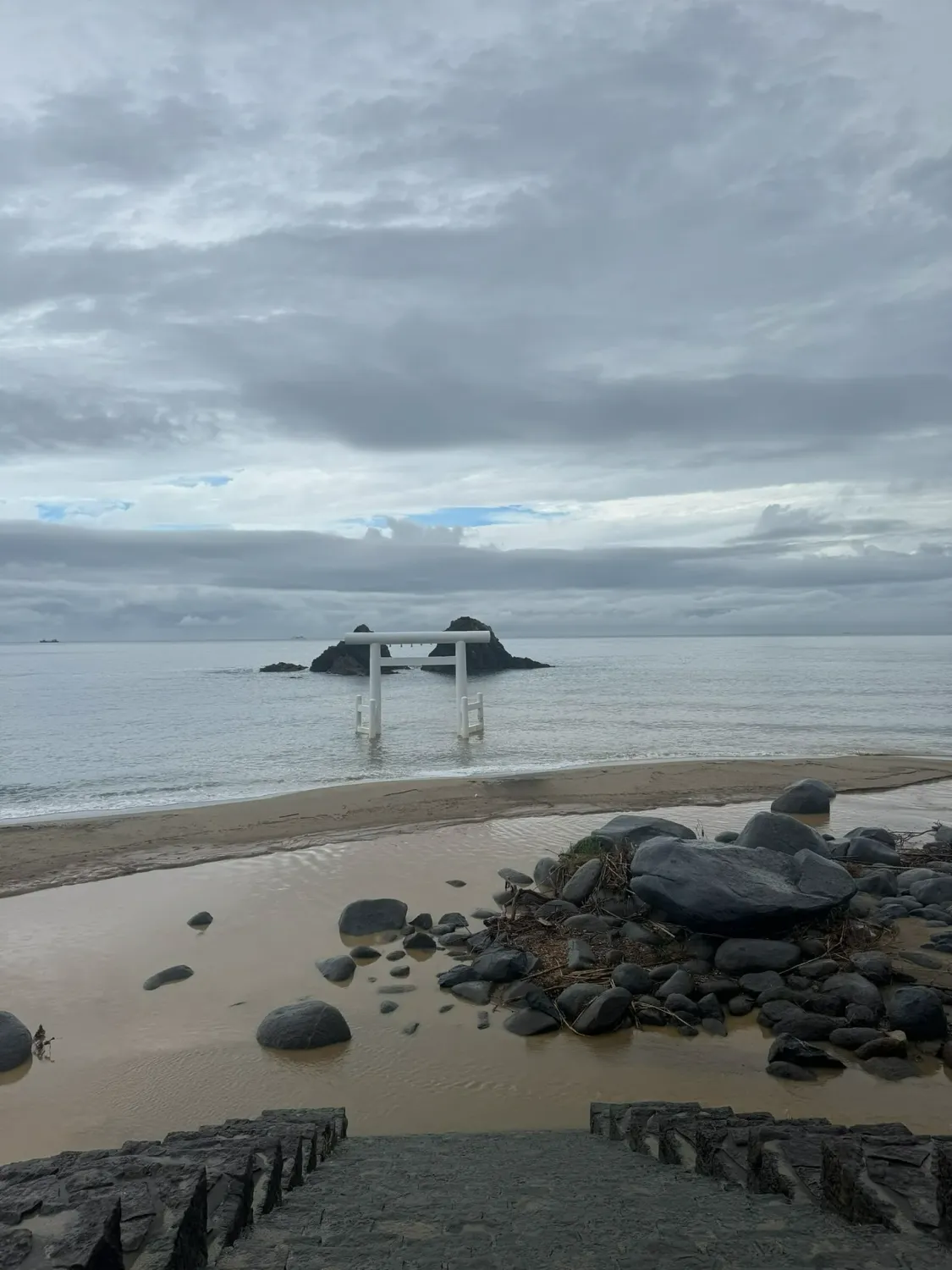
First stop: Sakurai Futamigaura Beach.
It’s famous for the two “married rocks” (Meoto Iwa) connected by a rope. The coastline there is really beautiful.
Heart Three
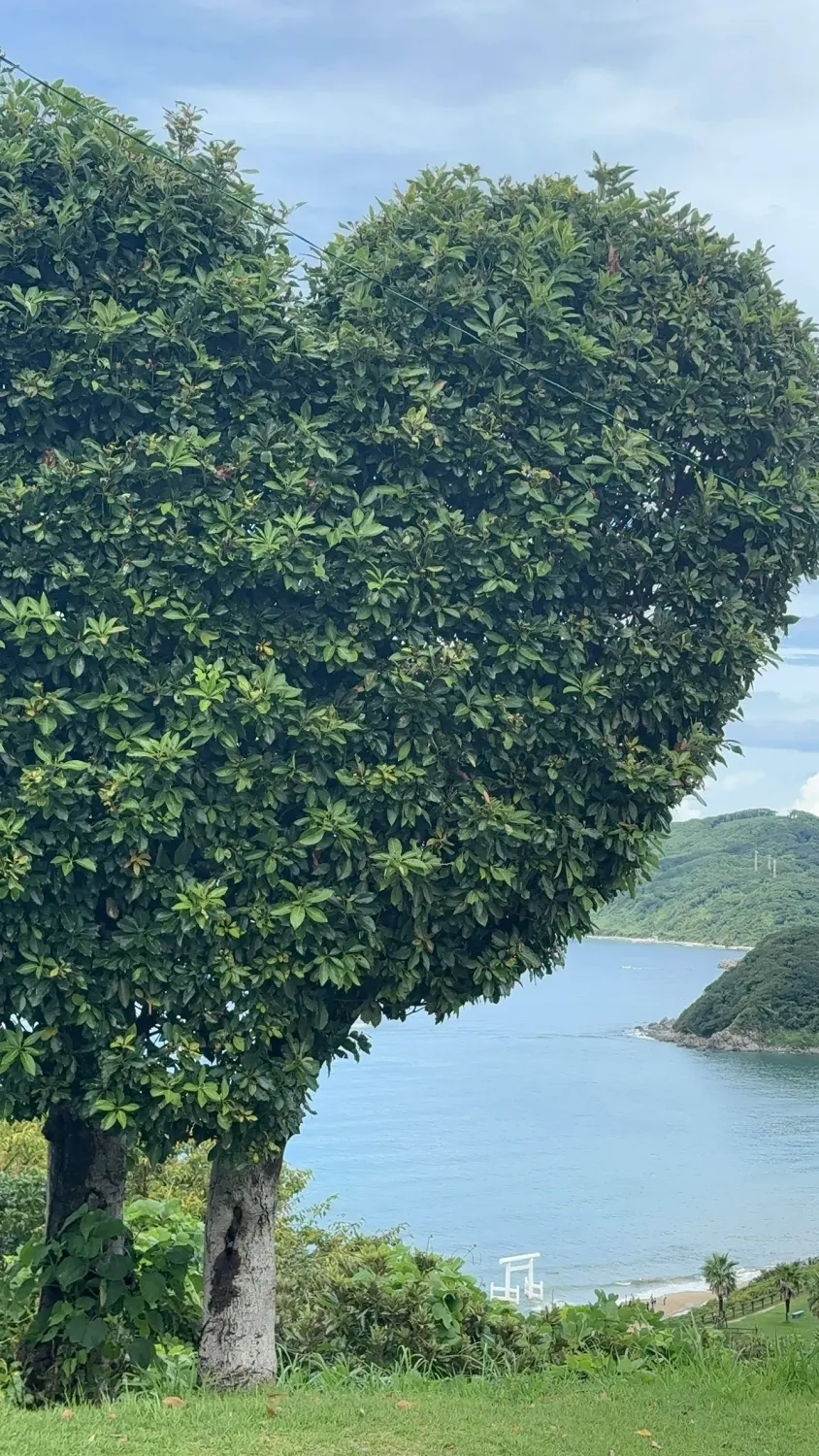
After walking around and taking photos, we drove up to Heart Three.
It’s a small lookout point with a nice panoramic view over the beach and ocean. KEEP IN MIND : It’s located in a cemetery.
Lunch – Itoshima Seafood Futamigaura
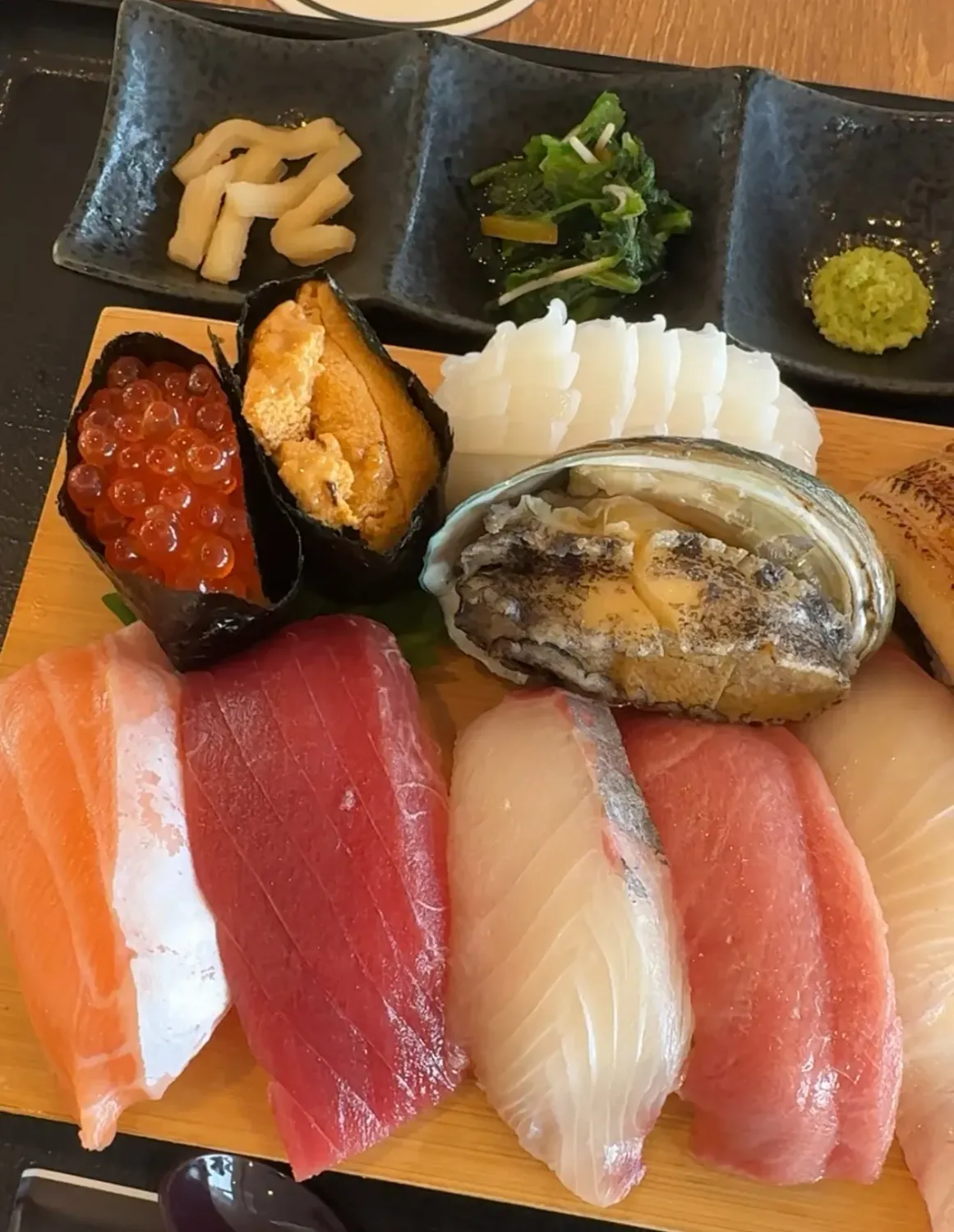
For lunch, we went to Itoshima Seafood Futamigaura, one of the popular seafood restaurants in the area.
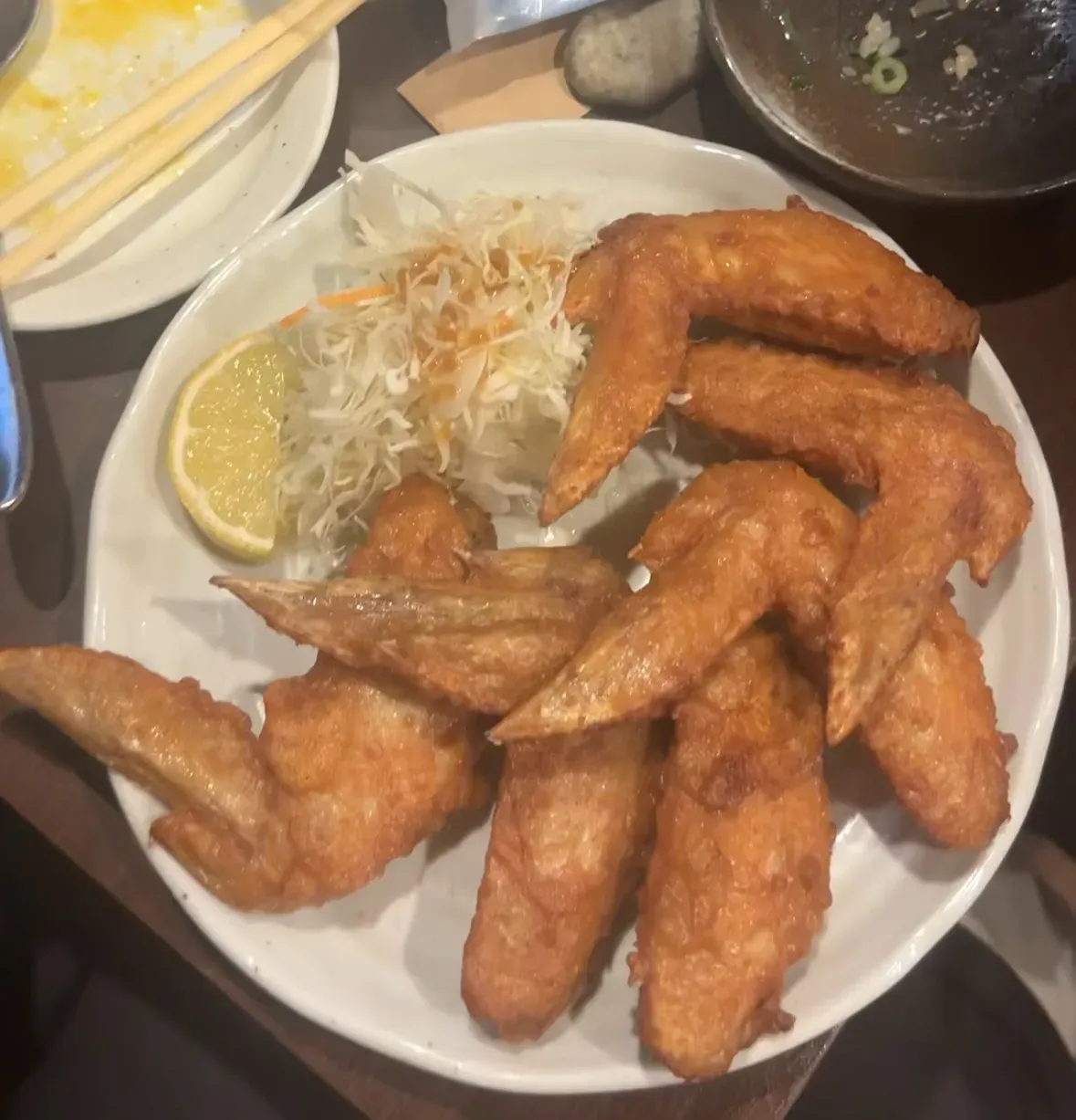
I ordered the sushi course for 4800¥.
My dad plate :
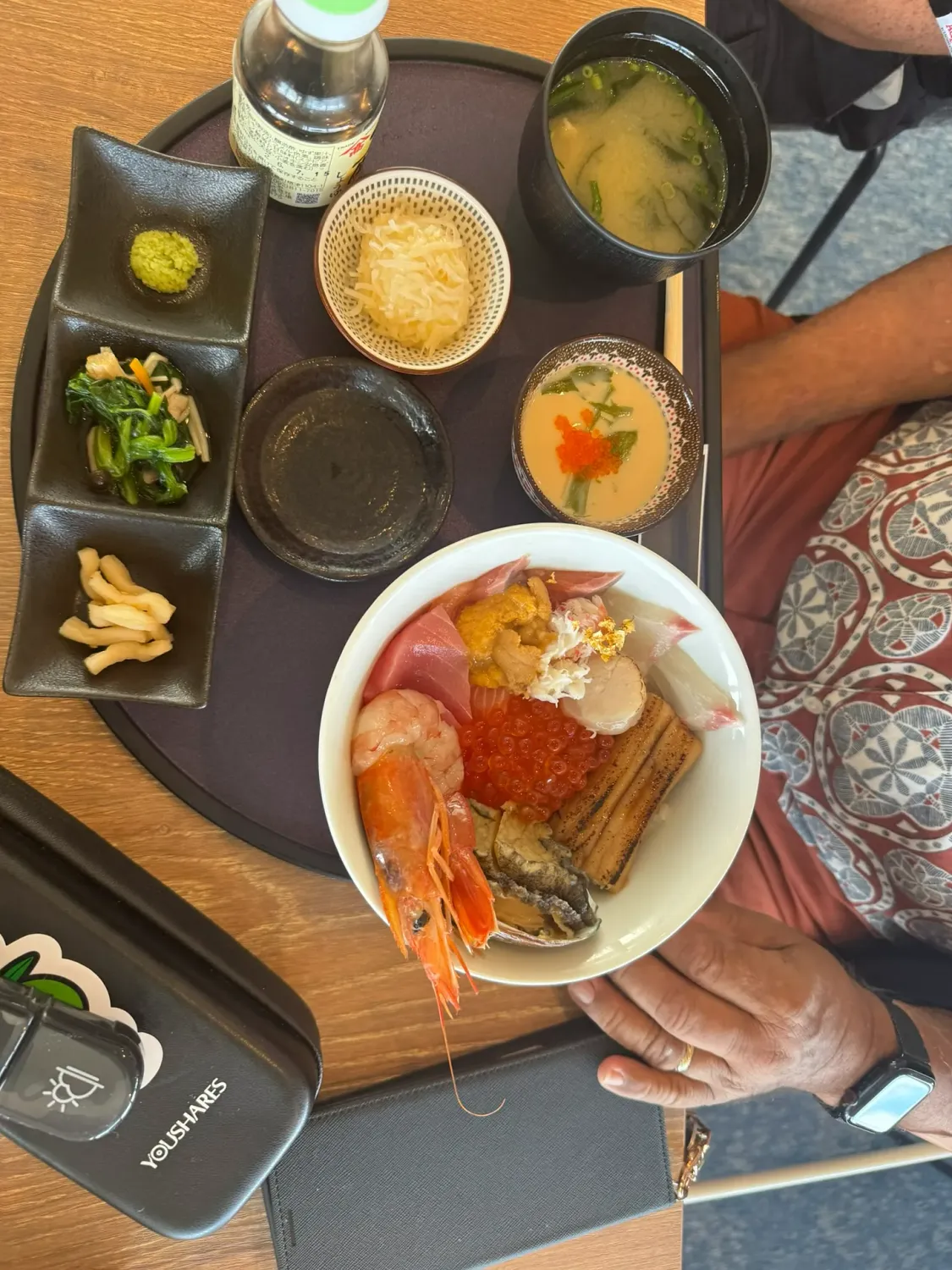
The fish was very fresh and high quality. The restaurant overlooks the ocean, so the view while eating was really nice.
By the end, I was very full and a bit overwhelmed. I’m not used to eating that much raw fish in one sitting. But it was a great experience.
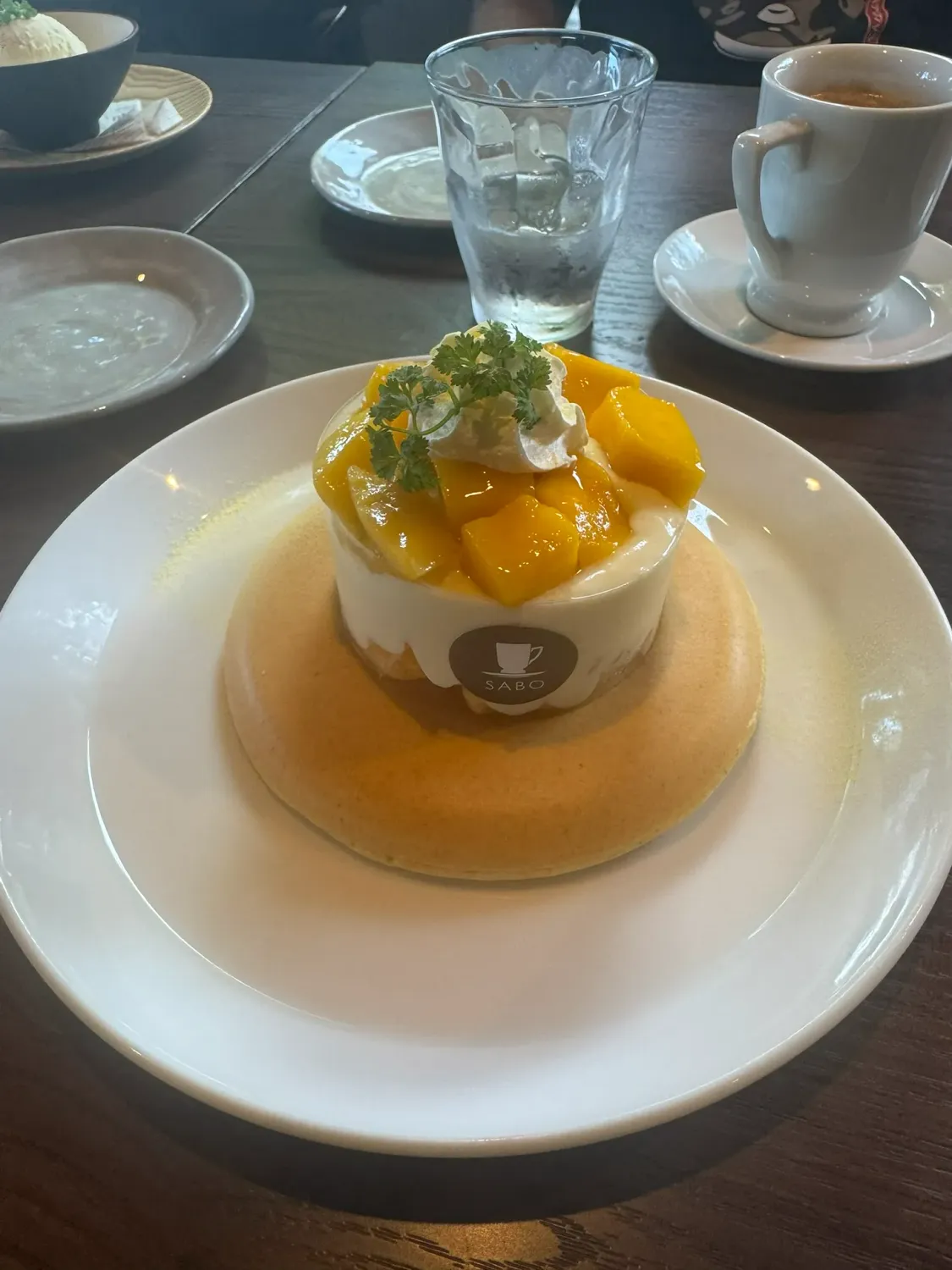
Dessert – Itoshima Sabo
For dessert, I had already spotted Itoshima Sabo.
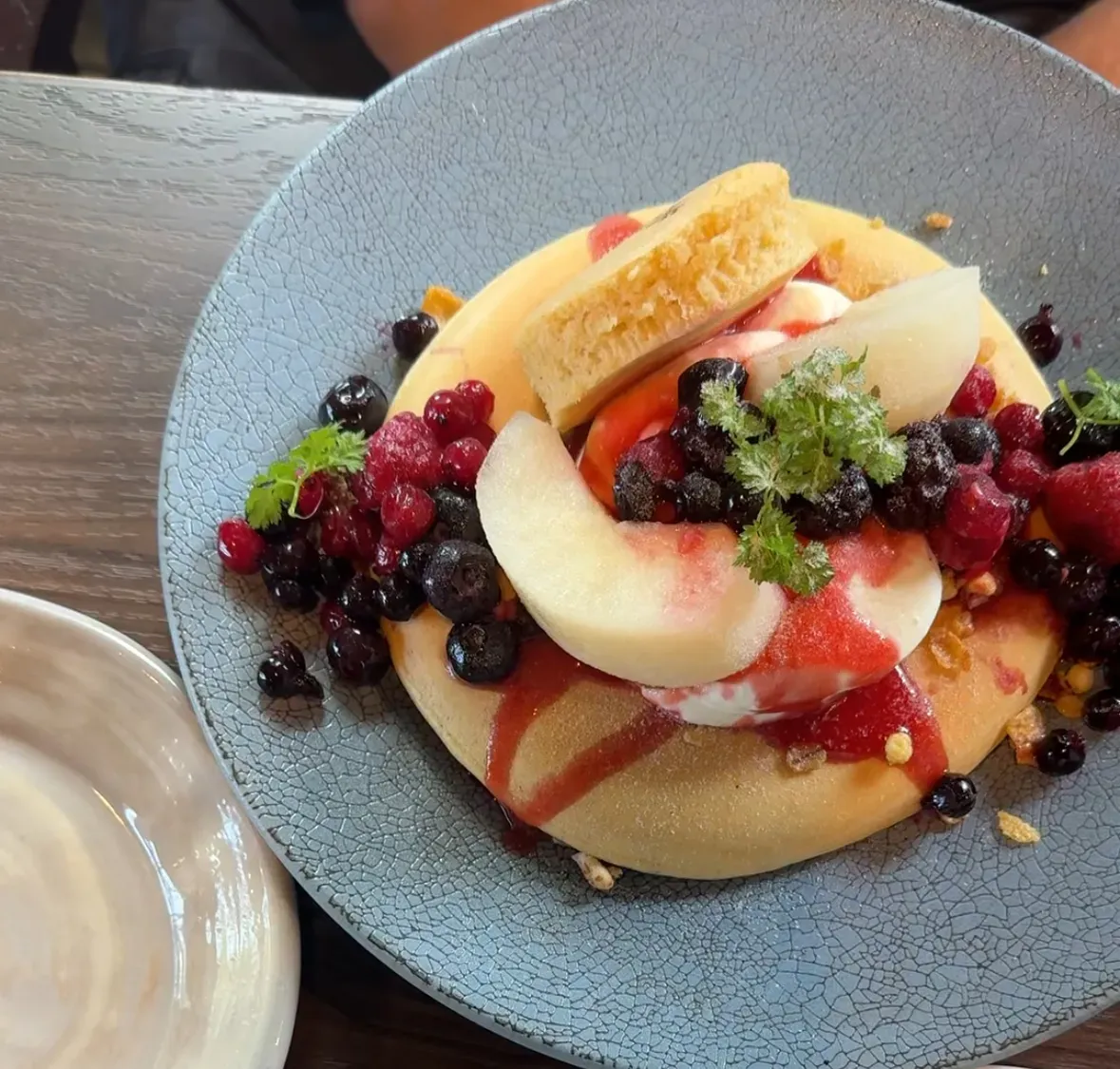
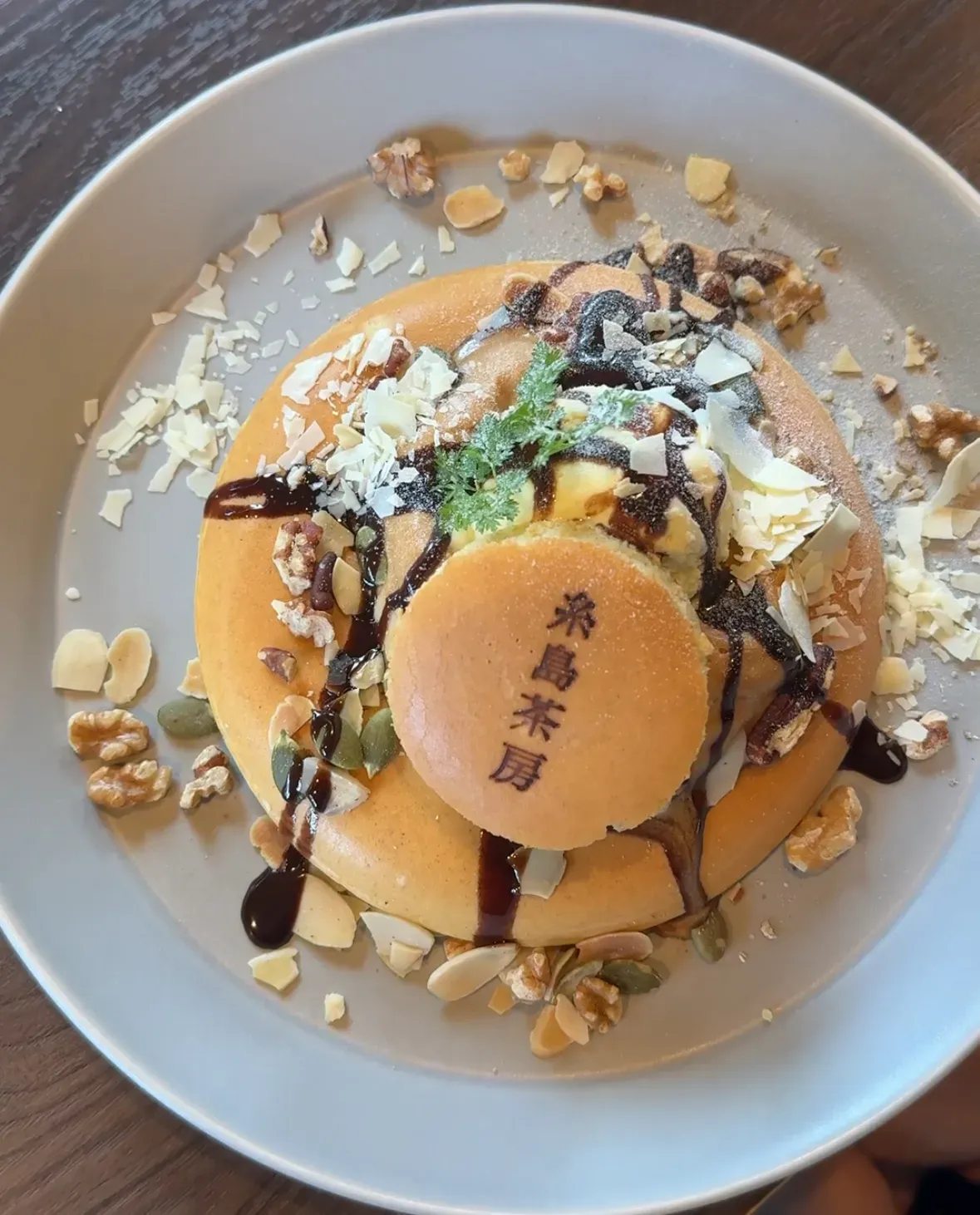
They serve traditional-style pancakes. Not the fluffy soufflé type, but still very good once combined with cream and toppings.
We ordered three different types.
Mine (mango) cost 1650¥.
Yes, we ate too much again.
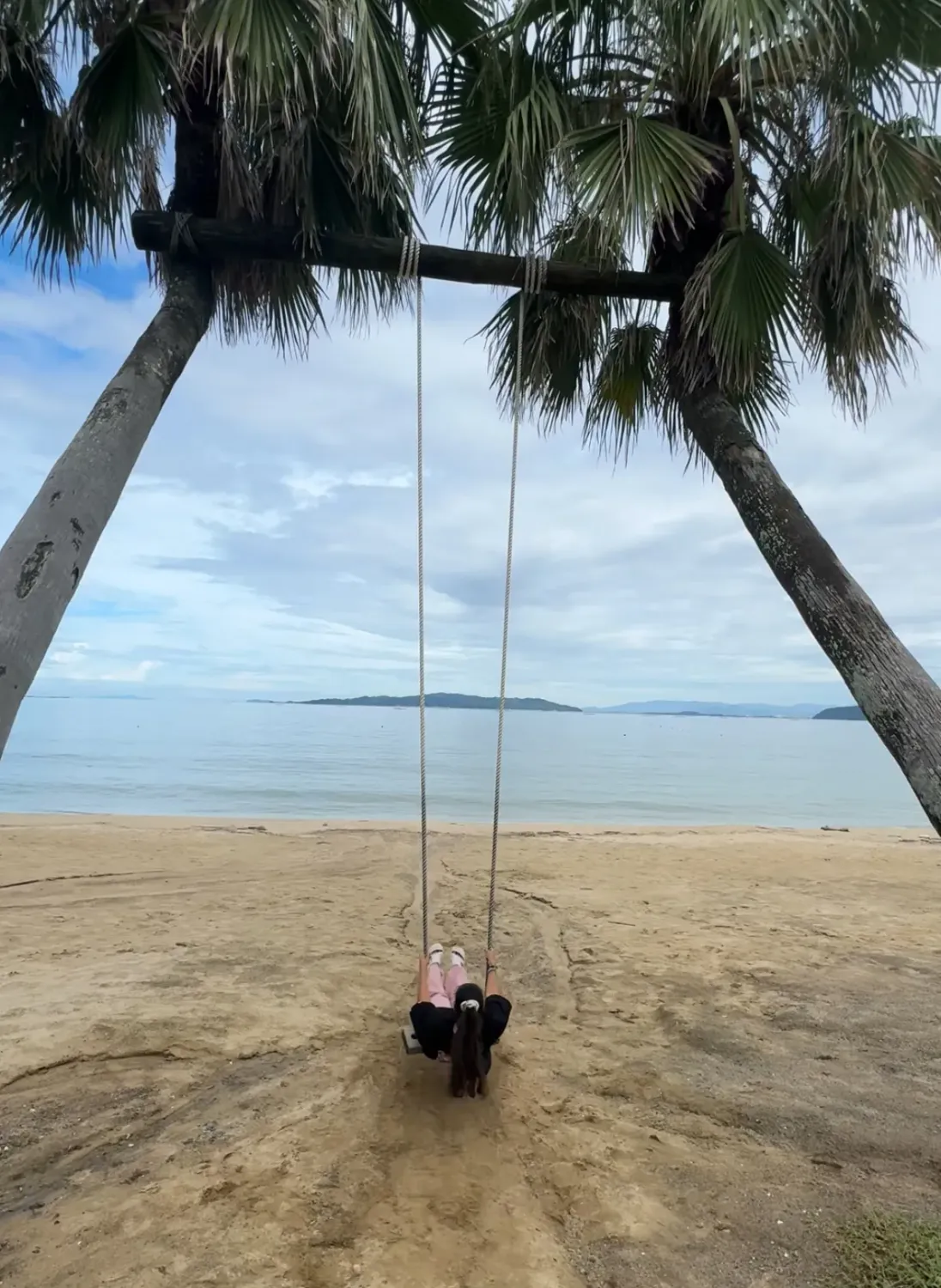
Palm Tree Swing
Next stop: Palm Tree Swing.
It’s one of the most Instagrammable spots in Itoshima. There are swings facing the sea, photo spots and even a floating platform in the water.
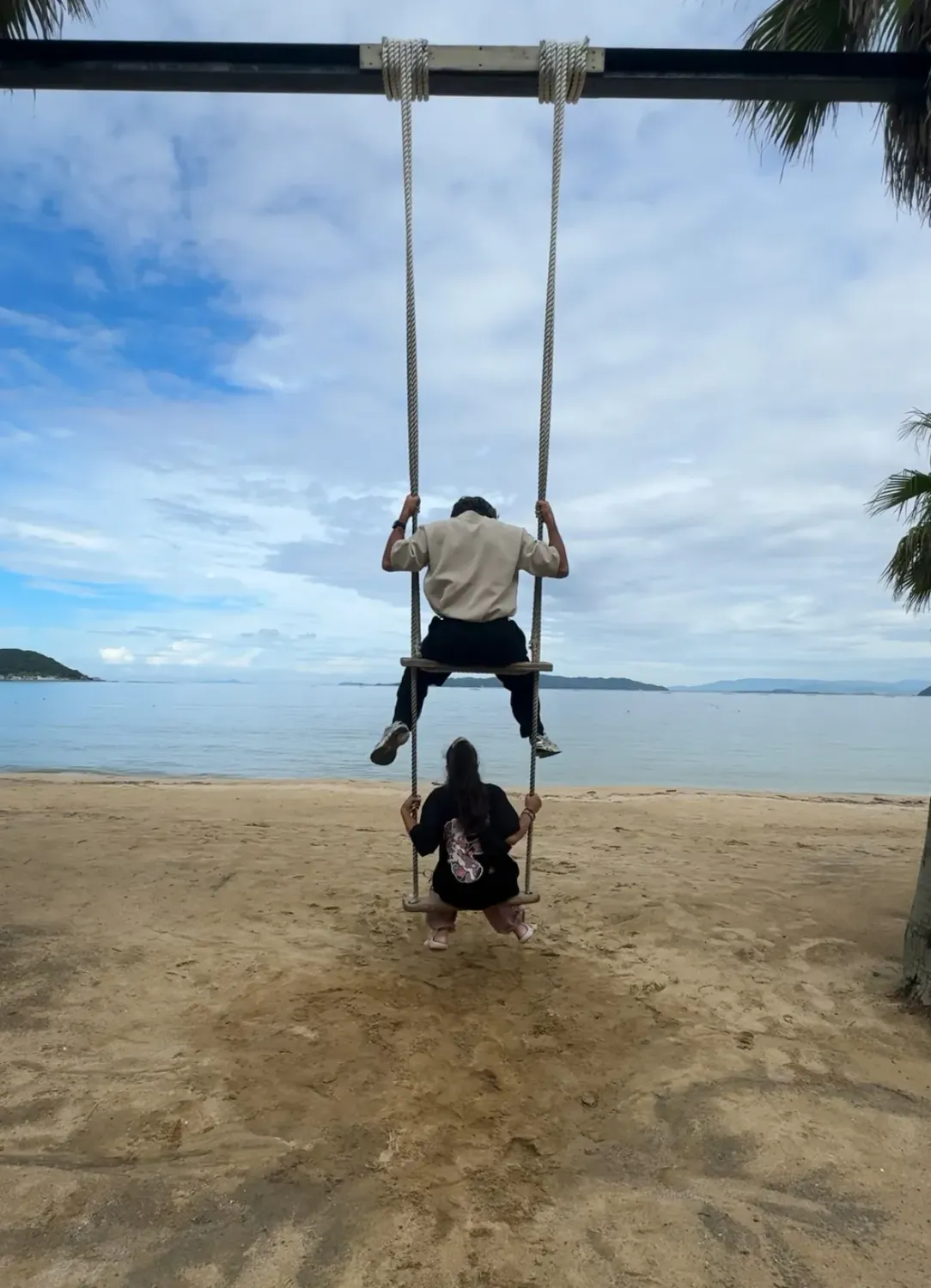
It was really fun.
The boys went swimming, and by then the sun was fully out. It turned into a proper summer afternoon.
Back to Fukuoka
We drove back to Fukuoka, around 45 minutes.
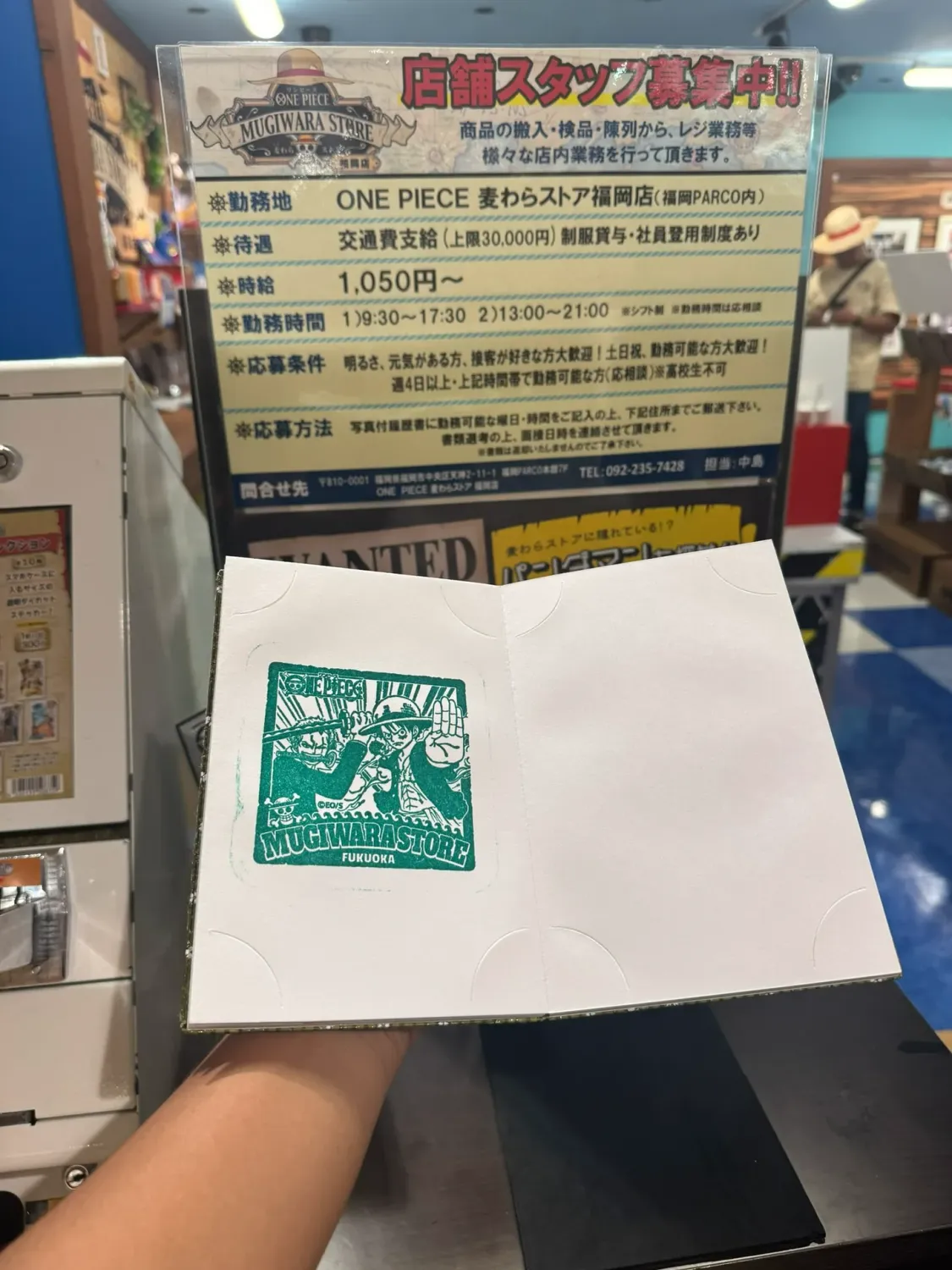
We stopped at PARCO Fukuoka for some shopping. Jump Store and a few other shops.
We returned the car around 8 PM.
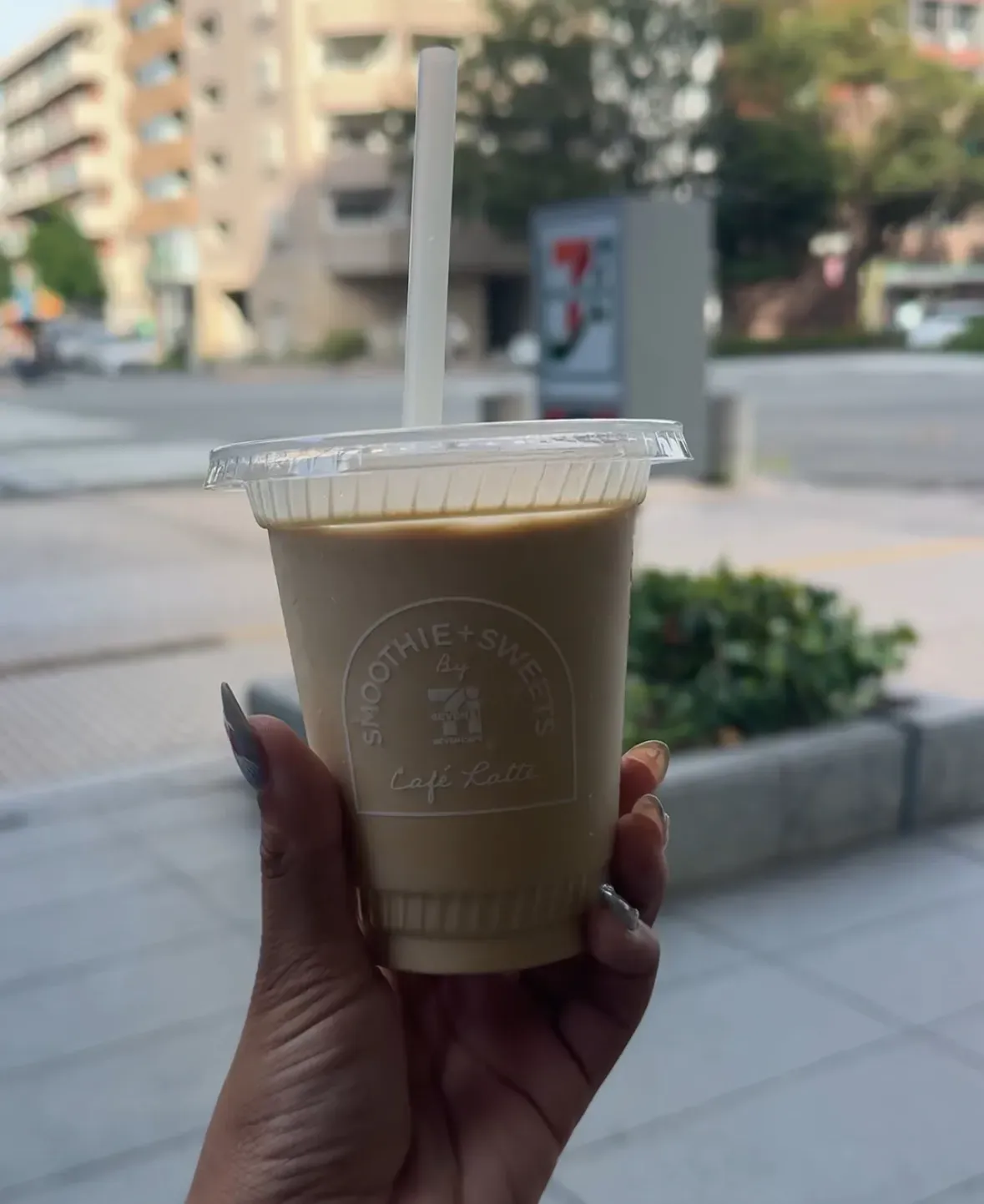
I also grabbed a café latte smoothie from Seven Eleven.
It was really good. Still not sure if I prefer this one or Mango Mango.
Nakatsukasa Magotaro Inari Shrine
The day wasn’t over.
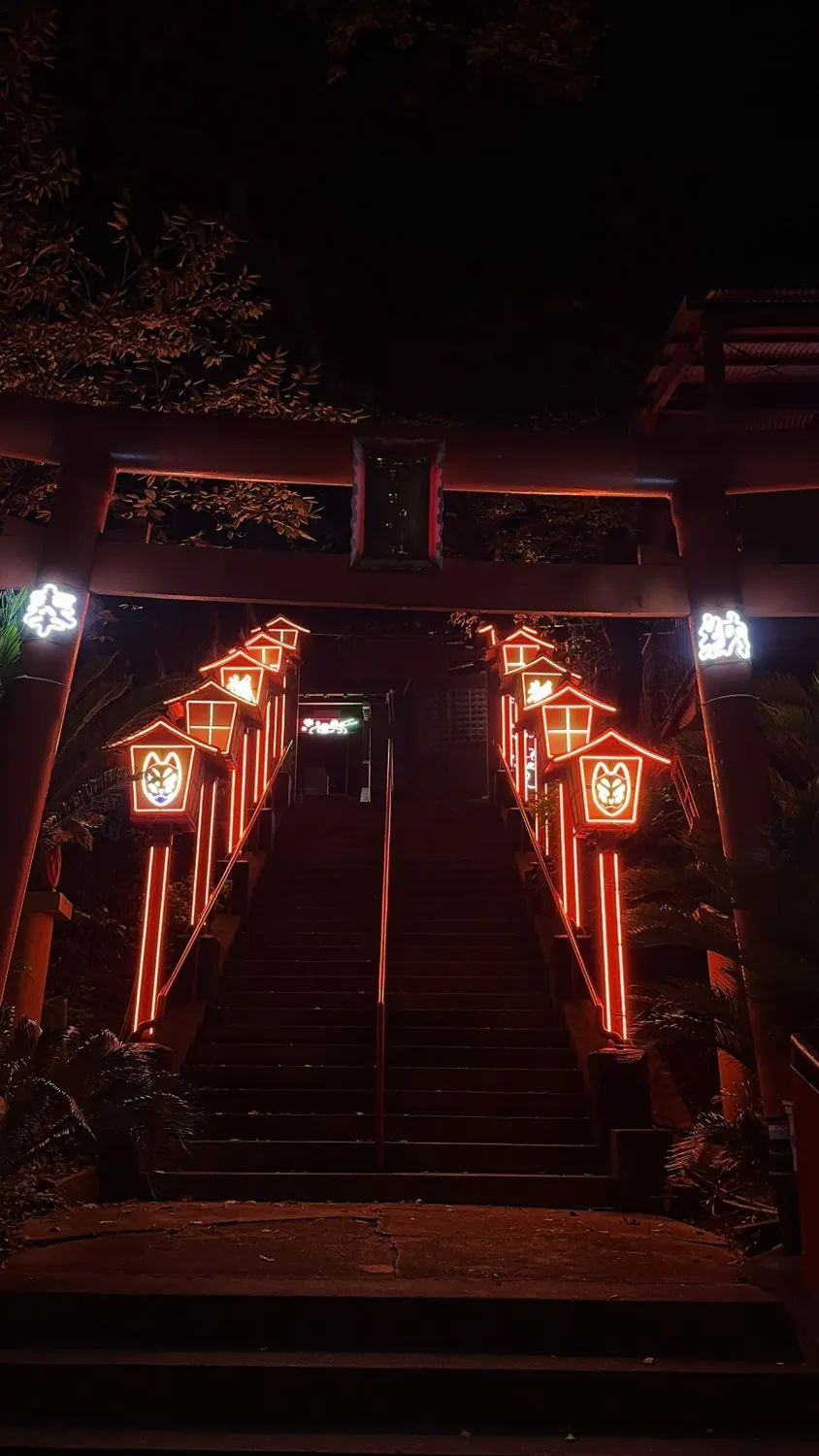
We took a bus to visit Nakatsukasa Magotaro Inari Shrine at night.
The shrine was illuminated and looked very beautiful in the dark.
Dinner – Gyoza Izakaya Shion
To finish the day, we ate at 餃子居酒屋紫おん (Gyoza Izakaya Shion).
Small izakaya, really good food. 1588¥.
The owners were very kind and welcoming. It felt like a local place, not touristy at all.
Day 15 – Dazaifu & Kurume
We left our Airbnb in Fukuoka around 9:30 AM and took the train to Dazaifu.
The ride took about one hour.
We arrived around 10:30 AM.
Dazaifu Tenmangū Shrine
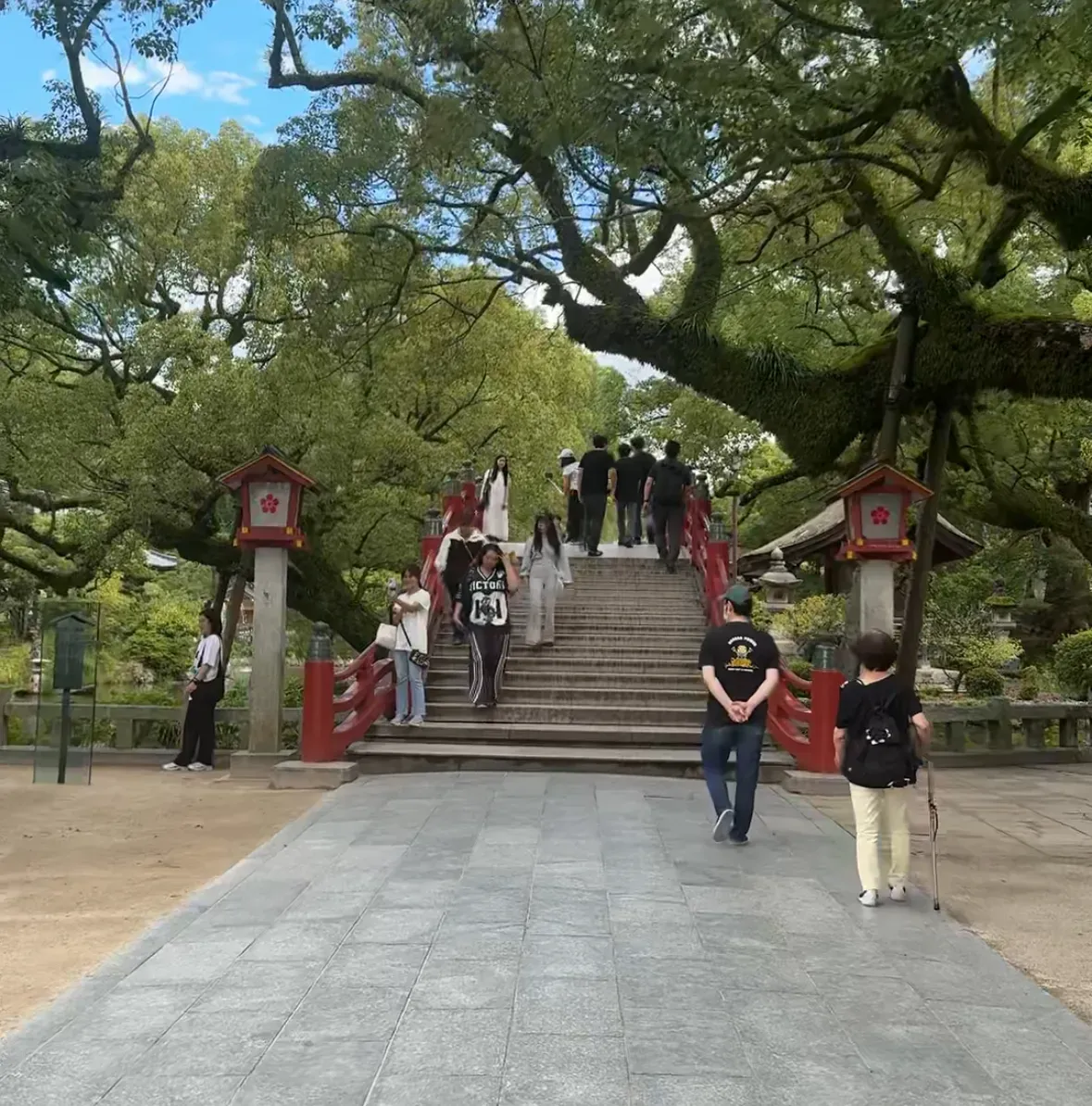
Dazaifu Tenmangū is dedicated to Sugawara no Michizane, a scholar and poet from the Heian period who was later deified as the god of learning.
Because of that, many students come here to pray for success in exams. The shrine is surrounded by more than 6,000 plum trees, which were Michizane’s favorite flower.
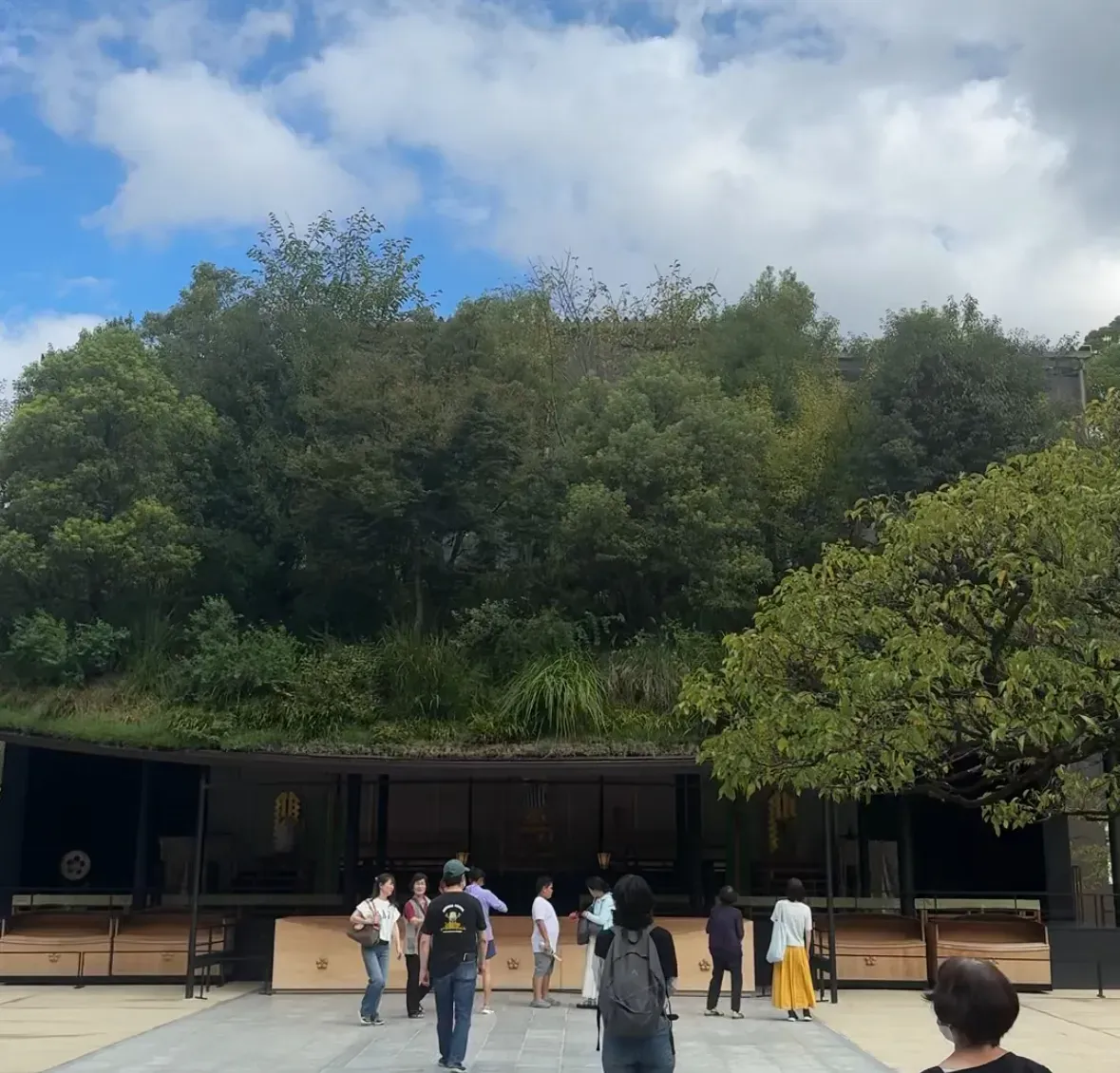
The grounds are beautiful with red bridges and ponds filled with koi fish. One unique feature is the “living roof” of the shrine’s administrative building. It’s covered with vegetation, which blends naturally with the surroundings.
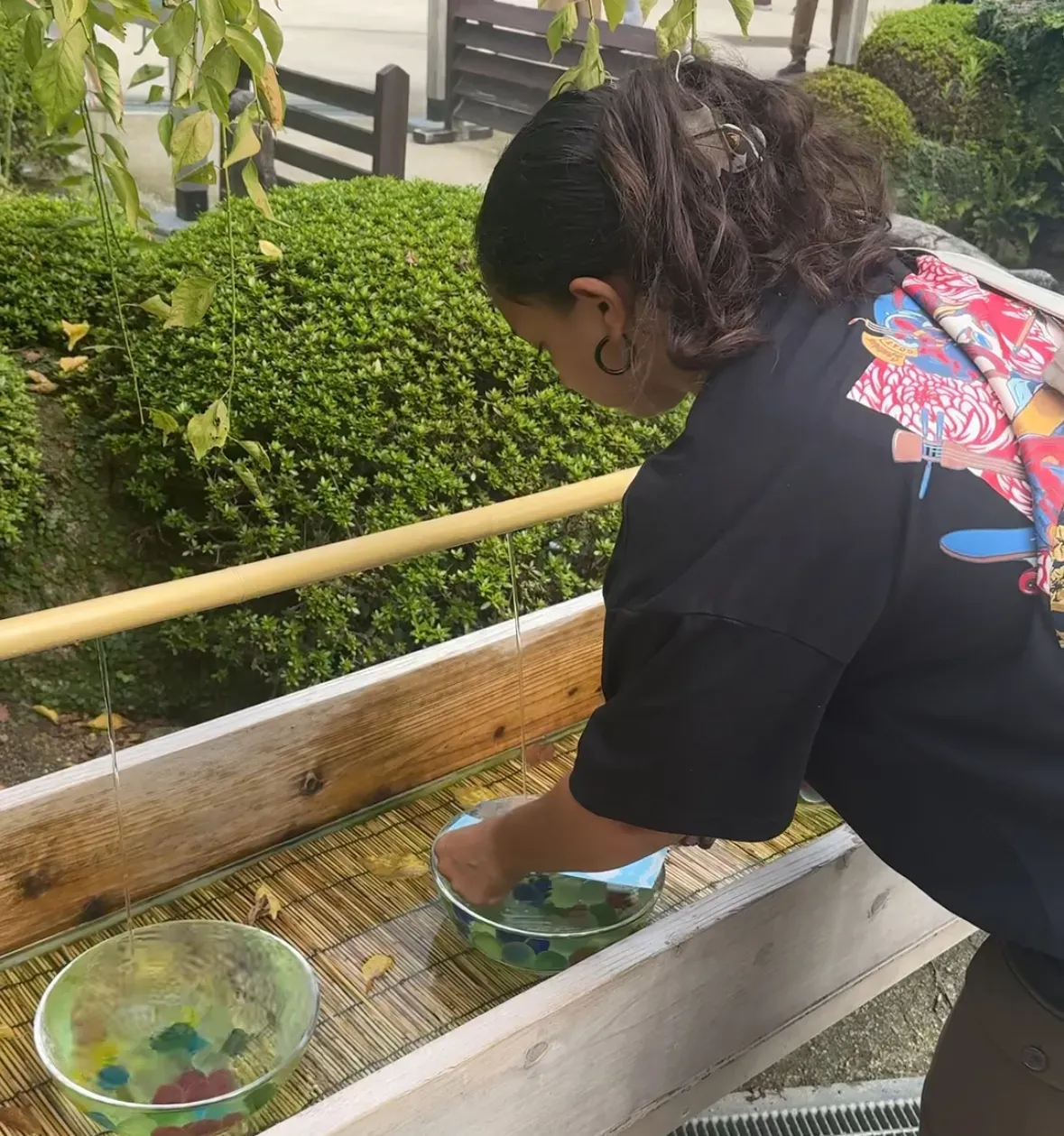
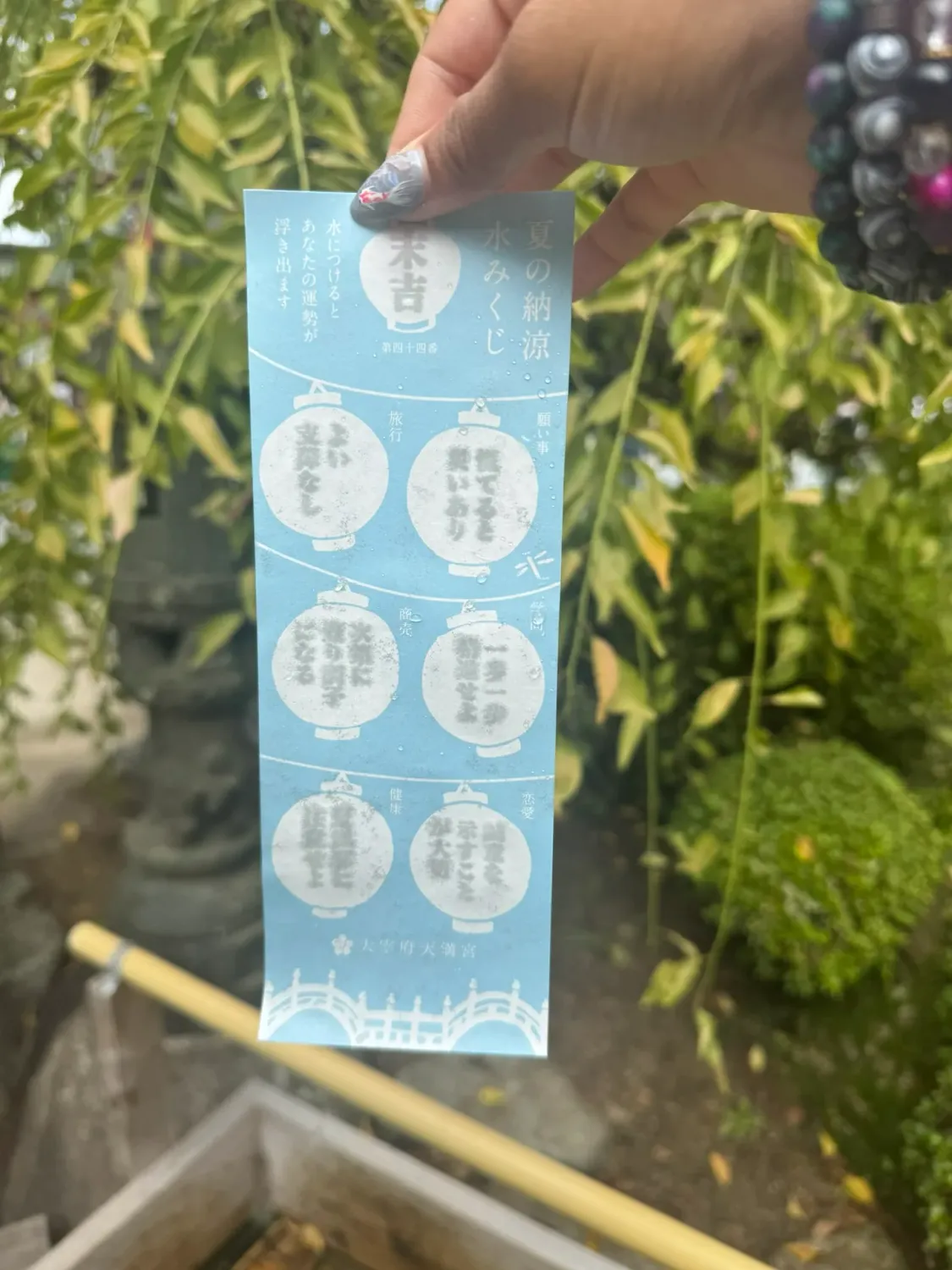
I also tried the Mizu-ura Omikuji. You dip a blank paper into sacred water and your fortune appears on it. It’s a really cool experience.
There’s also a bronze ox statue. It’s said that touching its head brings wisdom and good luck, so of course we did.
Omotesando Street
After exploring the shrine, we walked along Dazaifu Tenmangū Omotesando Street.
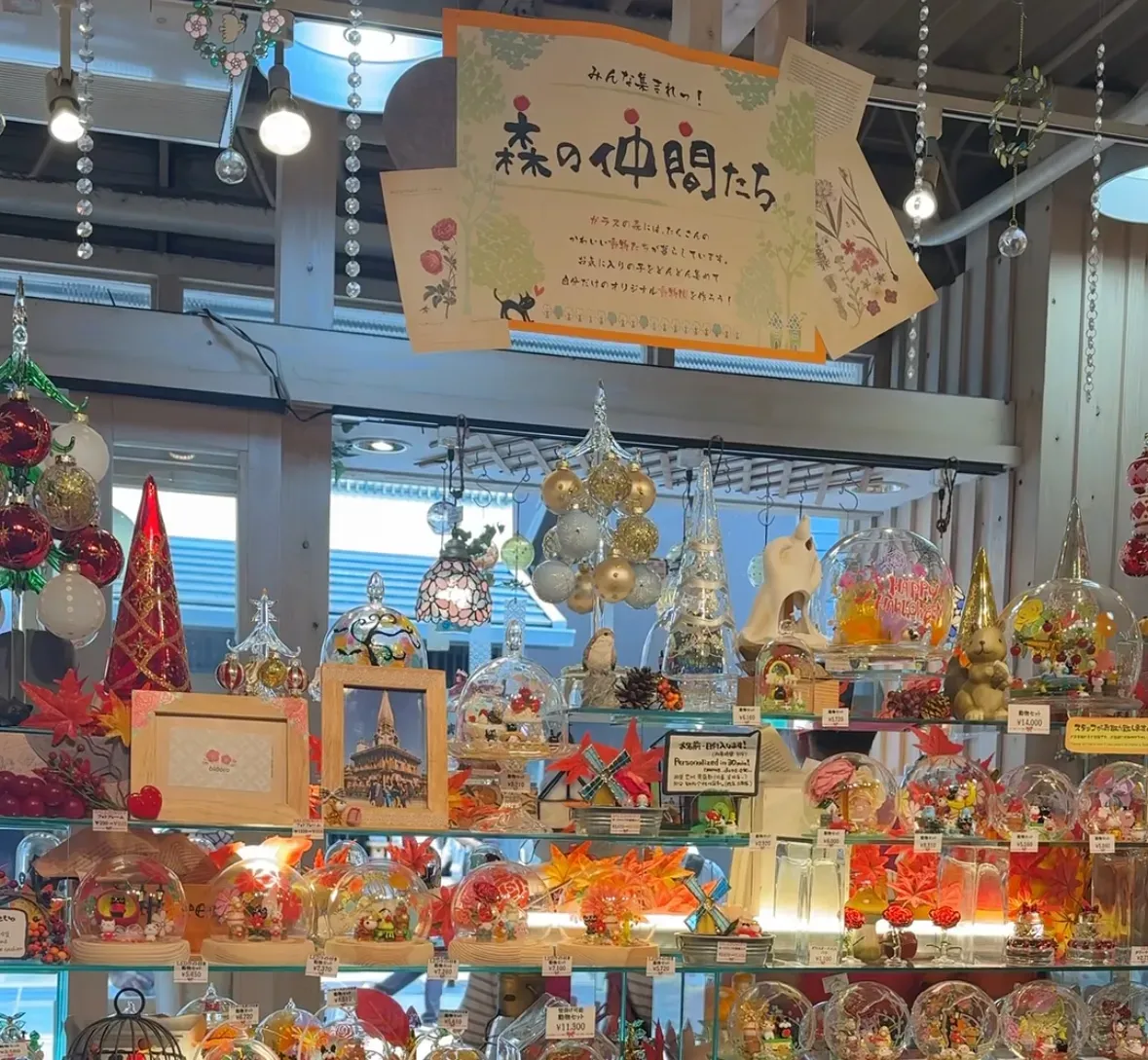
It’s the main shopping street leading to the shrine, full of souvenir shops and snacks.
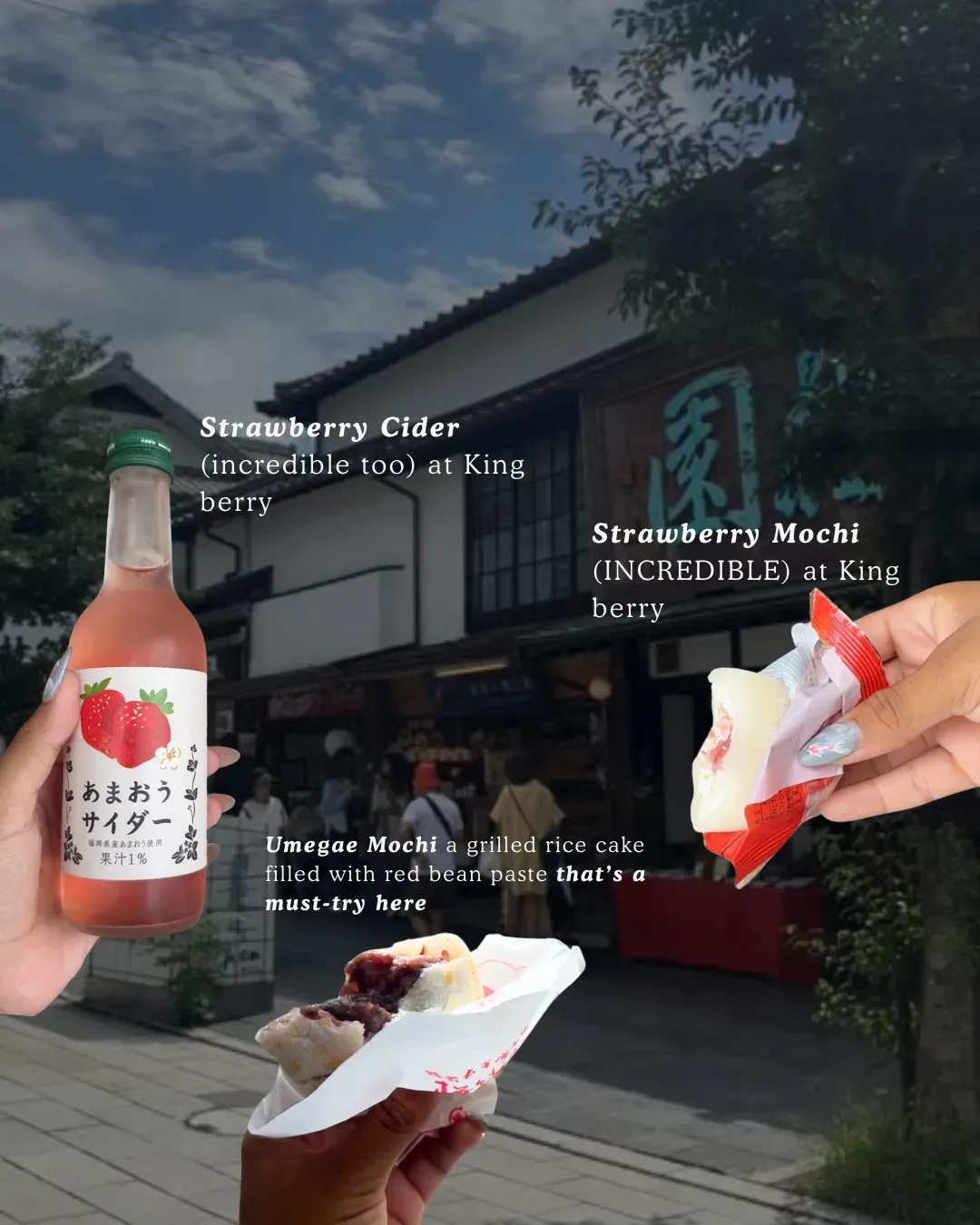
Kurume – Lunch 昼カラ酒場 しん吉
After that, we took the train to Kurume for lunch and dessert.
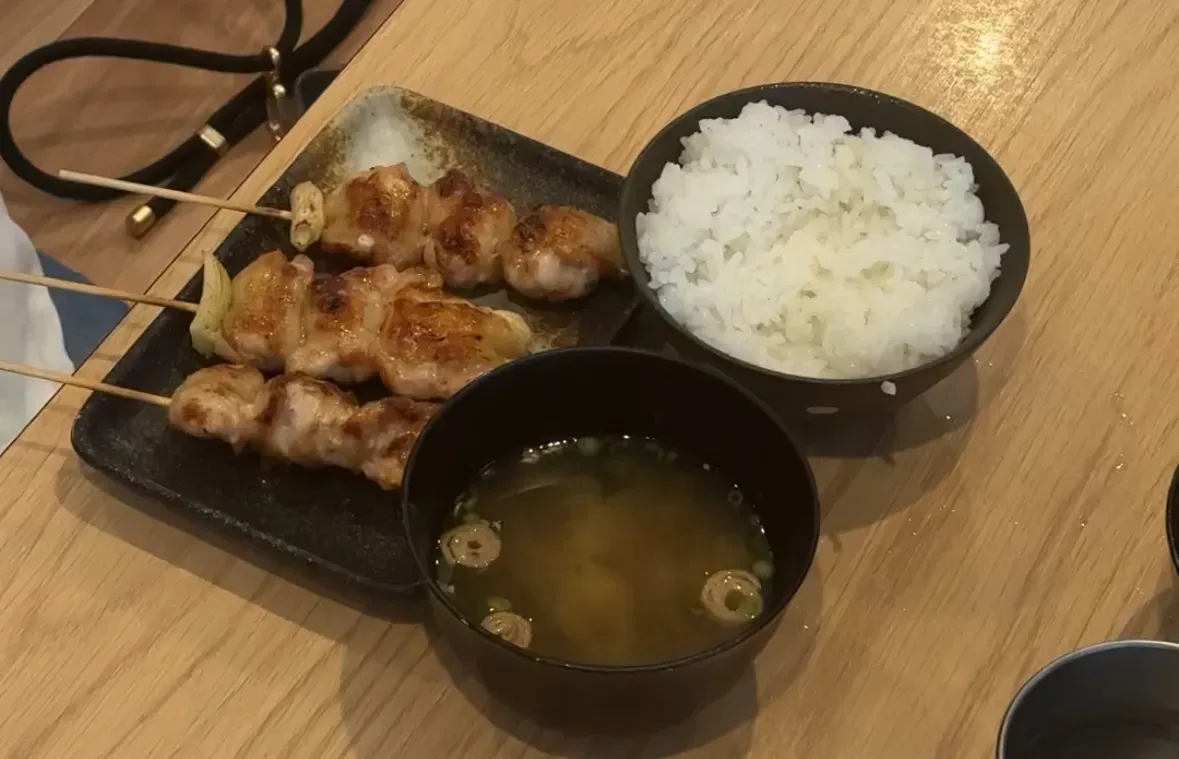
Kurume felt much calmer than Fukuoka. Many restaurants I had saved were closed, but we found Yakitori Shinkichi.
Around 1000¥.
It turned out to be a really good choice. The food was great, the staff were friendly, and they even offered unlimited rice and soup.
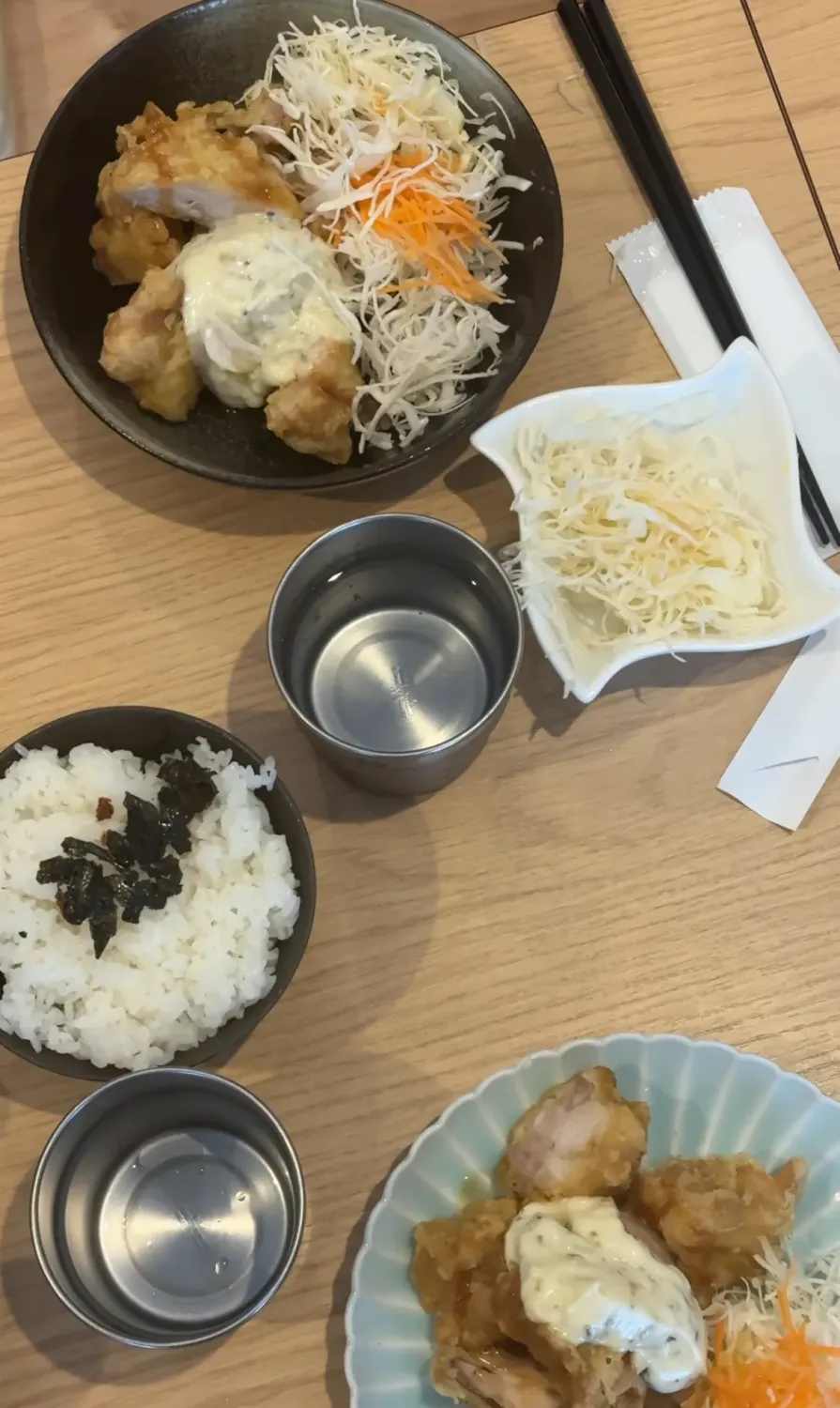
Dessert – Cafe Stand 108
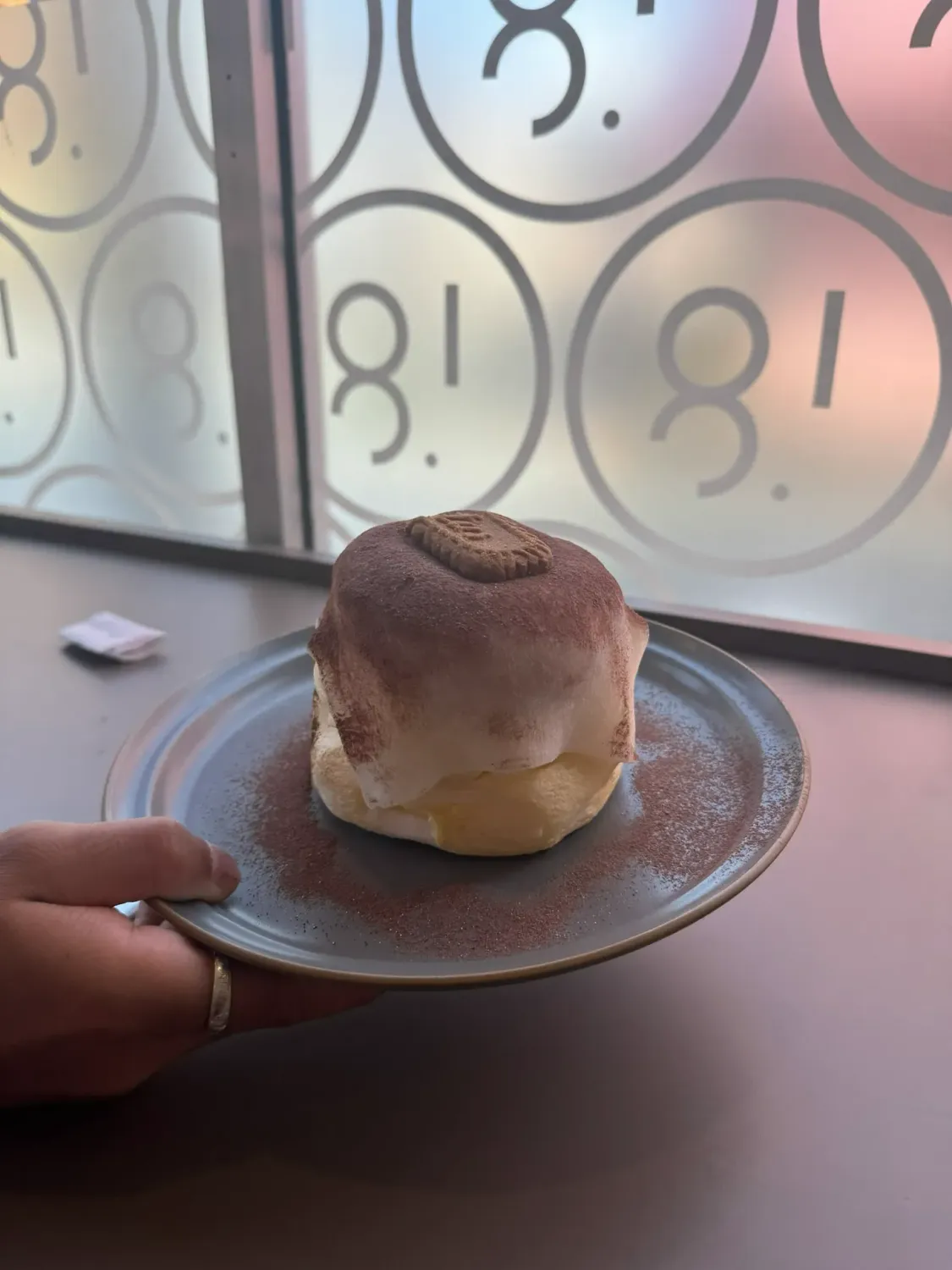
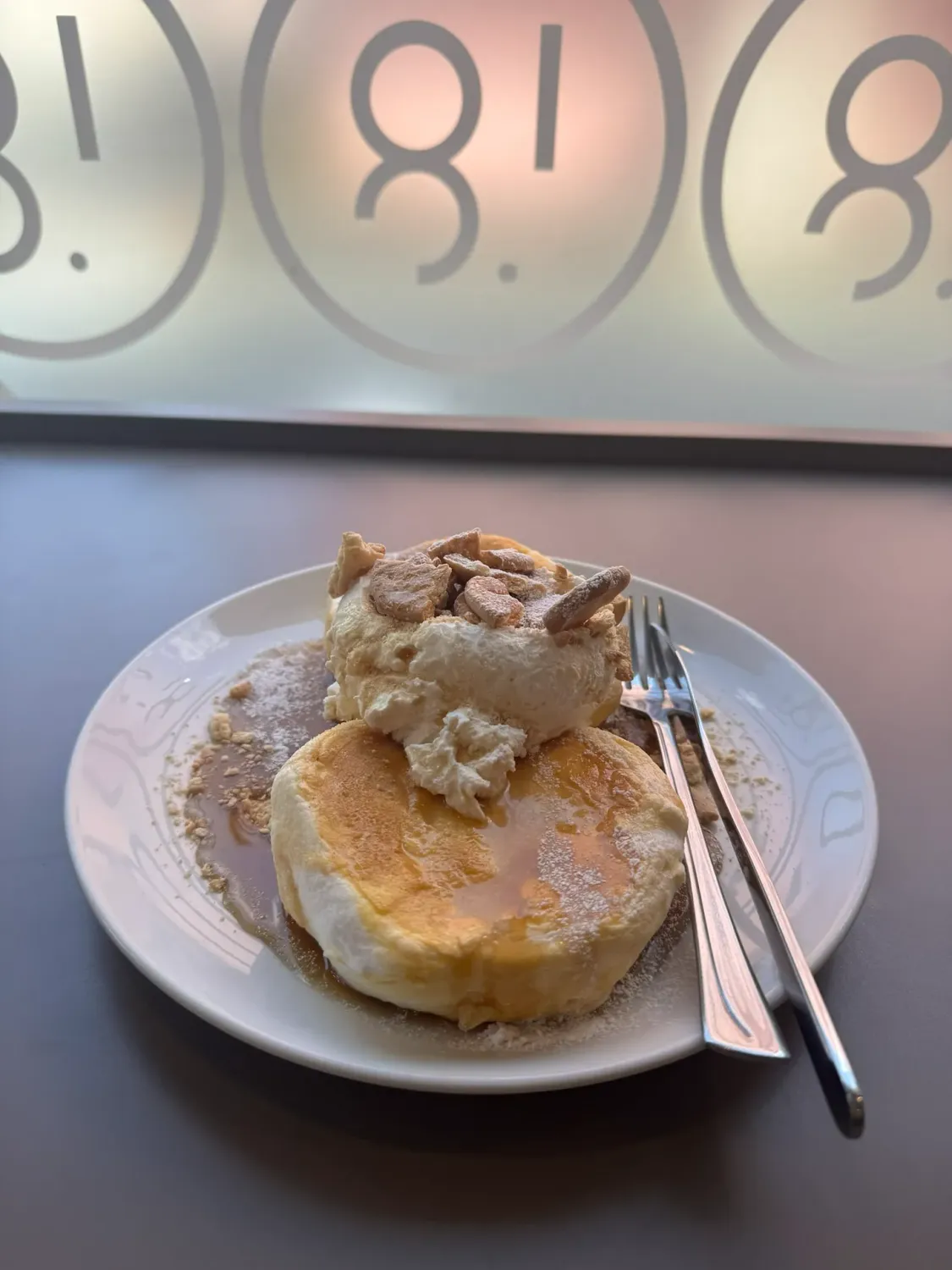
For dessert, we went to Cafe Stand 108.
They’re known for fluffy pancakes.
We ordered two kinds:
Chocolate Daifuku
Maple Syrup Biscuit
They took about 10 minutes to arrive, which is fast for fluffy pancakes & cost 1550¥.
Very soft and airy.
Back to Fukuoka
Around 4 PM, we headed back to Fukuoka.
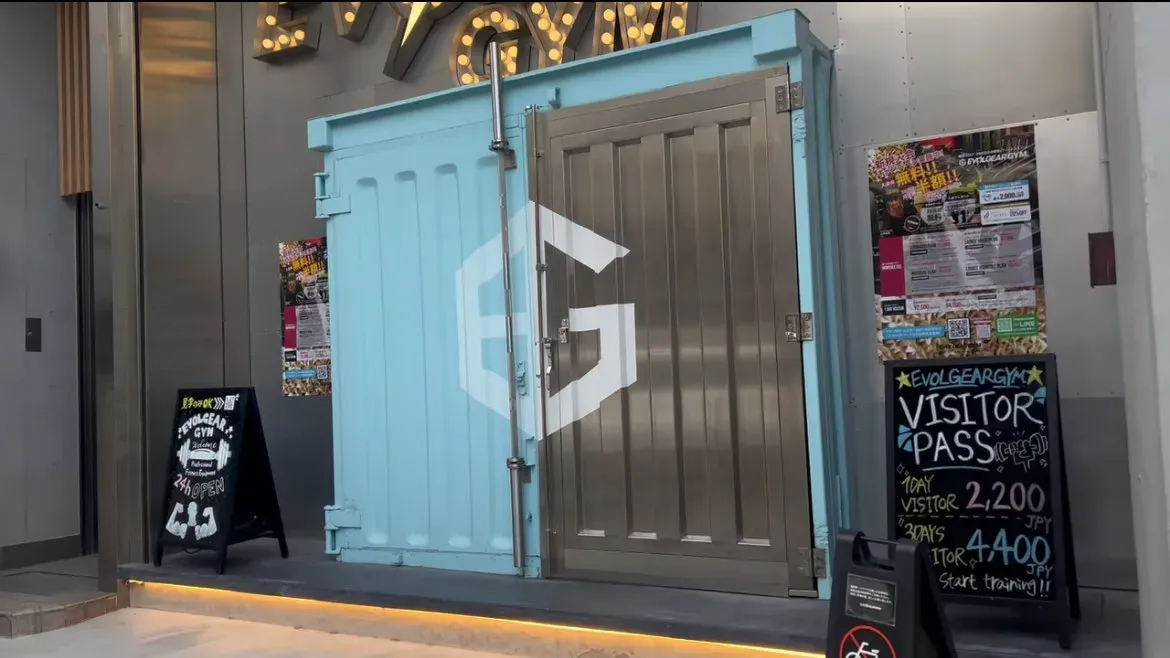
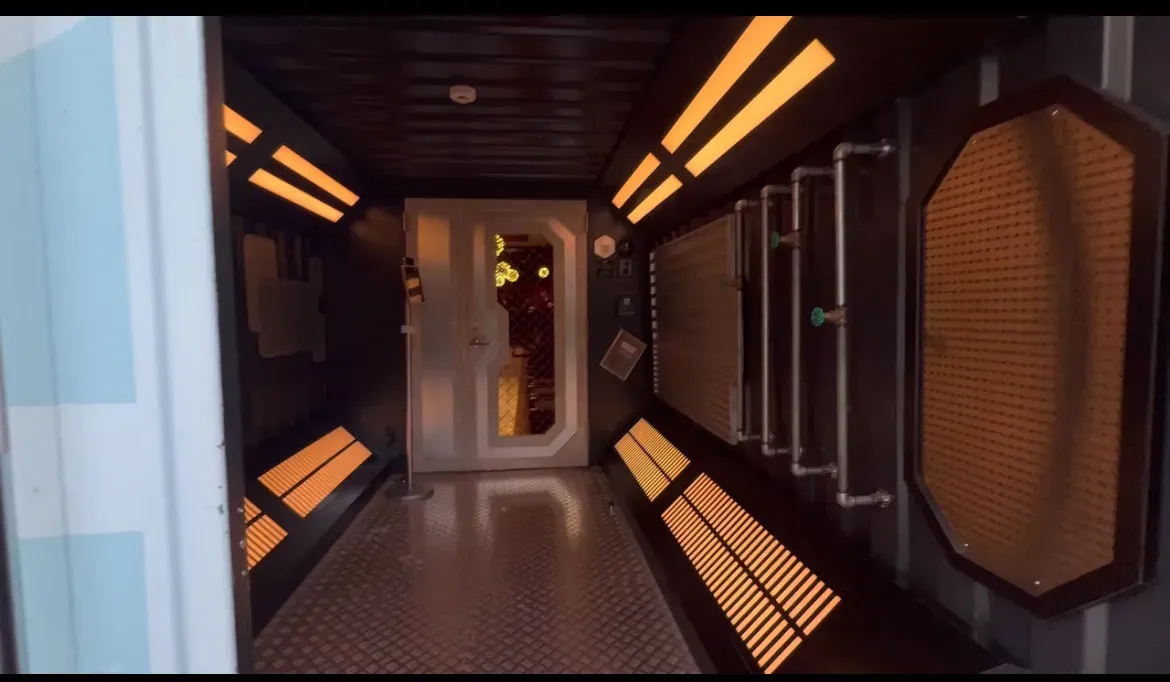
We still had energy, so we went to Evolgear Gym.
The entrance alone looked impressive.
Dinner – Ramen Ichimujin
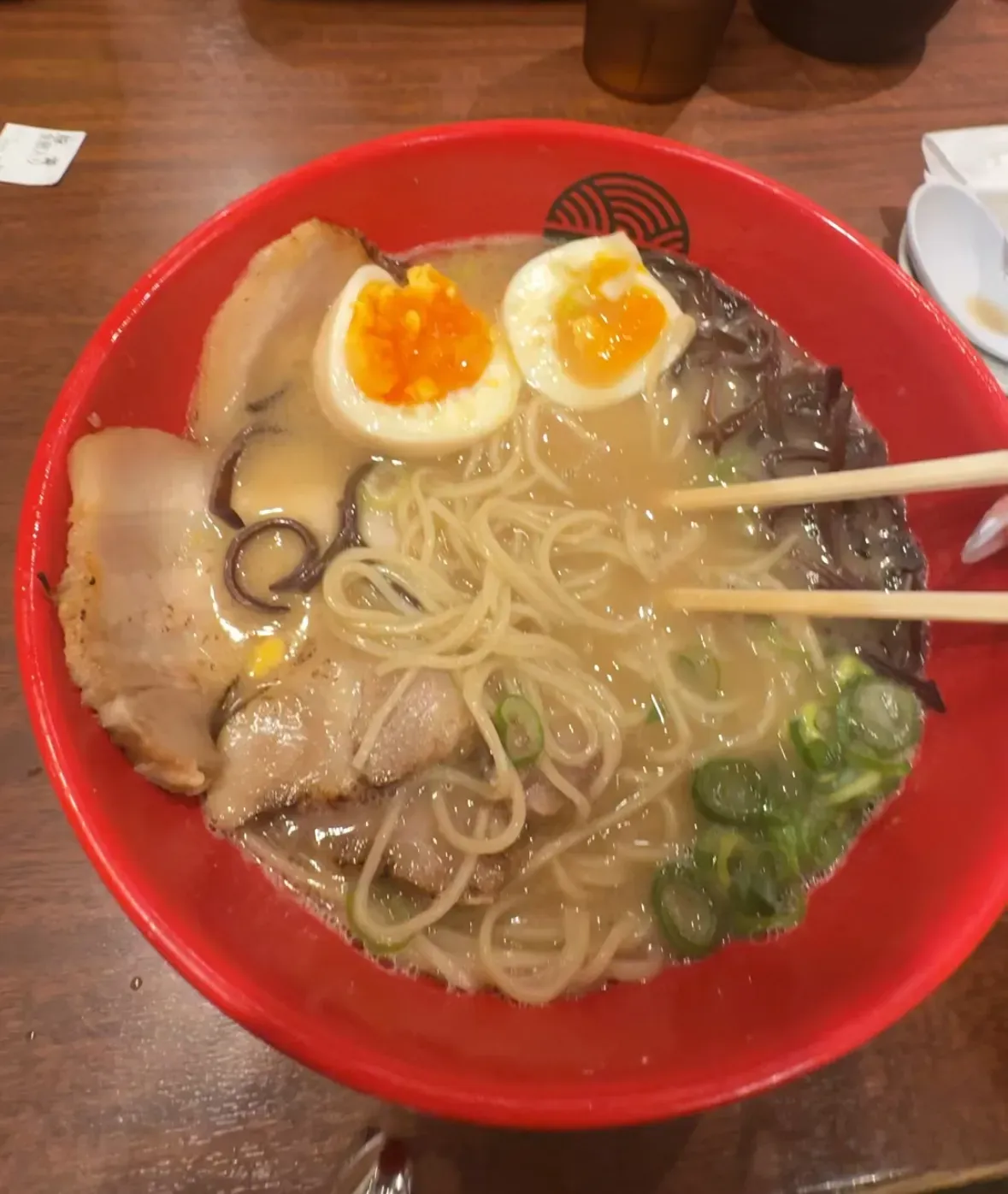
To finish the day, we ate at Ramen Ichimujin Gofukumachi near our Airbnb.
Cost 1220¥.
It was the best ramen I had during the trip. (and probably EVER)
We also tried their Mentaiko Mazesoba.
Mazesoba is a brothless ramen. Thick noodles topped with sauce, minced meat, egg yolk and seaweed. You mix everything before eating.
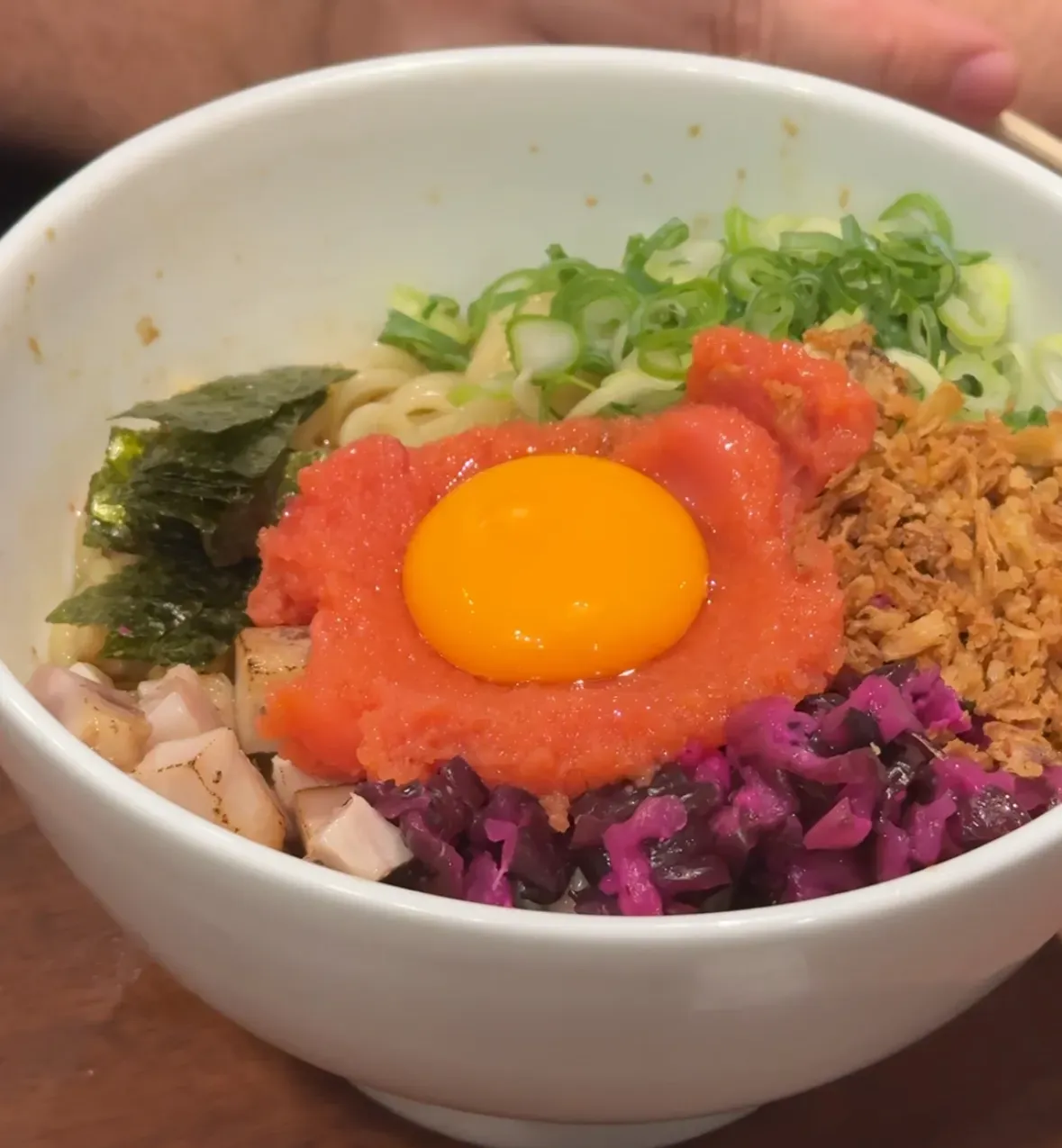
The mentaiko version adds spicy cod roe, making it creamy and salty.
Mazesoba originated in Nagoya and was inspired by Taiwan ramen. It was created by a Taiwanese chef living in Japan, which is why it’s often called Taiwan-style mixed noodles.
Day 16 – Bike Road Trip
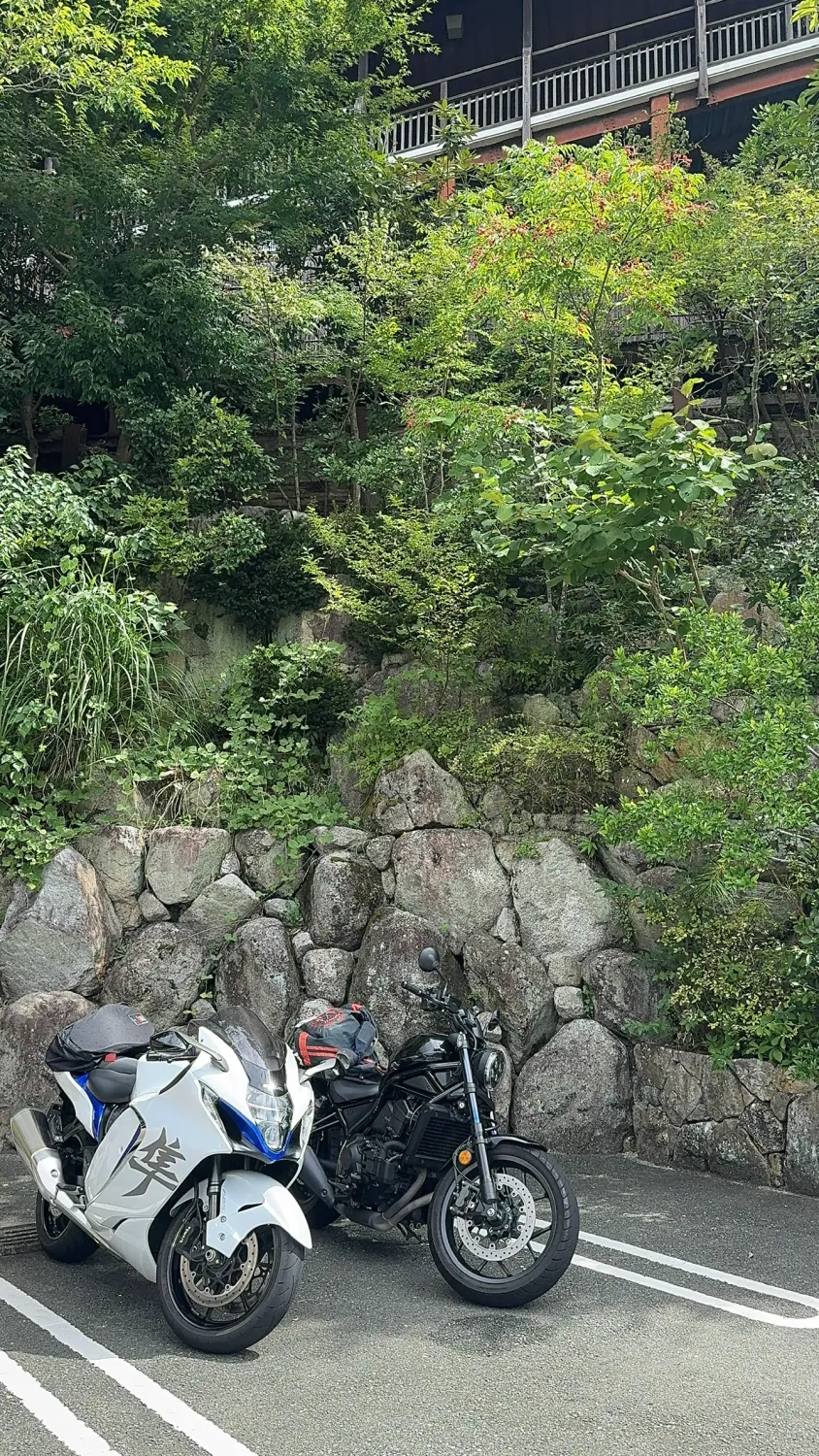
This was one of the days I was waiting for the most: our bike trip across Kyushu.
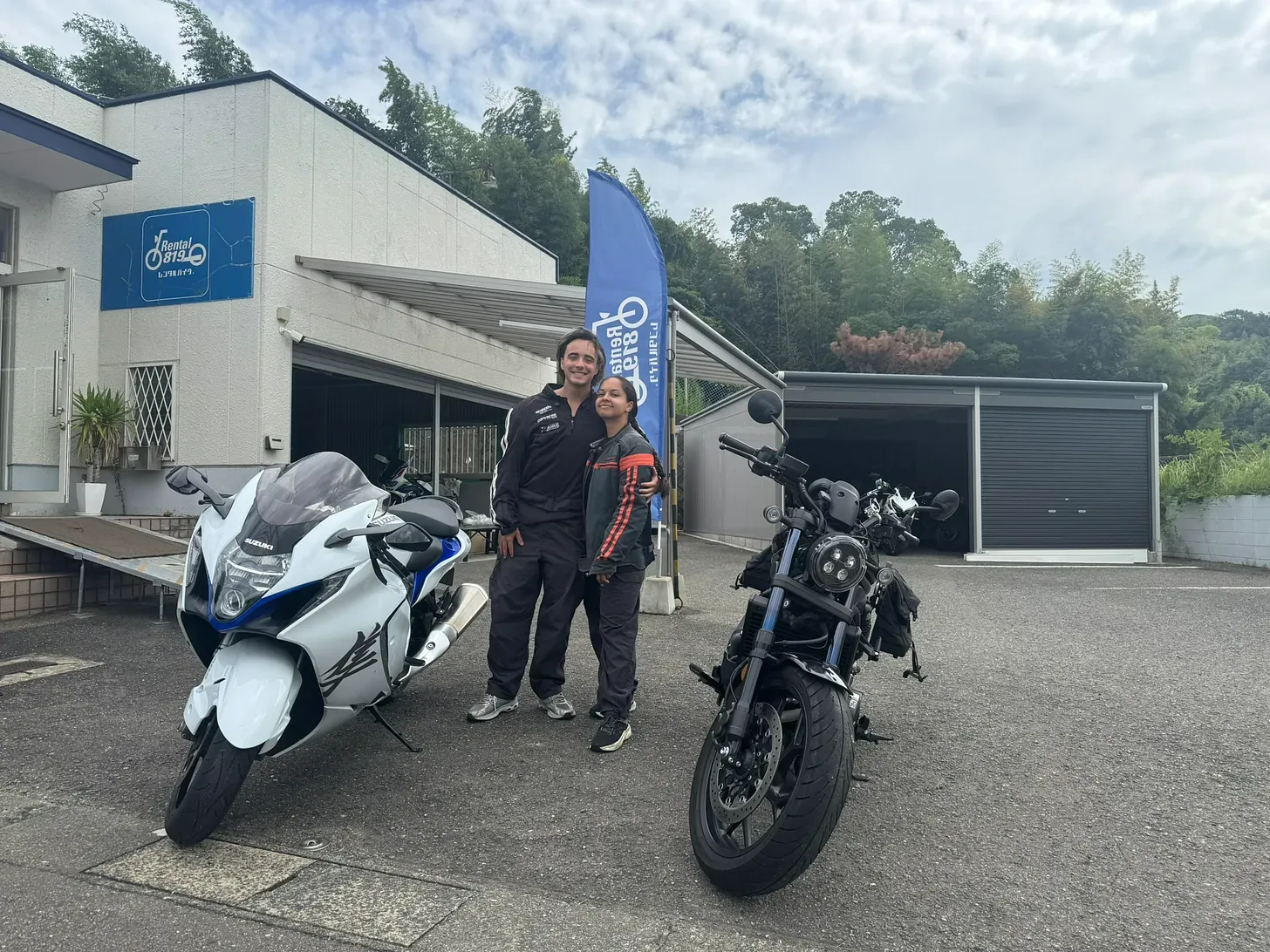
We rented from Rental819 Fukuoka Airport about a month and a half before the trip.
I rode a Honda Rebel 1100.
My boyfriend had a Suzuki Hayabusa.
Price for the full day + insurance:
24,000¥ for the Honda Rebel
26,000¥ for the Hayabusa
The rental process was very smooth. All documents were submitted online in advance, so once there it took barely 20 minutes.
They provided helmets, gloves and jackets.
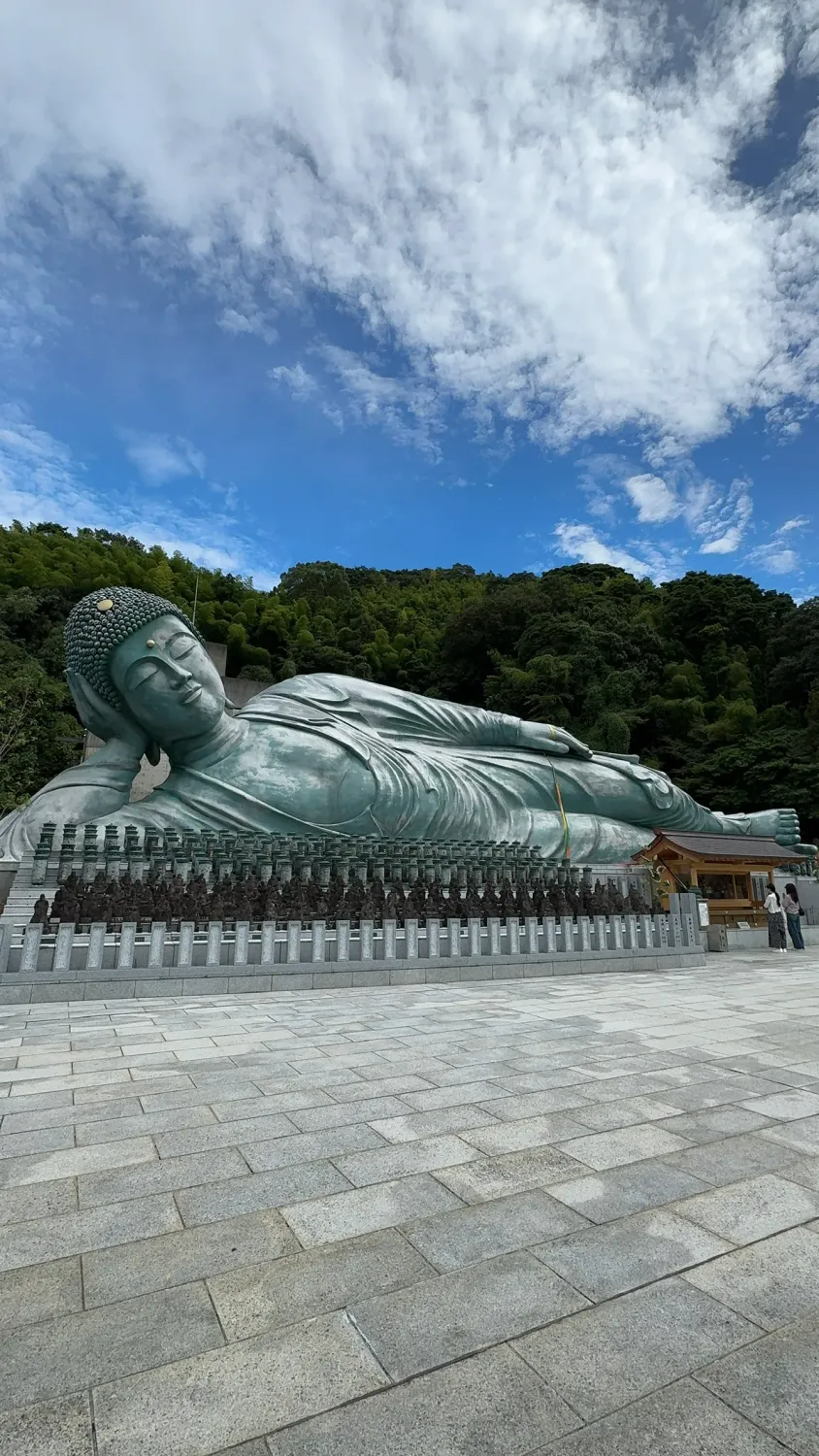
Nanzoin Temple
First stop: Nanzoin Temple.
It’s famous for having one of the largest bronze reclining Buddhas in the world, over 40 meters long.
The temple is surrounded by greenery and feels calm. Good start to the day.
Lunch – North Mountain Restaurant
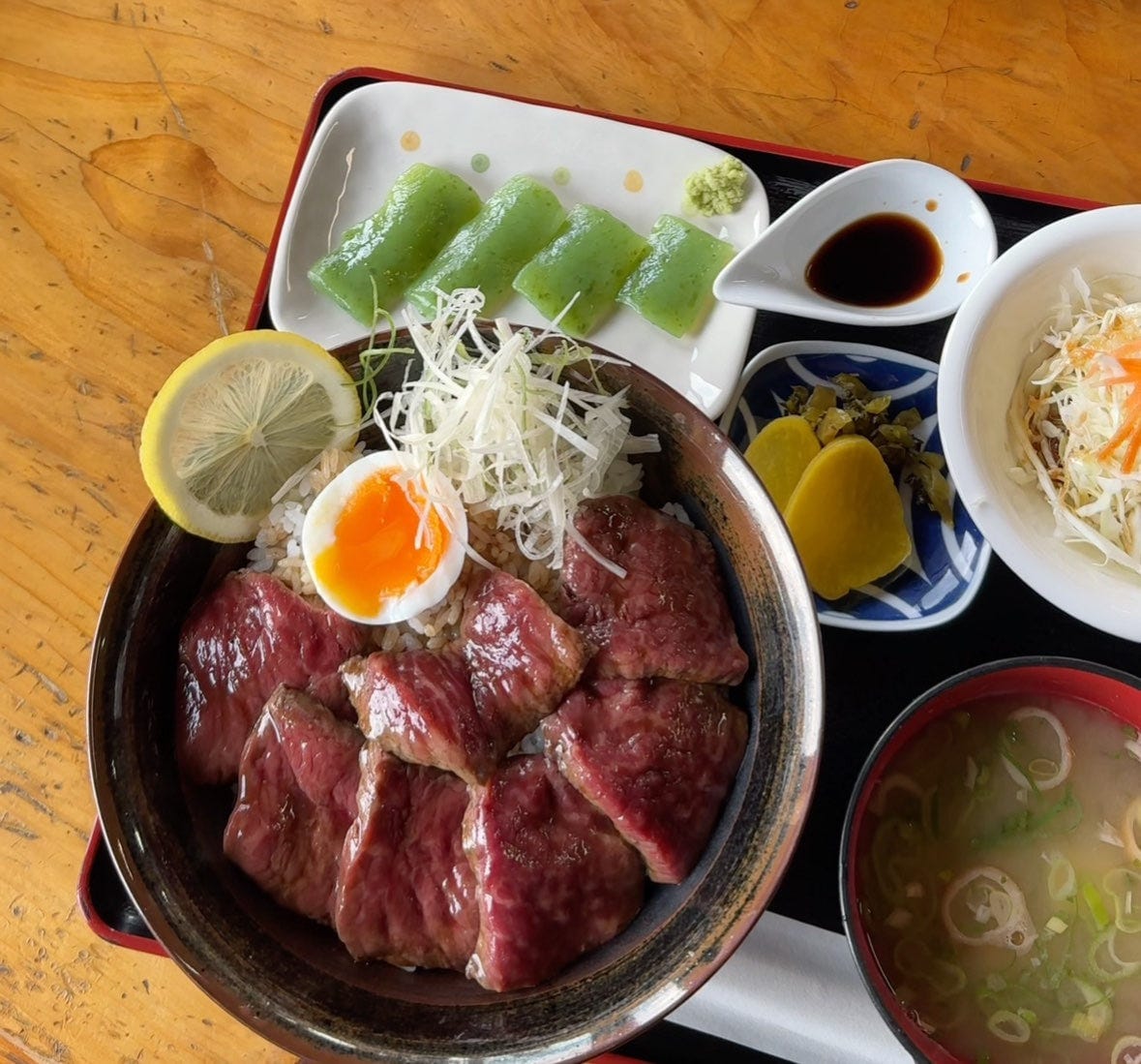
We stopped at North Mountain Restaurant.
It’s rider-friendly and has a small shop selling local Kumamoto products. The view of Mount Aso from there is very nice.
We had beef lunch for 2850¥.
Cash only.
Stops Along the Way
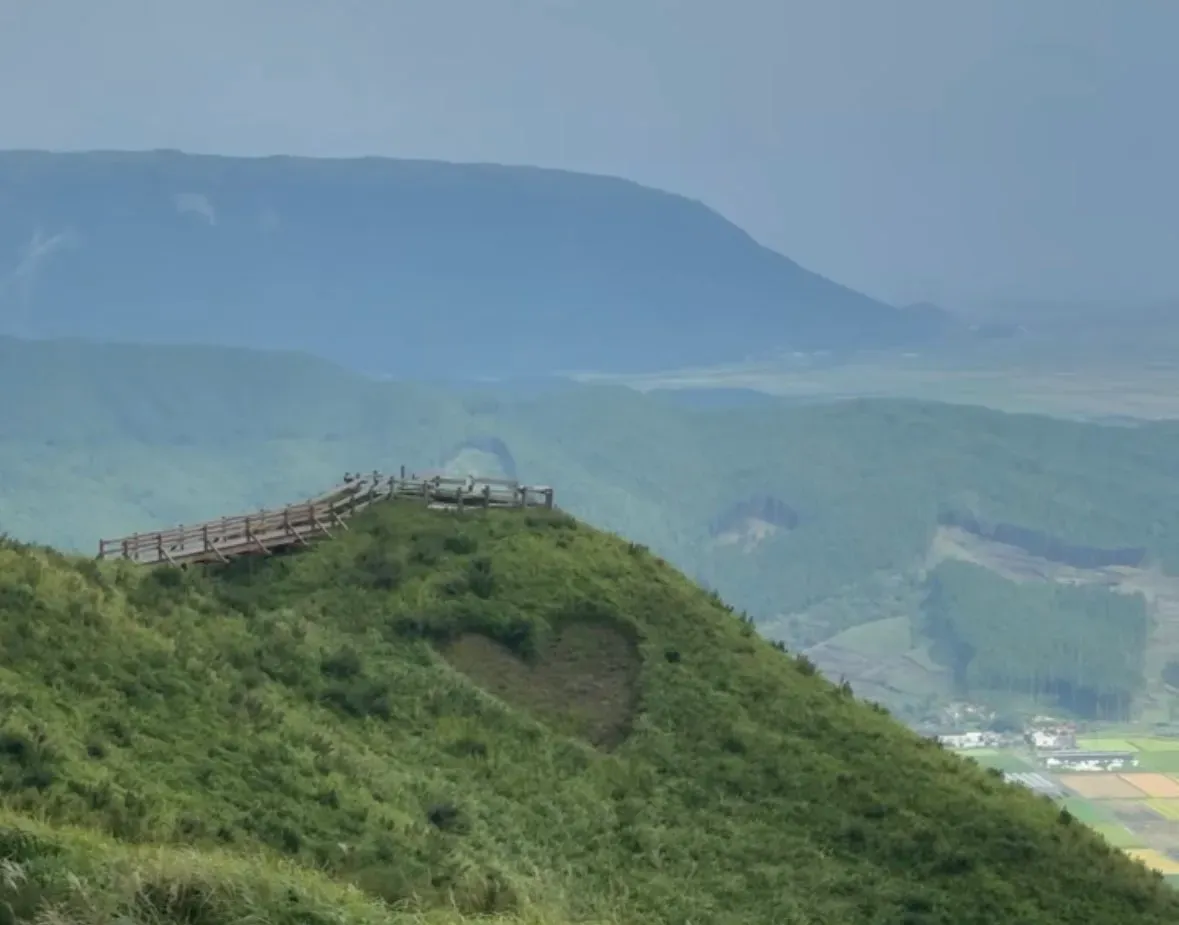
We continued along Milk Road.
We stopped at the Zoro statue from One Piece.
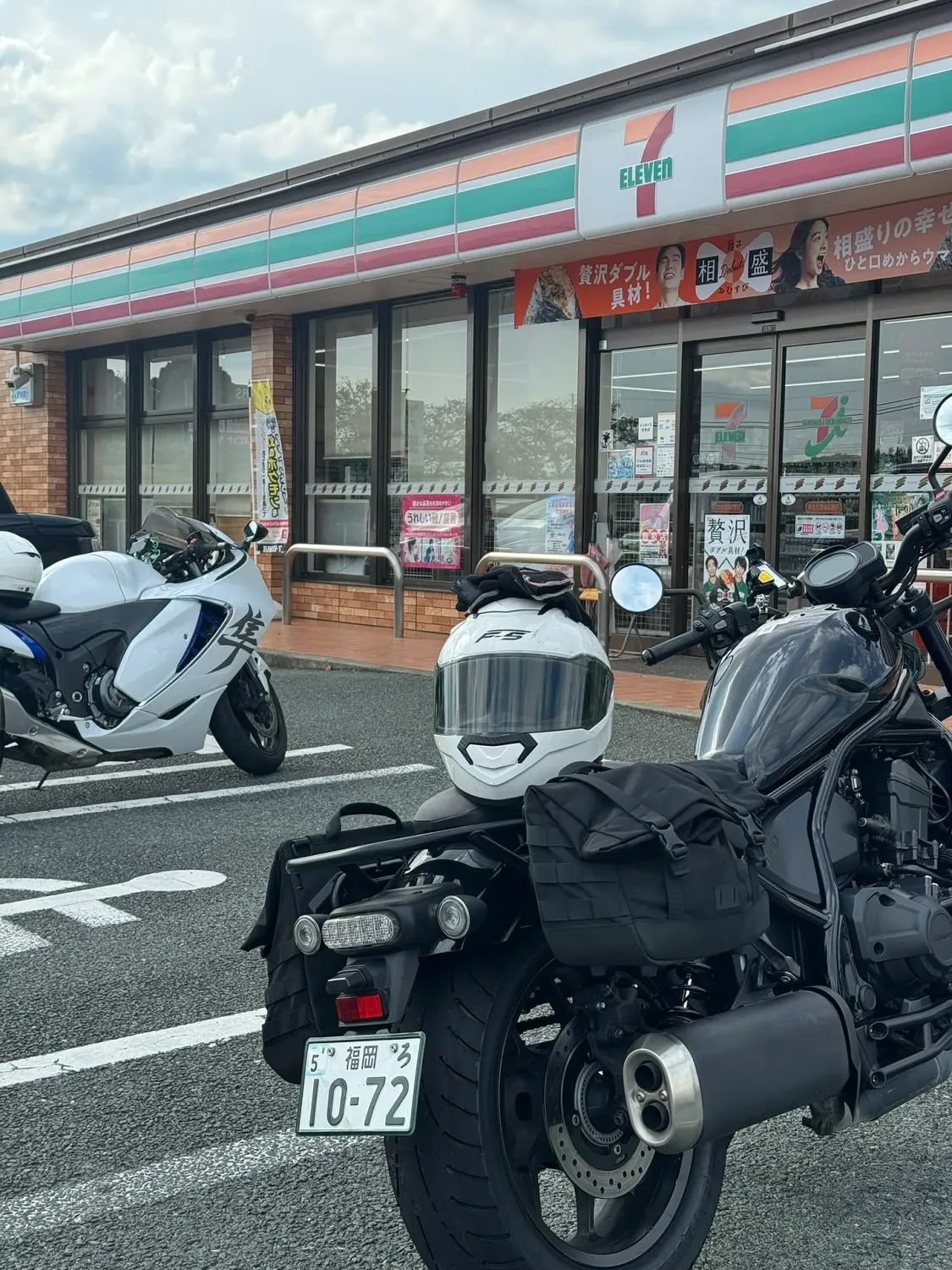
Also stopped at a 7-Eleven for photos.
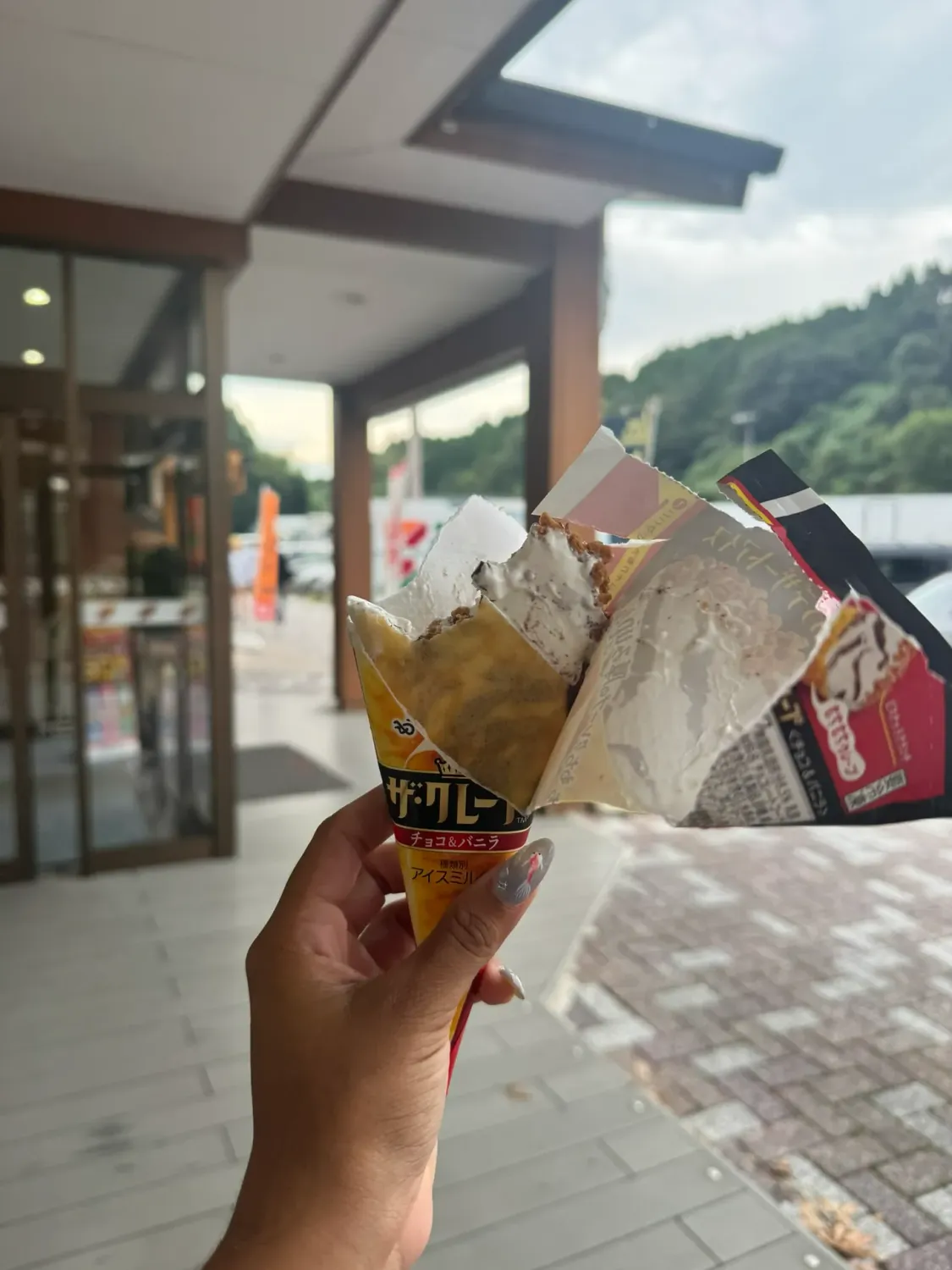
Later we took a short break at a rest area for ice cream (the best ice cream btw!!!)
Kora Taisha Shrine
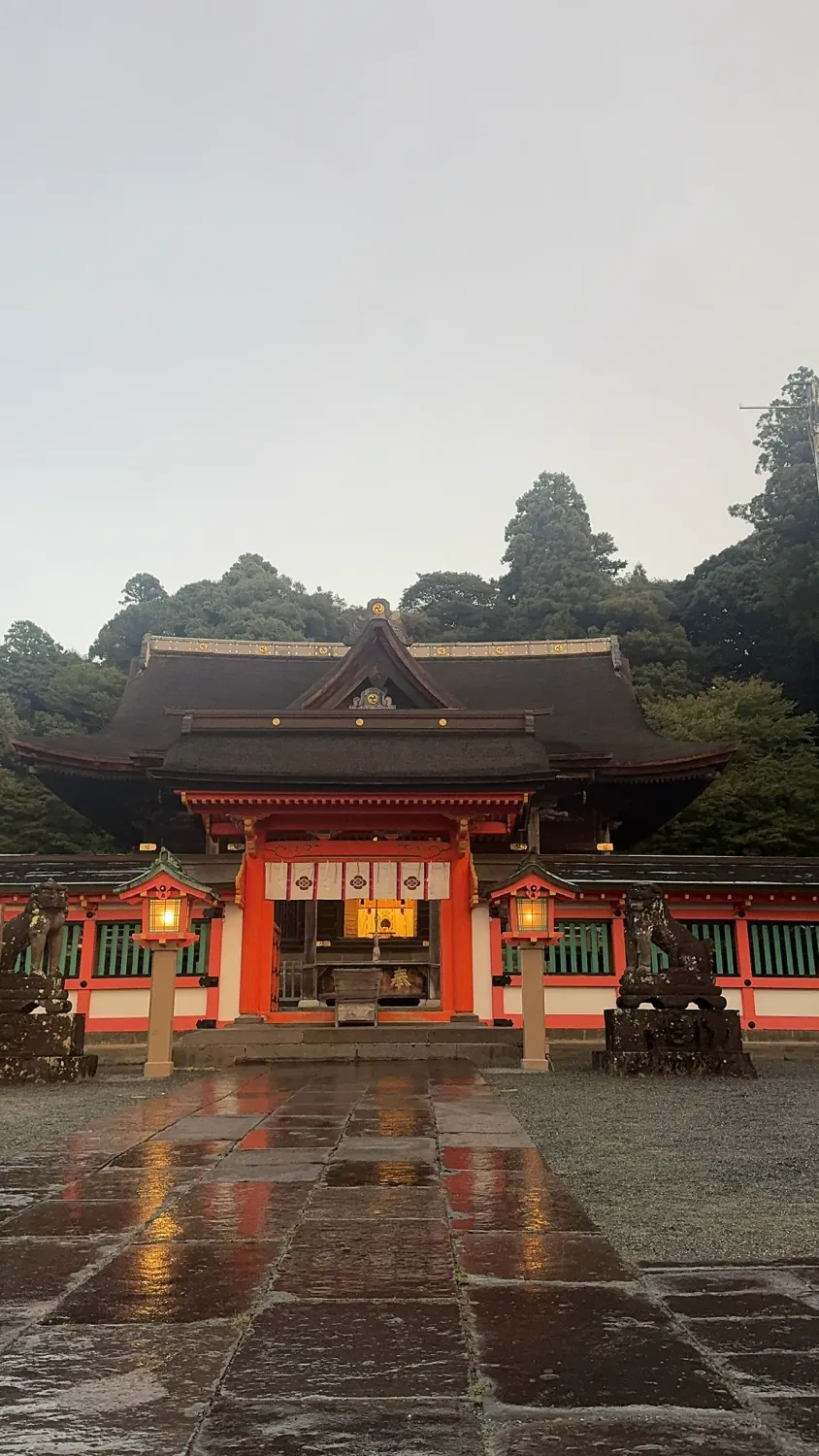
Last stop: Kora Taisha Shrine.
One of the oldest shrines in Kyushu.
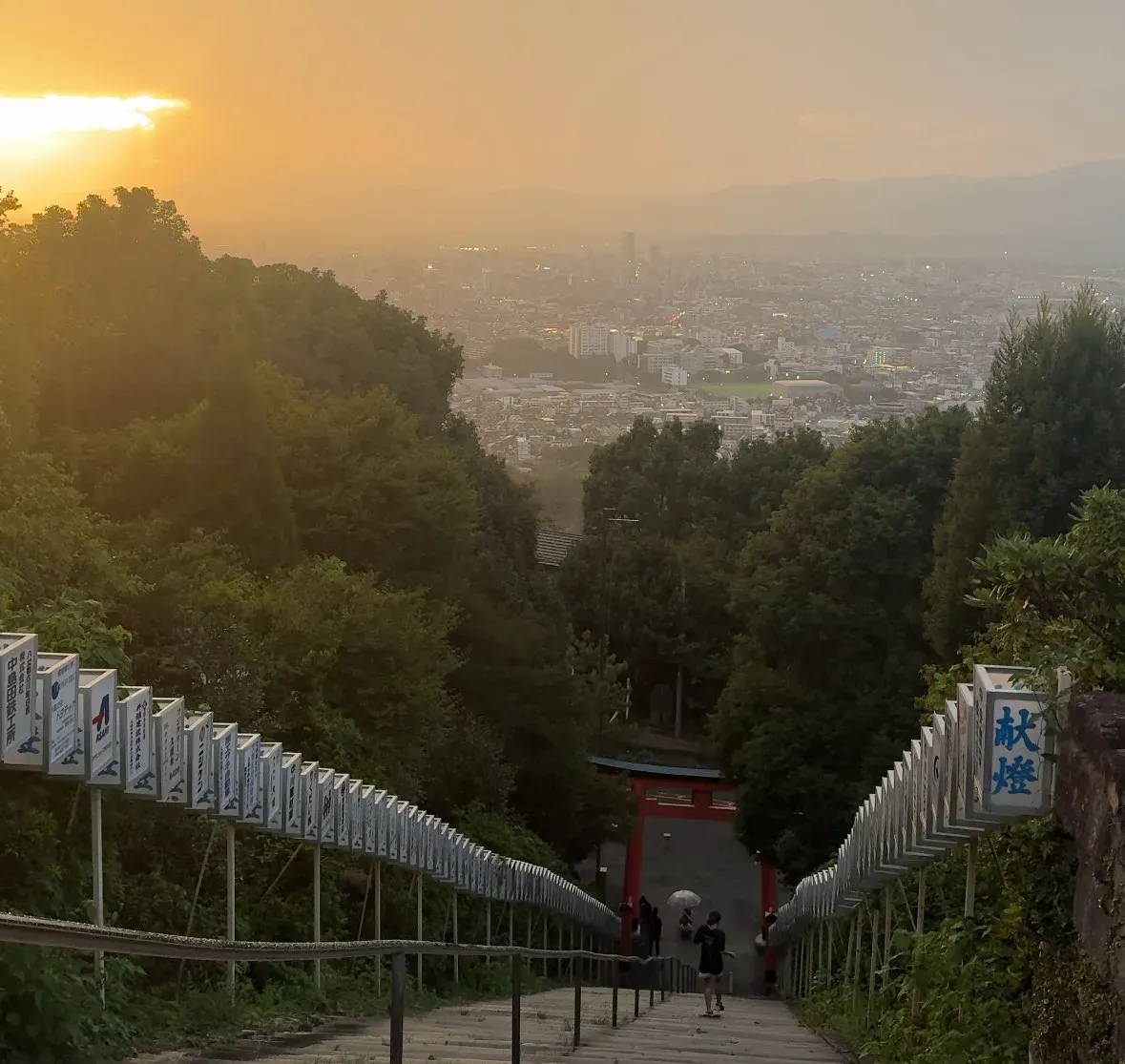
The road there was beautiful but rainy.
Even with the rain, the sunset view was really nice.
I wanted to stay longer to see it lit up at night, but we were running out of time.
Back to Fukuoka
We returned around 7:15 PM.
We were soaked but happy.
The staff at the rental shop were very kind. I would rent from them again.
By the end of the day, my butt was completely dead after hours on the bike
Dinner
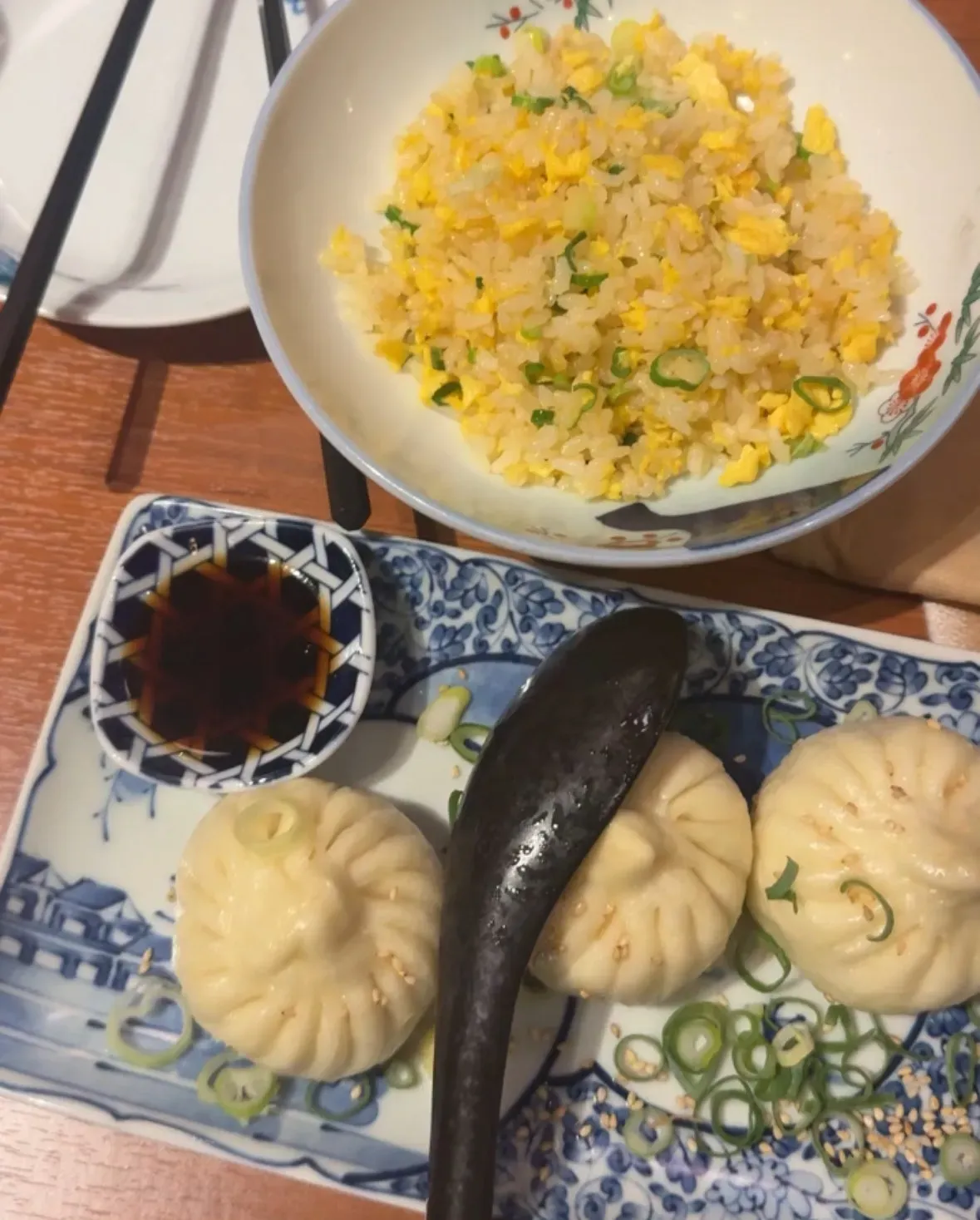
We had dinner at a Chinese restaurant called 蜀彩菜.
I ordered fried rice and Shanghai-style grilled bao buns.
They’re crispy on the bottom and juicy inside.
I first tried them in Hong Kong and I’m still obsessed.
Day 17 – Day Trip to Nagasaki
Another highlight of the trip: a day trip to Nagasaki from Fukuoka.
It’s about 2 hours each way, so you need to plan carefully if you want to do it in one day.
We left our Airbnb around 8 AM to catch the 8:19 train.
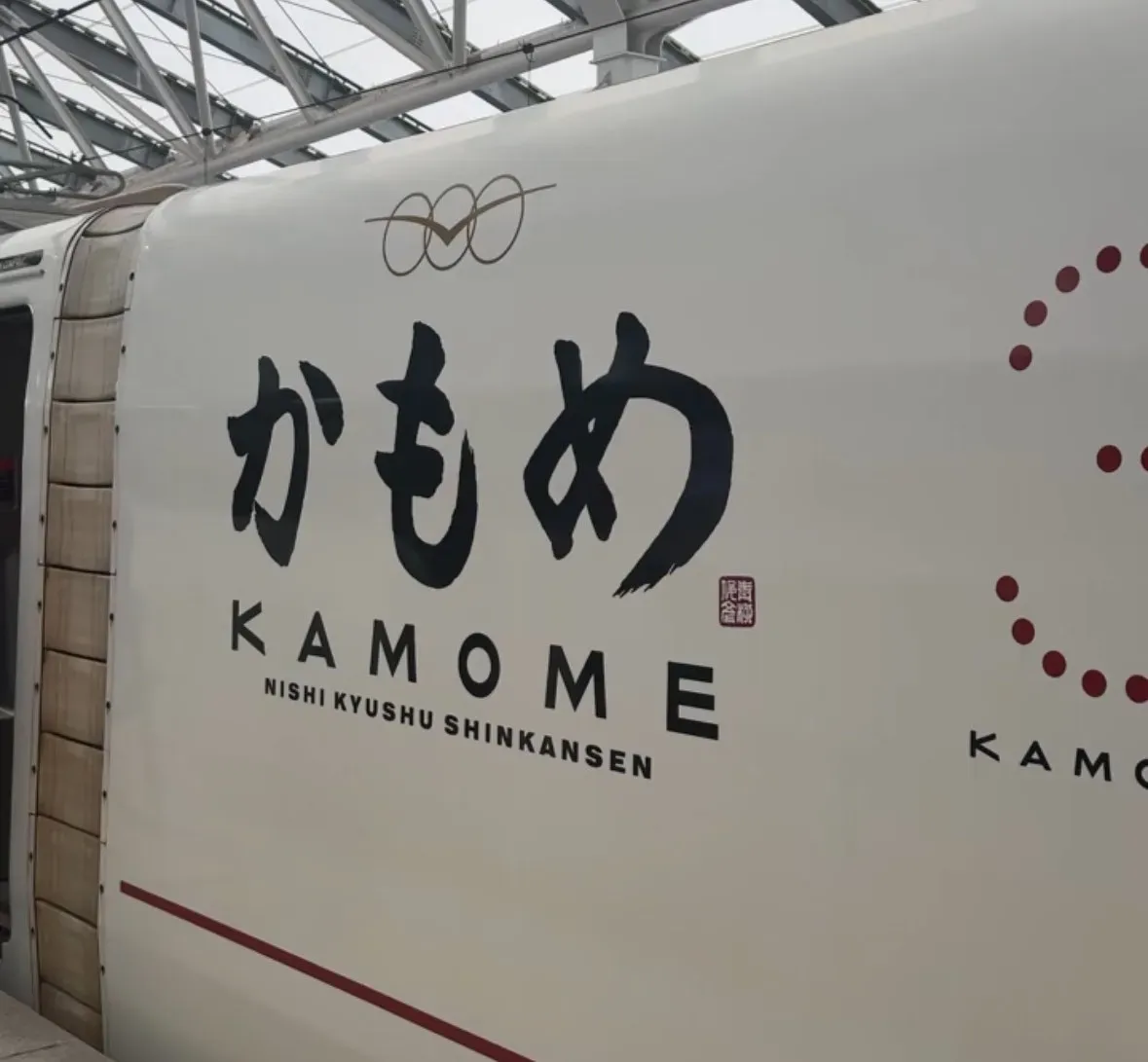
First: Relay Kamome
Transfer at Takeo Onsen Station
Then: Shinkansen Kamome
The connection is very easy. You get off on platform 9 and the next train is right in front on platform 10.
One-way cost: 6,690¥.
We arrived in Nagasaki around 10:30 AM.
Nagasaki Peace Park
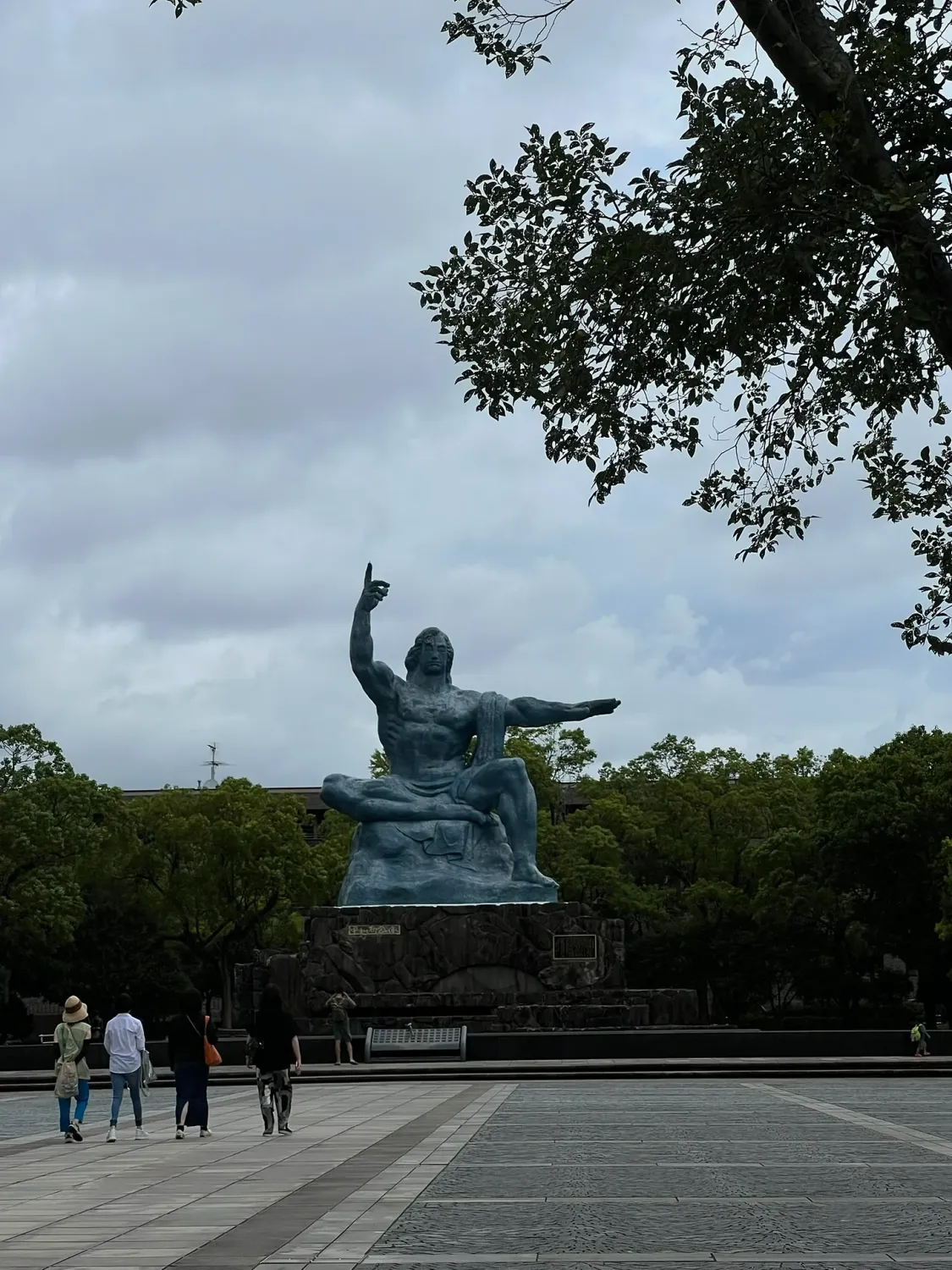
Our first stop was Nagasaki Peace Park.
It was built to commemorate the victims of the atomic bombing of August 9, 1945.
You’ll see the Peace Statue, the Fountain of Peace and messages from countries around the world.
It’s calm and reflective.
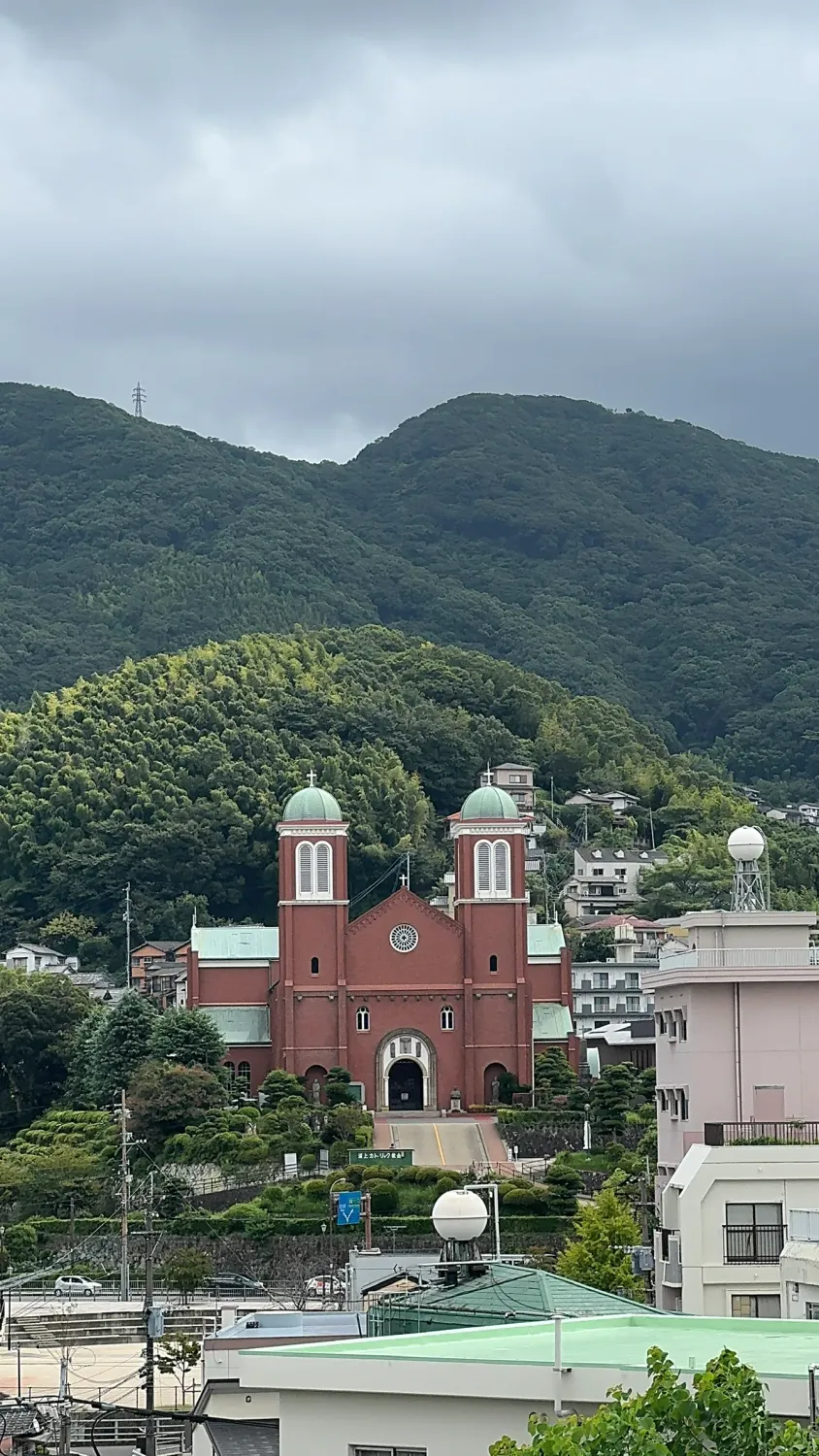
Ōura Church
Next, we visited Ōura Church.
It’s Japan’s oldest standing Christian church, built in 1864 by French missionaries. It was dedicated to the 26 Christians martyred in 1597.
Nagasaki has a strong Christian history because it was one of the few ports open to foreign trade during Japan’s isolation period. Christianity was often practiced in secret during the Edo era.
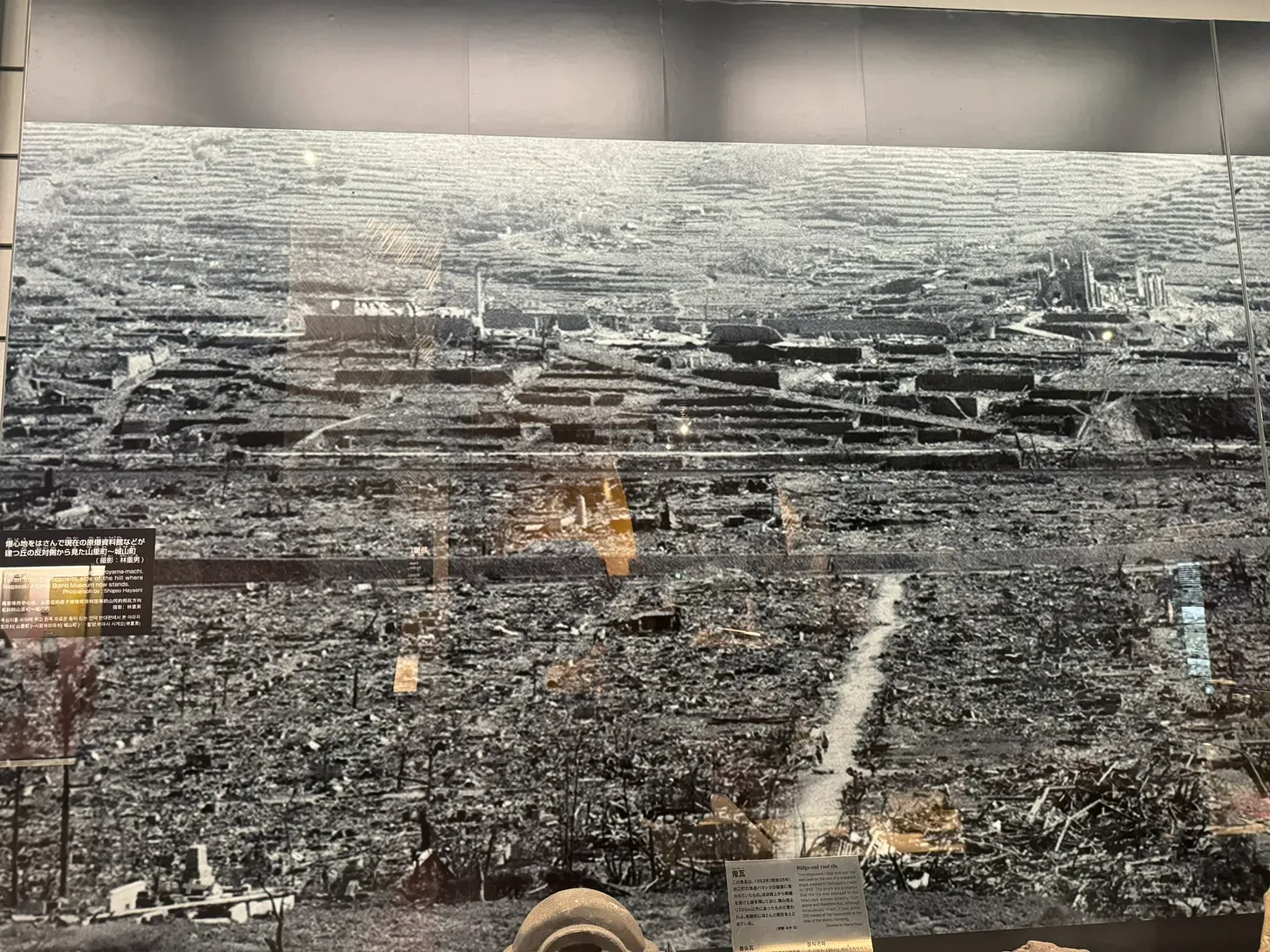
Nagasaki Atomic Bomb Museum
Then we went to the Atomic Bomb Museum, near the Peace Park.
The visit is intense. It explains the bombing, its consequences and includes testimonies and objects from survivors.
We spent about 1h30 there.
Entrance: 630¥.
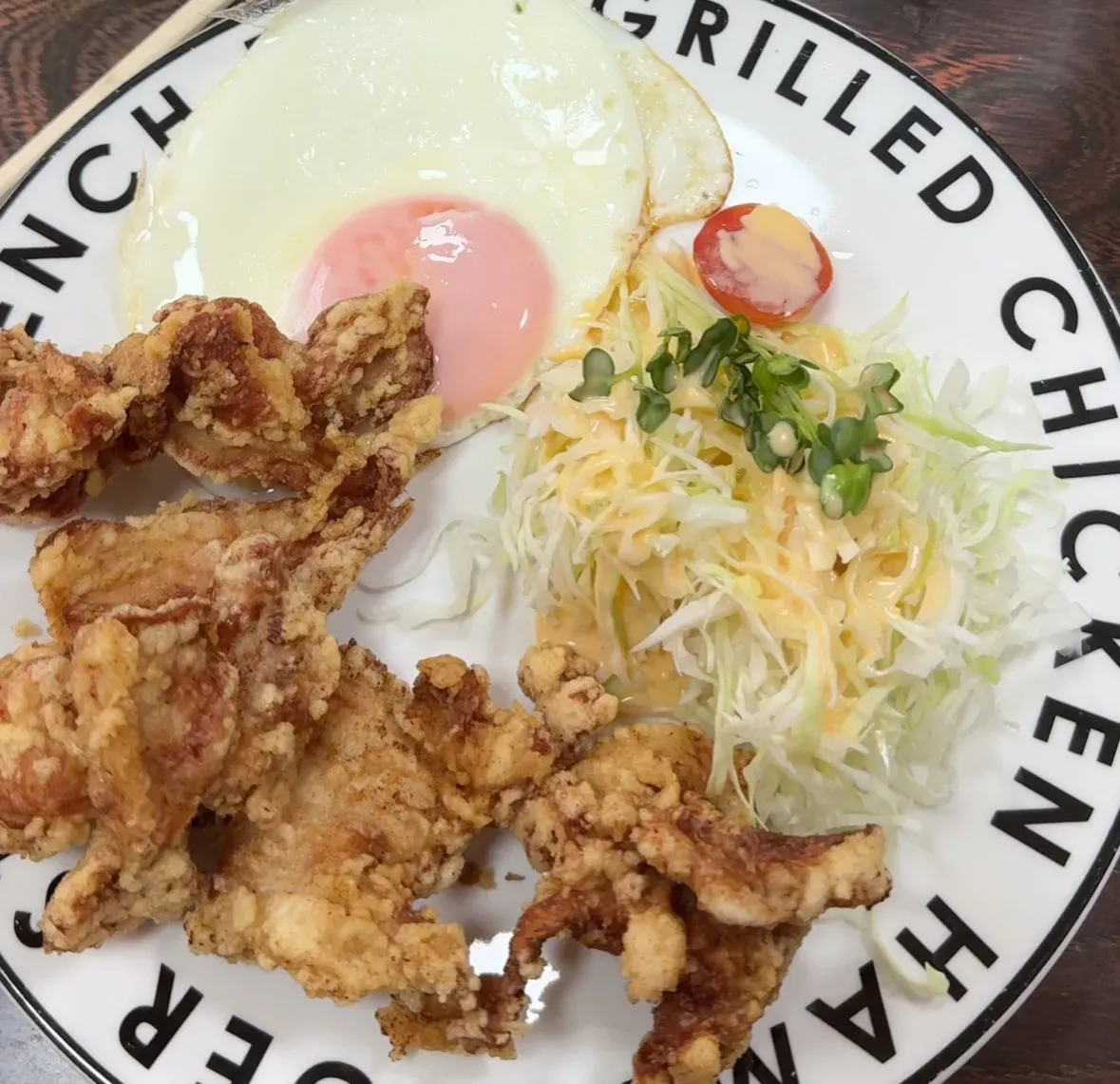
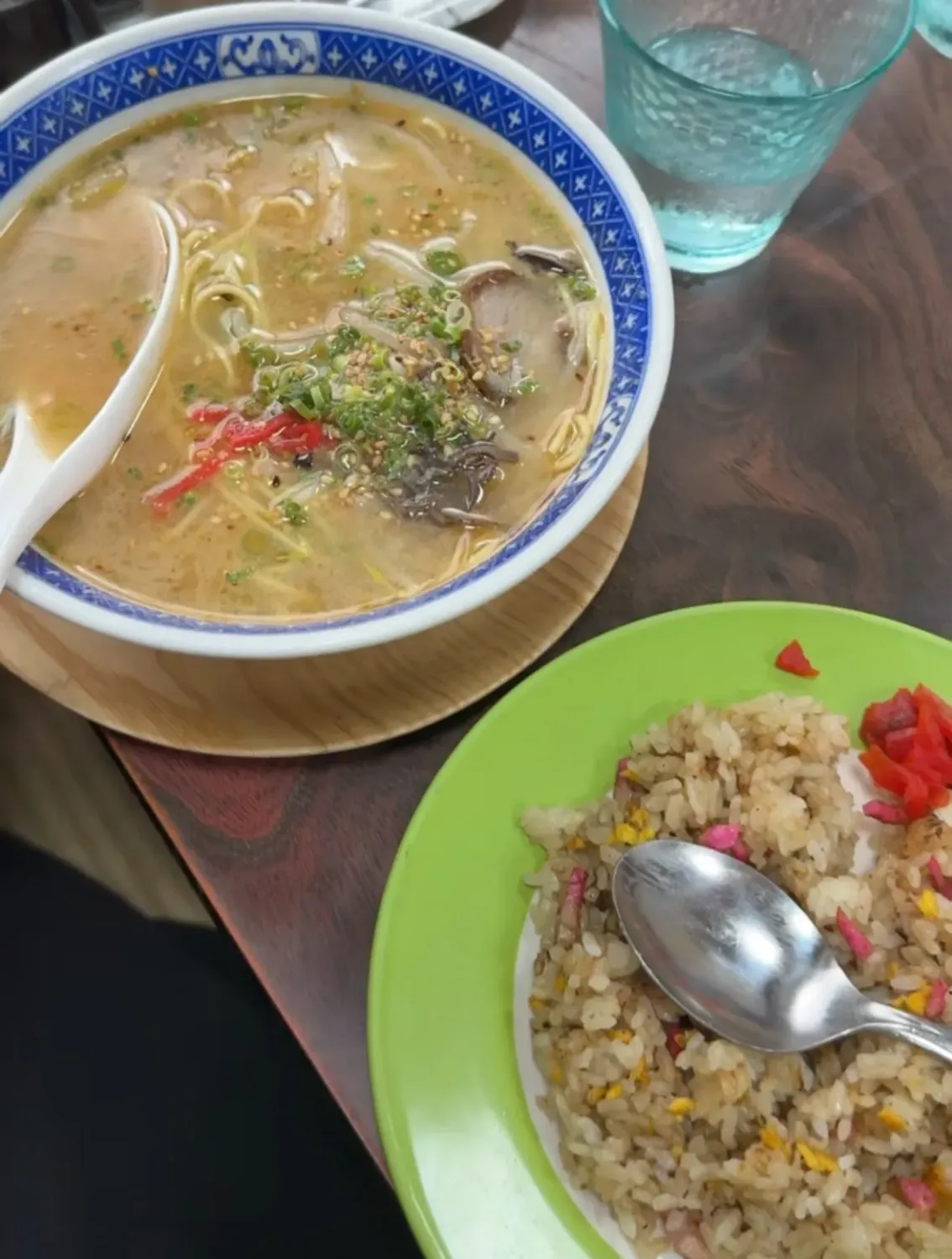
Lunch – Nakayoshi Shokudou
After the museum, we found a small local restaurant, not too far.
Simple and good. For 850¥.
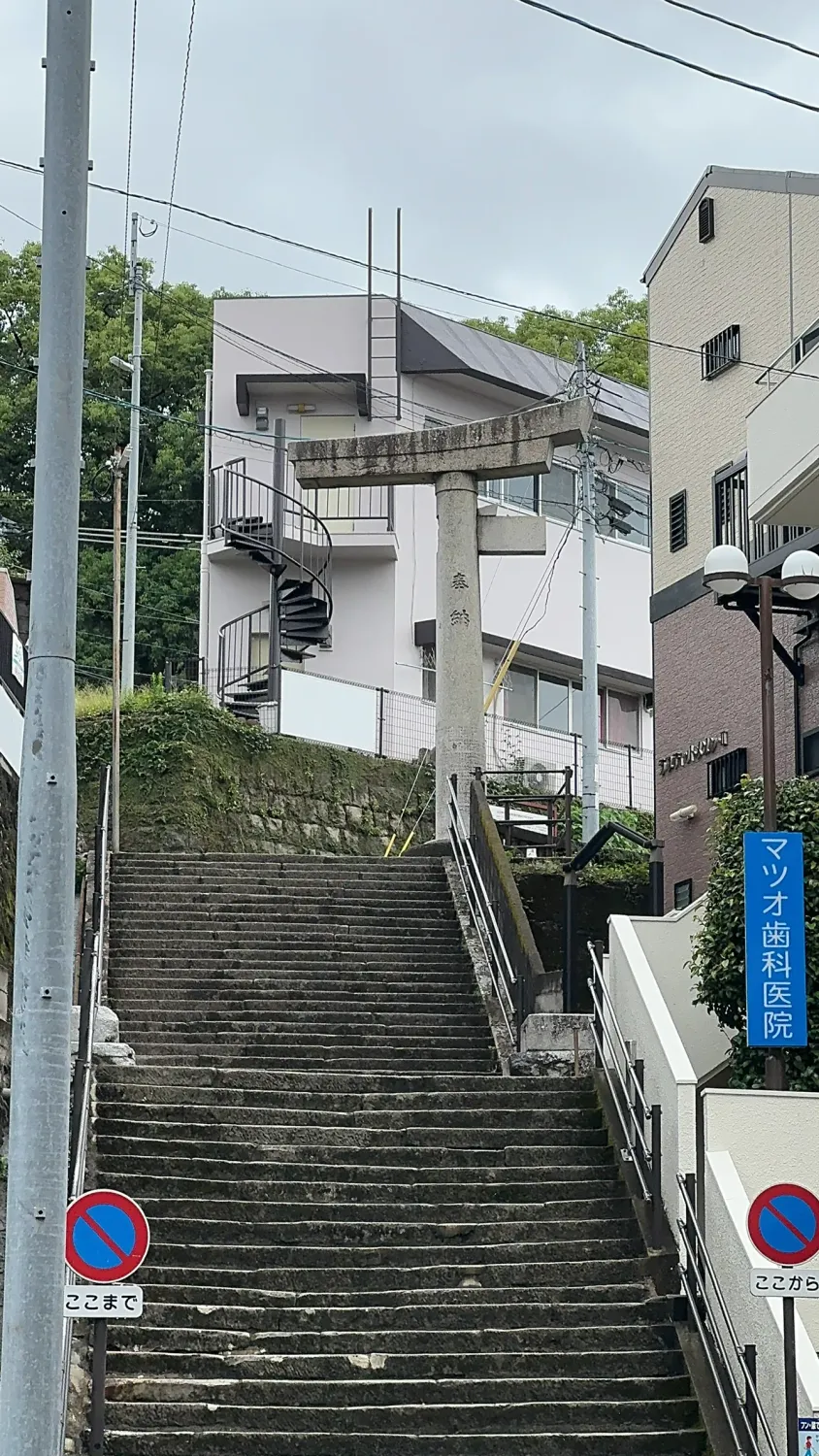
Sanno Shrine
About 10 minutes away is Sanno Shrine.
It’s famous for its one-legged torii gate.
When the atomic bomb exploded, one side of the torii was destroyed, but the other survived.
It became a symbol of resilience.
Dejima
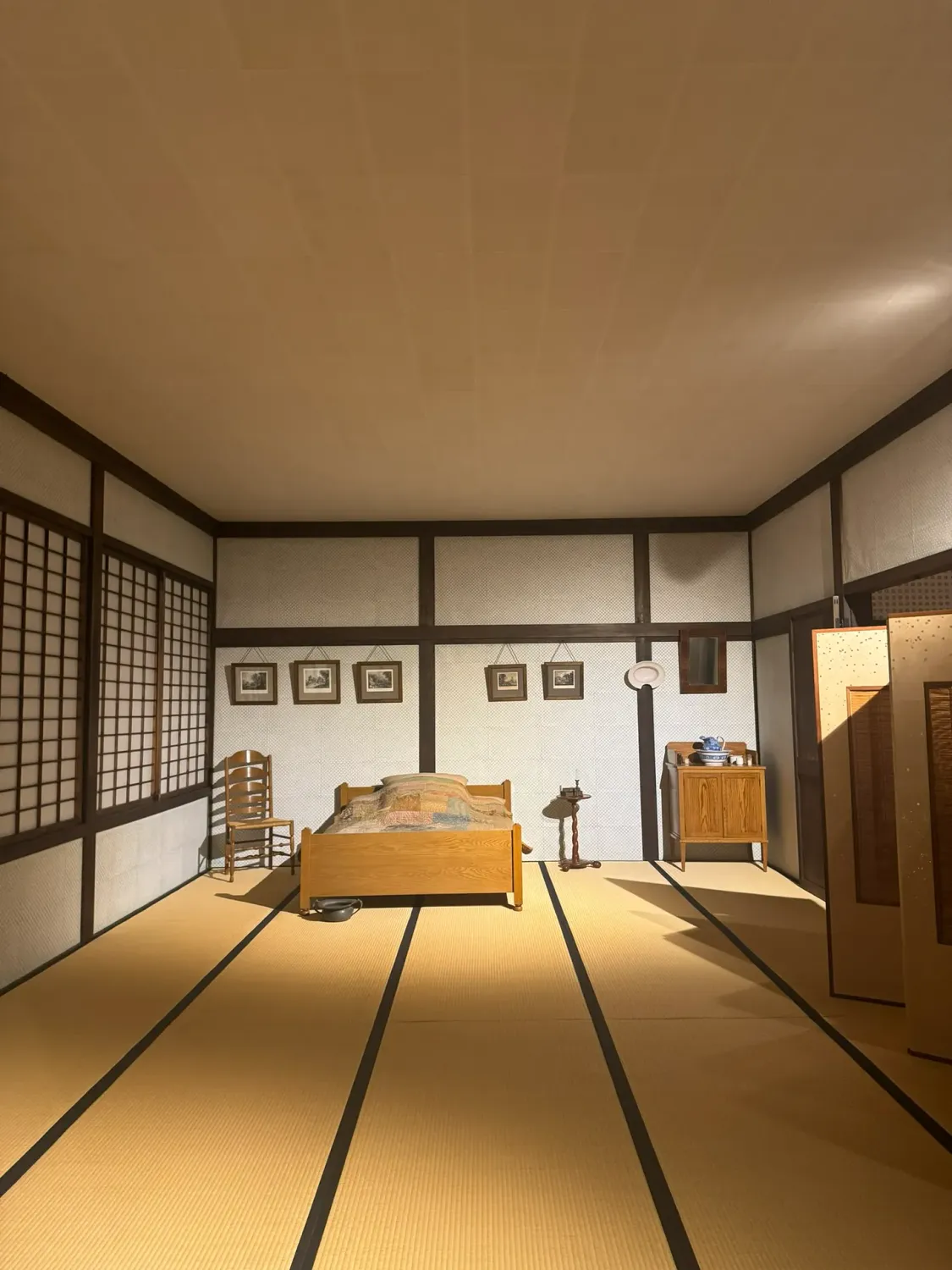
We also visited Dejima.
It’s an artificial island that used to be Japan’s only connection to the outside world during the Edo period.
From the 1600s to the 1800s, Dutch traders were the only foreigners allowed to live and trade there.
Today it’s a reconstructed open-air museum.
Entrance: 520¥.
Back to Fukuoka
We took the train back around 3 PM and arrived in Fukuoka around 5 PM.
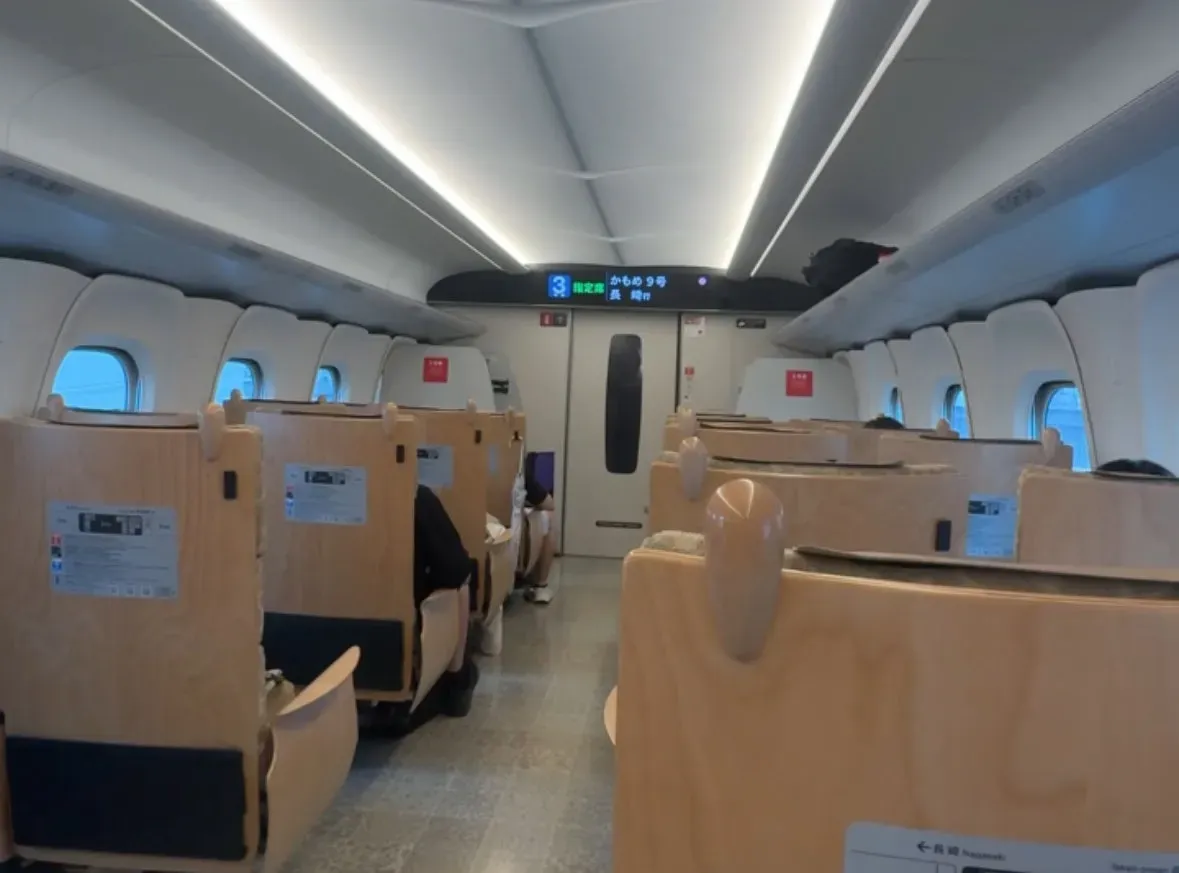
We were on Kamome 9.
The Kamome Shinkansen has a wooden interior design, which makes it feel a bit different from other trains.
Kawabata & Kobe Beef
After arriving, I walked to Kawabata Shopping Street, about 15 minutes from our Airbnb.
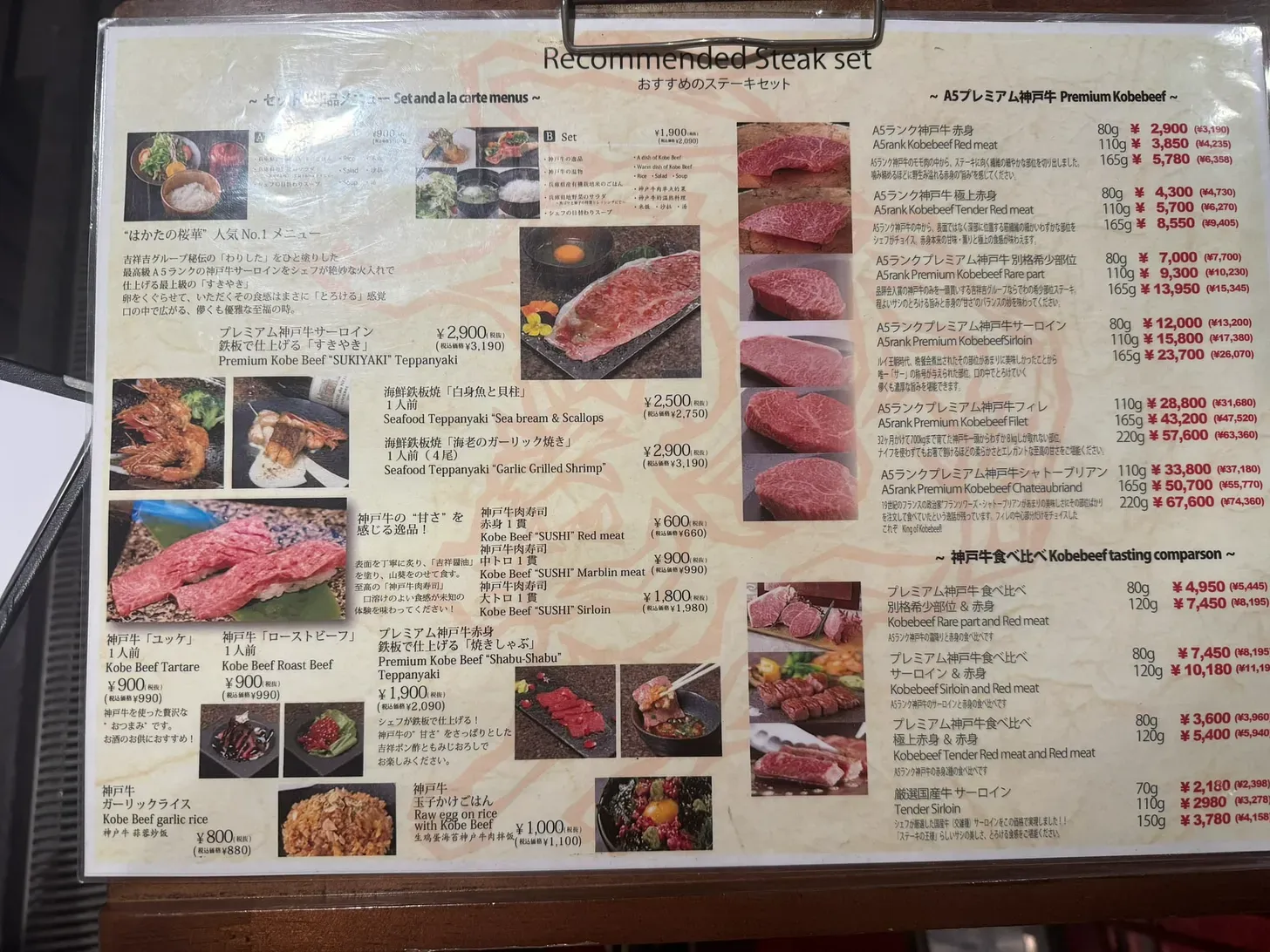
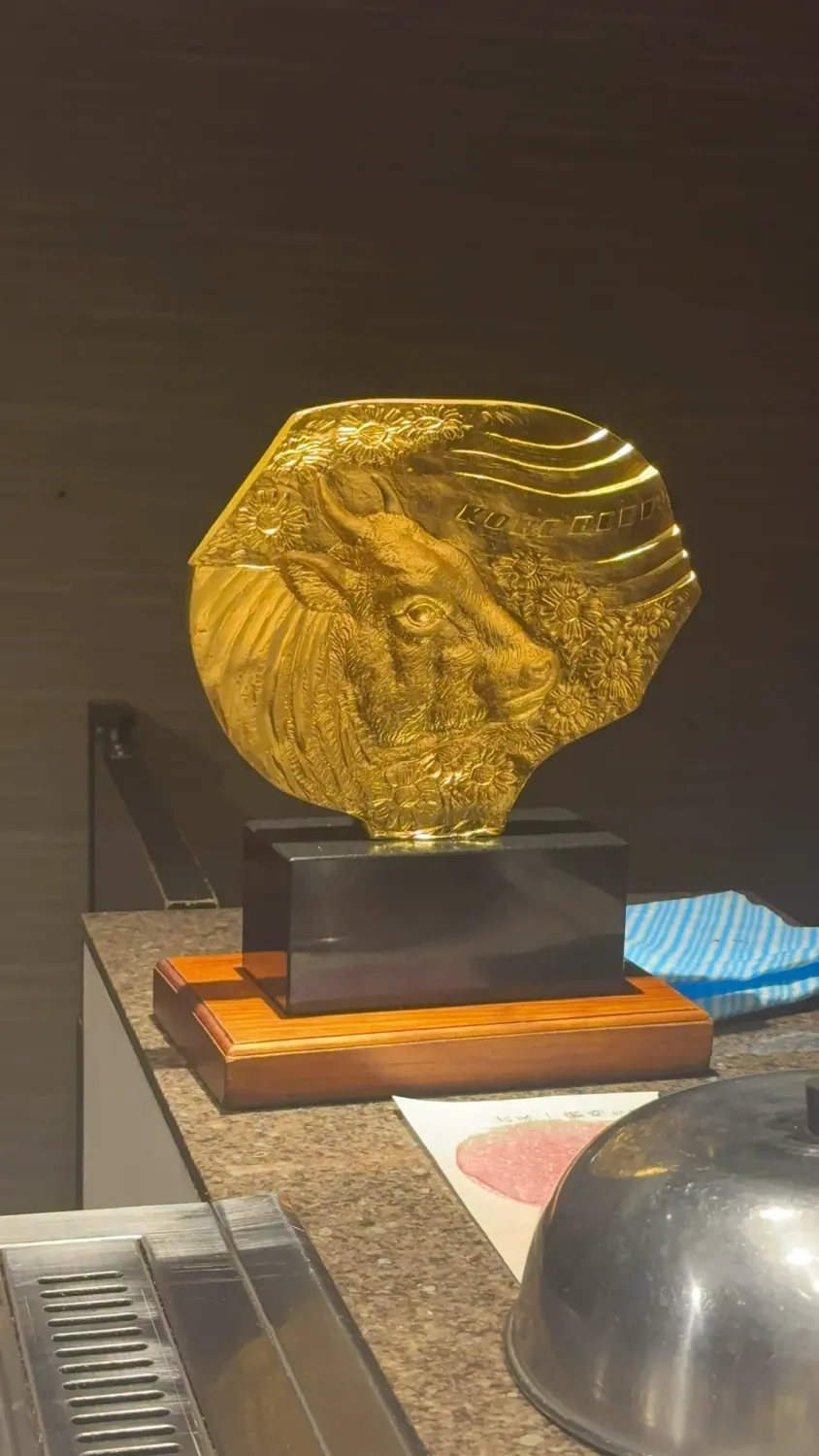
While there, I made a reservation for dinner at a certified Kobe Beef restaurant listed on the official Kobe Beef website.
Restaurant: Kobe Beef Hakatano Oka Honten.
Kobe Beef Dinner
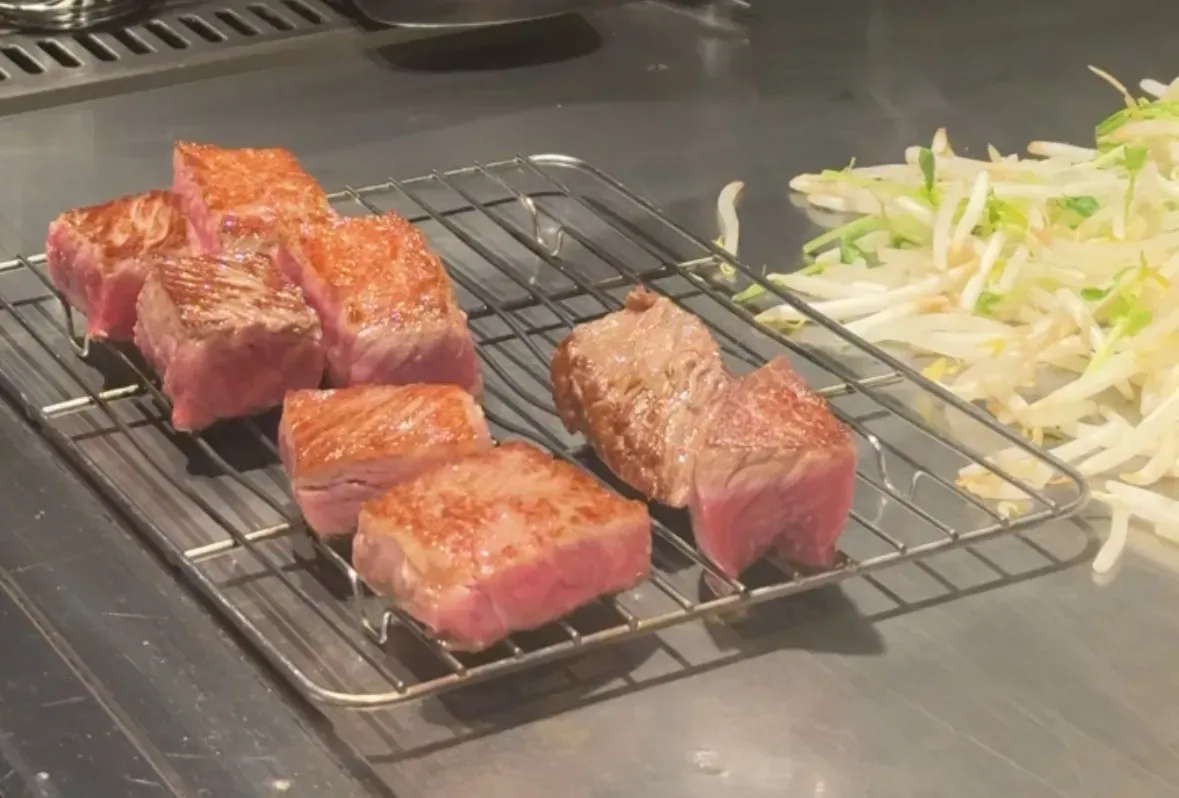
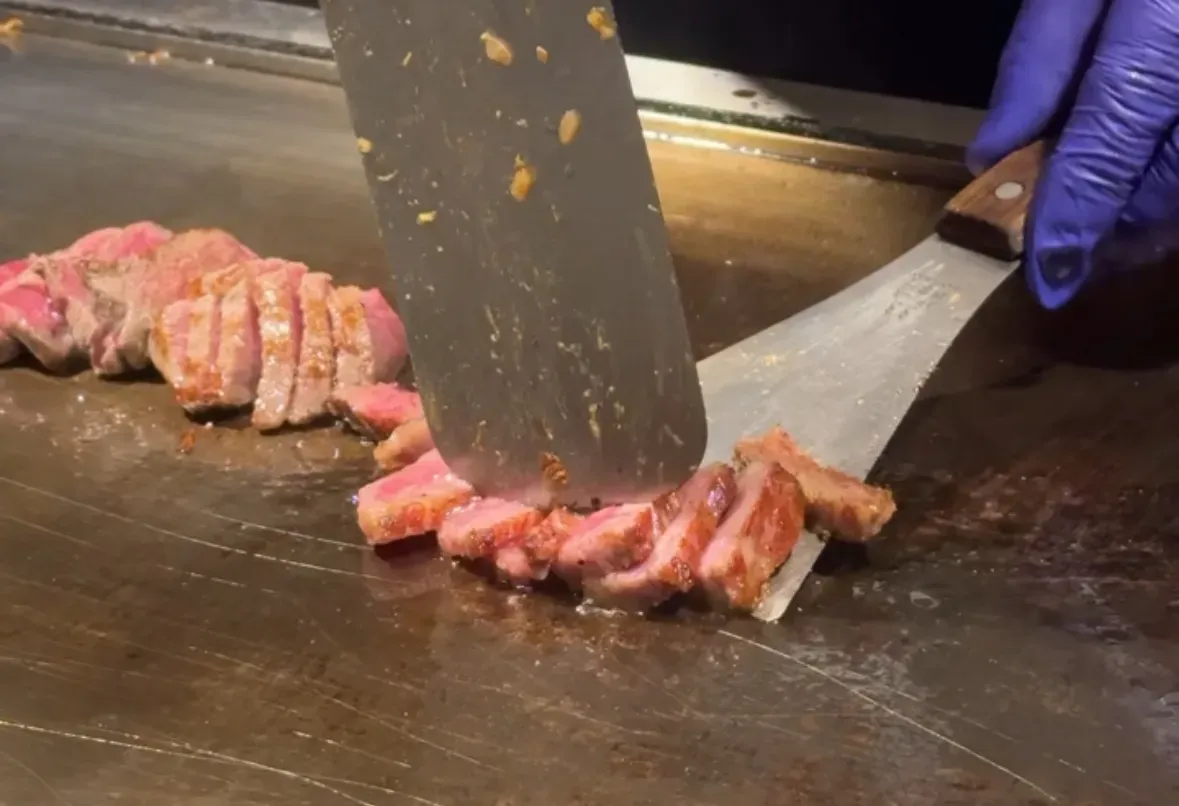
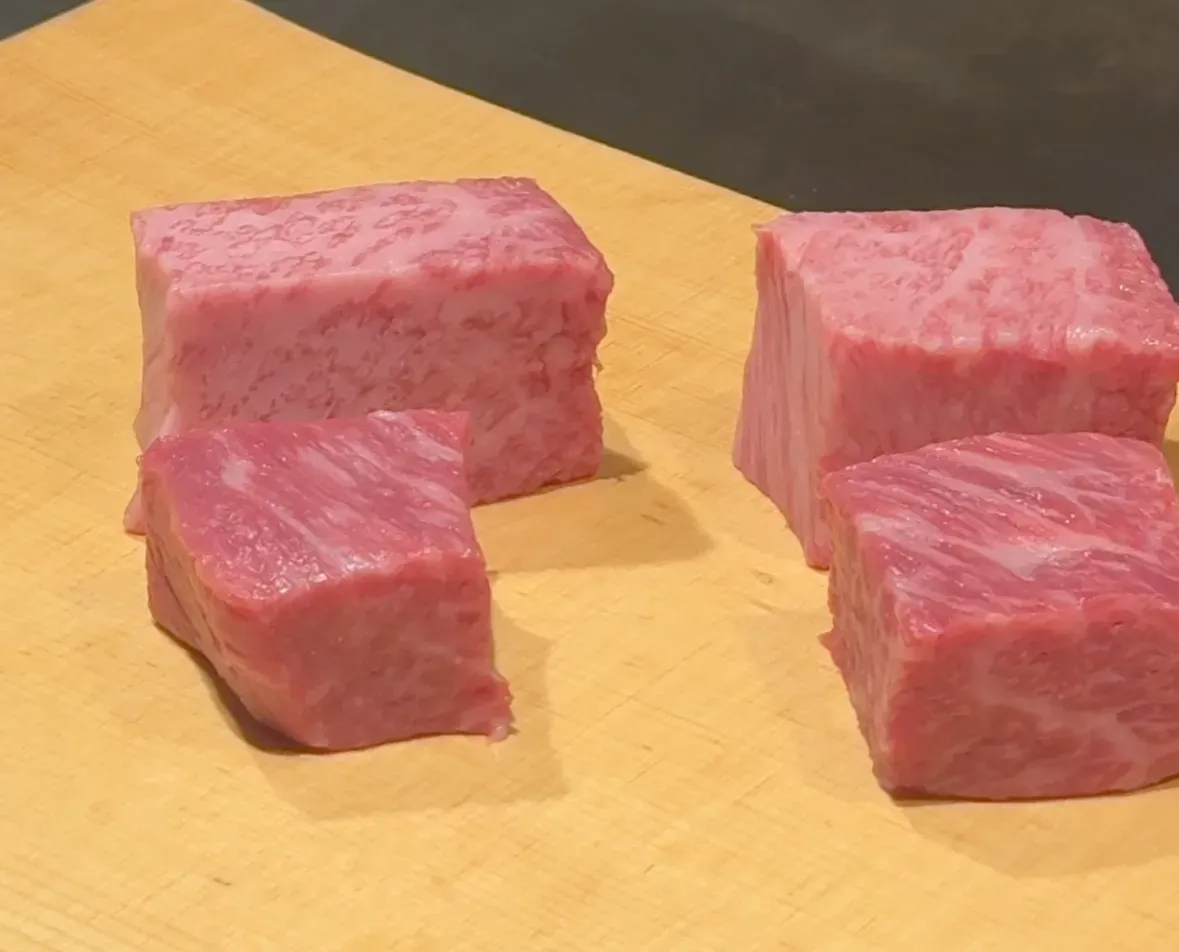
One of the most memorable meals of the trip.
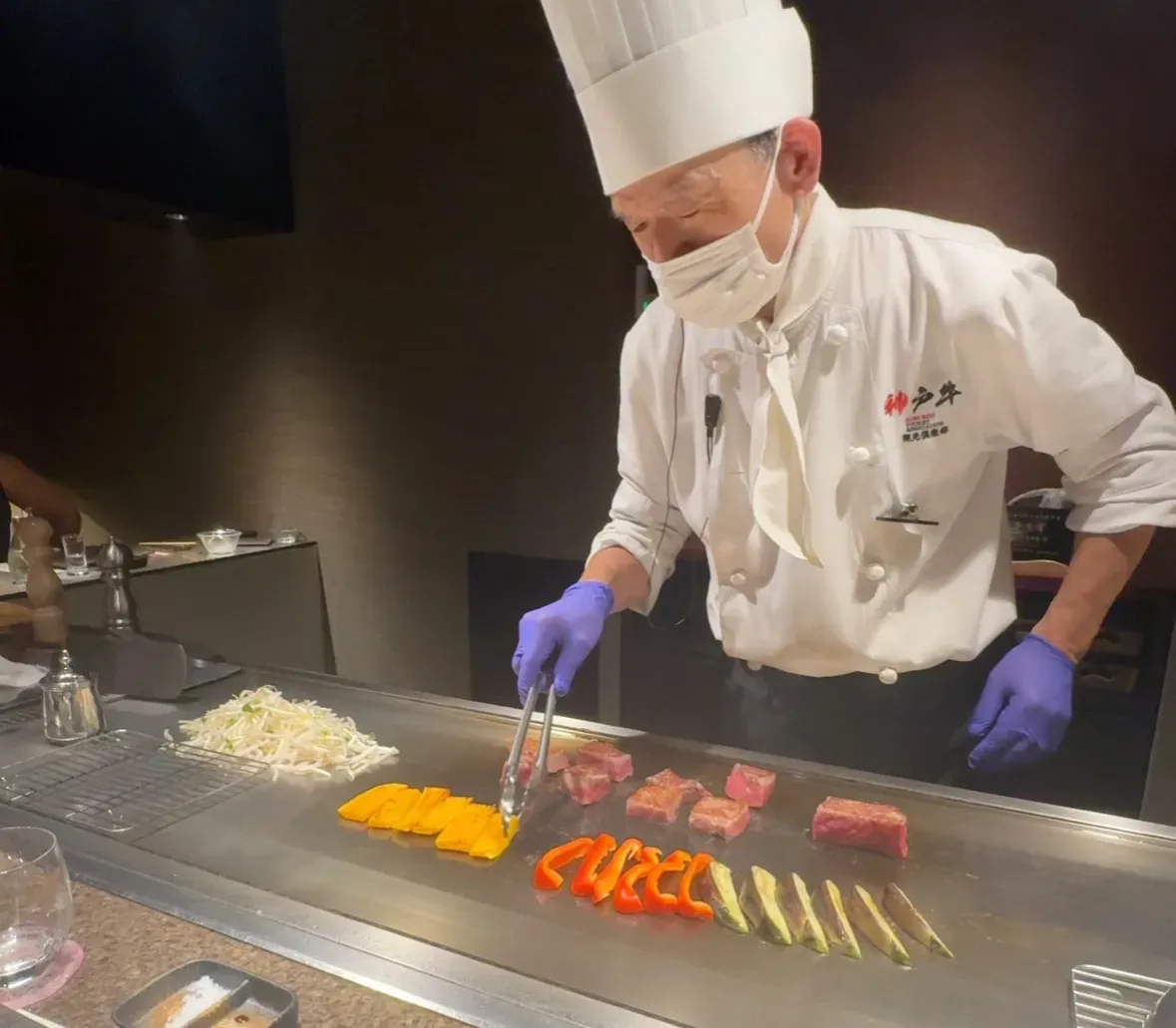
We had a private room with our own chef. He prepared everything in front of us.
Each person chose their preferred doneness.
The beef was very tender and rich
Here’s what we paid:
Total: 80,884¥ for 6 people
Dad: 18,859¥
Mom: 6,109¥
Boyfriend: 16,209¥
Friend: 16,209¥
Me: 12,539¥
Brother: 10,959¥
If you’re in Fukuoka and want certified Kobe beef, this is a good address.
Day 18 – Last Day in Japan
Our last full day in Japan.
I wanted it to be chill. A mix of shopping and fun.
Tenjin Area
We started in Tenjin Underground Street.
It’s a long underground shopping arcade under central Fukuoka. Lots of boutiques, cafés and souvenir shops. It’s directly connected to Tenjin Station, which makes it very convenient. Also perfect if it’s raining.
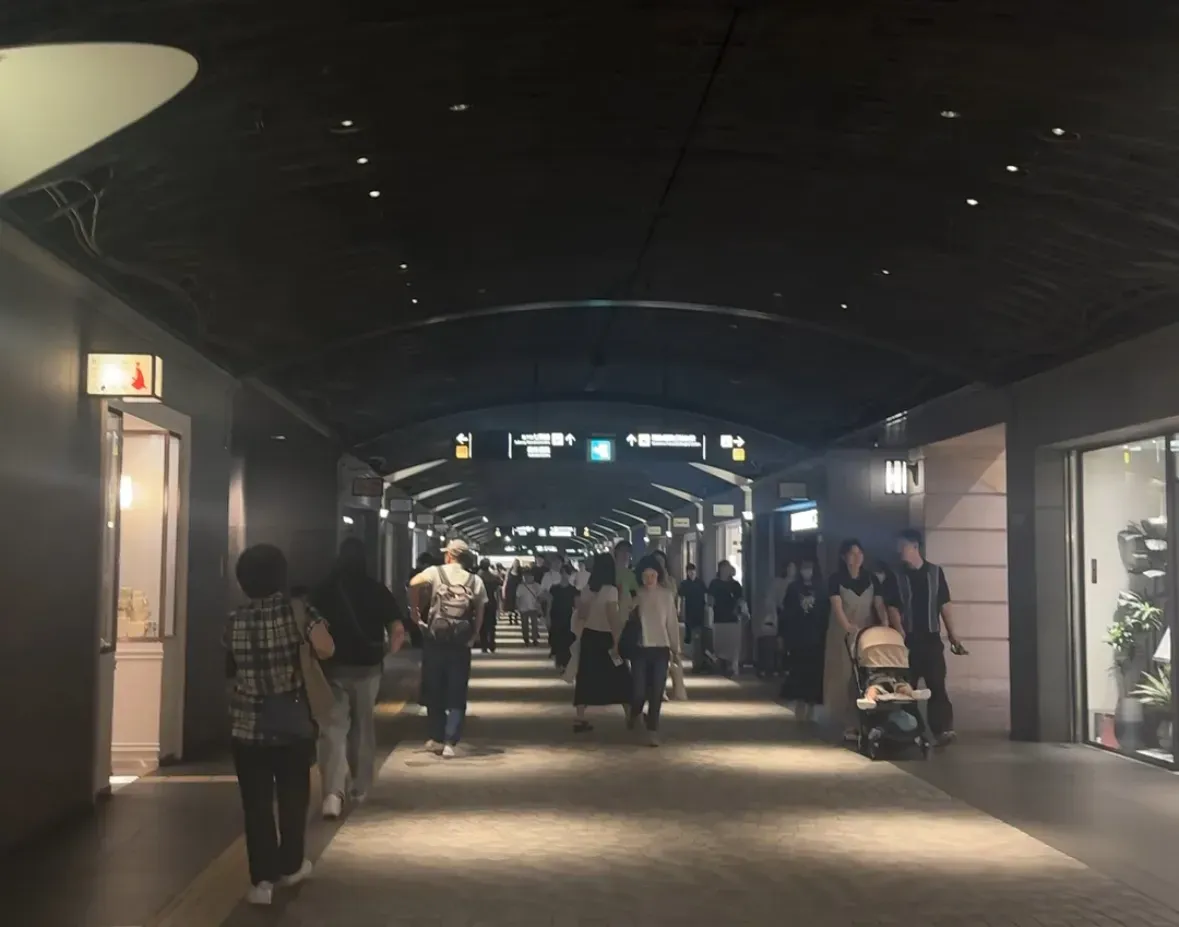
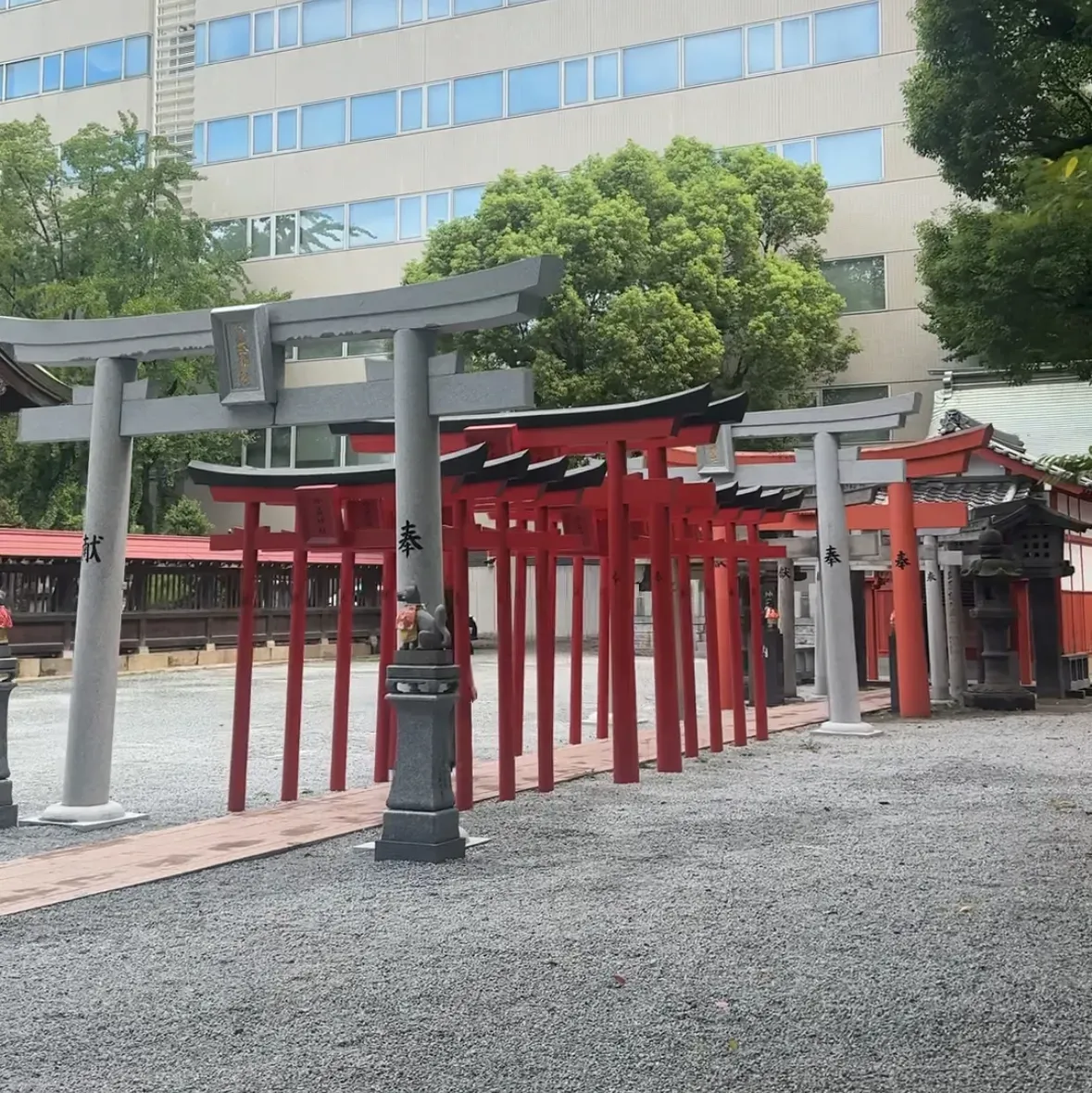
We passed by Kego Shrine, a quiet spot right in the middle of the city.
Then we went to Bic Camera.
It’s one of Japan’s biggest electronics stores. You can find everything: cameras, consoles, rice cookers, skincare, souvenirs, even alcohol.
And yes, they have an addictive song like Donki.
“BIC BIC BIC CAMERAAAAA.”
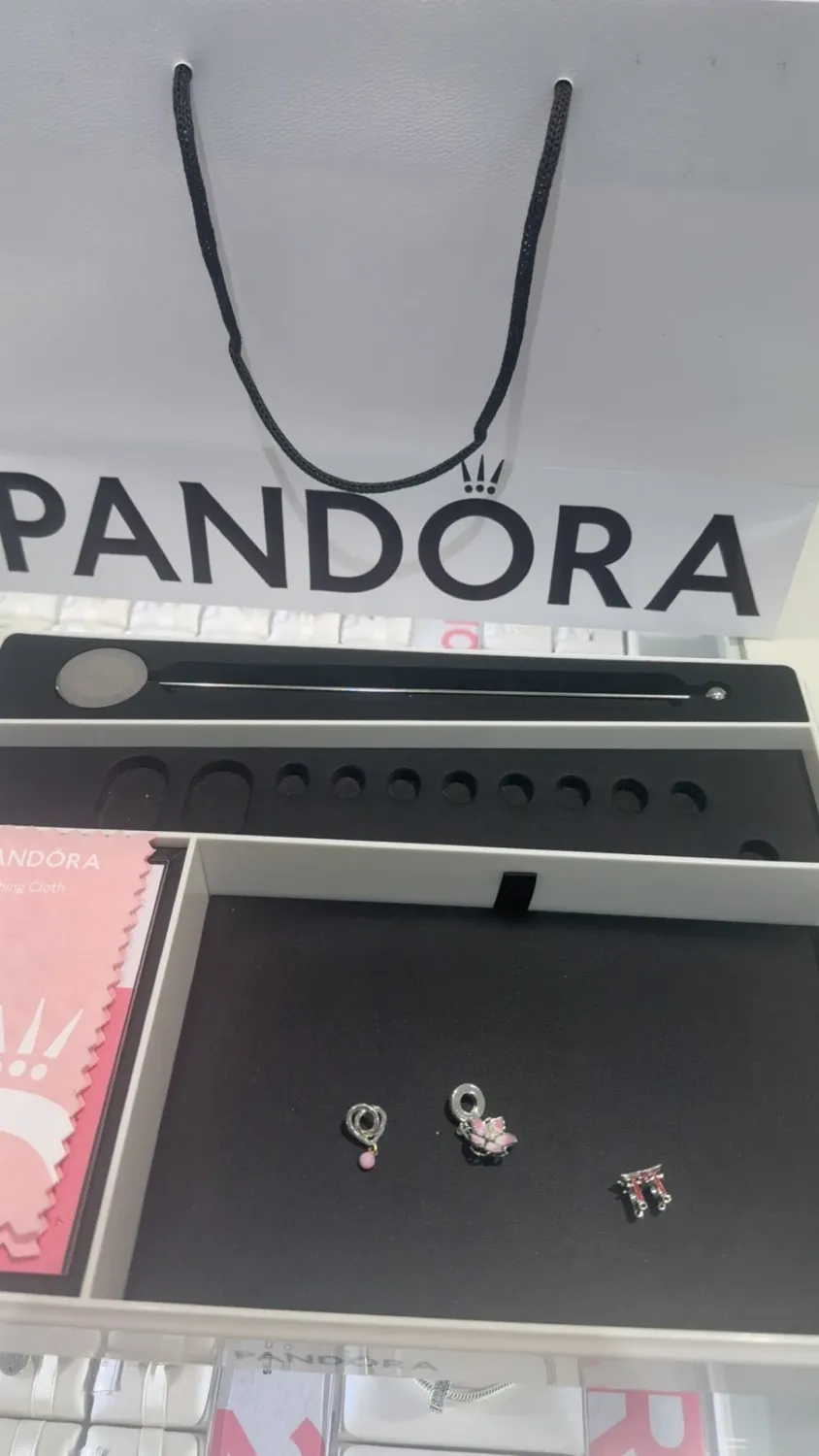
Pandora Stop
I stopped by Pandora because I really wanted the Japan-exclusive charms, especially the torii gate one.
It’s not cheap, but I wanted a small personal souvenir from this trip.
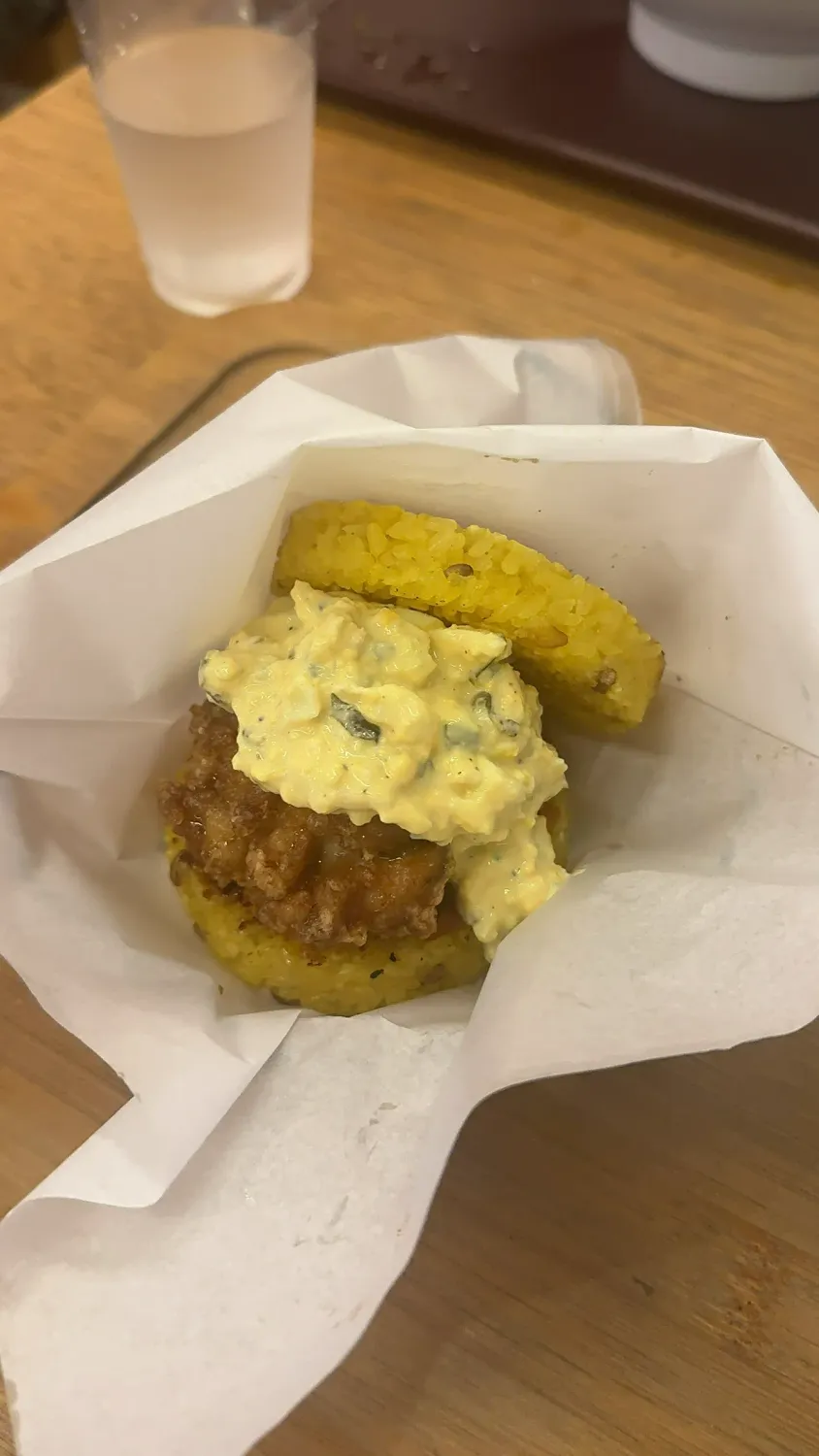
Lunch – Tenjin Umaka Cho
For lunch, we went to Tenjin Umaka Cho.
It’s a food court that wasn’t crowded at all, even though the streets outside were busy.
490¥.
I tried an onigiri burger and it was really good.
You can also find ramen, seafood, yakisoba and other quick dishes there.
Round 1
After lunch, we went to Round 1.
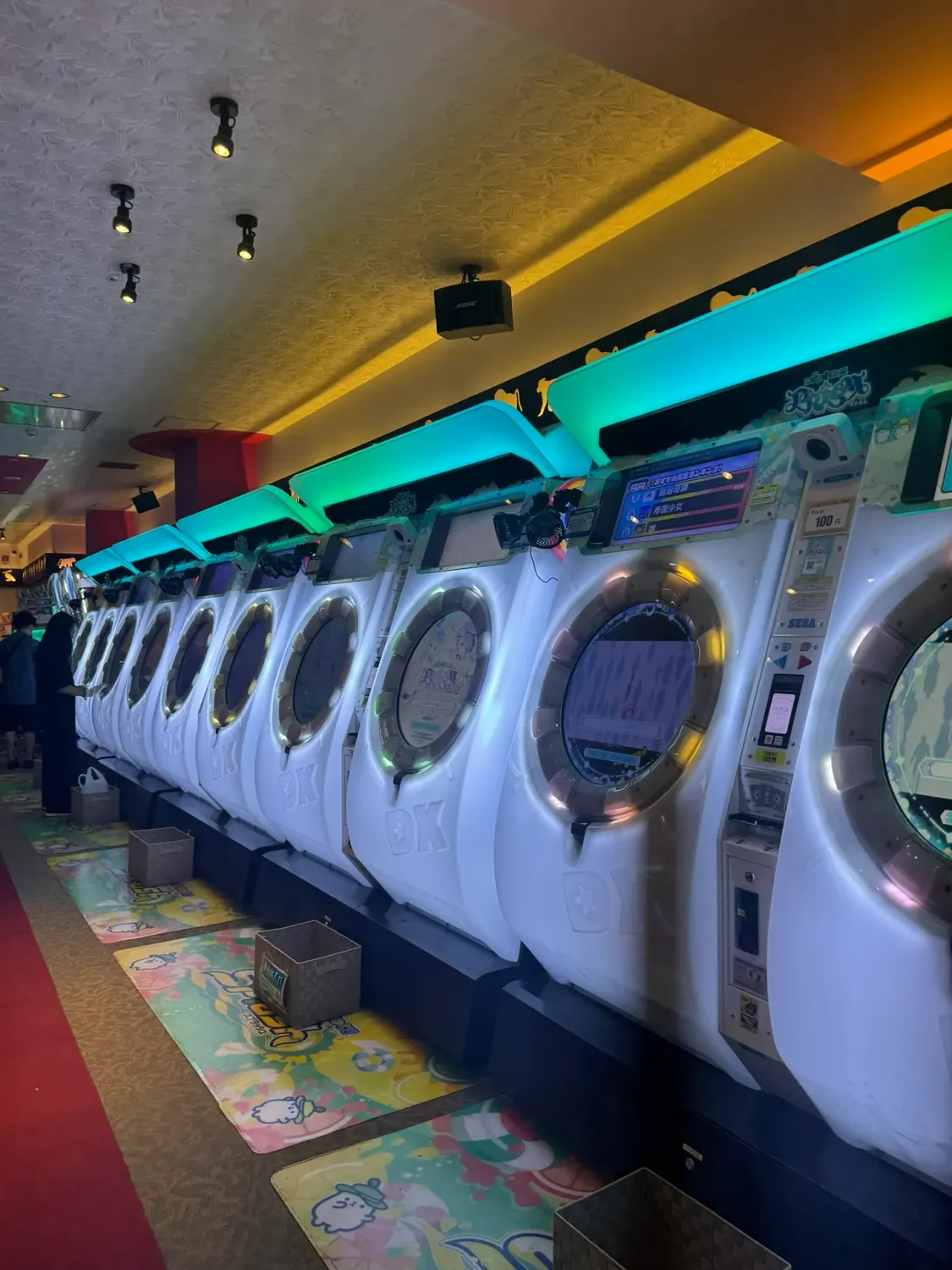
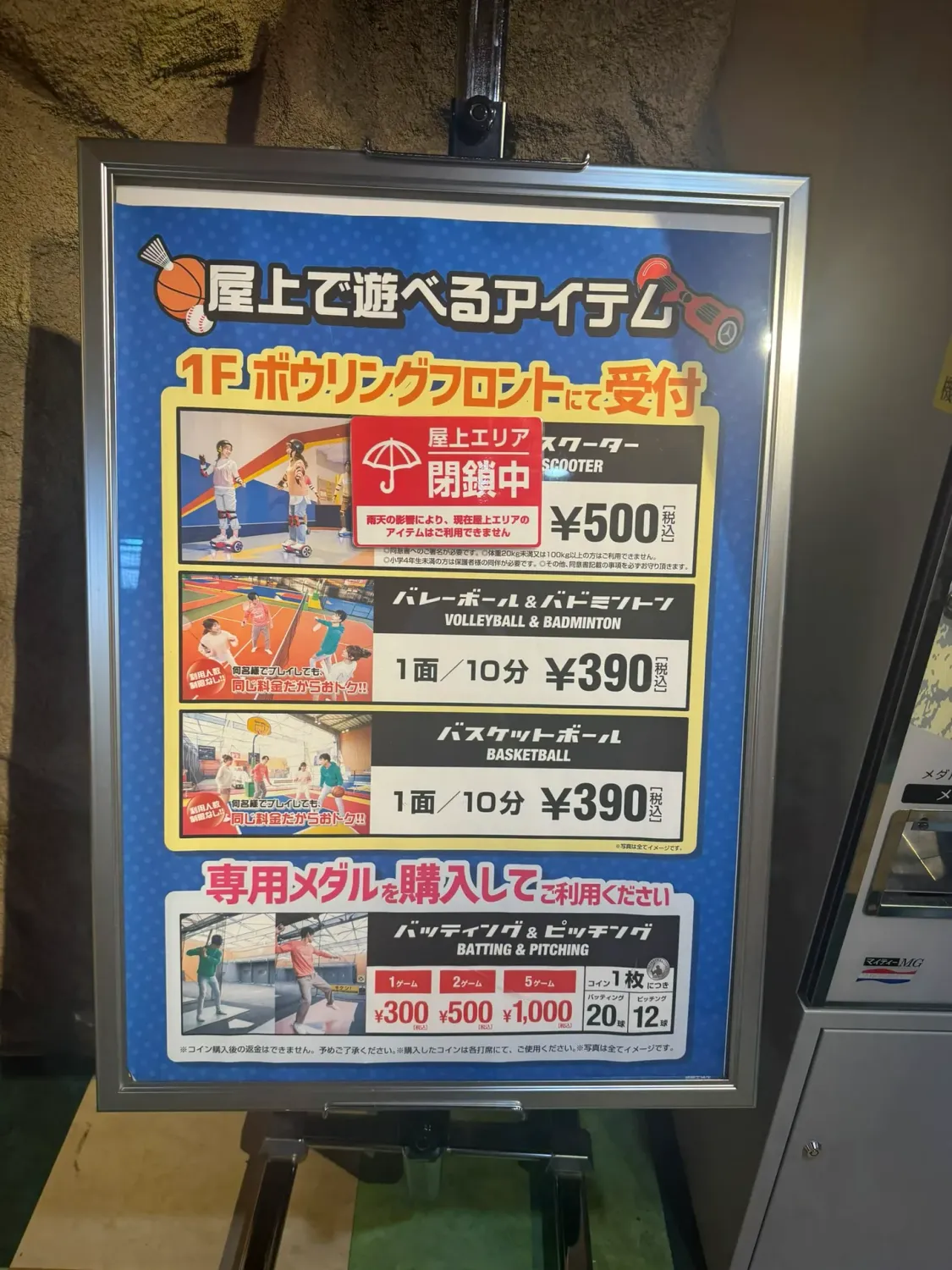
It’s a big entertainment complex with bowling, karaoke, baseball batting, arcades and more.
I really wanted to play baseball. (it’s 500¥.)
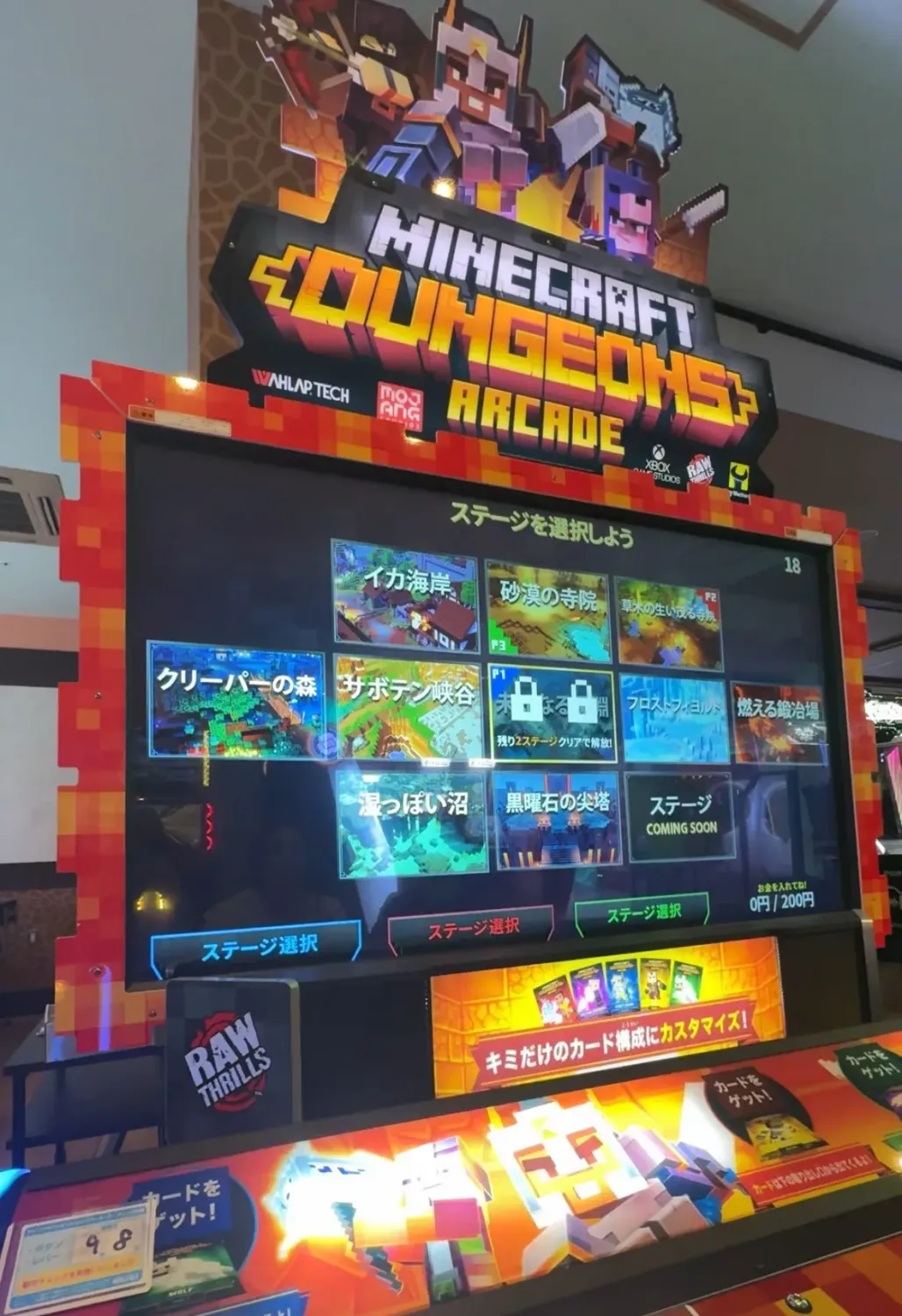
We also tried a Minecraft-themed arcade and went bowling.
Lalaport Fukuoka
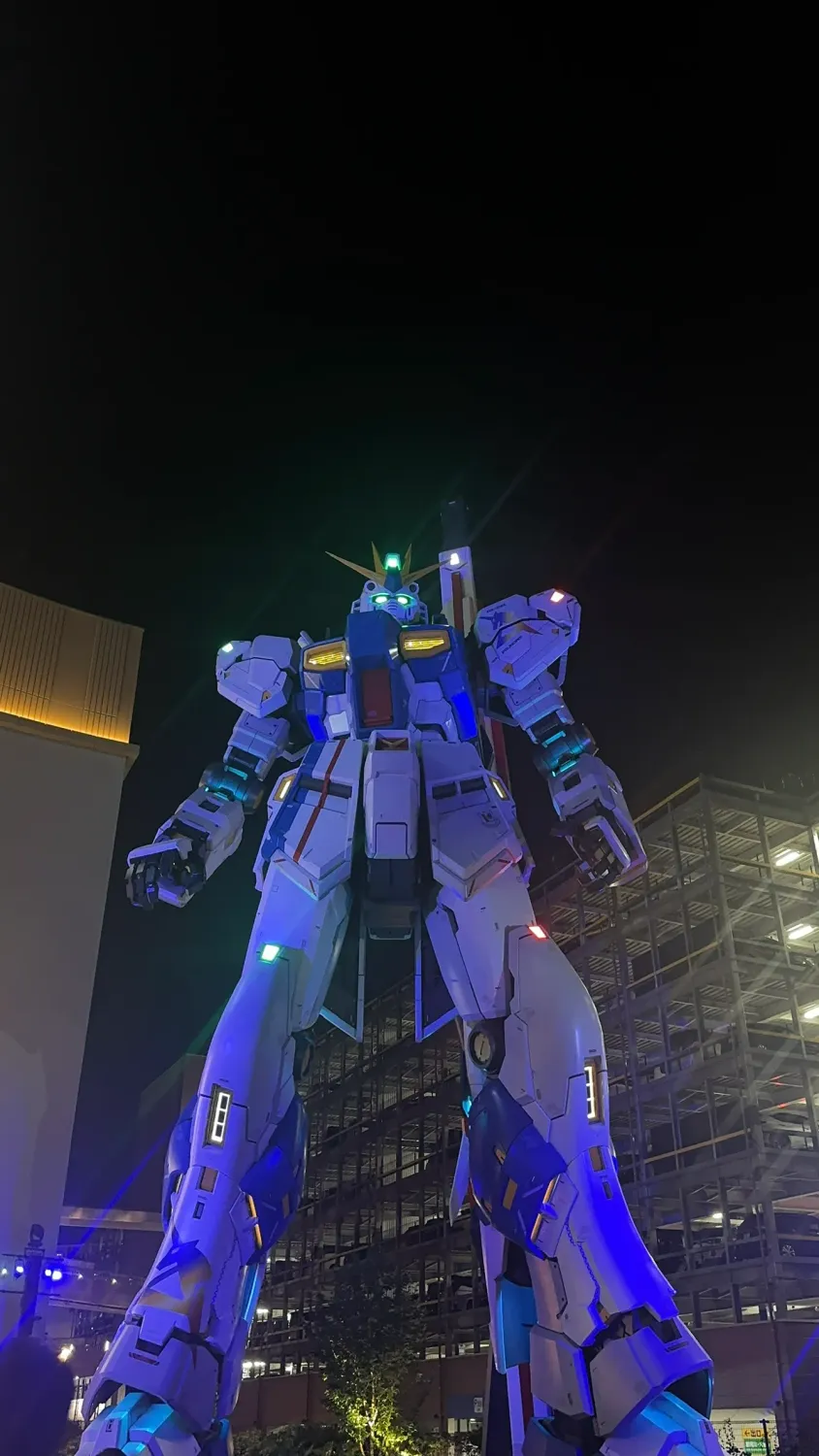
Then we took a taxi to Lalaport Fukuoka because I wanted to see the Gundam statue.
The mall itself is huge, with many shops and a big food court.
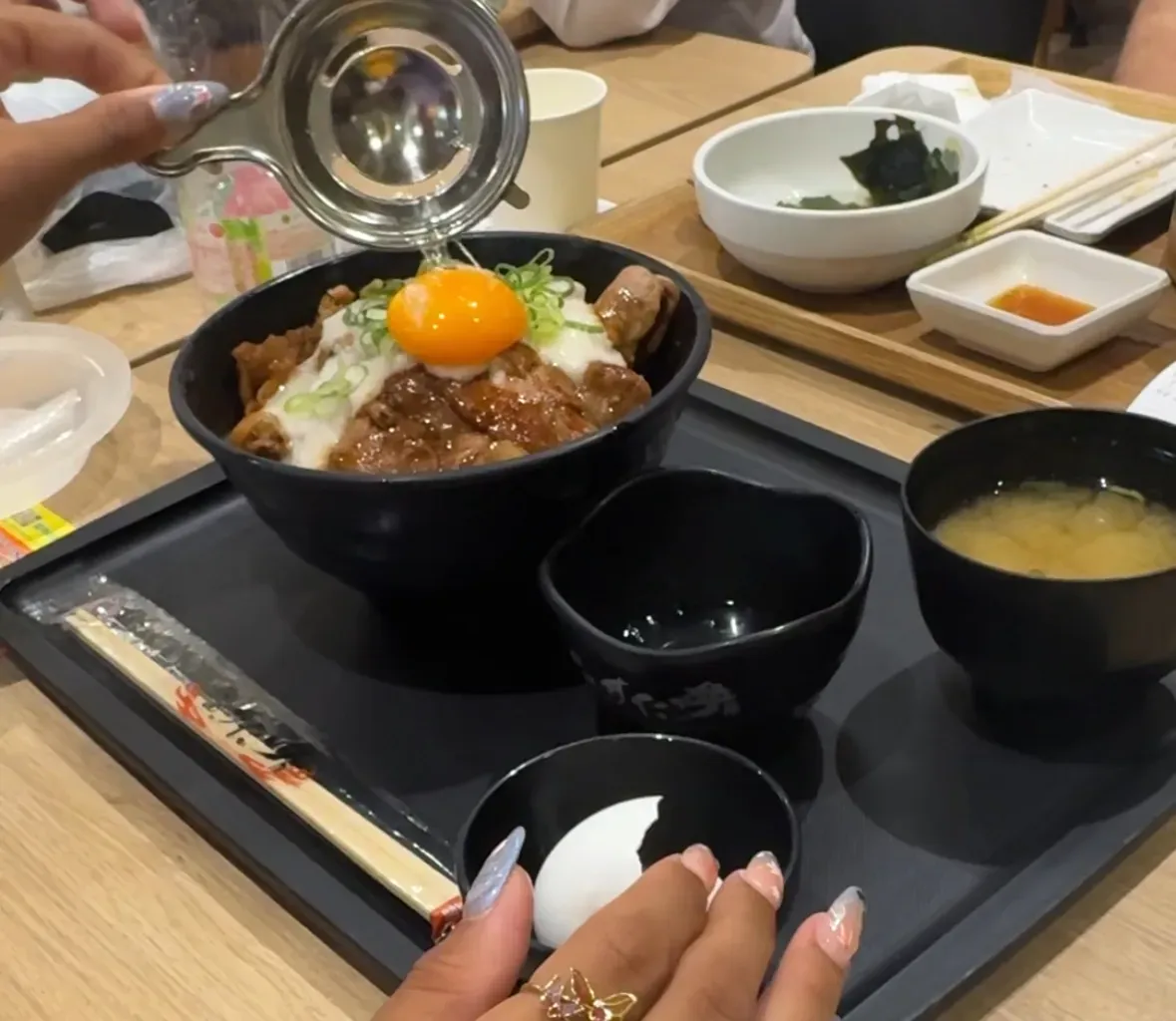
Dinner – Dentetsu no Sutadonya
I ate at Dentetsu no Sutadonya. 1100¥. It was inside a BIG food mall.
It was good, but nothing special.
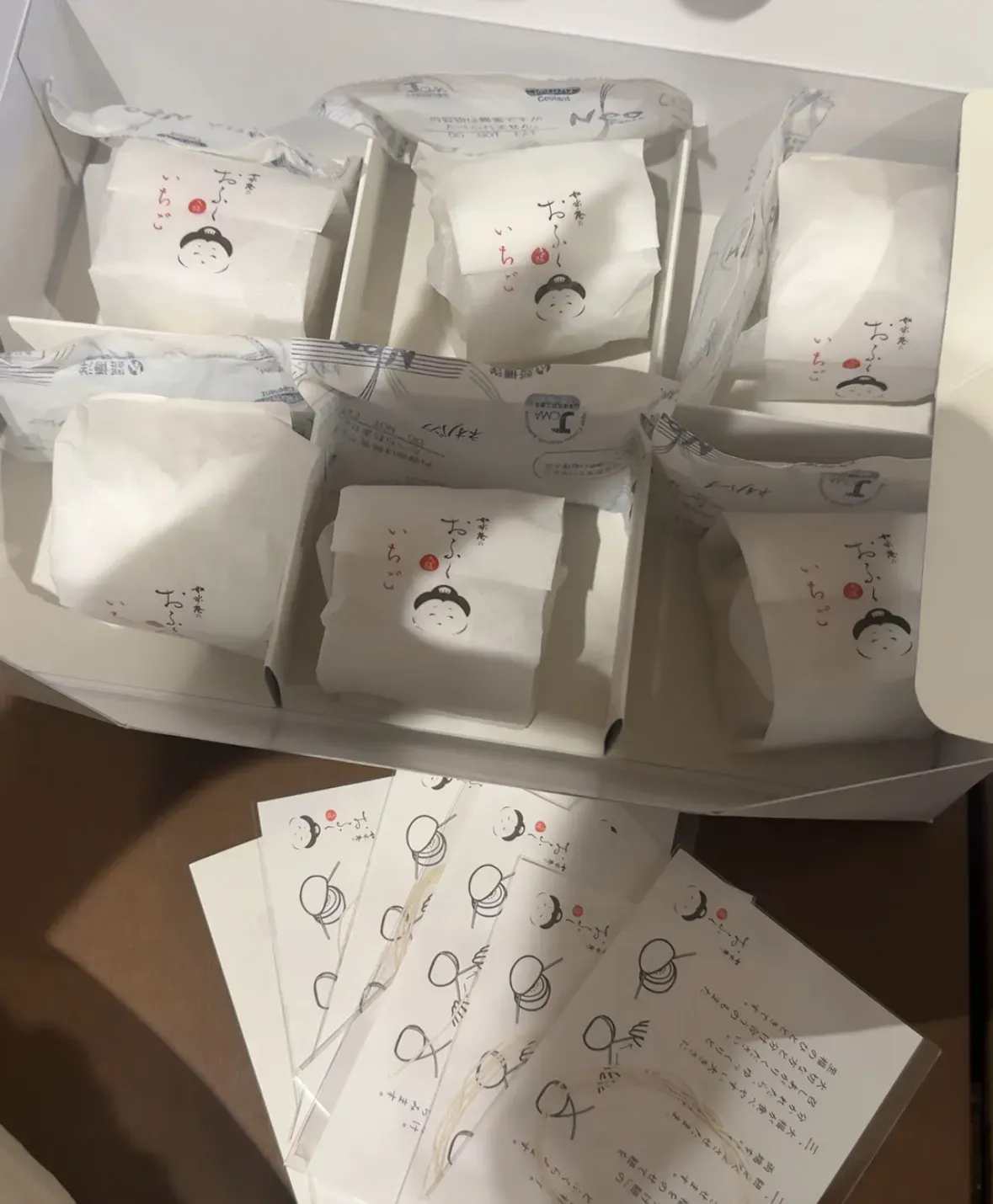
Dessert – Strawberry Daifuku
For dessert, we went to Josuian at Lalaport.
Strawberry daifuku mochi.
692¥ per unit
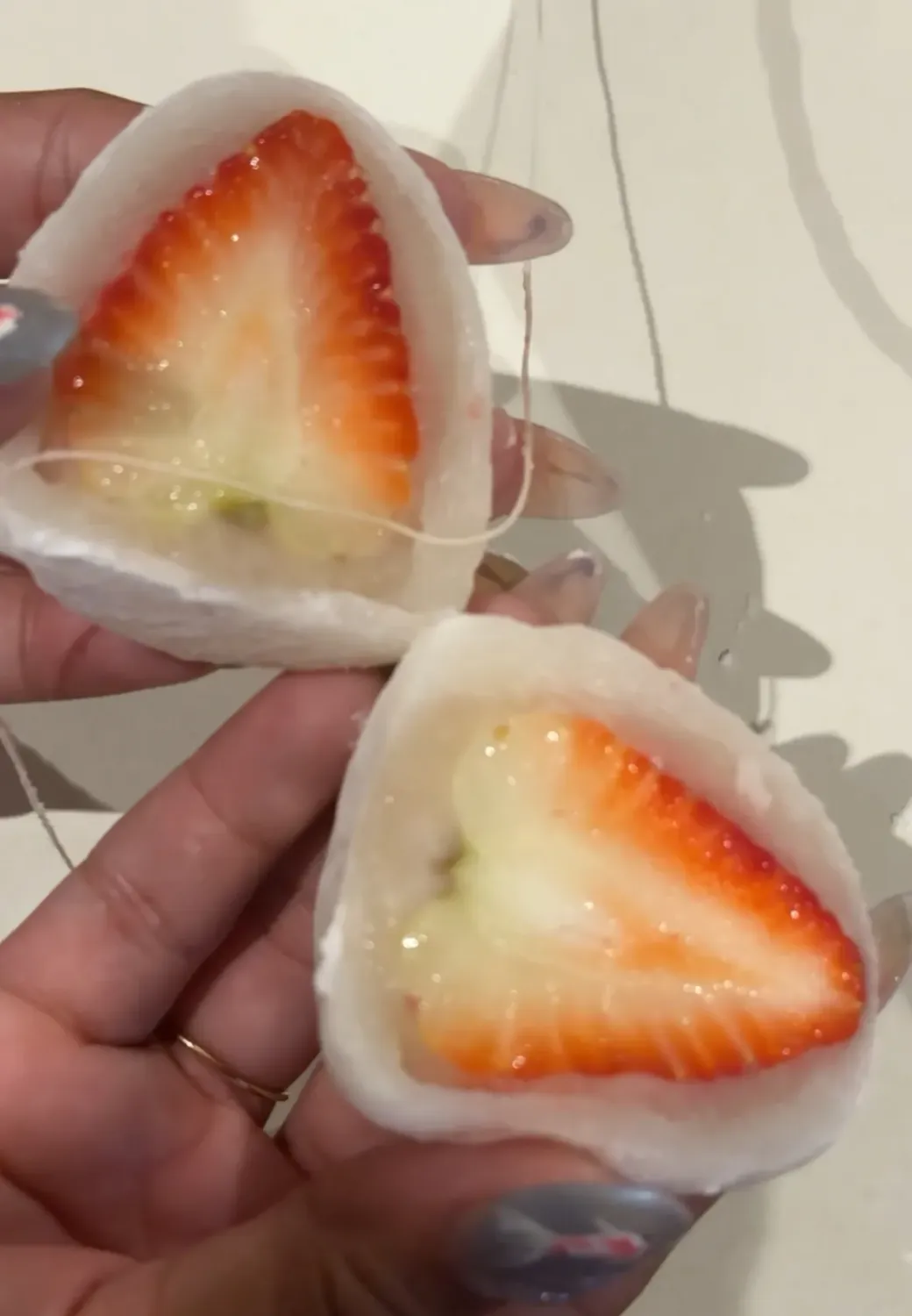
Daifuku is made of soft mochi wrapped around a filling, often red bean paste or fruit.
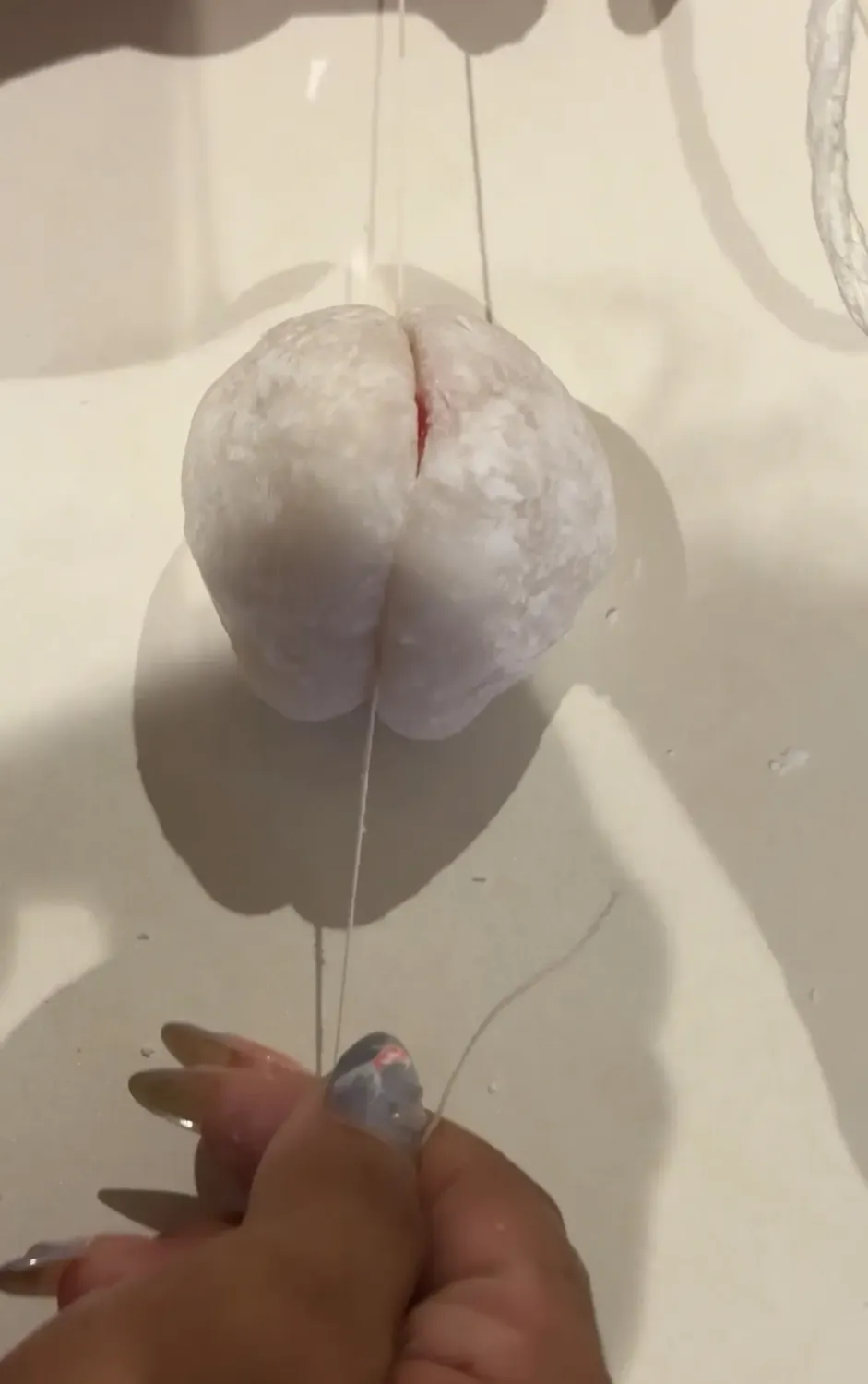
They give you a thin string to cut it.
You place the string under the mochi, cross the ends over the top, and pull gently. It slices it cleanly in half.
Simple, but really good.
DAY 19 : THE END
Our flight was at 10 AM from Fukuoka Airport to Seoul.
And just like that, Japan was over.
We then spent 5 days in Seoul, which was really cool too, but this officially marked the end of our Japan trip.
18 days.
So many cities.
So many memories.
It really was something.
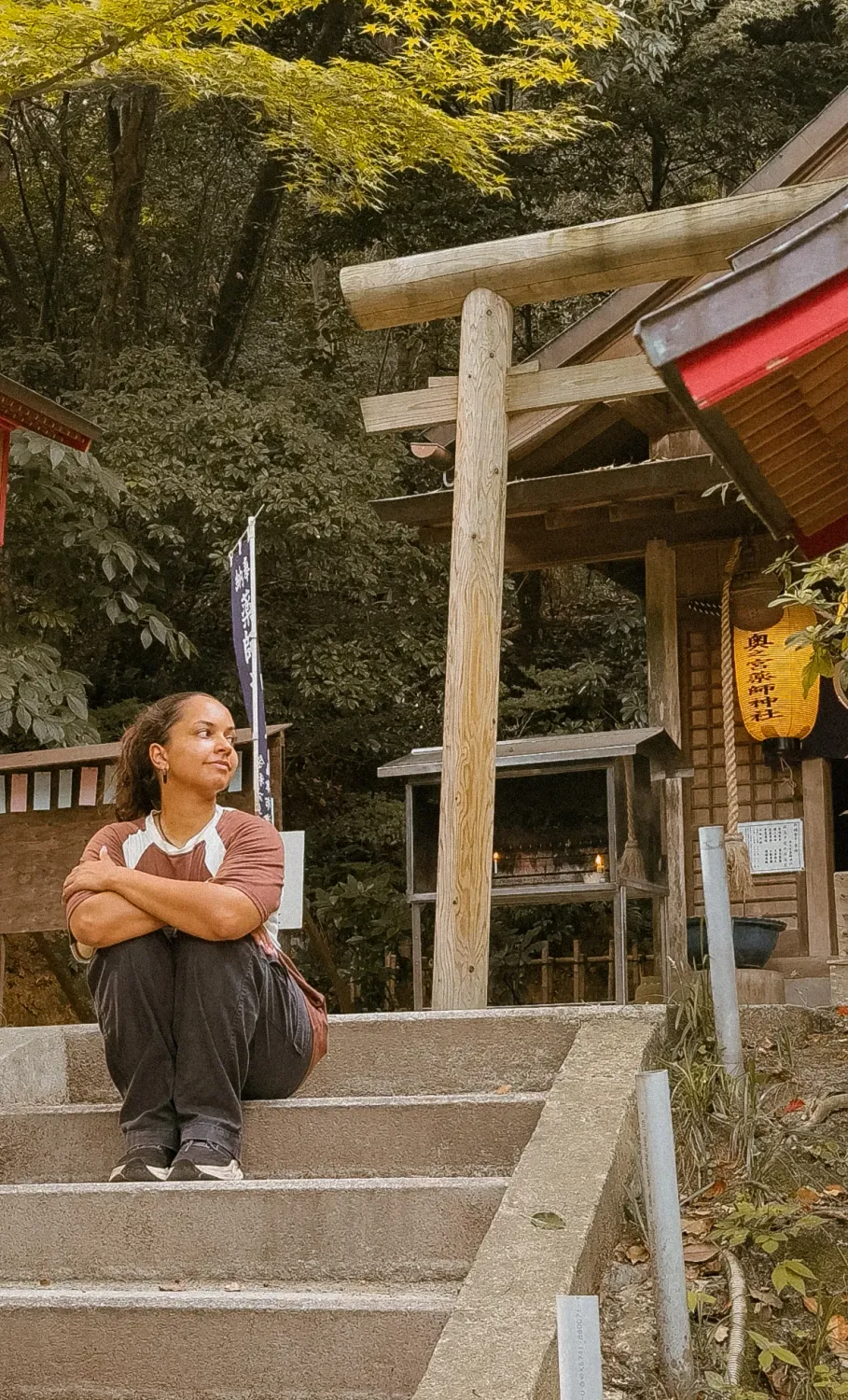
I shared every step, every place and every experience so you can plan yours too.
If you want access to all my locations, itineraries, cafés and maps, everything is inside my Japan template on Holicay and my full guide on Rexby.
On Holicay you’ll have :
All the locations.
All the stops.
All the restaurants.
All the hotels.
All the exact routes.
It’s ready to use and fully customizable.
You can duplicate it, adjust the days, remove stops, add your own places, move things around. It’s not just a PDF, it’s an editable travel plan you can actually work with.
Holicay is a platform where you can access structured itineraries and modify them based on your own pace, budget and interests.
And no, it’s not free.
Because this took a lot of time, research and real on-the-ground experience. Uploading, organizing, mapping everything day by day also takes work.
If you decide to get it, you’re not just getting a ready-to-go Japan trip.
You’re also supporting me and everything I build around Japan travel.
And if you’ve read all 18 days here, you already know how detailed it is.
SUPPORT ME BY CLICKING THOSE LINKS !
HOLICAY : to plan your trip easily.
OMIO Compare and book trains, buses, and flights across Europe and beyond. Great for planning multi-city trips.
SKYSCANNER : Flight search engine to find the cheapest and most convenient routes worldwide.
AGODA : Hotel booking platform with strong deals in Asia, especially Japan.
TRIP : All-in-one travel platform for flights, hotels, trains, and activities
KIWI.COM : Smart flight search tool that combines airlines to get cheaper connections.
GETYOURGUIDE : Book activities, tours, and experiences with real traveler reviews. GETYOURGUIDE 5% CODE : TABIMAWARI5
BOOKING.COM Global online travel platform that allows users to book accommodations, flights, rental cars, and experiences. rm with strong deals
VIATOR : Huge marketplace for tours and activities with trusted operators.
KLOOK : Popular in Asia for activities, transport passes, and tickets. KLOOK 5% CODE : TABIMAWARI
RADICALSTORAGE : Store your luggage safely in local shops and explore hands-free.
TIQETS : Book tickets for museums, attractions, and landmarks instantly.
NORDVPN : Protect your connection and access geo-blocked sites securely while traveling
Plan Your Japan Trip More Easily
If you're going to Japan you're probably facing :
Too much information
How to organize
Don’t know where to go
Train system feels confusing
Afraid of missing places
Planning a trip to Japan usually breaks at the same point: you save a lot of places, but don’t know how to turn them into a realistic route. Cities are large, distances are not intuitive, and it’s hard to know what actually fits in one day.
This guide was created to solve that. It helps you understand how places connect, how many days make sense per area, and how to build an itinerary that flows.
With the interactive map, you can explore curated spots across Japan, follow ready-made itineraries and day trips, mix my routes with your own, and adapt everything to your pac
I created my Japan Travel Guide to help you organize your trip in a clear, realistic way.
Details on what you'll have
Best of both world : touristy & off the beaten path places
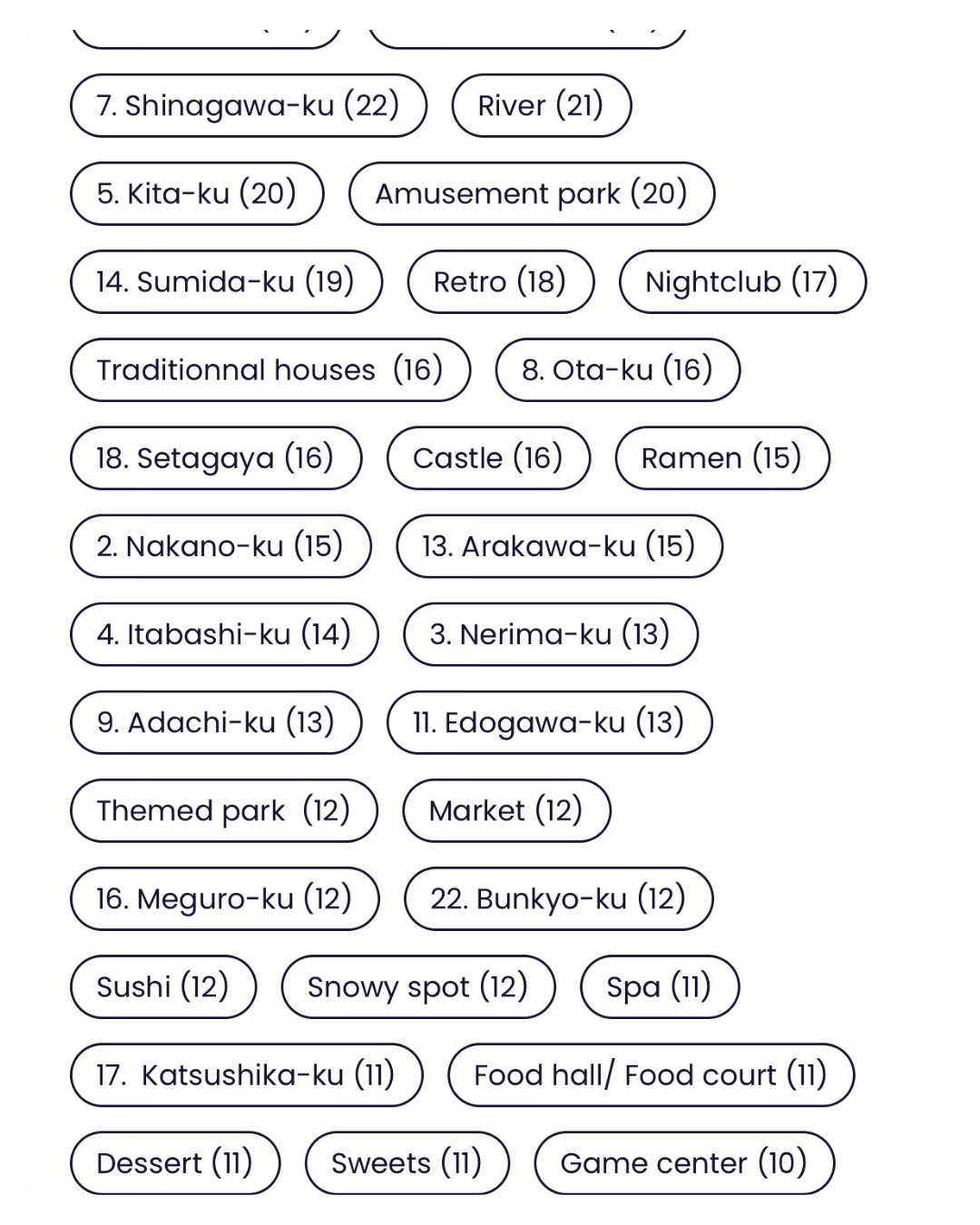
+ 1000 things to do, filterable by category & tags
Lifetime access to my itinerary and all future updates.
10 to 30 days curated itineraries, fully customizable
Kanto (Tokyo & surroundings) Day by Day customizable Itinerary (10 to 15 days)
Kansai (Osaka, Kyoto, Nara...) Day by day Itinerary customizable (13 to 15 days)
Tokyo Guide by Neighborhood (23 special ward)
15+ additional day trips detailed for exploring nearby destinations from Tokyo, Osaka, Kyoto.
Interactive map with all key spots marked & filterable by category & tags
Benefit from in-depth practical advice (navigation, accomodation, restaurants, cultural experiences)
PDF & Excel sheets (with less updates than online version)

What it looks like on the app :




If you prefer something fully tailored, I also offer a 100% custom travel planning service.
I design a day-by-day itinerary based on your dates, interests, budget, travel pace, and priorities. You simply follow the plan and enjoy your trip.
And if you like flexible, editable itineraries, you can also find my ready-made itineraries on Holicay.
They’re ideal if you want a solid base you can customize with your travel companions.

Hi, I’m Marie, the creator behind @tabimawari.
I lived in Kyoto, learned Japanese, and keep returning to explore Japan beyond the obvious.
Planning a trip to Japan usually breaks at the same point: you save a lot of places, but don’t know how to turn them into a realistic route. Cities are large, distances are not intuitive, and it’s hard to know what actually fits in one day.
This guide was created to solve that. It helps you understand how places connect, how many days make sense per area, and how to build an itinerary that flows.
With the interactive map, you can explore curated spots across Japan, follow ready-made itineraries and day trips, mix my routes with your own, and adapt everything to your pace.

MY SOCIALS


MY NEWSLETTER
Japan Monthly by Tabimawari : Subscribe to get a monthly email packed with inspiration, local tips, and events happening across Japan straight from someone who’s lived and traveled a lot.
Look for the best accommodations in Japan :
Explore Japan with Local Guides
Marie creator behind @Tabimawari
Hi, I’m Marie.
French islander from Reunion island, Japan lover, and travel planner behind Tabimawari.
I spent a year living in Kyoto, learning Japanese and falling in love with the culture. Since then, I’ve kept going back, exploring every corner from Tokyo to the tiniest hidden towns.
I created these guides after spending months planning, testing, and fine-tuning every detail so you don’t have to. Inside, you’ll find:
✅ Interactive maps
✅ Step-by-step directions
✅ Local spots + travel tips
✅ Offline use
Each guide is made with care, based on real-life travel, not generic blog advice.
This is what I wish I had on my first trip to Japan and now it’s yours.
MY SOCIALS
MY NEWSLETTER
Plan your Japan trip without
the overwhelm
Follow me
Newsletter
Japan Monthly : Subscribe to get a monthly email packed with inspiration, local tips, and events happening across Japan straight from someone who’s lived and traveled a lot.