
Plan your Japan trip without
the overwhelm
4 days in Shikoku itinerary: Tokushima, Takamatsu, Udatsu and Shodoshima
Shikoku is one of those regions people skip when planning a trip to Japan. And honestly, that’s exactly why you should go.
It’s quieter, more local, less rushed. You’ll find traditional towns, coastal views, small islands, and a completely different rhythm compared to Tokyo or Kyoto. Here’s a 4-day route that works well if you want to explore Shikoku without overcomplicating logistics.
Osaka to Tokushima
Driving to Tokushima
Originally, I wanted to stop in Awaji on the way.
But because we stayed too long at the café and were running late, I decided to skip it and drive directly to Tokushima. We had a dinner planned with my host family from 2018, when I was living in Japan.
Still, if you’re driving that route, I really recommend stopping in Awaji.
You can:
• See the Naruto Whirlpools (only visible at specific tide times, so check the schedule)
• Stop at Uzunooka Park and see the giant onion statue
It’s a nice break during the drive.
Dinner in Tokushima – With My Host Family
We ate at Subaru Izakaya in Tokushima.
And the food was amazing.
There’s no English menu, but when I went, one of the staff spoke very good English. If not, Google Translate works perfectly fine.
It felt really special being back there, seeing my host family again after so many years. Full circle moment.
If you’re in Tokushima, I definitely recommend this place.
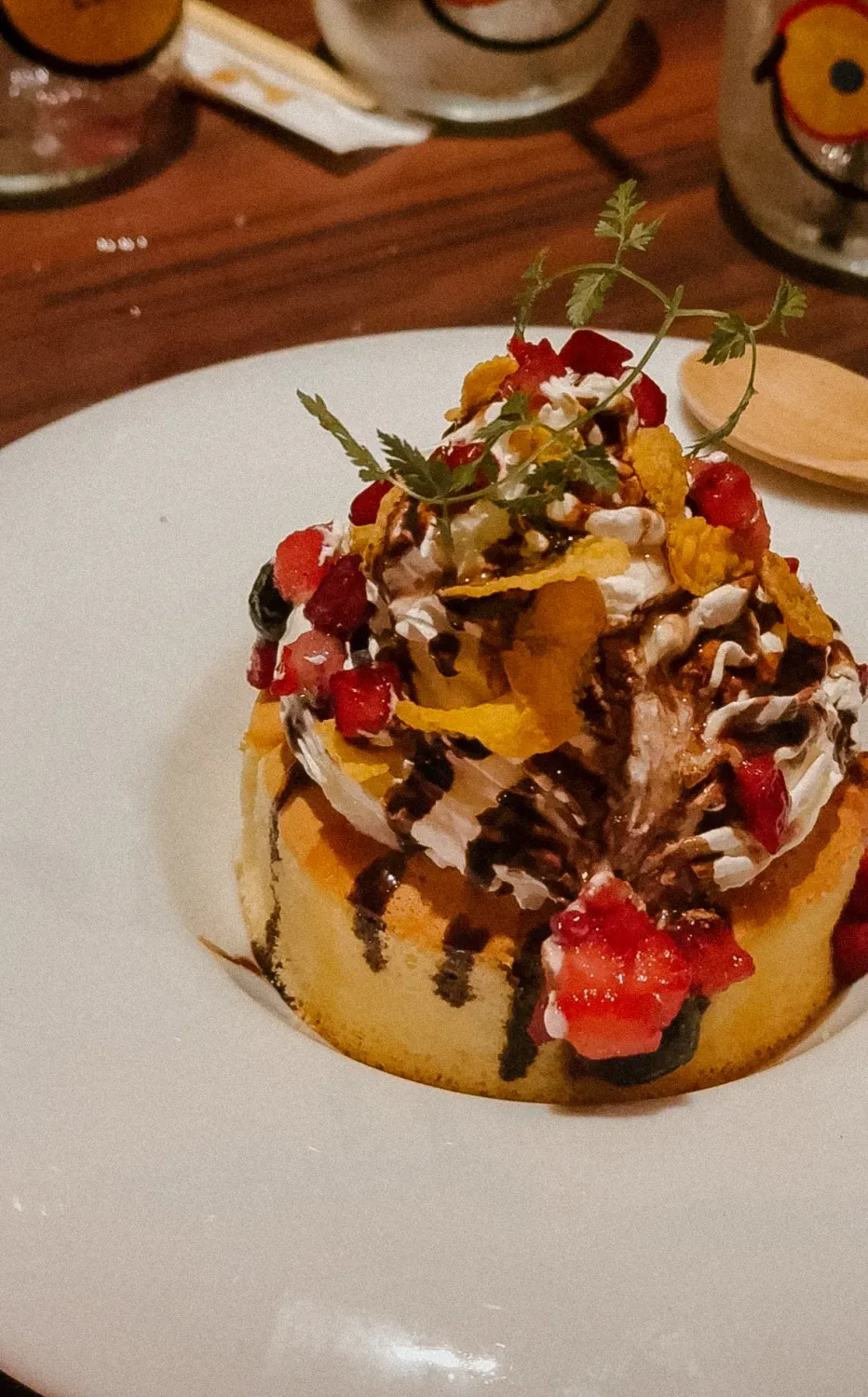
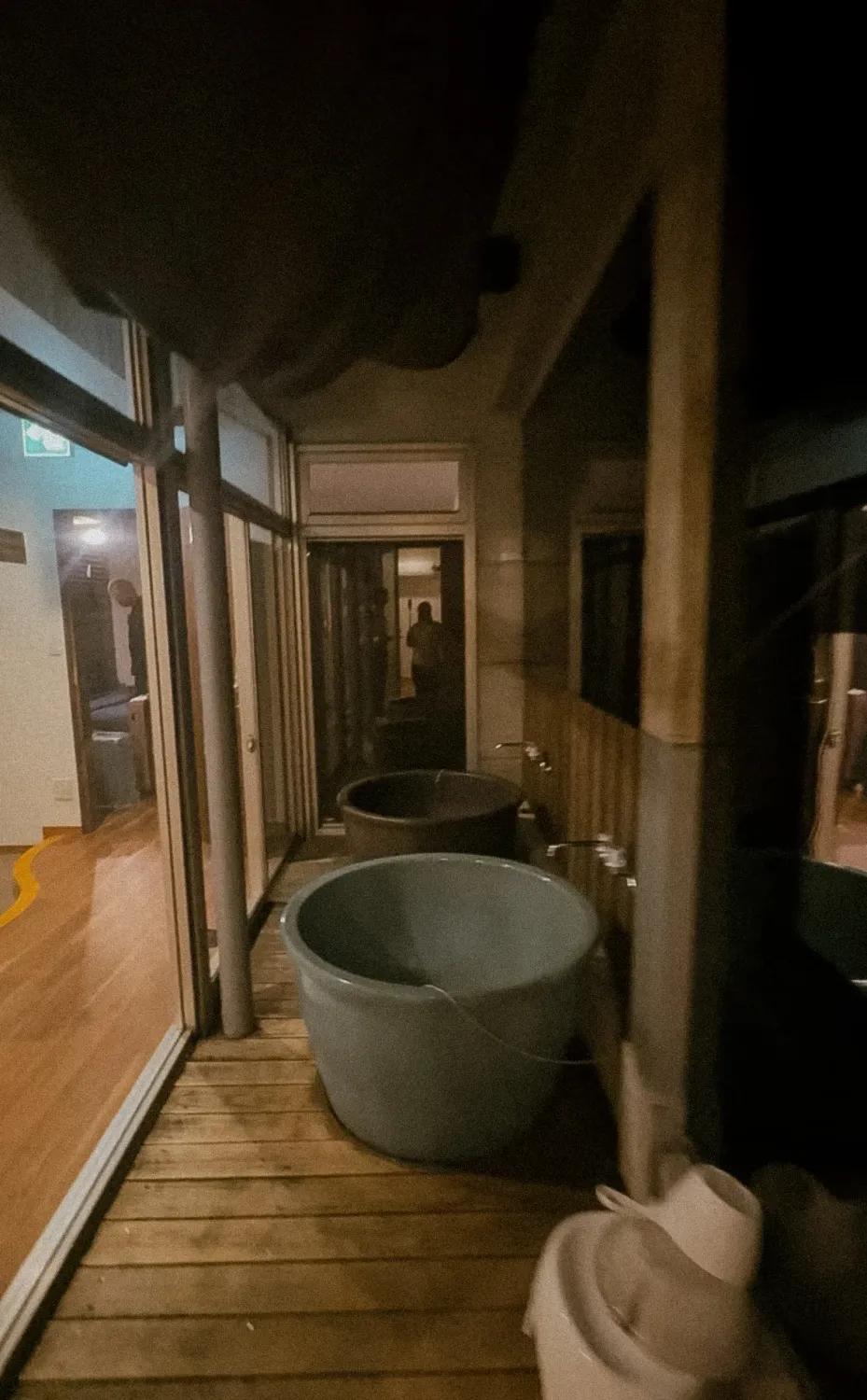
Our Airbnb in Tokushima – Earth Velo
One of the best Airbnbs of the entire trip.
The name is long, but basically it’s Earth Velo in Tokushima.
I didn’t even realize when booking that it was an entire 5-floor building.
Yes.
Five floors.
Private building. Kitchen. Big spaces. Rooftop terrace. Even a traditional-style bath.
Everything was clean, modern, comfortable. Honestly one of those stays that makes you want to extend your trip.
I already want to go back.
Day 2 - Tokushima
For our second day in Tokushima, we drove to Udatsu no Machinami.
We arrived around 10 AM.
It takes about 45 minutes to 1 hour by car. I’ve seen that it’s possible by public transport, but honestly… having a car makes everything much easier in this area.
Udatsu no Machinami
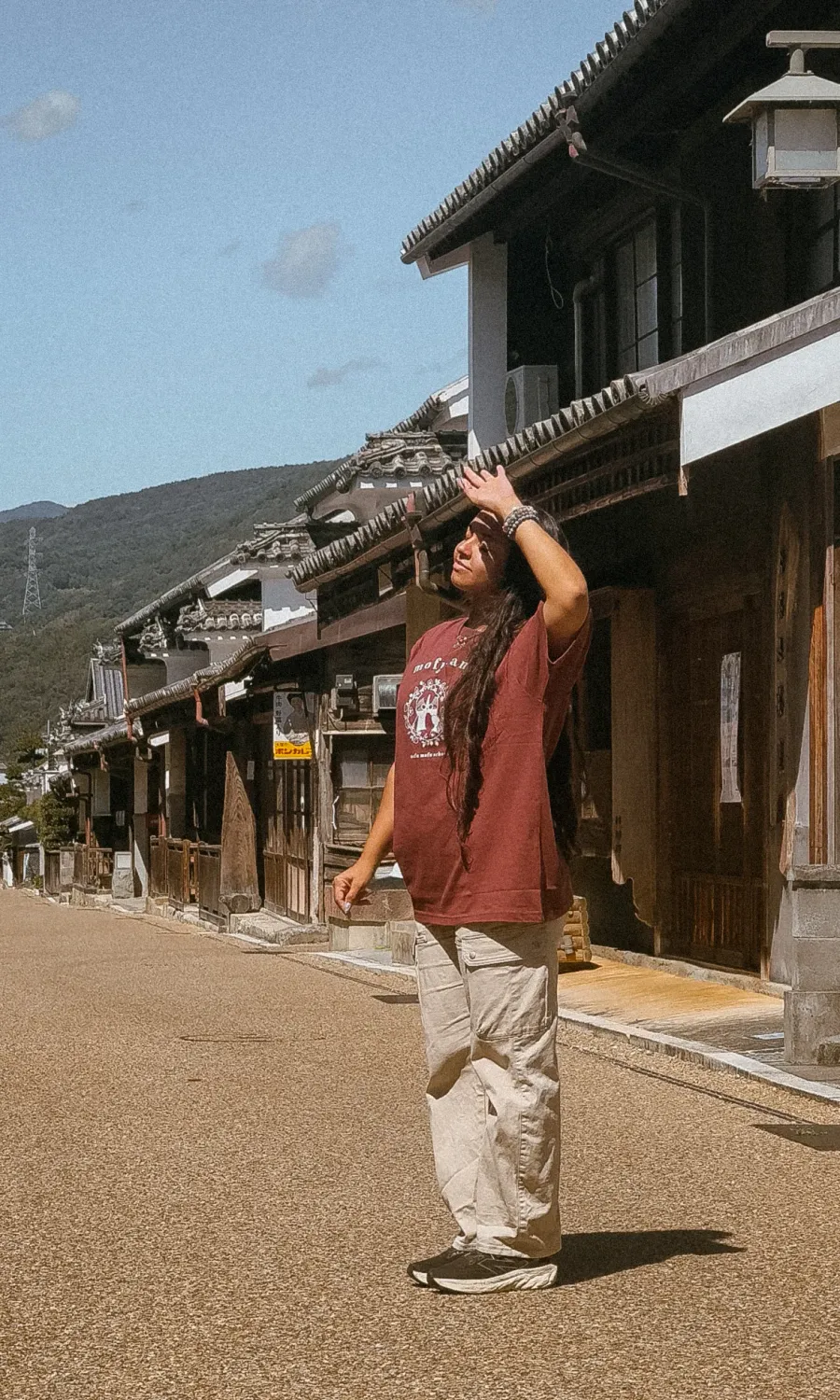
Udatsu no Machinami is a historic merchant street in Wakimachi.
It’s known for its traditional Edo-period houses with “udatsu”, those small roof-edge walls originally built to prevent fires. Later, they became a symbol of wealth.
The whole area is designated as an Important Preservation District for Groups of Historic Buildings.
Why is it famous?
During the Edo period, Wakimachi became rich thanks to Awa indigo dyeing. Indigo was a big business here, and you can still feel that history walking through the street.
Old merchant houses.
White walls.
Tiled roofs.
Warehouses turned into small museums and craft shops.
It’s quiet. Not crowded. Very different from Kyoto.
I really liked the atmosphere.
A special encounter
During my visit I met Fumiko, an elderly lady who runs a small shop and lives in a 200-year-old house. She is also a volunteer guide there. She invited us for tea and we spoke for about 20 to 30 minutes. She told us stories about her home and the town’s history. Her kindness and hospitality left a deep impression on me. I will never forget this encounter.
Lunch Stop + Temple Visit
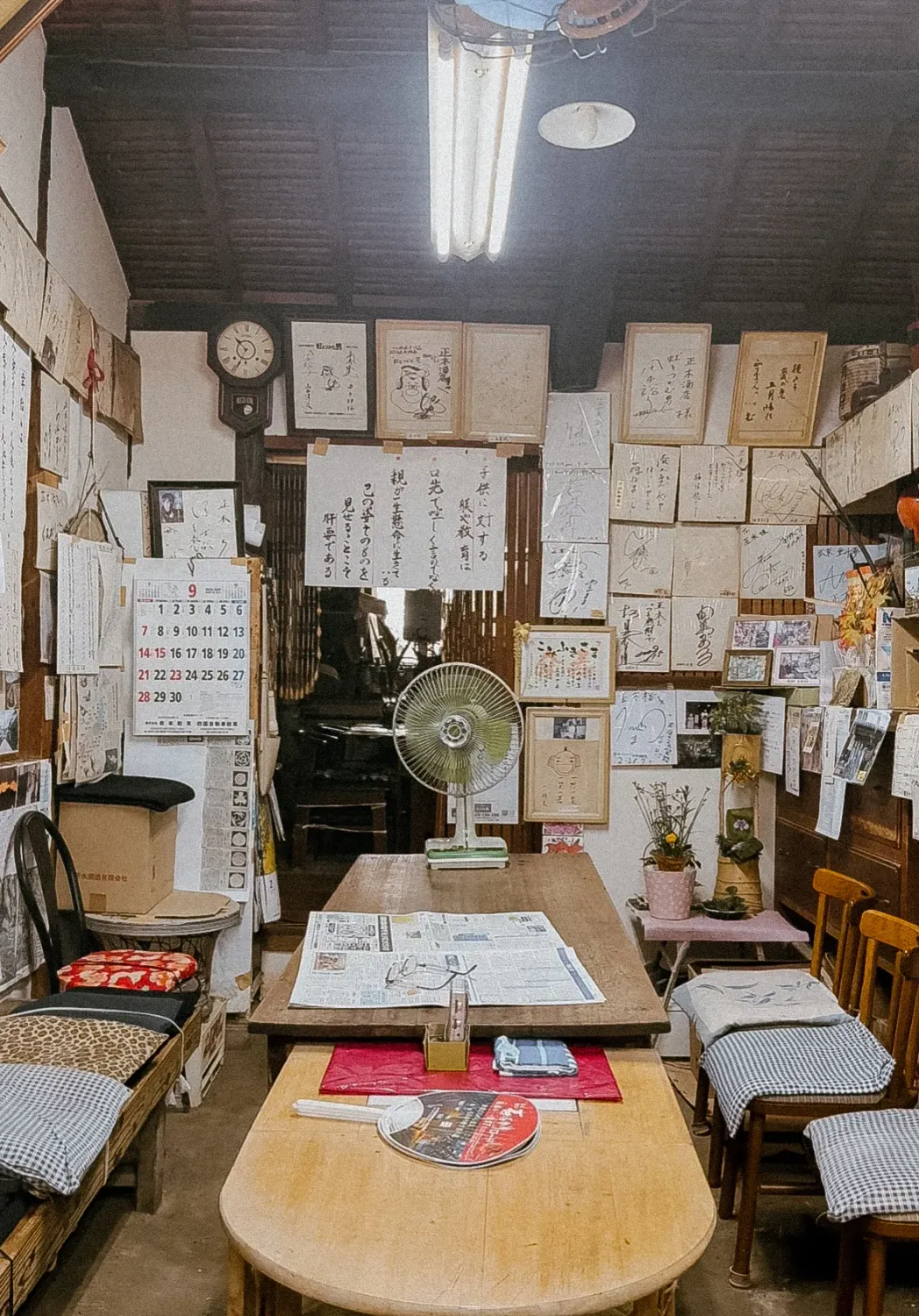
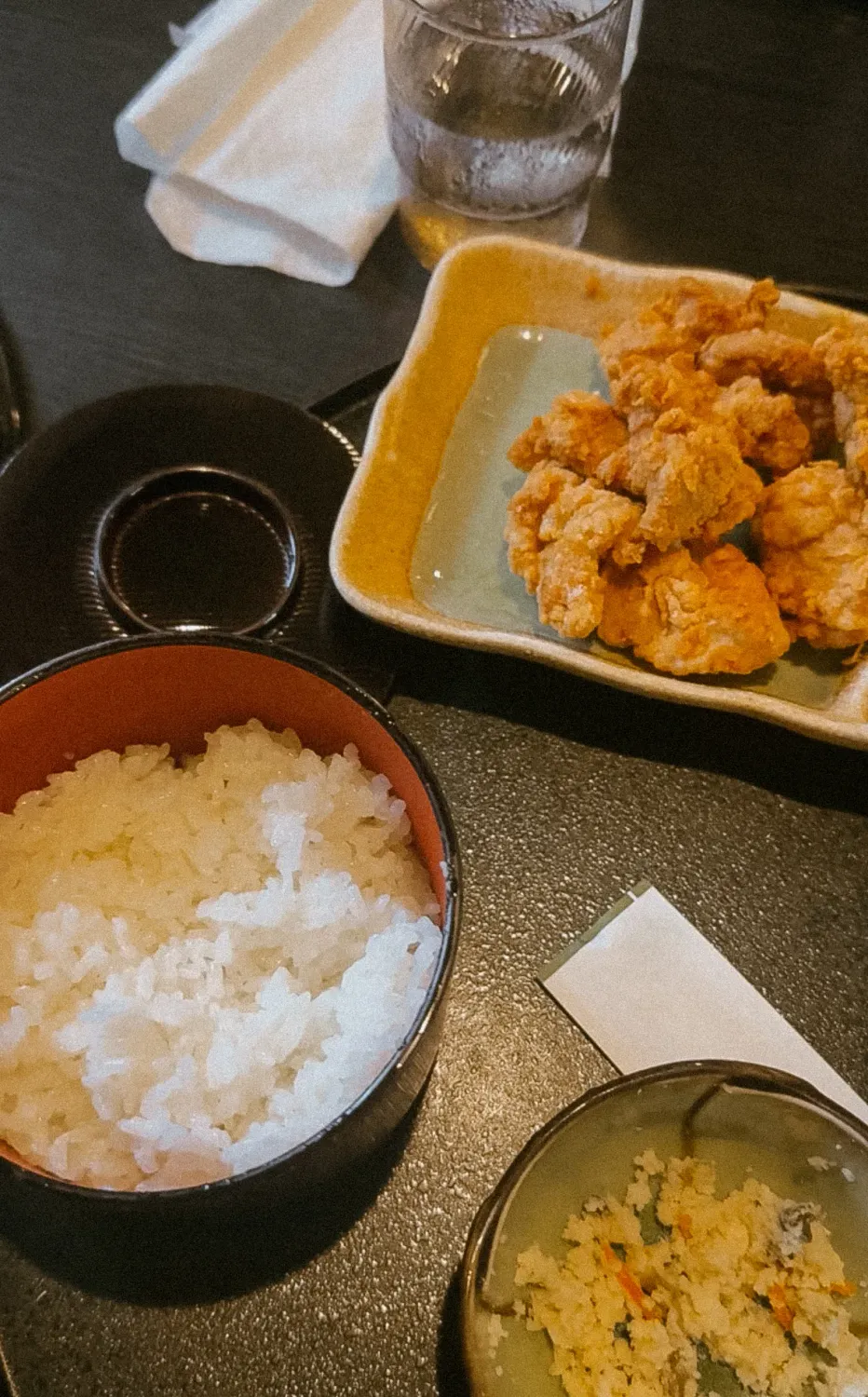
On the way back, we stopped at a shokudō-style restaurant called Musashi.
Simple, local, really good meal.
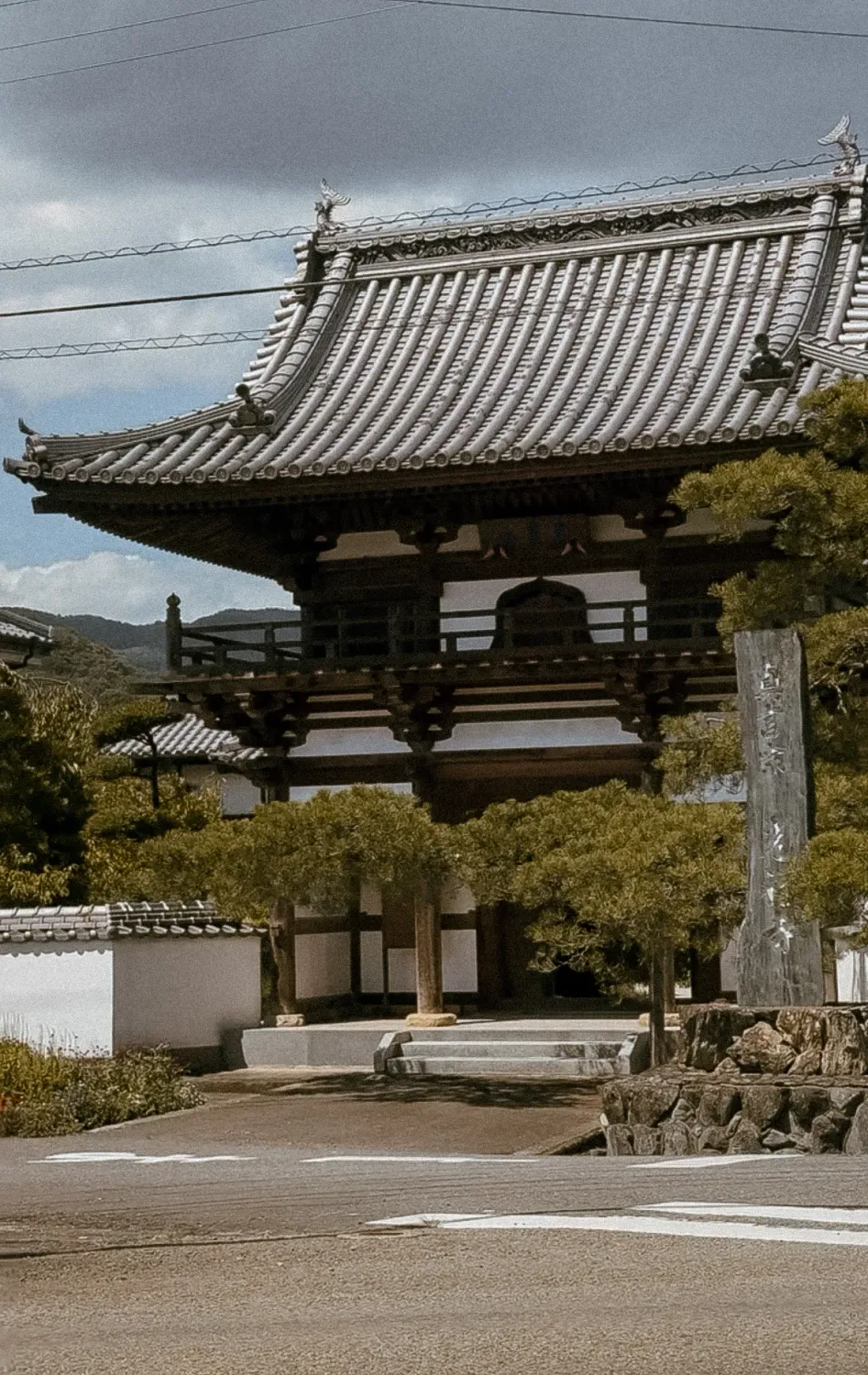
Right next to it was Kōfukuji Temple, so we made a quick stop there before driving back to Tokushima.
Those small unplanned temple visits are always my favorite.
Back to Tokushima – Round 1
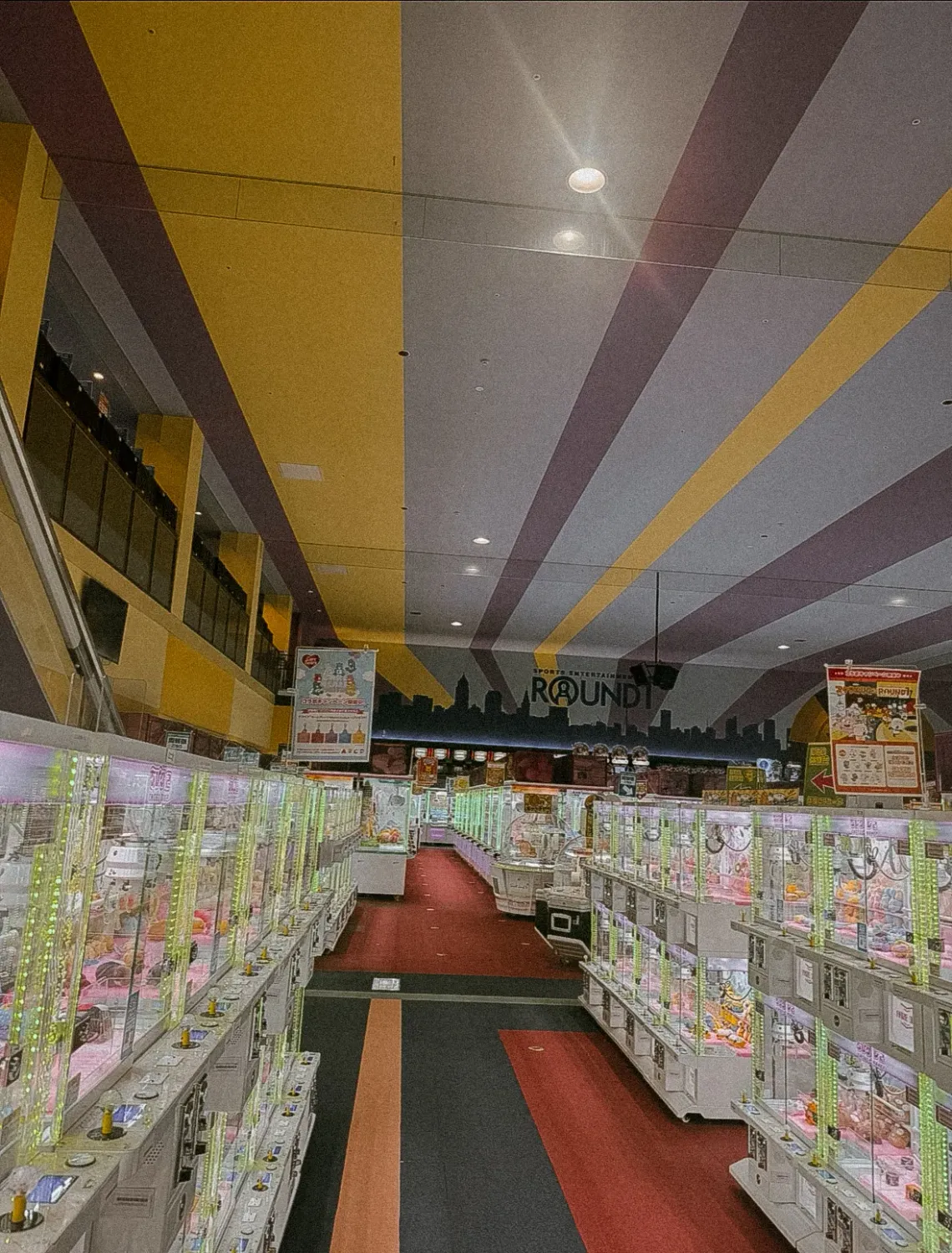
We returned to Tokushima and stopped at Round 1 before heading to my host family’s house.
It’s not the biggest or best Round 1 I’ve seen, but you still have some games. If you’re traveling with friends, it’s an easy and fun evening option.
Hyotan Jima Night Cruise
At 6 PM, we went on the Hyotan Jima cruise.
It’s a short boat ride around Tokushima’s rivers.
And honestly… I didn’t expect much.
But it was beautiful.
Seeing the city from the water at night, with the reflections and calm atmosphere, was such a nice surprise.
Dinner at Gusto
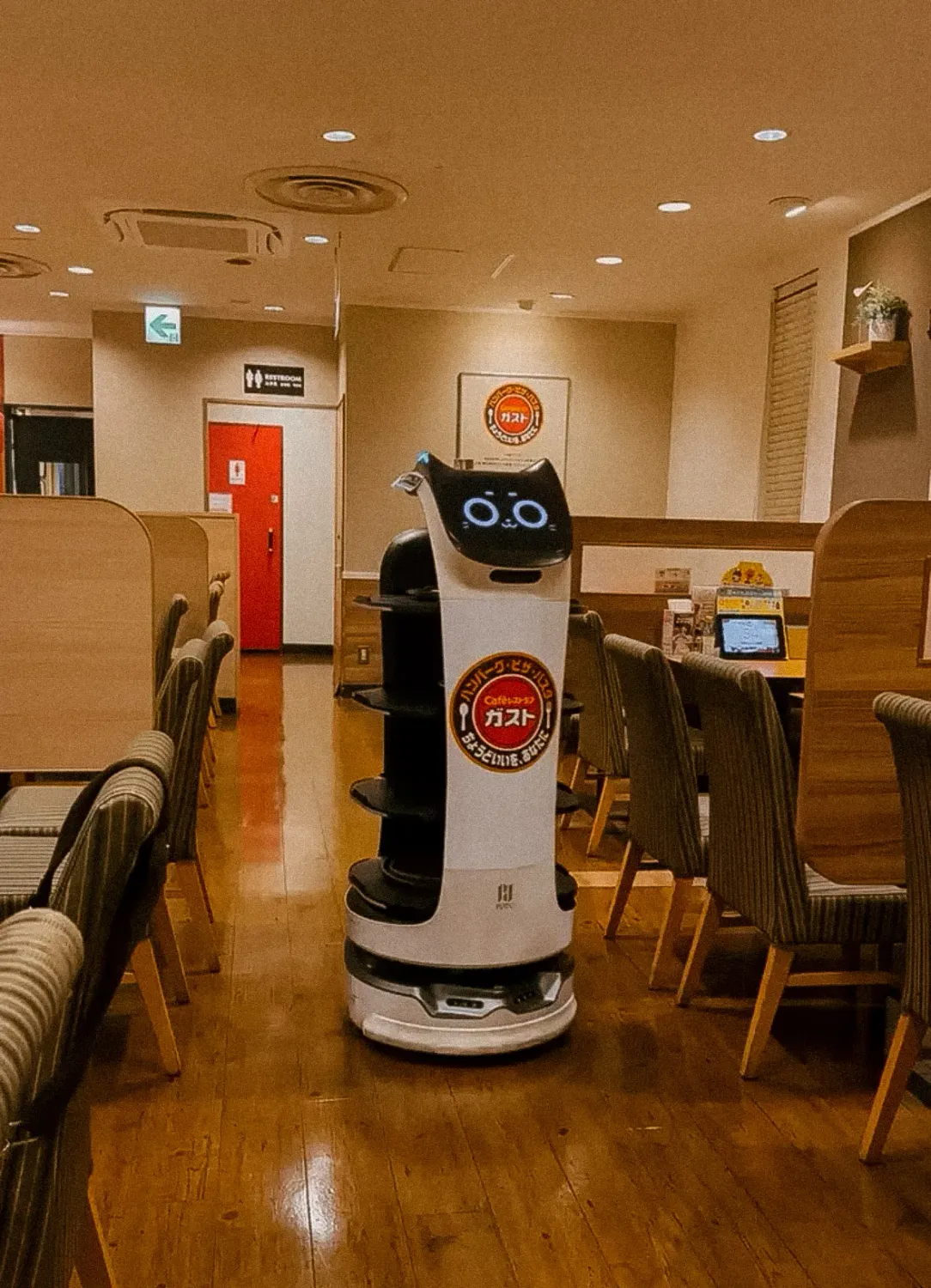
We ended the day at Gusto.
It’s a classic Japanese family restaurant chain. You can find everything on the menu: Japanese dishes, Western food, desserts, drinks.
Family restaurants in Japan are super casual, open long hours, and perfect when everyone wants something different.
Day 3 – Tokushima to Takamatsu
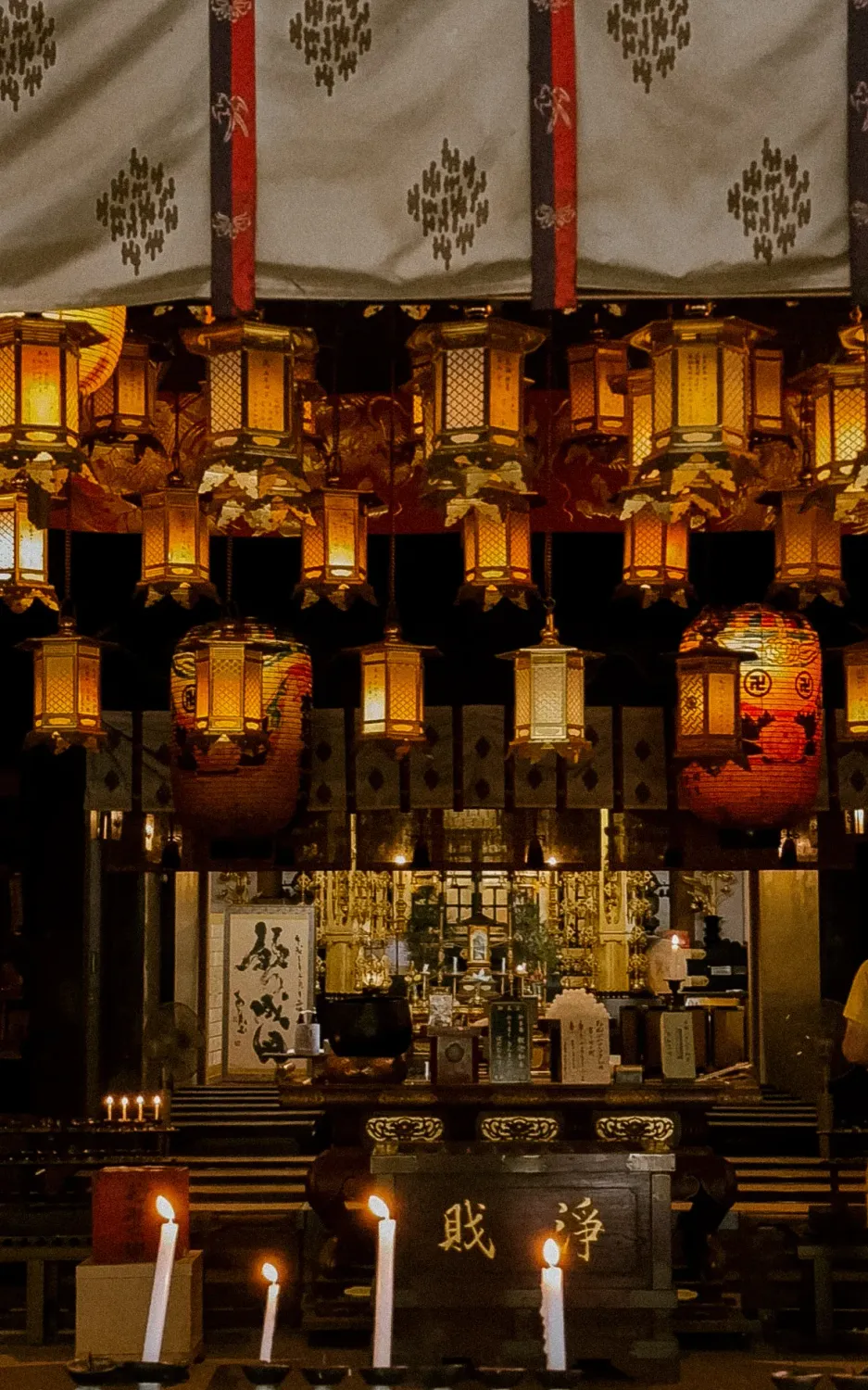
We started the morning at Temple No. 1 of the Shikoku 88 Temple Pilgrimage: Ryōzenji.
This is the official starting point of one of Japan’s most famous spiritual journeys.
The Shikoku pilgrimage connects 88 Buddhist temples across the island. It’s linked to Kūkai (Kōbō Daishi), founder of Shingon Buddhism. Some people walk the full 1,200 km route. Others drive or take buses. People do it for reflection, prayer, health, luck, guidance.
At each temple, pilgrims collect a stamp called a goshuin. Some carry special books or scrolls to gather all 88.
Being at Temple No. 1 felt symbolic. Even if we weren’t doing the full pilgrimage, it was powerful to stand where it begins.
Driving to Takamatsu
We left Tokushima and drove toward Takamatsu, with a few stops along the way.
Furusato no Umi Beach – Sanuki
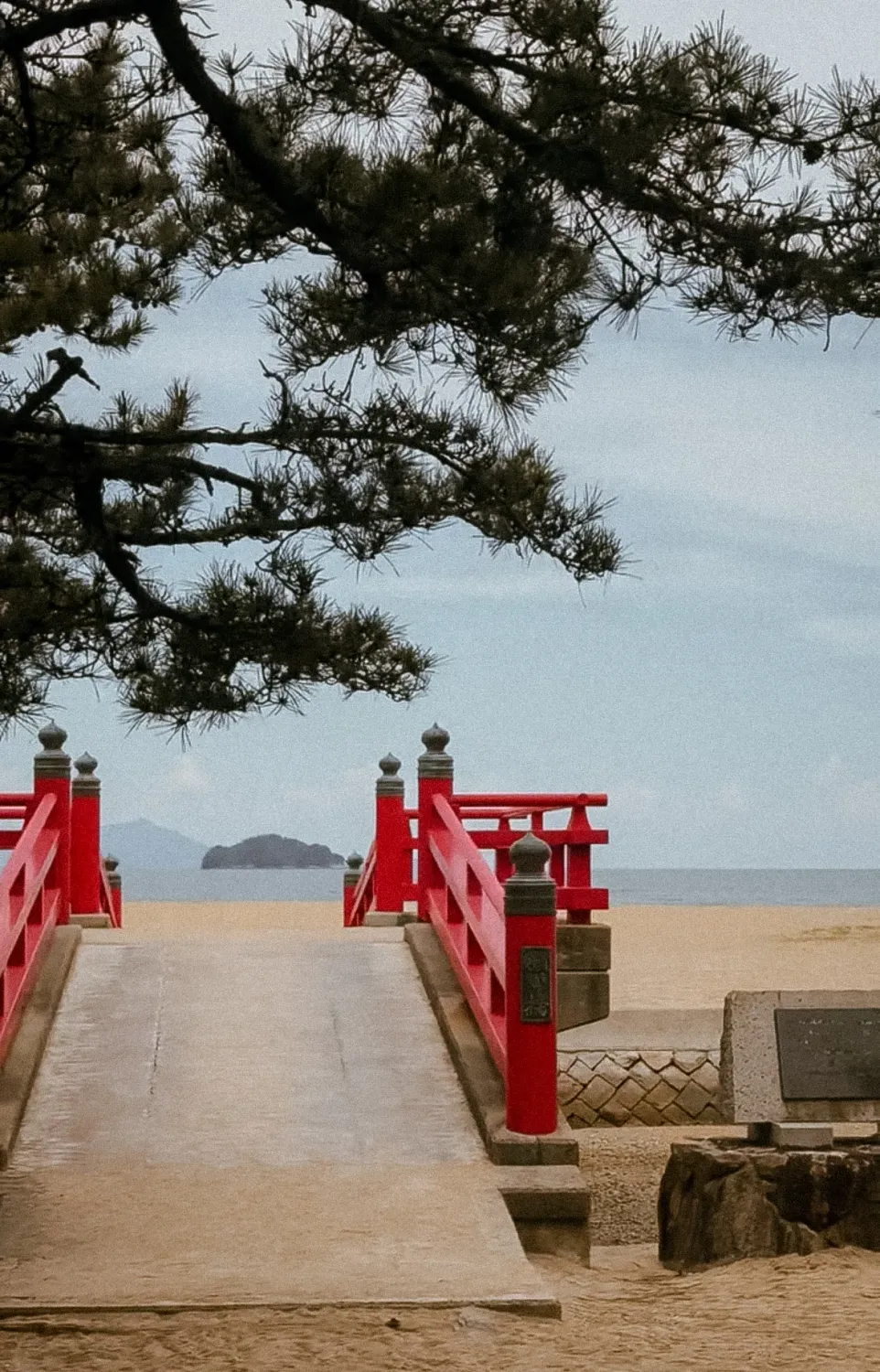
We stopped at Furusato no Umi Beach.
It wasn’t peak summer weather, a bit cloudy, but still hot. The water temperature was perfect. And we had the beach completely to ourselves.
The beach itself is simple. But the surroundings are beautiful.
There’s a park with very old trees and even a small shrine right next to the sand. It feels calm and very local.
Facilities are basic but practical:
Toilets
Changing areas
A small kiosk with seating
Some reviews mention jellyfish during certain seasons. I didn’t see any, but it’s something to check if you plan to swim.
It was a really nice unexpected stop.
Kokomo Shido – Sanuki
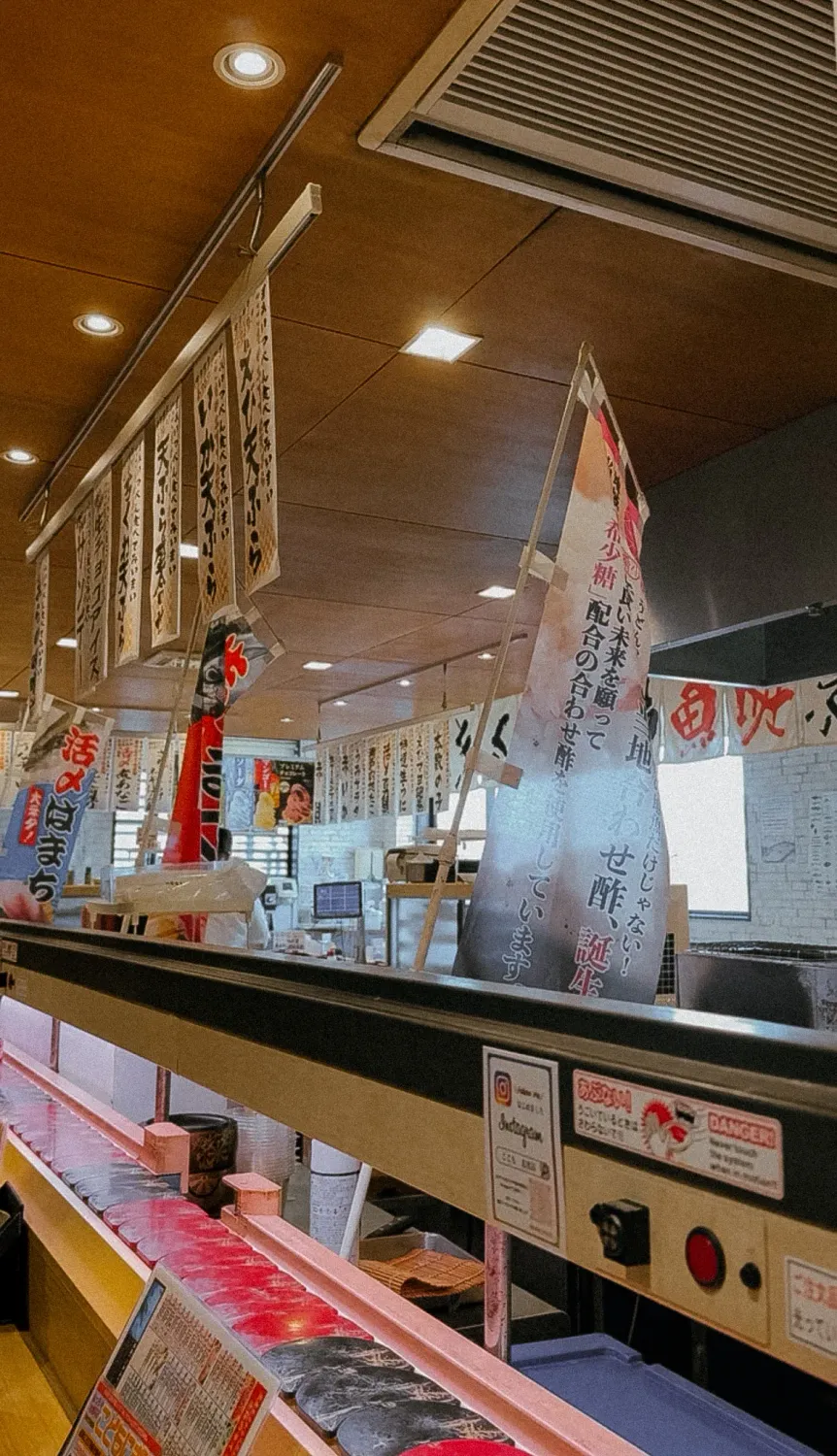
To get closer to Takamatsu, we stopped at a restaurant called Kokomo Shido. It was a sushi restaurants.
We ate very well. And a lot.
No regrets.
Ritsurin Garden – Takamatsu
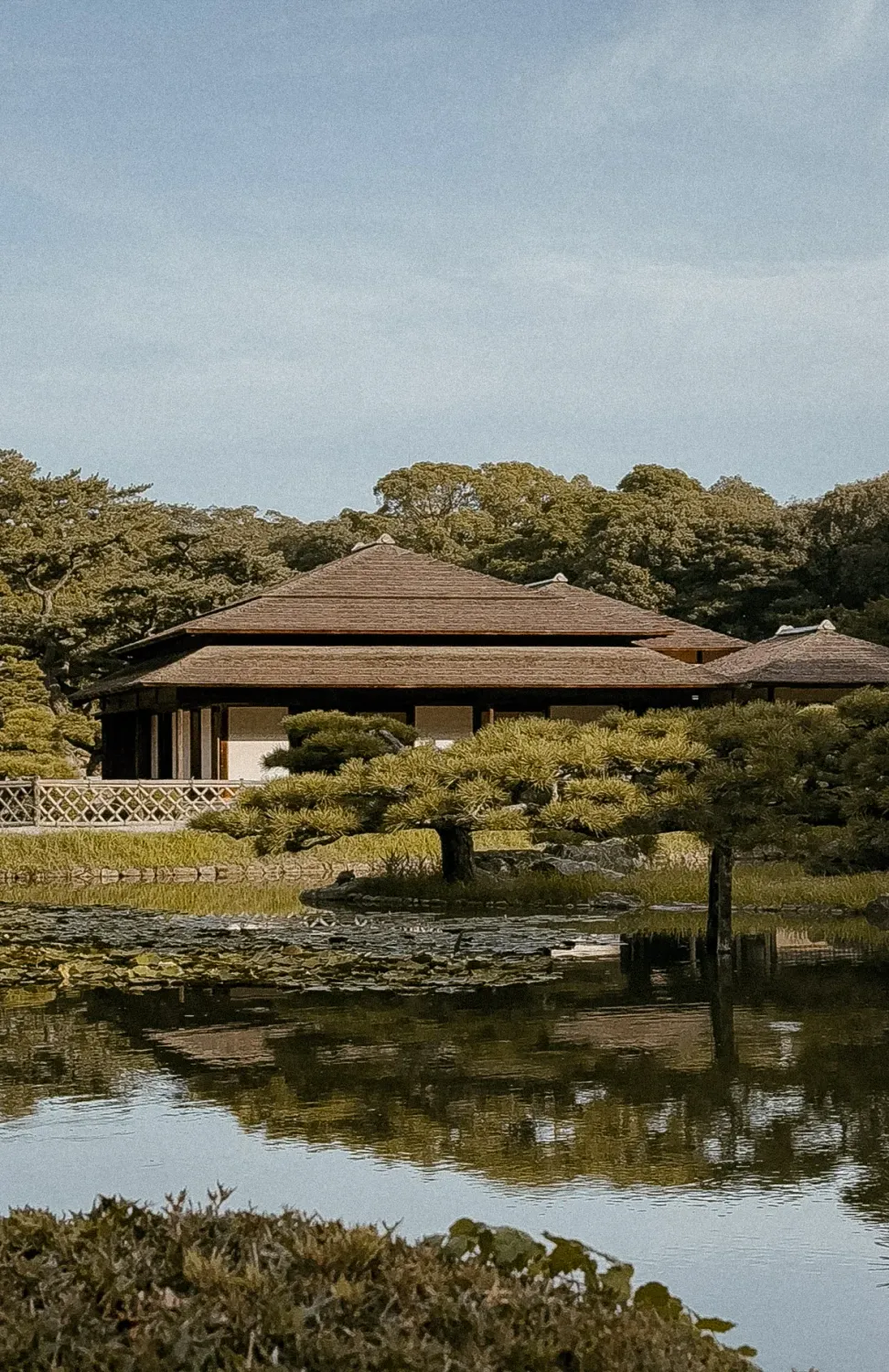
Next stop: Ritsurin Garden.
One of the most famous traditional gardens in Japan. It dates back to the Edo period and is designated as a Special Place of Scenic Beauty.
It’s huge.
Ponds. Bridges. Carefully shaped pine trees. Mt. Shiun in the background.
We spent around 2 hours walking through it, and honestly you could stay even longer. There are small shops, cafés, ice cream stands, and even stamp spots inside.
It’s one of those places where you just slow down and take it in.
Definitely worth the time.
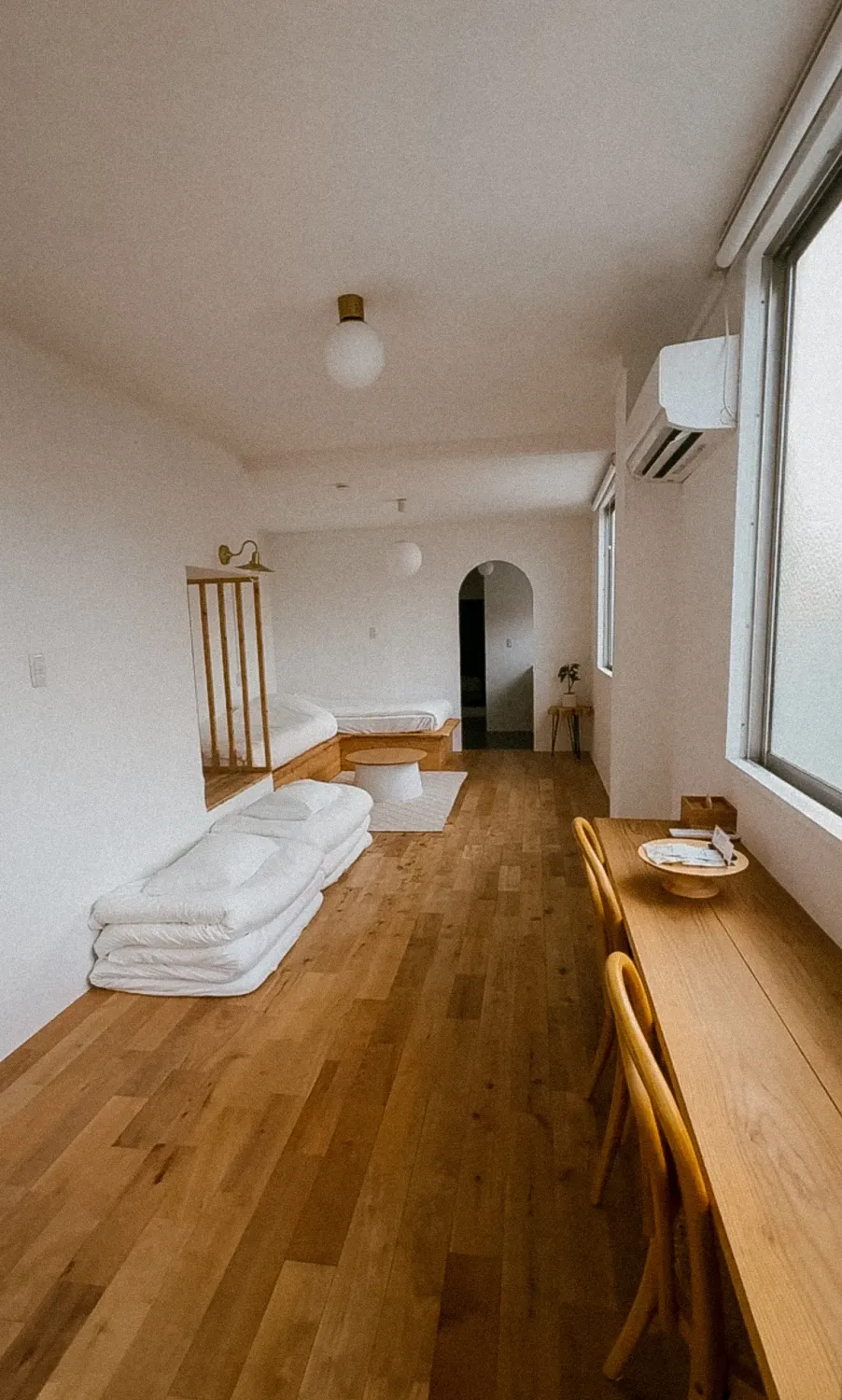
Our Airbnb in Takamatsu : HOHO
We checked in for 2 nights and 3 days.
Cost: €502 for 6 people.
The place was cute and aesthetic. Very well located, only 5 minutes from Takamatsu Station.
Downside: a bit lacking in equipment, and the tatami weren’t super comfortable.
But overall, still a good stay.
Returning the Car
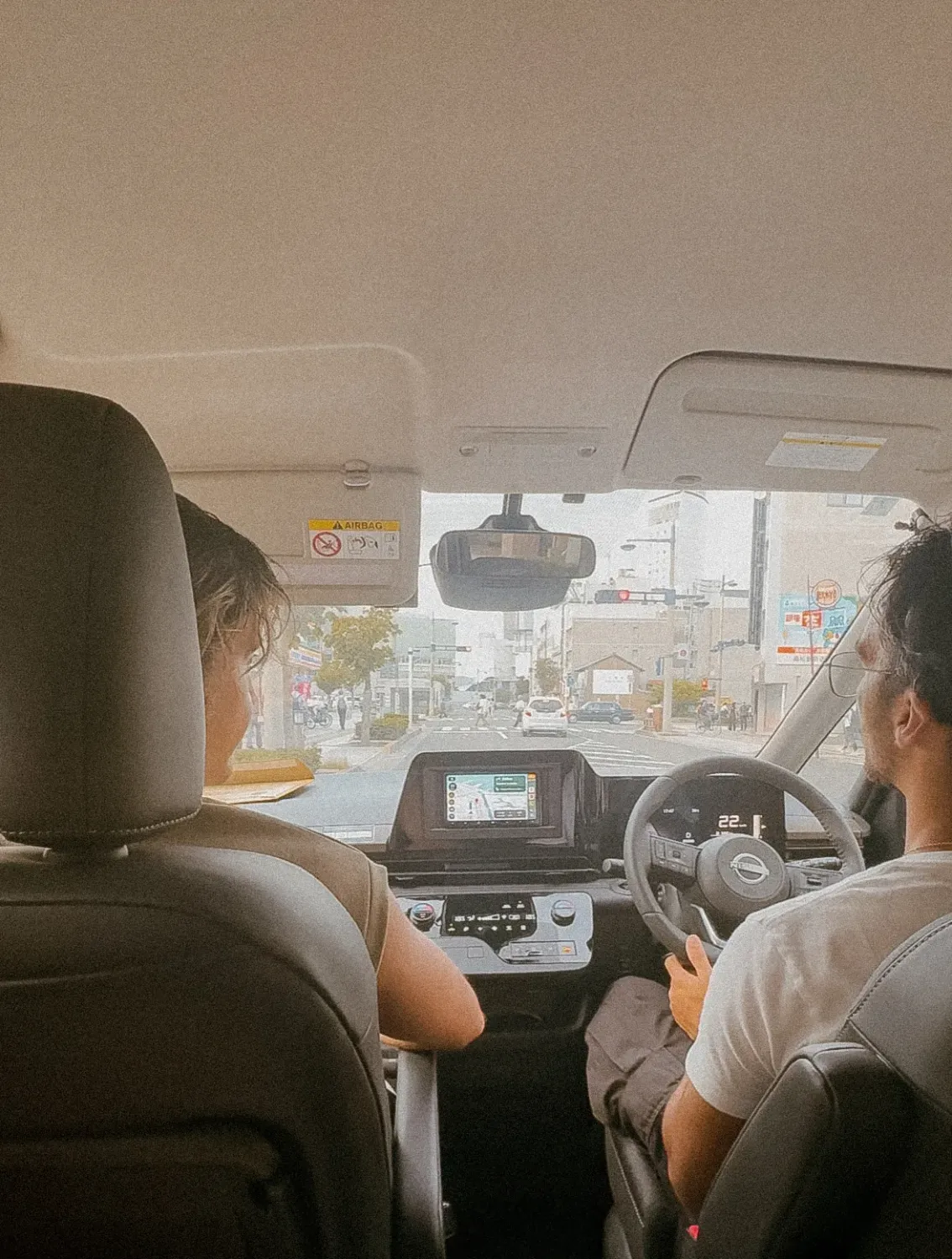
At the end of the day, we returned our rental car.
Highway tolls for 3 days: 7,700 yen.
Having a car in Shikoku made everything much easier. Especially for beaches and smaller towns.
Takamatsu Hyogomachi Shopping Street
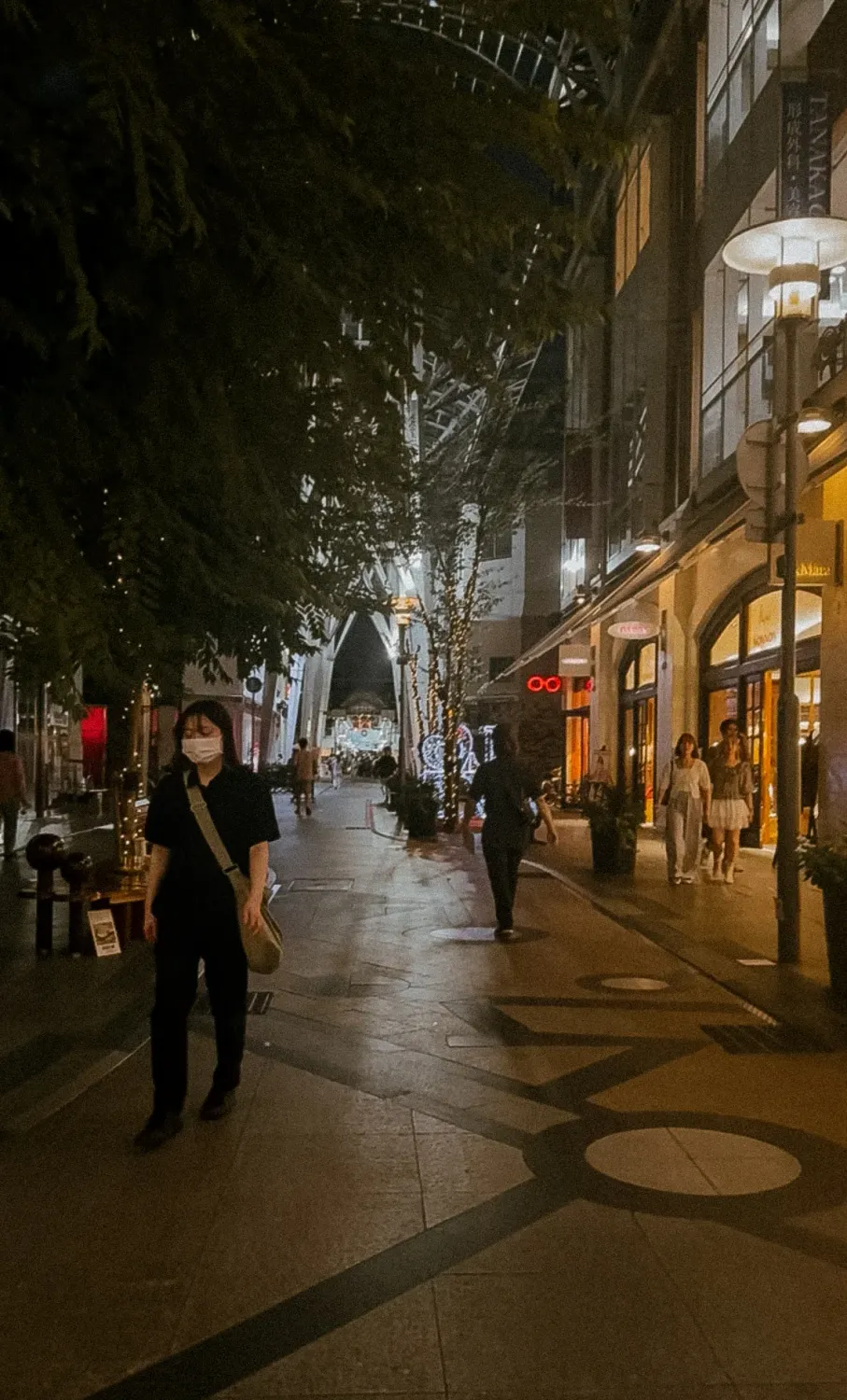
We ended the day around Takamatsu Hyogomachi Shopping Street.
And it’s big. It connects to multiple other covered shopping arcades, so you can walk for a long time without even realizing it.
For dinner, we went to an izakaya called En. Ate really well again.
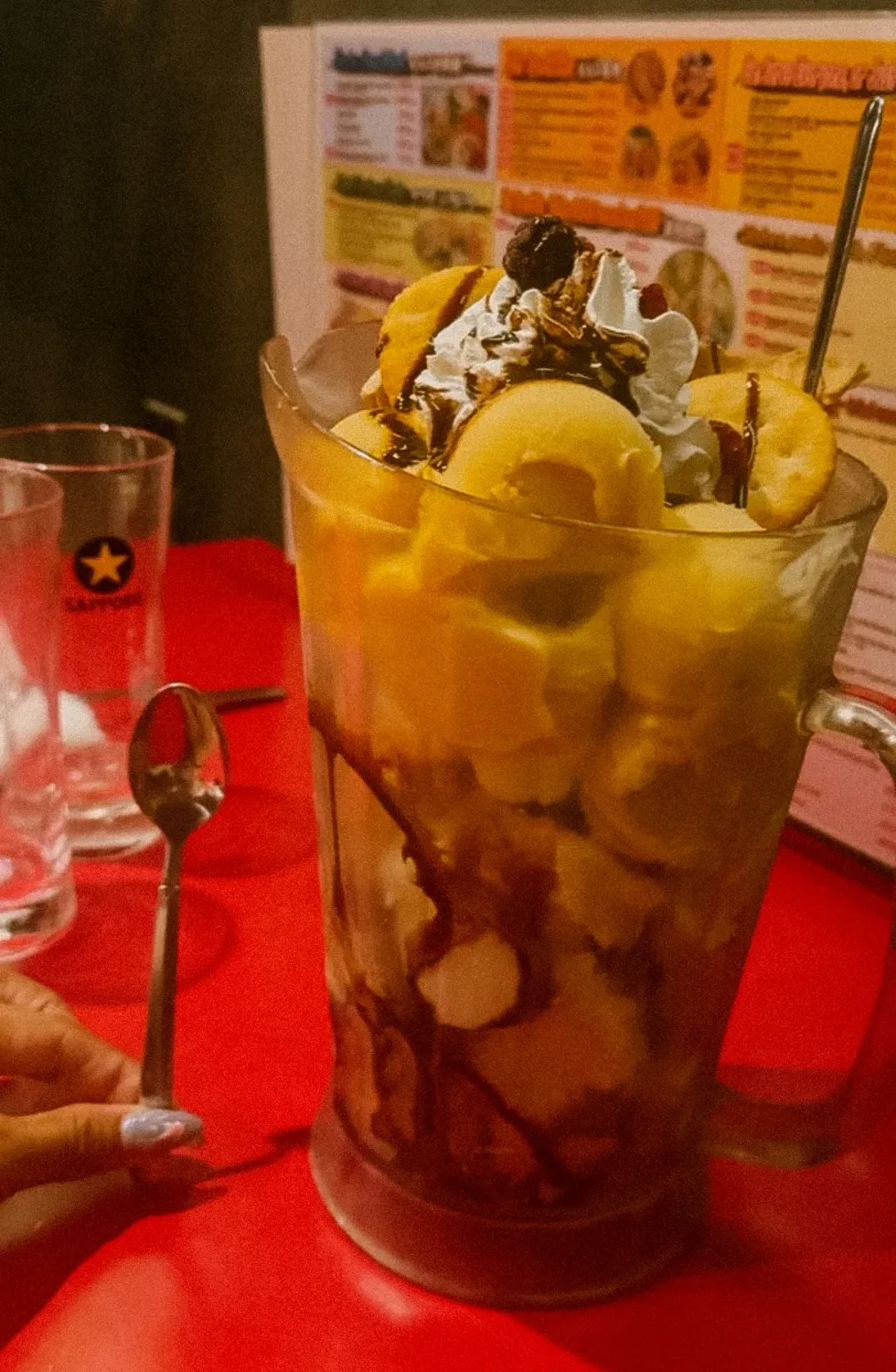
And then… dessert happened.
I didn’t really read the menu properly and ordered the “Extra Large Parfait”.
It came in a literal pitcher.
Huge. VERY HUGE AHA. But iconic.
Day 4 – Shōdoshima
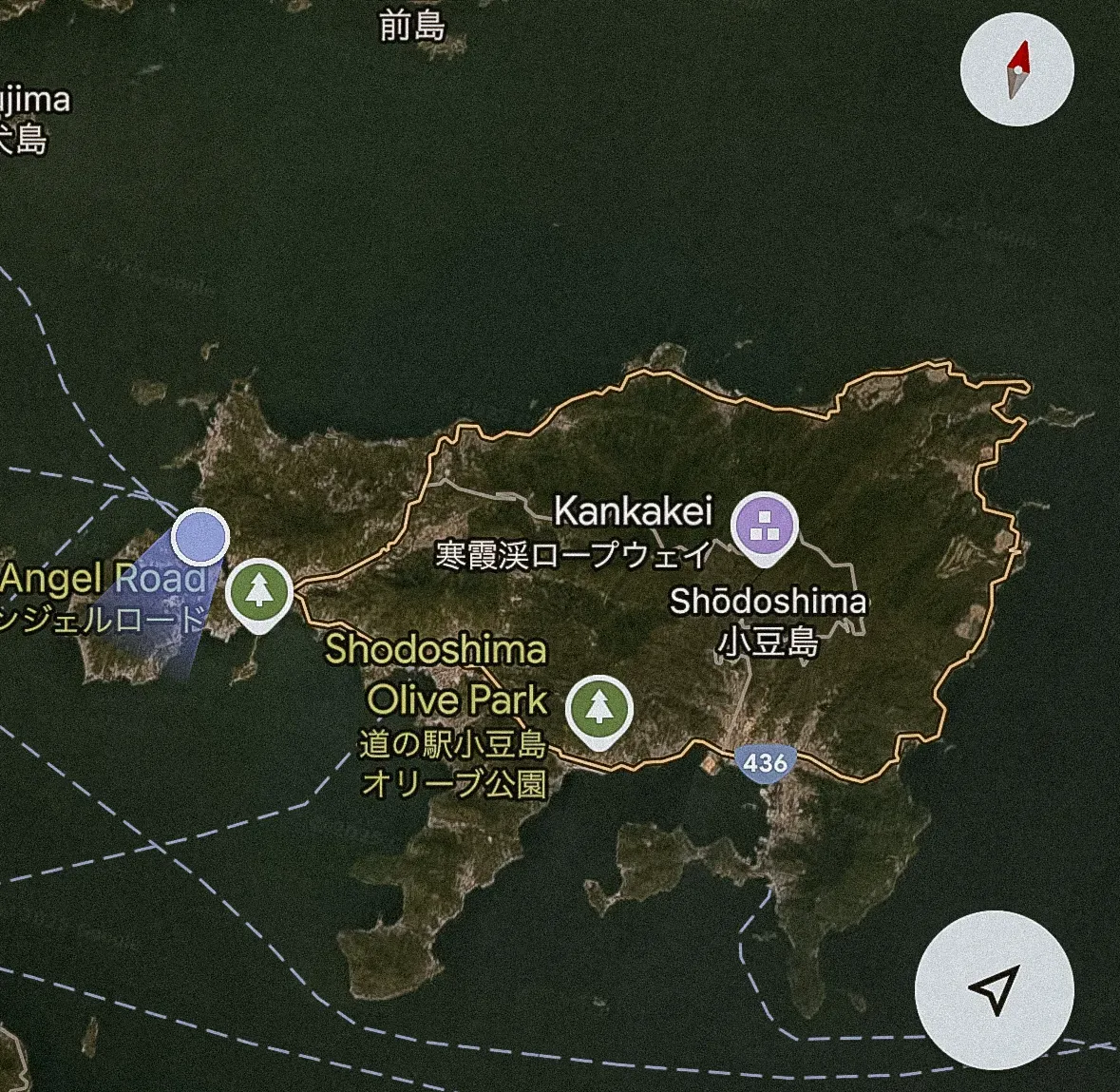
This island is part of the Seto Inland Sea. It’s known for olive trees, soy sauce, somen noodles and coastal views.
We took a ferry from Takamatsu Port.
About 30 minutes.
We left around 9 AM and arrived around 9:30.
Renting a car
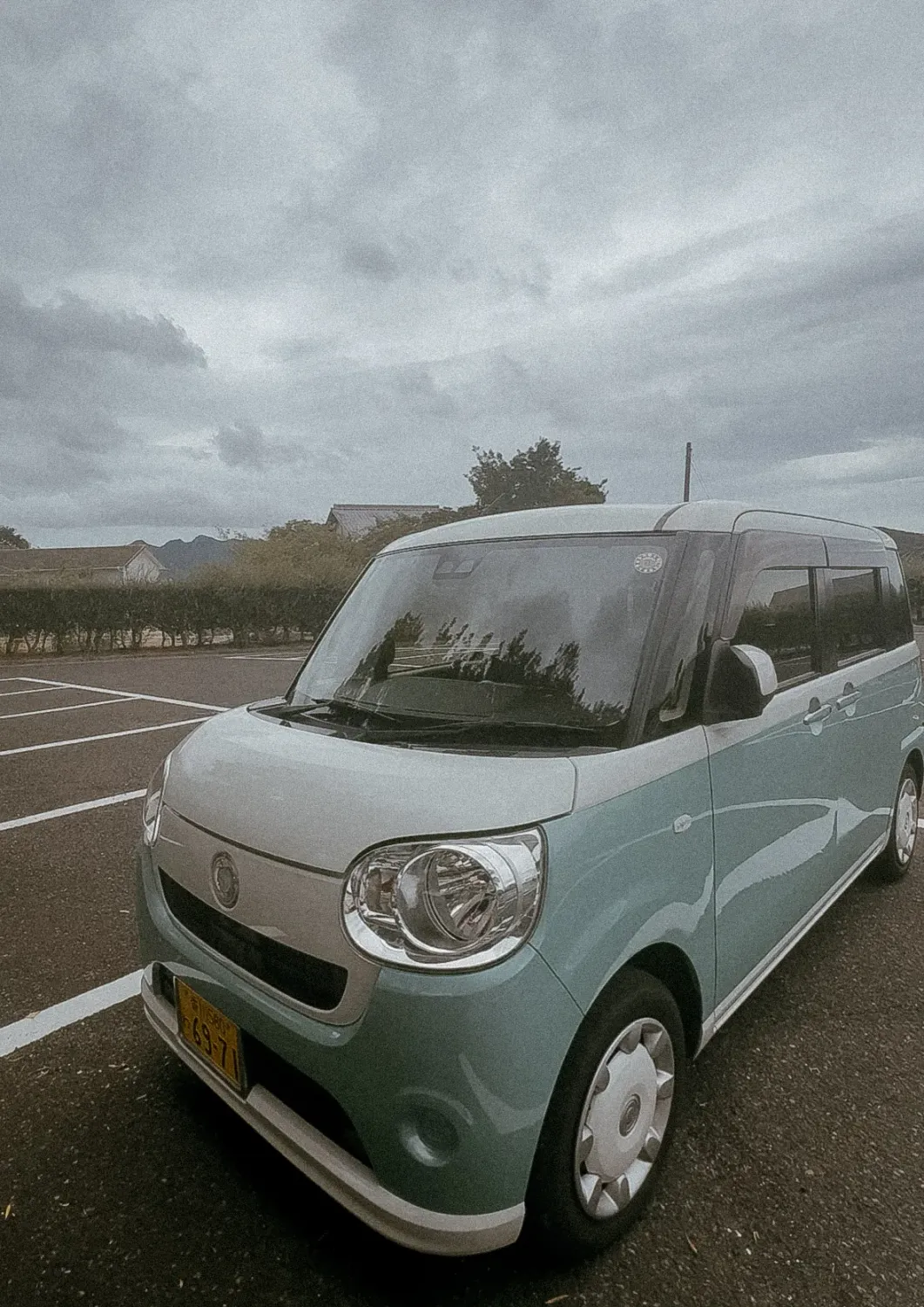
I didn’t book a car in advance. I just went to a rental place near the ferry port.
Most cars were already reserved, but they still had some left. Since we were 6 people and most cars only fit 4 passengers, we rented 2 cars.
It cost €80 total for both cars, so €40 per car.
Mine was a small Daihatsu. Very cute, I loved it.
There are several rental places at the port. You can also take a tour bus around the island, but having a car is much easier.
Senmaida Rice Fields
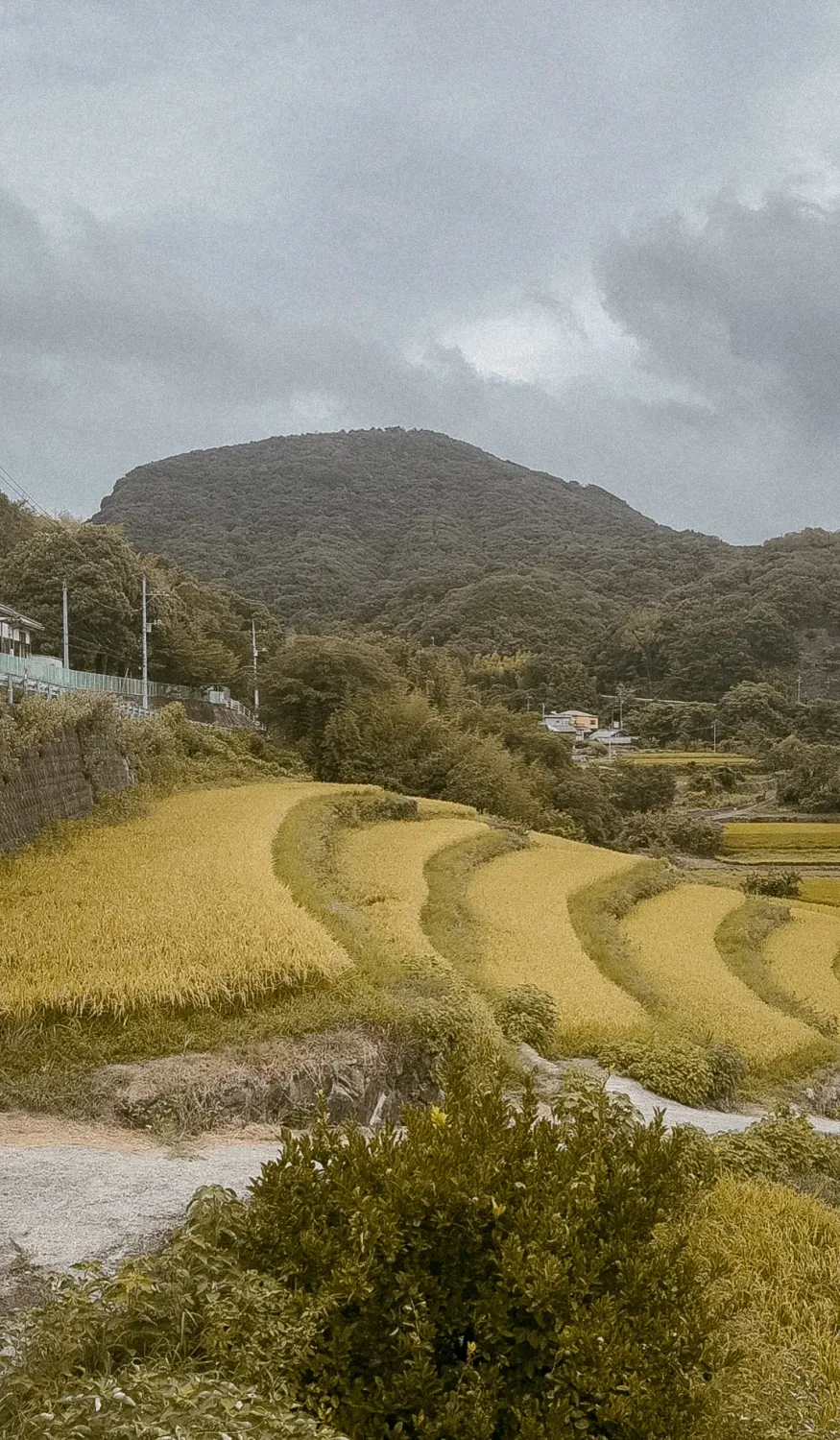
I always wanted to see the Senmaida rice fields.
“Senmaida” means “a thousand rice paddies”. They are terraced fields built on the slope of the mountain.
We stayed around 30–40 minutes to enjoy the view. There was also what looked like an abandoned temple nearby.
This stop was important for me because it was my mother’s dream to see this place.
Olive Park
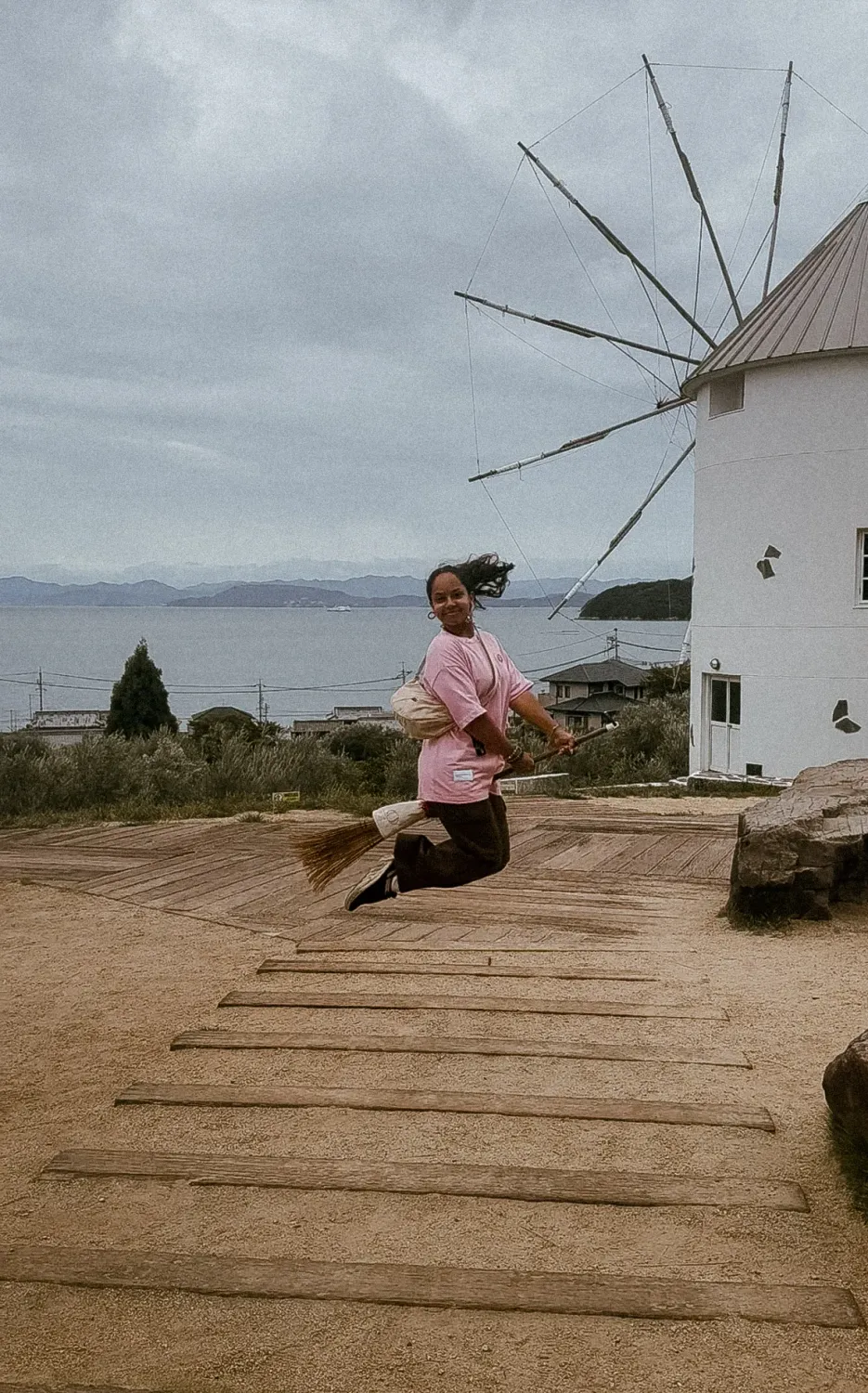
Shōdoshima is called the “Olive Island” because the first successful olive cultivation in Japan started here in 1908.
Today, olives are everywhere on the island.
Olive Park is one of the main landmarks. It also inspired parts of the Studio Ghibli movie Kiki’s Delivery Service. You can borrow a broom and take a photo like Kiki flying.
Of course, I did it.
There’s also a big souvenir shop with olive products and local items.
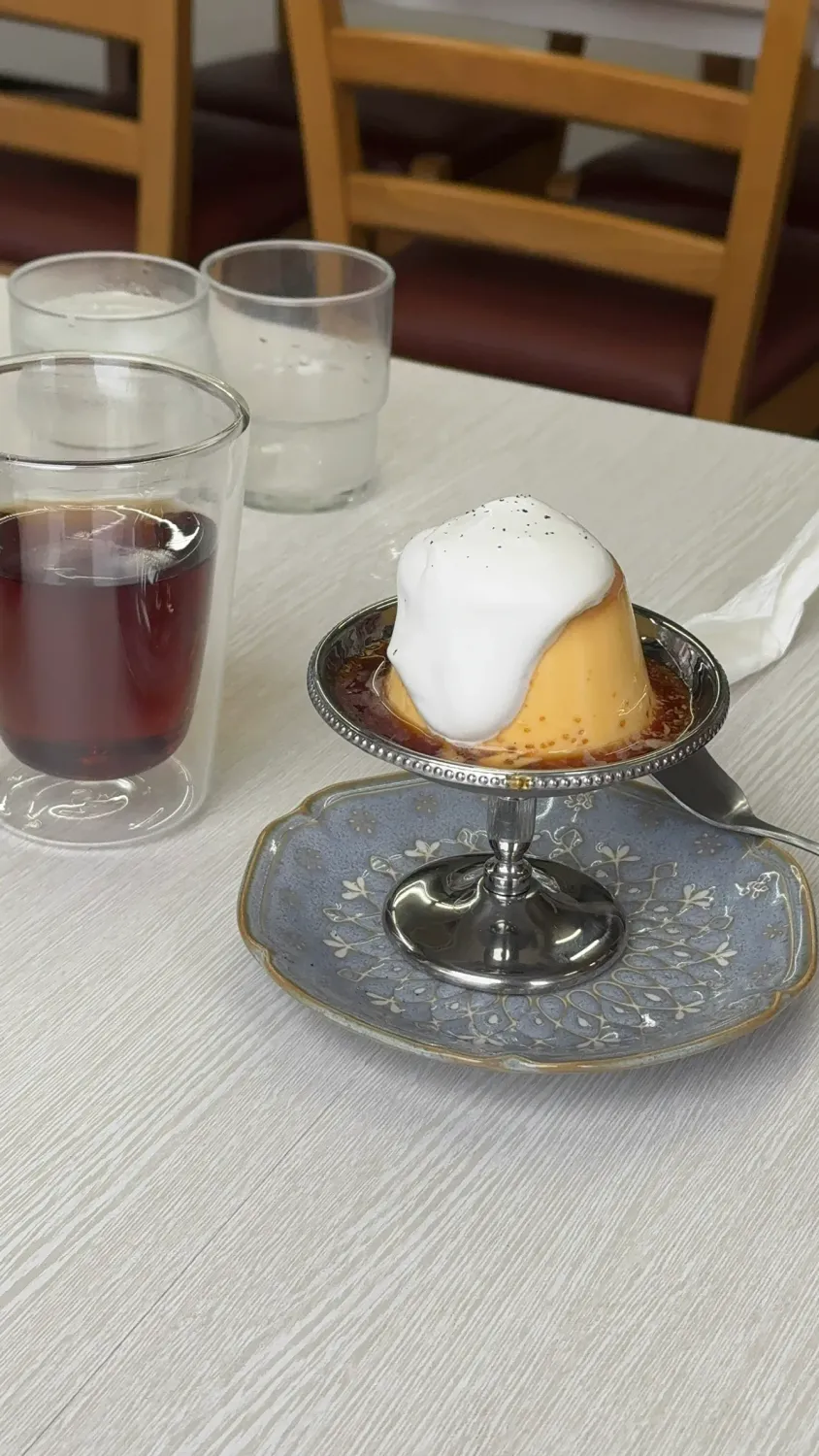
Lunch – Yuuzan Shōdoshima
You can find a restaurant guide at the ferry port.
We ate at a small place about 10 minutes from Olive Park called Yuuzan Shōdoshima.
They serve bento, curry, katsudon, katsu and other dishes.
It was cozy, the staff were friendly and the food was good.
Angel Road
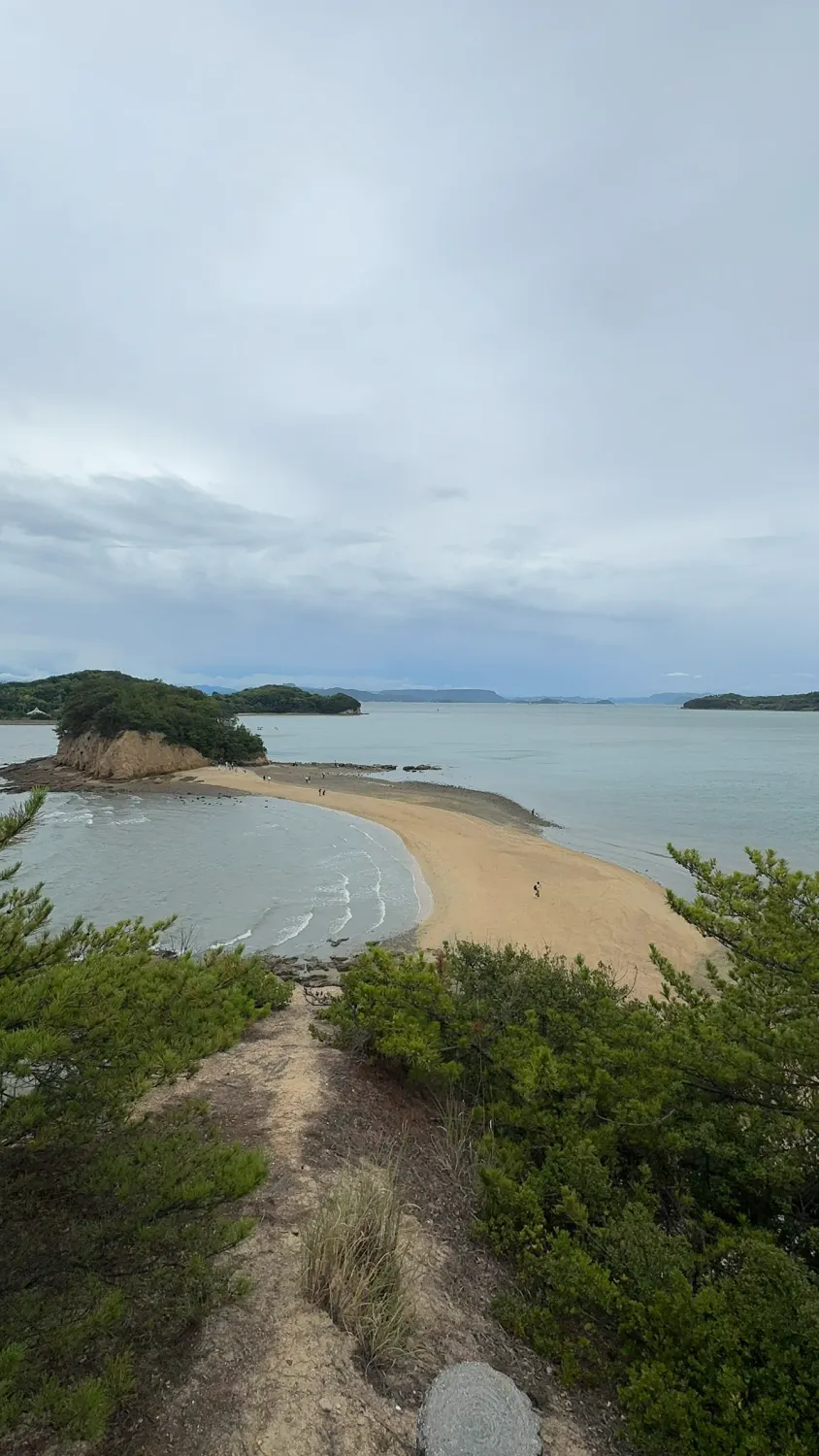
Angel Road is a sandbar that appears at low tide and connects four small islands.
You can walk across it twice a day depending on the tide.
There’s a small Ebisu shrine nearby and a short staircase that leads to a viewpoint with a nice view over the coast.
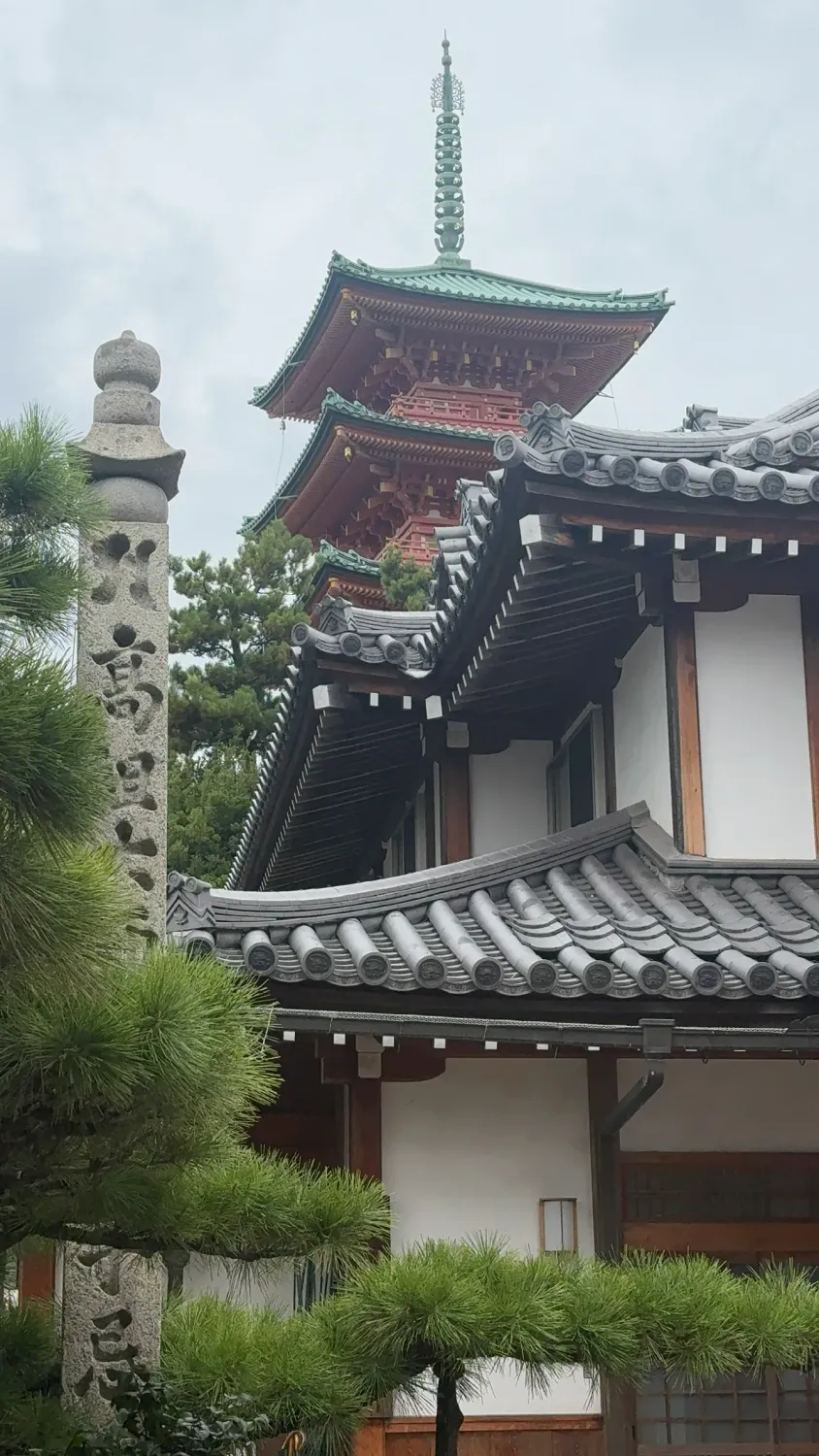
From the viewpoint, I saw a temple.
The temple stop : Saiko-ji
It was already past 3 PM and our ferry was at 3:50 PM.
We decided to go there quickly as our last stop.
The temple was empty. I wanted a goshuin but no one was there.
Still, the view from the top was nice.
Back to Takamatsu
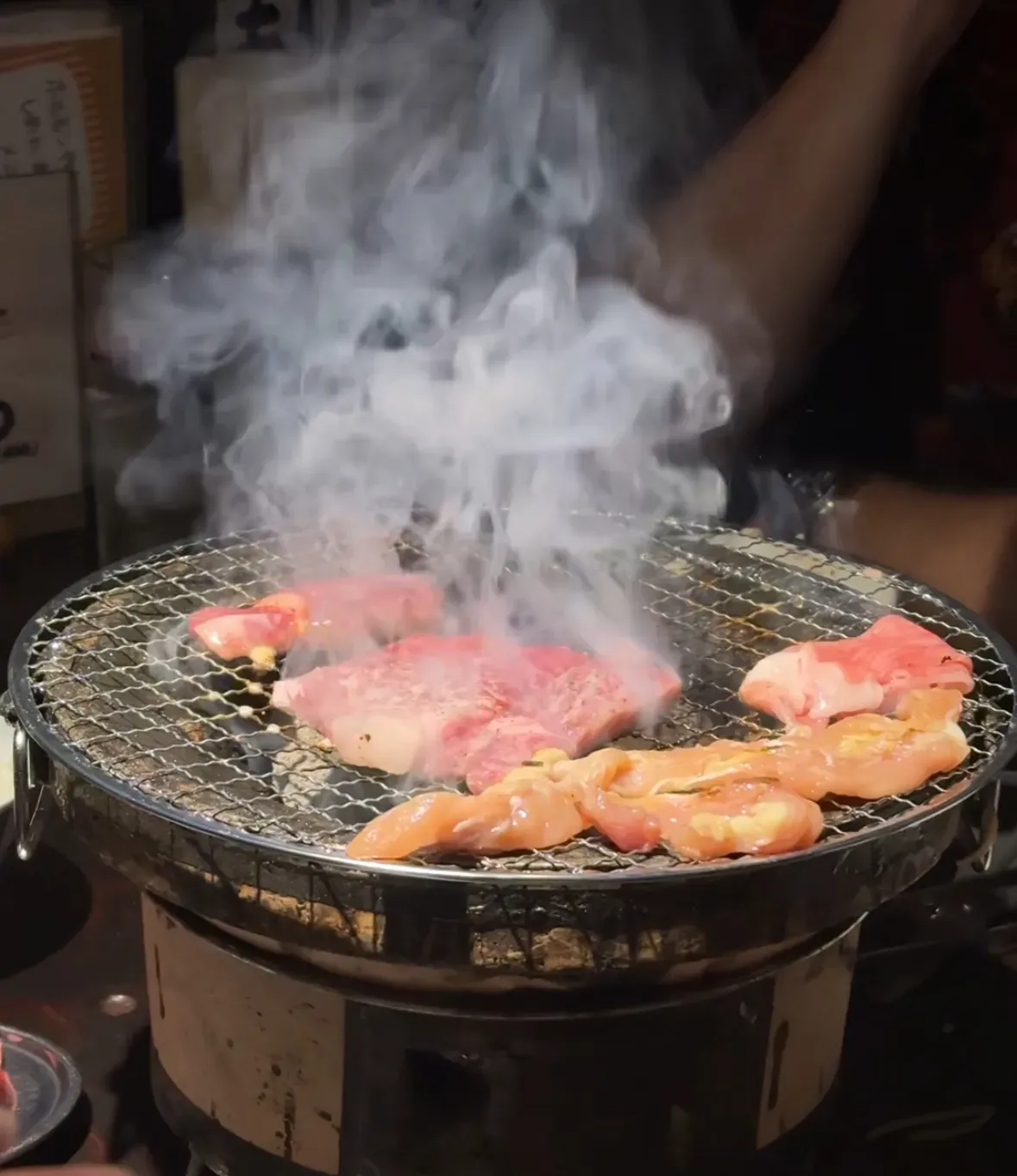
We ended the day at Horumon Yamato, a yakiniku restaurant where you grill your own meat. We had Wagyu A5, beef and chicken.
The atmosphere was nice and the staff were friendly. The boys had sake together.
Is Shikoku Worth It?
Yes, especially if you’ve already seen Tokyo, Kyoto and Osaka.
Shikoku gives you a different side of Japan. Slower, quieter, more local.
It’s not about checking landmarks. It’s about experiencing a different rhythm.
Plan Your Japan Trip More Easily
If you're going to Jpaan you're probably facing :
Too much information
How to organize
Don’t know where to go
Train system feels confusing
Afraid of missing places
Planning a trip to Japan usually breaks at the same point: you save a lot of places, but don’t know how to turn them into a realistic route. Cities are large, distances are not intuitive, and it’s hard to know what actually fits in one day.
This guide was created to solve that. It helps you understand how places connect, how many days make sense per area, and how to build an itinerary that flows.
With the interactive map, you can explore curated spots across Japan, follow ready-made itineraries and day trips, mix my routes with your own, and adapt everything to your pac
I created my Japan Travel Guide to help you organize your trip in a clear, realistic way.
Details on what you'll have
Best of both world : touristy & off the beaten path places
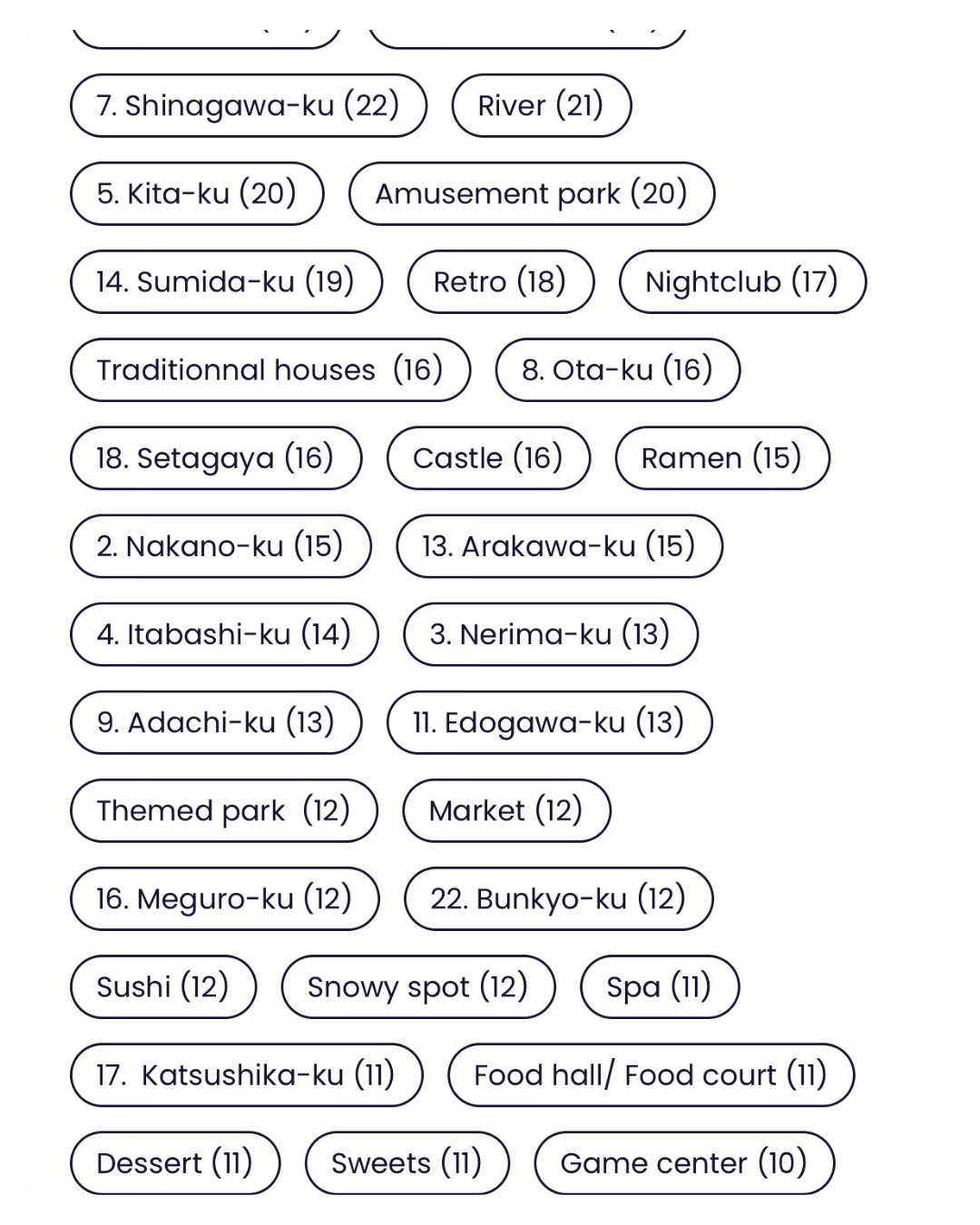
+ 1000 things to do, filterable by category & tags
Lifetime access to my itinerary and all future updates.
10 to 30 days curated itineraries, fully customizable
Kanto (Tokyo & surroundings) Day by Day customizable Itinerary (10 to 15 days)
Kansai (Osaka, Kyoto, Nara...) Day by day Itinerary customizable (13 to 15 days)
Tokyo Guide by Neighborhood (23 special ward)
15+ additional day trips detailed for exploring nearby destinations from Tokyo, Osaka, Kyoto.
Interactive map with all key spots marked & filterable by category & tags
Benefit from in-depth practical advice (navigation, accomodation, restaurants, cultural experiences)
PDF & Excel sheets (with less updates than online version)

What it looks like on the app :




If you prefer something fully tailored, I also offer a 100% custom travel planning service.
I design a day-by-day itinerary based on your dates, interests, budget, travel pace, and priorities. You simply follow the plan and enjoy your trip.
And if you like flexible, editable itineraries, you can also find my ready-made itineraries on Holicay.
They’re ideal if you want a solid base you can customize with your travel companions.

Marie creator behind @Tabimawari
Hi, I’m Marie, the creator behind @tabimawari.
I lived in Kyoto, learned Japanese, and keep returning to explore Japan beyond the obvious.
Planning a trip to Japan usually breaks at the same point: you save a lot of places, but don’t know how to turn them into a realistic route. Cities are large, distances are not intuitive, and it’s hard to know what actually fits in one day.
This guide was created to solve that. It helps you understand how places connect, how many days make sense per area, and how to build an itinerary that flows.
With the interactive map, you can explore curated spots across Japan, follow ready-made itineraries and day trips, mix my routes with your own, and adapt everything to your pace.
MY SOCIALS


MY NEWSLETTER
Japan Monthly by Tabimawari : Subscribe to get a monthly email packed with inspiration, local tips, and events happening across Japan straight from someone who’s lived and traveled a lot.
Look for the best accommodations in Japan :
Marie creator behind @Tabimawari
Hi, I’m Marie.
French islander from Reunion island, Japan lover, and travel planner behind Tabimawari.
I spent a year living in Kyoto, learning Japanese and falling in love with the culture. Since then, I’ve kept going back, exploring every corner from Tokyo to the tiniest hidden towns.
I created these guides after spending months planning, testing, and fine-tuning every detail so you don’t have to. Inside, you’ll find:
✅ Interactive maps
✅ Step-by-step directions
✅ Local spots + travel tips
✅ Offline use
Each guide is made with care, based on real-life travel, not generic blog advice.
This is what I wish I had on my first trip to Japan and now it’s yours.
MY SOCIALS
MY NEWSLETTER

Plan your Japan trip without
the overwhelm
Follow me
Newsletter
Japan Monthly : Subscribe to get a monthly email packed with inspiration, local tips, and events happening across Japan straight from someone who’s lived and traveled a lot.