
Plan your Japan trip without
the overwhelm
Best areas to stay in Tokyo + hotel recommendations for every traveler
Tokyo is massive, and choosing where to stay can completely change your trip. The good news is that Tokyo’s train system is so efficient that staying near the right line often matters more than the exact neighborhood itself. Some areas are perfect for first-time visitors. Others are better for food, nightlife, quieter stays, or easy airport access. Here’s a clear guide to the best areas to stay in Tokyo, along with hotel recommendations depending on your travel style and budget.
Near the Yamanote Line
Best for: first-time visitors and short stays
The Yamanote Line is Tokyo’s main loop line. It connects all the major districts most travelers want to see, including Shinjuku, Shibuya, Tokyo Station, Ueno, and Ikebukuro.
Staying near this line keeps everything simple. You can reach shopping areas, nightlife, anime districts, museums, and Shinkansen stations without complicated transfers.
This is the easiest and safest choice for a first trip to Tokyo.
Hotel Metropolitan Tokyo Ikebukuro
Hotel Metropolitan Tokyo Ikebukuro is worth considering because it sits right next to Ikebukuro Station, which is one of Tokyo’s biggest transport hubs and makes getting around the city and beyond very easy. The hotel is directly connected to the station, which serves JR lines, metro lines and airport express buses, so you can move around Tokyo quickly and reach Narita or Haneda by direct bus or train. The area feels busy and urban with department stores, restaurants and nightlife right outside, which works well for travellers who want lively city access and convenience. This is a large full-service hotel with restaurants, lounges and easy access to shops, which suits visitors who want comfort and no fuss in a major Tokyo district.
Prices:
Mid range to slightly higher depending on season, often around 15 000 to 28 000 yen per night.
Reviews:
Very positive overall for location next to Ikebukuro Station.
Guests often mention the ease of transport connections
Rooms are frequently described as clean and comfortable.
Some comments note that rooms can be compact due to Tokyo standards.
Stay:
Research based recommendation for clients.
Karaksa Hotel TOKYO STATION
See in the guide
Karaksa Hotel TOKYO STATION is worth considering because it sits right beside Tokyo Station, making it extremely easy to travel around Tokyo and to other cities by shinkansen, JR lines and subway. The closest transport is Tokyo Station itself with direct access to multiple metro lines and long-distance trains, so you can reach major Tokyo areas or airports without transfers. The area feels busy and efficient with office buildings, shops and restaurants right outside while still being easy to walk from to central attractions. This is a modern city hotel with straightforward rooms and practical services, which works well for travellers who want a no-fuss stay with maximum transport convenience.
Prices:
Generally mid range for Tokyo, often around 12 000 to 22 000 yen per night depending on season and room type.
Reviews:
Location right by Tokyo Station is frequently highlighted.
Guests often mention clean and comfortable rooms.
Many reviews note easy access to trains and buses.
Some comments mention that rooms are compact and basic.
Stay:
Research based recommendation for clients.
Super Hotel Premier Tokyo-eki Yaesu Chuo-guchi
See in the guide
Super Hotel Premier Tokyo-eki Yaesu Chuo-guchi is a good choice because it sits just steps from Tokyo Station Yaesu Central Exit, which makes it very easy to reach trains for all parts of Tokyo and long-distance shinkansen lines. The closest transport is Tokyo Station itself with JR lines, Shinkansen, and the Marunouchi Subway Line, so getting around the city or to other cities is straightforward. The area feels busy and efficient with office buildings, restaurants and convenience stores close by, and it stays active into the evening with options for dinner near the station. This is a modern business hotel with straightforward rooms and included breakfast, which works well for travellers who want direct access to transport and simple accommodation without extra frills.
Prices:
Generally mid range for Tokyo, often around 12 000 to 20 000 yen per night depending on season.
Reviews:
Frequent praise for the unbeatable location right by Tokyo Station.
Guests often mention clean rooms and friendly staff.
Breakfast is commonly noted as good value.
Some reviews mention that rooms are compact and basic.
Stay:
Research based recommendation for clients.
Best for: sightseeing and classic Tokyo spots
The Ginza Line is Tokyo’s oldest subway line and passes through some of the city’s most iconic areas, including Asakusa, Ueno, Ginza, Omotesando, and Shibuya.
Staying near this line is ideal if your trip focuses on cultural landmarks, shopping, and walking-friendly neighborhoods.
Mitsui Garden Hotel Ginza Premier
See in the guide
Mitsui Garden Hotel Ginza Premier is worth considering because it sits in the heart of Ginza, which puts you within walking distance of high-end shopping, restaurants and transport for the rest of Tokyo. The closest transport is Ginza Station served by multiple Tokyo Metro lines a short walk away, with Shimbashi and Yurakucho stations also nearby, so moving around the city is very easy. The area feels central and busy with a mix of local workers, shoppers and visitors, and it stays active into the evening around restaurants and bars. This is a modern city hotel with comfortable rooms and skyline views on higher floors, which suits travellers who want easy access to Tokyo’s core without sacrificing on straightforward service and location.
Prices:
Generally mid to high range for Tokyo, often around 20 000 to 35 000 yen per night depending on season and room type.
Reviews:Frequently praised for location and convenience.
Views from higher floors are often mentioned positively
Rooms are commonly described as clean and well maintained.
Some guests mention that room sizes are typical for Tokyo and feel compact.
Stay:
Research based recommendation for clients.
Remm Hibiya
See in the guide
Remm Hibiya is worth considering because it sits in a central Tokyo location within walking distance of Hibiya Station and Yurakucho Station, which makes getting around the city easy by subway or JR lines. The area feels busy and urban with shops, restaurants and theaters close by while still being a short walk from quieter parks like Hibiya Park. This is a modern city hotel with efficient rooms designed for short stays, which works well for travellers who want direct access to transport, central sites and an easy stay without extras.
Prices:
Generally mid range to slightly higher for Tokyo, often around 15 000 to 25 000 yen per night depending on season and room type.
Reviews:
Location close to Hibiya and Yurakucho stations is frequently mentioned positively.
Guests often note clean and comfortable rooms.
Soundproofing and modern design are often praised.
Some reviews mention that rooms are small.
Stay:
Research based recommendation for clients.
Asakusa and eastern Tokyo
Best for: traditional atmosphere and slower travel
Asakusa offers a very different atmosphere compared to Shinjuku or Shibuya. You’ll find temples, traditional streets, local restaurants and calmer evenings.
The area stays well connected thanks to the Asakusa Line and Ginza Line, while still feeling more local and relaxed than western Tokyo. If you enjoy culture, photography, quieter nights and traditional Tokyo scenery, Asakusa is one of the best places to stay.
APA Hotel Asakusa Tawaramachi Ekimae
APA Hotel Asakusa Tawaramachi Ekimae is a good option because it is located between Asakusa and Tawaramachi, which makes walking to Senso-ji, the Sumida area and nearby streets easy without relying much on transport. The nearest access is Tawaramachi Station a short walk away, with Asakusa Station also within walking distance, giving subway and train connections across Tokyo. The area feels busy and local with shops, restaurants and everyday Tokyo life around, while still being calmer than the main Asakusa tourist streets in the evening. This is a modern business hotel with compact rooms and practical amenities, suited for travelers who want a central location and efficient stay without extra services.
Prices:
Generally budget to mid range for Tokyo, often around 9 000 to 15 000 yen per night depending on season and room type.
Reviews:
Very positive overall for location near Asakusa and transport.
Guests often mention clean rooms and easy check-in.
Many highlight good value for the area.
Some note that rooms are compact, typical of APA hotels.
Stay:
I stayed there
Tosei Hotel Cocone Asakusa Kuramae
See in the guide
Tosei Hotel Cocone Asakusa Kuramae is worth considering because it sits between Kuramae Station and the Asakusa area, which makes it easy to reach major Tokyo sights and move around the city by subway. The closest transport options are Kuramae Station on the Toei Oedo and Asakusa lines a few minutes on foot, plus nearby buses, so you can explore Asakusa, Ueno, Akihabara and beyond without transfers. The area feels local yet well connected with cafés, shops and traditional streets nearby, giving a mix of neighbourhood energy and city convenience. This is a modern city hotel with functional rooms and essential services, which works well for travellers who want a practical stay close to transport and central Tokyo attractions.
Prices:
Generally mid range for Tokyo, often around 10 000 to 18 000 yen per night depending on season and room type.
Reviews:
Location near subway lines and Asakusa is frequently praised.
Guests often mention clean and comfortable rooms.
Many note good value for money.
Some comments mention that rooms feel compact.
Stay:
Research based recommendation for clients.
Hamamatsucho and Tokyo Tower area
Hamamatsucho and Tokyo Tower area
Best for: quieter central stays and Haneda Airport access
This area is often underrated compared to places like Shibuya or Shinjuku, but it’s one of the most practical bases in Tokyo.
Hamamatsucho offers:
direct access to Haneda Airport via the Tokyo Monorail
JR Yamanote Line connections
quieter evenings
easy access to Tokyo Tower and Shiba Park
The atmosphere feels calmer and less overwhelming while still staying very central. You’ll find a mix of local restaurants, cafés, office areas and hotels without the constant crowds of bigger districts.
If you want convenience without the chaos, this is a very good option.
Shiba Park Hotel is worth considering because it sits close to Shiba Park and Tokyo Tower, giving easy access to green space and iconic views while still being in central Tokyo. The closest transport is JR Hamamatsucho Station and Mita Station on the Toei Subway, both a short walk away, which makes it simple to reach other areas like Ginza, Shinjuku and Asakusa by train or subway. The area feels calm but active with cafés, convenience stores and local restaurants nearby, which works well for travellers who want a mix of city energy and a quieter neighbourhood. This is a full-service hotel with a mix of Western and Japanese style rooms, which suits travellers who want a traditional hotel experience close to major Tokyo landmarks.
Prices:
Generally mid range for Tokyo, often around 15 000 to 25 000 yen per night depending on season and room type.
Reviews:
Often mentioned for excellent location near Tokyo Tower and transport.
Guests frequently note clean and comfortable rooms.
Many reviews praise friendly staff and good breakfast.
Some guests say rooms feel compact compared with price.
Stay:
Research based recommendation for clients.
Henn na Hotel Tokyo Hamamatsucho
Henn na Hotel Tokyo Hamamatsucho is worth considering because it sits a short walk from Hamamatsucho Station, which makes transport very easy with JR lines and the Tokyo Monorail to Haneda Airport. The hotel is also close to Shiba Park and Tokyo Tower, so you can explore central Tokyo on foot or by quick train rides. The area feels urban with plenty of restaurants, cafés and shops around, and it stays busy with commuters and visitors alike. This is a modern, tech-oriented hotel with automated check-in and robot staff features, which works well for travellers who want a convenient, no-frills stay with easy transport access.
Prices:
Generally mid range for Tokyo, often around 10 000 to 18 000 yen per night depending on season.
Reviews:
Location near Hamamatsucho Station is frequently praised
Tech features and smooth check-in are often highlighted.
Rooms are described as clean and compact.
Some guests mention that tech focus can feel impersonal and that space is small.
Stay:
Research based recommendation for clients.
High Leaf Shiba Daimon
See in the guide
High Leaf Shiba Daimon is worth considering because it sits close to both Daimon Station on the Toei Subway and Hamamatsucho Station on JR lines and the Tokyo Monorail, which makes transport around Tokyo and to Haneda Airport very easy. The area feels urban with a mix of office buildings, restaurants and local cafés, and it stays convenient for exploring central Tokyo on foot or by short subway rides. This place offers apartment-style rooms with kitchenettes and simple living space, which works well for travellers who want the flexibility of self-catering along with easy access to transport.
Prices:
Generally mid range for Tokyo, often around 12 000 to 20 000 yen per night depending on season and room size.
Reviews:
Location near multiple stations is frequently praised.
Apartment facilities and kitchen space are often noted positively.
Many guests mention clean and comfortable rooms.
Some comments note that rooms feel compact and basics are minimal.
Stay:
Research based recommendation for clients.
Akasaka area
Best for: central location with fewer tourists
Akasaka is one of the most balanced areas to stay in Tokyo.
It’s central, well connected by metro lines, lively in the evening, but still less touristy than places like Shibuya or Shinjuku.
The neighborhood mixes:
local restaurants
izakayas
cafés
office buildings
nightlife
while keeping a more relaxed atmosphere overall.
You can easily reach major areas across Tokyo without dealing with the busiest tourist crowds every day.
If you want a central location that still feels manageable and practical, Akasaka works extremely well.
Henn na Hotel Tokyo Akasaka
See in the guide
Henn na Hotel Tokyo Akasaka is worth considering because it sits close to Akasaka Station on the Tokyo Metro, which makes getting around central Tokyo easy and quick. The closest transport is Akasaka Station a few minutes on foot, with nearby connections to other metro lines and bus services, so you can reach places like Shibuya, Shinjuku and Ginza without transfers. The area feels urban with offices, nightlife, local restaurants and shops around, giving a lively city atmosphere both day and night. This is a modern hotel with a tech-oriented focus, including automated check-in and robot features, which works well for travellers who want a convenient and functional stay rather than a full-service hotel.
Prices:
Generally mid range for Tokyo, often around 10 000 to 18 000 yen per night depending on season and room type.
Reviews:
Location near Akasaka transport is frequently praised.
Guests often highlight the tech check-in and smooth process.
Rooms are described as clean and efficient.
Some guests mention that rooms feel compact and the tech can feel impersonal.
Stay:
Research based recommendation for clients.
Hotel Hillarys Akasaka
See in the guide
Hotel Hillarys Akasaka is worth considering because it sits just a short walk from Akasaka Station on the Tokyo Metro, which makes it easy to reach central Tokyo areas like Shinjuku, Shibuya and Ginza. The closest transport is Akasaka Station a few minutes on foot, with other metro and bus options nearby, so moving around the city is straightforward without needing taxis. The area feels urban with restaurants, cafés and shops close by and a mix of office buildings and local life, which works well for travellers who want basic accommodation in a central Tokyo neighbourhood. This is a straightforward city hotel with essential rooms rather than luxury services, which suits travellers who prioritise location and simplicity.
Prices:
Generally mid range for Tokyo, often around 10 000 to 18 000 yen per night depending on season and room type.
Reviews:
Location near Akasaka transport is often praised.
Rooms are commonly described as clean and practical.
Many guests mention good value for the price.
Some comments note that rooms feel compact and basic.
Stay:
Research based recommendation for clients.
Centurion Hotel Grand Akasaka is worth considering because it sits close to Akasaka Station on the Tokyo Metro, which makes moving around central Tokyo quick and easy. The closest transport is Akasaka Station a few minutes on foot with multiple subway lines nearby, so you can reach Shinjuku, Shibuya, Ginza and other major areas without transfers. The area feels urban with restaurants, izakayas and nightlife around, giving a lively but manageable city vibe in the evenings. This is a modern city hotel with straightforward rooms and services, which works well for travellers who want a convenient stay in a central Tokyo neighbourhood without extra frills.
Prices:
Generally mid range for Tokyo, often around 10 000 to 18 000 yen per night depending on season and room type.
Reviews:
Location near Akasaka transport and nightlife is frequently praised.
Rooms are often described as clean and comfortable.
Many guests note good value for money.
Some comments mention that rooms are compact.
Stay:
Research based recommendation for clients
Nihombashi and quieter central areas/ Tokyo station
Best for: calm but connected stays
If you want to stay in central Tokyo while avoiding the busiest tourist neighborhoods, Nihombashi is one of the best choices.
The atmosphere feels:
calmer
more local
business-oriented
practical
The area is well connected to Tokyo Station, Ginza and Asakusa while remaining quieter at night.
You’ll find traditional streets mixed with modern office buildings, local restaurants and a more everyday Tokyo atmosphere.
If you prefer slower evenings and a more relaxed pace without sacrificing convenience, Nihombashi is an excellent base.
Sotetsu Fresa Inn Nihombashi-Ningyocho
Sotetsu Fresa Inn Nihombashi-Ningyocho is worth considering because it sits between Ningyocho Station and Mitsukoshimae Station, both a short walk away, which makes getting around Tokyo easy by subway. The closest transport options include multiple metro lines that connect quickly to major areas like Ginza, Tokyo Station and Asakusa, so you can explore on foot or by short rides. The area feels central but calm with a mix of office buildings, restaurants, cafés and traditional streets, which works well for travellers who want a balance of convenience and quieter surroundings. This is a modern city hotel with straightforward rooms and essential services, which suits travellers who want a simple and efficient stay without extras.
Prices:
Generally mid range for Tokyo, often around 10 000 to 18 000 yen per night depending on season and room type.
Reviews:
Location near multiple subway lines is frequently praised.
Guests often note clean and comfortable rooms.
Many mention good breakfast options.
Some comments note that rooms are compact and basic.
Stay:
Research based recommendation for clients.
Super Hotel Premier Tokyo-eki Yaesu Chuo-guchi
See in the guide
Super Hotel Premier Tokyo-eki Yaesu Chuo-guchi is a good choice because it sits just steps from Tokyo Station Yaesu Central Exit, which makes it very easy to reach trains for all parts of Tokyo and long-distance shinkansen lines. The closest transport is Tokyo Station itself with JR lines, Shinkansen, and the Marunouchi Subway Line, so getting around the city or to other cities is straightforward. The area feels busy and efficient with office buildings, restaurants and convenience stores close by, and it stays active into the evening with options for dinner near the station. This is a modern business hotel with straightforward rooms and included breakfast, which works well for travellers who want direct access to transport and simple accommodation without extra frills.
Prices:
Generally mid range for Tokyo, often around 12 000 to 20 000 yen per night depending on season.
Reviews:
Frequent praise for the unbeatable location right by Tokyo Station.
Guests often mention clean rooms and friendly staff.
Breakfast is commonly noted as good value.
Some reviews mention that rooms are compact and basic.
Stay:
Research based recommendation for clients.
Karaksa Hotel TOKYO STATION
See in the guide
Karaksa Hotel TOKYO STATION is worth considering because it sits right beside Tokyo Station, making it extremely easy to travel around Tokyo and to other cities by shinkansen, JR lines and subway. The closest transport is Tokyo Station itself with direct access to multiple metro lines and long-distance trains, so you can reach major Tokyo areas or airports without transfers. The area feels busy and efficient with office buildings, shops and restaurants right outside while still being easy to walk from to central attractions. This is a modern city hotel with straightforward rooms and practical services, which works well for travellers who want a no-fuss stay with maximum transport convenience.
Prices:
Generally mid range for Tokyo, often around 12 000 to 22 000 yen per night depending on season and room type.
Reviews:
Location right by Tokyo Station is frequently highlighted.
Guests often mention clean and comfortable rooms.
Many reviews note easy access to trains and buses.
Some comments mention that rooms are compact and basic.
Stay:
Research based recommendation for clients.
Shinjuku
Best for: nightlife, shopping and transport convenience
Shinjuku is one of Tokyo’s busiest and most connected districts. It offers huge shopping areas, restaurants, bars, entertainment and direct transport access almost everywhere in the city.
Shinjuku Station is one of the largest stations in the world, which makes day trips and city exploration extremely practical.
If you want energy, nightlife and maximum transport convenience, Shinjuku is ideal.
Shibuya
Best for: modern Tokyo and younger atmosphere
Shibuya is known for its nightlife, shopping, cafés and modern city atmosphere. The area feels energetic day and night, with easy access to Harajuku, Omotesando and Nakameguro.
It’s a great choice for travelers who want a lively, trendy and central Tokyo experience.
If you enjoy fashion, cafés, nightlife and modern city vibes, Shibuya works very well.
Ueno
Best for: museums, parks and better hotel prices
Ueno combines culture, transport convenience and generally more affordable accommodation compared to western Tokyo.
The area gives easy access to museums, Ueno Park, Ameyoko market and direct trains toward northern Japan.
It’s also one of the best-connected areas for Narita Airport access.
If you want a practical and slightly calmer area with good value hotels, Ueno is an excellent option.
Ikebukuro
Best for: transport, shopping and anime lovers
Ikebukuro is one of Tokyo’s biggest transport hubs and one of the easiest areas to stay in for exploring the city. It’s often compared to a less touristy and slightly more practical version of Shinjuku.
Hotel Metropolitan Tokyo Ikebukuro
Hotel Metropolitan Tokyo Ikebukuro is worth considering because it sits right next to Ikebukuro Station, which is one of Tokyo’s biggest transport hubs and makes getting around the city and beyond very easy. The hotel is directly connected to the station, which serves JR lines, metro lines and airport express buses, so you can move around Tokyo quickly and reach Narita or Haneda by direct bus or train. The area feels busy and urban with department stores, restaurants and nightlife right outside, which works well for travellers who want lively city access and convenience. This is a large full-service hotel with restaurants, lounges and easy access to shops, which suits visitors who want comfort and no fuss in a major Tokyo district.
Prices:
Mid range to slightly higher depending on season, often around 15 000 to 28 000 yen per night.
Reviews:
Very positive overall for location next to Ikebukuro Station.
Guests often mention the ease of transport connections
Rooms are frequently described as clean and comfortable.
Some comments note that rooms can be compact due to Tokyo standards.
Stay:
Research based recommendation for clients.
Best for: fast transfers and day trips
The Chuo Line runs straight across the city, linking Tokyo Station and Shinjuku, then continuing west to areas like Nakano, Kichijoji, and Mount Takao.
It also connects well with airport routes such as the Narita Express.
If you plan to move a lot across Tokyo or want easy access to western Tokyo and nature spots, this line is extremely practical.
Hibiya Line
Great for Roppongi, Ebisu, Tsukiji, and Ueno. A good choice if you enjoy food districts, nightlife, and museums.
Oedo Line
Connects Shinjuku, Roppongi, Ryogoku, and other key areas without transfers. Very convenient despite being entirely underground.
Keikyu Line
Direct access from Haneda Airport to Shinagawa and Asakusa. Ideal for short stays or early flights.
Traditional Japanese-style stays in Tokyo
Recommended ryokan-style stay :
See in the guide
Shin-Okubo Sekitei is worth considering because it sits near Shin-Okubo Station and Okubo Station, which makes getting around Tokyo easy by JR lines with direct connections to Shinjuku and other major areas. The closest transport is Shin-Okubo Station a short walk away, with multiple train and subway options nearby, so you can explore central Tokyo without taxis. The area feels urban and lively with restaurants, shops and cafés around while still being quieter than the busiest districts, which works well for travellers who want a neighbourhood vibe with straightforward access to transport. This is a traditional ryokan-style inn with tatami rooms and simple Japanese hospitality, which suits travellers who want a local lodging experience rather than a full-service hotel.
Prices:
Generally mid range for Tokyo, often around 10 000 to 18 000 yen per night depending on season and room type.
Reviews:
Location near Shin-Okubo and transport is often praised.
Guests frequently note the traditional feel and tatami rooms.
Many mention friendly hosts and good communication.
Some comments say facilities are basic compared with full hotels.
Stay:
Research based recommendation for clients.
Why train lines matter more than neighborhoods :
In Tokyo, being close to a major train line saves time, energy, and stress. Two hotels in different districts can feel equally convenient if they’re both well connected.
All of these areas are marked clearly on the map to help you choose the best base for your trip.
Final tips before booking a hotel in Tokyo
Stay near a station
In Tokyo, station proximity matters more than hotel luxury.
Ideally:
under 10 minutes walking distance
direct access to major lines
easy convenience store access nearby
Don’t underestimate transfer times
Tokyo is huge.
Even if two neighborhoods look close on a map, transfers can easily take:
30 minutes
45 minutes
sometimes more
Planning by train line makes your trip much smoother.
Choose your area based on your travel style
Best for first trip:
Yamanote Line areas
Tokyo Station
Ueno
Ikebukuro
Best for culture:
Asakusa
Ueno
Best for nightlife:
Shinjuku (very great connection)
Shibuya
Akasaka
Best for calmer stays:
Hamamatsucho
Nihombashi
Kuramae
There’s no single “best” area in Tokyo.
The right neighborhood depends on:
your itinerary
your budget
your pace
your interests
But choosing a hotel near the right train lines will always make your Tokyo trip easier, smoother and much less stressful.
Plan Your Japan Trip More Easily
If you're going to Jpaan you're probably facing :
Too much information
How to organize
Don’t know where to go
Train system feels confusing
Afraid of missing places
Planning a trip to Japan usually breaks at the same point: you save a lot of places, but don’t know how to turn them into a realistic route. Cities are large, distances are not intuitive, and it’s hard to know what actually fits in one day.
This guide was created to solve that. It helps you understand how places connect, how many days make sense per area, and how to build an itinerary that flows.
With the interactive map, you can explore curated spots across Japan, follow ready-made itineraries and day trips, mix my routes with your own, and adapt everything to your pac
I created my Japan Travel Guide to help you organize your trip in a clear, realistic way.
Details on what you'll have
Best of both world : touristy & off the beaten path places
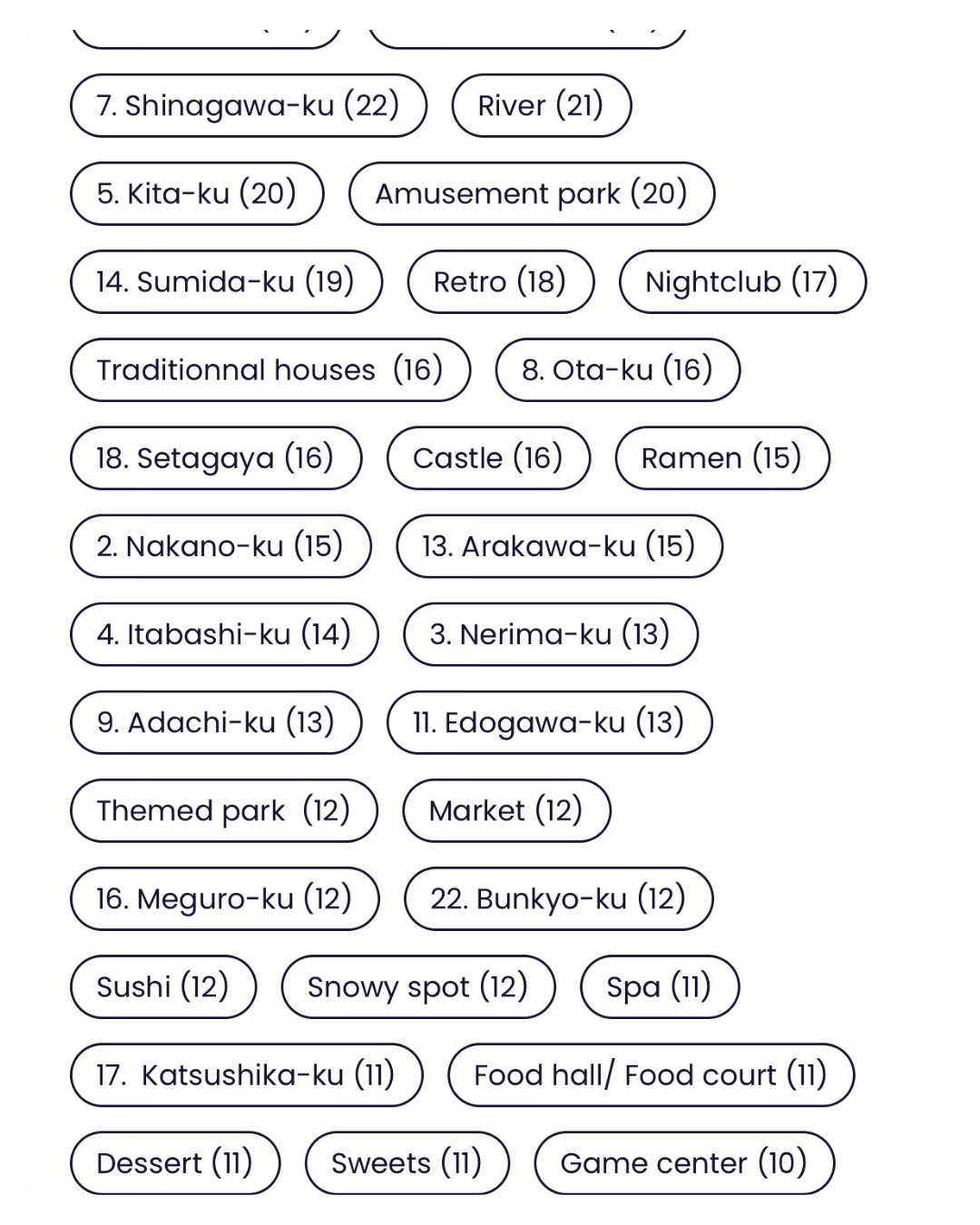
+ 1000 things to do, filterable by category & tags
Lifetime access to my itinerary and all future updates.
10 to 30 days curated itineraries, fully customizable
Kanto (Tokyo & surroundings) Day by Day customizable Itinerary (10 to 15 days)
Kansai (Osaka, Kyoto, Nara...) Day by day Itinerary customizable (13 to 15 days)
Tokyo Guide by Neighborhood (23 special ward)
15+ additional day trips detailed for exploring nearby destinations from Tokyo, Osaka, Kyoto.
Interactive map with all key spots marked & filterable by category & tags
Benefit from in-depth practical advice (navigation, accomodation, restaurants, cultural experiences)
PDF & Excel sheets (with less updates than online version)

What it looks like on the app :




If you prefer something fully tailored, I also offer a 100% custom travel planning service.
I design a day-by-day itinerary based on your dates, interests, budget, travel pace, and priorities. You simply follow the plan and enjoy your trip.
And if you like flexible, editable itineraries, you can also find my ready-made itineraries on Holicay.
They’re ideal if you want a solid base you can customize with your travel companions.

Marie creator behind @Tabimawari
Hi, I’m Marie, the creator behind @tabimawari.
I lived in Kyoto, learned Japanese, and keep returning to explore Japan beyond the obvious.
Planning a trip to Japan usually breaks at the same point: you save a lot of places, but don’t know how to turn them into a realistic route. Cities are large, distances are not intuitive, and it’s hard to know what actually fits in one day.
This guide was created to solve that. It helps you understand how places connect, how many days make sense per area, and how to build an itinerary that flows.
With the interactive map, you can explore curated spots across Japan, follow ready-made itineraries and day trips, mix my routes with your own, and adapt everything to your pace.
MY SOCIALS


MY NEWSLETTER
Japan Monthly by Tabimawari : Subscribe to get a monthly email packed with inspiration, local tips, and events happening across Japan straight from someone who’s lived and traveled a lot.

Look for the best accommodations in Japan :

Marie creator behind @Tabimawari
Hi, I’m Marie.
French islander from Reunion island, Japan lover, and travel planner behind Tabimawari.
I spent a year living in Kyoto, learning Japanese and falling in love with the culture. Since then, I’ve kept going back, exploring every corner from Tokyo to the tiniest hidden towns.
I created these guides after spending months planning, testing, and fine-tuning every detail so you don’t have to. Inside, you’ll find:
✅ Interactive maps
✅ Step-by-step directions
✅ Local spots + travel tips
✅ Offline use
Each guide is made with care, based on real-life travel, not generic blog advice.
This is what I wish I had on my first trip to Japan and now it’s yours.
MY SOCIALS
MY NEWSLETTER

Plan your Japan trip without
the overwhelm
Follow me
Newsletter
Japan Monthly : Subscribe to get a monthly email packed with inspiration, local tips, and events happening across Japan straight from someone who’s lived and traveled a lot.