
Best activities in Tokyo: unique experiences, food tours and cultural things to do
Tokyo is one of those cities where you can never run out of things to do. Between modern attractions, traditional culture, food experiences and unique activities, it’s easy to feel overwhelmed when planning your trip.
Instead of trying to do everything, the key is to choose the right mix of experiences. This guide focuses on the best activities in Tokyo, from cultural experiences to food tours and immersive workshops, so you can build a trip that actually feels complete.
Best websites to book activities in Tokyo
If you’re not sure where to find reliable experiences, these are the best platforms to start with. They offer a wide range of activities, from classic attractions to more unique and local experiences
Klook is one of the easiest platforms to use for booking popular attractions, tickets and day tours. It often includes discounts and bundle options. (You have 5% off wiht my code : TABIMAWARI)
GetYourGuide offers a large selection of guided tours, cultural experiences and well-organized activities with clear reviews. (You have 5% off wiht my code : TABIMAWARI5)
byFood is focused on food experiences such as cooking classes, food tours and local dining experiences across Tokyo.
Japan Experience provides more structured travel services, including cultural activities, transport and curated experiences.
Wabunka focuses on high-end and private cultural experiences, often with artisans or experts, for a more exclusive and immersive approach.
What you must know before booking activities
Before choosing experiences, there are a few essential things you need to understand about Tokyo. This will help you avoid common mistakes, save time, and build a much smoother itinerary.
Book early for popular attractions
Tokyo is one of the most visited cities in the world, and many of its top attractions have limited capacity.
Places like teamLab, Shibuya Sky, Ghibli Museum, Disney parks or sumo experiences often sell out days or even weeks in advance. If you already know your travel dates, it’s always better to secure tickets early.
Waiting last minute usually means limited time slots, higher prices or simply no availability.
Location matters more than you think
Tokyo is huge. What looks “close” on a map can easily take 30 to 60 minutes by train.
When booking an activity, always check:
the exact location
the nearest station
how long it takes from your accommodation
Planning activities by area (Shibuya, Asakusa, Shinjuku, etc.) will save you a lot of time and energy.
Don’t overbook your days
One of the biggest mistakes in Tokyo is trying to do too much.
Even if transport is efficient, moving between neighborhoods takes time, and the city itself is overwhelming in the best way.
A good rhythm is:
1 major activity per day
1 or 2 smaller experiences
free time to explore
This keeps your trip enjoyable instead of exhausting.
Mix “must-do” and local experiences
Tokyo is not just about famous attractions.
If you only do the big highlights, your trip can feel generic. On the other hand, only doing niche experiences can make you miss what makes the city iconic.
The best balance is:
essential attractions (views, museums, landmarks)
cultural experiences (tea, workshops, traditions)
local moments (food, cafés, neighborhoods)
Food Experiences and Culinary Activities
Food is one of the biggest highlights of any trip to Japan, and Tokyo is one of the best cities in the world for it.
But instead of only going to restaurants, you can turn food into an experience.
Food tours allow you to discover local neighborhoods through their specialties, often guided by locals who explain the culture behind each dish.
Cooking classes give you the opportunity to learn how to prepare Japanese dishes yourself, from sushi to ramen or traditional home-style meals.
These types of activities add a completely different layer to your trip.
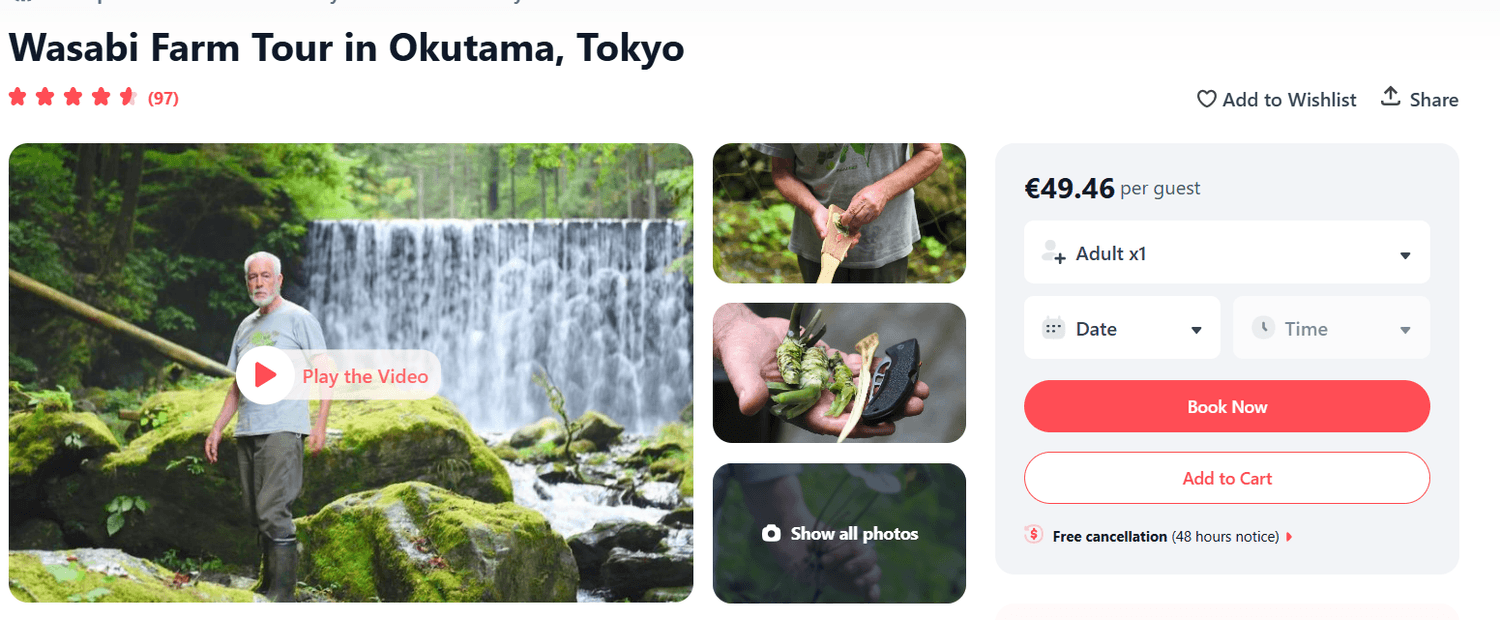
This wasabi farm tour in Okutama, about 2 hours from central Tokyo, lets you discover how real Japanese wasabi is grown and why it’s so different from the imitation often served abroad. You’ll walk through nature to reach the farm, learn about its history and cultivation, and see how the plants grow in clear mountain water.
Depending on the day, you may be able to harvest wasabi yourself, then clean and grate it on the spot. The experience ends with a tasting of freshly prepared wasabi, known for its strong aroma and unique flavor. It’s a simple but immersive way to explore local food culture outside the city.
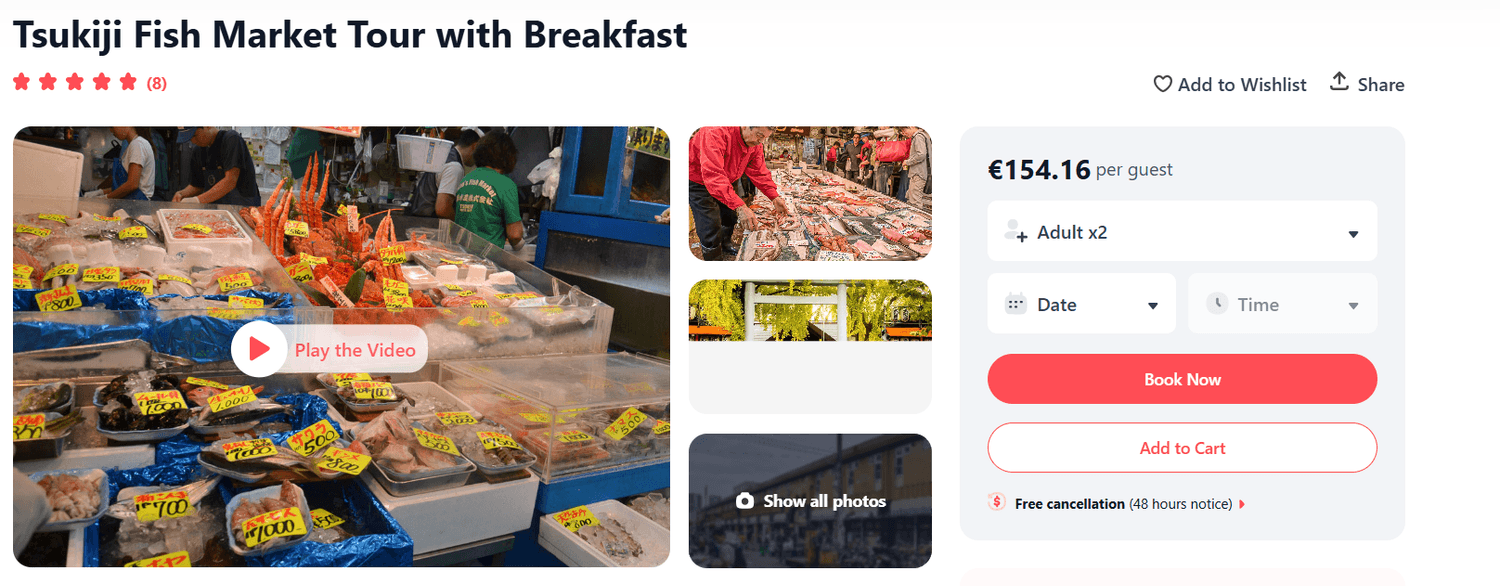
This Tsukiji Fish Market tour is a simple way to explore one of Tokyo’s most famous food spots without feeling lost. Even though the main auction moved to Toyosu, the Tsukiji Outer Market is still full of local vendors, street food and fresh seafood delivered daily.
During this 3-hour tour, you walk through the market with a guide, stop at different stalls to taste seafood and Japanese specialties, and learn how the market works. You may also see fish being prepared on site and discover places you would not find on your own.
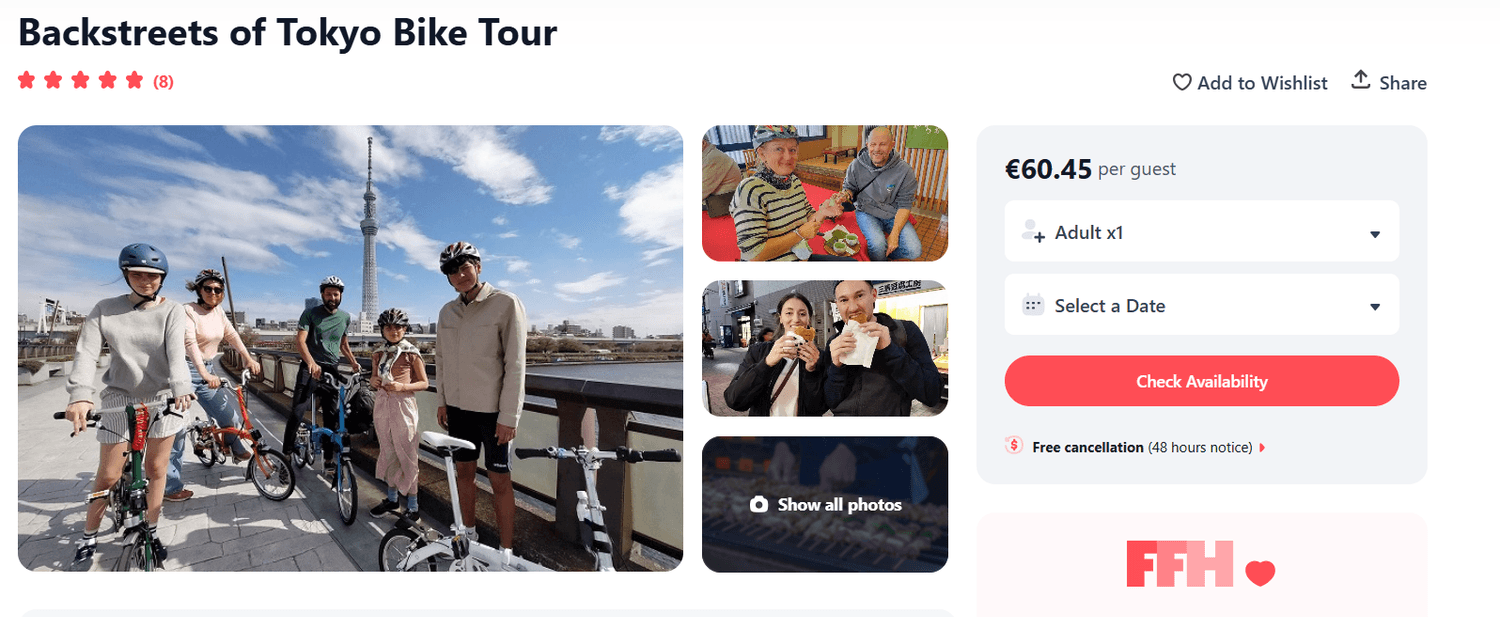
This Tokyo bike tour takes you through the quieter backstreets of Asakusa, away from the main tourist areas. Instead of the usual spots, you’ll cycle through residential neighborhoods, small streets and local shopping areas to see a more everyday side of the city.
With a guide, you’ll stop at temples, shrines and local shops, and try simple Japanese street foods like yakitori, oden or traditional sweets such as sakuramochi. The route is mostly flat and easy, making it accessible even if you don’t cycle often.
It’s a good way to explore Tokyo differently, understand how locals live and discover places you would probably not find on your own.
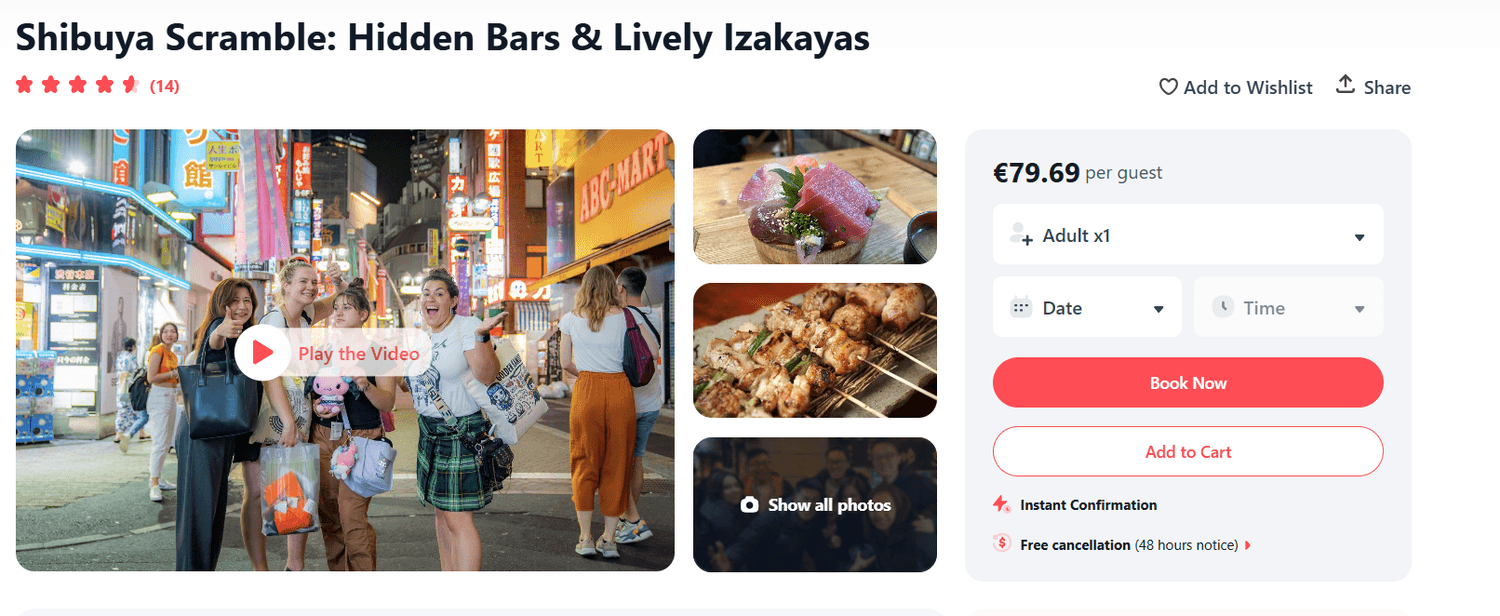
This Shibuya nightlife tour is an easy way to experience Tokyo after dark without having to search for places yourself. You start around Shibuya Crossing, then quickly move into smaller streets where locals actually go out.
With a guide, you visit a mix of hidden bars and izakayas, each with a different atmosphere. Along the way, you share drinks and try classic Japanese dishes like yakitori, karaage or sashimi, in a casual setting made for conversation and group dining.
The experience is built around discovering real local spots, meeting people and understanding how nightlife works in Tokyo. It’s a simple and social way to explore Shibuya beyond the main streets and get a more local feel of the city at night.
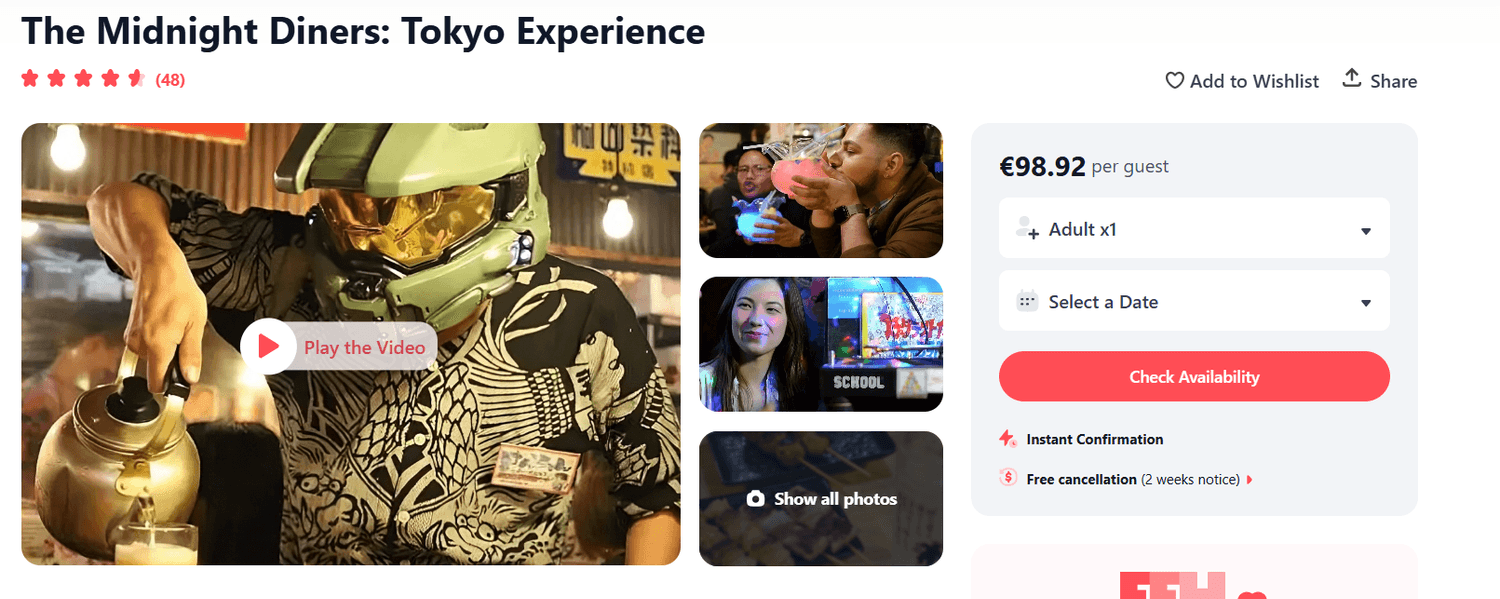
This Tokyo nightlife experience takes you to Kichijoji, a more local area known for its small bars and relaxed atmosphere. Instead of the busy districts, you explore Harmonica Yokocho, a network of narrow alleys filled with tiny bars and casual eateries.
Over 4 hours, you move between several spots with a guide, trying different Japanese drinks like whisky highballs, umeshu or oolong shochu, along with small dishes such as yakitori or local specialties. Each place has its own style, often with only a few seats, creating a more personal and social experience.
The focus is on meeting locals, understanding Japanese drinking culture and discovering a side of Tokyo nightlife that feels more authentic and less touristy.
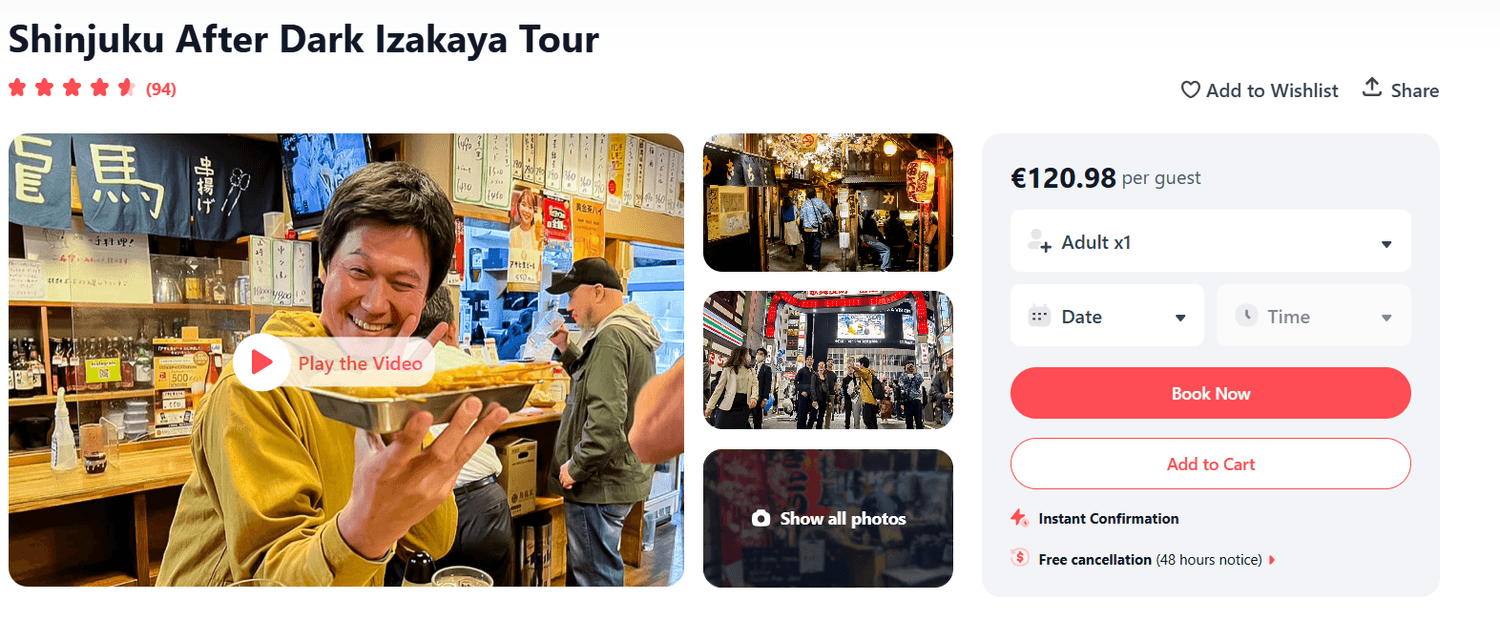
This Shinjuku night tour is a simple way to experience Tokyo’s nightlife with structure, especially if you don’t know where to go. You explore different types of local spots, from izakaya and standing bars to small yakitori places where people stop for a quick drink and food after work.
With a guide, you move through Shinjuku’s streets, including areas like Kabukicho, then continue into smaller alleys filled with tiny bars. Along the way, you try several Japanese dishes and drinks like sake or beer, in a relaxed and social setting.
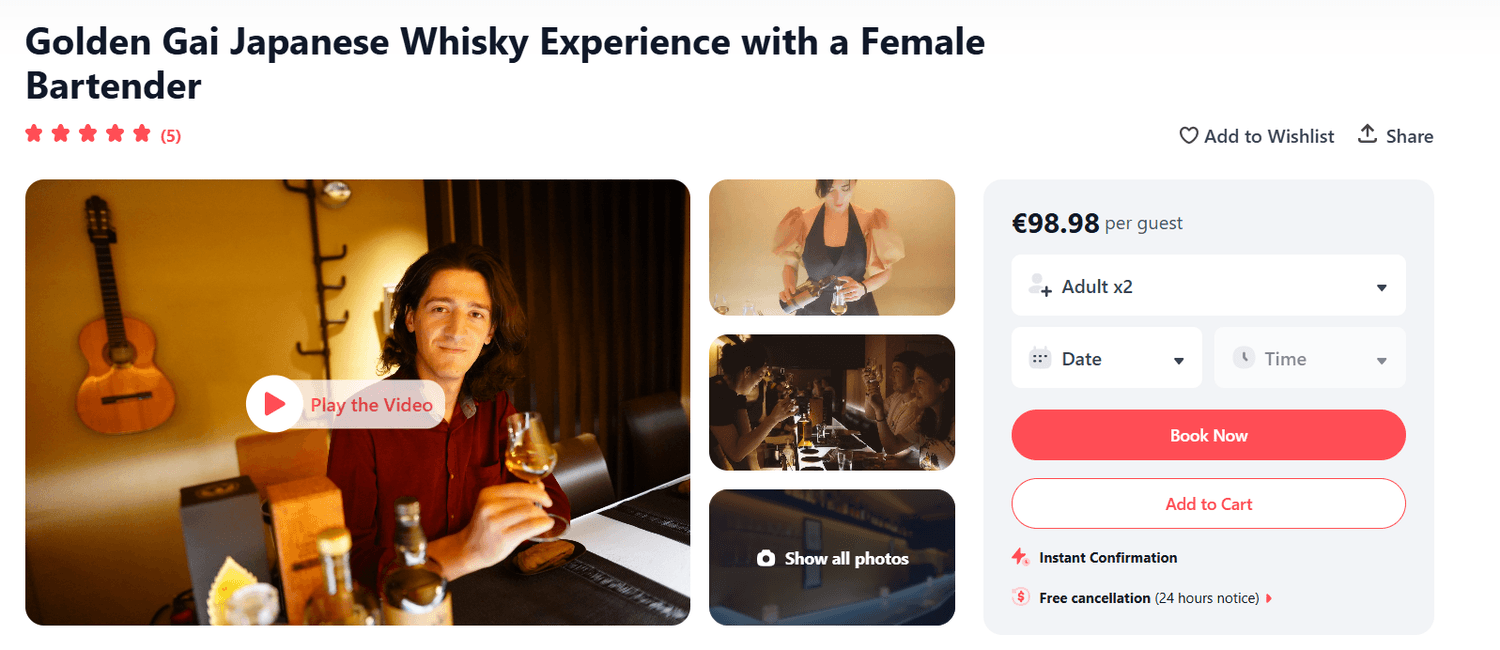
This Golden Gai experience is a good introduction if you want to explore Tokyo’s bar scene without feeling lost. Instead of going at night, you discover the area during the day with a guide, which helps you understand how this famous district works before coming back on your own.
You start with a short walk through Golden Gai and a visit to a nearby shrine, learning about the history and atmosphere of the area. Then you head to a small private bar where you taste several rare Japanese whiskies, served with simple snacks like cheese, chocolate or dried fruits.
The experience is calm, intimate and focused on whisky discovery, with time to ask questions and understand Japanese drinking culture in a more relaxed setting.
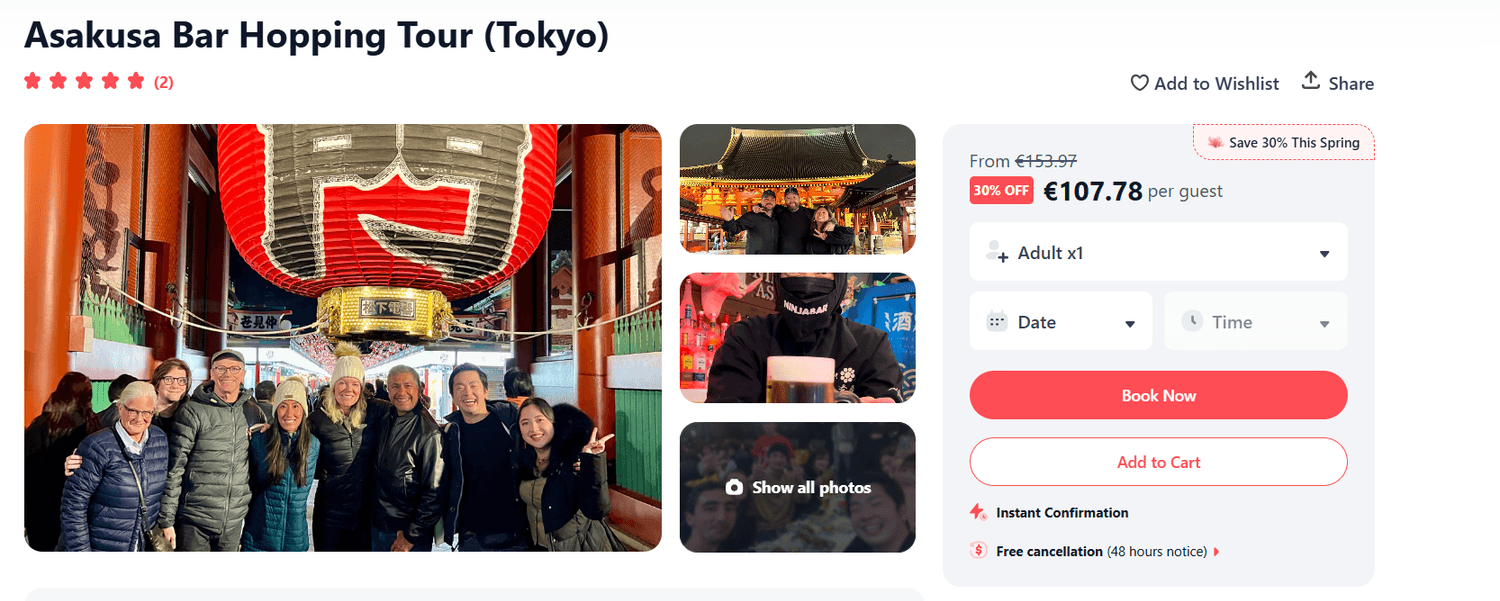
This Asakusa bar hopping tour lets you explore one of Tokyo’s most historic areas from a different angle, once the streets get quieter and the lights come on. Instead of only visiting during the day, you discover how the neighborhood feels at night, between temples, small streets and local spots.
With a guide, you move between different places like izakayas and restaurants, including areas such as Hoppy Street, known for its casual drinking culture. You try several Japanese dishes and drinks while learning how locals spend their evenings.
It’s a simple way to experience traditional Tokyo nightlife, meet people and enjoy local food without having to search for places yourself.
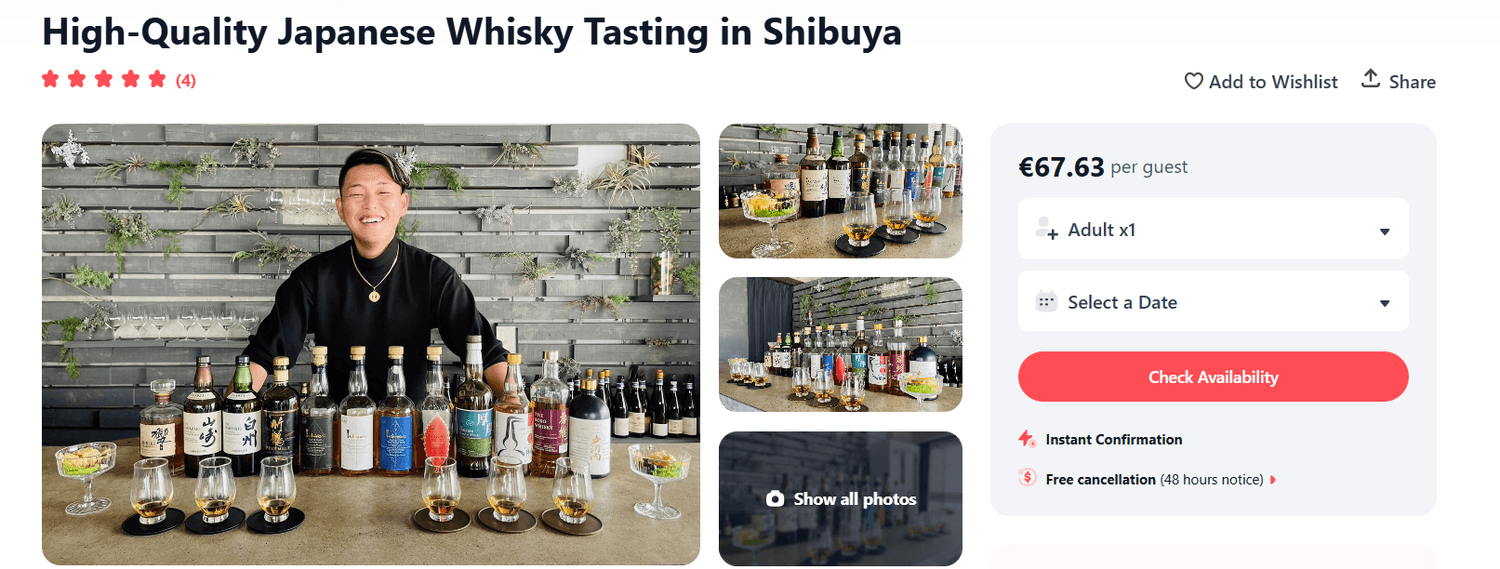
This Japanese whisky tasting in Shibuya is a simple way to discover high-quality whiskies without needing prior knowledge. With a guide, you taste a selection of 10 different Japanese whiskies, including some that are now hard to find, even in Japan.
Throughout the session, you learn about how whisky is produced, the differences between each label and how to identify flavors. Each tasting is paired with small sweet snacks to balance the experience and help you better understand the profiles.
The setting is small and focused, making it easy to ask questions and take your time. It’s a good option if you want to explore Japanese whisky in a clear and structured way while staying in a central area of Tokyo.
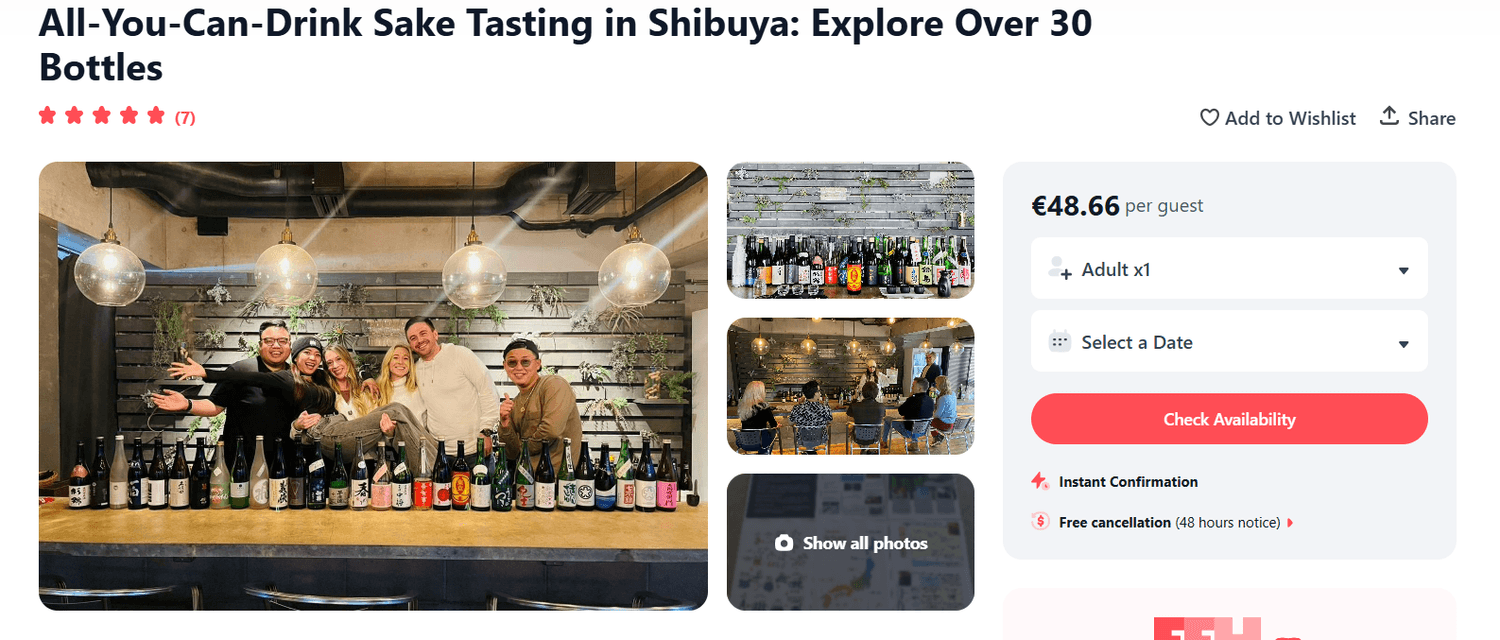
This sake tasting in Shibuya is a simple way to explore Japan’s national drink in one place. During this 2-hour experience, you can try over 30 different types of sake from across Japan, including seasonal and harder-to-find bottles.
With guidance from sake specialists, you learn how to recognize flavors, understand the brewing process and see the differences between regions and styles. The format is flexible, so you can taste at your own pace while still getting clear explanations.
The experience also includes small Japanese snacks to pair with the drinks, making it easier to appreciate each sake. It’s a good option if you want a relaxed introduction or a deeper discovery of sake while staying in central Tokyo.
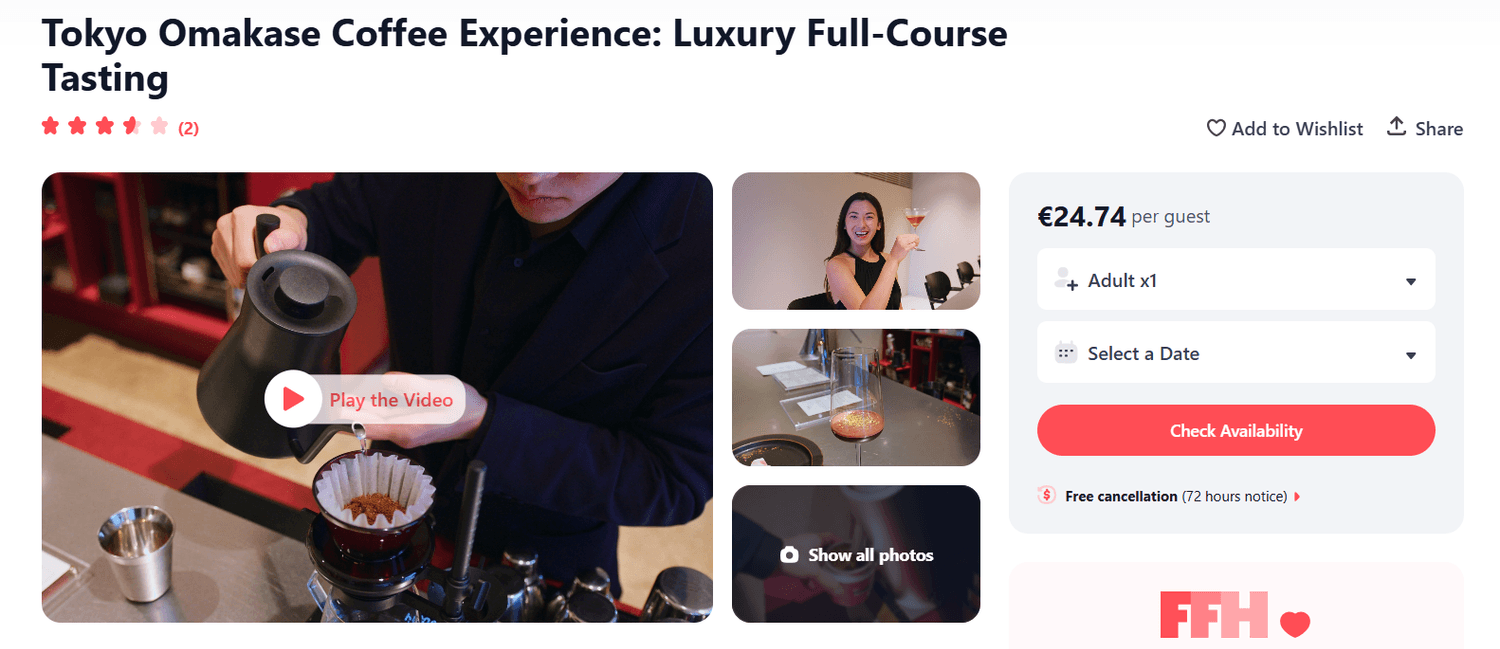
This coffee omakase experience in Tokyo offers a different way to discover specialty coffee, with a structured tasting led by a personal barista. Located in Kuramae, the session takes place at a counter where each cup is prepared in front of you, like a multi-course experience.
You taste several coffees made from rare beans such as Geisha or Pacamara, using different brewing methods to highlight how flavors change. Each step is explained, from origin to extraction, making it easy to understand even if you’re not an expert.
The tasting also includes small pairings like sweets or cream-based elements to balance the flavors. It’s a calm and focused experience, ideal if you want to explore coffee in a more detailed and intentional way while in Tokyo.
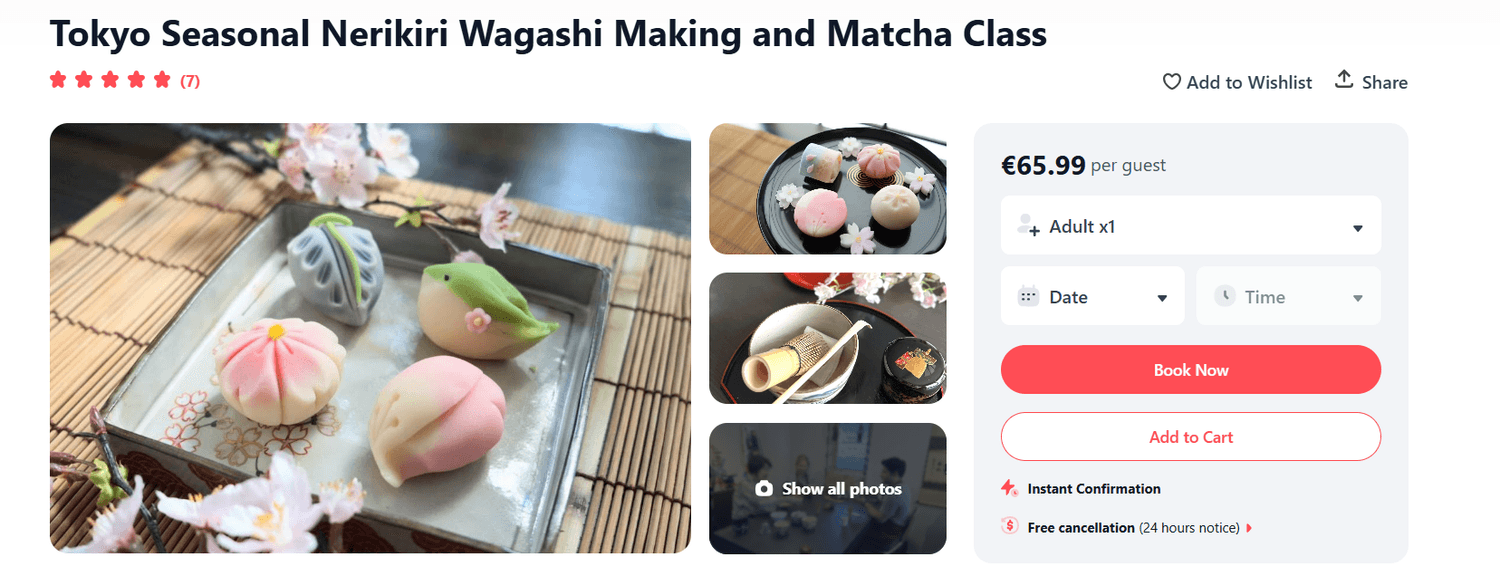
This wagashi making class in Tokyo is a simple way to discover a traditional part of Japanese culture through a hands-on experience. You learn how to make nerikiri, a type of delicate sweet made from plant-based ingredients, often served during tea ceremonies.
Step by step, you shape and design three seasonal wagashi using traditional techniques, while understanding their meaning and connection to nature. The pace is calm and focused, making it easy to follow even if you’ve never done it before.
After the workshop, you prepare your own matcha and learn the basics of Japanese tea etiquette. It’s a good option if you want a creative and cultural experience that combines food, tradition and a slower moment during your trip.
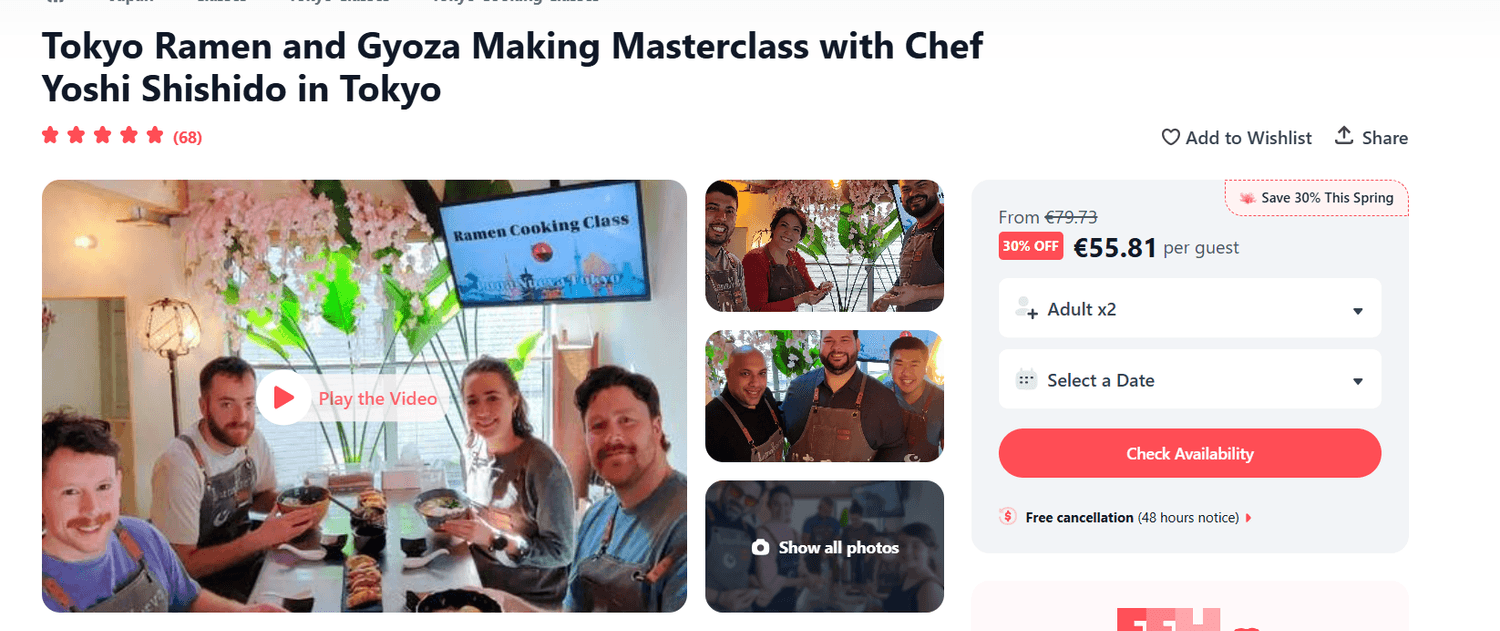
This ramen cooking class in Tokyo is a practical way to understand one of Japan’s most popular dishes. Guided by a professional chef, you learn the basics of ramen preparation, from assembling the bowl to working with noodles and toppings, using equipment found in real kitchens.
During the session, you also prepare gyoza from scratch, learning how to shape and cook them properly. The class includes explanations about ramen history and techniques, making it easy to follow even if you have no experience.
At the end, you eat the meal you prepared and receive the recipe to recreate it at home. It’s a good option if you want a hands-on food experience that is both simple and useful.
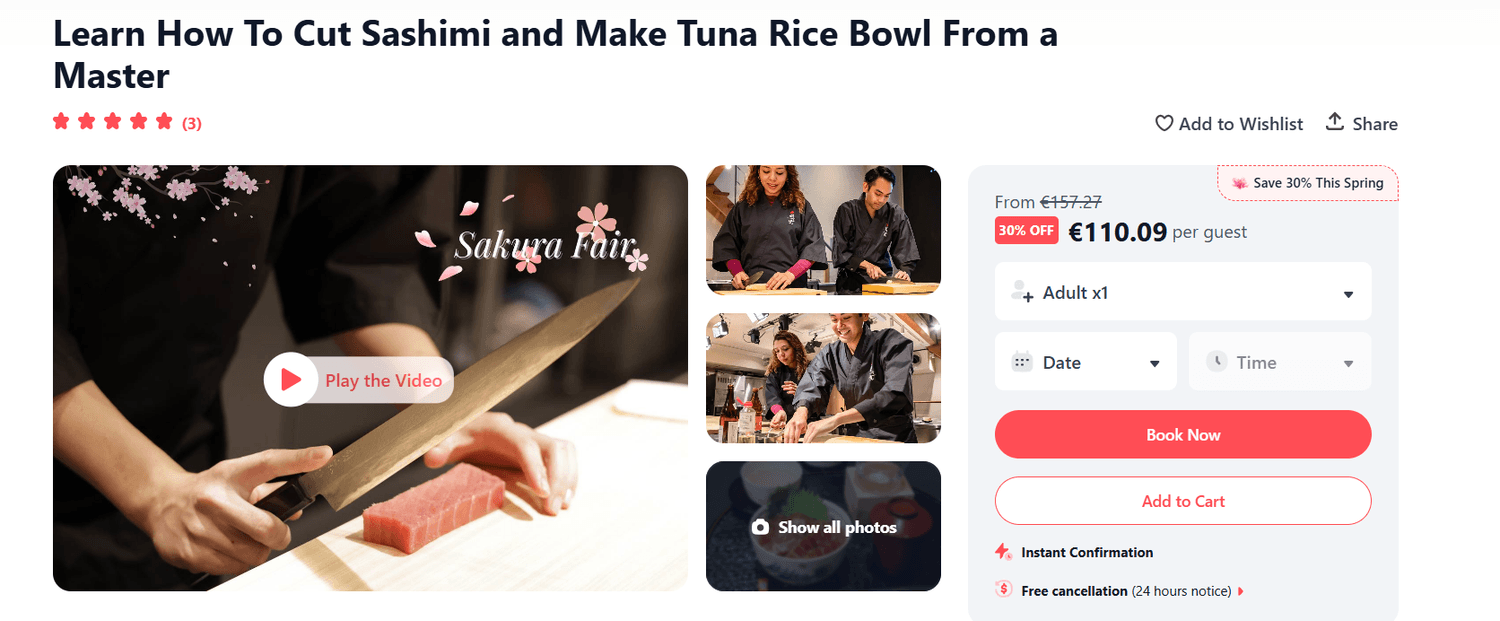
This Japanese knife and cooking class in Tokyo is a practical way to learn the basics of sashimi preparation. Guided by a specialist, you start with an introduction to Japanese knives, their history and how to handle them correctly.
After a demonstration, you practice cutting techniques yourself using professional-grade knives, with guidance at each step. The focus is on precision, control and understanding how sashimi is prepared properly.
You then use your cuts to prepare a tuna rice bowl, served as your meal at the end of the class. The experience combines technique and cooking in a clear and structured way, making it accessible even if you have no prior experience.
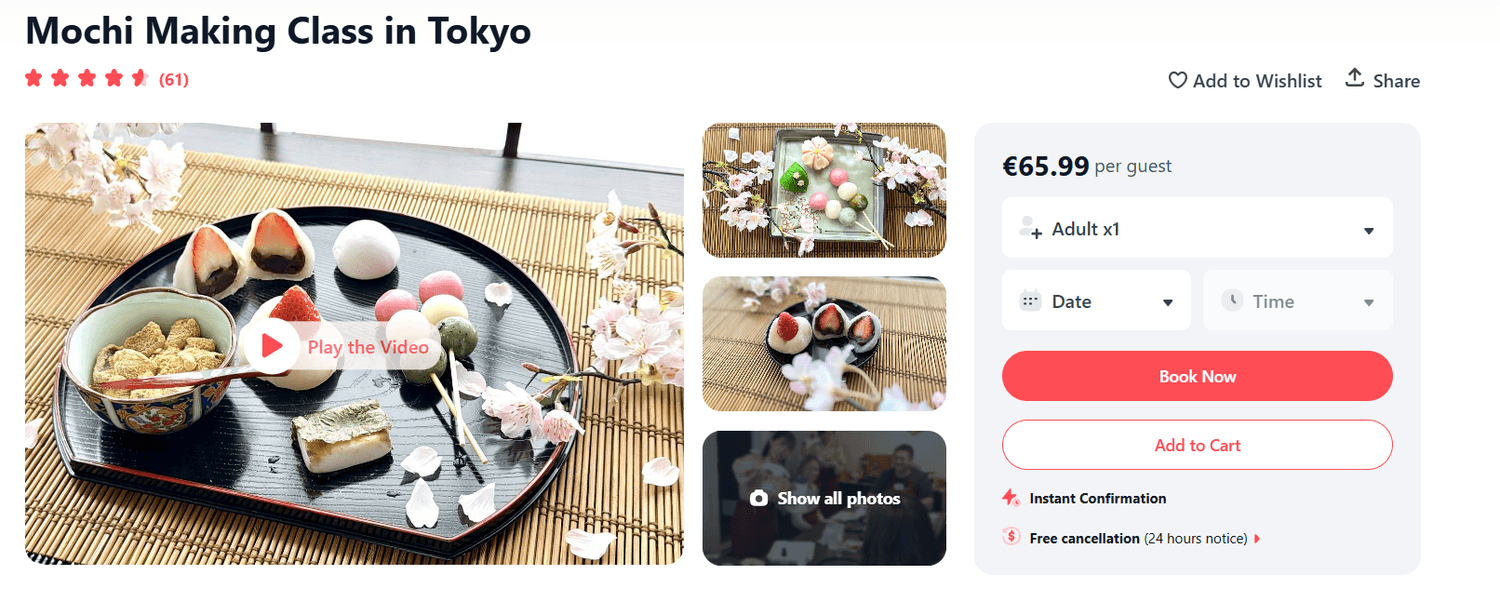
This mochi making class in Tokyo is a simple way to learn how traditional Japanese sweets are prepared. During the session, you make several types of mochi from scratch, including classics like daifuku and dango, using traditional techniques and ingredients.
Step by step, you learn how to handle the dough, shape each sweet and understand the role of mochi in Japanese food culture. The class is guided and easy to follow, even if you have no experience.
At the end, you taste your creations with a cup of green tea. It’s a good option if you want a hands-on experience that combines food, culture and a relaxed moment during your trip.

This private cooking class in Tokyo is a simple way to experience everyday Japanese food in a more personal setting. Hosted in a local home in Nerima, the class focuses on preparing a full meal with three traditional dishes, using recipes that are easy to recreate.
With step-by-step guidance, you cook dishes like okonomiyaki, gyoza or ginger pork, depending on your choice. The approach is practical and accessible, whether you are a beginner or already comfortable in the kitchen.
After cooking, you share the meal together, making the experience more relaxed and social. It’s a good option if you want to understand Japanese home cooking beyond restaurants and spend time in a local environment.
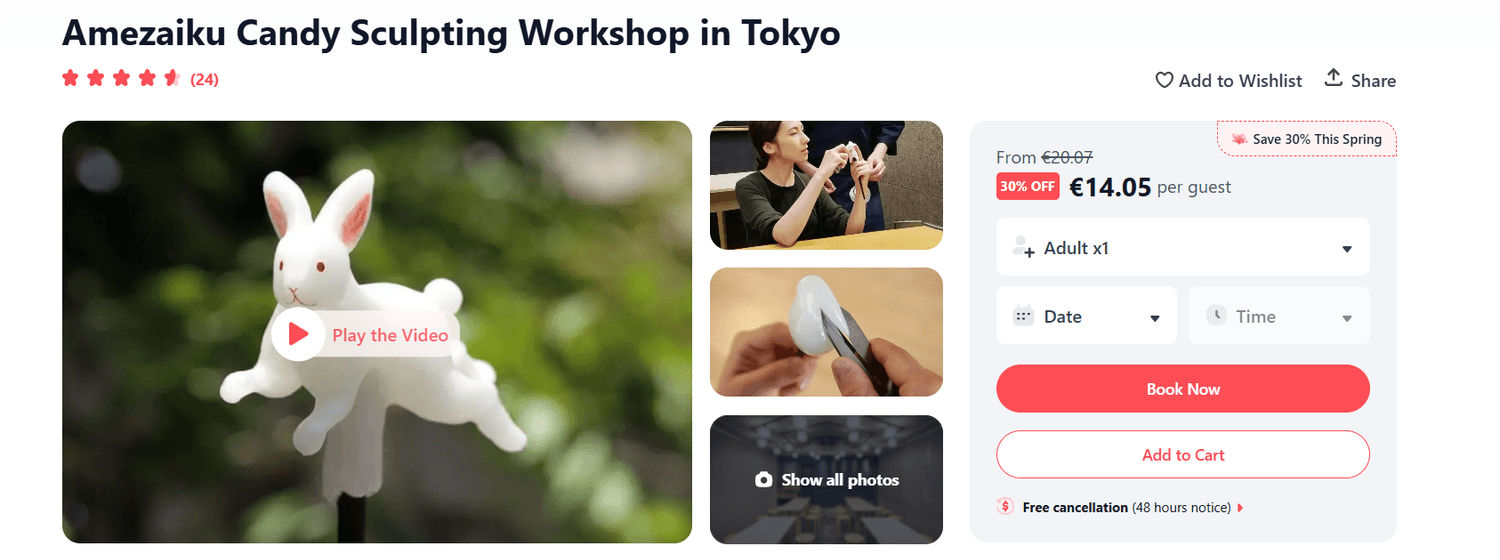
This amezaiku candy workshop in Tokyo is a simple way to discover a traditional Japanese craft through a hands-on experience. Located in Asakusa, you learn how to shape soft candy into small sculptures using techniques like cutting, pulling and shaping.
You start with a demonstration, then practice before creating your own final piece, usually shaped like a rabbit. The process is guided step by step, making it accessible even if you’ve never tried anything similar.
At the end, you can decorate your creation and either eat it or take it home. It’s a good option if you want a short creative activity that mixes tradition, craftsmanship and a fun souvenir.
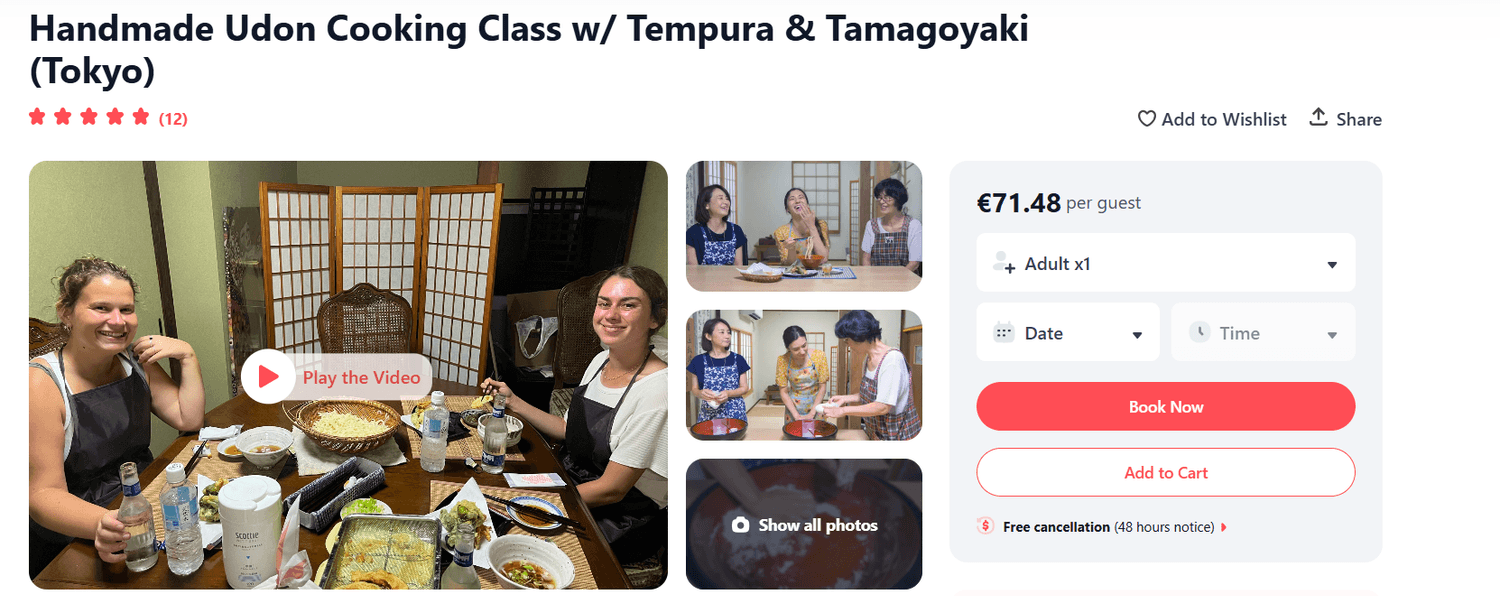
This udon cooking class in Tokyo is a simple way to learn how to prepare a full Japanese meal from scratch. In a traditional house setting, you start by making udon noodles by hand, learning how to mix, knead and cut the dough using traditional techniques.
You also prepare other classic dishes, including tempura and tamagoyaki, while learning the basics of dashi, the broth used in many Japanese recipes. The class is guided step by step, making it accessible even if you have no cooking experience.
At the end, you enjoy the meal you prepared together in a relaxed setting. It’s a good option if you want a complete and hands-on introduction to Japanese home cooking.
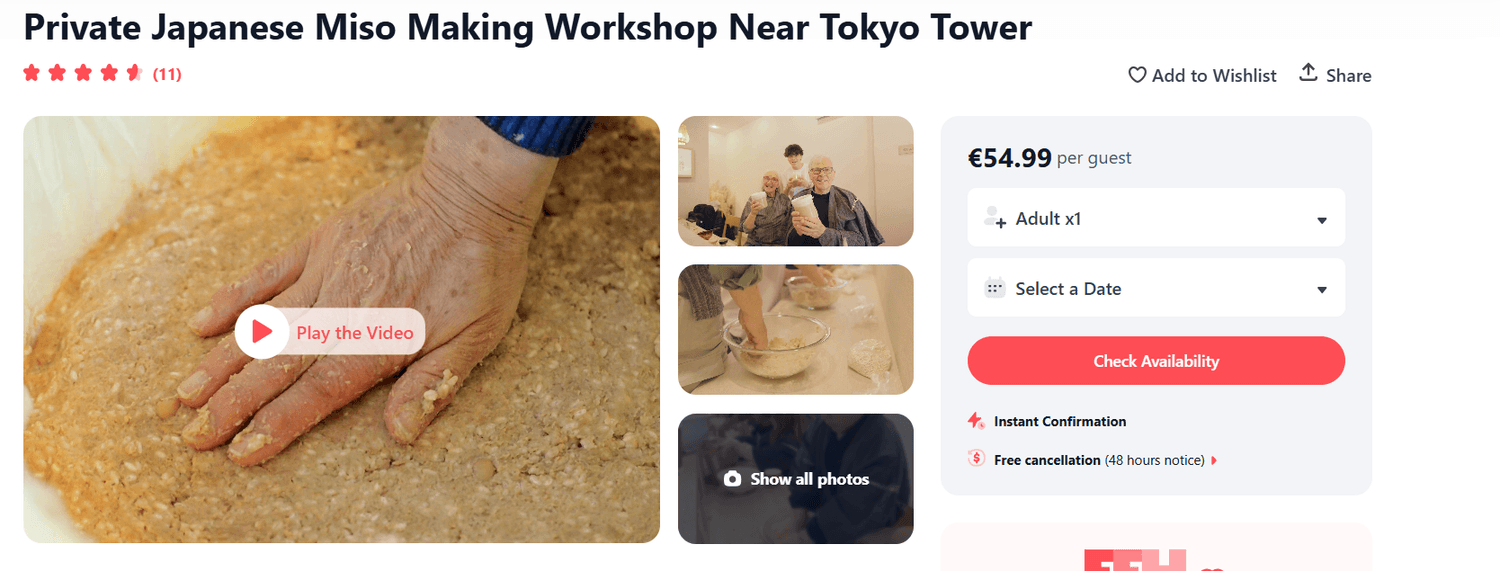
This miso making workshop in Tokyo is a simple way to understand one of the key ingredients in Japanese cuisine. During this private session, you learn how miso is made, from mixing soybeans and koji to creating the paste that will ferment over time.
You start with a short introduction to Japanese fermentation and taste different types of miso, such as white, red or barley miso, to understand their differences. Then you prepare your own batch step by step, guided throughout the process.
At the end, you enjoy a bowl of miso soup and take home the miso you made, which will continue to ferment over the following months. It’s a good option if you want a hands-on and educational experience focused on Japanese food culture.
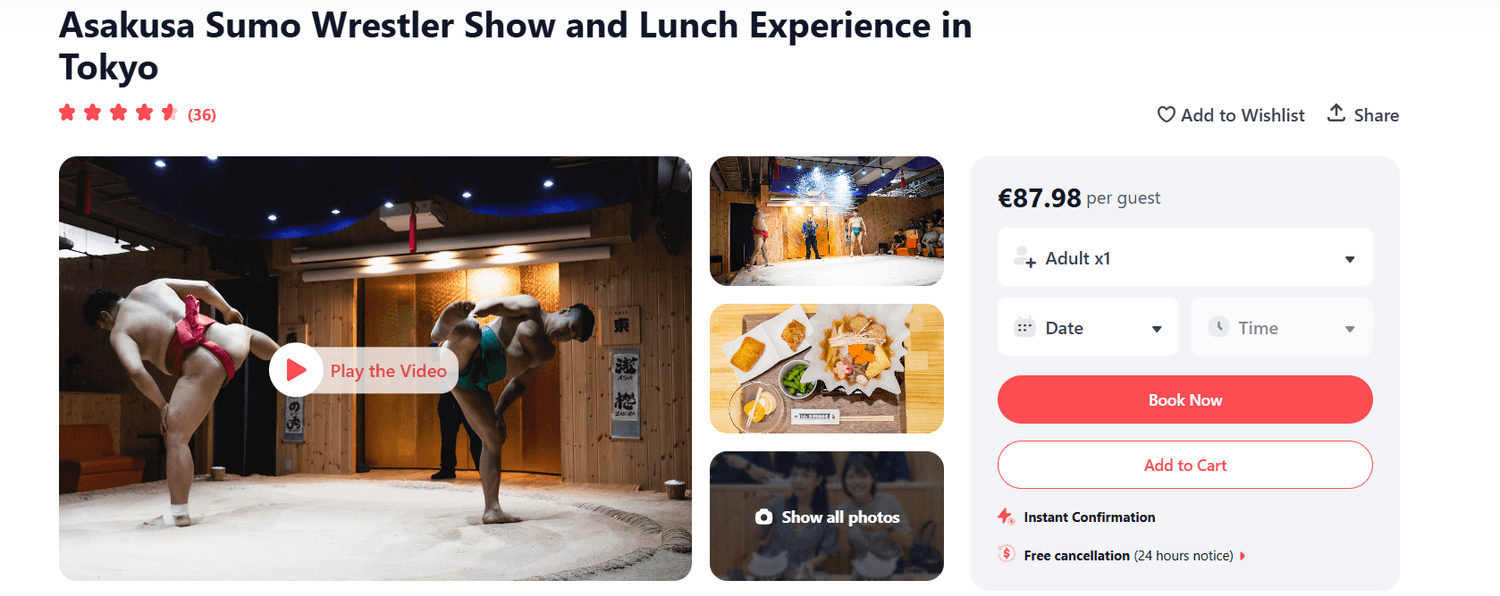
This sumo experience in Asakusa is an easy way to discover one of Japan’s most iconic traditions without needing prior knowledge. The session takes place in a restaurant setting where you can watch live demonstrations performed by former sumo wrestlers.
During the experience, you enjoy a meal inspired by what wrestlers eat, including dishes like chanko nabe, along with other Japanese specialties. The show explains the basics of sumo, making it easier to understand the rules and techniques.
You may also get the chance to interact with the wrestlers, try sumo attire or step into the ring for a friendly challenge. It’s a simple and entertaining way to experience Japanese culture in a more interactive format.
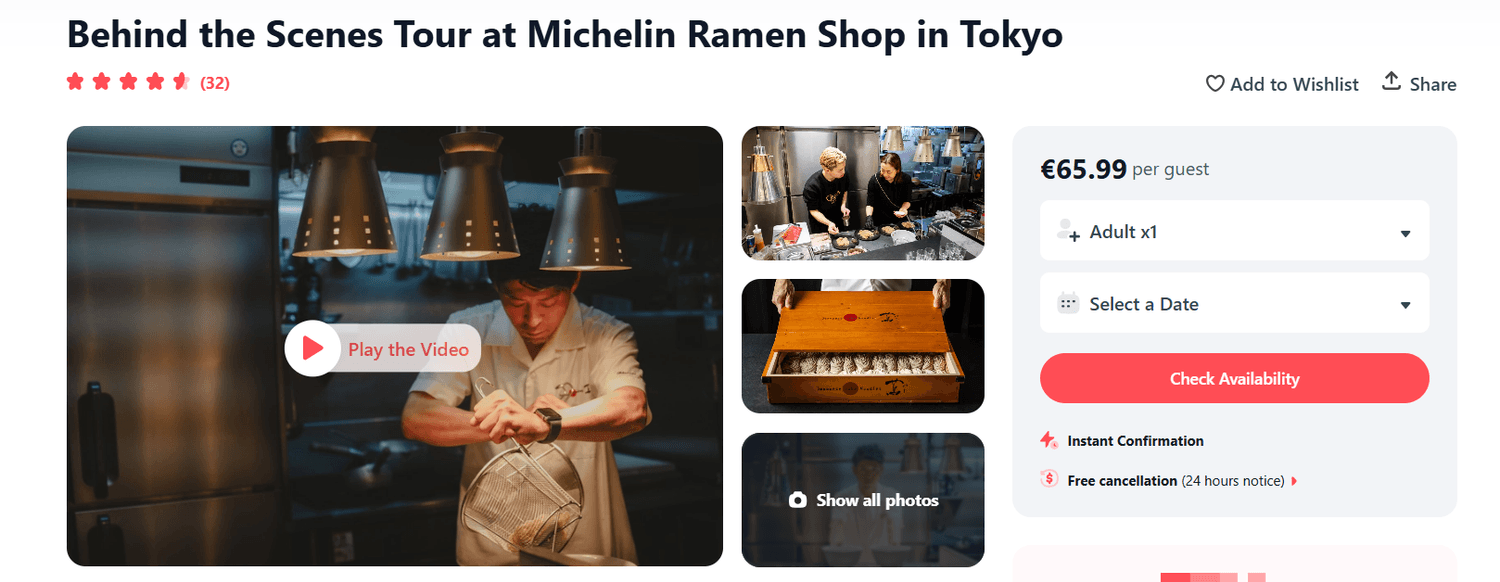
This ramen experience in Tokyo gives you access to one of the most well-known ramen restaurants, known for being the first to receive a Michelin star. During this 2-hour session, you go behind the scenes to understand how a high-level ramen shop operates.
You explore the kitchen before opening, learn about the philosophy behind the restaurant and taste each component that makes up a bowl of ramen, including noodles, broth and sauces. The focus is on understanding how flavors are built and how each element is prepared.
The experience ends with a full bowl of signature ramen, prepared following the restaurant’s method. It’s a good option if you want a deeper look at ramen beyond just eating it, with a more structured and detailed approach.
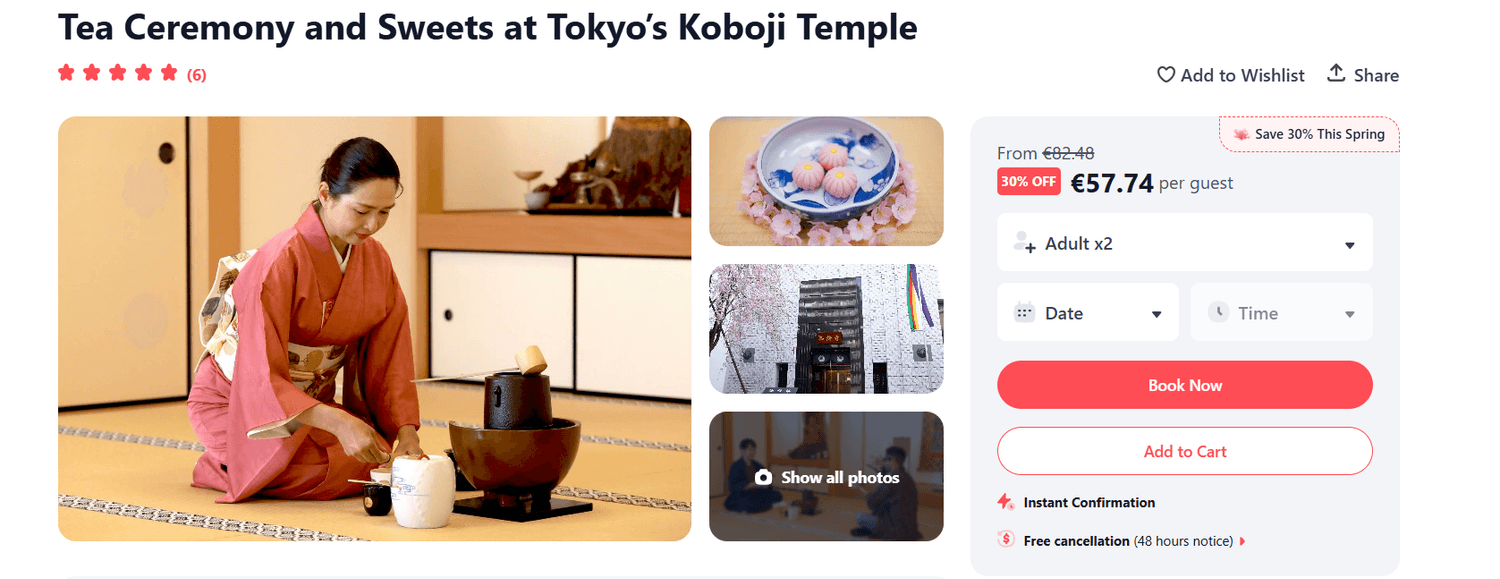
This tea ceremony experience in Tokyo takes place in a temple setting, offering a calm introduction to one of Japan’s most important traditions. Guided by a tea master, you learn the basics of the ceremony, including the tools used and the meaning behind each gesture.
During the session, you prepare and drink matcha while following traditional etiquette, accompanied by seasonal Japanese sweets. The experience focuses on simplicity, attention to detail and the rhythm of the ceremony.
You also wear a traditional haori, adding a cultural aspect to the experience. It’s a good option if you want a quiet moment to understand Japanese culture in a more structured and authentic environment.
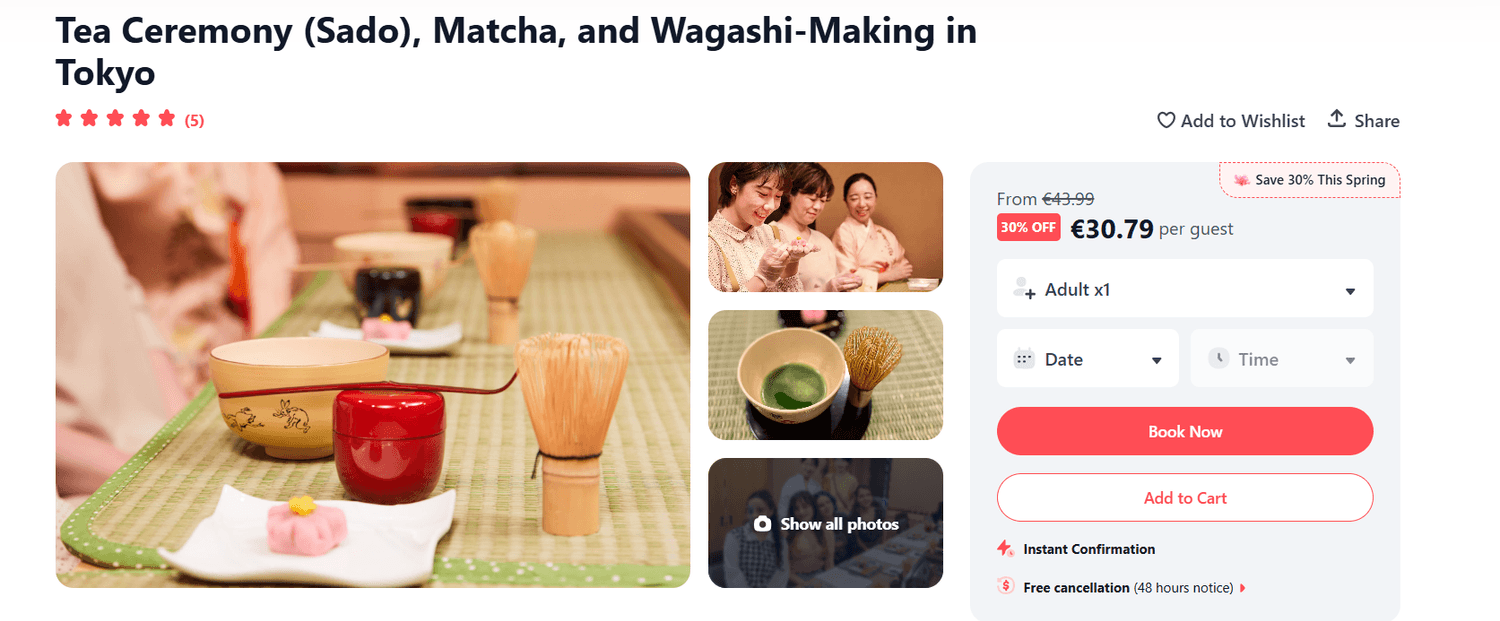
This wagashi and tea ceremony experience in Tokyo is a simple way to explore Japanese tea culture through both observation and practice. You start by making traditional sweets, shaping nerikiri wagashi while learning their seasonal meaning and techniques.
You then watch a tea ceremony demonstration, where a matcha master explains the gestures, tools and etiquette behind this tradition. After that, you prepare your own matcha and learn how to drink it properly.
The experience ends by tasting the wagashi you made with your tea. It’s a good option if you want a short, hands-on introduction that combines food, culture and practical learning in one session.
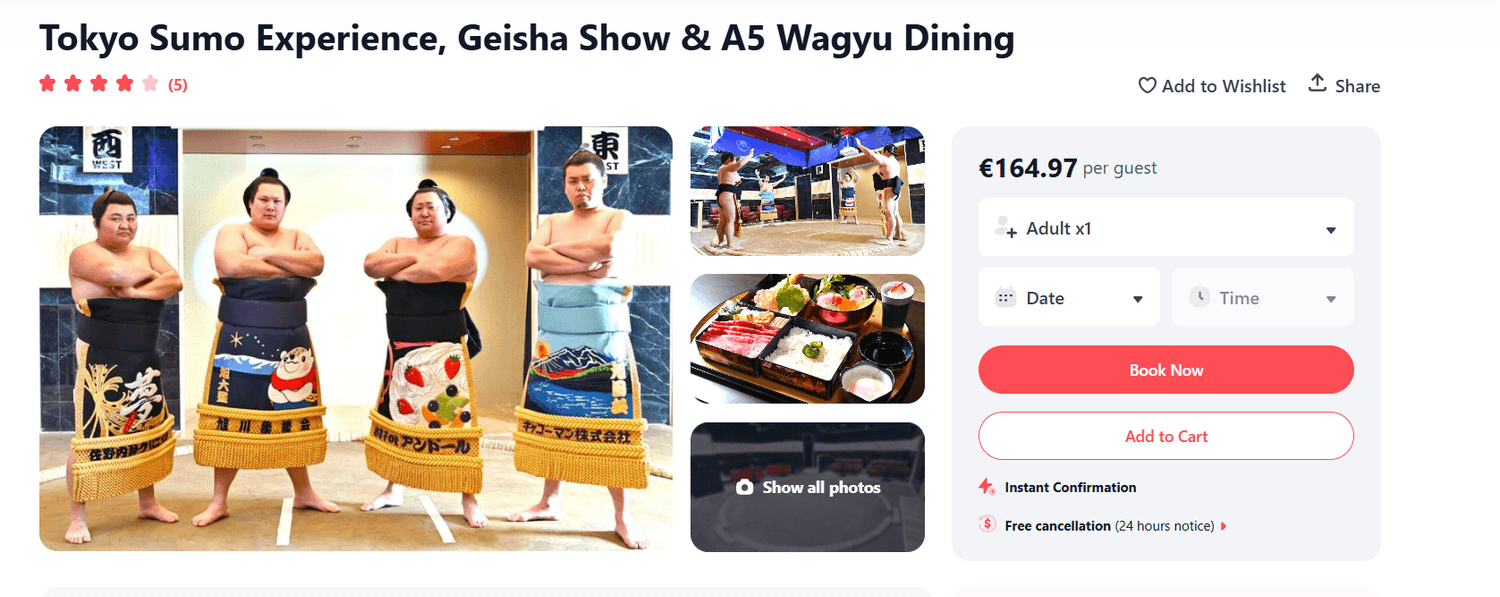
This sumo experience in Tokyo combines food and traditional performances in a single evening in Asakusa. You start with a full meal inspired by sumo wrestlers, including chanko nabe and A5 wagyu, with drinks included throughout the experience.
The evening includes a geisha dance performance followed by a sumo show, where former wrestlers demonstrate techniques, rituals and real matches. The format is designed to make the sport easy to understand, even if you have no prior knowledge.
You may also have the opportunity to interact with the performers, take photos and step into the ring for a friendly challenge. It’s a simple way to experience several aspects of Japanese culture in one place, without needing to organize each activity separately
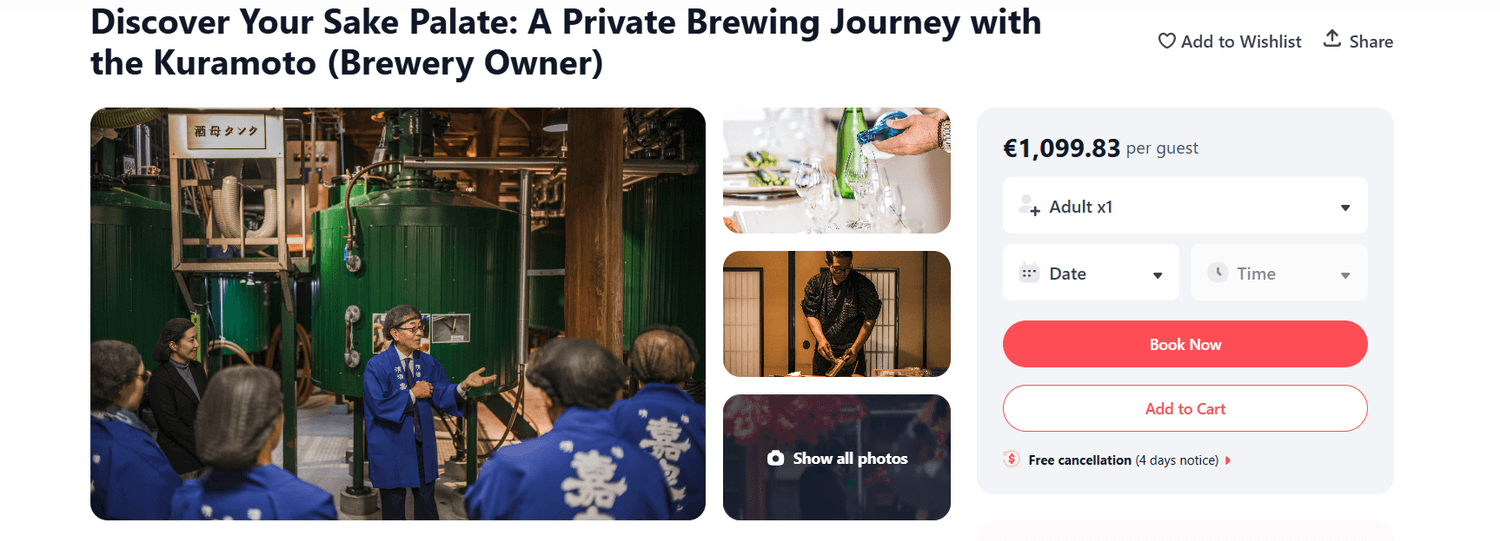
This private sake experience near Tokyo offers a complete introduction to Japanese brewing in a more in-depth and structured way. Hosted in a historic brewery, you explore the production process step by step, from rice and koji to fermentation techniques, guided directly by the brewery owner.
During the visit, you take part in a curated tasting session designed to help you understand your own preferences, comparing different styles based on aroma, texture and polishing ratios. The explanations are clear and adapted, even if you are new to sake.
The experience also includes a sushi lunch prepared in a private setting, paired with selected sake. At the end, you create your own labels and take home personalized bottles. It’s a good option if you want a more complete and immersive experience focused on sake and Japanese food culture.
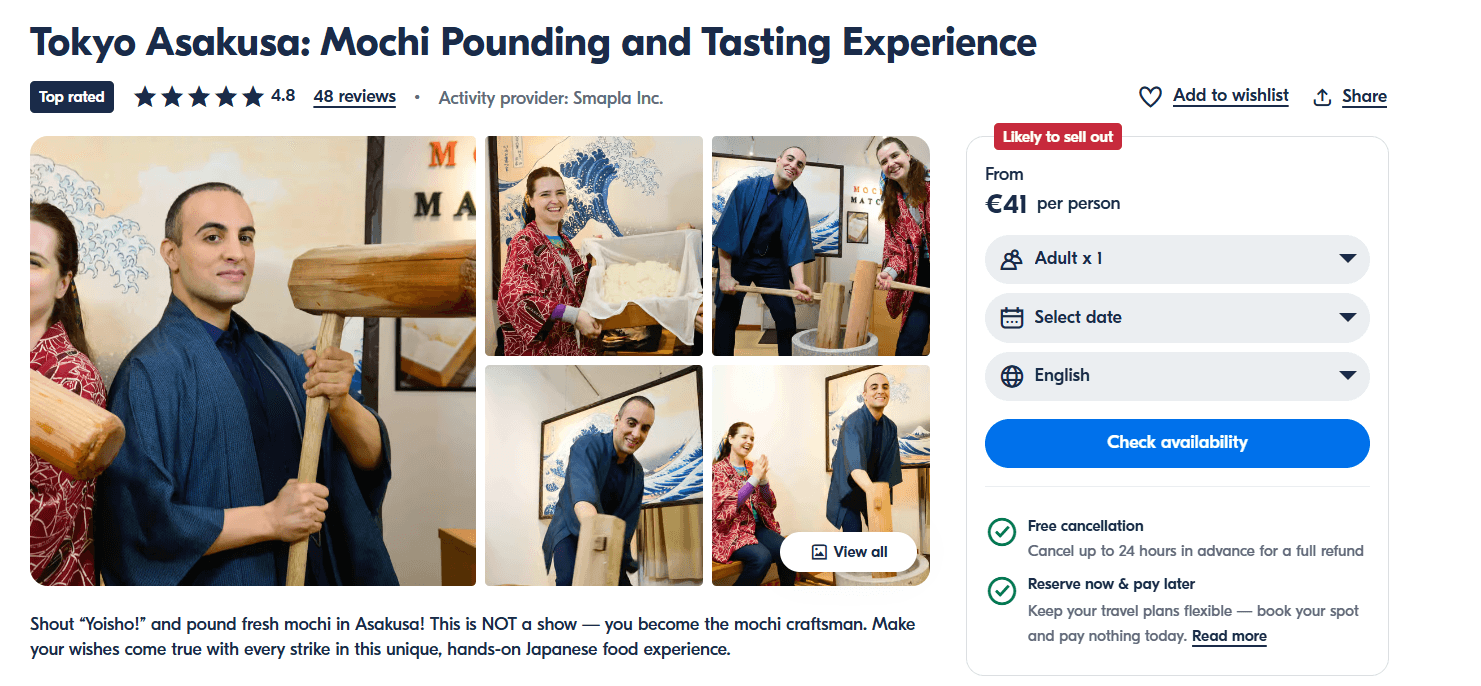
This mochi pounding experience in Asakusa is a hands-on way to discover how traditional Japanese mochi is made. Using a wooden mallet and stone mortar, you take part in the full process, from kneading the rice to pounding it in rhythm with the group.
Guided step by step, you shape and cut your own mochi, then taste it fresh with a variety of sweet and savory toppings. The experience is interactive and focused on participation, making it easy to follow even if you’ve never tried it before.
You can also take part of your mochi home as a souvenir and finish with a cup of matcha. It’s a good option if you want a short, fun and cultural activity in the center of Asakusa.
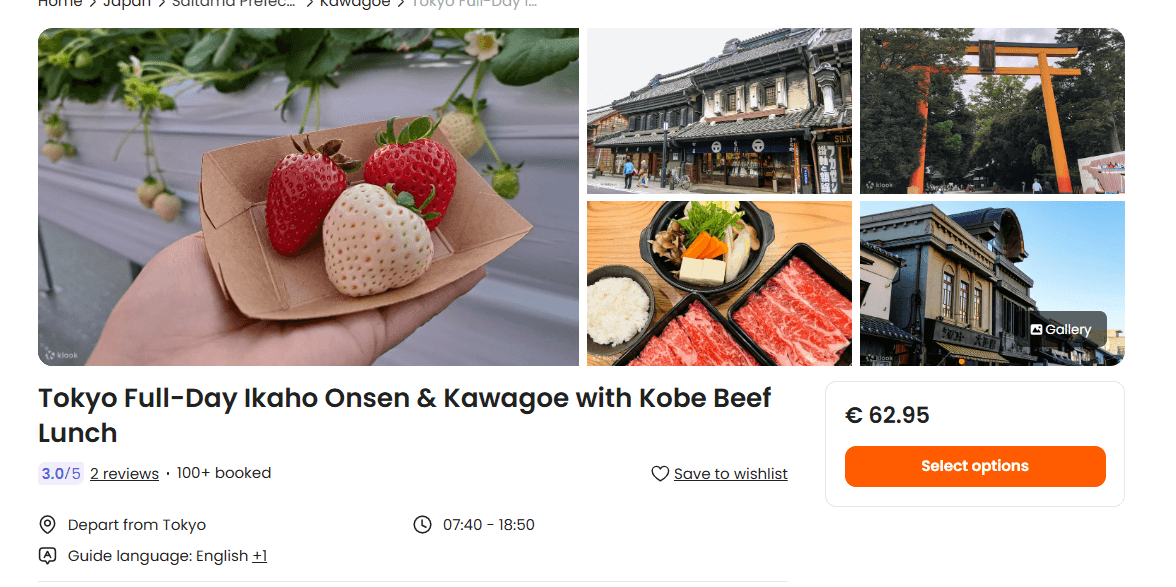
This full-day tour from Tokyo combines traditional culture, local food, and relaxation with visits to Kawagoe and Ikaho Onsen. The day begins with a stop in Kawagoe, often called “Little Edo,” where you can explore historic streets, temples, and landmarks such as the famous warehouse district and the iconic clock tower. This part of the visit is self-guided, giving you time to walk around at your own pace. The tour includes a Japanese lunch featuring A5-grade Kobe beef, served as shabu-shabu, offering a premium dining experience. In the afternoon, the itinerary continues with seasonal fruit picking (typically strawberries), followed by a visit to Ikaho Onsen. Here, you can stroll along the well-known stone steps lined with shops, cafés, and traditional atmosphere.
Transportation is provided throughout the day, with departure from central Tokyo (Ikebukuro or Shinjuku) and return in the evening. The total duration is approximately 11 hours, making it a convenient way to explore beyond Tokyo without organizing transport yourself. This tour is suitable for travelers looking to experience a mix of history, food, and a traditional onsen town in a single day.
Cultural Experiences
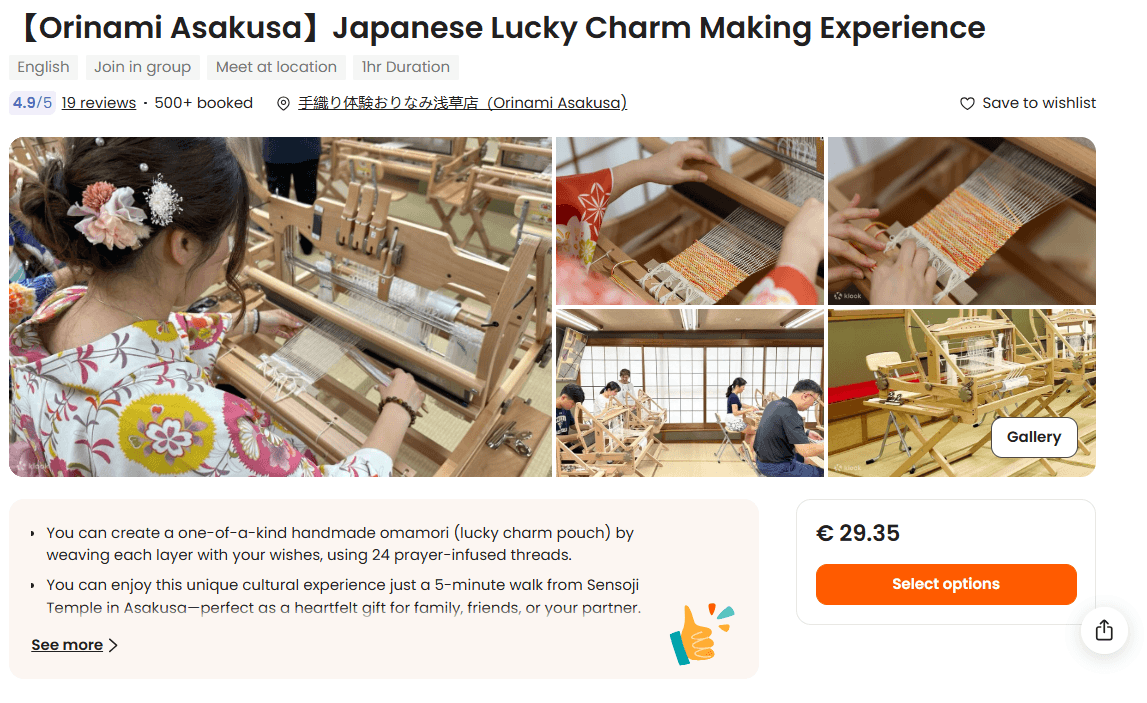
The Orinami Asakusa offers a hands-on cultural experience where visitors can create their own traditional Japanese lucky charm, known as an omamori.
Located in Asakusa, just a short walk from Senso-ji Temple, this workshop allows participants to weave a personalized amulet using 24 different colored threads, each symbolizing wishes and intentions.
Guided by experienced staff, the process is beginner-friendly and suitable for both adults and children. Step by step, you will craft a unique charm by hand, making it a meaningful souvenir or gift.
The experience lasts around 1 hour and takes place in a small, intimate studio setting. No prior skills are required, and all materials are provided.
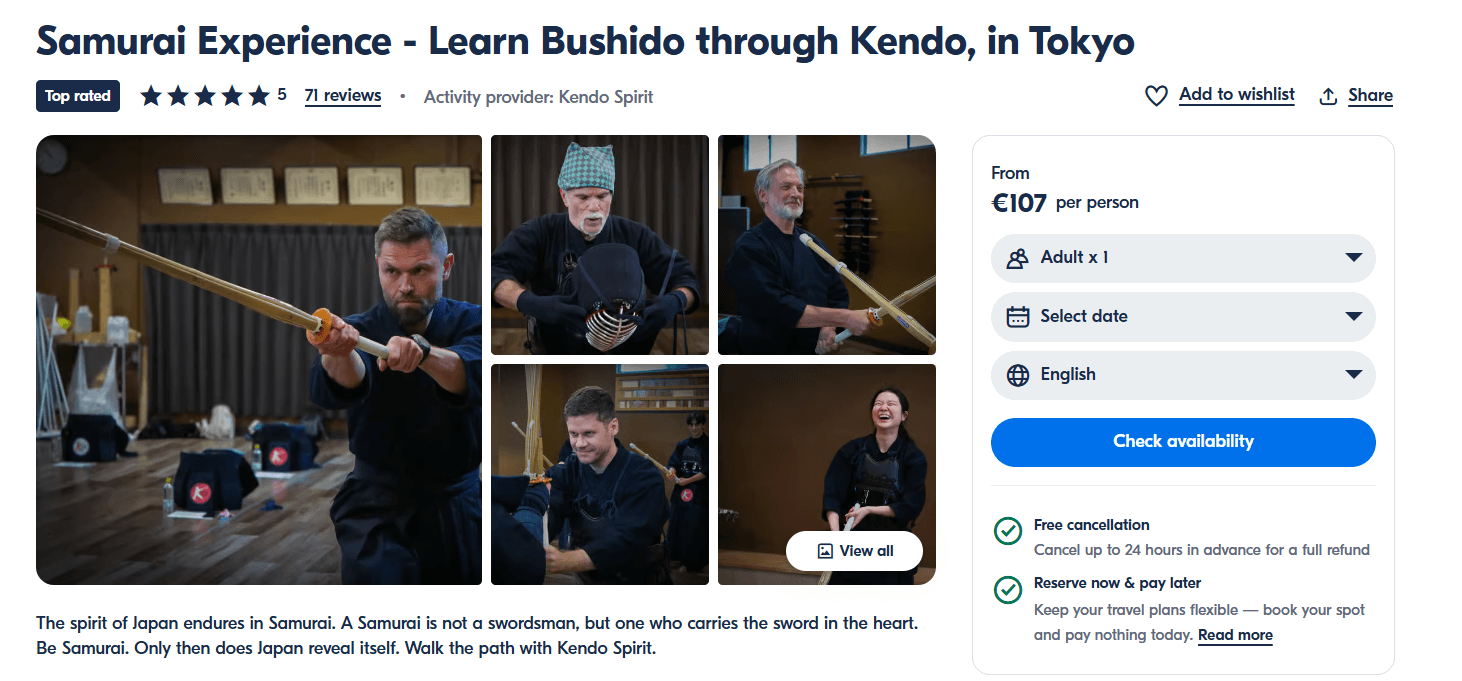
This samurai experience in Tokyo is a structured introduction to kendo, the martial art inspired by samurai traditions. During this 2-hour session, you learn the basics step by step, starting with etiquette, posture and mindset before moving on to physical practice.
Guided by instructors, you work on movement, balance and how to handle the bamboo sword, while understanding the principles of Bushido. The focus is not only on technique but also on discipline and respect, which are central to kendo.
The session ends with practical application through exercises or a short match, allowing you to experience the rhythm of the practice. It’s a good option if you want a more immersive and meaningful cultural activity beyond typical demonstrations.
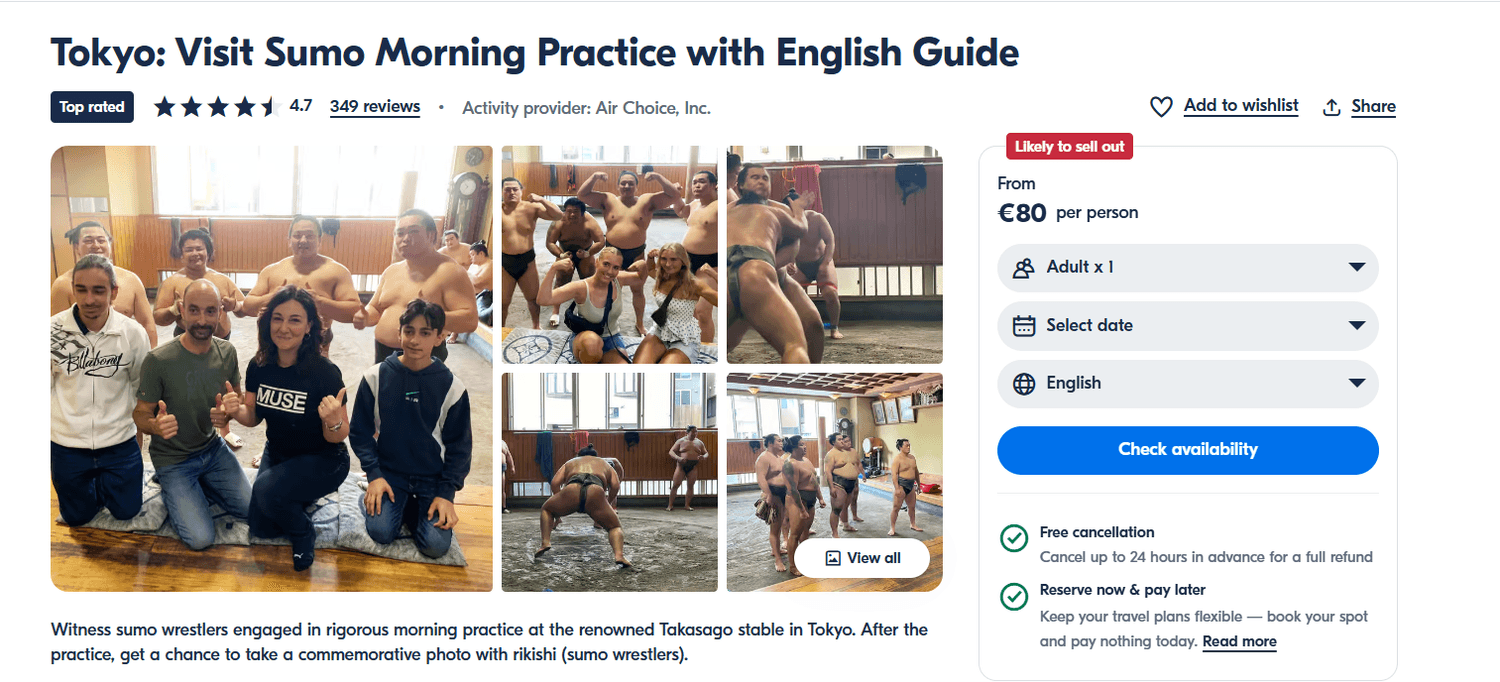
This sumo morning tour in Tokyo gives you rare access to a real training session inside a sumo stable. Instead of a show, you observe professional wrestlers during their daily practice, seeing the intensity, discipline and techniques up close.
With a guide, you learn how sumo works, from rankings to training routines, while watching the session in silence as required. The experience offers a more authentic look at this traditional sport compared to standard performances.
At the end, you may have the chance to take a photo with the wrestlers. It’s a good option if you want to understand sumo from the inside and see how it is practiced in real conditions.
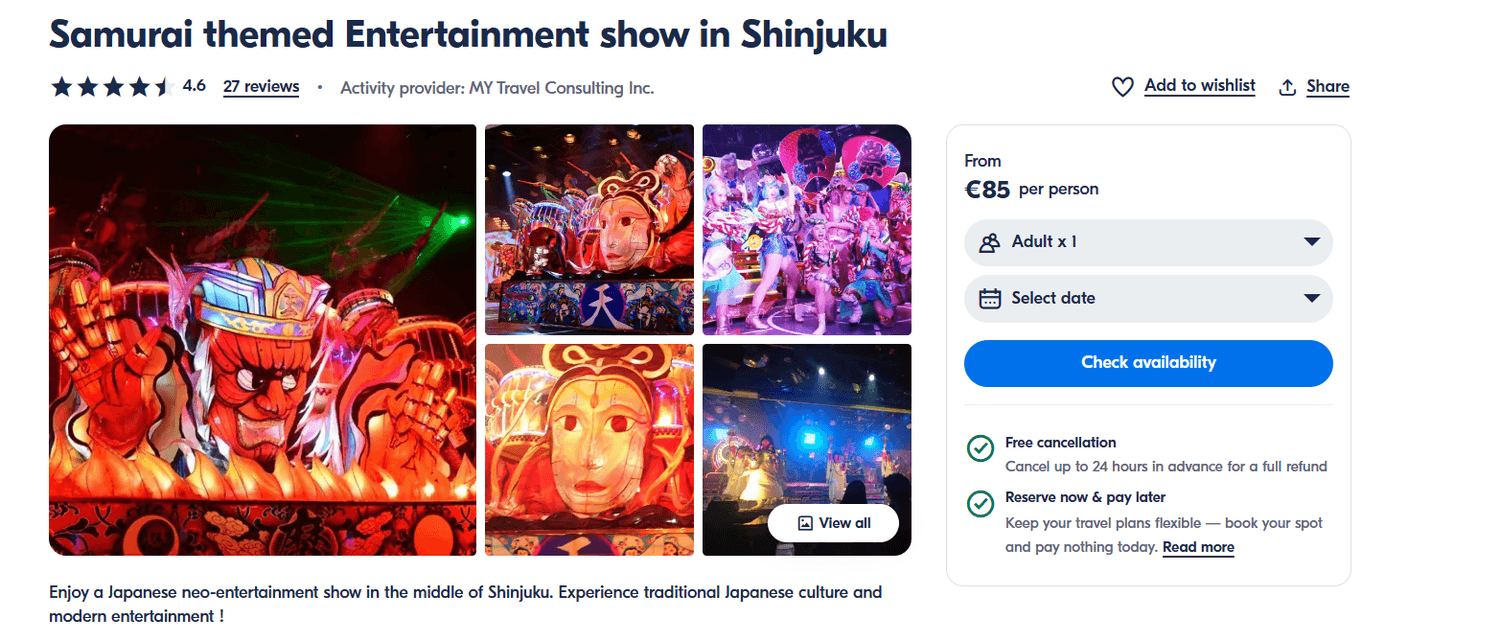
This samurai show in Shinjuku offers a different take on Japanese culture, mixing traditional elements with modern entertainment. The performance is fast-paced and visually intense, with music, lights and staged scenes inspired by samurai themes.
The experience takes place in a unique venue designed to feel immersive and slightly over-the-top, far from a traditional setting. It’s more about entertainment than historical accuracy, making it easy to follow even if you don’t know much about samurai culture.
You can enjoy the show with a drink or a light meal, depending on the option chosen. It’s a good option if you want a fun and energetic night activity in Tokyo.
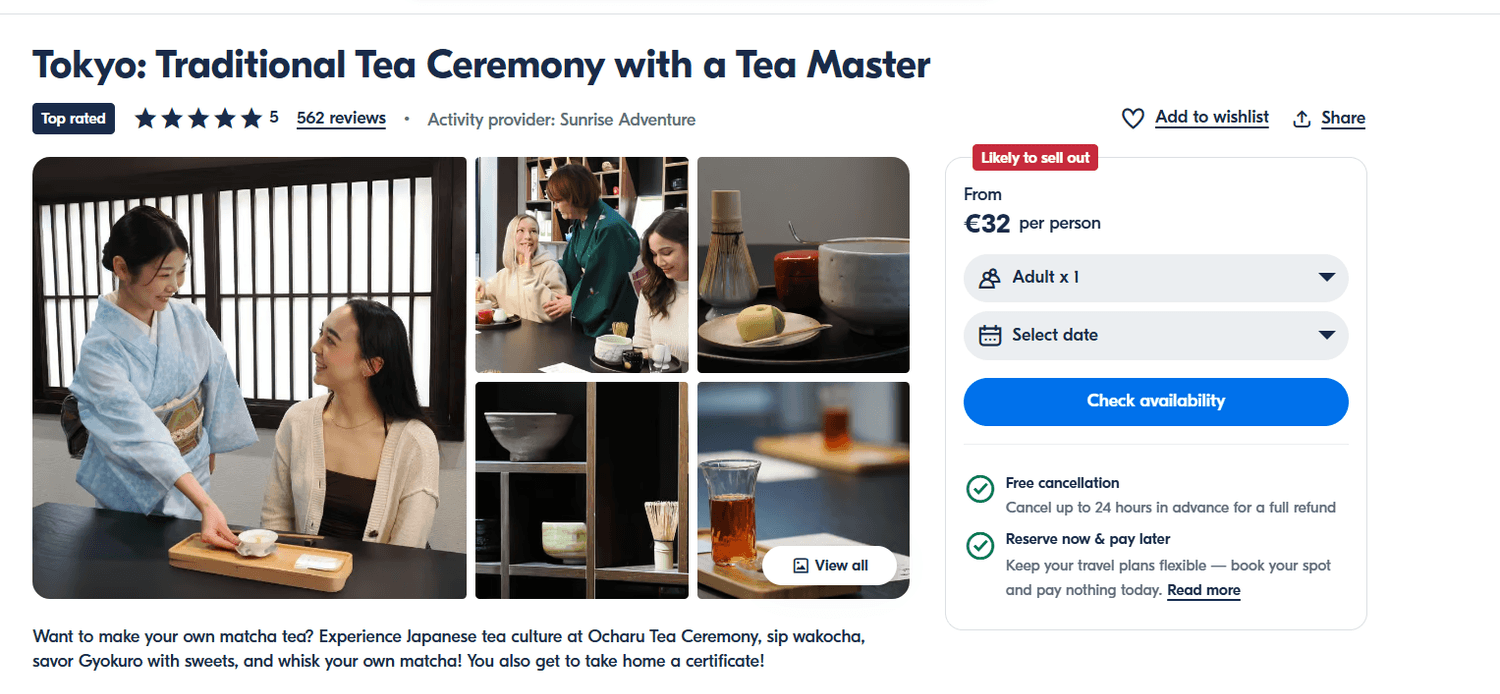
This tea ceremony experience in Tokyo is a structured way to discover Japanese tea culture in a short time. Guided by a tea master, you taste different types of tea, including wakocha, gyokuro and genmaicha, while learning how they are produced and enjoyed.
You then prepare your own matcha using traditional tools and techniques, with clear explanations on each step and the meaning behind the gestures. The session also includes seasonal Japanese sweets to pair with the tea.
The experience is simple, accessible and focused on understanding both the flavors and the cultural aspects of tea in Japan. It’s a good option if you want a complete introduction in a calm and guided setting.
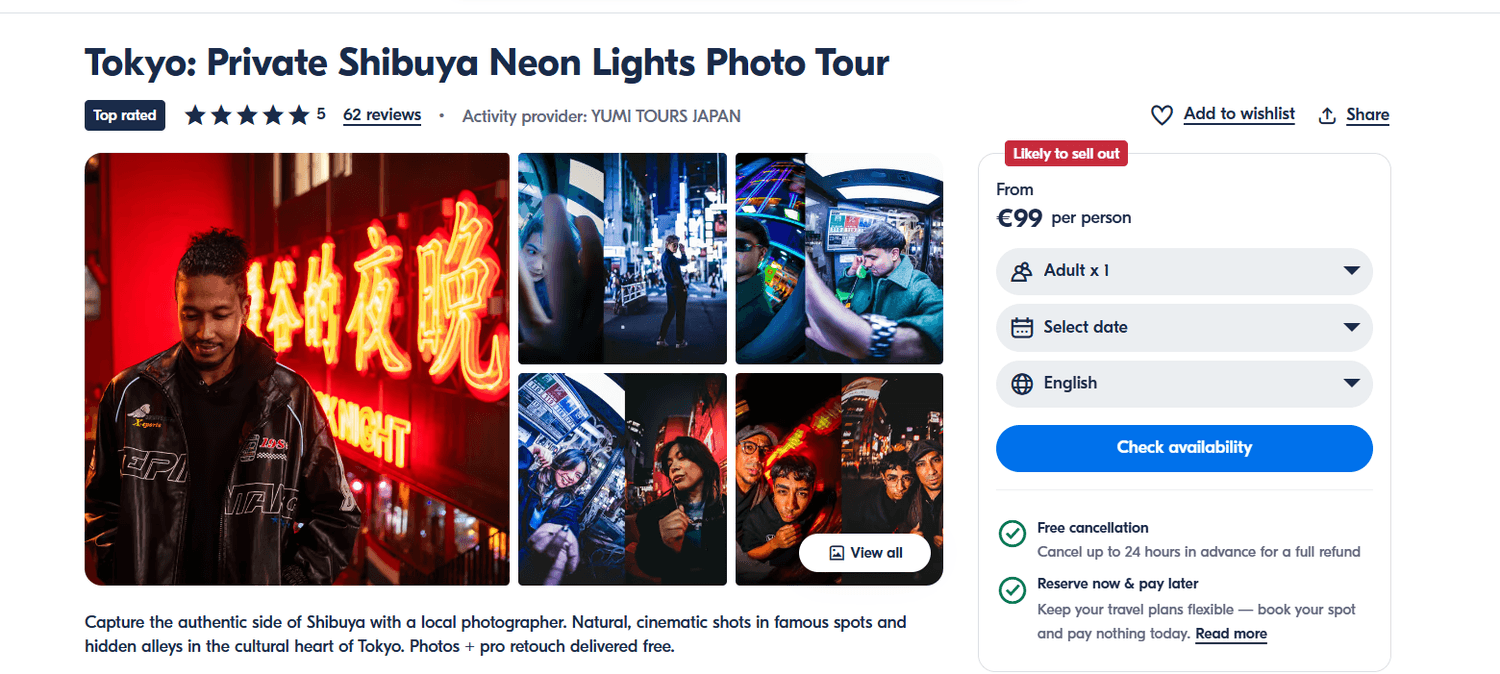
This private photoshoot in Shibuya is a simple way to capture your trip with a more natural and cinematic style. Guided by a local photographer, you walk through both iconic spots and smaller streets, using Tokyo’s neon lights as a backdrop.
The session is designed to feel relaxed rather than posed, with light guidance to help you feel comfortable, even if you’re not used to being photographed. The route adapts depending on the atmosphere, weather and lighting to get the best result.
After the session, you receive a set of professionally edited photos. It’s a good option if you want high-quality images of your time in Tokyo without spending time planning locations yourself.
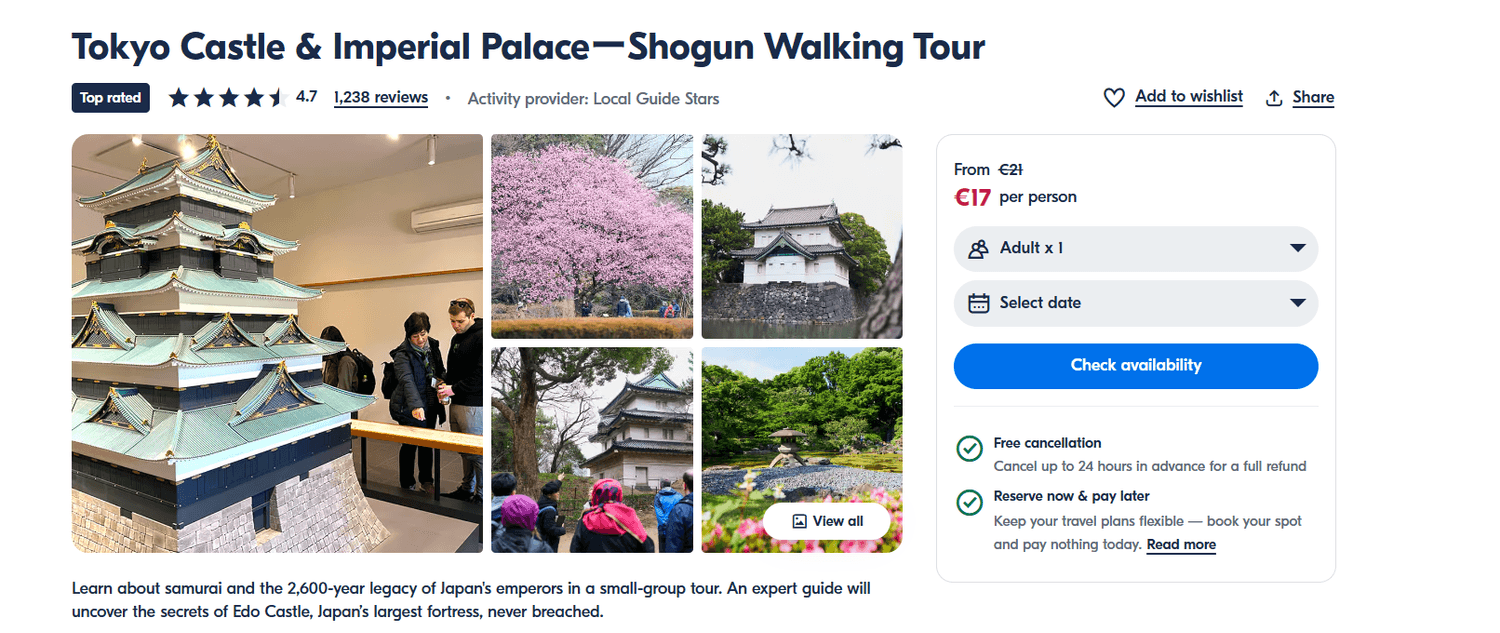
This walking tour around the Tokyo Imperial Palace is a simple way to understand the city’s historical side. With a guide, you explore the remains of Edo Castle, once the largest fortress in Japan, and learn how it shaped the era of the shoguns.
The route includes gates, stone walls, moats and the East Gardens, where you can see how the site evolved into the current Imperial Palace. Along the way, you get clear explanations about samurai culture, the role of the shogun and the long history of the Japanese imperial system.
The pace is easy, with several stops for photos and context. It’s a good option if you want a structured introduction to Tokyo’s history while exploring a central and important area.
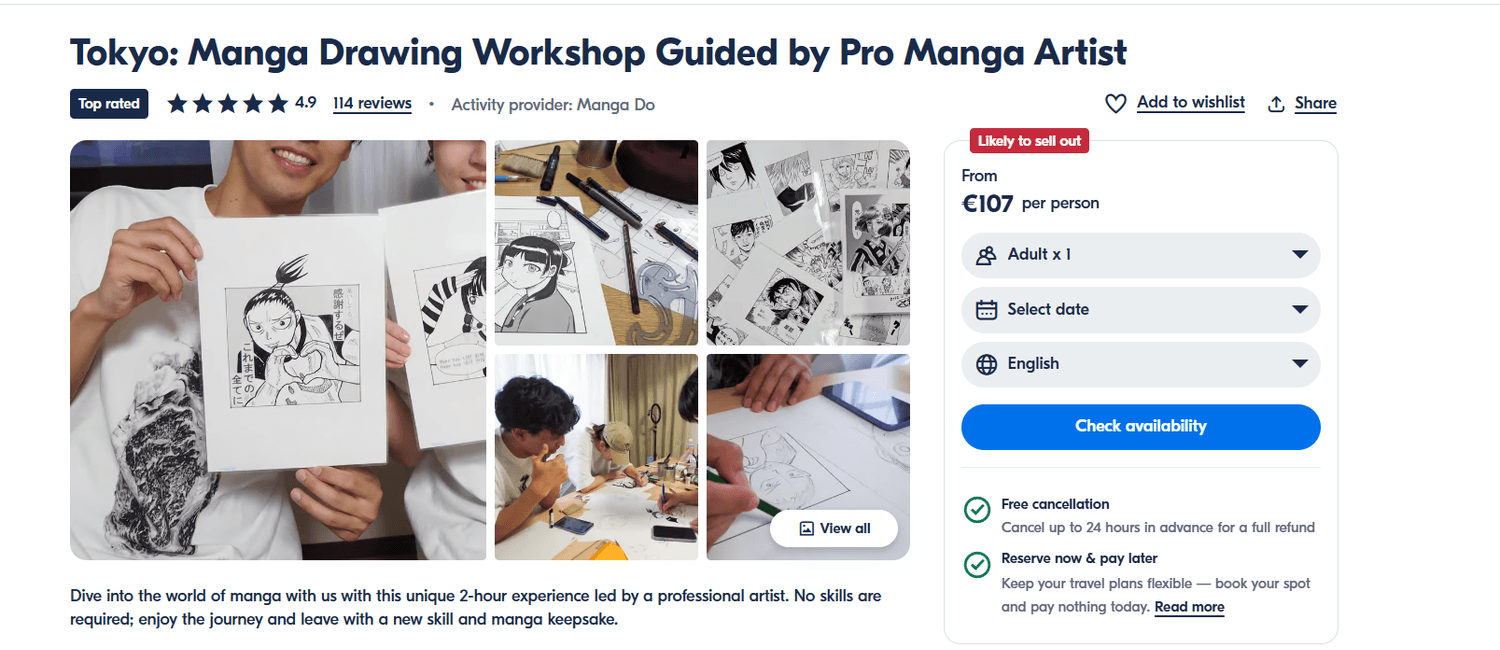
This manga drawing workshop in Tokyo is a hands-on experience led by a professional artist with over 20 years of experience. Located in Shibuya, it offers a clear introduction to how manga is actually created, from idea to final page. During the session, you follow the same steps used by real manga artists: sketching, inking, adding black areas, applying screen tones and creating dialogue. Everything is explained step by step, so even beginners can follow without any drawing experience. The group is small, which allows for direct guidance and feedback throughout the process. An interpreter is also present to ensure everything is easy to understand. By the end, you leave with your own completed manga page. It’s a simple way to understand the structure behind manga and try it yourself while you’re in Tokyo.
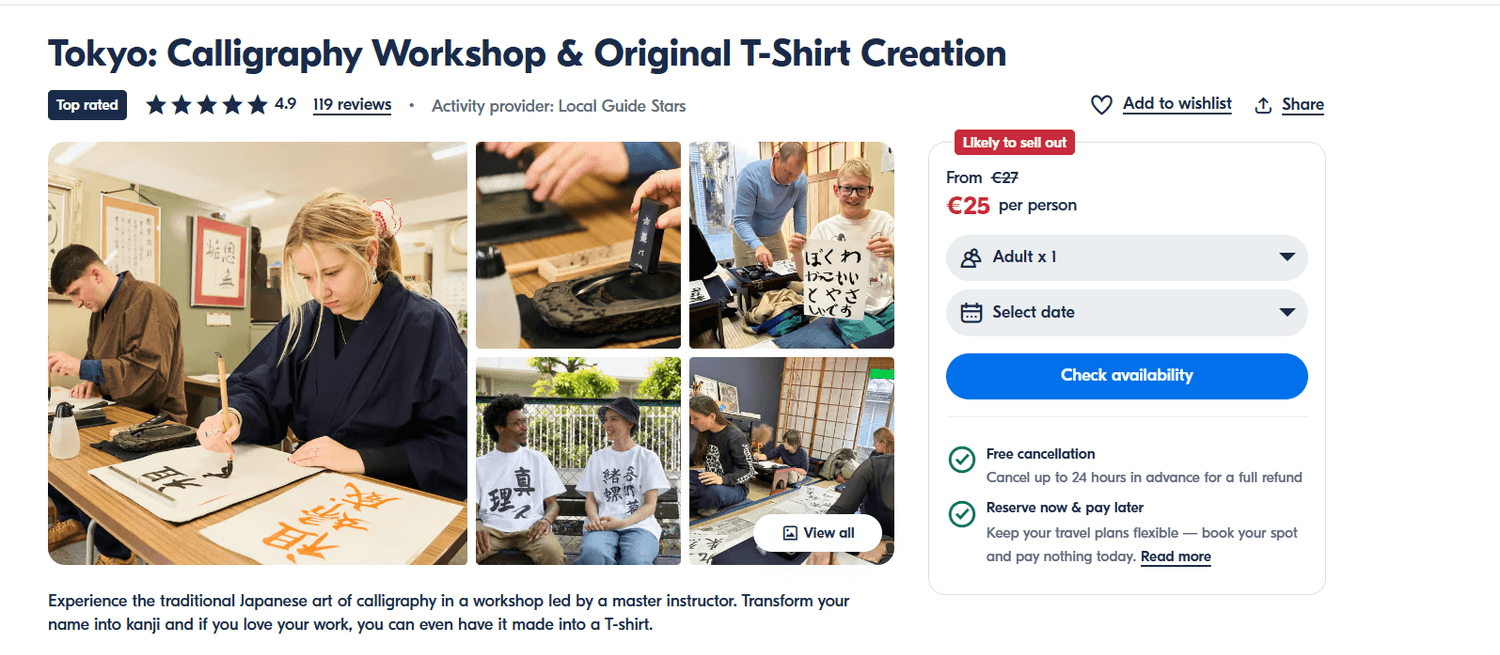
This calligraphy workshop in Tokyo is a hands-on introduction to traditional Japanese writing, held in Shinjuku with a professional instructor.
The experience starts with preparing your own ink using a traditional ink stick, a process that helps you understand the basics of Japanese calligraphy and its slow, focused rhythm. You then practice brush techniques and learn how characters are structured and written.
Once you’re comfortable, your name is translated into kanji and you create your own calligraphy piece. The instructor guides you step by step to ensure the result feels personal and accurate.
As an option, you can print your design onto a t-shirt, turning your calligraphy into a unique souvenir you can take home.
The workshop is beginner-friendly, with small groups and clear explanations in English. It’s a simple way to connect with Japanese culture while creating something personal during your time in Tokyo.
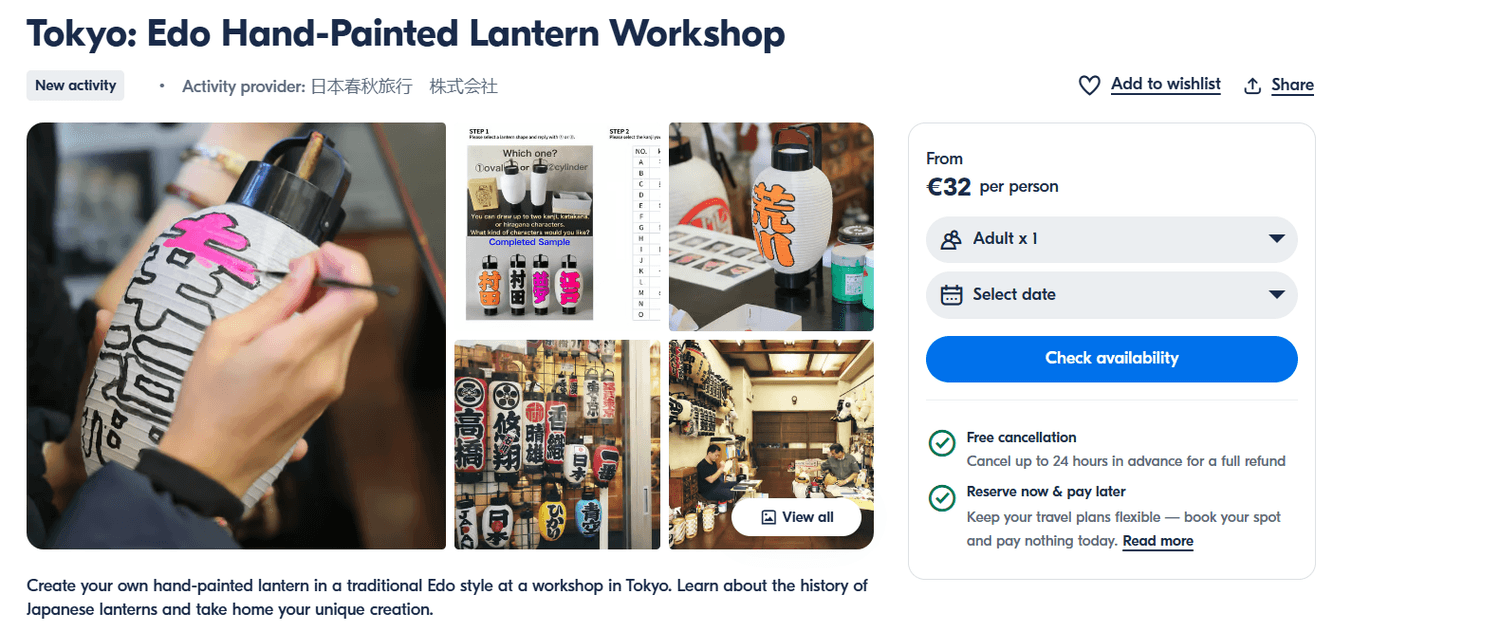
This Edo-style lantern painting workshop in Tokyo takes place in a traditional studio with roots dating back to the Edo period. It offers a simple introduction to Japanese craftsmanship through a short, hands-on activity.
At the beginning, you learn about the history of Japanese lanterns and their role in daily life and festivals. A skilled artisan prepares the base design using your chosen characters, which can be kanji, hiragana or katakana.
You then paint your own lantern using a brush, following the outlines and adding colors from a selection provided. Two lantern shapes are available, and the process is guided step by step, making it accessible even without any painting experience.
The session is short but structured, and by the end you leave with your finished lantern, ready to take home. It’s a straightforward cultural activity that combines creativity with a traditional craft from Tokyo.
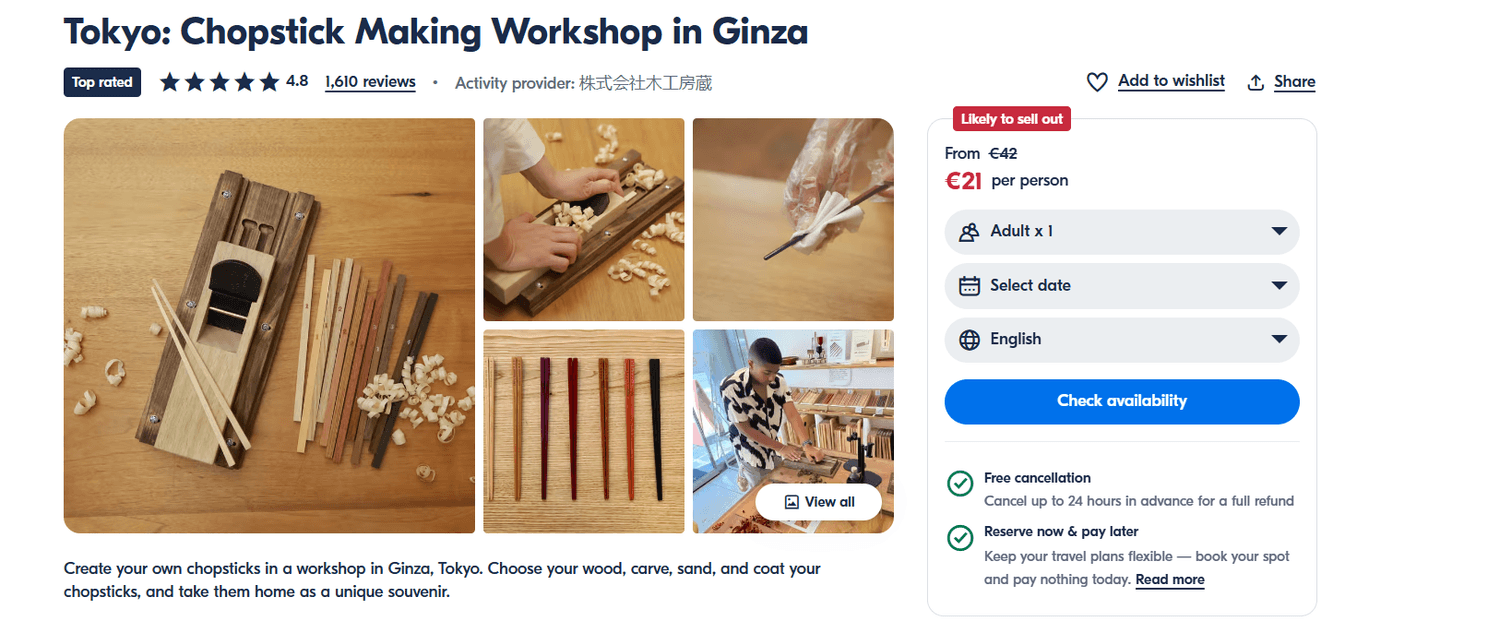
This chopsticks-making workshop in Tokyo takes place in Ginza and focuses on traditional woodworking techniques. It’s a short, hands-on activity designed to create a practical and personal souvenir.
You start by choosing your chopsticks from a selection of 26 types of wood and different lengths. Each wood has its own texture and appearance, allowing you to customize the final result.
Using a hand plane, you shape the chopsticks yourself, then smooth the edges with sandpaper. The process is guided step by step, making it accessible even without prior experience. Once the shape is finished, you apply oil to protect the wood and complete the pair.
An optional engraving allows you to add your name or a short text. The workshop is run by a woodworking company, with attention given to material quality and finishing.
By the end, you leave with a pair of chopsticks you made yourself, designed to be used daily and kept as a long-term souvenir from Tokyo.
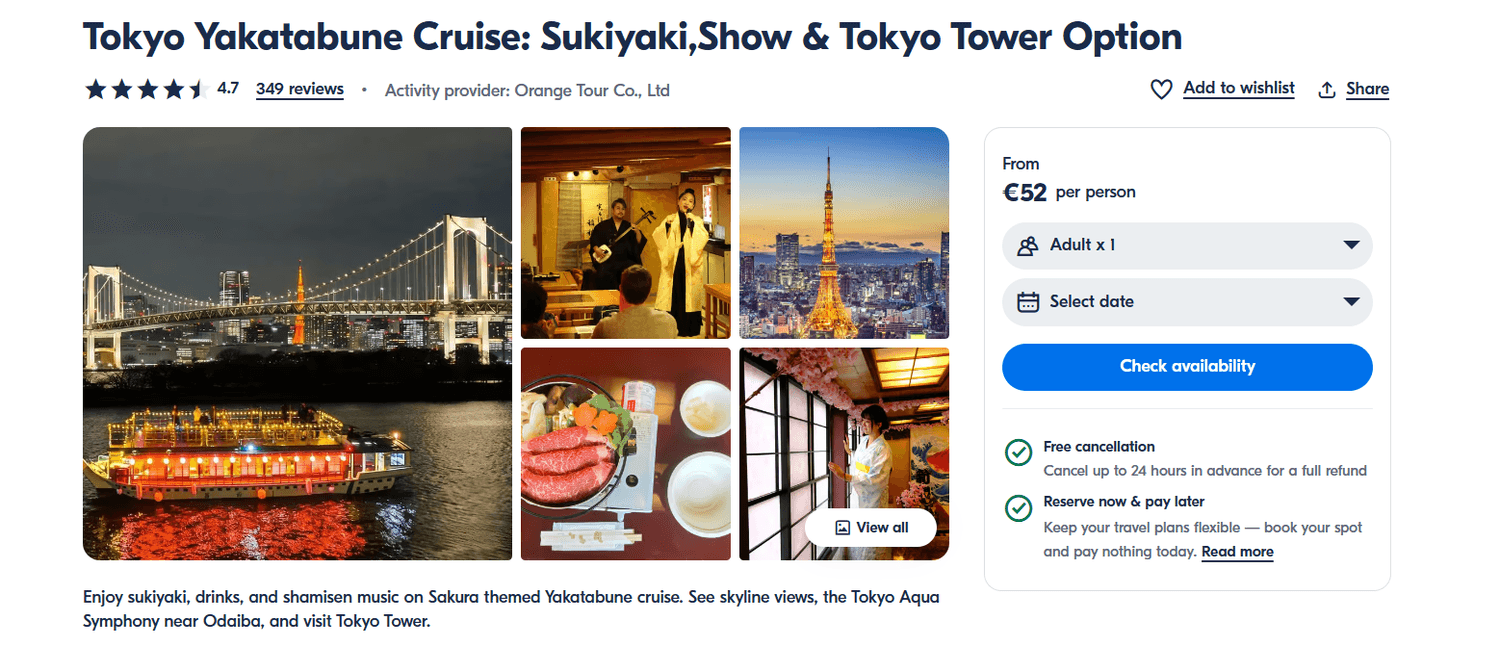
This yakatabune cruise in Tokyo offers a traditional dining experience on the water, combined with views of the city skyline and live cultural performances.
You board a traditional Japanese boat once used for leisure by samurai and aristocrats. The cruise takes place in Tokyo Bay, passing landmarks such as the Rainbow Bridge while offering open views of the waterfront.
During the cruise, you are served a sukiyaki-style meal, a hot pot dish prepared at your table, along with unlimited non-alcoholic drinks. Vegetarian or alternative options can be arranged in advance.
A live shamisen performance accompanies the experience, adding a cultural element through traditional Japanese music. The atmosphere remains calm and structured, with time to enjoy the meal and the views.
Some options include access to the observation deck of Tokyo Tower after the cruise, offering a panoramic view of the city.
It’s a simple way to combine food, culture, and scenery in one experience while staying in central Tokyo.
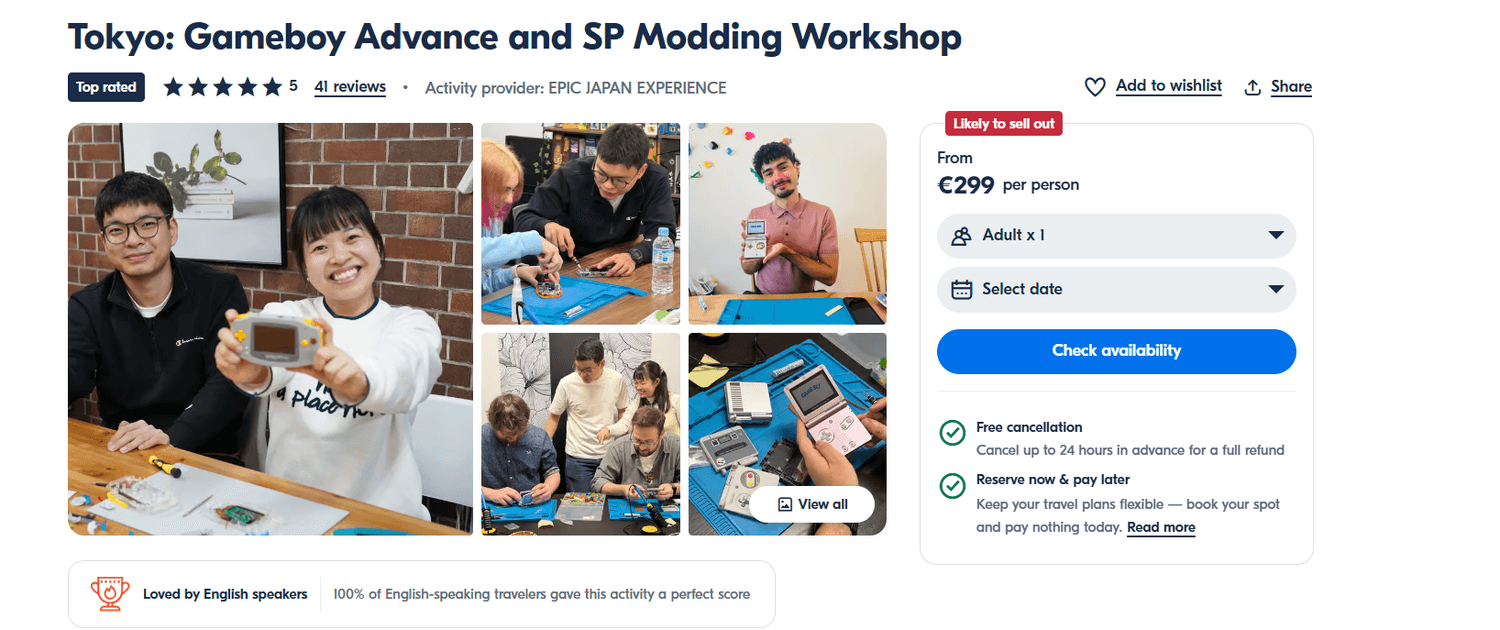
This Game Boy modding workshop in Tokyo is a hands-on experience held in Akihabara, the city’s main district for gaming and pop culture.
During the session, you build and customize your own Game Boy Advance or Game Boy SP using a range of parts provided on site. You choose the shell, buttons, and other components to create a console that reflects your personal style.
The process is guided step by step by an instructor, making it accessible even if you have no technical experience. You assemble the console yourself and learn how each component fits and functions.
Once finished, you can test your Game Boy with a game cartridge provided during the workshop. The final result is fully functional and can be taken home.
This experience combines retro gaming culture with a practical activity, offering a unique souvenir created directly in Tokyo.
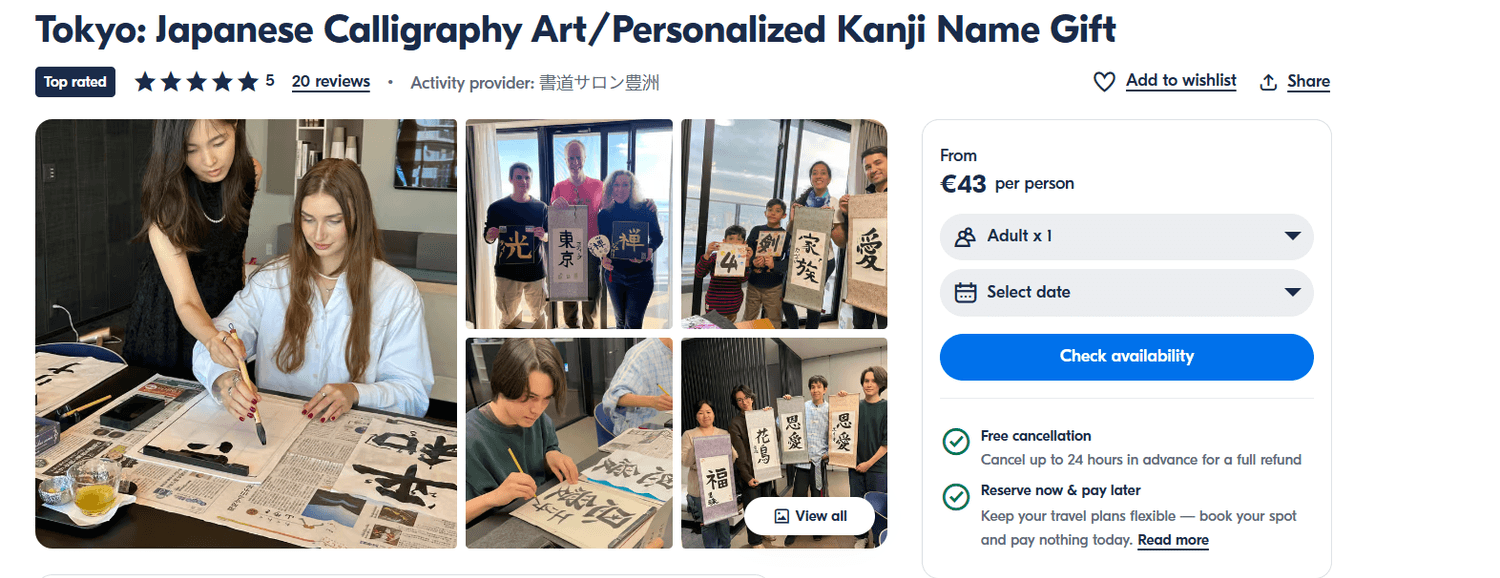
This Japanese calligraphy workshop in Tokyo offers a simple way to experience a traditional art while creating something personal. The class takes place in a modern studio in Toyosu, designed for a calm and focused atmosphere.
You begin by learning the basics of calligraphy, including brush techniques, stroke order, and the history behind the practice. You then practice writing different characters before working on your own name.
Your name is adapted into kanji, and you create a final piece based on it. You can choose to apply your design to different items such as a scroll, folding fan, or everyday objects, depending on your preference.
The session is guided step by step by an English-speaking instructor, making it accessible even for beginners. Drinks and Japanese sweets are included, allowing you to take your time during the experience.
By the end, you leave with a personalized calligraphy piece, combining Japanese culture with a meaningful souvenir from Tokyo.
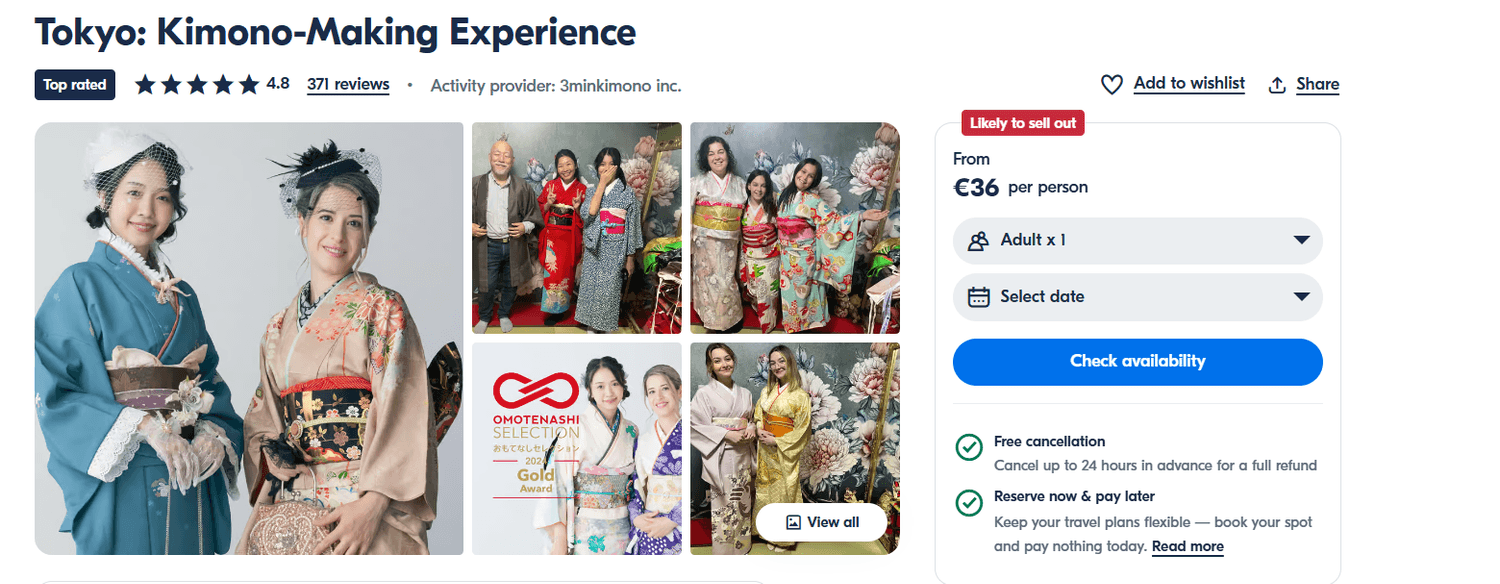
This kimono-making experience in Tokyo offers a practical introduction to traditional Japanese clothing with a modern approach. The workshop takes place in a small group setting and is designed to be accessible, even for beginners.
You start by selecting a vintage kimono from a curated collection. These garments are made from traditional fabrics and reflect classic Japanese craftsmanship. The workshop then guides you through the process of transforming the kimono into a two-piece version, making it easier to wear and adapt to different body types.
During the session, you learn how to adjust the fit and understand the basics of kimono styling. The instructor also shows you how to wear the kimono step by step, so you can do it on your own after the experience.
For men, the experience includes adding a personalized touch by printing your name in kanji on the garment. For women, the focus is on fitting and styling, with an optional photo session at the end.
The experience lasts around 90 minutes and includes all materials. By the end, you leave with a custom kimono and the knowledge to wear it, combining a cultural activity with a practical souvenir from Tokyo.
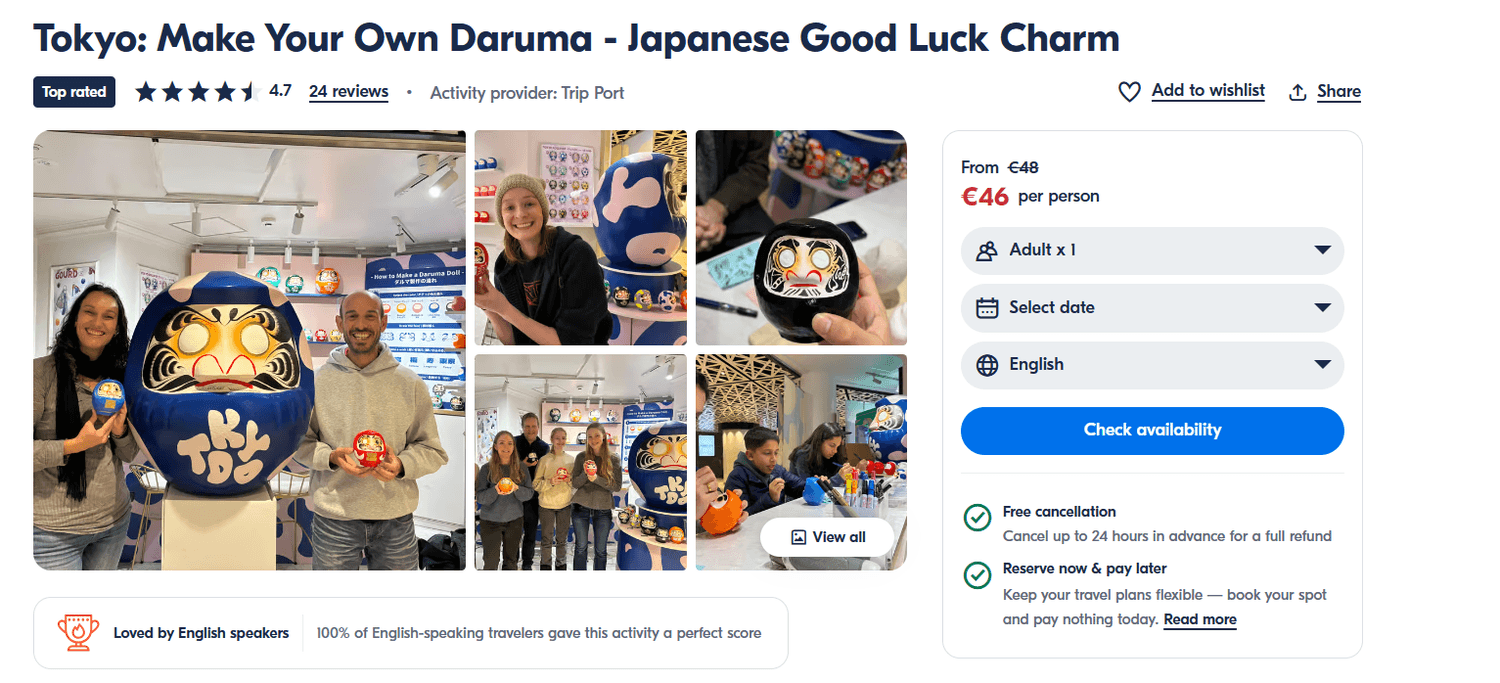
This Daruma painting experience in Tokyo is a simple and hands-on way to connect with Japanese culture. In this one-hour workshop, you create your own Daruma, a traditional doll that represents luck, perseverance, and goal-setting.
You start by learning the meaning behind the Daruma and its role in Japanese culture. Traditionally, one eye is filled in when setting a goal, and the second eye is completed once the goal is achieved.
During the workshop, you receive a handcrafted Daruma made by Japanese artisans using traditional techniques. You then paint and decorate it with your own colors and designs, creating a completely personal version of this symbolic object.
The experience is beginner-friendly and focused entirely on painting, making it easy to enjoy even without any artistic skills. Instructors guide you throughout the process and provide tips if needed.
At the end, you take your Daruma home as a meaningful souvenir or a personal lucky charm from Japan.
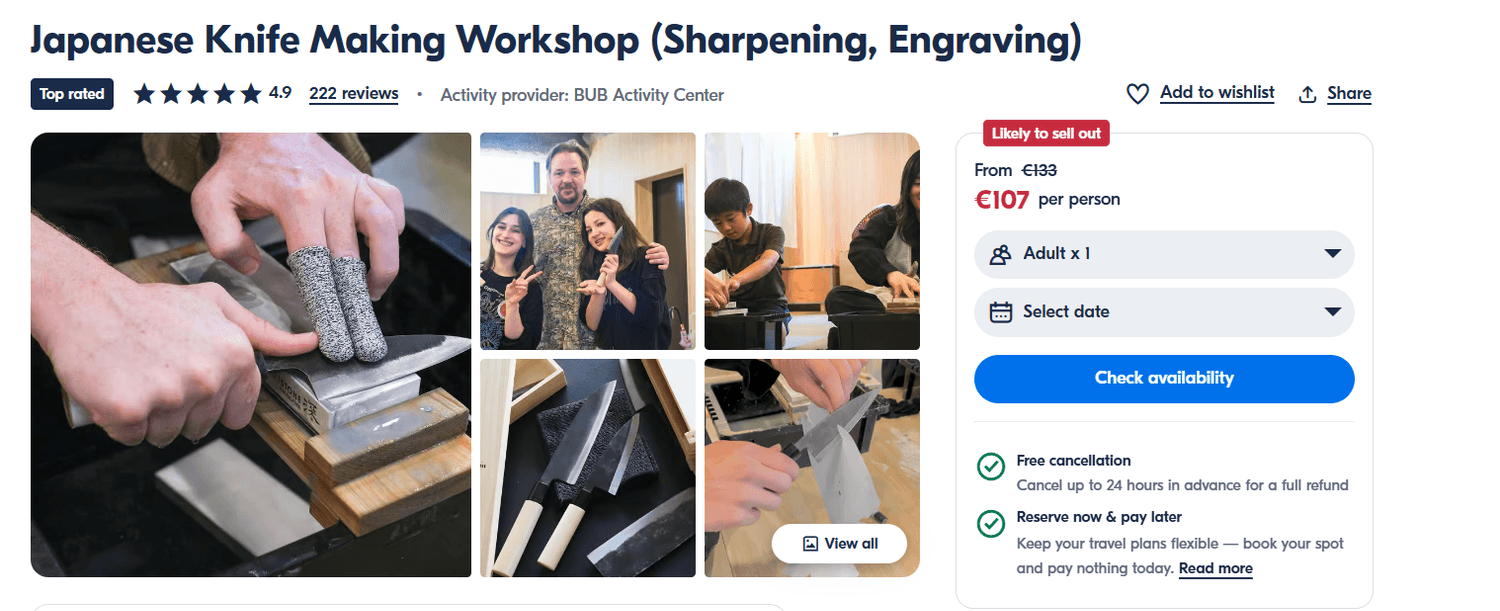
This knife-making workshop in Tokyo is a hands-on experience focused on traditional Japanese craftsmanship. In about 90 minutes, you create your own knife while learning the basics of blade sharpening, assembly, and personalization.
The experience starts with a short introduction to the history of Japanese knives and their connection to sword-making techniques. You then choose the type and size of blade you want to work on, with several options available depending on your preference.
You begin by sharpening the blade using traditional methods. This step requires focus and precision, and instructors guide you throughout the process to ensure correct technique.
Next, you assemble the knife by attaching the handle. You can then personalize it by engraving your name in Japanese or adding simple designs such as sakura patterns.
The workshop is beginner-friendly and includes all materials. At the end, you leave with your finished knife, packaged and ready to take home as a practical and meaningful souvenir from Tokyo
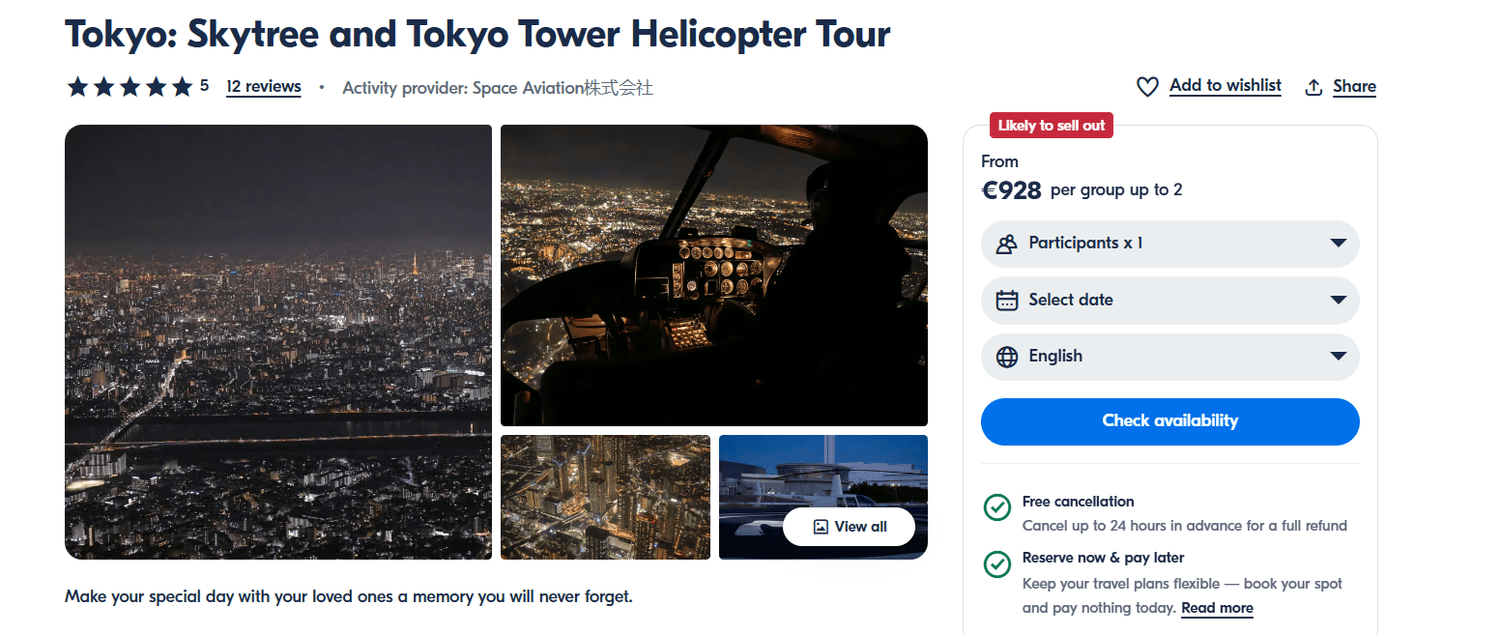
This helicopter tour in Tokyo offers a unique way to see the city from above. The experience departs from a heliport in Chiba and takes you on a scenic flight over some of Tokyo’s most iconic landmarks.
During the flight, you pass close to both Tokyo Skytree and Tokyo Tower, giving you a clear aerial perspective of the city’s skyline. The route also includes views over Tokyo Bay, especially impressive in the evening when the coastline is illuminated.
The flight lasts around 30 minutes within a one-hour experience. The helicopter is private, accommodating between one and four passengers, making it suitable for couples, small groups, or special occasions.
Before departure, you receive a safety briefing and basic instructions. The experience is smooth and beginner-friendly, with staff assisting throughout.
Flight routes may vary depending on weather conditions and air traffic restrictions, but the duration remains consistent.
This experience is designed for those looking for a different perspective of Tokyo, combining panoramic views with a short and exclusive activity.
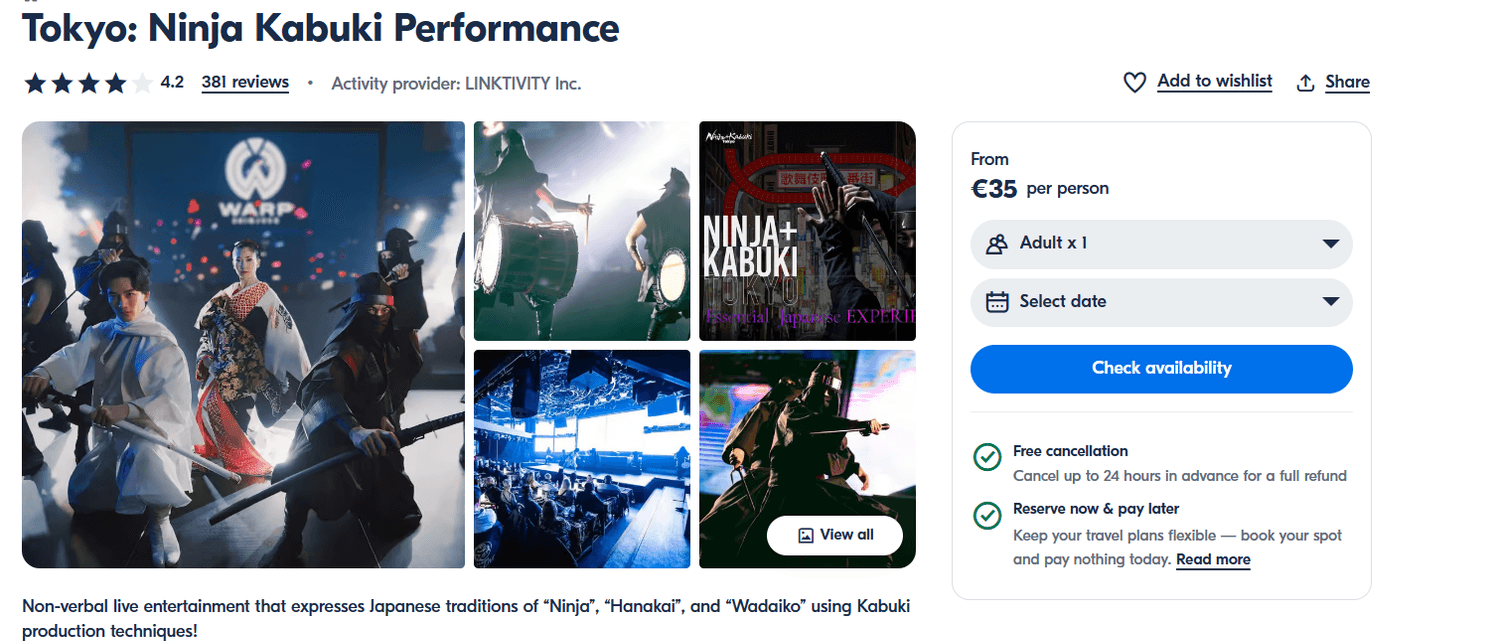
This Ninja Kabuki show in Tokyo is a modern take on traditional Japanese performing arts. The performance takes place in Shinjuku and combines elements of kabuki theater with ninja action, taiko drums, and visual effects. The show is entirely non-verbal, making it easy to follow regardless of language. Through movement, music, and staging, performers tell a story inspired by Japanese traditions such as ninjas, courtesans, and classical theater. Supervised by kabuki artist Denjiro Tanaka VII, the performance blends traditional techniques with modern lighting and stage production. The result is a fast-paced and accessible introduction to Japanese culture. The show lasts around 80 minutes and takes place indoors, making it easy to include in an evening plan in Shinjuku. Seating is assigned on arrival, and the experience is suitable for all ages. This is a good option if you want to experience traditional Japanese themes in a more dynamic and entertainment-focused format, without needing prior knowledge of kabuki.
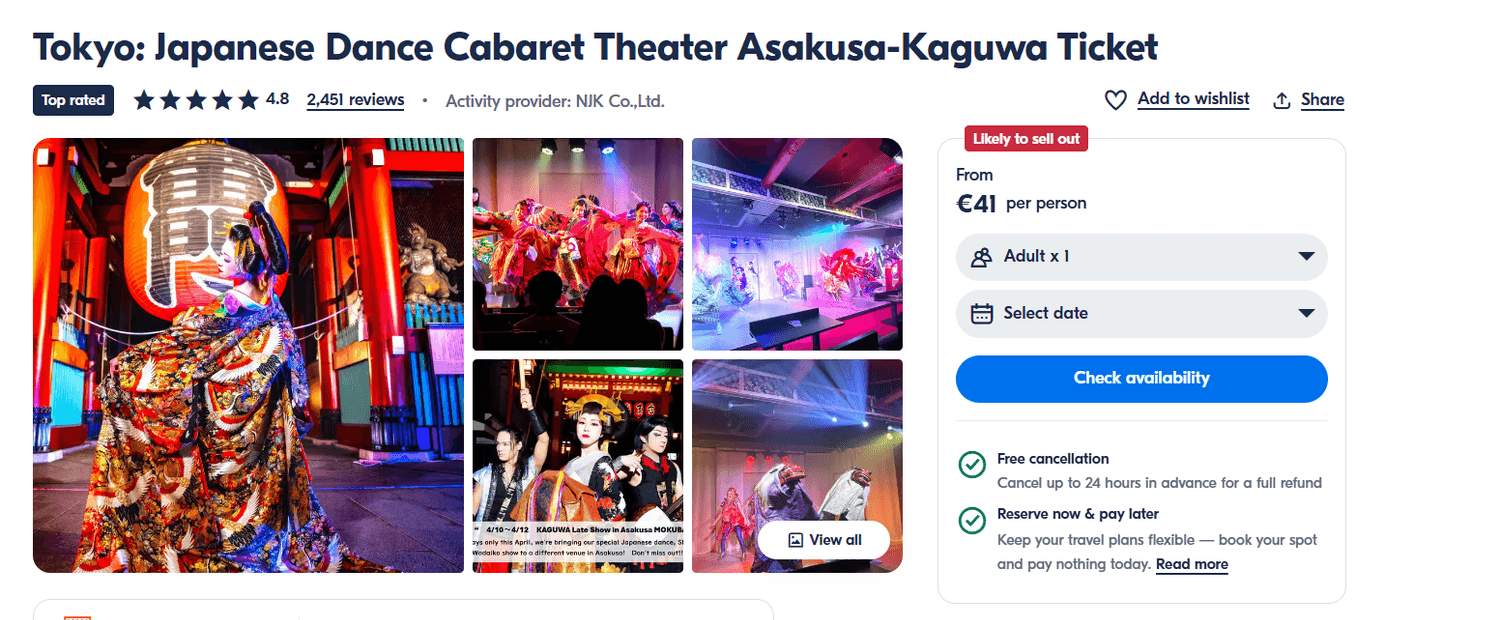
This cabaret dance show in Tokyo takes place at Asakusa Kaguwa, in the Asakusa district. It combines traditional Japanese aesthetics with modern stage performance in an indoor theater setting.
The experience starts before the show, where you can enjoy a drink, take photos, and meet the performers. Once the performance begins, dancers in detailed kimonos take the stage for a one-hour show mixing choreography, music, and visual effects.
The show blends elements of traditional Japanese culture with contemporary entertainment, creating a format that is easy to follow for international visitors. Lighting, costumes, and staging play a central role, making it more dynamic than classical performances.
The total experience lasts around two hours, including the pre-show time and the performance itself. Seating is assigned, with options ranging from standard seats to front-row or VIP.
This is a good option if you want a visually engaging show in Tokyo, combining traditional themes with a more modern and accessible format.
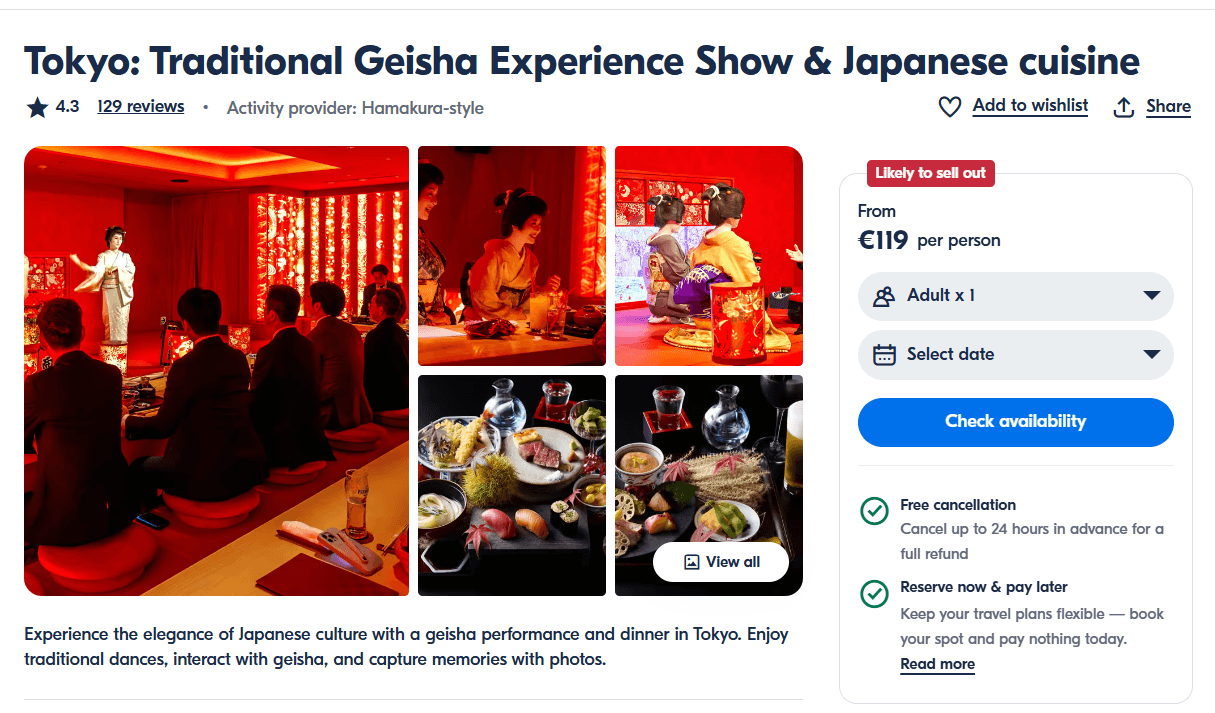
This geisha dinner experience in Tokyo offers a rare opportunity to discover traditional Japanese culture in an accessible setting. The event takes place at Benitsuya, where guests can enjoy both a live performance and a full meal.
The experience begins with a traditional Japanese dinner prepared with seasonal ingredients. While you dine, geishas perform classical dances that reflect centuries of refined artistry and cultural heritage.
After the performance, you have the opportunity to interact directly with the geishas. This includes traditional games, conversations, and the chance to ask questions about their training, lifestyle, and role in Japanese culture. English-speaking staff are present to assist with communication.
The experience also includes a photo session, allowing you to capture a memorable moment with the performers in their formal attire.
The full experience lasts about 90 minutes and is designed to be intimate and easy to follow, even for first-time visitors. It offers a structured introduction to geisha culture without requiring prior knowledge.
This is one of the few ways in Tokyo to combine dining, live performance, and direct interaction with geishas in a single experience.
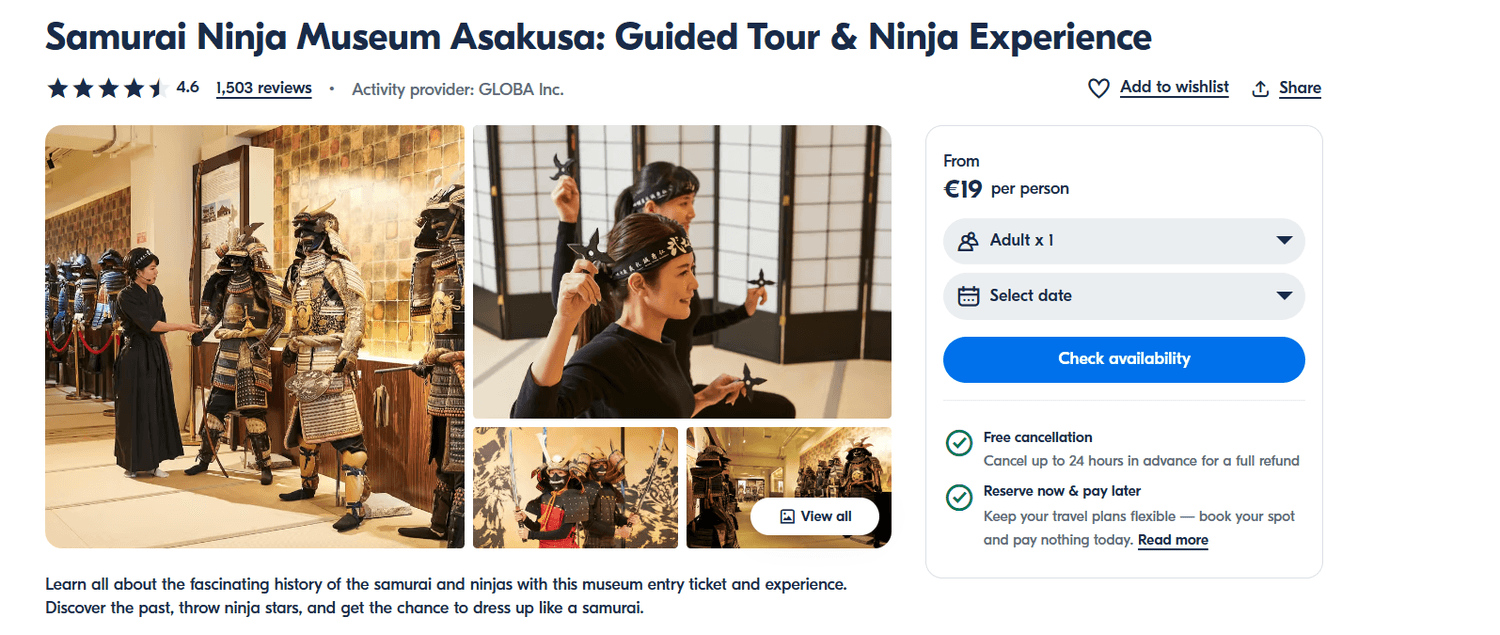
This samurai and ninja museum experience in Tokyo takes place at Samurai and Ninja Museum Asakusa, in the Asakusa district. It combines a guided tour with interactive activities to explore key elements of Japanese history.
The visit begins with a guided tour in English, where you learn about the roles of samurai and ninjas, their weapons, and their place in Japanese society. The museum displays include armor, helmets, and traditional swords, offering a clear overview of their historical context.
After the tour, you take part in hands-on activities. You can try throwing ninja stars and practice basic techniques in a controlled setting. There is also a dress-up experience where you wear samurai armor and handle a replica sword for photos.
The experience lasts about one hour and is designed to be accessible and engaging, even for beginners or families. Group sizes are limited, but multiple participants may join the same session.
This is a practical introduction to samurai and ninja culture, combining short explanations with interactive elements for a more engaging visit.
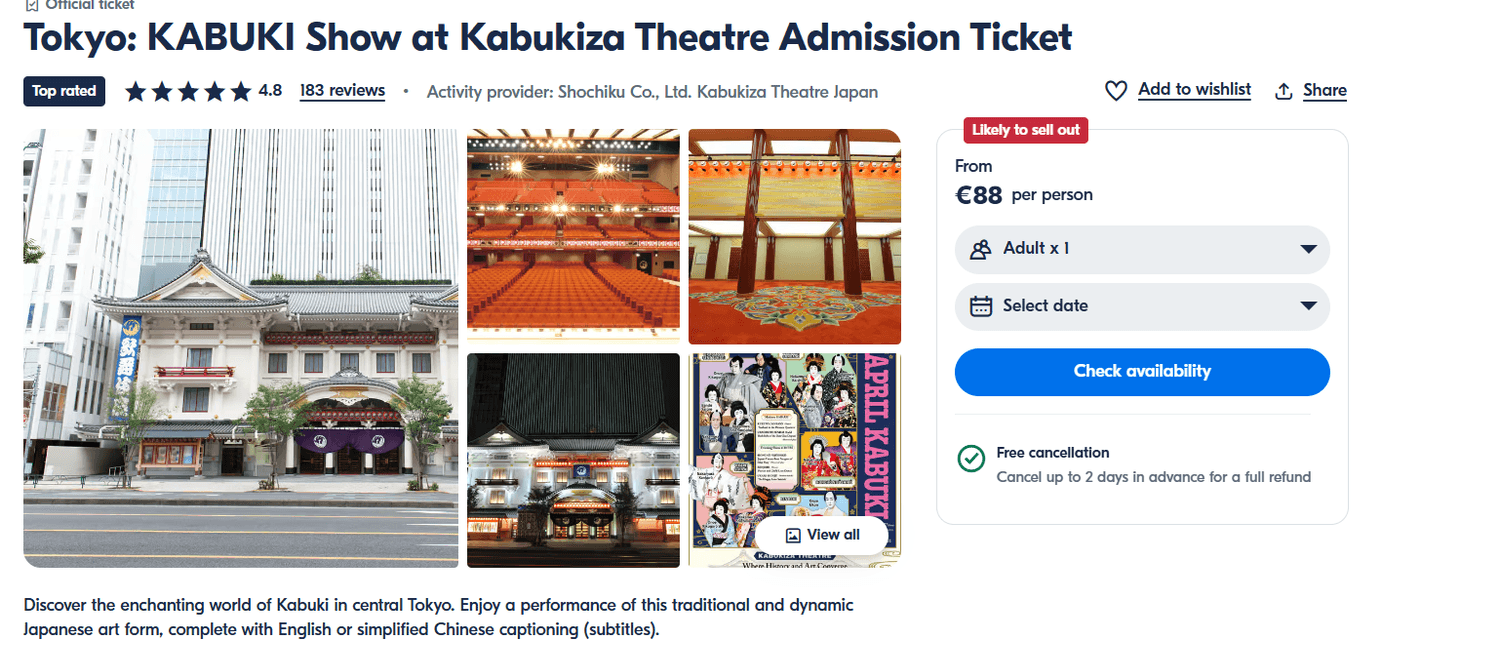
This kabuki performance in Tokyo takes place at Kabukiza Theatre, located in the Ginza district. It is the main venue dedicated exclusively to kabuki, one of Japan’s most iconic traditional performing arts.
Kabuki is known for its stylized acting, elaborate costumes, and live music. The performance combines drama, dance, and storytelling, often based on historical events or classical themes. Each program includes several acts, offering different styles within the same show.
The full experience lasts around four to five hours, with breaks between acts. During these intermissions, you can explore the theater, visit shops, or bring your own food to enjoy.
To make the experience accessible, subtitle guides in English or Chinese are included, allowing you to follow the story even without understanding Japanese.
Programs change every month, so each visit offers a different performance. The theater opens shortly before the show, and seating is assigned upon booking.
This is one of the most complete ways to experience traditional Japanese theater in Tokyo, combining history, performance, and cultural immersion in a single venue.
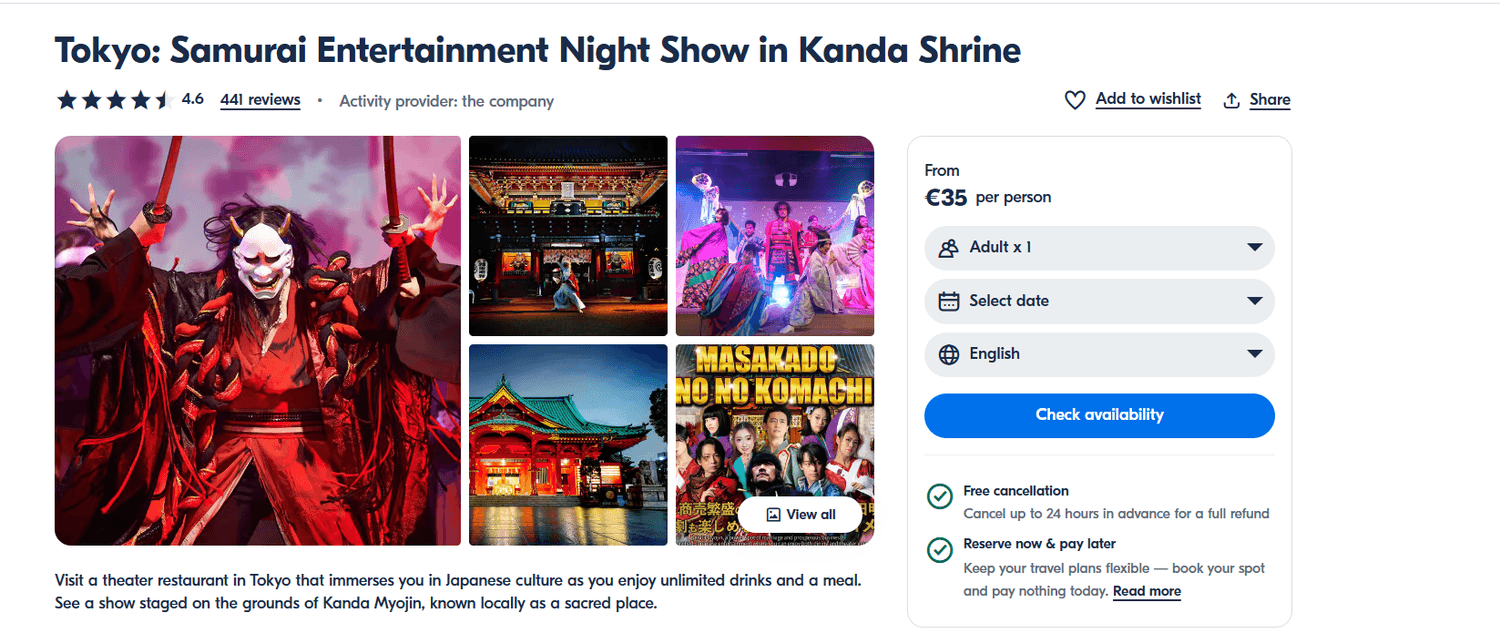
This samurai night show takes place at Kanda Myojin Shrine, one of Tokyo’s most historic and culturally significant shrines.
The experience combines a live performance with a dinner setting inside a restaurant-theatre located within the shrine grounds. The evening starts with food and drinks, followed by a staged samurai show inspired by the story of Taira no Masakado, a legendary historical figure.
The performance includes sword fighting scenes, traditional storytelling, music, and visual effects. It is designed to be immersive and accessible, even if you are not familiar with Japanese history.
After the show, you can meet the performers and take photos, which adds a more interactive and memorable aspect to the experience.
The full evening lasts around two to three hours, with a clear structure: dinner first, then the show, then a short meet-and-greet.
This activity is ideal if you want a cultural experience that mixes entertainment, history, and a unique setting inside a real shrine in Tokyo.
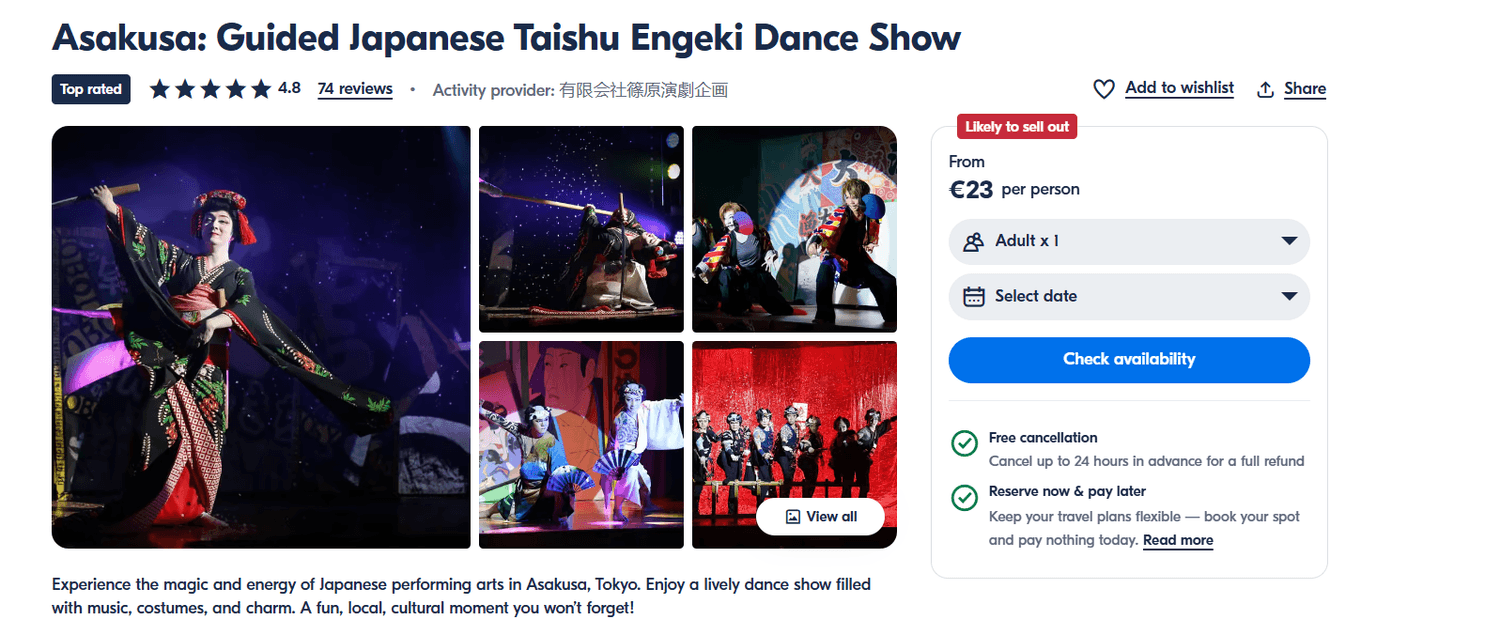
This experience takes place at Asakusa Mokubakan, a long-standing local theater in the Asakusa district known for its live performances.
The show introduces you to Taishū Engeki, a popular form of Japanese theater that blends dance, storytelling, music, and dramatic scenes. Unlike more formal performances, this style is accessible, lively, and deeply rooted in everyday Japanese entertainment culture.
You will watch a full stage performance featuring traditional and modern music, detailed costumes, and expressive choreography. Some scenes include sword fighting and onnagata performances, where male actors play female roles, which is a key element of this art form.
The theater is small and intimate, so you are close to the stage and can clearly see the actors’ expressions and movements. This makes the experience feel more immersive compared to larger venues.
Before the show, an English-speaking guide gives a short introduction to help you understand what you are watching. After the performance, you may have the opportunity to take photos with the performers.
Each show changes daily depending on the troupe, so no two performances are exactly the same.
This is a good option if you want to experience a more local and less touristy side of Japanese performing arts while staying in Tokyo.
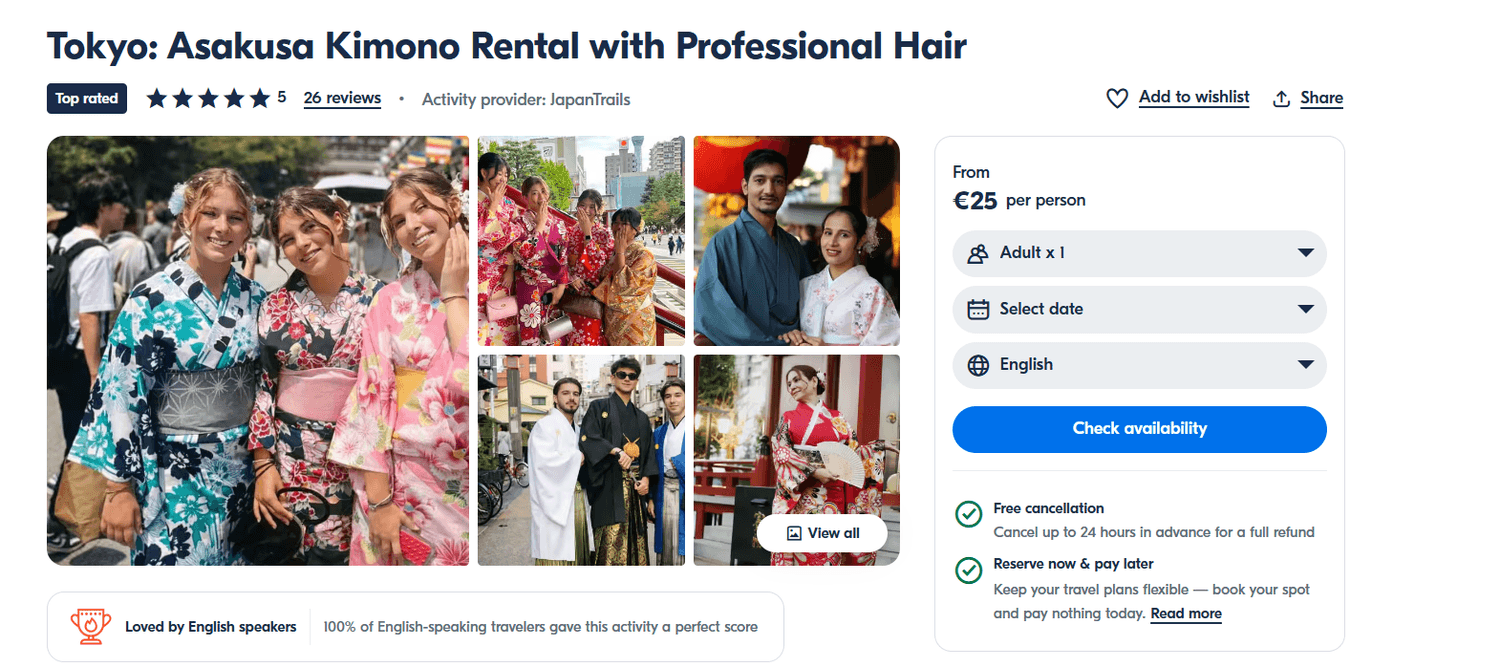
This kimono rental experience takes place in Asakusa, close to Senso-ji Temple, one of Tokyo’s most iconic cultural landmarks.
You start by choosing your kimono from a wide selection, ranging from traditional styles like komon and yukata to more modern or retro-inspired designs. Seasonal options are also available, which makes the outfit more comfortable depending on the time of year.
Once selected, professional staff handle the dressing process using traditional kitsuke techniques. The kimono is adjusted properly so you can walk around comfortably for several hours without needing to fix it.
The experience also includes hairstyling with accessories such as hairpins or floral ornaments to complete the look. This makes it more than just a rental, but a full styling experience.
After getting ready, you are free to explore Asakusa at your own pace. Popular spots nearby include Senso-ji, Kaminarimon Gate, and Nakamise Street, all within walking distance, making it easy to take photos in a traditional setting.
A storage service is included, so you can leave your clothes and bags safely at the shop while you explore.
This is a simple way to experience Japanese culture visually and create photos in one of the most traditional areas of Tokyo.
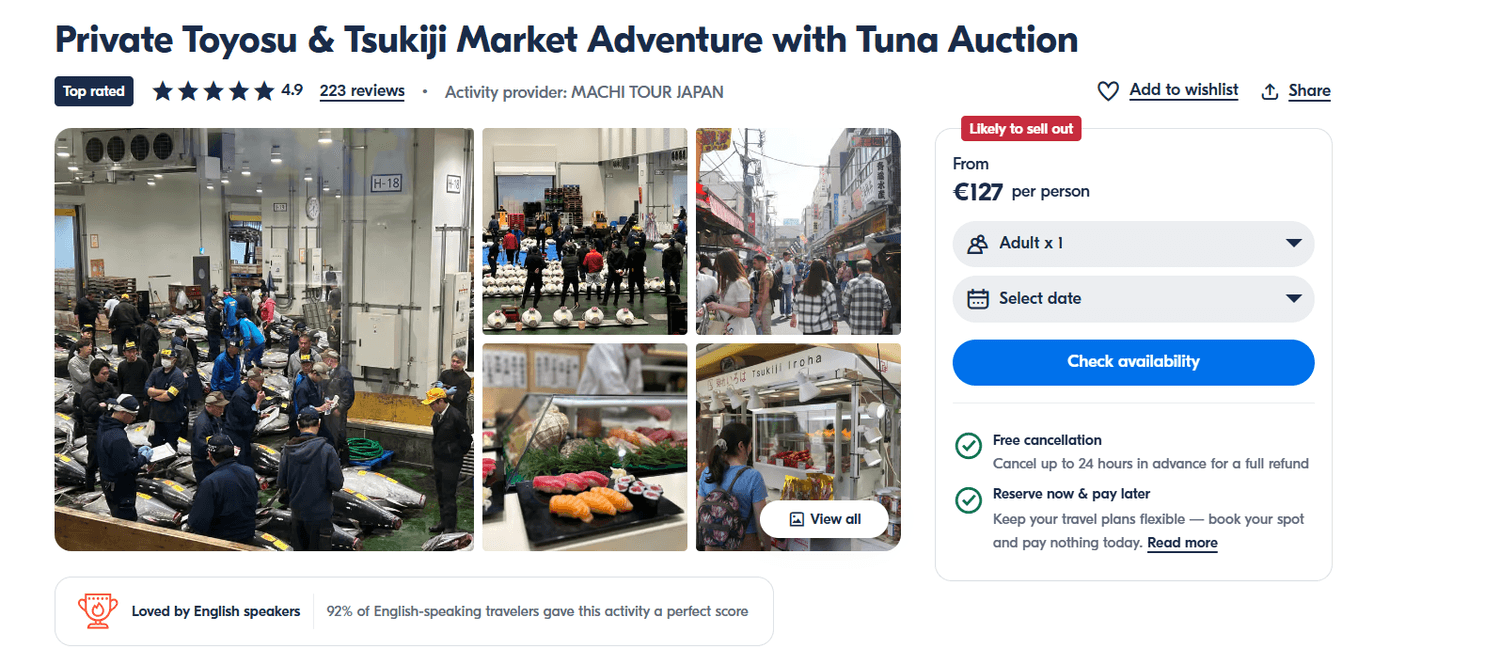
This private tour takes you to both Toyosu Market and Tsukiji Outer Market, two of the most important places to experience Tokyo’s food culture.
The experience usually starts early in the morning at Toyosu, where you can observe the famous tuna auction. From the viewing platform, you’ll see professional buyers inspecting and on high-quality tuna in a fast-paced environment. Access to the ground-level auction area depends on a lottery system, but the upper observation deck is always available.
After visiting Toyosu, the tour continues to Tsukiji Outer Market, known for its street food and small local shops. Here, you can walk through narrow alleys filled with vendors selling sushi, grilled seafood, tamago, mochi, and other Japanese specialties.
A key part of the experience is tasting fresh food, often including a sushi breakfast recommended by your guide. You’ll also have time to explore shops selling knives, ceramics, matcha tools, and traditional ingredients.
Because this is a private tour, the pace is flexible and adapted to your interests. The guide also explains how the market works, the role of seafood in Japanese cuisine, and how to choose quality products.
This experience is ideal if you want a mix of food, culture, and local insight in one of Tokyo’s most iconic culinary areas.
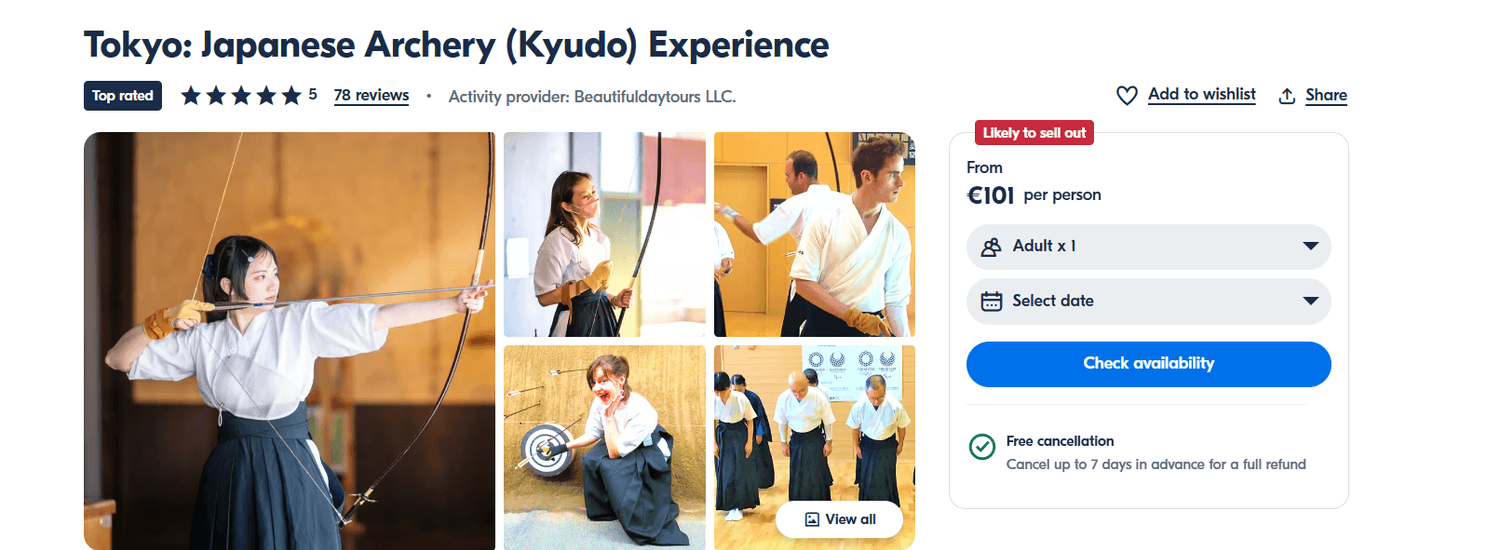
This experience introduces you to Kyudo, a traditional Japanese martial art focused on precision, discipline, and mental control.
The session takes place in an official dojo, not a tourist setup, using a real shooting distance similar to competition standards. You begin by wearing a traditional Kyudo uniform and learning the fundamentals of posture, breathing, and movement.
A certified instructor guides you step by step through the shooting process. Unlike Western archery, Kyudo emphasizes form and mindset as much as hitting the target. The goal is not just accuracy, but mastering the movement itself.
During the session, you will have multiple attempts to shoot arrows, allowing you to gradually improve your technique. The experience is designed for beginners, even though in Japan it normally takes months before being allowed to shoot in a real dojo.
Kyudo is often described as a form of moving meditation. The focus, silence, and repetition create a calm and immersive atmosphere that makes this activity different from typical tourist experiences.
This is a good choice if you want to try a traditional Japanese martial art in an authentic setting, with a strong cultural and mental aspect rather than just a physical activity.
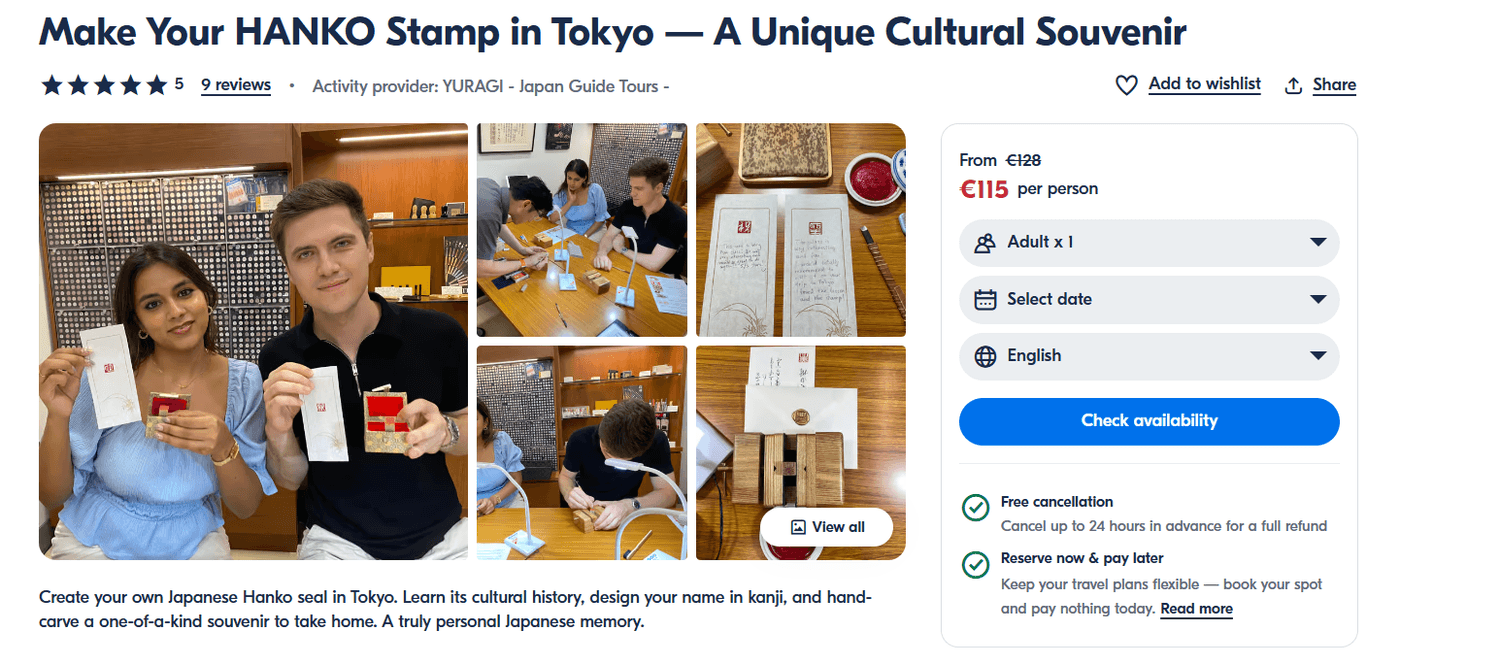
This workshop lets you create your own Hanko, a traditional stamp used in Japan as a signature for official documents and daily life.
The experience takes place in a specialized seal shop in Tokyo, where you first learn about the cultural importance of hanko and how they have been used for centuries as a symbol of identity.
You then design your own seal, usually based on your name written in kanji or katakana. With guidance from a professional, you carve the design by hand into the stamp material. No experience is needed, as the process is explained step by step.
Once finished, you test your seal using traditional red ink and create your first imprint. The final hanko is placed in a protective case, making it both a functional object and a personal souvenir.
The workshop is private or in a very small group, which allows for a more focused and relaxed experience.
This is a good option if you want a meaningful souvenir connected to Japanese culture, rather than something mass-produced.
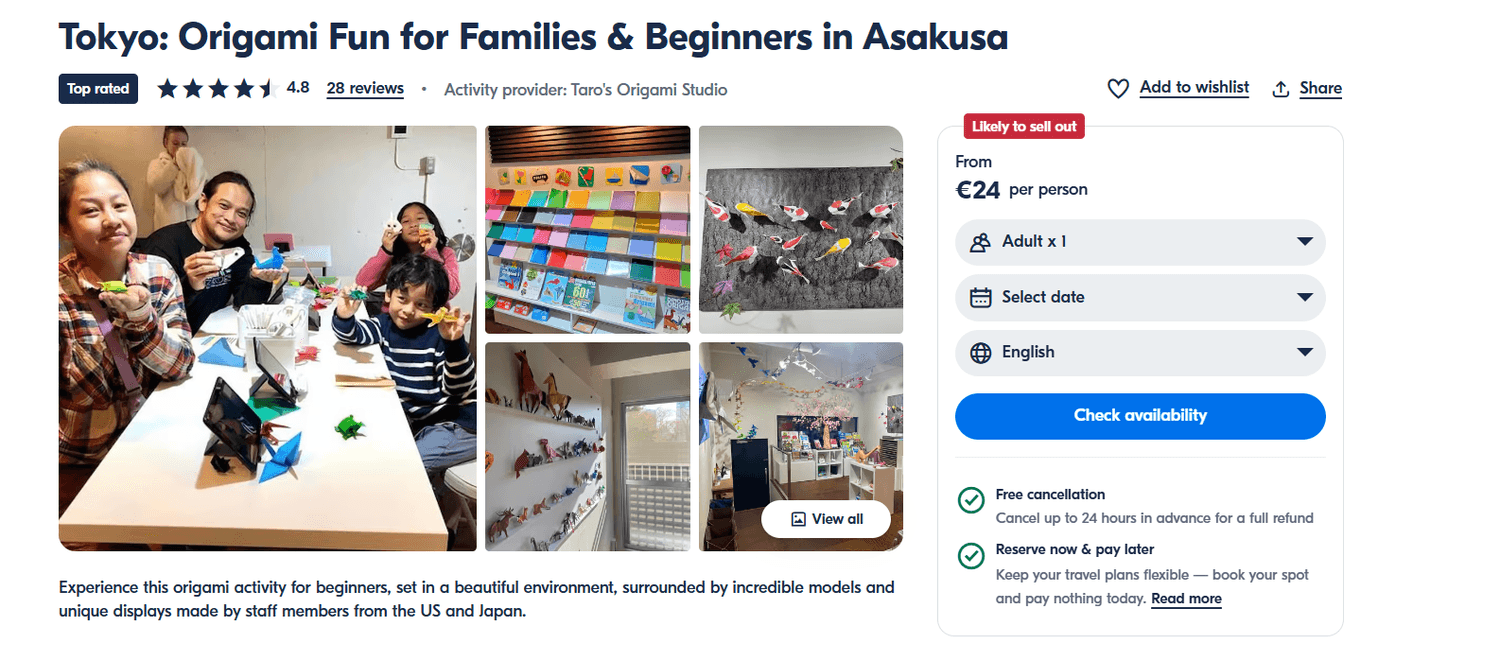
This experience introduces you to Origami, one of Japan’s most well-known traditional arts.
The workshop takes place in Asakusa, in a small studio where you can freely explore origami at your own pace. It is designed for beginners and families, so no prior experience is required.
You can choose from a wide range of models, including animals, flowers, and simple objects. Instructions are provided through a tablet system, allowing you to follow step-by-step guidance while folding your paper.
A large selection of colored paper is available, and you can also decorate your creations using stickers, stamps, and markers to personalize them.
Staff are present to assist if needed, but the activity remains flexible and self-guided, which makes it more relaxed than a formal class.
The session lasts around 45 minutes, making it easy to fit into a day of exploring Asakusa.
This is a simple and accessible cultural activity, especially if you want something calm, creative, and suitable for all ages while visiting Tokyo.
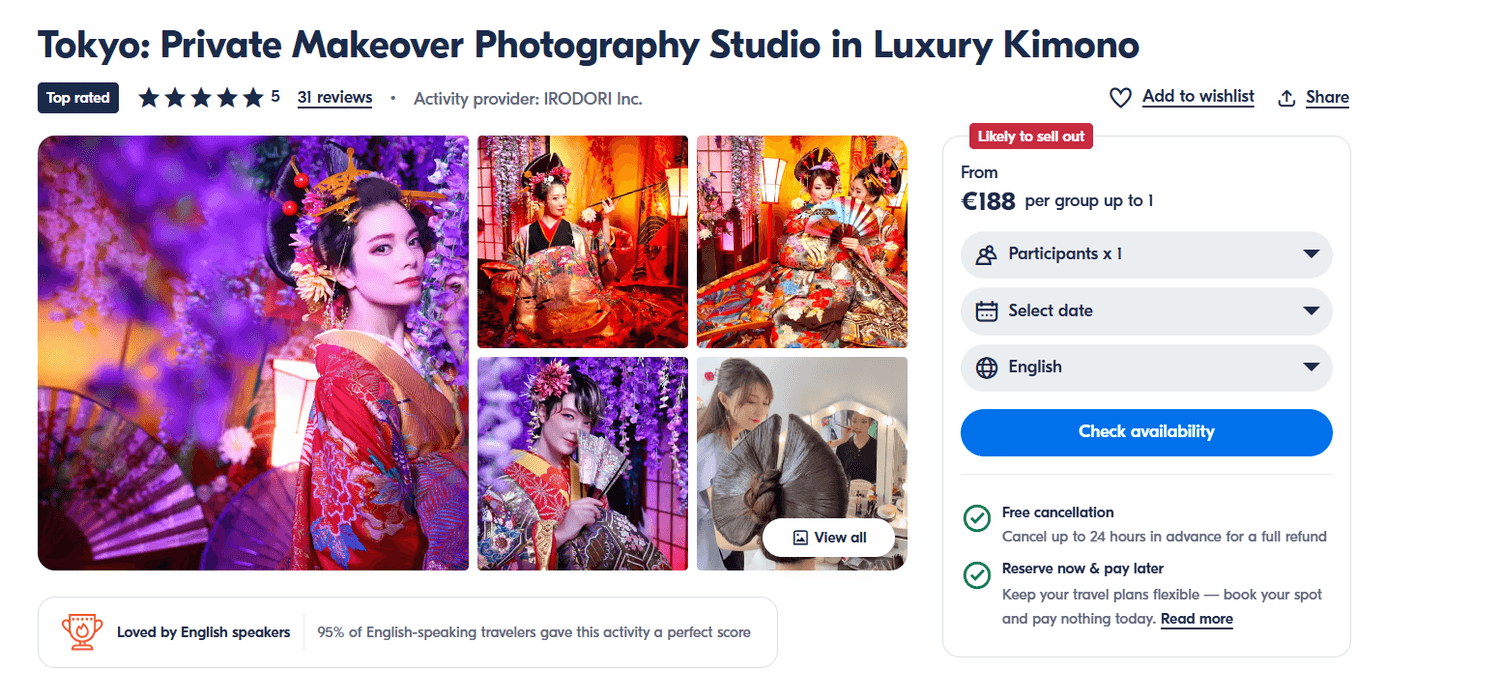
This experience takes place in a private photo studio in Asakusa, near Asakusa, offering a more refined alternative to standard kimono rentals.
Unlike typical experiences, you will wear high-end kimonos, including styles inspired by traditional oiran outfits, which are not usually available for street rental.
The session begins with a full transformation: you choose your outfit, then professional staff handle your dressing, hairstyling, and makeup. Everything is tailored to your preferences to create a cohesive and polished look.
Once ready, a photographer guides you through the shoot inside a private studio. You receive direction on poses and expressions, making it accessible even if you are not used to being photographed.
The entire session is private, ensuring a calm and personalized environment without other participants.
At the end, all photo data is delivered to you, so you can keep, print, or use the images as you wish.
This experience is ideal if you want high-quality, styled photos in kimono, rather than casual pictures taken outdoors.
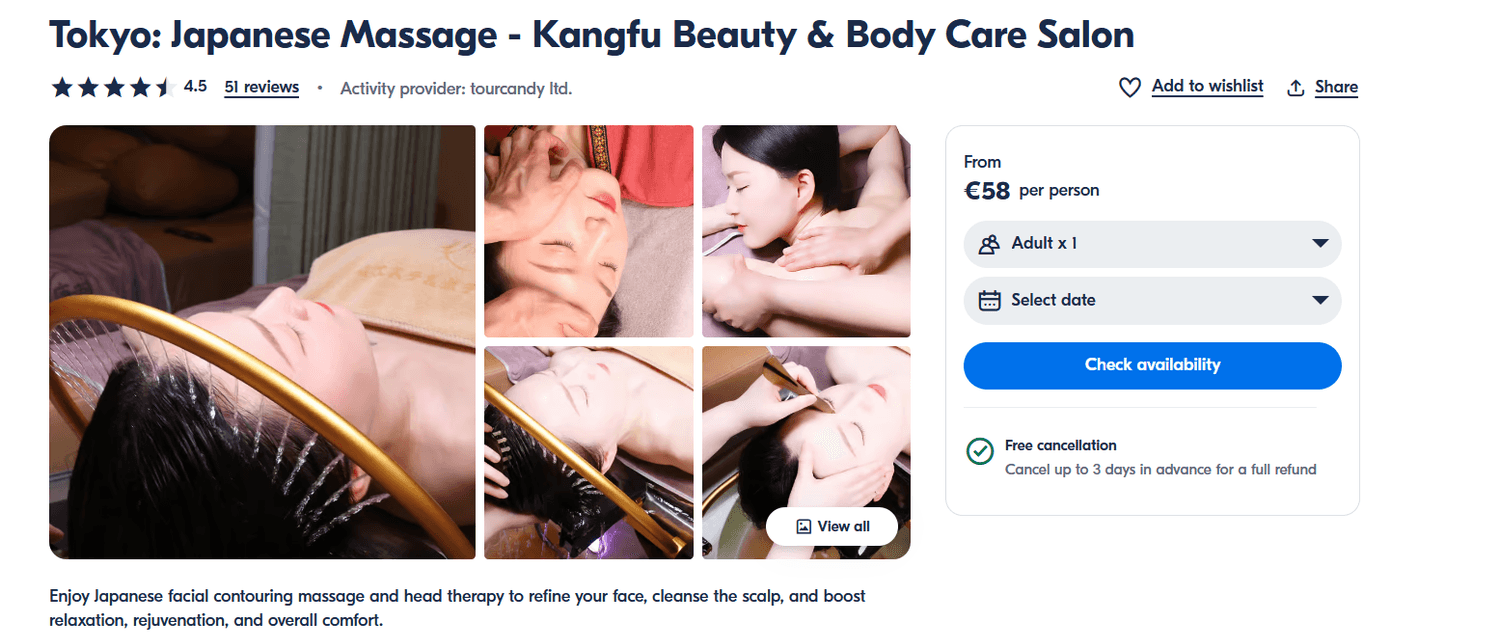
This massage experience takes place in Ikebukuro, a central area of Tokyo, and focuses on relaxation, facial care, and body realignment.
The treatment combines several techniques. The facial massage aims to reduce puffiness and define facial contours using manual techniques. The scalp therapy uses micro-bubbles to deeply cleanse the scalp, improve circulation, and relieve tension linked to fatigue or headaches.
Depending on the option selected, the session can also include a full-body adjustment, targeting posture issues such as uneven shoulders or back tension. This makes it especially relevant after long travel days.
The experience is designed for relaxation but also for physical relief, helping reduce muscle tension, improve circulation, and provide an overall feeling of reset.
Sessions range from short treatments to longer, more complete care, allowing you to adapt the experience to your schedule.
This is a good option if you want a structured wellness break in Tokyo that combines beauty care and body relaxation in one session.
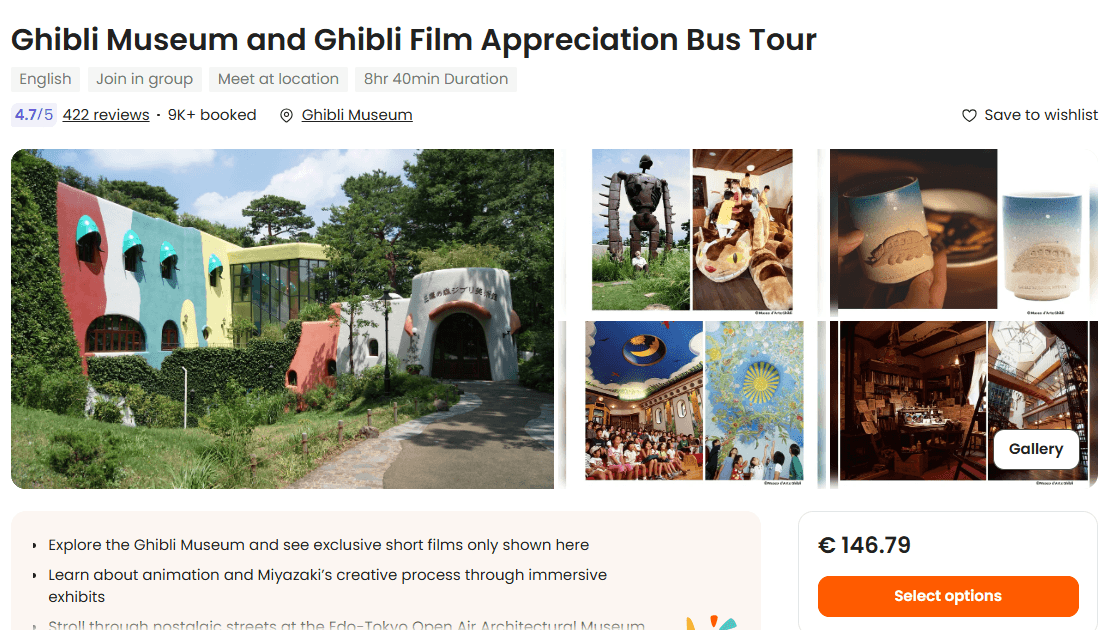
This full-day guided tour is one of the easiest ways to visit the Ghibli Museum, especially since tickets are known to be difficult to secure on your own. The experience starts in Shinjuku, where you board a bus for a structured day including lunch, cultural visits, and finally the highlight: the museum itself. Before arriving at Ghibli, the tour includes a stop at the Edo-Tokyo Open Air Architectural Museum, an outdoor museum featuring preserved historical buildings from across Japan. The atmosphere and architecture are often compared to scenes from Spirited Away, making it a relevant stop for Ghibli fans.
At the Ghibli Museum, you’ll have around 2.5 hours to explore freely. Inside, you’ll find exhibitions explaining animation techniques, original sketches, themed rooms, and a short animated film that can only be viewed on-site. The tour also includes a Japanese-style lunch and round-trip transportation, making the entire day seamless without needing to organize logistics yourself.
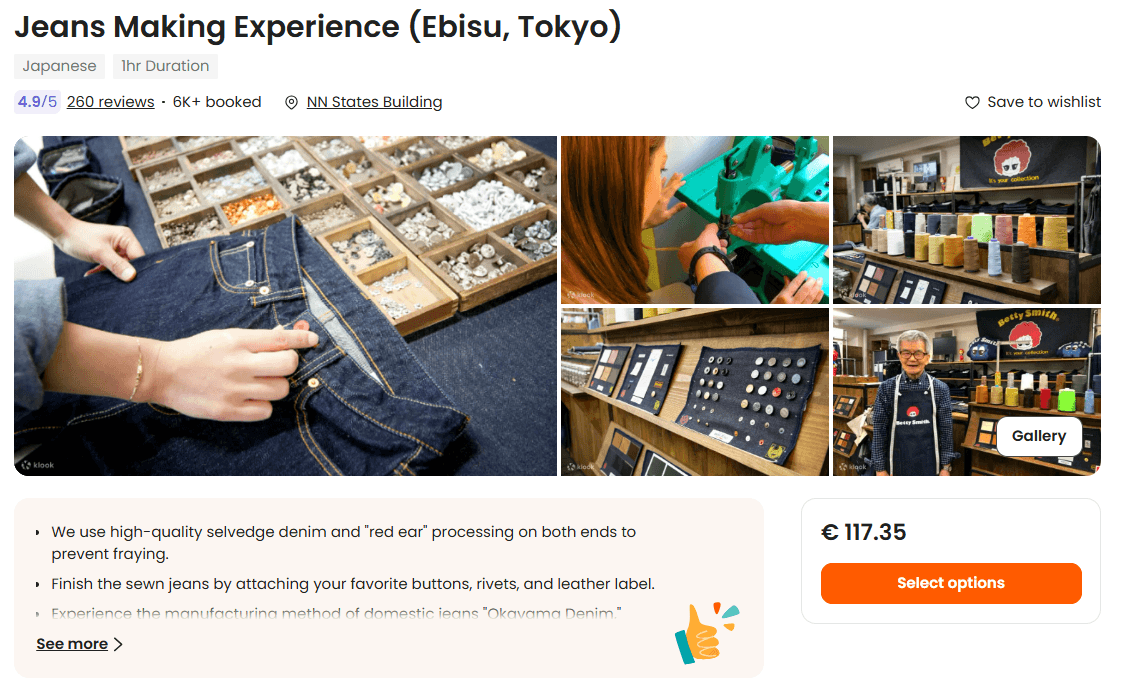
This jeans-making experience takes place in Ebisu, a modern neighborhood in Tokyo known for its creative and lifestyle scene.
During this workshop, you create your own pair of jeans using high-quality Japanese selvedge denim, inspired by traditional Okayama denim, which is known for its durability and craftsmanship.
The experience is structured in several steps. You start with an introduction to the production process, followed by fitting and selecting your size. You then choose design elements such as buttons, rivets, and a leather label to personalize your jeans.
You will use specialized machinery to attach parts of the jeans yourself, while professional craftsmen handle the final technical steps like hemming and finishing to ensure a clean result.
The entire process takes around one hour and does not require any prior experience. At the end, you leave with a fully wearable, custom-made pair of jeans adapted to your body.
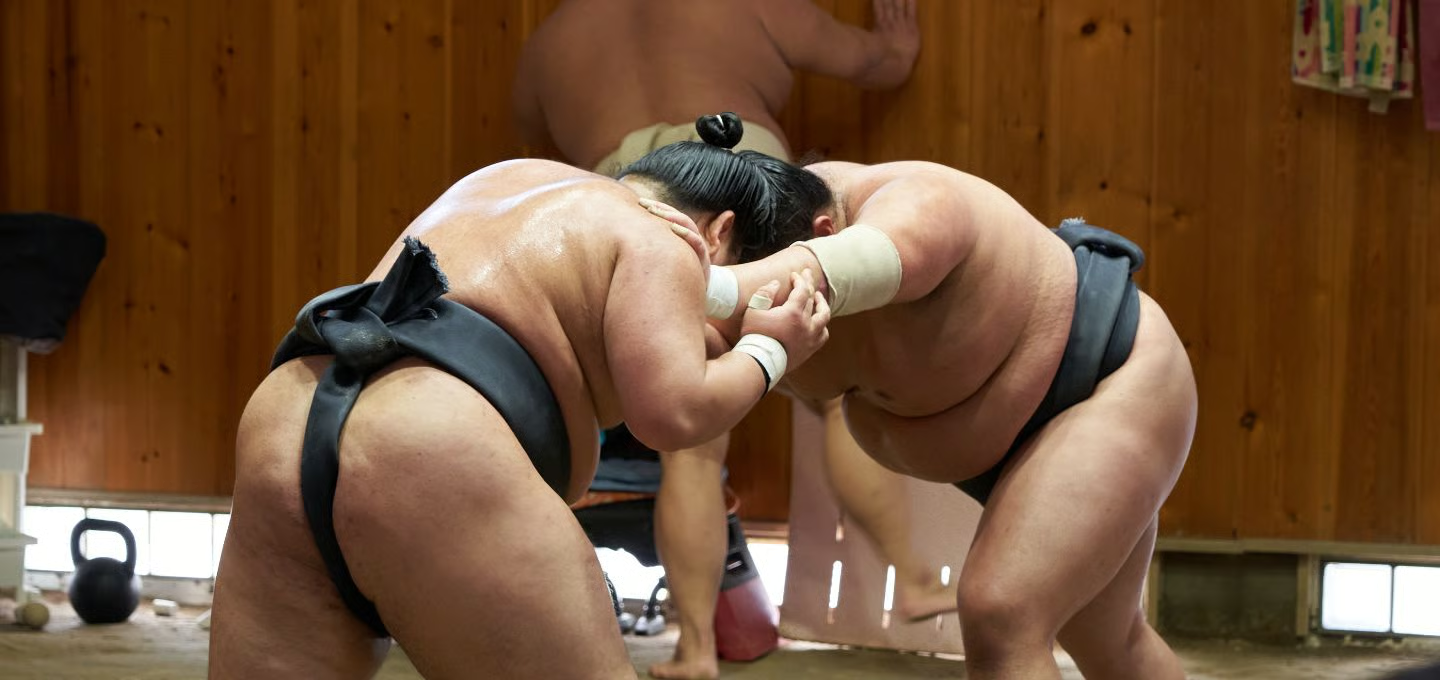
Get a rare behind-the-scenes look at Japan's national sport by visiting an active sumo stable during its morning training session. Accompanied by a private English-speaking guide, you'll learn about the history, rituals, and traditions of sumo before quietly observing the wrestlers train just a few meters away.
You'll witness the incredible strength, discipline, and intensity of the rikishi as they practice in a sacred setting. After training, you'll have the opportunity to meet the wrestlers, ask questions, and take photos with them. The exact stable is confirmed a few days before your visit, depending on the training schedule.
Price
From ¥27,300 per person
Private Kintsugi Workshop : Discover the philosophy of kintsugi by repairing a ceramic piece with silver or gold in a private workshop.
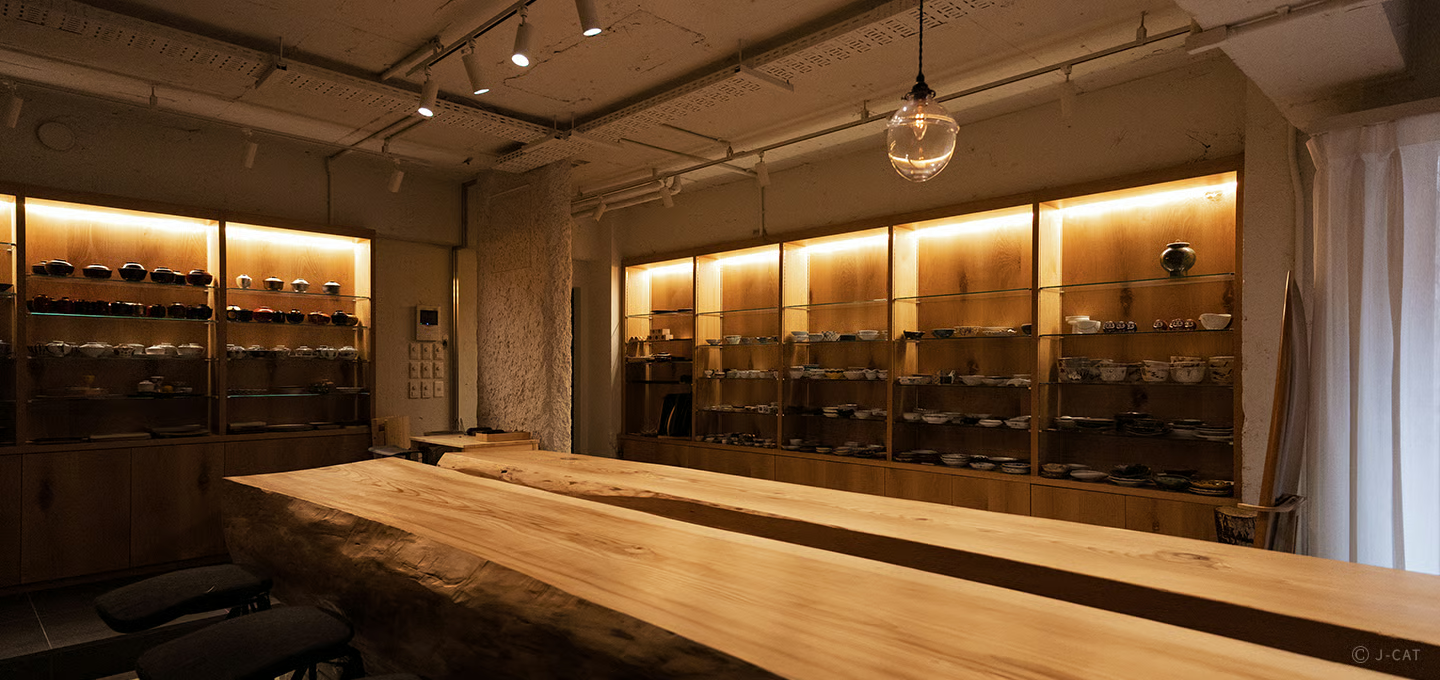
Discover the Japanese art of kintsugi, the traditional technique of repairing broken pottery with lacquer and precious metals, during this private workshop in Minami-Aoyama. More than a craft lesson, this experience explores the philosophy of wabi-sabi, embracing imperfections and finding beauty in the marks left by time. Guided by instructor Aya Oguma, you'll learn each step of the restoration process while reflecting on the deeper meaning behind this centuries-old tradition.
You'll repair a ceramic piece using lacquer and silver powder (with an optional gold powder upgrade), then finish your creation by hand before enjoying Japanese tea and traditional sweets. You can also bring your own broken ceramic piece for repair with prior consultation. At the end of the workshop, you'll take home your restored piece as a unique and meaningful souvenir.
Price
From ¥33,600 per person
Car Experiences
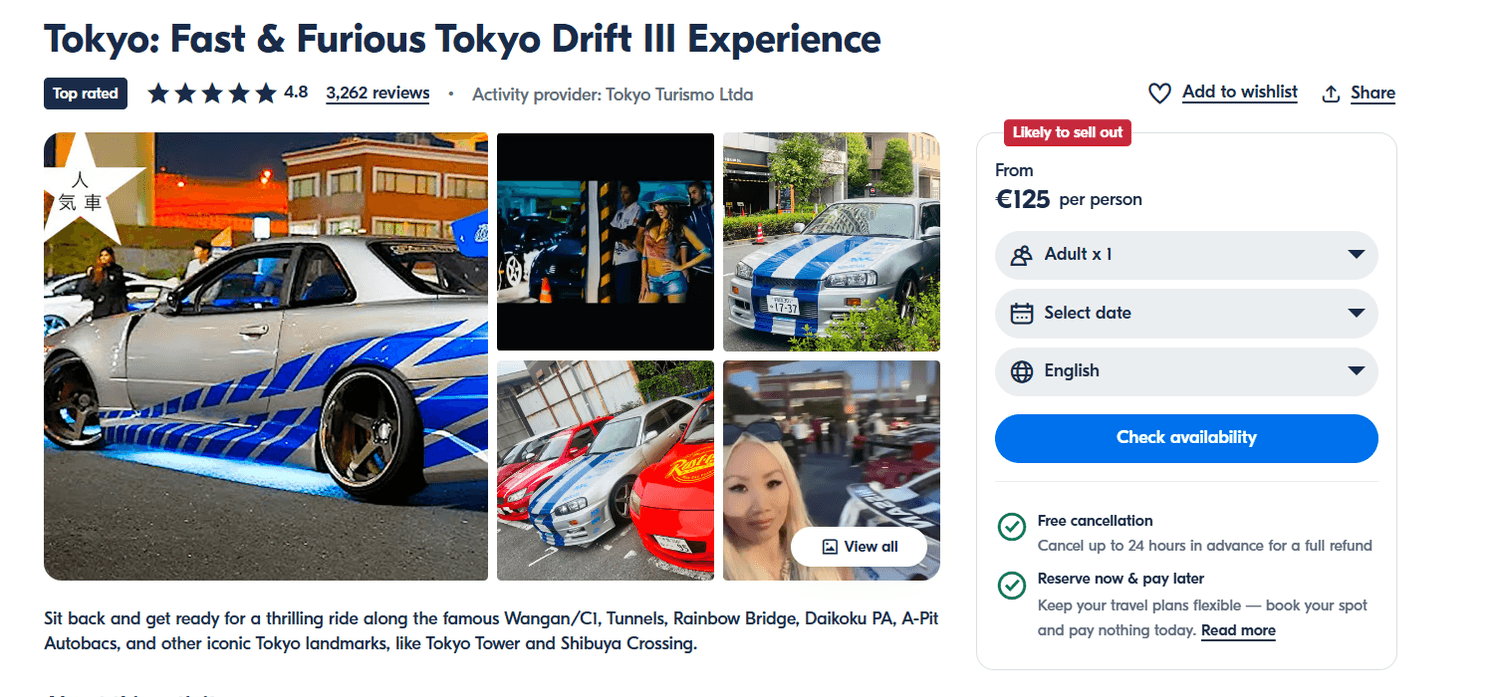
This Tokyo car experience is a structured way to explore Japan’s JDM car culture without organizing anything yourself. You ride in a high-performance car with a driver, following routes through Tokyo’s highways, tunnels and iconic spots.
The tour includes stops at places like Daikoku Parking Area, known for car meetups, and locations such as Rainbow Bridge, Tokyo Tower or Shibuya. Along the way, you get a clear view of the local car scene and how it connects to Tokyo nightlife.
The experience is focused on the ride, the atmosphere and the cars themselves, rather than driving. It’s a good option if you want to experience Tokyo’s automotive culture in a simple and immersive way.
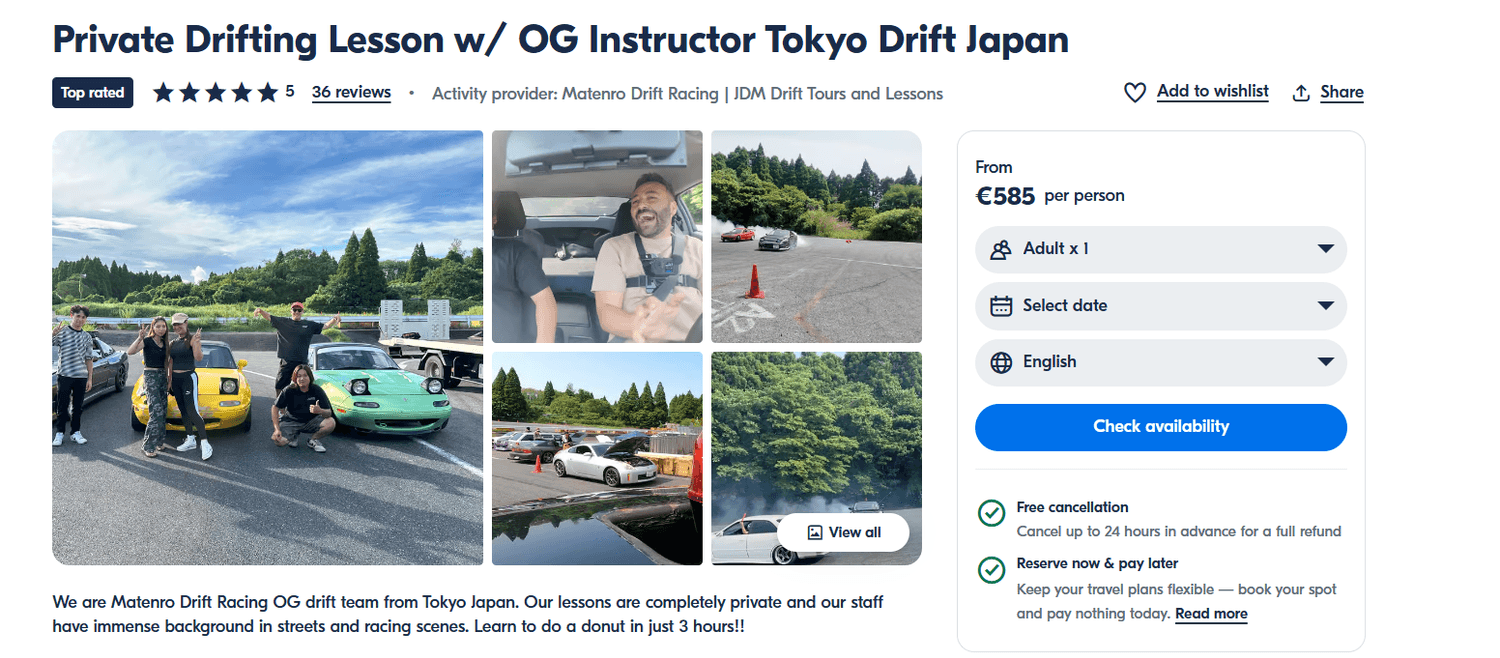
This private drift driving lesson in Tokyo offers a rare opportunity to learn real drifting techniques in a controlled environment. The experience is designed for both beginners and intermediate drivers, with one-on-one instruction from experienced drift racers.
The session begins with a briefing and introduction to the basics of drift driving. You then move to the track, where you practice step by step with guidance from your instructor.
Beginners start by learning how to perform a donut, focusing on throttle control and car balance. Once mastered, you progress to more advanced movements such as figure eights. Intermediate drivers can work on techniques like handbrake control, gear shifting, and drift transitions.
You drive a JDM sports car adapted to your level, such as a Mazda MX-5, Nissan 350Z, RX-8, or 180SX. All equipment is provided, including helmets and gloves, and safety is supervised throughout the experience.
The lesson includes around three hours of driving practice within a six-hour overall experience, with private transport from Tokyo included.
This experience focuses on real skills and technique, making it one of the most immersive ways to explore Japan’s drift culture beyond just watching it.
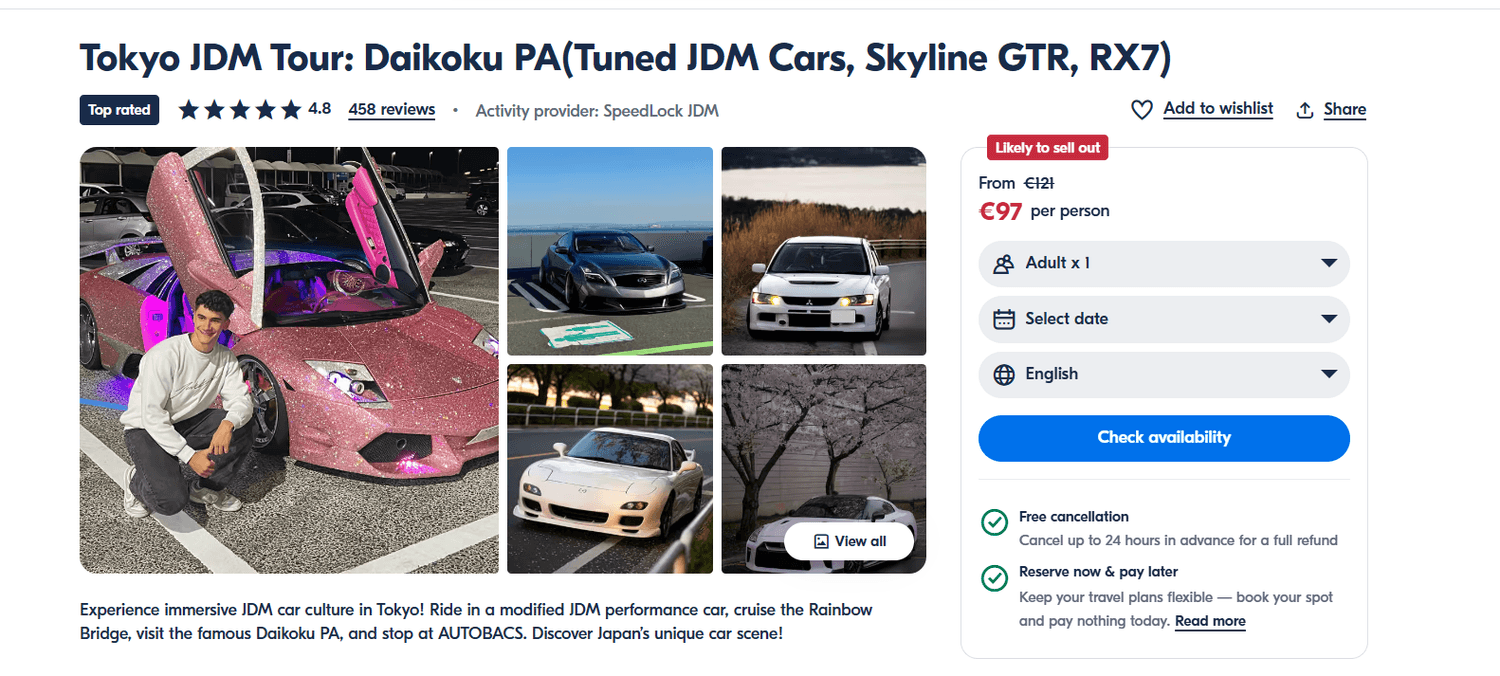
This Tokyo JDM tour is a simple way to experience Japan’s car culture from the inside. You ride in a modified sports car while exploring key routes across the city, including highways, tunnels and scenic night views.
The tour includes stops at major spots like Daikoku Parking Area, known for its car meetups, as well as places like Rainbow Bridge, Tokyo Tower and Shibuya. You get time to walk around, take photos and see a wide range of tuned cars up close.
With a guide who knows the local scene, the experience focuses on the atmosphere, the cars and the culture behind them. It’s a good option if you want a clear and immersive introduction to Tokyo’s JDM world.
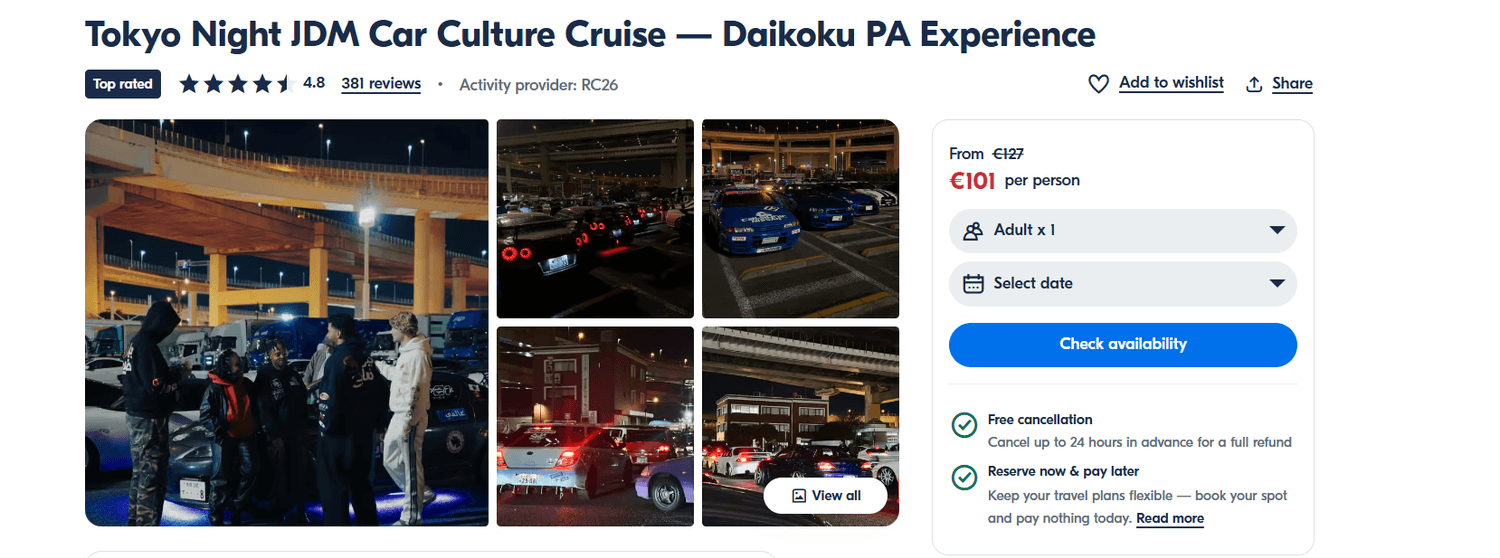
This Tokyo night car tour is a simple way to experience the city’s JDM culture without planning anything yourself. You ride through Tokyo’s highways and tunnels, with stops at key locations known for car enthusiasts.
The main highlight is Daikoku Parking Area, where you can see a wide range of modified cars and experience the atmosphere of local car meetups. The tour also includes scenic drives across routes like the Wangan line and views from Rainbow Bridge.
Along the way, you stop at places like Tokyo Tower for night photos. The experience focuses on the ride, the cars and the overall atmosphere, making it a good option if you want to discover Tokyo’s automotive scene in a clear and immersive way.
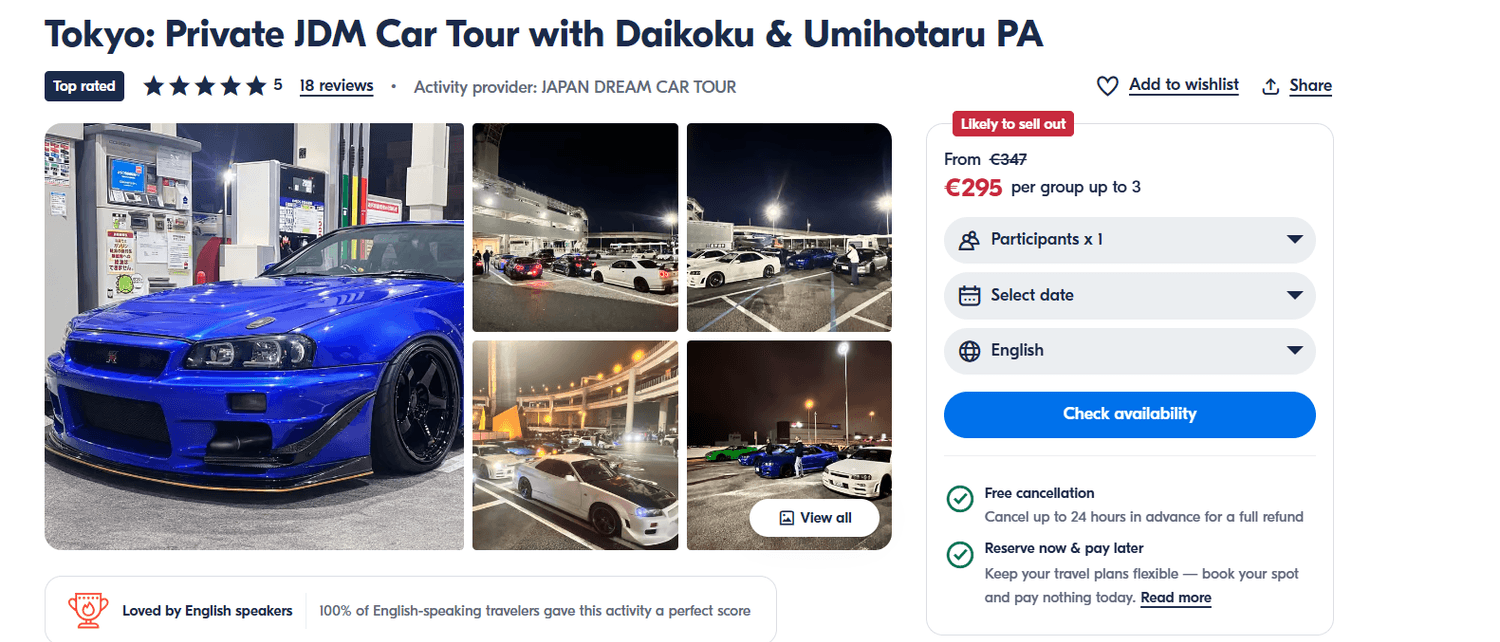
This private JDM car tour in Tokyo offers a focused experience around Japanese car culture, with pickup included and a fully private setup.
You start with a selection of modified Japanese cars such as Nissan GT-R, Silvia, Supra or 180SX. The experience is guided, with explanations about each model and the broader JDM scene in Japan.
The route includes driving through Tokyo and crossing iconic areas such as the Rainbow Bridge. You then stop at Daikoku Parking Area, a well-known meeting point for car enthusiasts, where you can take photos and observe the local car scene.
If Daikoku is closed, the tour continues to Umihotaru PA, another popular location built on the Tokyo Bay Aqua-Line, offering views over the water and a similar gathering atmosphere.
An optional photo stop near Tokyo Tower can be included depending on the route and timing.
This experience is not a driving activity but a guided cultural tour as a passenger. It combines transport, car culture, and key locations into a single structured activity around Tokyo.
Essential attractions
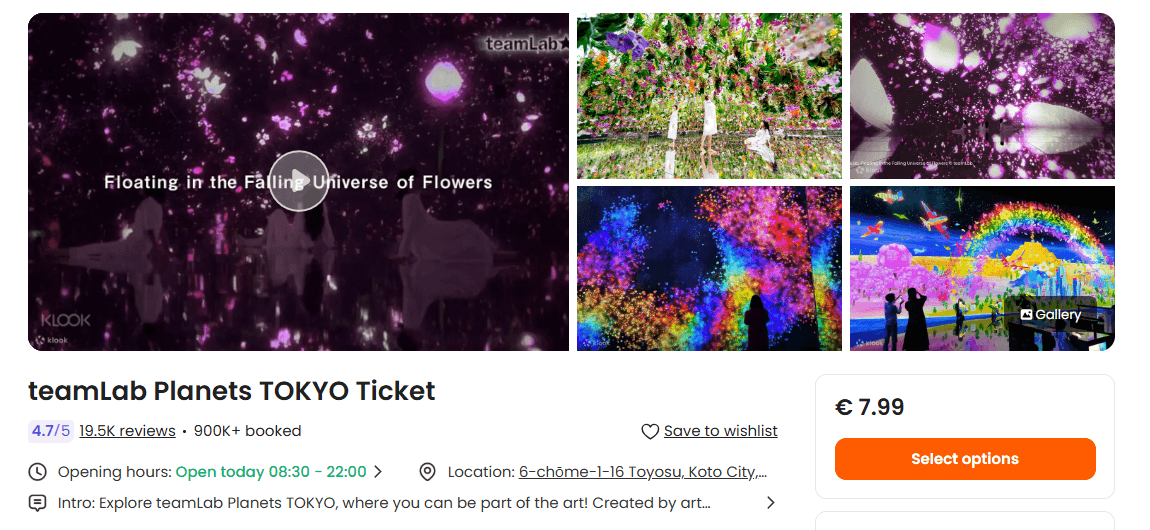
Explore teamLab Borderless in Tokyo, an immersive digital art museum with interactive light installations, evolving exhibits, and unique sensory experiences.
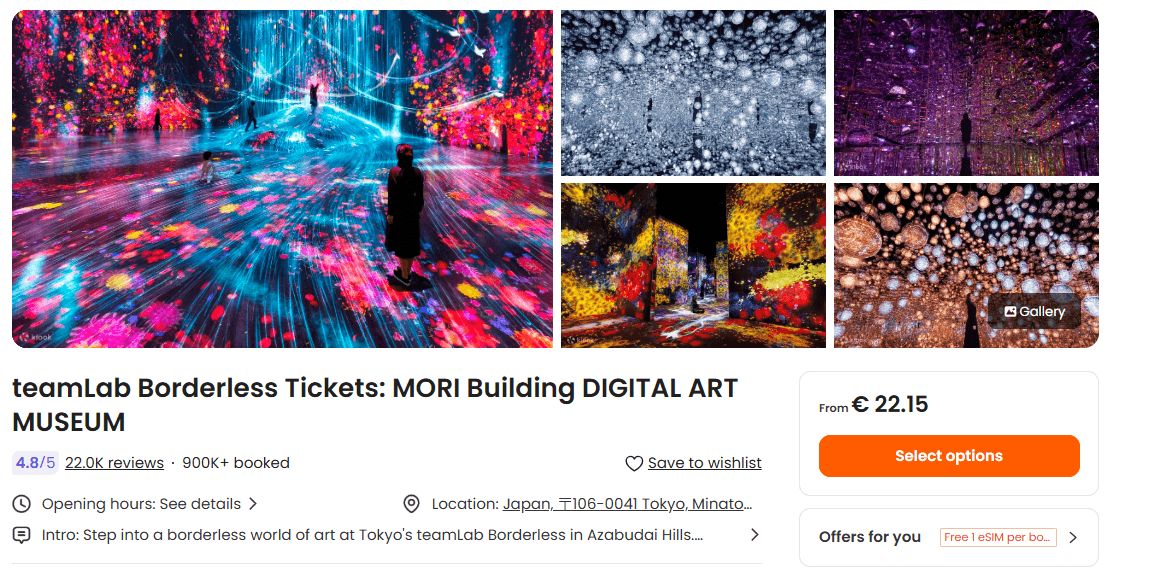
Visit teamLab Borderless in Tokyo and explore a unique digital art world with interactive installations, light shows, and immersive rooms.
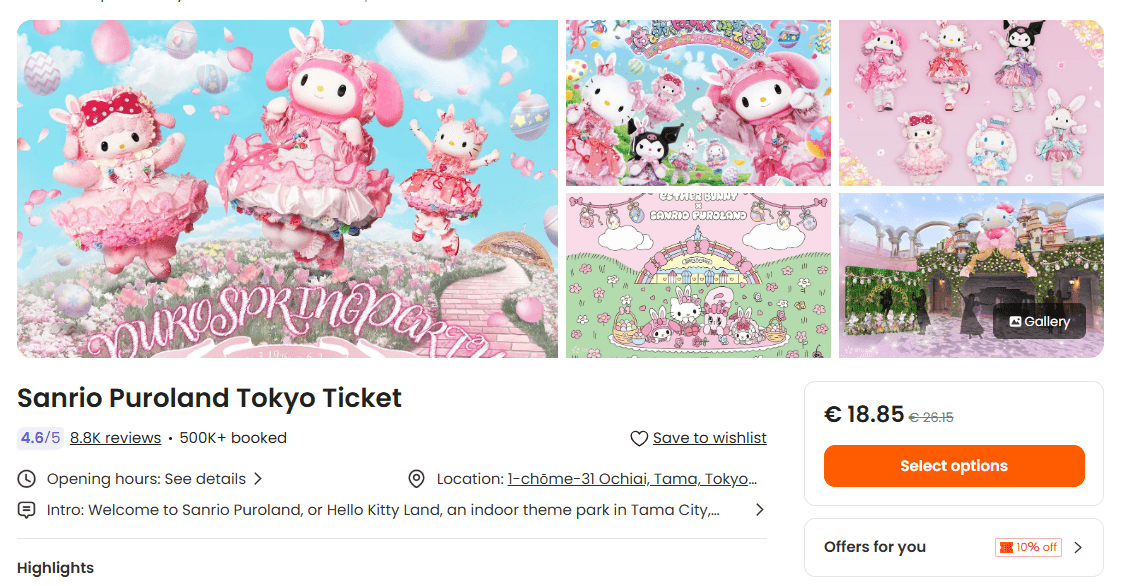
Visit Sanrio Puroland in Tokyo, an indoor Hello Kitty theme park with rides, shows, and character experiences for all ages.
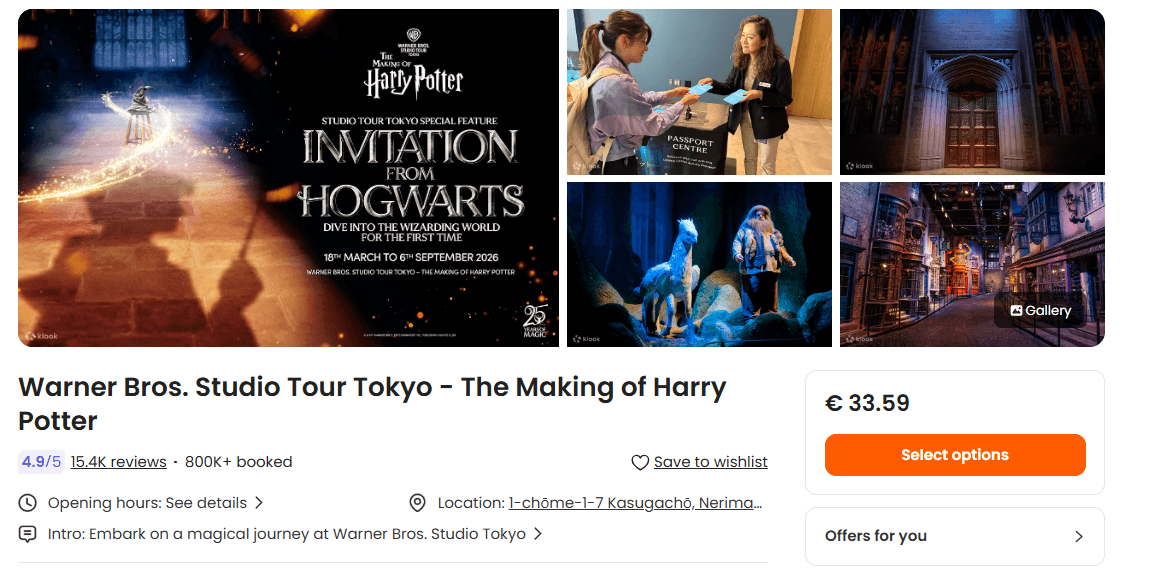
Explore Warner Bros. Studio Tour Tokyo and discover the making of Harry Potter through iconic sets, props, and immersive behind-the-scenes experiences.
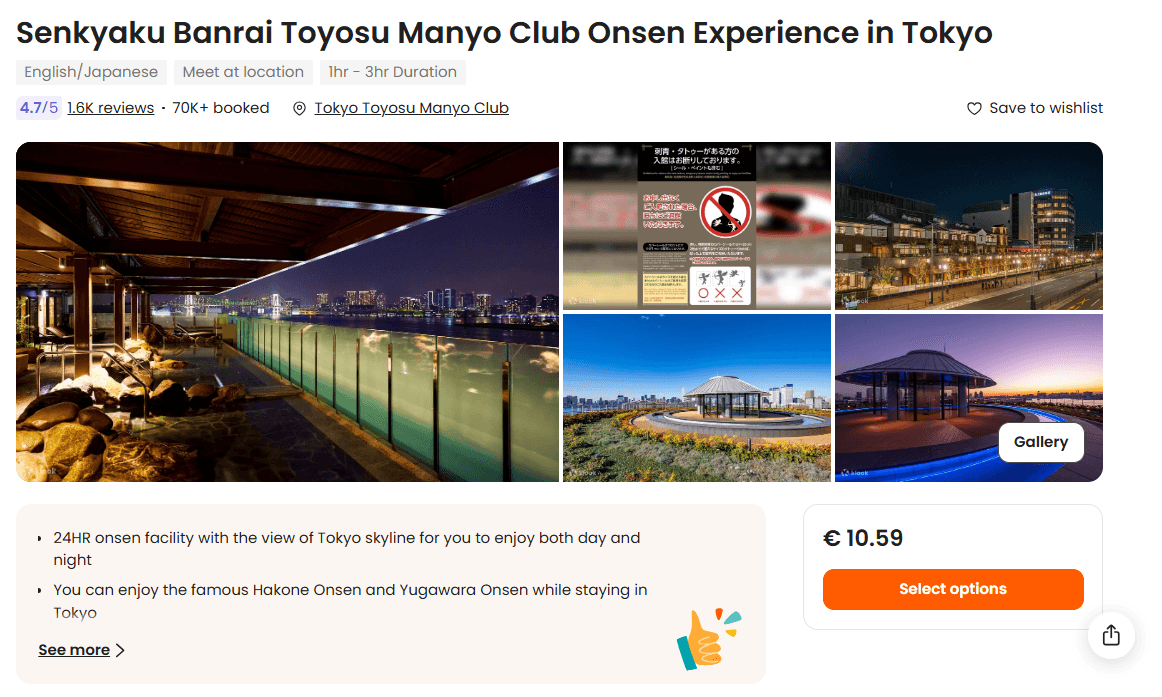
Relax at Toyosu Manyo Club Onsen in Tokyo with indoor and outdoor baths, rooftop foot bath, and panoramic skyline views.
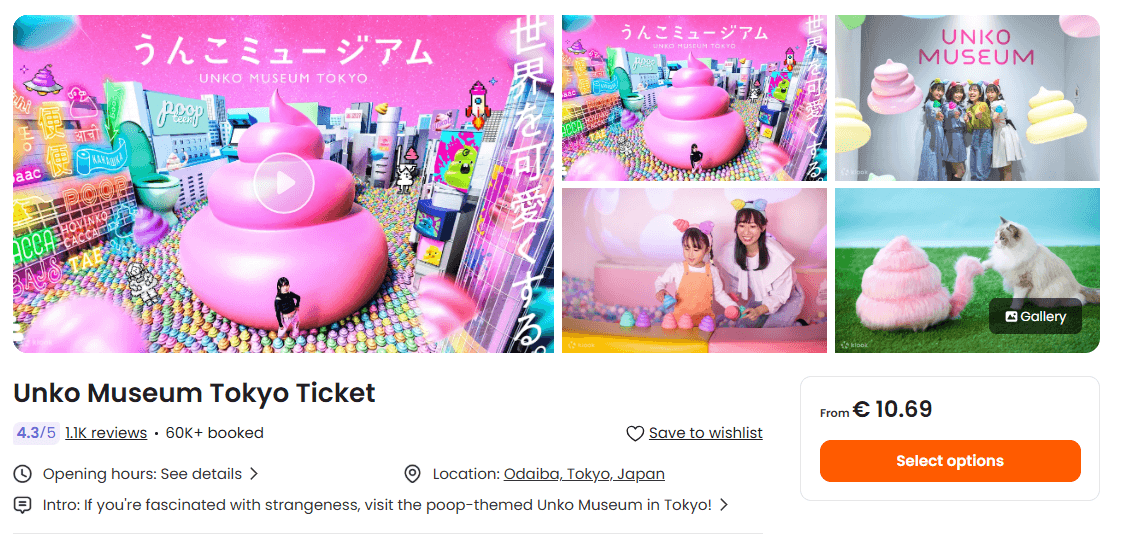
Visit Unko Museum Tokyo in Odaiba for a colorful, interactive, and unique poop-themed experience perfect for photos and fun.
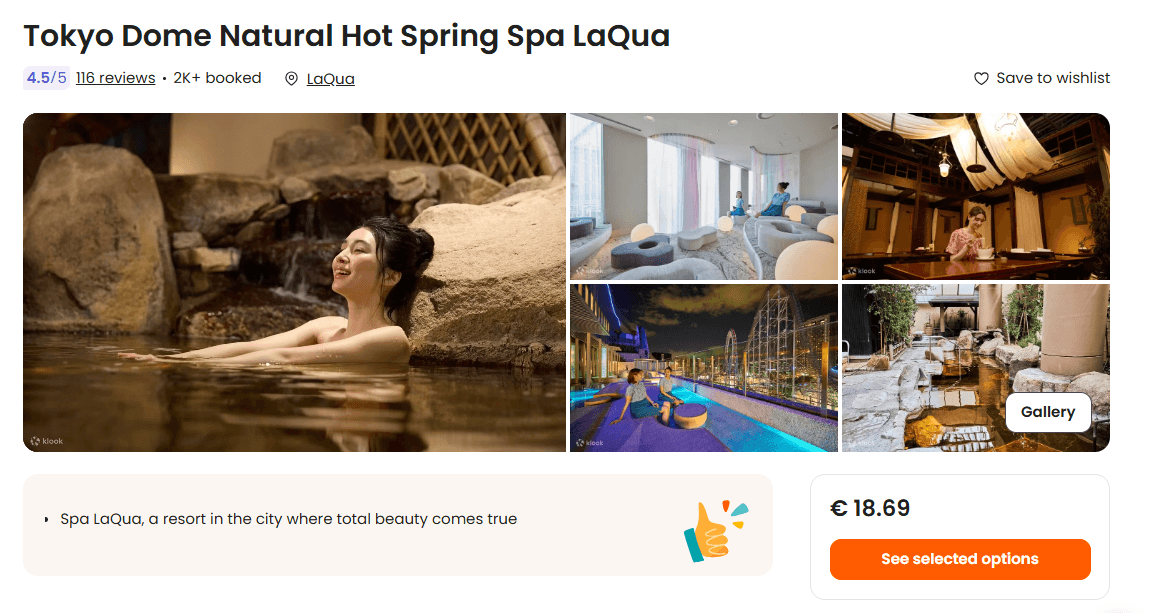
Relax at Spa LaQua Tokyo Dome with natural hot springs, open-air baths, saunas, and wellness facilities in the heart of Tokyo.
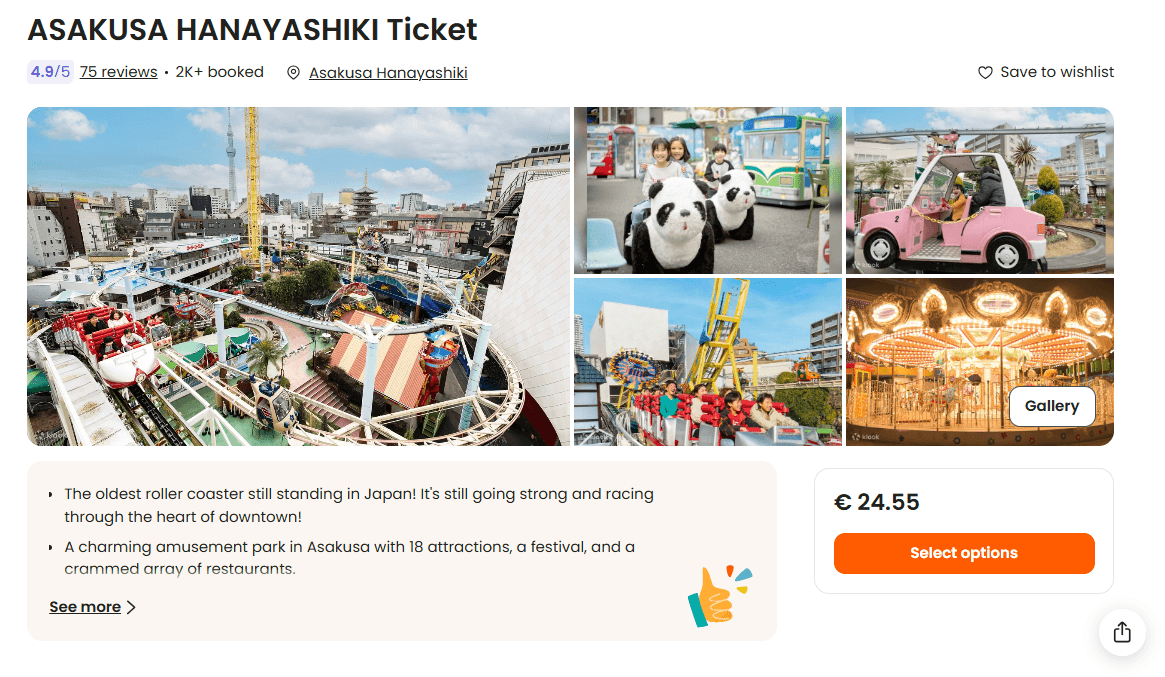
Visit Asakusa Hanayashiki, Tokyo’s oldest amusement park, with retro rides, family attractions, and unlimited ride passes available.
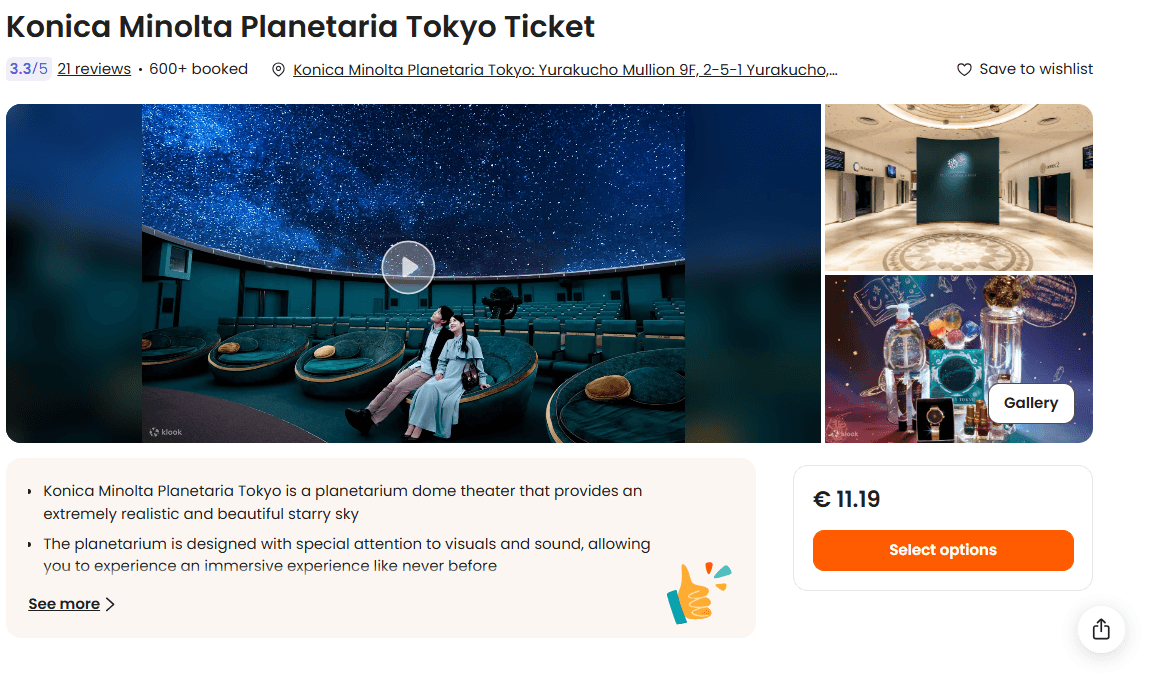
Discover Konica Minolta Planetaria Tokyo, an immersive planetarium with stunning visuals, sound, and realistic starry sky projections.
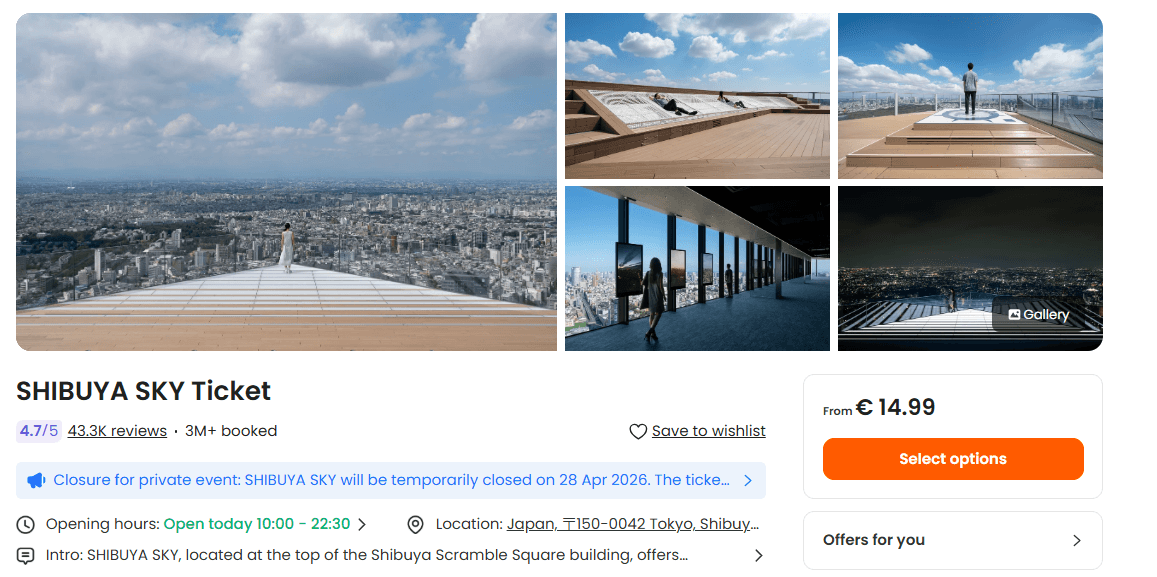
Book Shibuya Sky tickets and enjoy panoramic 360° views over Tokyo from one of the city’s best observation decks.
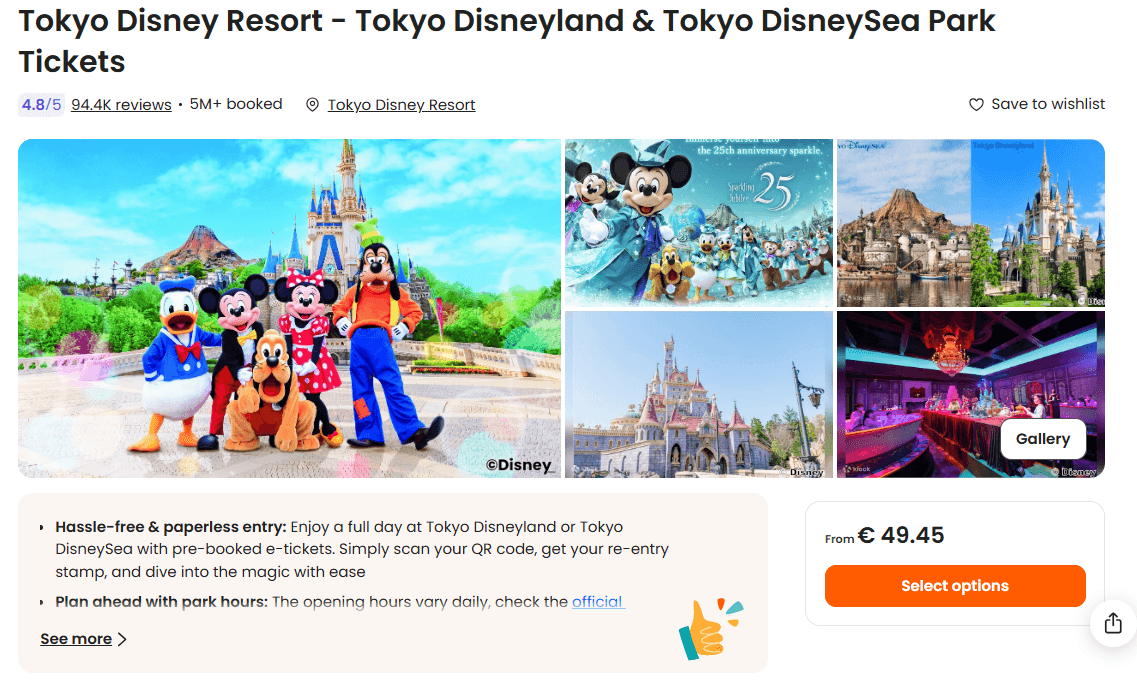
Book Tokyo Disney Resort tickets and enjoy a magical day at Tokyo Disneyland or DisneySea, two of the best theme parks in Japan.
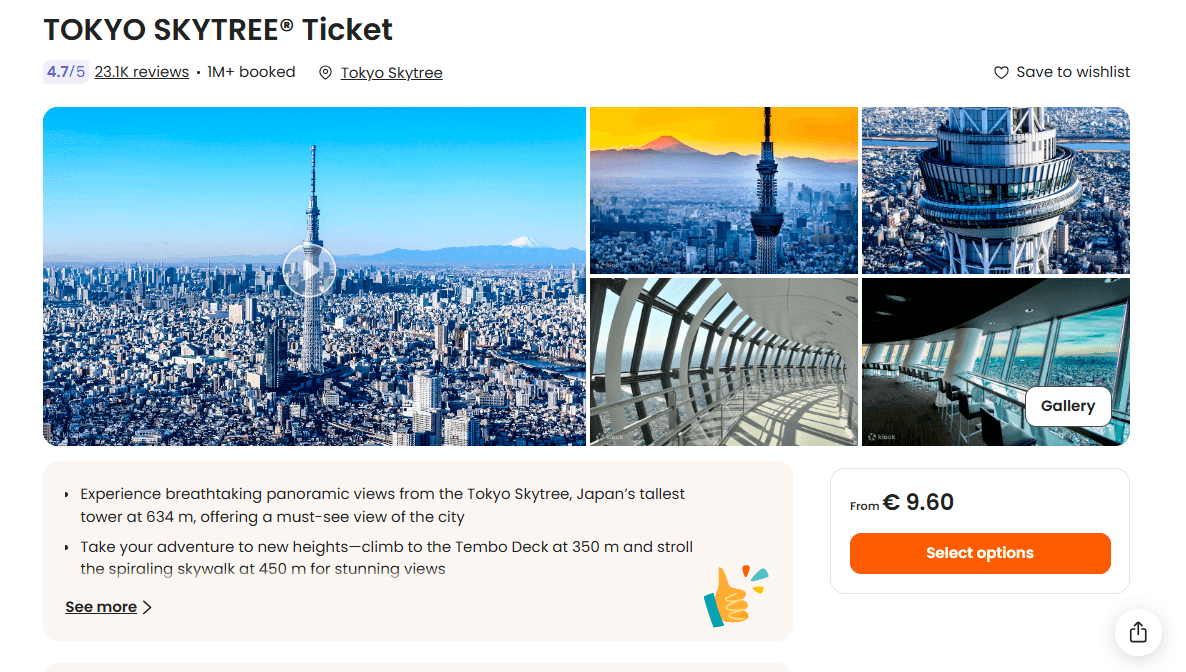
Book Tokyo Skytree tickets and enjoy panoramic views from Japan’s tallest tower, with access to the Tembo Deck and Galleria.
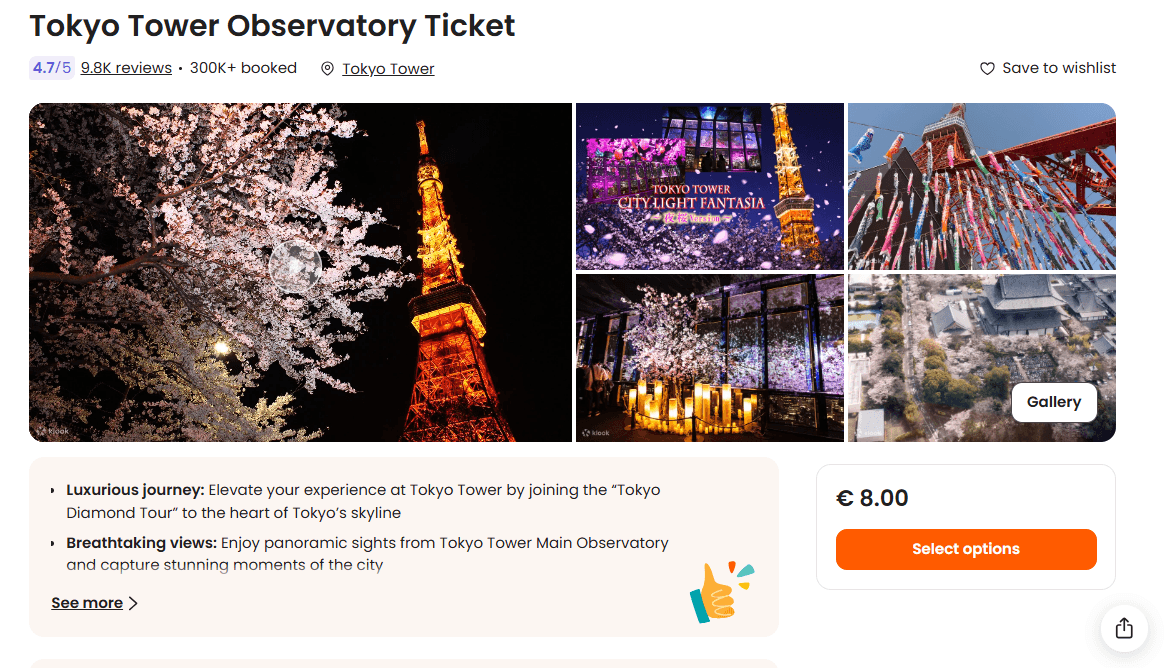
Book Tokyo Tower tickets and enjoy panoramic views from one of Tokyo’s most iconic landmarks, with access to Main Deck and Top Deck.
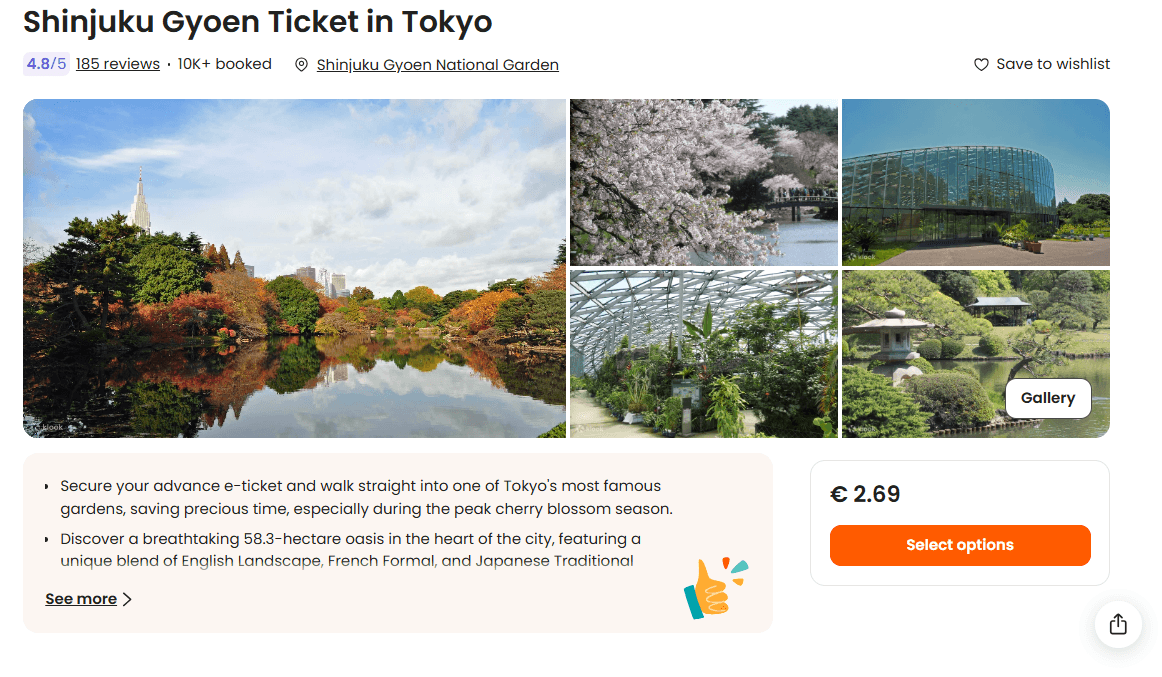
Book Shinjuku Gyoen tickets and explore one of Tokyo’s most beautiful parks, famous for cherry blossoms and seasonal landscapes.
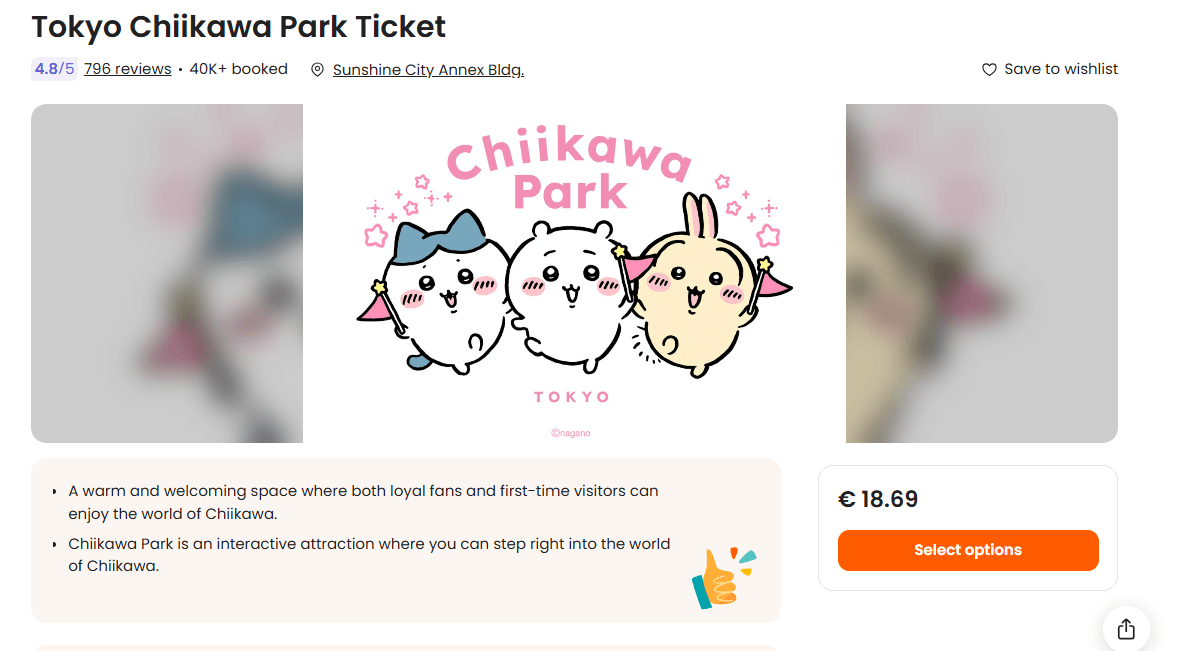
Book Chiikawa Park Tokyo tickets and step into a kawaii world of interactive exhibits, photo spots, and exclusive merchandise.
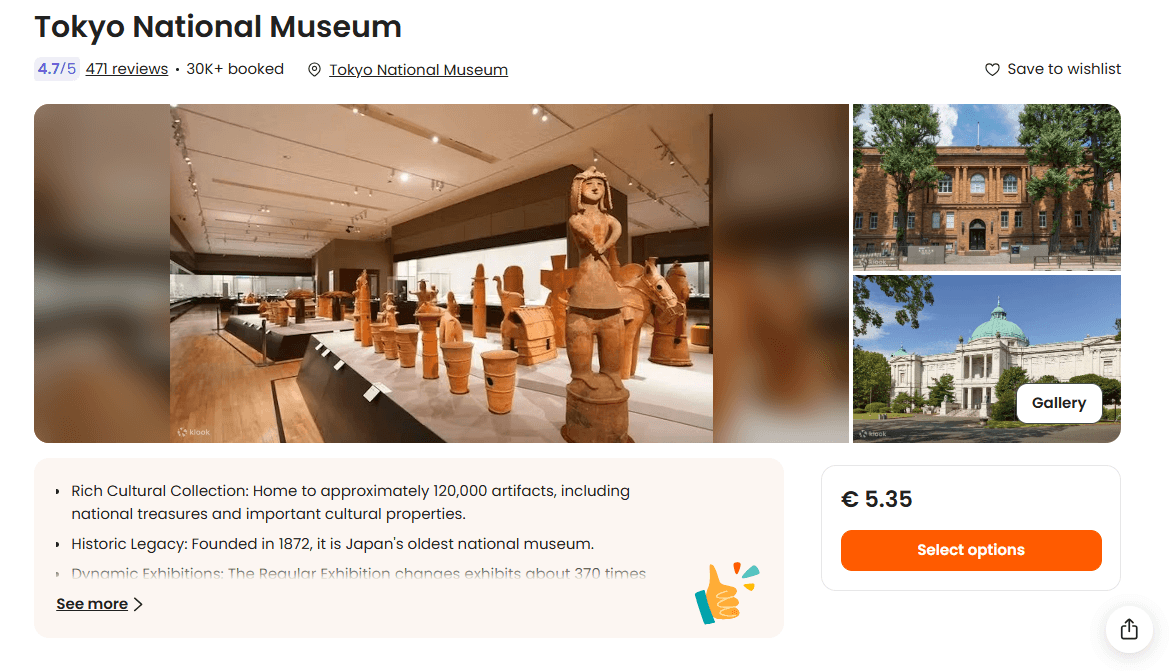
Book Tokyo National Museum tickets and explore Japan’s largest collection of art, samurai armor, and cultural treasures.
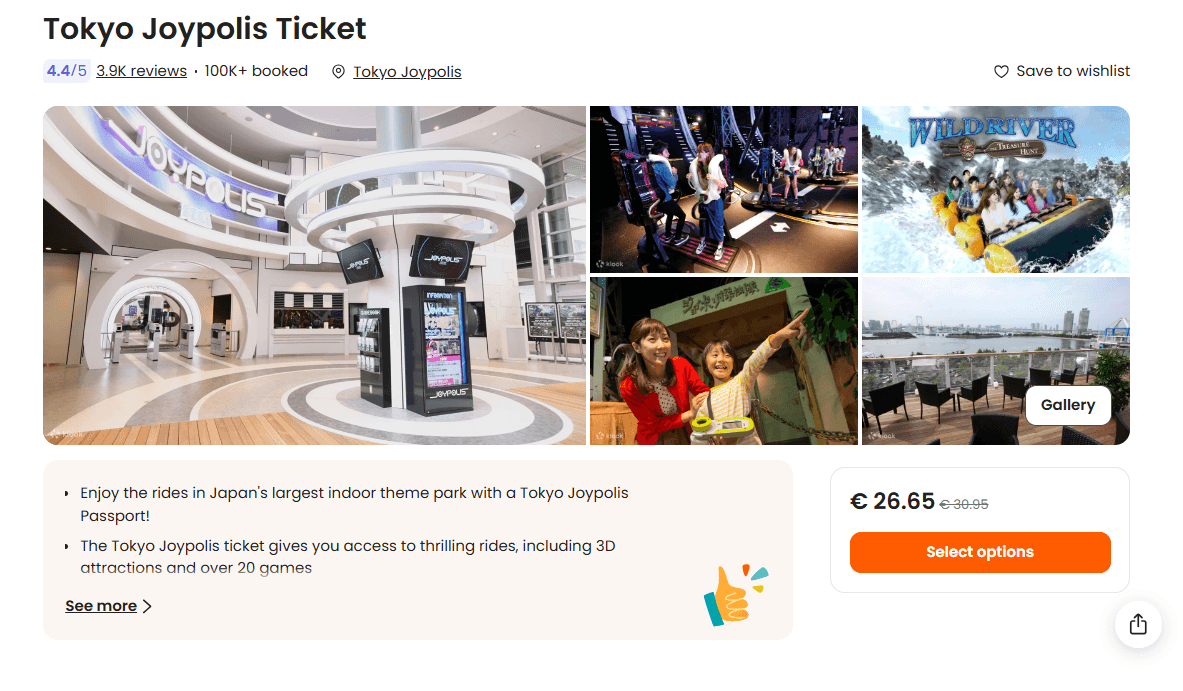
Book Tokyo Joypolis tickets and enjoy VR rides, arcade games, and indoor attractions in one of Tokyo’s best theme parks.
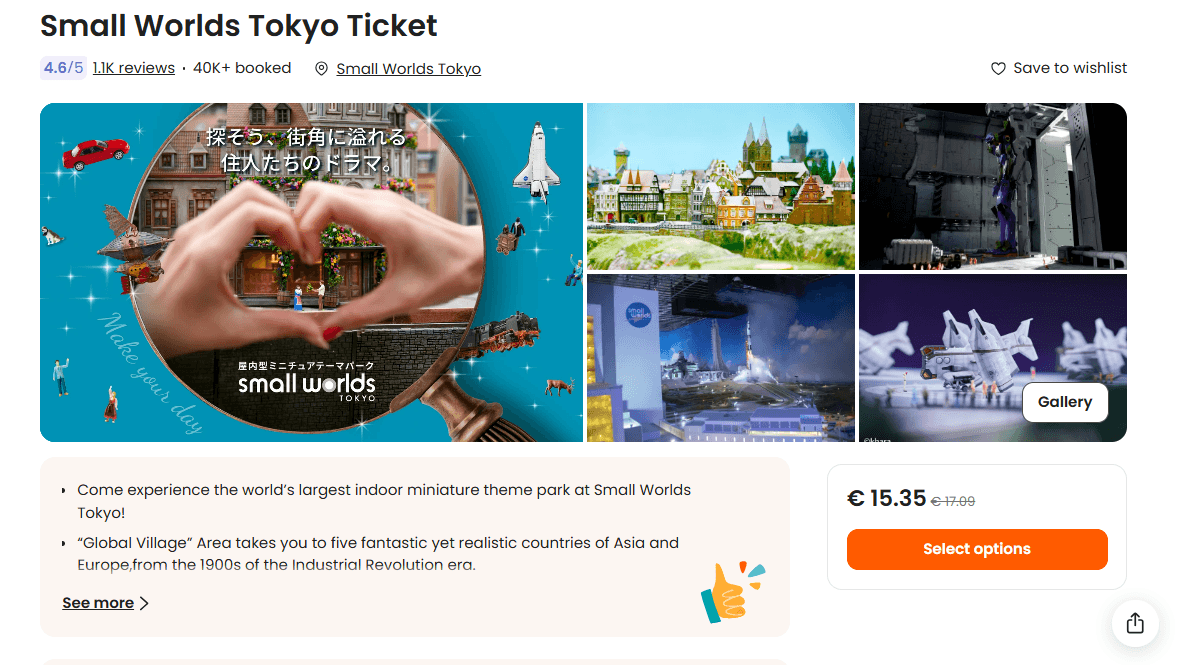
Book Small Worlds Tokyo tickets and explore the world’s largest indoor miniature park with anime scenes, cities, and interactive exhibits.
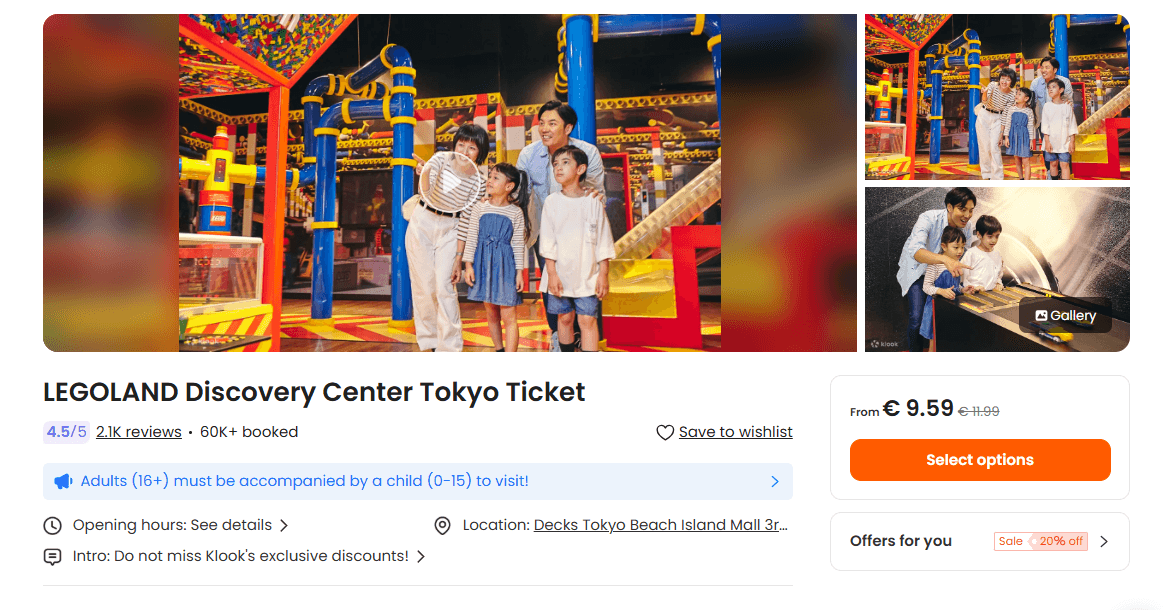
Book LEGOLAND Discovery Center Tokyo tickets and enjoy rides, 4D cinema, and LEGO play zones—perfect for families and kids.
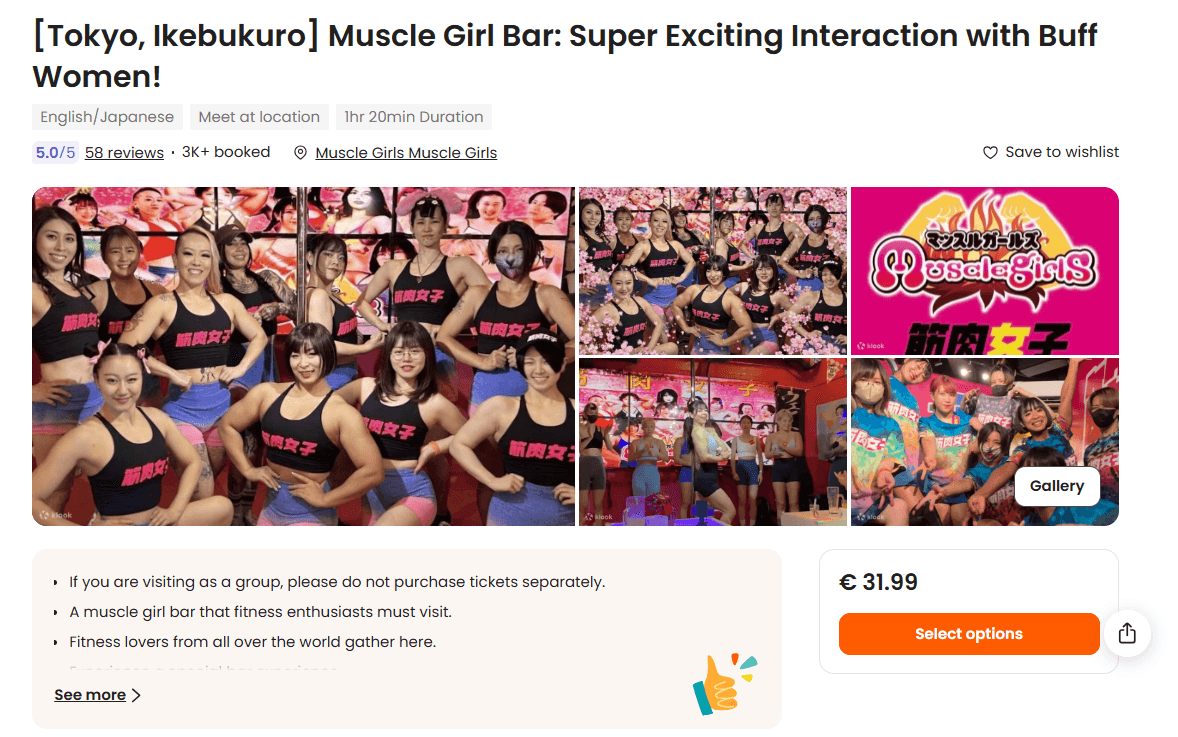
Book the Muscle Girl Bar experience in Tokyo and enjoy a fun, high-energy night with performances, games, and unlimited drinks.
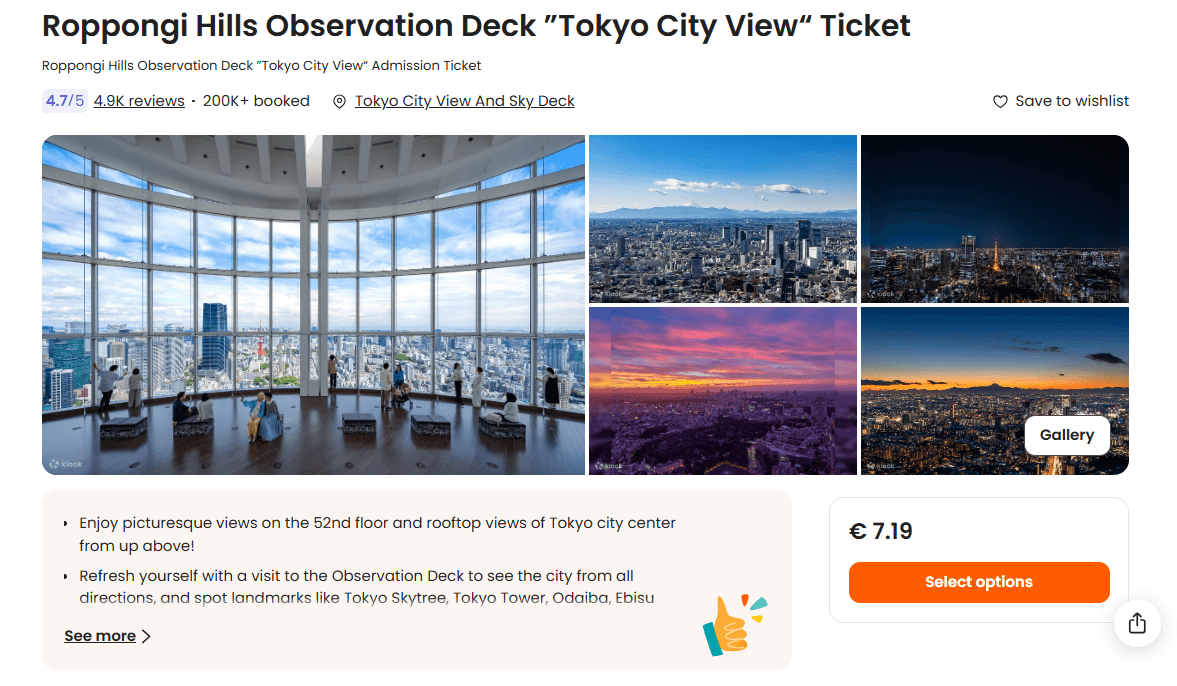
Book Tokyo City View tickets at Roppongi Hills and enjoy panoramic skyline views from one of Tokyo’s best observation decks.
Luxury experiences
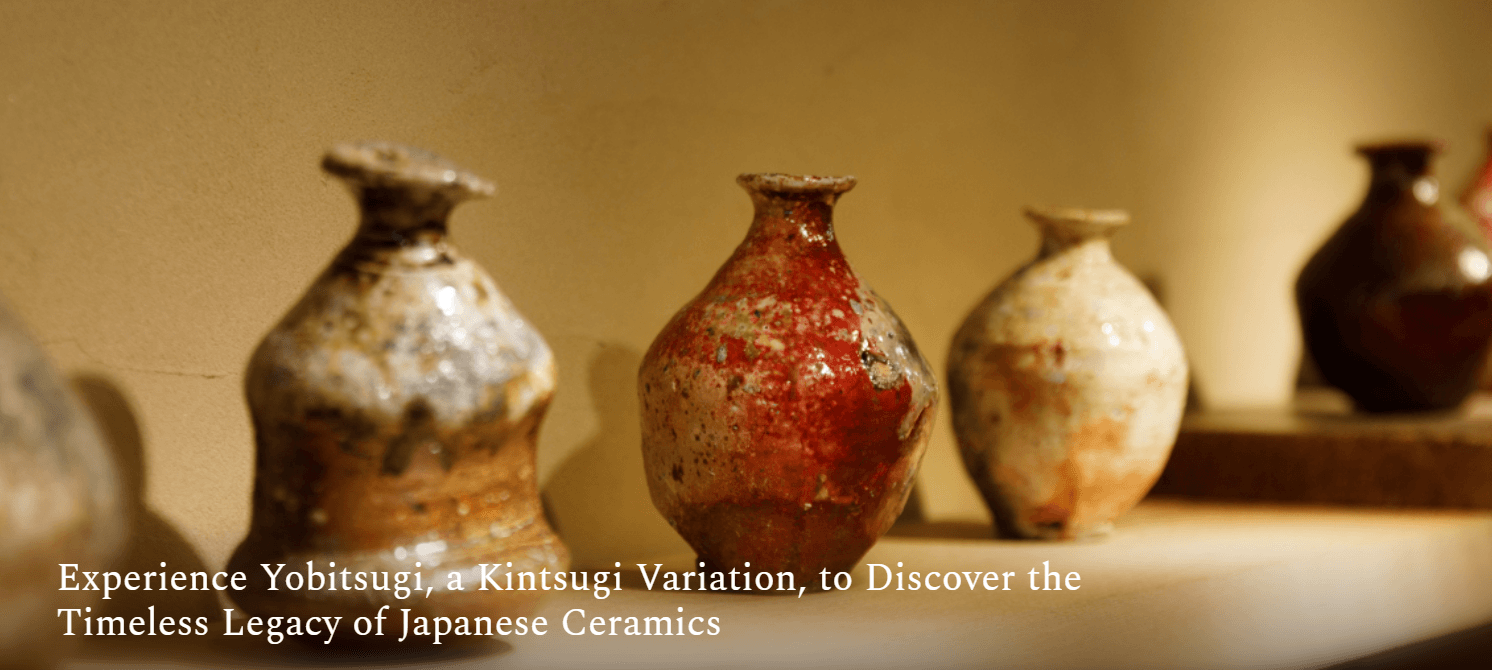
This private yobitsugi experience in Tokyo offers a refined introduction to Japanese ceramic repair. Held in a pottery gallery near Tokyo Station, you’ll learn a variation of kintsugi that combines fragments from different ceramics to create a unique piece.
After a short gallery visit, you’ll assemble, smooth, and lacquer your ceramic under expert guidance, finishing it with brass or optional gold powder. The experience is beginner-friendly and includes a personalized wooden box to take your creation home the same day.
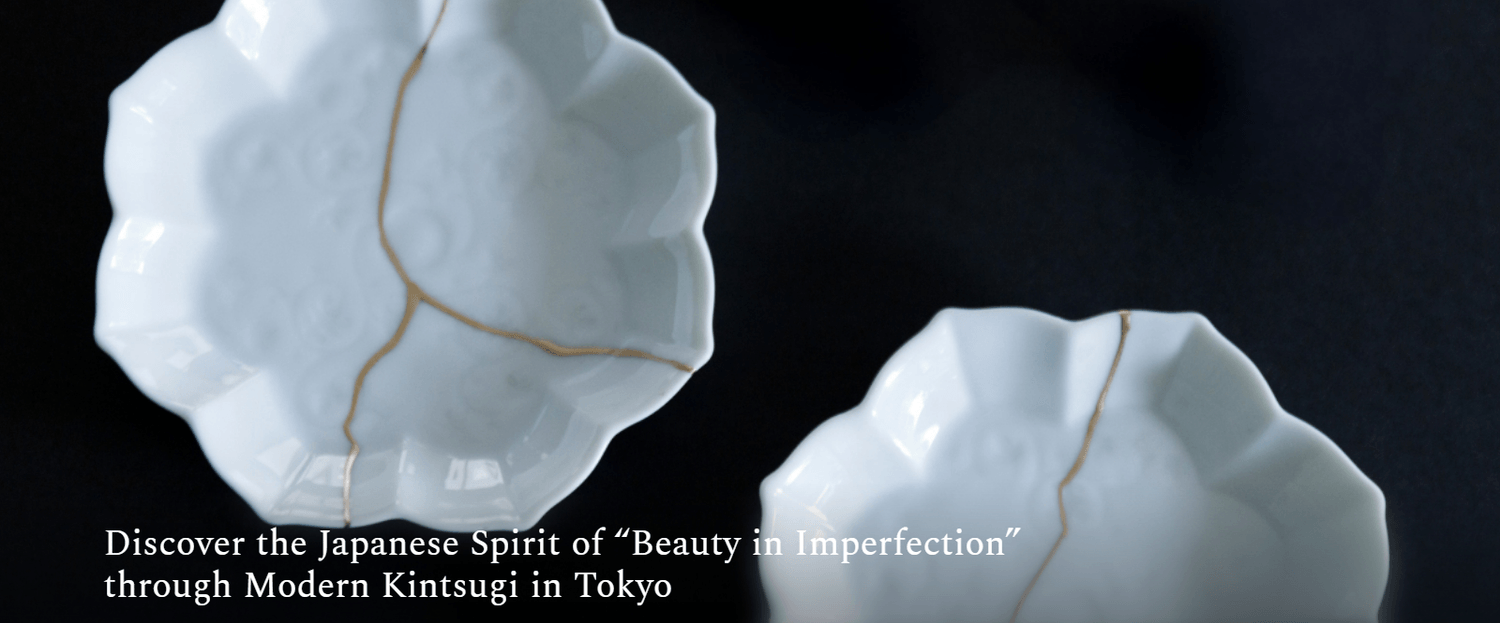
This modern kintsugi experience in Tokyo combines mindfulness and craftsmanship in a calm lounge near Tokyo Station. The session begins with a short meditation, followed by an introduction to kintsugi and its philosophy of embracing imperfections. You’ll then repair your own ceramic using a simplified technique and finish it with metallic or optional blue pigment. Beginner-friendly and guided by expert instructors, this experience offers a meaningful and creative way to connect with Japanese culture and take home your own unique piece.
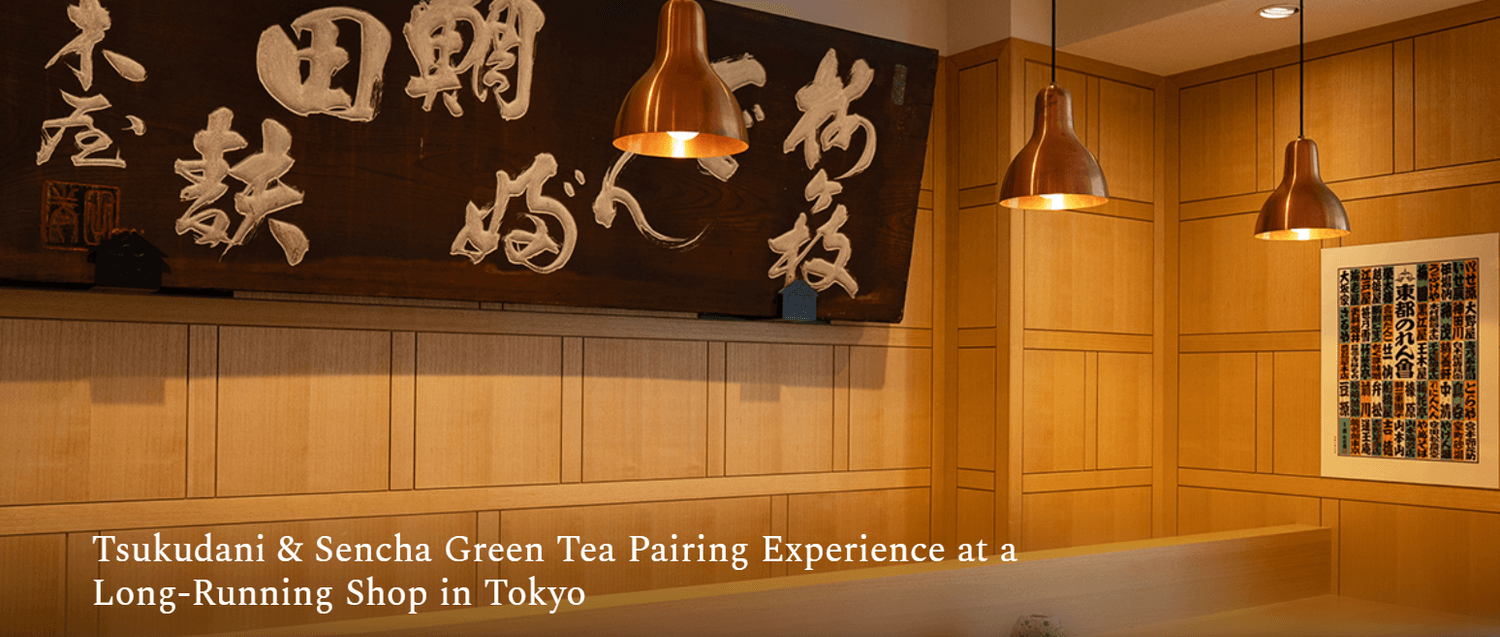
This private experience in Tokyo invites you to discover the pairing of tsukudani and sencha at a long-running specialty shop in Shinbashi.
You’ll learn about the history of tsukudani, brew sencha with expert guidance, and enjoy a Japanese-style tasting featuring onigiri, seasonal dishes, and sweets. Each cup of tea is prepared at a different temperature, revealing new flavors and creating a refined food-and-tea experience. Ideal for travelers who want a quieter and more cultured side of Tokyo, this experience blends Japanese hospitality, tradition, and taste in a very personal format.
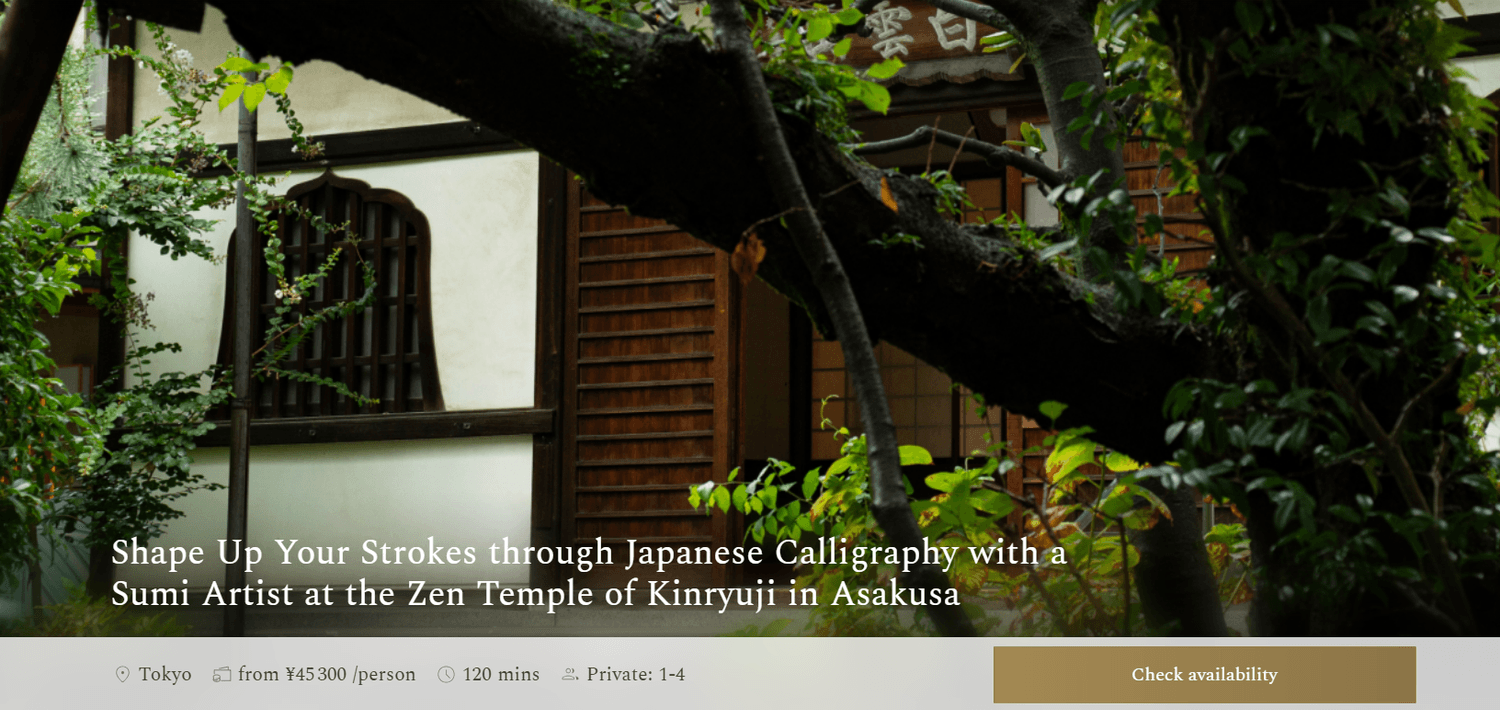
This private calligraphy experience in Tokyo takes place at Kinryuji Temple, offering a calm introduction to Japanese ink art in a traditional setting.
Guided by renowned calligrapher Koka Ono, you’ll learn about brushes, ink, inkstones, and paper, then create your own piece using antique tools. The session ends with matcha and commentary on the artist’s work, making it a thoughtful and immersive cultural experience in Asakusa.
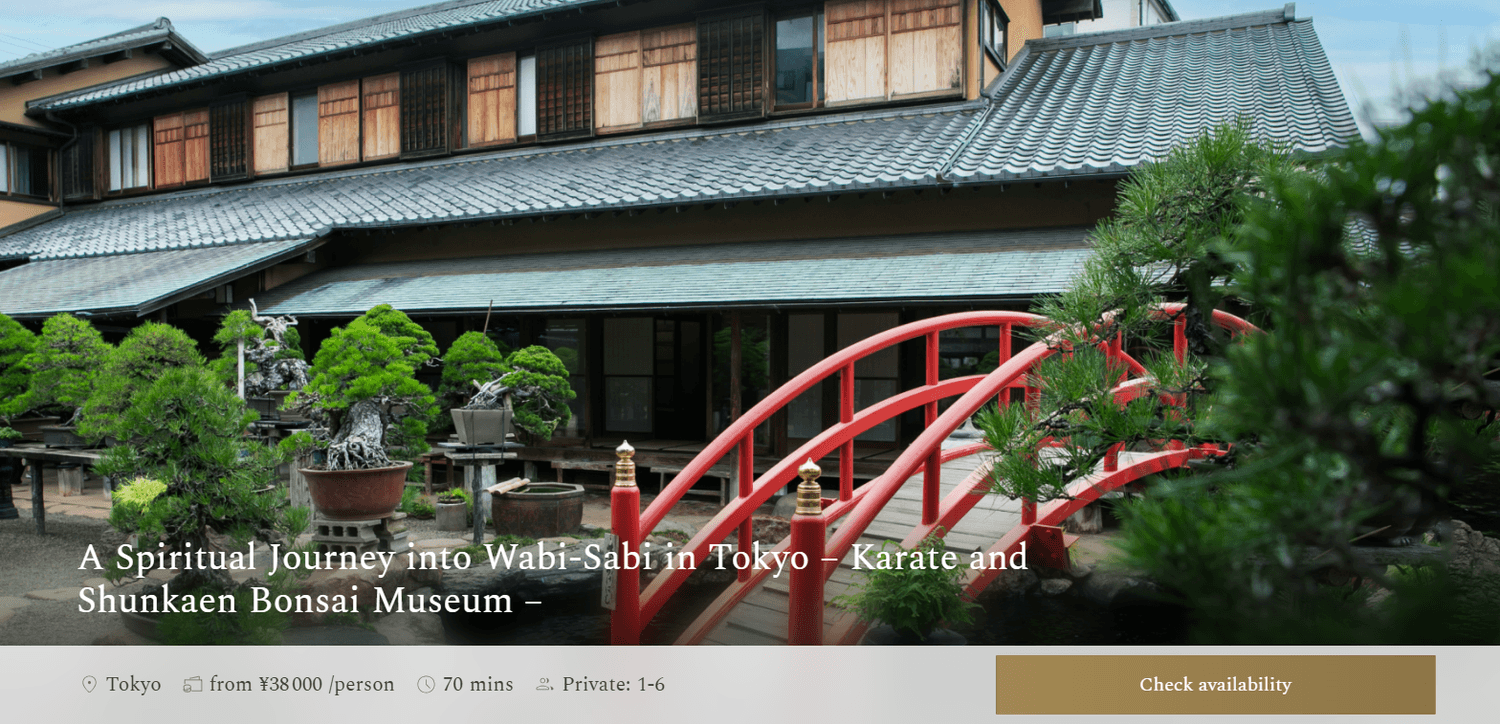
This private experience in Tokyo combines Shotokan karate training with a visit to Shunkaen Bonsai Museum>, offering a rare introduction to Japanese discipline and aesthetics.
You’ll learn karate etiquette, basic movements, and kata with expert instructors, then watch a demonstration before exploring the bonsai museum at your own pace. Blending physical practice with quiet observation, the experience offers a thoughtful way to engage with Japanese ideas of harmony, respect, and self-reflection.
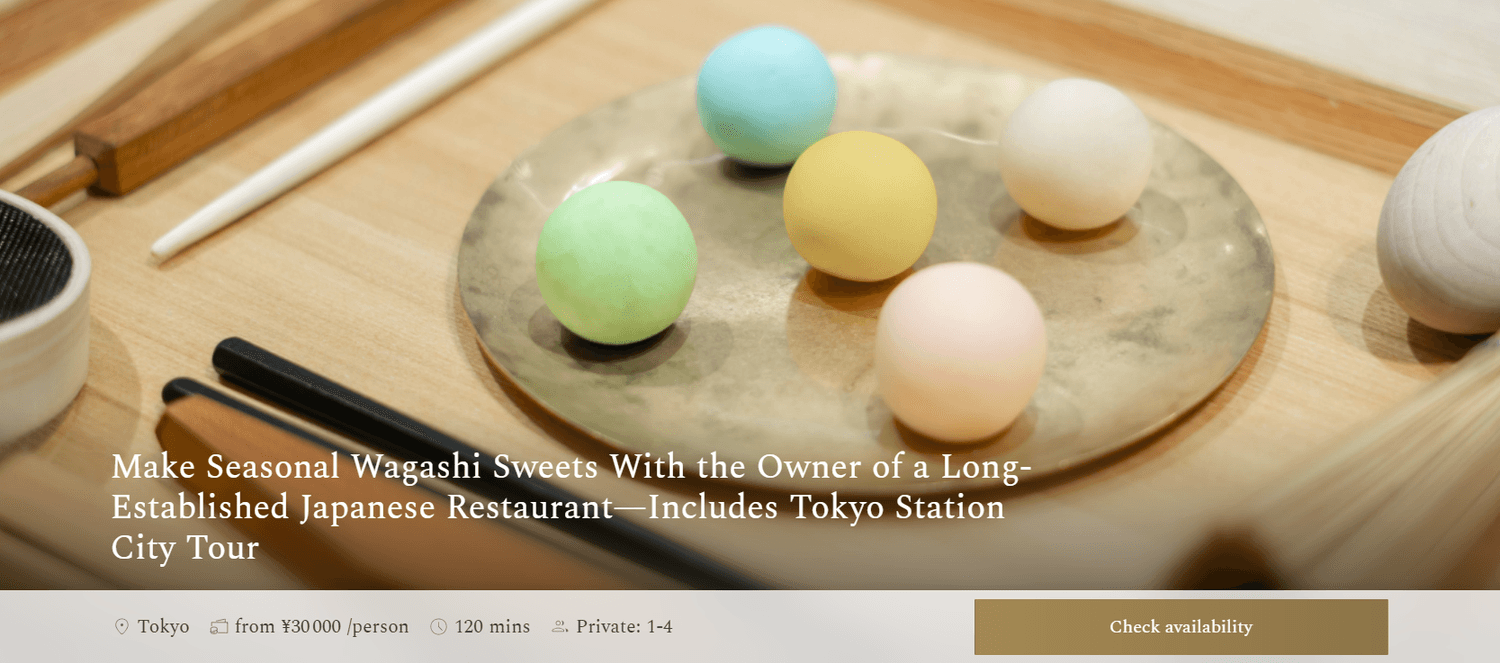
This private experience in Tokyo combines seasonal wagashi making with a guided walk around the Tokyo Station area. Led by the owner of a long-established Japanese restaurant, you’ll make two nerikiri sweets inspired by the seasons, then enjoy them before heading out on a short city tour. Depending on the route, the walk may include craft shops, the Kabukiza area, or the Imperial Palace surroundings. Held at Otonami Lounge Tokyo inside Daimaru Tokyo, this experience is ideal for travelers who want a refined introduction to Japanese sweets, seasonal culture, and the history around Tokyo Station.
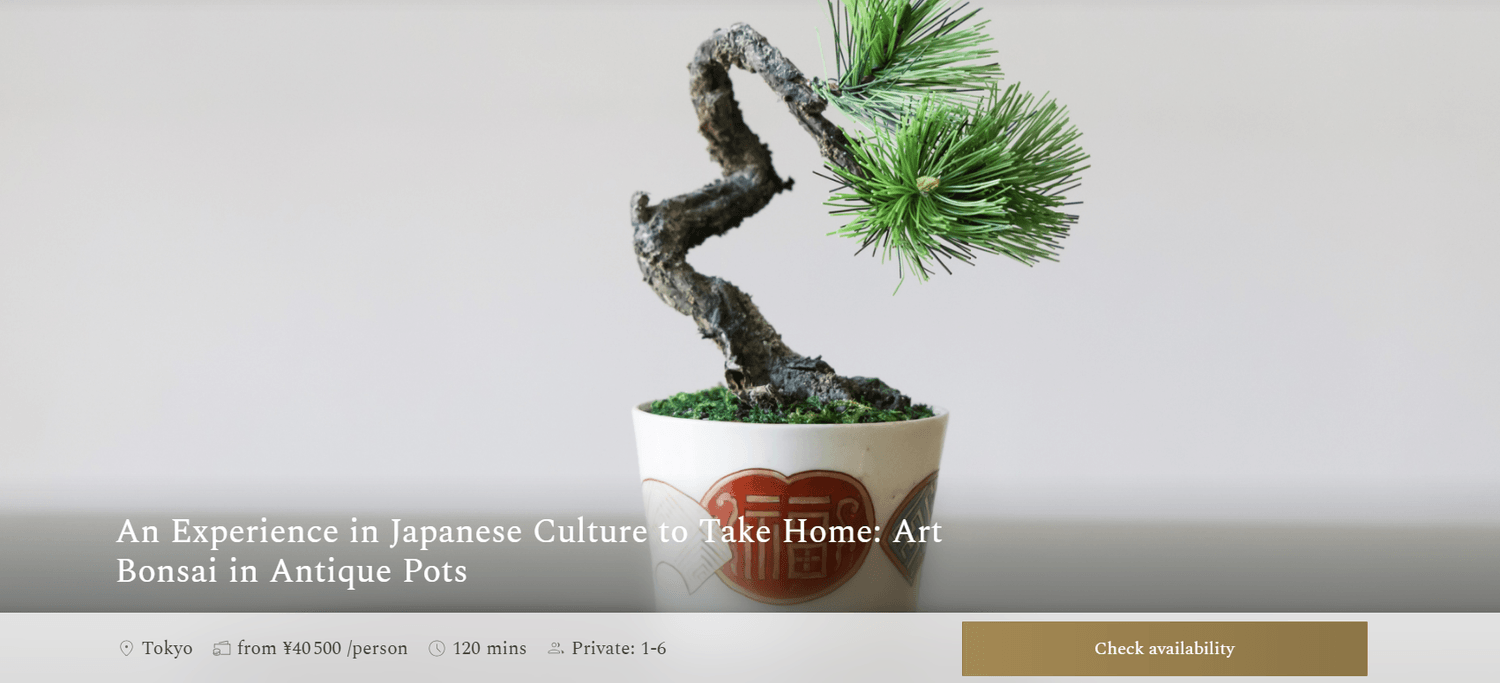
This private experience in Tokyo lets you create a portable art bonsai inspired by traditional Japanese bonsai aesthetics.
Using antique pots selected from different eras, you’ll craft your own bonsai-style piece with guidance from an experienced instructor while learning about bonsai, antiques, and Japanese design. Unlike living bonsai, art bonsai is easy to take home, making it a meaningful souvenir that combines Japanese craftsmanship, history, and visual beauty.
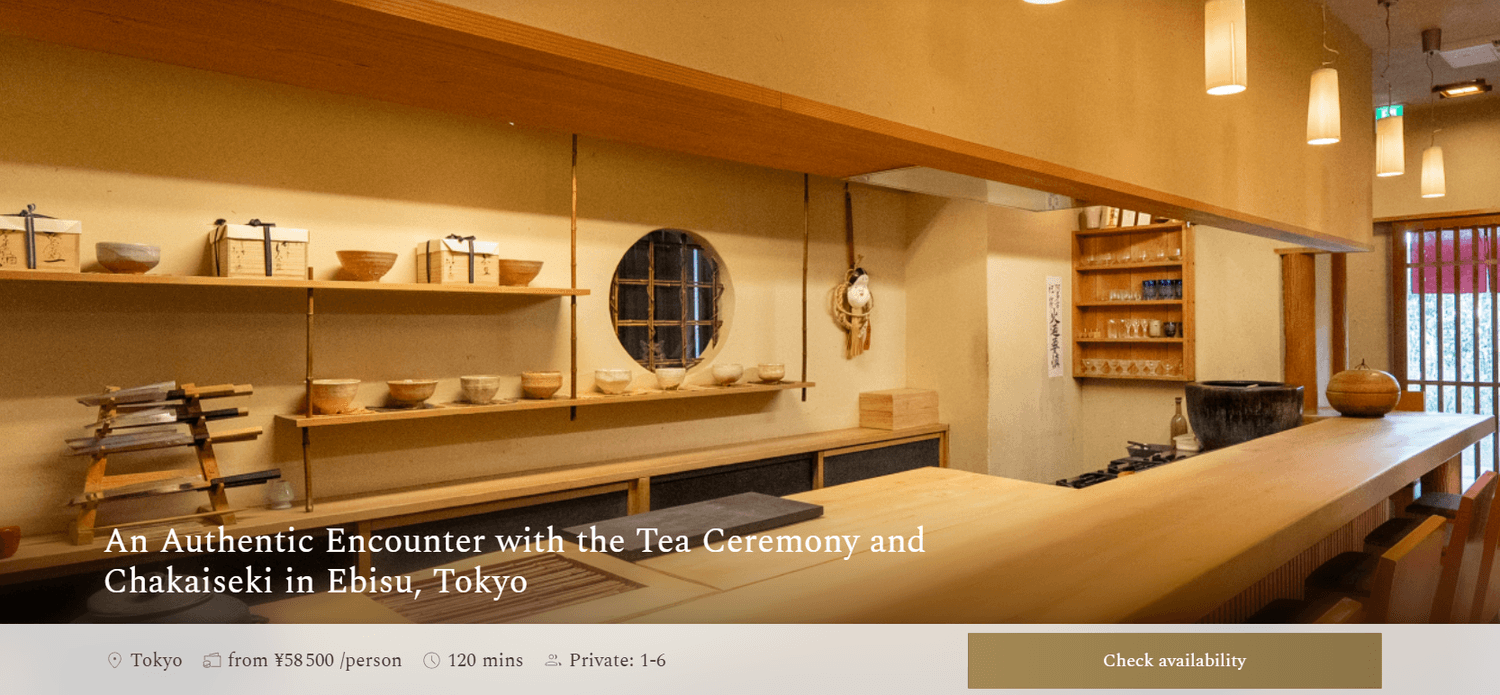
This private evening in Tokyo offers rare access to geisha culture in Kagurazaka, one of the city’s last active geisha neighborhoods.
At a traditional ryotei, you’ll enjoy a seasonal kaiseki dinner, a private dance by a hangyoku, live shamisen music, and ozashiki-asobi party games. The experience ends with commemorative photos, making it a refined and highly exclusive way to discover a side of Tokyo that is usually closed to first-time visitors.
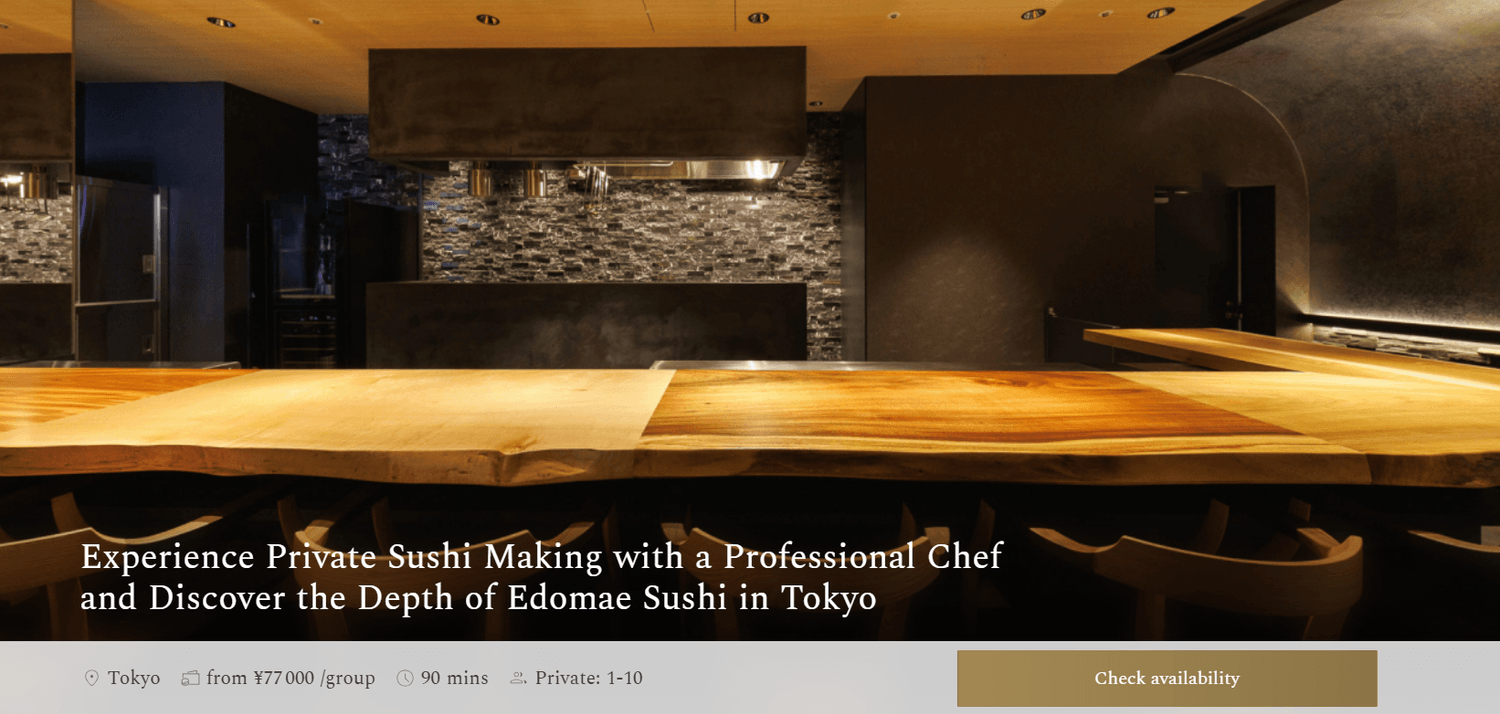
This private experience in Tokyo lets you learn the craft of Edomae sushi with a professional chef in an intimate restaurant setting.
At Hiroya Tokyomae, you’ll watch a sushi demonstration, learn how nigiri is shaped and fish is prepared, then make your own hand-pressed sushi under expert guidance. The experience ends with a tasting of seasonal sushi made by both you and the chef, offering a deeper understanding of technique, freshness, and the balance behind traditional Edomae sushi.
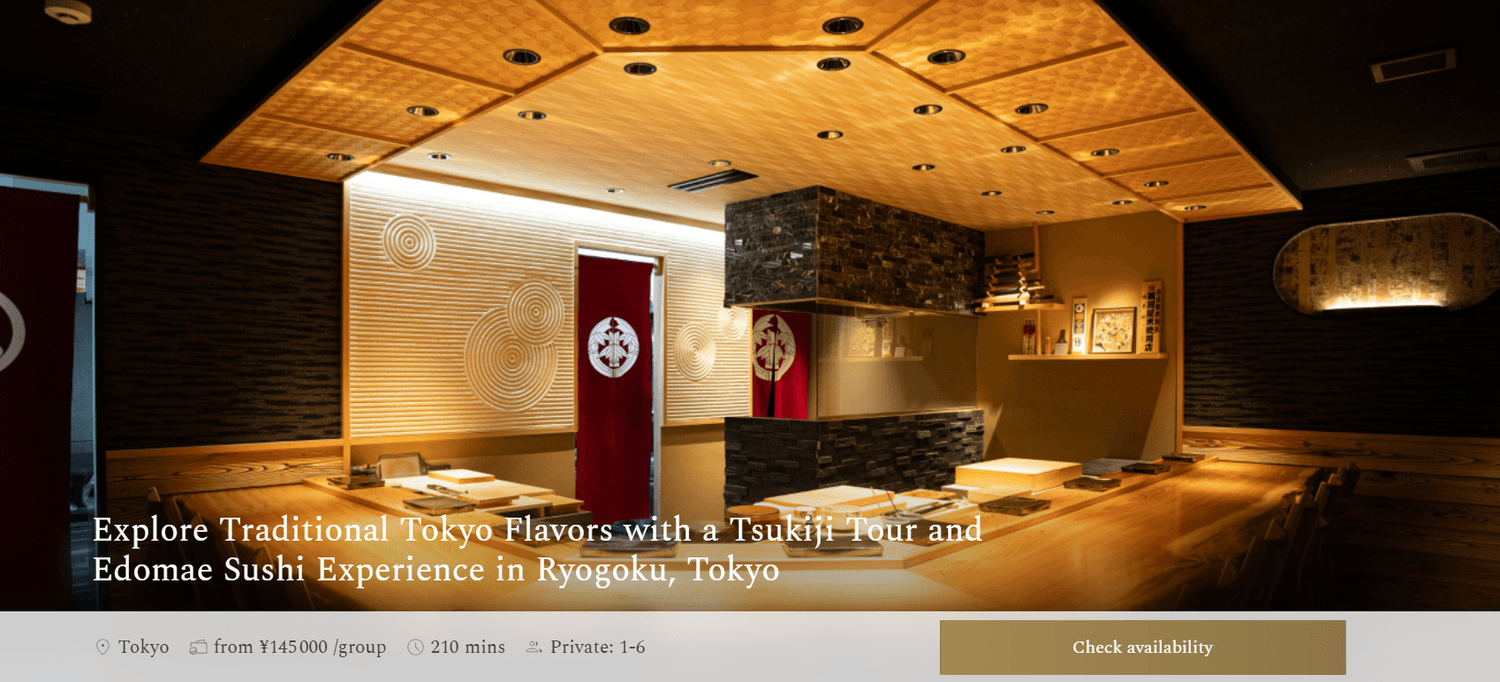
This private experience in Tokyo combines a guided walk through Tsukiji with an Edomae sushi experience in Ryogoku.
After exploring Tsukiji’s long-standing food culture and specialty shops, you’ll head to Karin in Ryogoku to watch a chef cut a fresh block of tuna and prepare Edomae sushi. The experience includes around ten pieces of seasonal nigiri and offers a deeper look into Tokyo’s seafood traditions, craftsmanship, and Edo-era culinary culture.
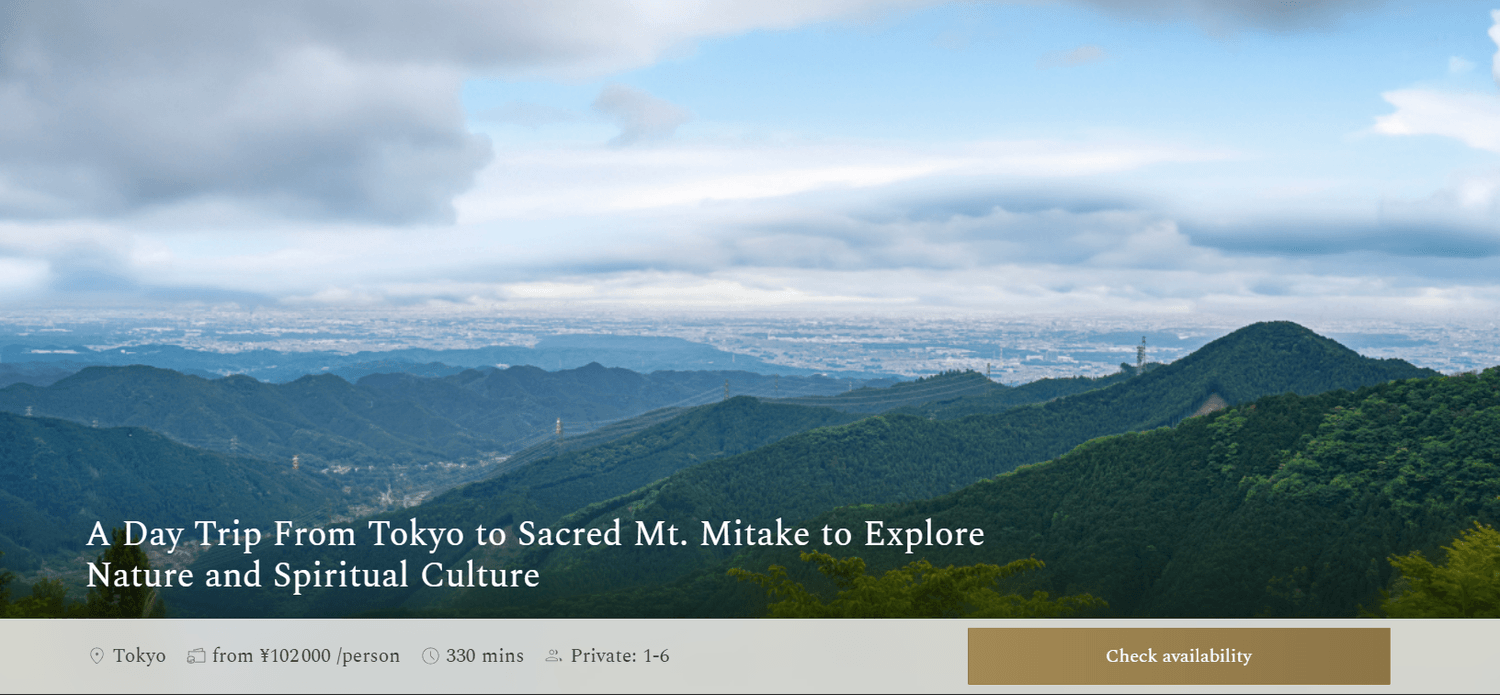
This guided day trip from Tokyo takes you to Mt. Mitake for a deeper experience of nature, spirituality, and local tradition.
You’ll visit Musashi Mitake Shrine, enjoy a seasonal lunch at a traditional shukubo, and explore scenic forest trails including the Rock Garden. With insights from a local guide and time spent in one of Tokyo’s most sacred mountain areas, this experience offers a meaningful escape from the city into Japan’s spiritual and natural heritage.
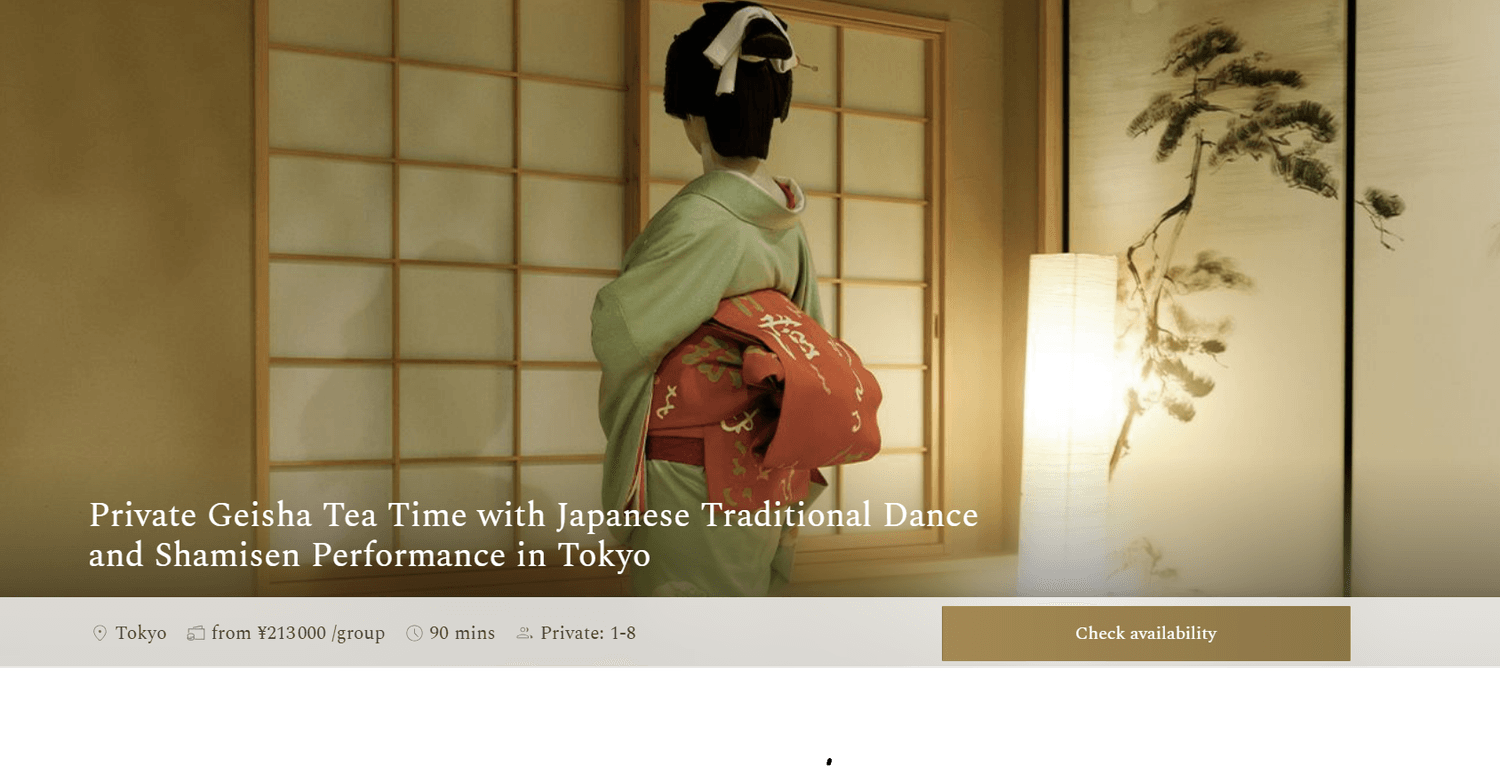
Step into Tokyo’s hidden geisha world with this private cultural experience in Arakicho, a former geisha district near Shinjuku. Held in an intimate tatami room at Onnoza, the experience includes tea and traditional sweets served by geisha, followed by live Japanese dance and shamisen performances up close.
You’ll also have time to chat with the geisha in a relaxed setting and can even add activities like traditional dance, shamisen, or fan-handling lessons. It’s a rare opportunity to experience Japanese hospitality and traditional arts in a very personal and immersive way.
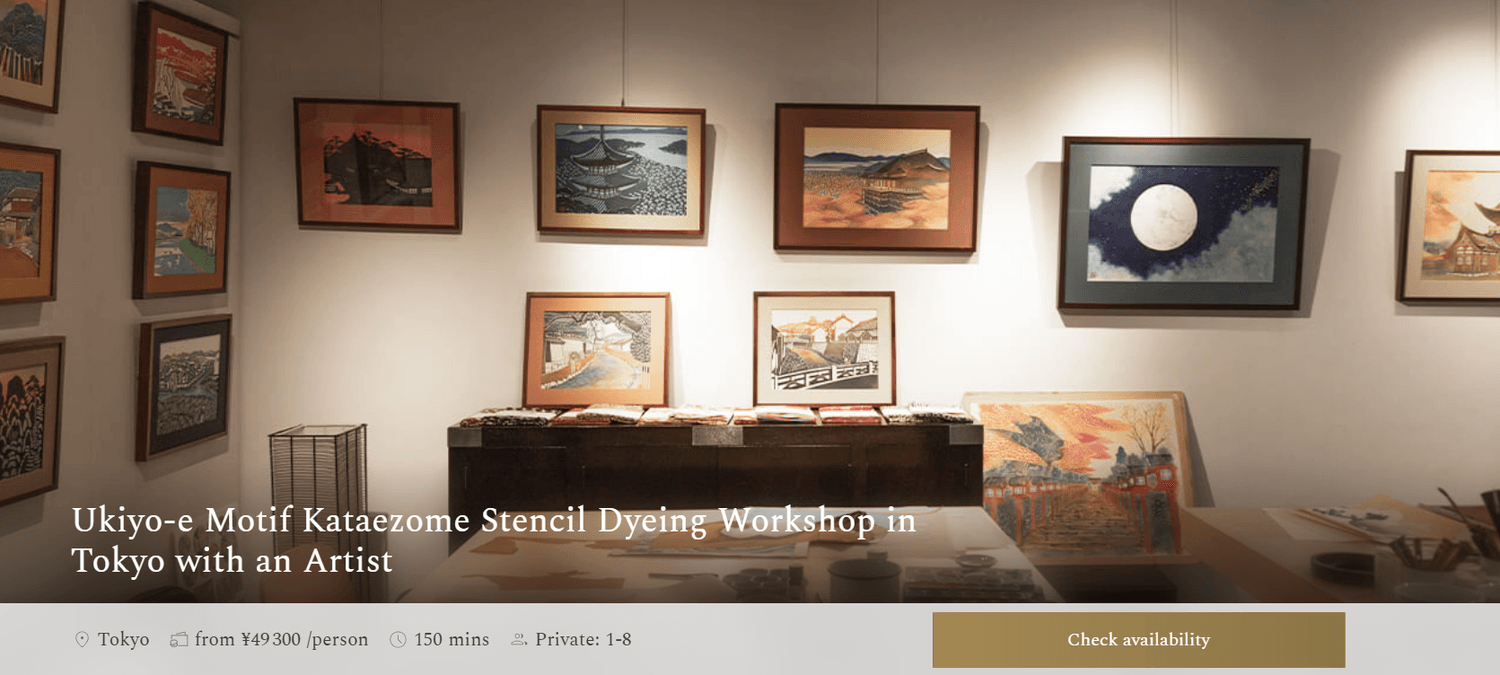
Discover the beauty of traditional Japanese kataezome stencil dyeing in a private workshop in Nihonbashi, Tokyo. Guided by acclaimed artist Masayuki Isa, you will create your own ukiyo-e-inspired artwork using brushes, washi paper, and historic stencil dyeing techniques rooted in Japan’s kimono culture. Held at the Isa Monyo gallery, this exclusive experience also offers insight into the history of kataezome, the Isa family’s rich design legacy, and the artistic traditions of Nihonbashi. A refined and memorable Japanese craft experience in Tokyo.
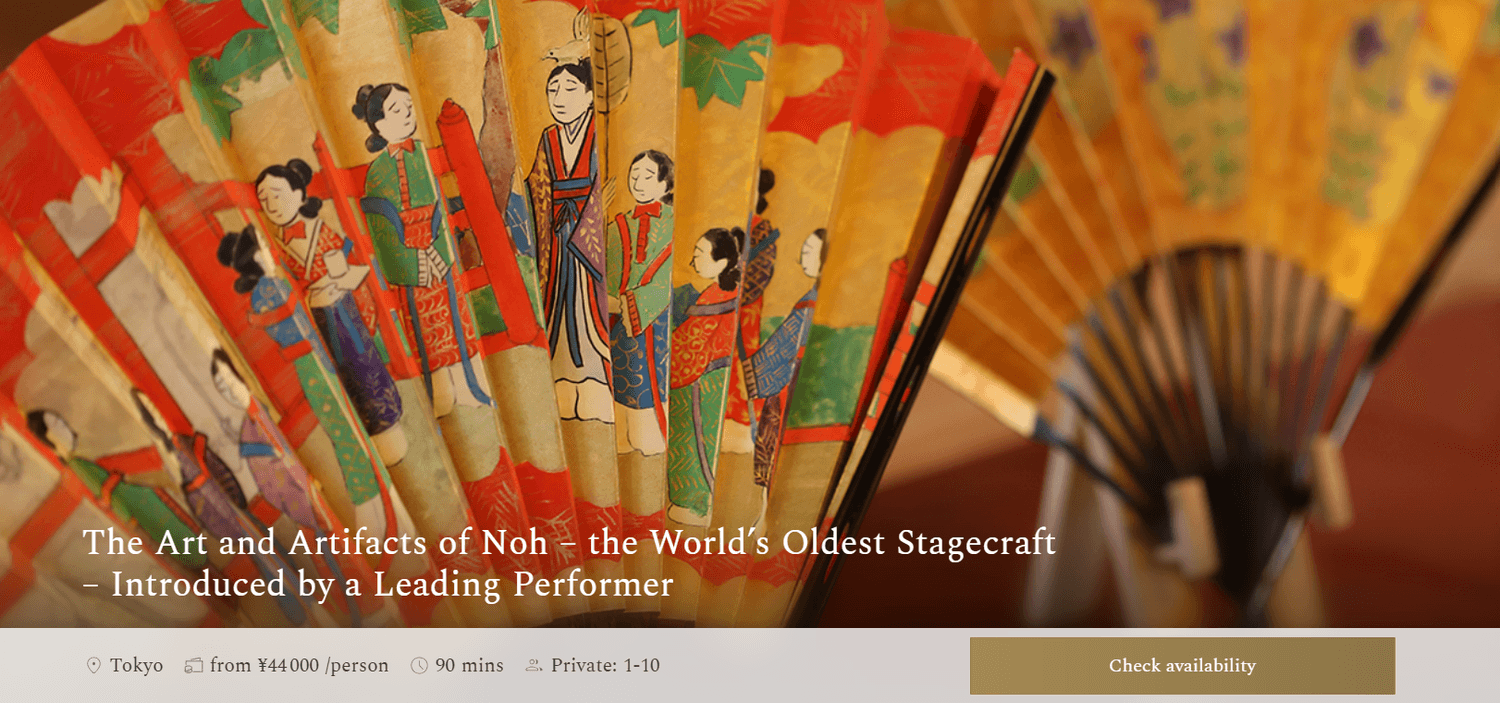
Step into the world of Noh theater in Tokyo through a private cultural experience led by acclaimed performer Ujin Sakurama, 21st head of the Sakurama family. At the family’s historic Fujimi Stage, discover the history, symbolism, and artistry of the world’s oldest continuous stage tradition. Explore a rare collection of Noh masks, costumes, and fans, enjoy an intimate live performance, and deepen your understanding of this refined Japanese art through conversation, matcha, and sweets. A rare and immersive traditional Japanese performing arts experience in Tokyo.
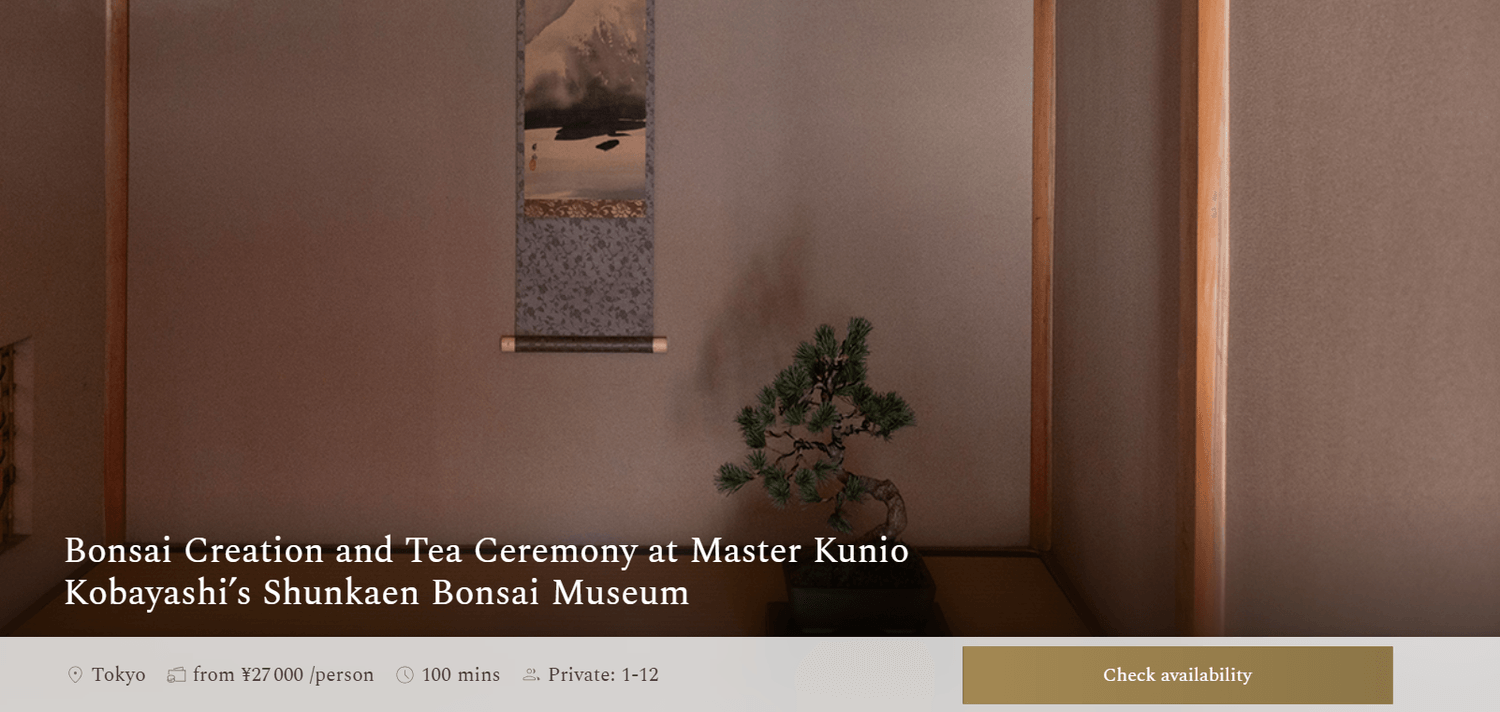
Experience the beauty of bonsai in Tokyo at the renowned Shunkaen Bonsai Museum, founded by master Kunio Kobayashi. This private cultural experience includes a guided garden tour, hands-on bonsai creation using seasonal trees, and a traditional Japanese tea ceremony in an elegant tearoom. Learn essential bonsai techniques such as pruning and wiring, deepen your understanding of Japanese aesthetics, and enjoy matcha and sweets with your newly shaped bonsai displayed as the centerpiece. A refined and immersive bonsai and tea ceremony experience in Tokyo.
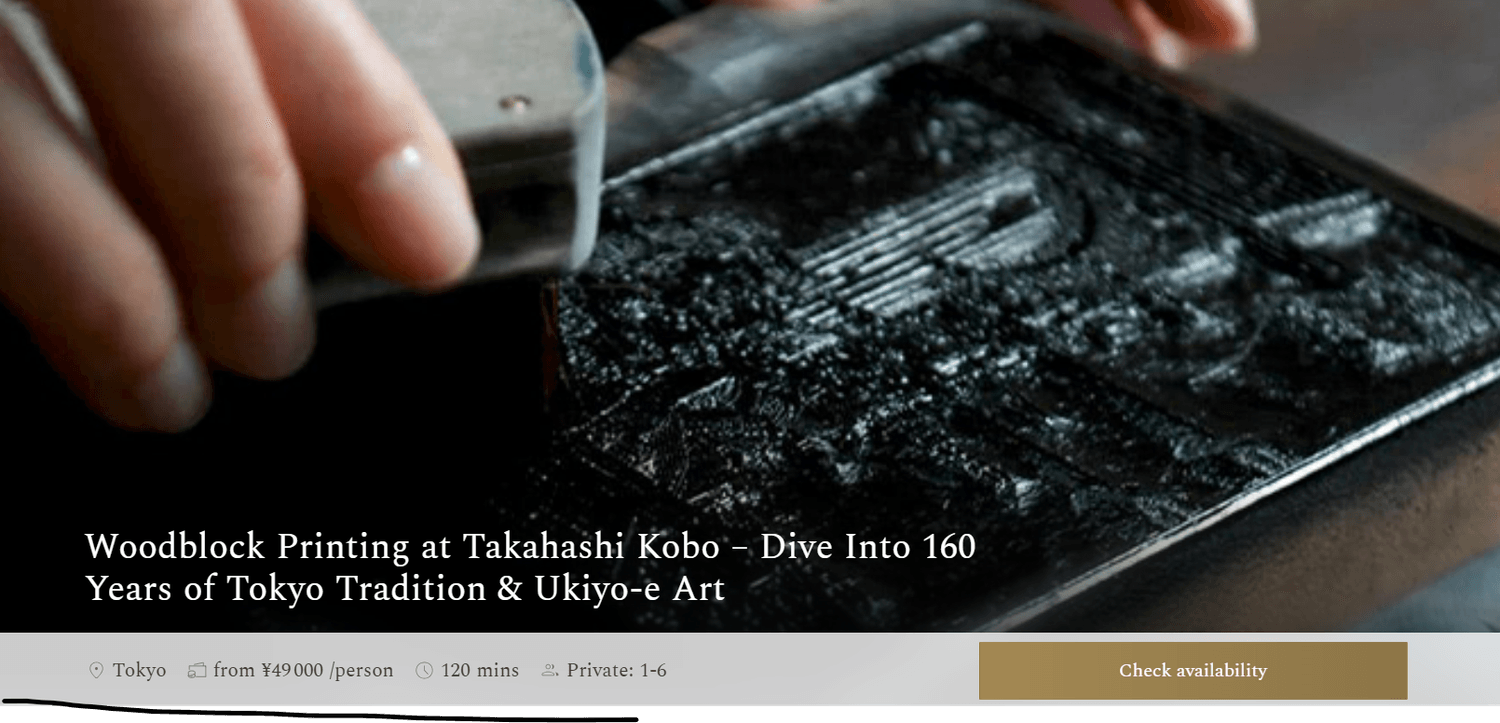
Discover the art of traditional woodblock printing in Tokyo at Takahashi Kobo, a historic workshop with over 160 years of craftsmanship. In this private experience, learn the basics of ukiyo-e woodblock printing, print colorful motifs inspired by Hokusai and other classic Japanese designs, and create your own bamboo-handled fan to take home the same day.
Guided by skilled artisans, you will explore Edo-period techniques, print on fine washi paper, and gain insight into one of Japan’s most iconic art forms. A refined and hands-on ukiyo-e workshop in Tokyo for travelers interested in Japanese culture and craftsmanship.
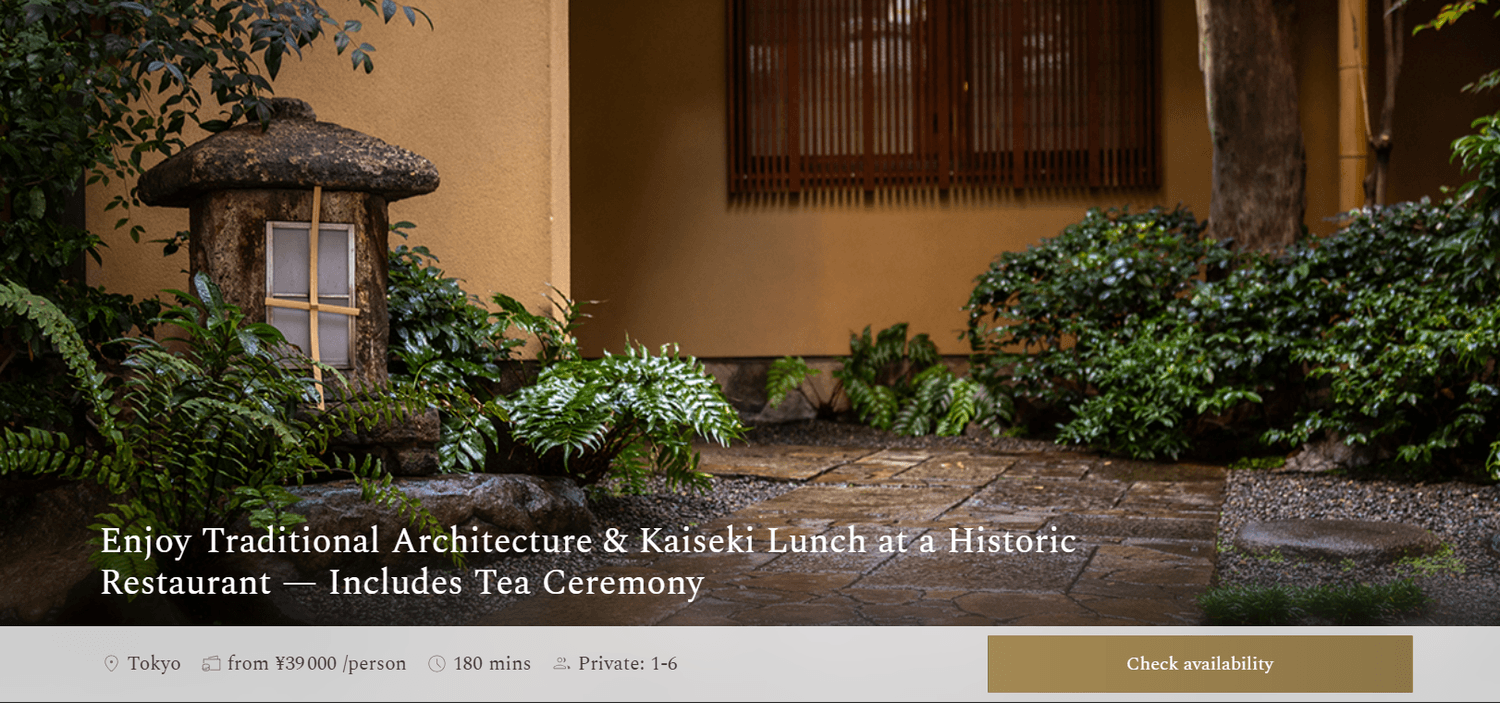
Step into Genyadana Hamadaya, a historic ryotei in Nihonbashi Ningyocho, Tokyo, for a refined cultural experience combining traditional architecture, kaiseki dining, and tea ceremony. Explore the century-old building with a guided tour highlighting sukiya-style design, seasonal decorations, heirloom furnishings, and Japanese artwork. After the tour, enjoy a carefully prepared mini kaiseki lunch in a private tatami room, followed by a ryurei-style tea ceremony. This exclusive experience is ideal for travelers seeking an authentic introduction to Japanese hospitality, cuisine, and traditional aesthetics in Tokyo.
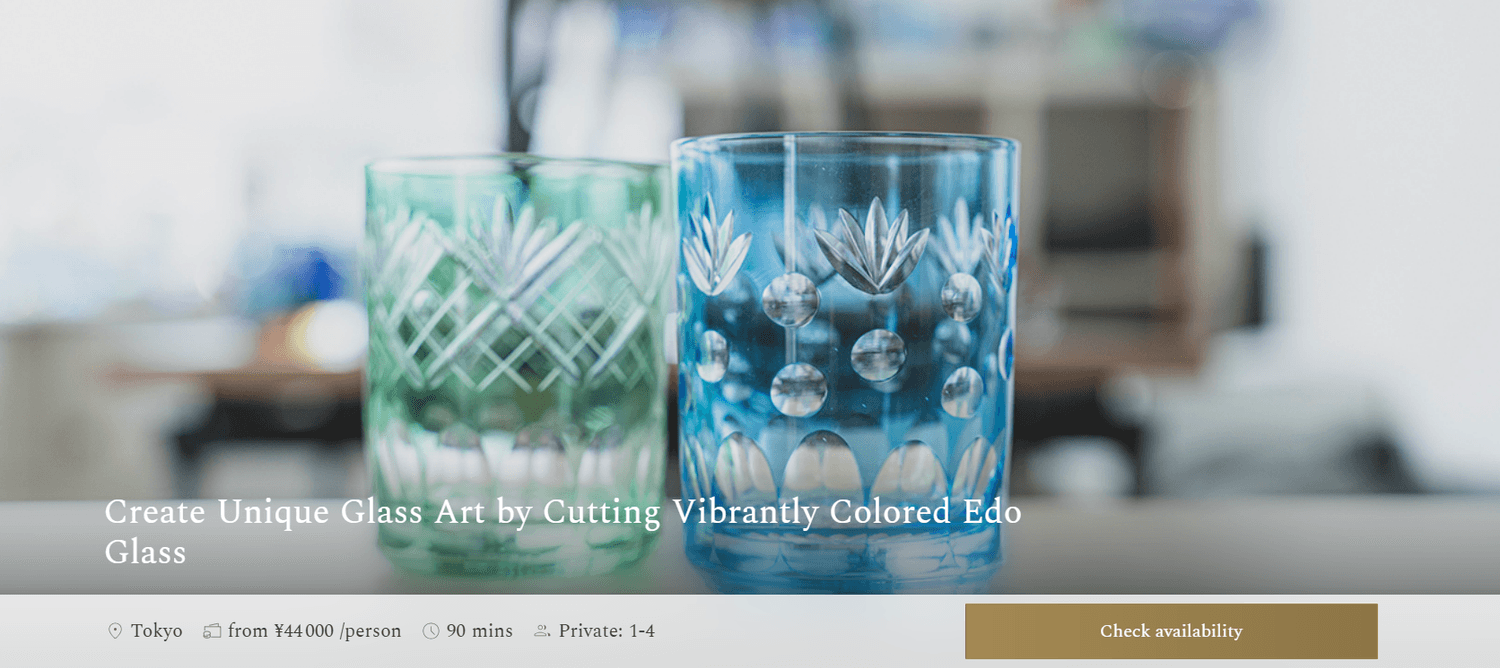
Create your own Edo glass art in Tokyo with a private workshop at Nakakin Glass Company Limited. Guided by a skilled craftsman, you will cut a beautifully layered Edo color overlay blow glass cup using a Wabunka-exclusive pattern designed for beginners.
Learn about the history of Edo glass, explore traditional cutting techniques, and craft a one-of-a-kind piece you can take home the same day. This hands-on experience is ideal for travelers seeking an authentic Japanese craft workshop in Tokyo.
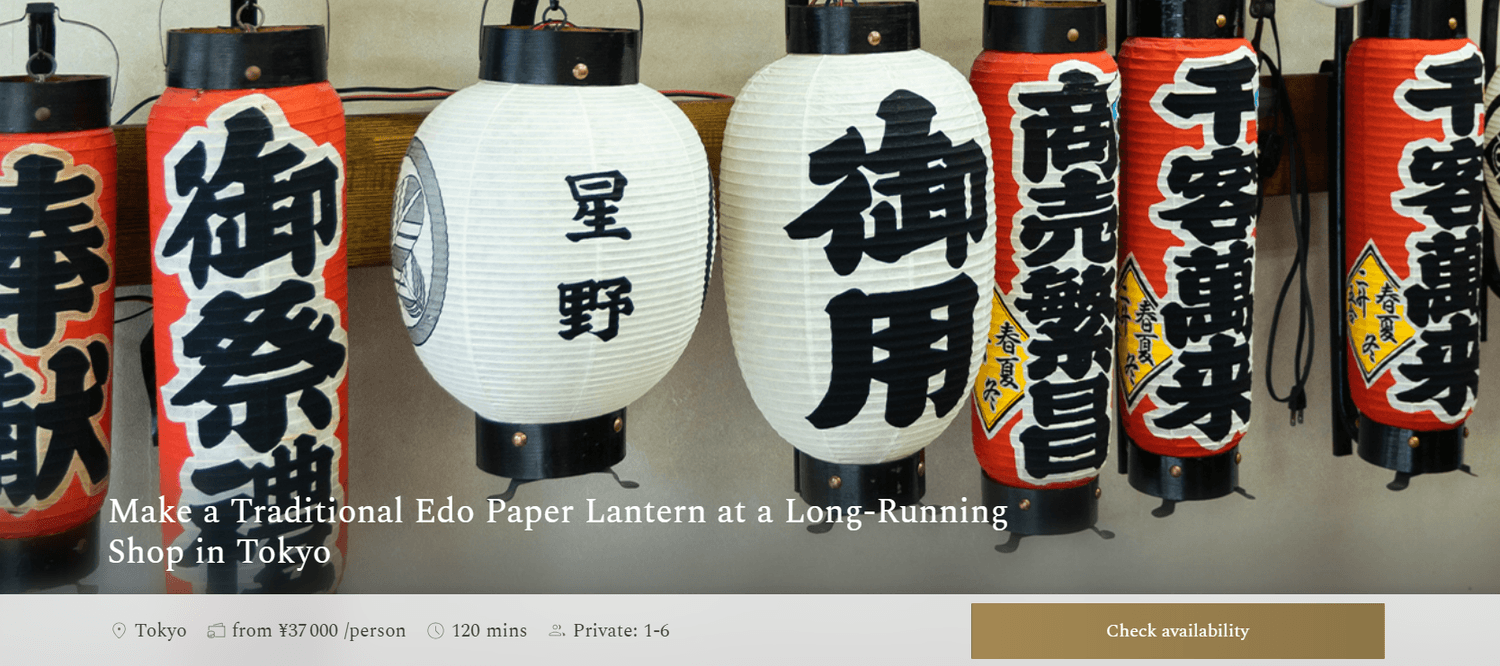
Create your own traditional Edo paper lantern in Tokyo at Namidabashi Oshimaya Chochin, a lantern shop with more than 100 years of history. In this private workshop, you will learn traditional hand-painting techniques from an expert artisan and design either a classic Edo paper lantern or the shop’s modern Oto Chochin.
Using traditional tools, you can paint kanji, family crests, or decorative motifs onto your lantern and take your finished piece home the same day. This hands-on Japanese craft experience in Tokyo is ideal for travelers looking for an authentic cultural souvenir and a deeper connection to Tokyo’s traditional arts

Craft your own handmade small katana in Tokyo with master bladesmiths at Hirata Bladesmiths in Ome. Learn traditional forging methods using tamahagane steel, the prized material long associated with Japanese swordmaking. This private small katana forging experience near Tokyo includes an introduction to tatara steelmaking, hands-on smithing, and a choice of handle finish for your completed blade. After the workshop, your custom small katana will be engraved and shipped to you, creating a rare and memorable keepsake from Japan.
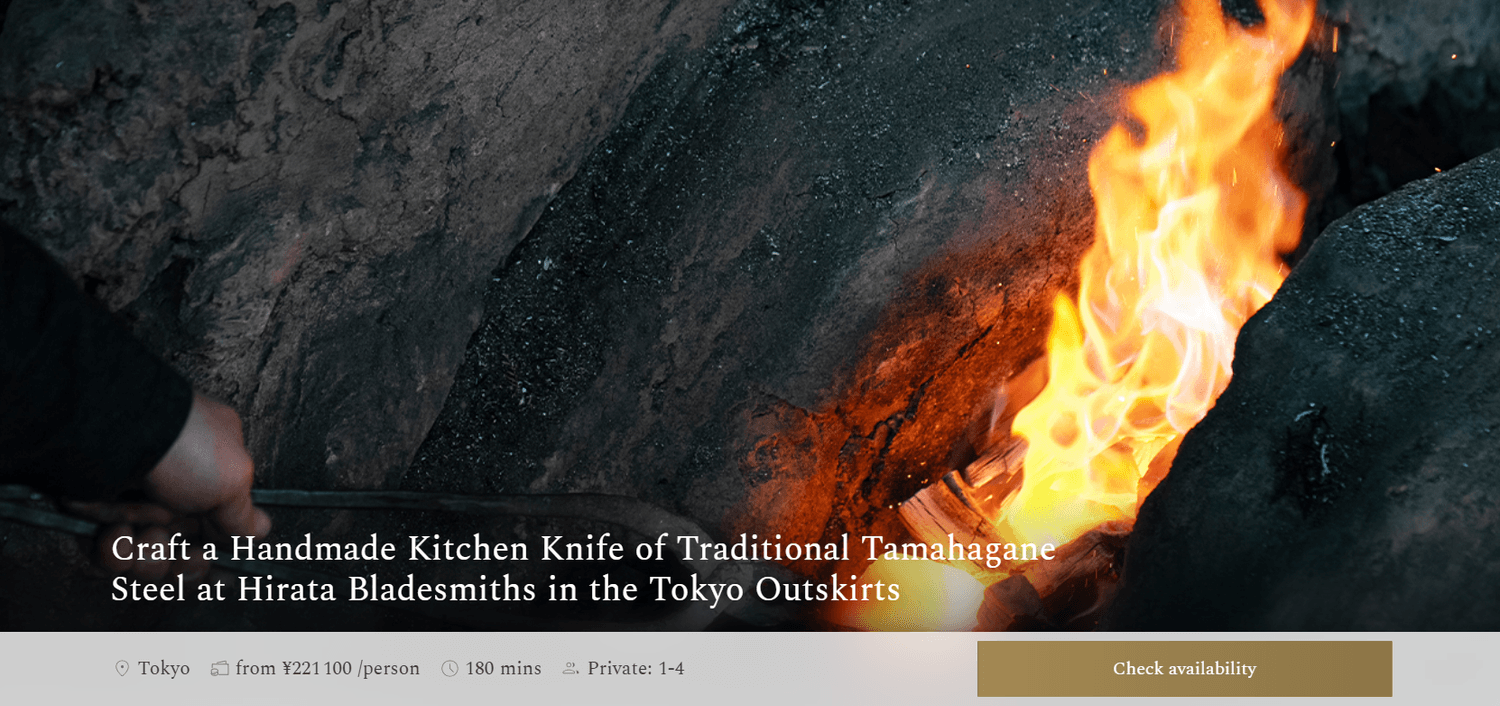
Forge your own handmade kitchen knife in Tokyo with master bladesmiths at Hirata Bladesmiths in Ome. Learn traditional techniques used for tamahagane steel, the same high-grade material long associated with Japanese swordmaking. This private knife-forging experience near Tokyo includes an introduction to tatara steelmaking, hands-on smithing, and engraving of your finished blade. After the workshop, your custom knife will be completed by the artisans and shipped to you, making it a rare and lasting souvenir from Japan.
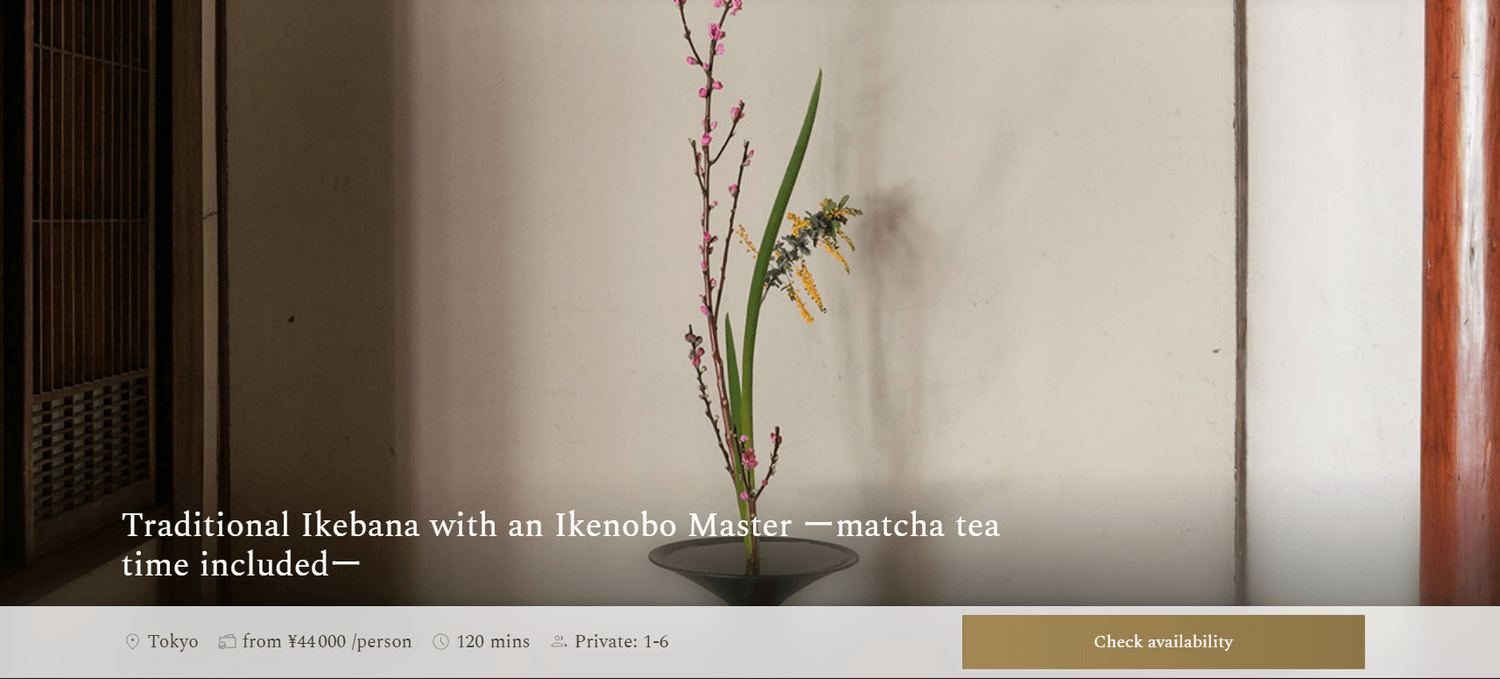
Discover the art of traditional ikebana in Tokyo during a private lesson with an Ikenobo master, the head school of Japanese flower arrangement with over 550 years of history. Set in a registered historic building near Ueno, this experience introduces the philosophy, history, and techniques behind ikebana in an intimate setting.
Watch a demonstration using seasonal flowers, then create your own jiyuka freestyle ikebana arrangement to take home. The experience concludes with matcha tea and Japanese sweets, along with an introduction to tea etiquette and the spiritual connection between ikebana and tea ceremony. Ideal for travelers seeking a refined Japanese cultural experience in Tokyo.
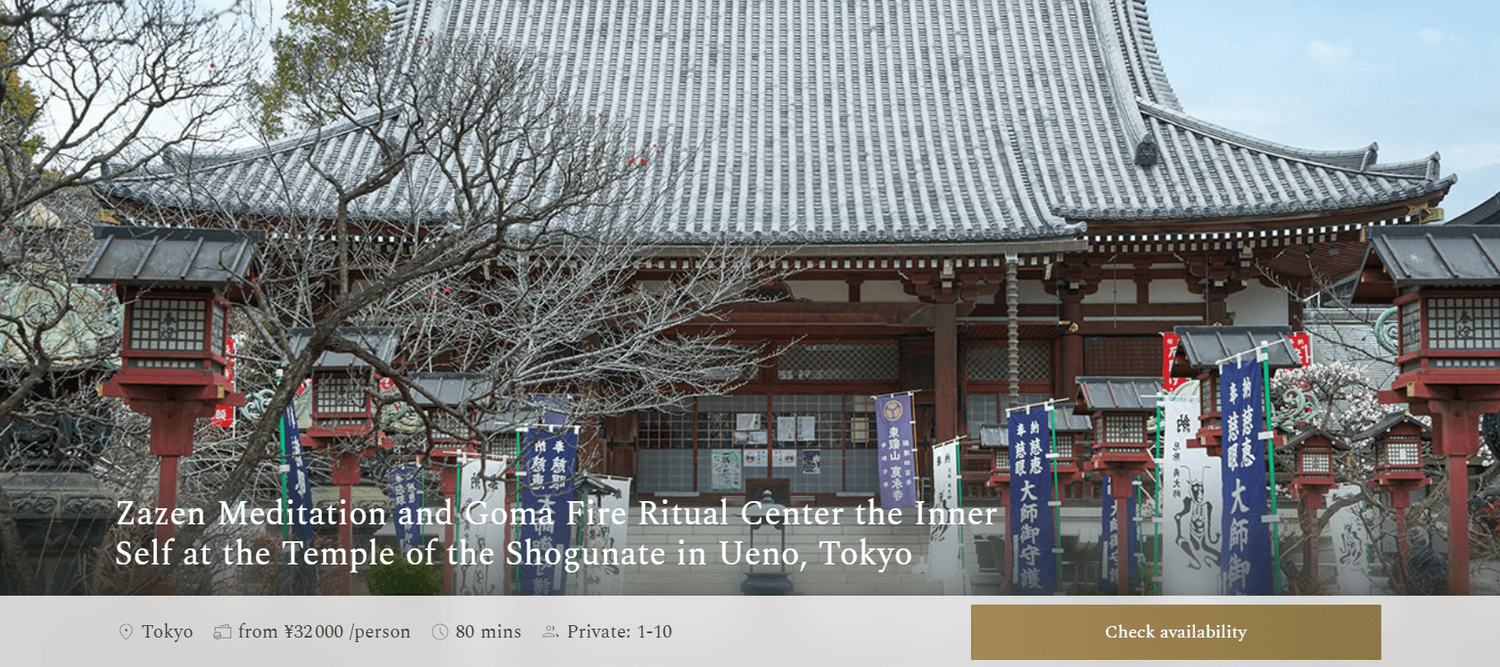
Experience a private Buddhist ritual in Tokyo at Kan’eiji Temple Kaizando Hall in Ueno, a historic temple linked to the Tokugawa shogunate. This immersive cultural experience includes a goma fire ritual for spiritual purification and zazen meditation guided by a temple monk. Learn the history of this 17th-century temple, discover traditional Buddhist practices, and take part in a quiet moment of reflection in one of Tokyo’s most historic sacred spaces. Optional additions include sutra copying and a personalized protective talisman used in the fire ritual. Ideal for travelers seeking an authentic spiritual experience in Tokyo near Ueno Park and the Tokyo National Museum.
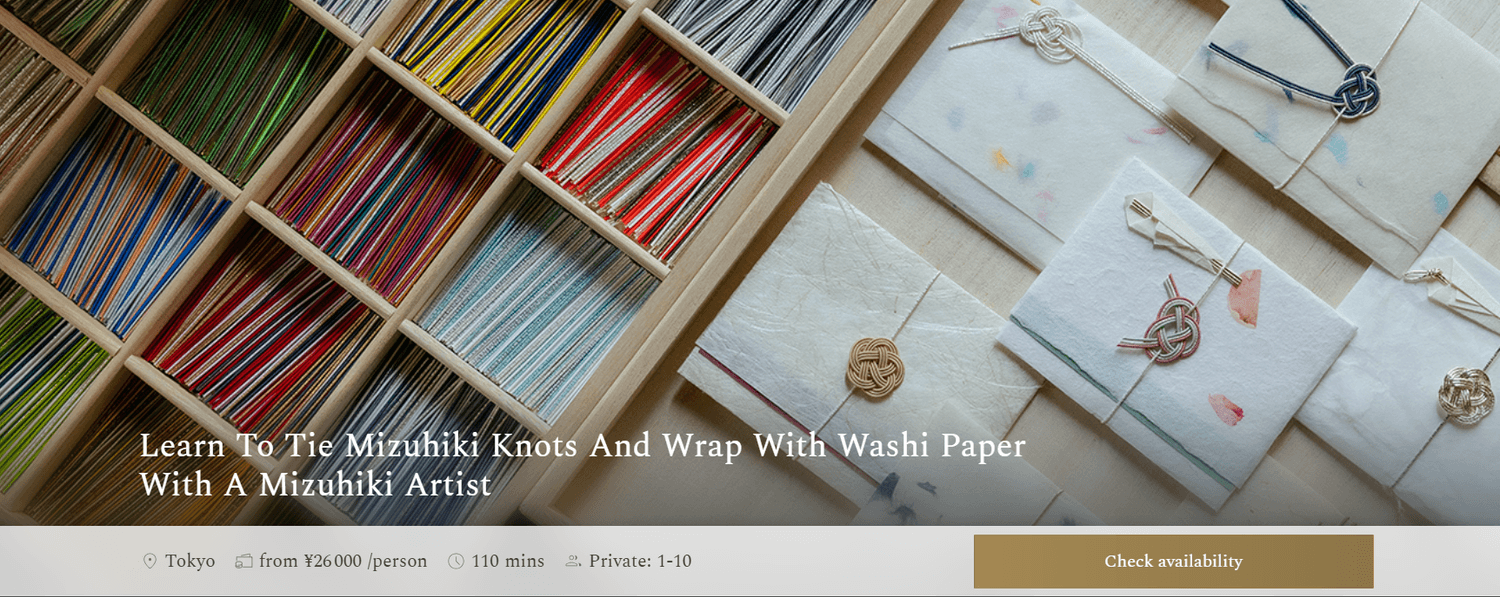
Discover the art of mizuhiki knot-tying in Tokyo with mizuhiki artist Anna Tanaka at her private studio in Yoyogi. In this hands-on workshop, learn how to tie traditional decorative knots and wrap gifts using tesuki washi, Japan’s handmade paper.
Explore the cultural meaning behind Japanese gift wrapping, seasonal color themes, and the long history of mizuhiki in Japan. Guided by an accomplished artist, you will practice essential knotting techniques and create elegant washi wrapping inspired by Japan’s refined traditions of giving. Ideal for travelers seeking an authentic Japanese craft experience in Tokyo
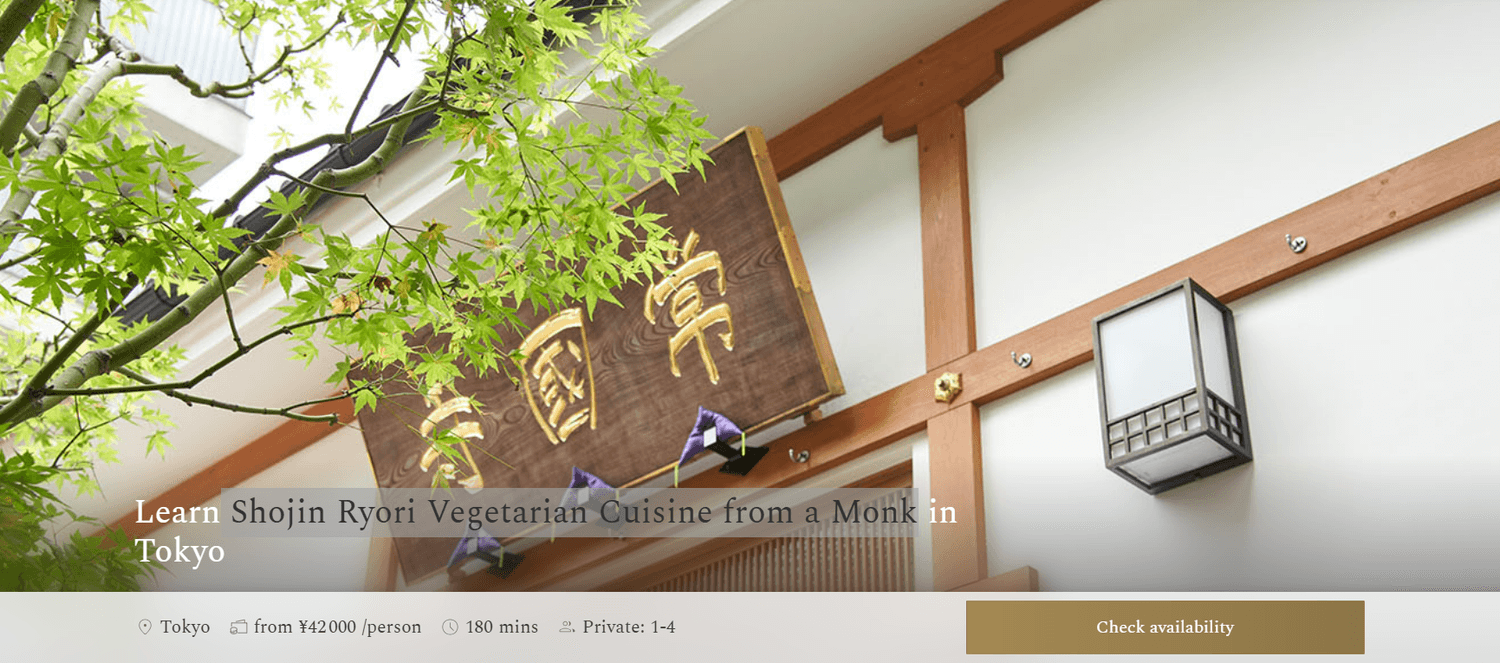
Experience shojin ryori in Tokyo with a private cooking class led by a monk at Jokokuji Temple in Akasaka. This hands-on workshop introduces the principles of Buddhist vegetarian cuisine, combining seasonal ingredients, mindful preparation, and the philosophy of gratitude at the heart of Japanese temple food.
At Akasaka Teran, you will first learn the history and mindset behind shojin ryori, then prepare a classic ichiju-sansai meal—one soup and three dishes—using traditional Japanese cooking utensils and fresh plant-based ingredients. After cooking, enjoy your meal in the temple’s main hall, a space not usually open to the public, before finishing with matcha and wagashi sweets. This Japanese cooking experience in Tokyo is ideal for travelers seeking authentic food culture, mindfulness, and a deeper connection to Buddhist traditions.
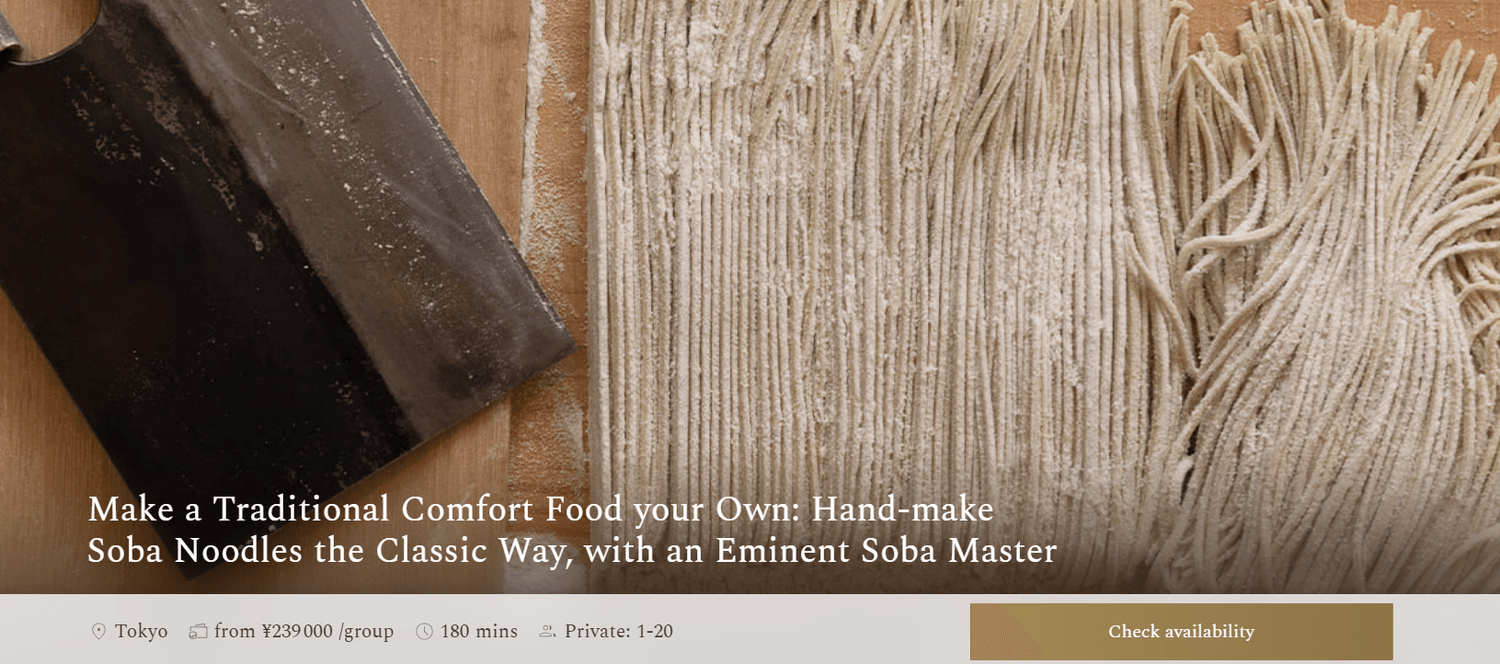
Discover the art of traditional soba-making in Tokyo in a private workshop led by Toranosuke Katayama, one of Japan’s leading soba experts and chairman of the Soba Preservation Association of Japan. In this immersive experience, learn the history of soba, watch expert demonstrations, and make your own noodles using authentic ingredients and time-honored methods.
You will prepare Nihachi soba from Katayama’s original recipe and explore the classic ippon-bo-maru-noshi rolling technique, a traditional method designed to preserve the noodle’s full flavor. After cutting and boiling your soba, enjoy tasting it fresh with special broth and traditional condiments. This hands-on Japanese culinary experience in Tokyo is ideal for families, groups, and travelers seeking a deeper connection to Japan’s food culture.
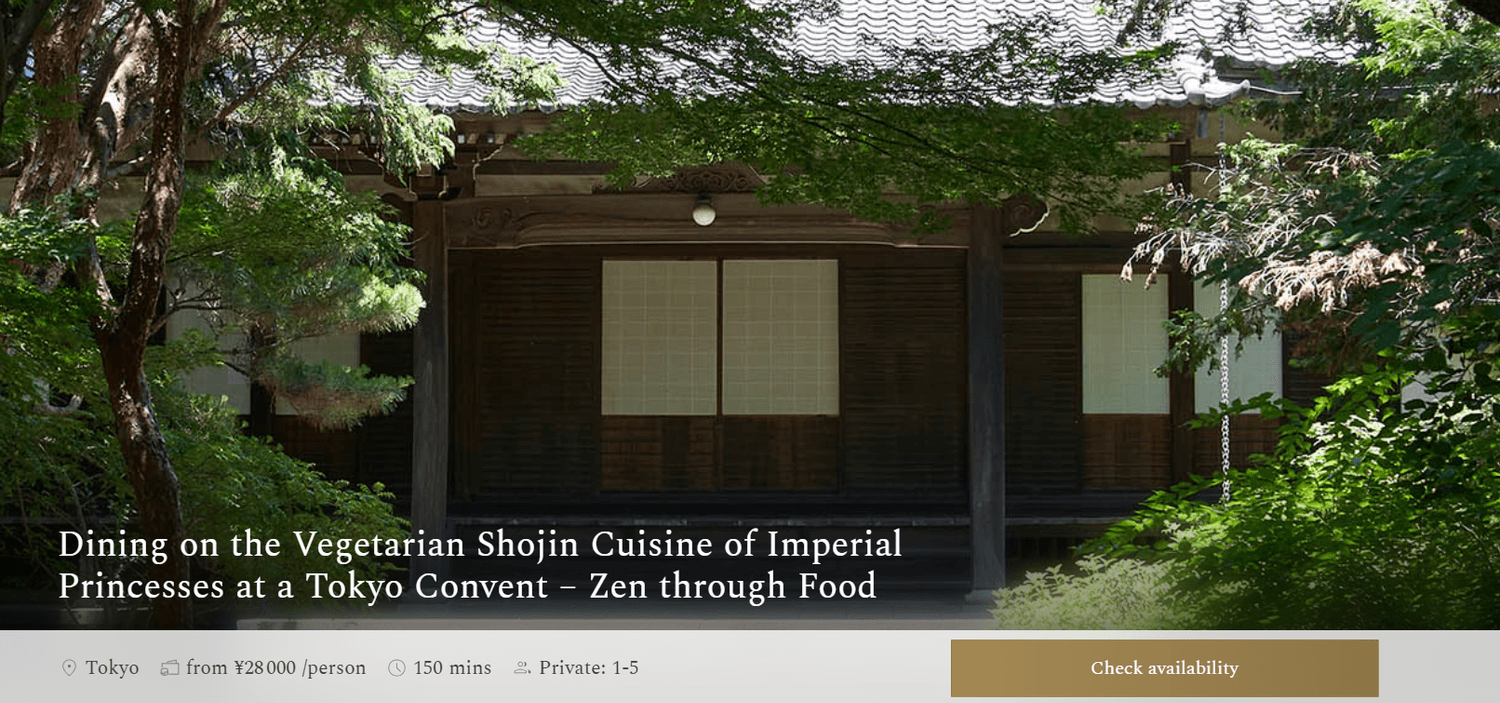
Discover a rare shojin cuisine experience in Tokyo at Sankoin Temple, a historic convent in Musashi-Koganei that preserves the exclusive Take-no-gosho style of Buddhist vegetarian cooking once prepared for imperial princesses. This private cultural experience combines Zen philosophy, temple history, and refined seasonal cuisine in a peaceful setting just outside central Tokyo. Begin with a guided visit of the convent grounds and a talk on Zen through food and daily labor, then sit down to a multi-course shojin ryori meal prepared by Chef Koushun Nishii, the sole successor to this 600-year-old culinary tradition. Unlike standard temple cuisine, this rare style emphasizes the natural flavor and elegance of seasonal ingredients with minimal seasoning. After the meal, enjoy a relaxed private conversation with Chef Nishii and deepen your understanding of Japanese convent culture, Zen thought, and traditional vegetarian dining. This is an ideal Tokyo food and culture experience for travelers seeking authenticity, mindfulness, and a deeper connection to Japan’s spiritual heritage.
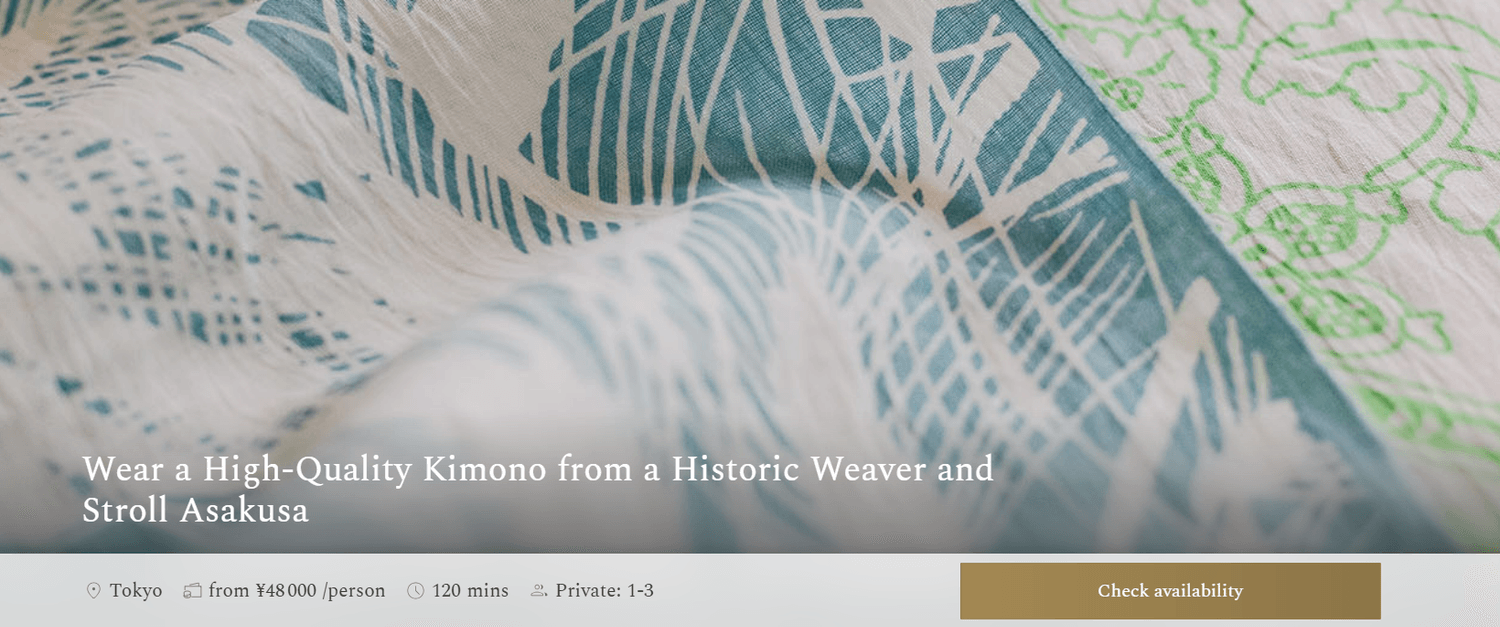
Step into traditional elegance with this kimono experience in Asakusa, hosted by Kimono Oriden, a historic weaving company founded in Kyoto in 1793. With more than 230 years of craftsmanship, Oriden is known for its exceptional karaori weaving, a luxurious textile technique that creates richly textured, three-dimensional patterns in silk. This private experience offers the rare chance to learn about the history of Japanese kimono culture, admire restored historical garments, and wear a seasonally selected, high-quality kimono chosen from Oriden’s collection.
Begin with an introduction to the world of silk and traditional weaving, led by the store owner, who will also share insights into precious restored costumes and the techniques behind their preservation. Then choose your preferred kimono and obi belt, and be dressed by a professional. Once ready, enjoy free time to stroll through Asakusa in kimono, one of Tokyo’s most iconic historic districts, home to Sensoji Temple, Kaminarimon, and Edo-era streetscapes. Ideal for travelers seeking an authentic and refined Tokyo cultural experience, this activity combines fashion, heritage, and a memorable walk through old Tokyo.
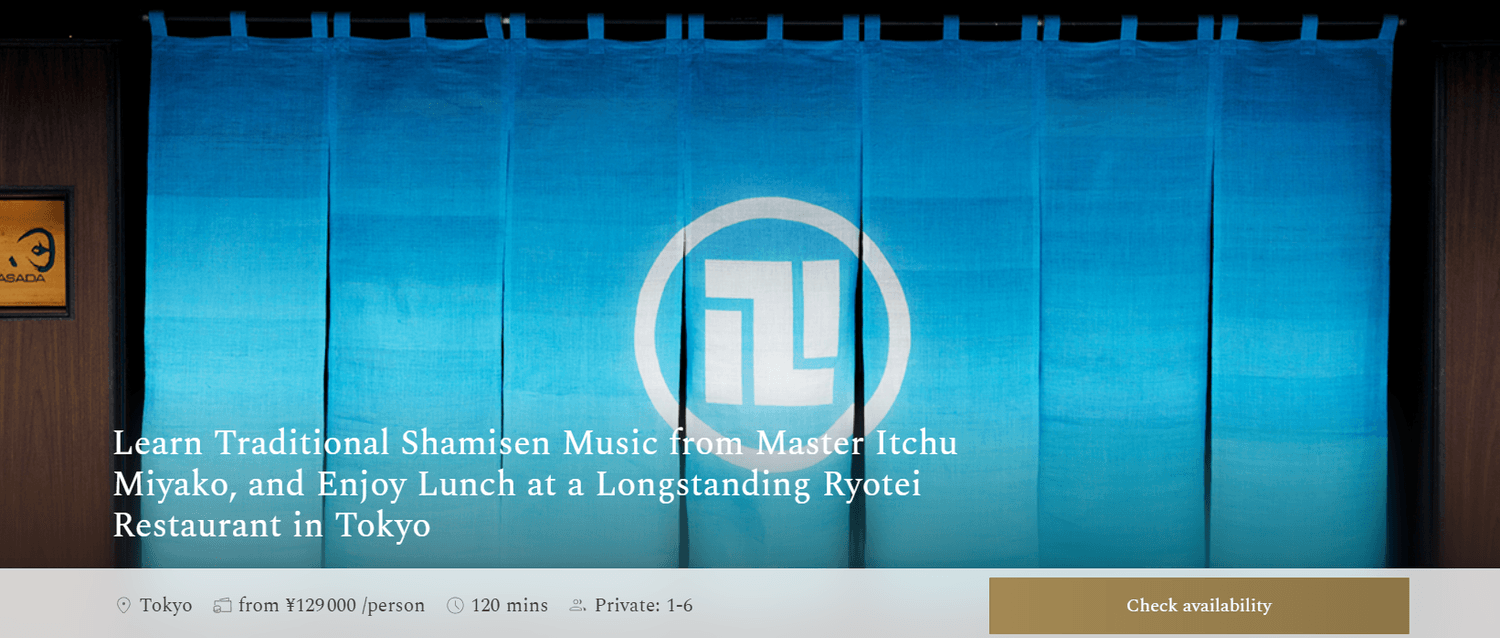
Discover the refined world of traditional Japanese music in Tokyo with this private cultural experience at Akasaka Asada, a longstanding ryotei restaurant in the historic Akasaka district. In an elegant tatami room, enjoy an intimate shamisen performance and lesson led by Itchu Miyako, the 12th-generation head of the Itchu-bushi school, a nationally recognized important intangible cultural property. Learn about the roots of this sophisticated shamisen tradition, its connection to Buddhist thought, and the distinctive aesthetics that shaped Edo-period music. After the performance, try playing the shamisen yourself under Miyako’s guidance, learning basic technique, how to hold the plectrum, and the foundations of Japanese musical scales. The setting makes the experience even more special: Akasaka Asada is a renowned traditional Japanese restaurant in Tokyo, descended from a historic Kanazawa inn and known for preserving the atmosphere of classic ryotei hospitality. To conclude, savor a seasonal Kaga cuisine lunch prepared with fresh ingredients from Ishikawa Prefecture and served on beautiful regional tableware such as Kutani ware and Wajima lacquerware. Combining music, history, and cuisine, this is a rare luxury cultural experience in Tokyo for travelers seeking a deeper encounter with Japanese tradition.
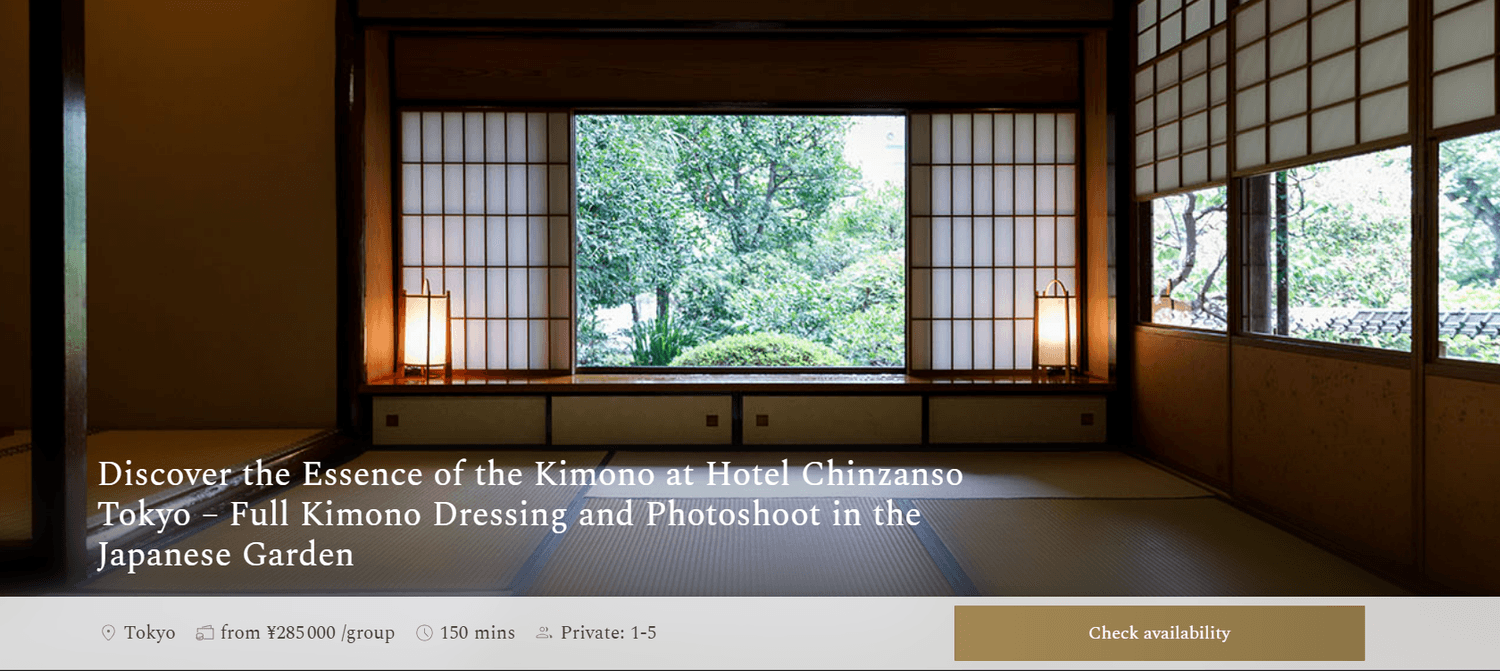
Experience a private kimono dressing at Hotel Chinzanso Tokyo with stylist Hitomi Ito. Learn basic kimono culture and movement, then enjoy a professional photoshoot in the hotel’s Japanese garden. A refined, high-end cultural experience in Tokyo.
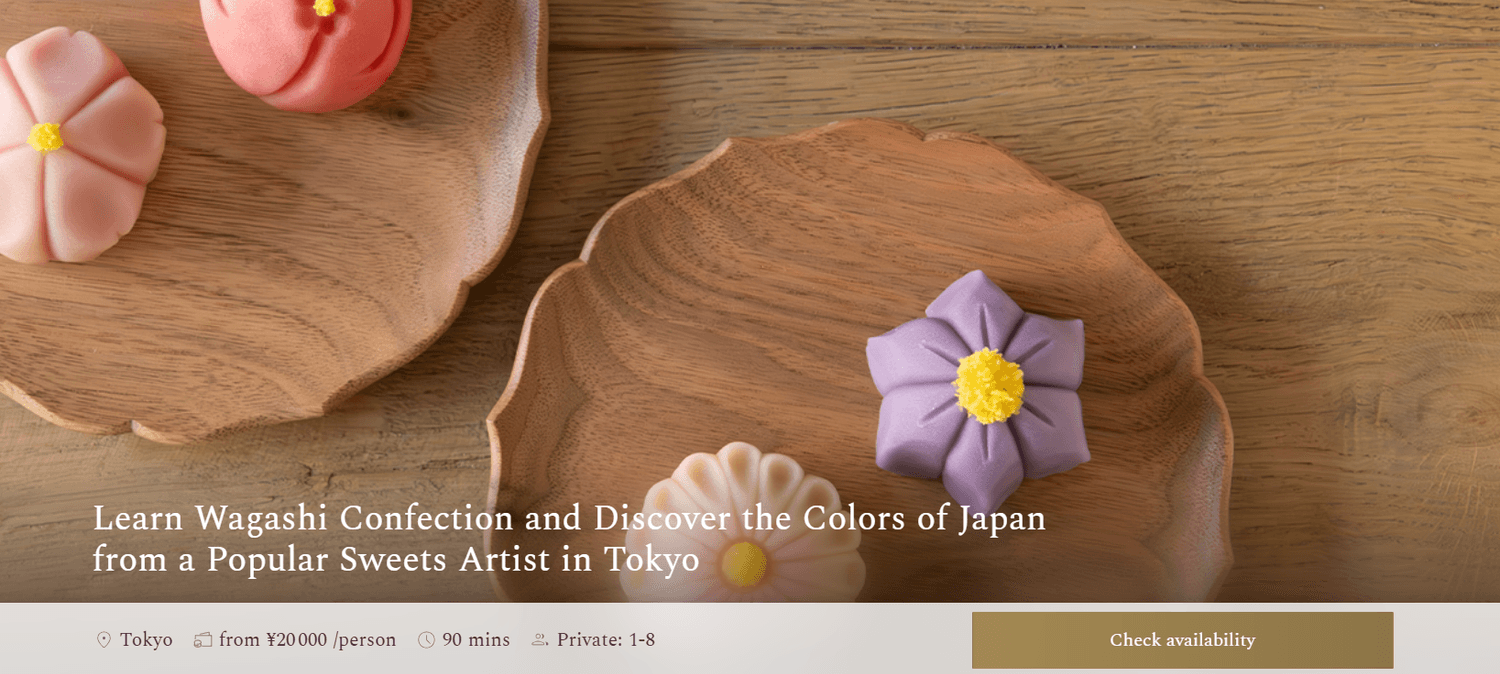
Join Makumi Suzuki to learn traditional wagashi making in Tokyo. Create two seasonal sweets, discover their cultural meaning, and enjoy them with tea in a relaxed workshop near Shibuya.
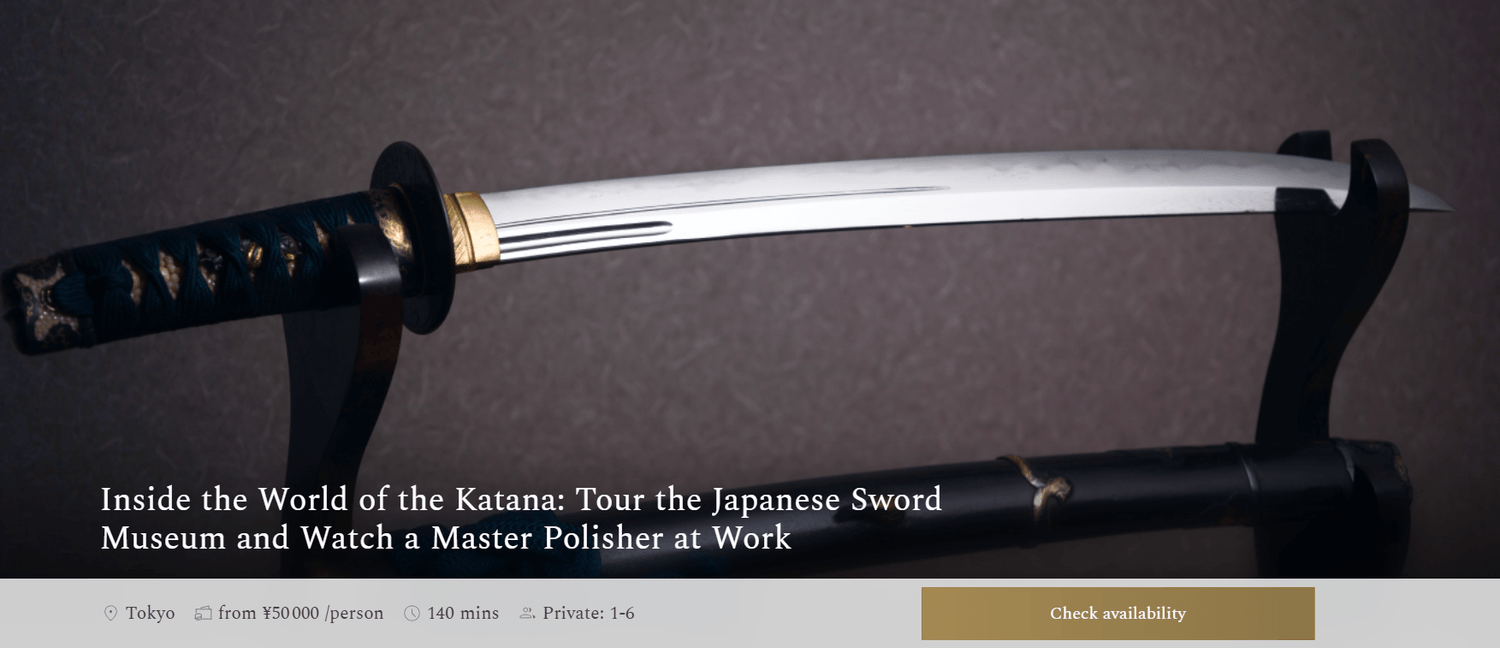
Discover the art of the katana in Tokyo with a visit to the Japanese Sword Museum and a private session at a traditional polishing workshop. Learn how to appreciate Japanese swords, watch a master polisher at work, and enjoy a rare cultural experience focused on craftsmanship and history.
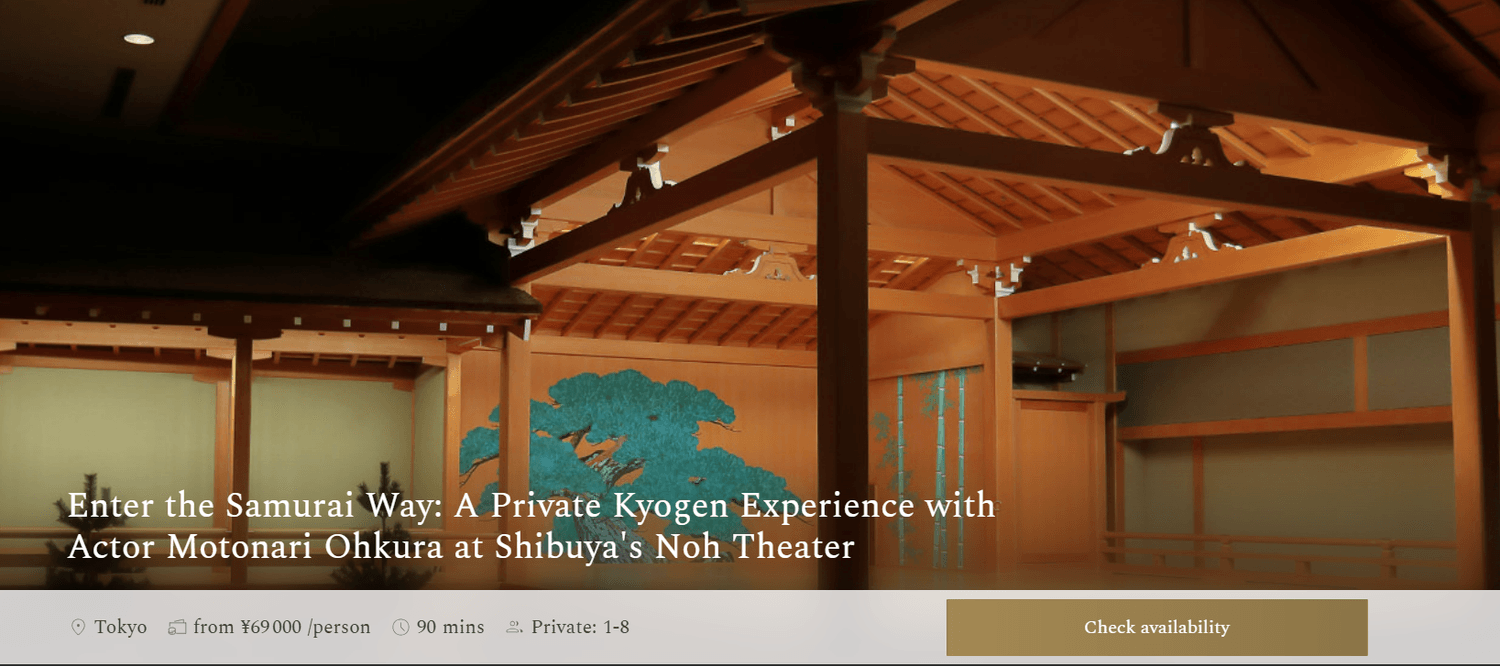
Step into the world of Kyogen in Tokyo with a private experience at Shibuya’s Cerulean Tower Noh Theater. Learn basic movements, posture, and vocalization from master actor Motonari Ohkura, explore backstage areas, and discover the humor and tradition of this classical Japanese performing art.
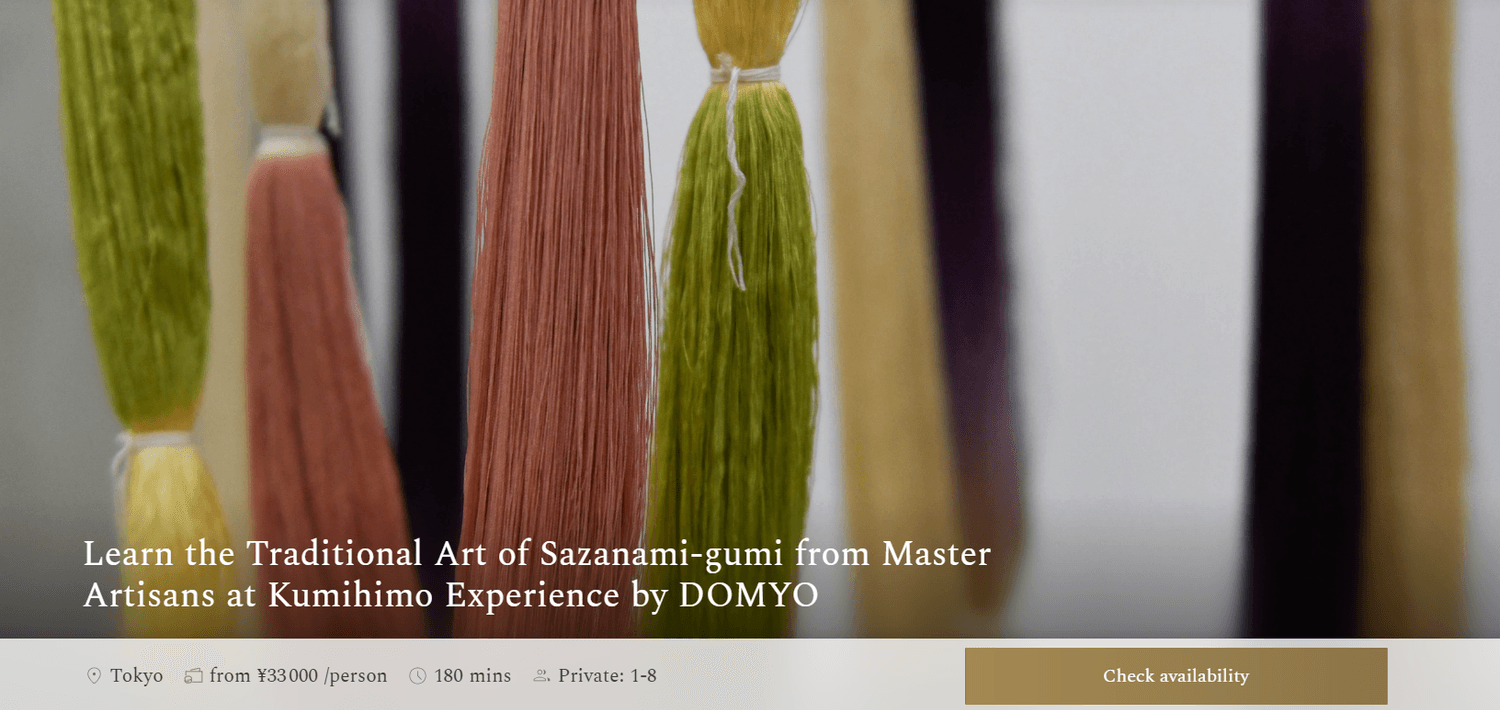
Join a hands-on kumihimo workshop in Tokyo at Kumihimo Experience by DOMYO. Learn the rare sazanami-gumi braiding technique from expert artisans, craft your own silk bracelet, and discover a 370-year-old Japanese tradition blending craftsmanship and design.
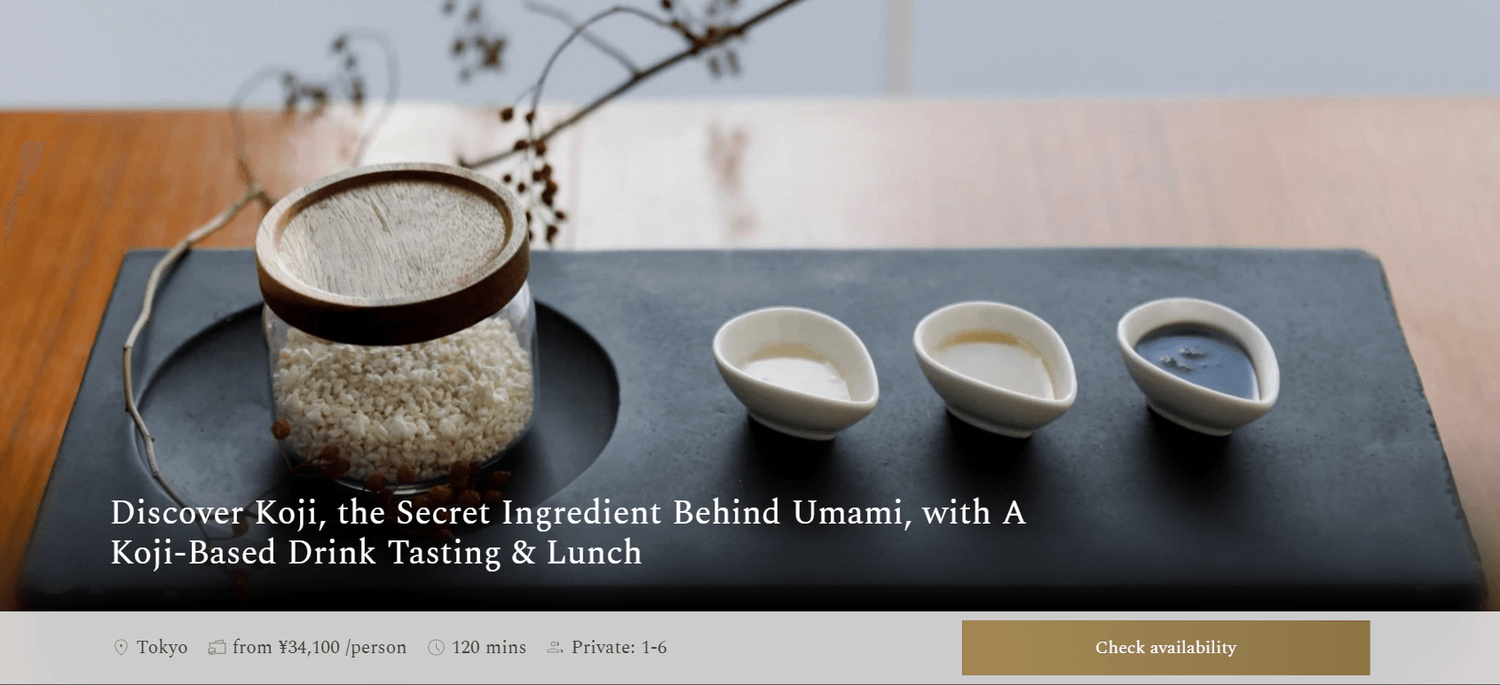
Join a hands-on koji workshop in Tokyo to explore Japan’s fermentation culture. Taste different amazake drinks, make your own soy sauce koji, prepare onigiri, and enjoy a koji-based lunch while learning how this ingredient enhances umami in Japanese cuisine.
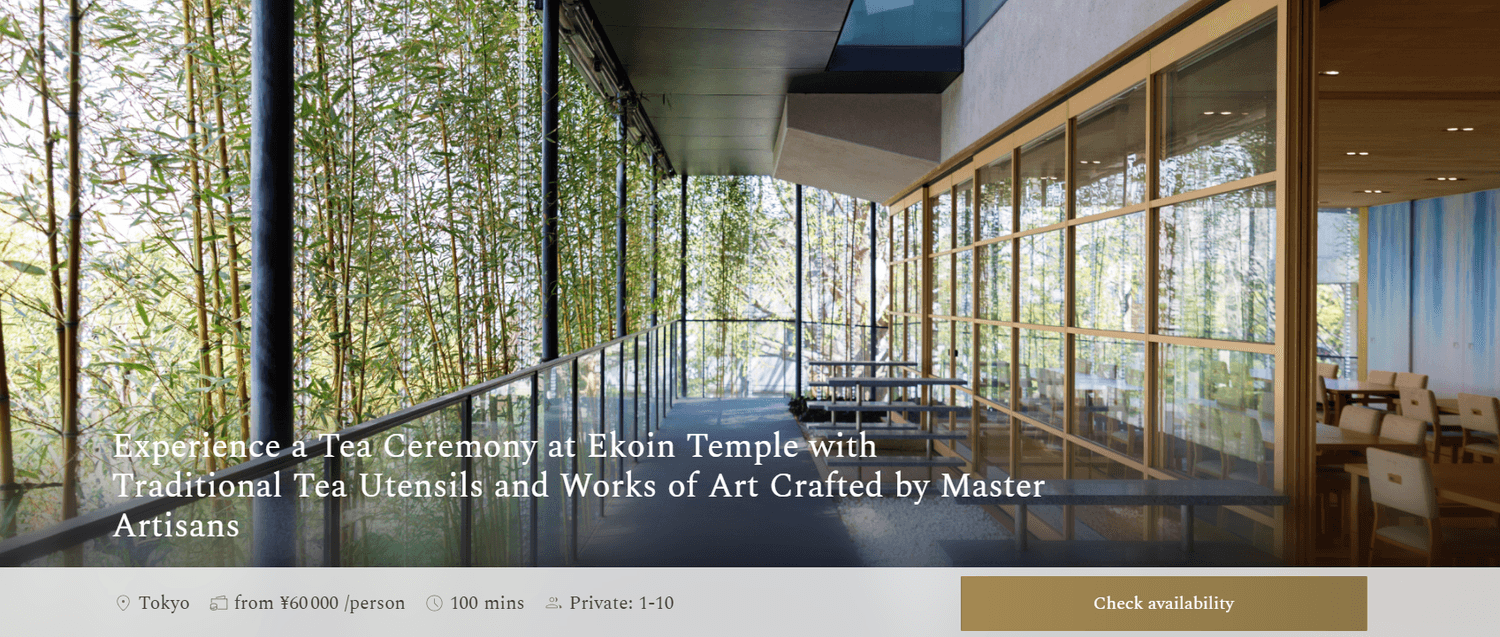
Join a private tea ceremony in Tokyo at Ekoin Temple with tea master Hasue Koen. Discover traditional rituals, taste gyokuro and matcha with seasonal sweets, and admire rare tea utensils and artworks in a temple setting.
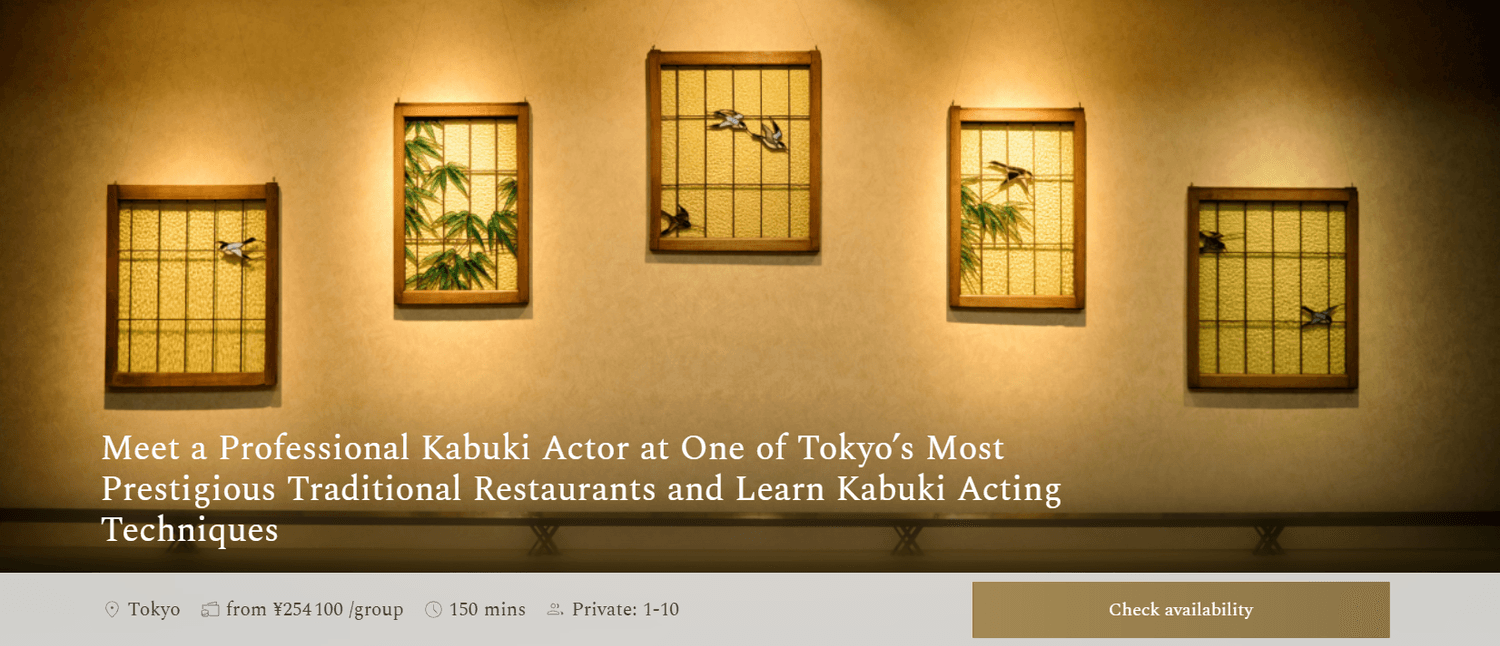
Enjoy a private kabuki experience in Tokyo with professional actor Ichikawa Monnosuke VIII. Learn classic kabuki techniques, try the iconic mie pose, and discover this dramatic art in an intimate workshop, followed by a refined kaiseki meal in a traditional ryotei.
Experiential Luxury Stay
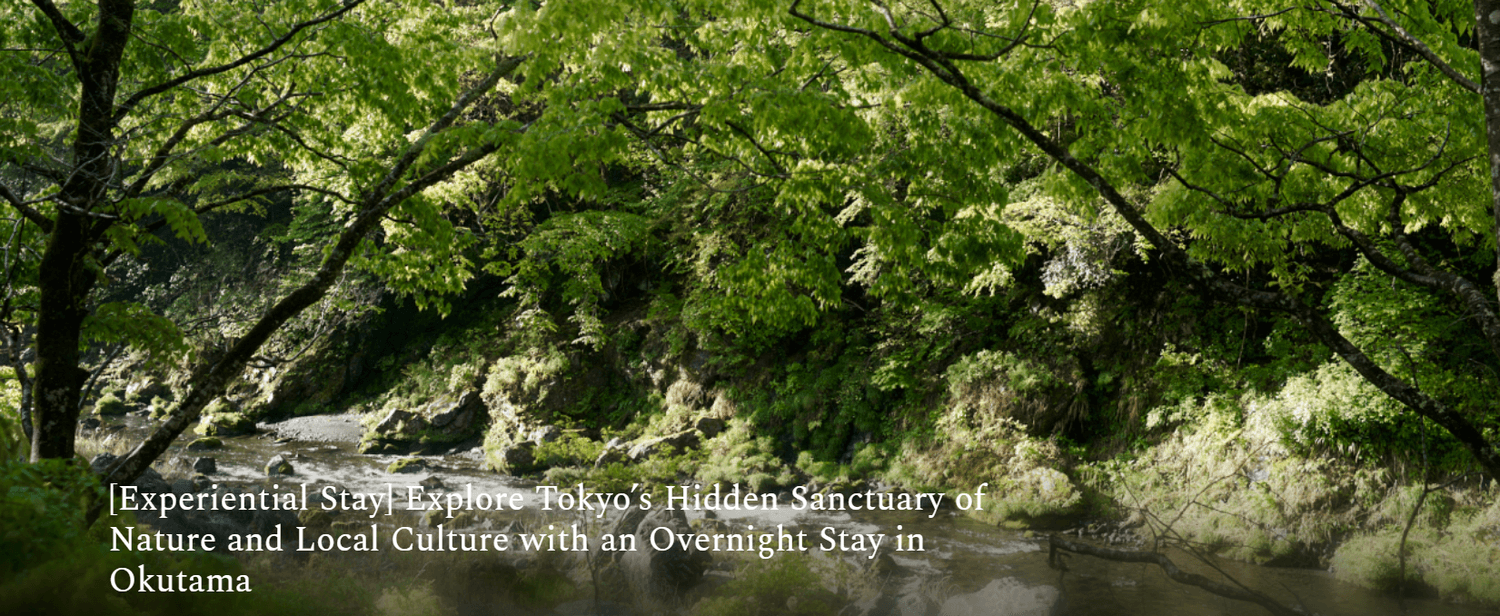
This overnight stay in Okutama offers a quieter side of Tokyo, surrounded by rivers, mountains, and village scenery.
You’ll stay at a stylish rural retreat with a sauna, lounge, garden, and views over the Tamagawa River. The experience also includes French-inspired meals made with local seasonal ingredients, plus a sake pairing with dinner.
Ideal for travelers who want to slow down and experience nature without leaving Tokyo, this stay combines comfort, food, and a more hidden local atmosphere.
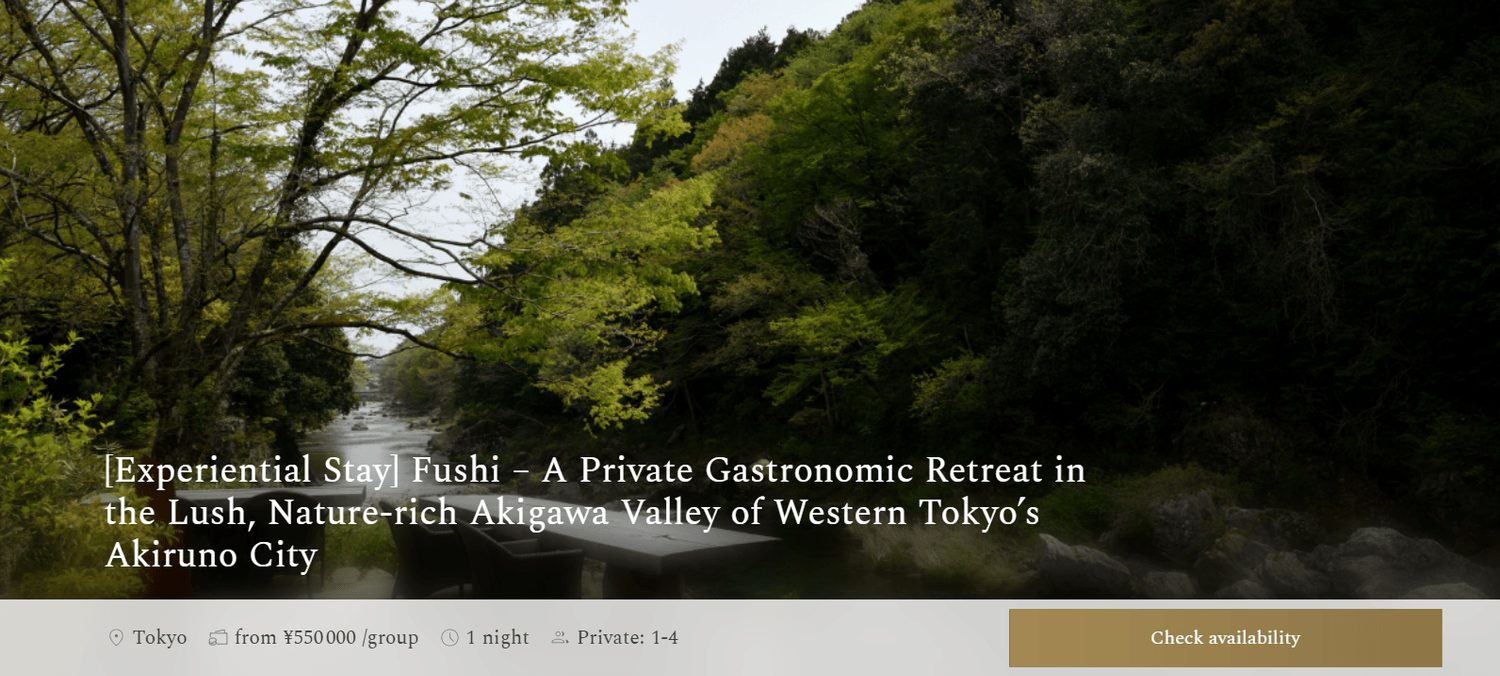
This private overnight stay in Akigawa Valley offers a rare luxury retreat surrounded by nature, far from central Tokyo. At Fushi, a one-group-only riverside villa, you’ll enjoy a private stay with gourmet seasonal dining prepared by a dedicated chef, plus your choice of an activity such as ayu fishing, a guided hike, or a tea ceremony. Designed for travelers seeking privacy, scenery, and a slower pace, this experience combines refined hospitality with a quieter, more natural side of Tokyo.
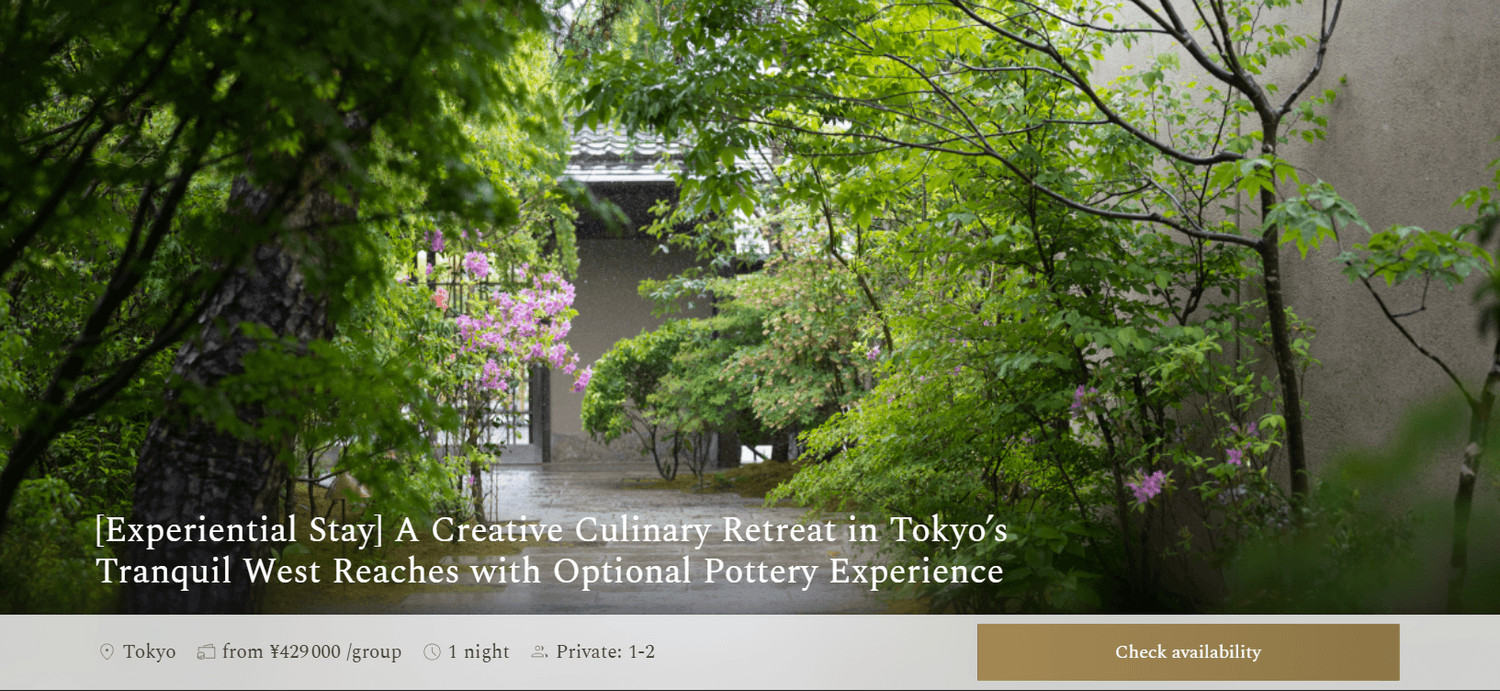
This private overnight stay in Tokyo offers a refined escape in the quieter west side of the city. At Auberge TOKITO, guests enjoy a boutique stay with a private open-air onsen bath, seasonal breakfast and dinner, and an intimate dining experience led by Michelin-starred chef Yoshinori Ishii. An optional add-on also lets you create your own ceramic piece in the chef’s studio, followed by a special lunch.
Ideal for travelers seeking privacy, gastronomy, and a slower atmosphere without leaving Tokyo, this stay blends luxury hospitality with Japanese craft and seasonal cuisine.
Plan Your Japan Trip More Easily
If you're going to Japan you're probably facing :
Too much information
How to organize
Don’t know where to go
Train system feels confusing
Afraid of missing places
Planning a trip to Japan usually breaks at the same point: you save a lot of places, but don’t know how to turn them into a realistic route. Cities are large, distances are not intuitive, and it’s hard to know what actually fits in one day.
This guide was created to solve that. It helps you understand how places connect, how many days make sense per area, and how to build an itinerary that flows.
With the interactive map, you can explore curated spots across Japan, follow ready-made itineraries and day trips, mix my routes with your own, and adapt everything to your pac
I created my Japan Travel Guide to help you organize your trip in a clear, realistic way.
Details on what you'll have
Best of both world : touristy & off the beaten path places
+ 1000 things to do, filterable by category & tags
Lifetime access to my itinerary and all future updates.
10 to 30 days curated itineraries, fully customizable
Kanto (Tokyo & surroundings) Day by Day customizable Itinerary (10 to 15 days)
Kansai (Osaka, Kyoto, Nara...) Day by day Itinerary customizable (13 to 15 days)
Tokyo Guide by Neighborhood (23 special ward)
15+ additional day trips detailed for exploring nearby destinations from Tokyo, Osaka, Kyoto.
Interactive map with all key spots marked & filterable by category & tags
Benefit from in-depth practical advice (navigation, accomodation, restaurants, cultural experiences)
PDF & Excel sheets (with less updates than online version)

What it looks like on the app :




If you prefer something fully tailored, I also offer a 100% custom travel planning service.
I design a day-by-day itinerary based on your dates, interests, budget, travel pace, and priorities. You simply follow the plan and enjoy your trip.
And if you like flexible, editable itineraries, you can also find my ready-made itineraries on Holicay.
They’re ideal if you want a solid base you can customize with your travel companions.

Hi, I’m Marie, the creator behind @tabimawari.
I lived in Kyoto, learned Japanese, and keep returning to explore Japan beyond the obvious.
Planning a trip to Japan usually breaks at the same point: you save a lot of places, but don’t know how to turn them into a realistic route. Cities are large, distances are not intuitive, and it’s hard to know what actually fits in one day.
This guide was created to solve that. It helps you understand how places connect, how many days make sense per area, and how to build an itinerary that flows.
With the interactive map, you can explore curated spots across Japan, follow ready-made itineraries and day trips, mix my routes with your own, and adapt everything to your pace.

MY SOCIALS


MY NEWSLETTER
Japan Monthly by Tabimawari : Subscribe to get a monthly email packed with inspiration, local tips, and events happening across Japan straight from someone who’s lived and traveled a lot.
Look for the best accommodations in Japan :
Explore Japan with Local Guides
Marie creator behind @Tabimawari
Hi, I’m Marie.
French islander from Reunion island, Japan lover, and travel planner behind Tabimawari.
I spent a year living in Kyoto, learning Japanese and falling in love with the culture. Since then, I’ve kept going back, exploring every corner from Tokyo to the tiniest hidden towns.
I created these guides after spending months planning, testing, and fine-tuning every detail so you don’t have to. Inside, you’ll find:
✅ Interactive maps
✅ Step-by-step directions
✅ Local spots + travel tips
✅ Offline use
Each guide is made with care, based on real-life travel, not generic blog advice.
This is what I wish I had on my first trip to Japan and now it’s yours.
MY SOCIALS
MY NEWSLETTER
Plan your Japan trip without
the overwhelm
Follow me
Newsletter
Japan Monthly : Subscribe to get a monthly email packed with inspiration, local tips, and events happening across Japan straight from someone who’s lived and traveled a lot.